
 Isabel Parker
12 Once-Famous Actors Hollywood Quietly Stopped Casting
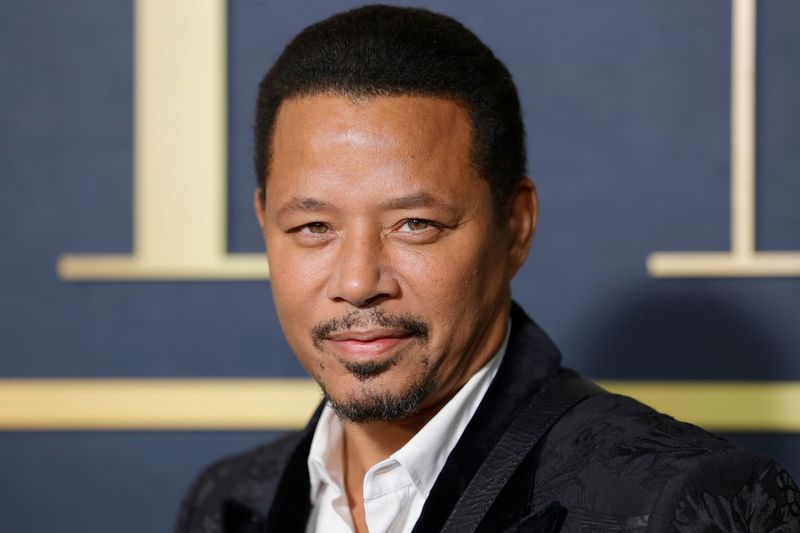
Hollywood can make someone a superstar overnight, but it can also make them disappear just as fast.
Some actors who were once household names slowly vanished from big screens without any public announcement.
Whether it was controversy, personal beliefs, or clashes with powerful people, their careers took unexpected turns.
1. Brendan Fraser
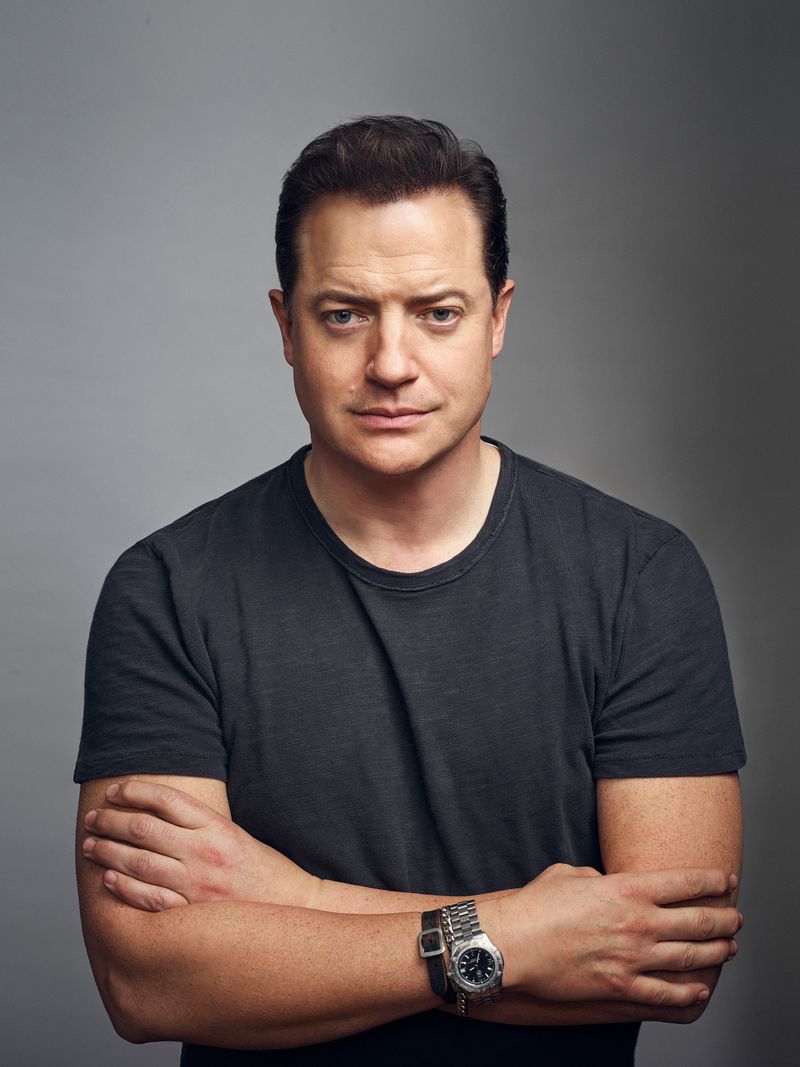
Remember the guy who swung from vines in George of the Jungle and battled mummies in The Mummy?
Brendan Fraser was everywhere in the late 1990s and early 2000s.
Then, almost without warning, he vanished from the spotlight.
Fraser later revealed that he had alleged misconduct by a powerful Hollywood figure, and he believed it contributed to his career stalling.
Physical injuries from his action-heavy roles also took a serious toll on his body.
Thankfully, his story has a hopeful ending.
Fraser made a remarkable comeback with The Whale, earning an Academy Award for Best Actor in 2023.
2. Jim Caviezel
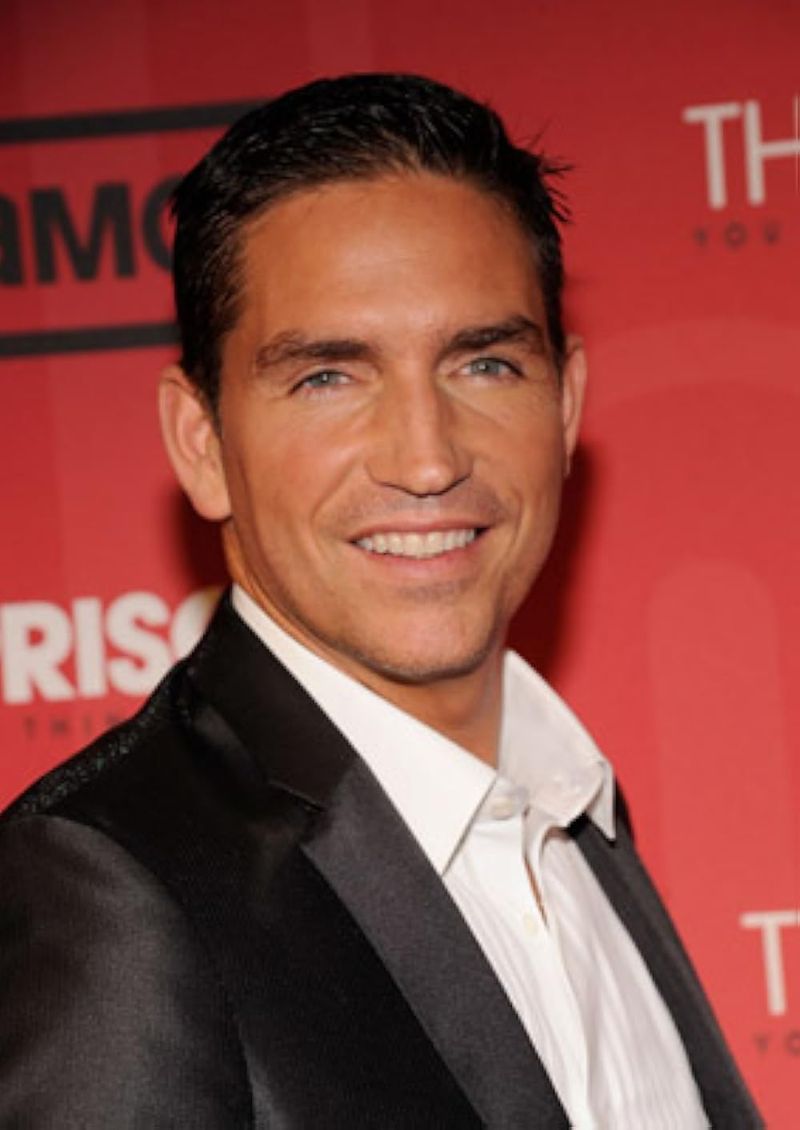
Playing Jesus Christ in a major Hollywood film sounds like a career milestone, but for Jim Caviezel, The Passion of the Christ seemed to mark a turning point in a different direction.
After the 2004 film became a massive hit, mainstream studio work quietly dried up.
Caviezel has spoken openly about his strong Catholic faith and conservative views, which reportedly put him at odds with Hollywood culture.
Some insiders suggest his outspoken beliefs made studios hesitant to cast him in big productions.
He found success on the TV series Person of Interest, proving his talent never faded, even if Hollywood’s interest did.
3. Corey Feldman
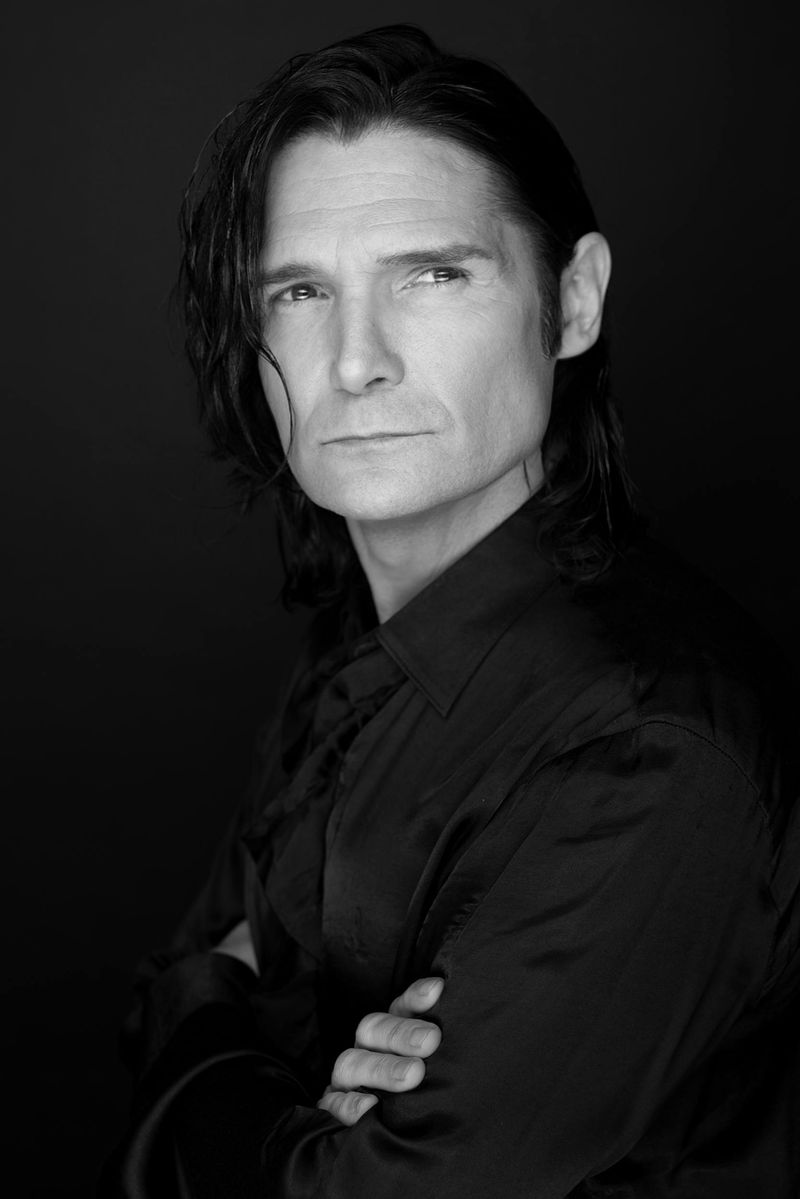
Corey Feldman was a true child star of the 1980s, lighting up films like The Goonies and Stand by Me.
He was one of the most recognizable young faces in Hollywood during that era.
Over time, Feldman began speaking publicly about alleged abuse and misconduct he experienced in the entertainment industry as a child.
He claims that coming forward hurt his career significantly, as powerful people in the industry distanced themselves from him.
His story sparked important conversations about protecting young performers.
He has continued to advocate for other survivors, even when it came at a personal and professional cost.
4. Edward Norton
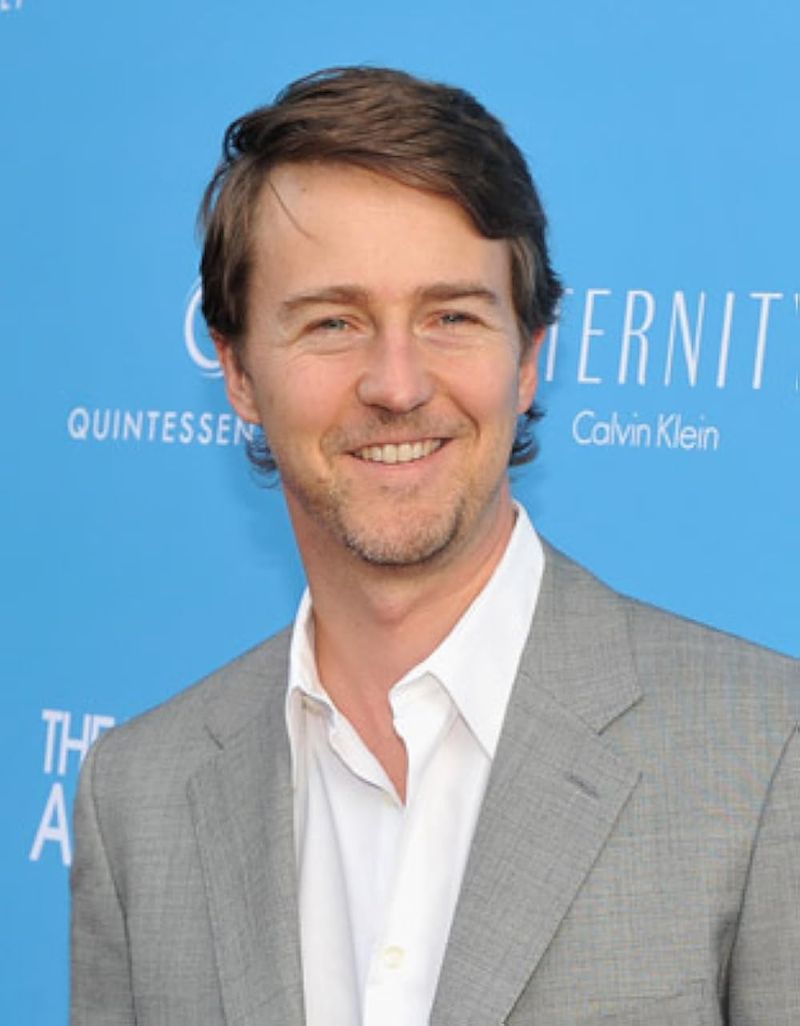
Few actors arrived in Hollywood with as much buzz as Edward Norton.
His debut in Primal Fear earned him an Oscar nomination, and Fight Club cemented him as one of the most exciting actors of his generation.
However, Norton developed a reputation for clashing with directors and studios over creative decisions.
His disputes on films like The Italian Job and The Incredible Hulk reportedly made major studios reluctant to bring him into big franchise projects.
He has continued working steadily in critically praised films, but the blockbuster machine largely moved on without him.
Talent alone, it turns out, does not always guarantee a smooth career.
5. Mel Gibson
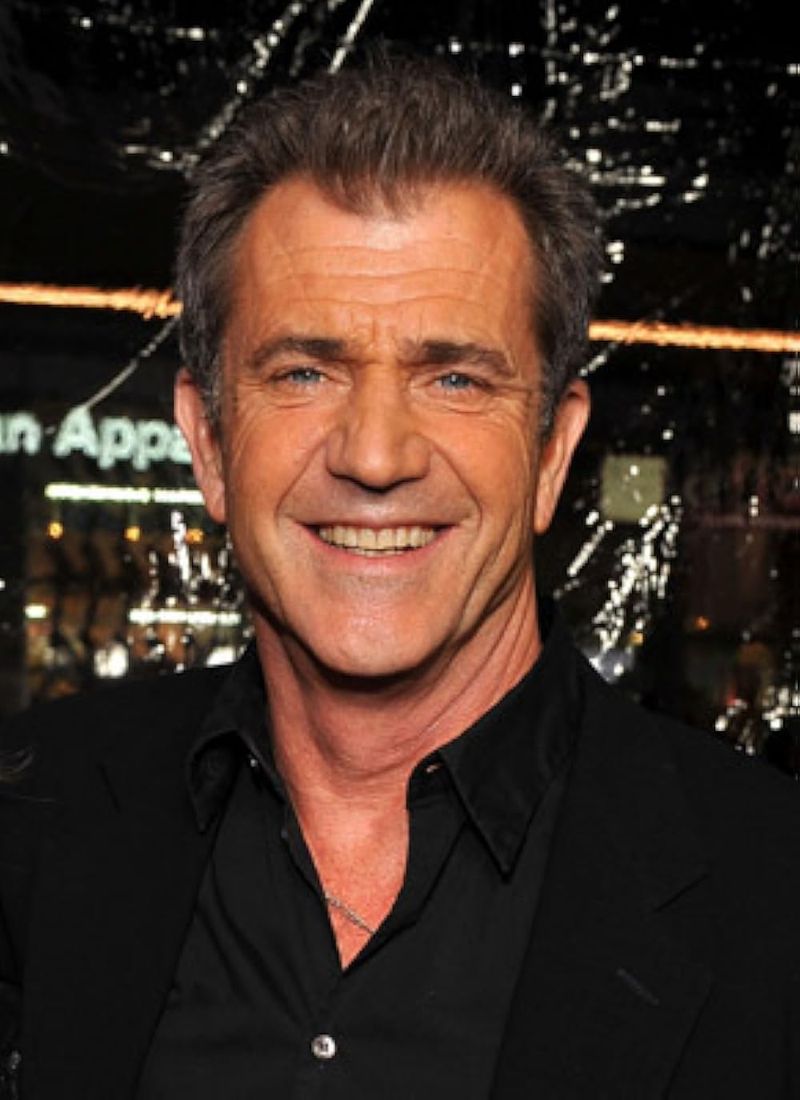
At his peak, Mel Gibson was one of the biggest names in Hollywood, starring in the Lethal Weapon franchise and directing Braveheart to Oscar glory.
He seemed untouchable for years.
Then a series of highly publicized controversies, including legal troubles and offensive recorded remarks, sent his reputation into freefall.
Studios quietly stopped returning his calls, and the roles dried up almost overnight.
Gibson managed a slow but notable return to directing with Hacksaw Ridge in 2016, earning Oscar nominations and critical praise.
His journey is a complicated one, mixing undeniable talent with deeply troubling personal failures that many people have not forgotten.
6. Isaiah Washington
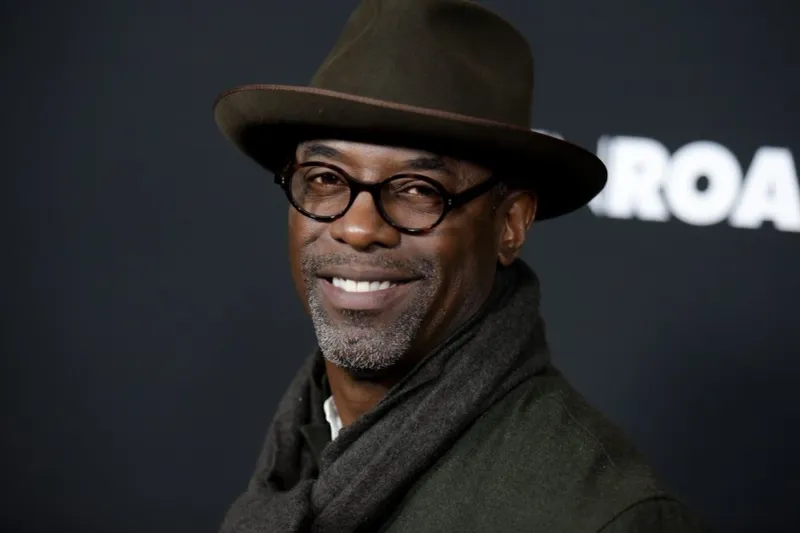
Isaiah Washington had a prime-time golden ticket when he joined the cast of Grey’s Anatomy, one of the hottest TV dramas of the mid-2000s.
His future looked incredibly bright.
An on-set incident involving a slur directed at a co-star created a firestorm of controversy.
The fallout led to his departure from the show, and the momentum he had built seemed to evaporate almost immediately after.
Washington has reflected publicly on that period, acknowledging mistakes while also expressing frustration about how the industry handled his situation.
He has worked consistently since, but never quite recaptured that level of mainstream visibility he once enjoyed.
7. Terrence Howard
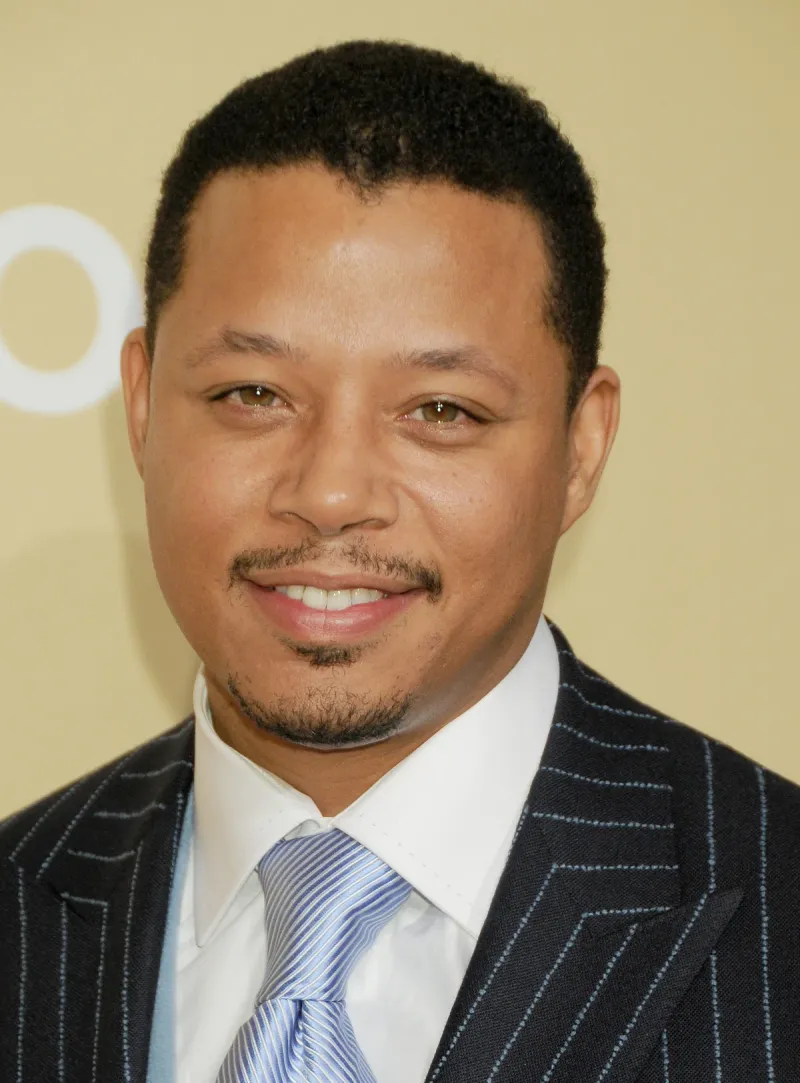
Terrence Howard had one of the most enviable positions in Hollywood when he played James Rhodes in the original Iron Man.
He was in on the ground floor of what would become the biggest franchise in cinema history.
Contract disputes and reported tensions behind the scenes led to him being replaced by Don Cheadle before the sequel.
That decision effectively shut Howard out of the Marvel Cinematic Universe’s massive success and cultural impact.
He later starred in the hit TV show Empire, proving he still had star power.
But missing out on a superhero franchise that earned billions remains one of Hollywood’s most talked-about casting shake-ups.
8. Randy Quaid
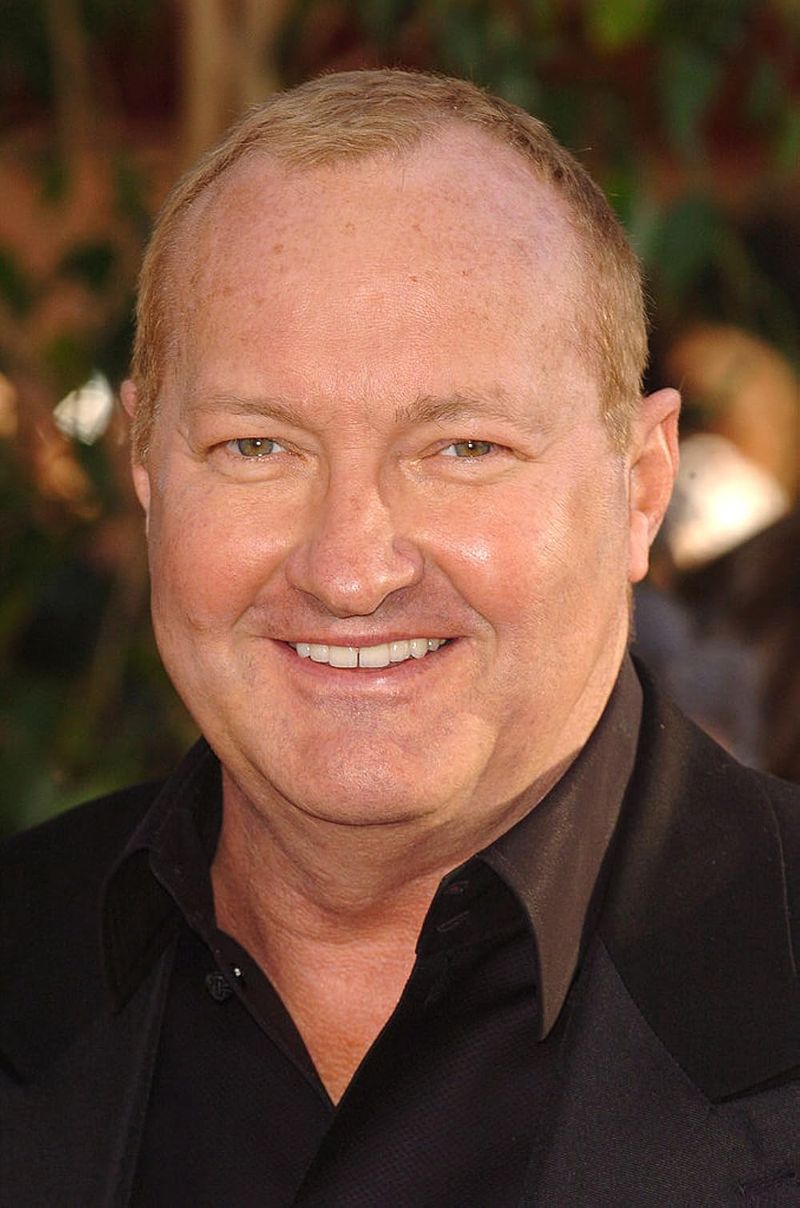
Randy Quaid was a genuinely respected character actor with an Oscar nomination and memorable roles in films like National Lampoon’s Vacation.
He was a reliable and entertaining presence in Hollywood for decades.
Things took a dramatic turn in the 2000s when Quaid and his wife became entangled in legal troubles, including charges related to fraud and unpaid hotel bills.
Their behavior became increasingly erratic and public, including bizarre press conferences and claims of being targeted by shadowy figures.
Hollywood casting directors quietly moved on.
His story is equal parts sad and strange, a reminder of how quickly public perception can permanently close professional doors.
9. Kirk Cameron
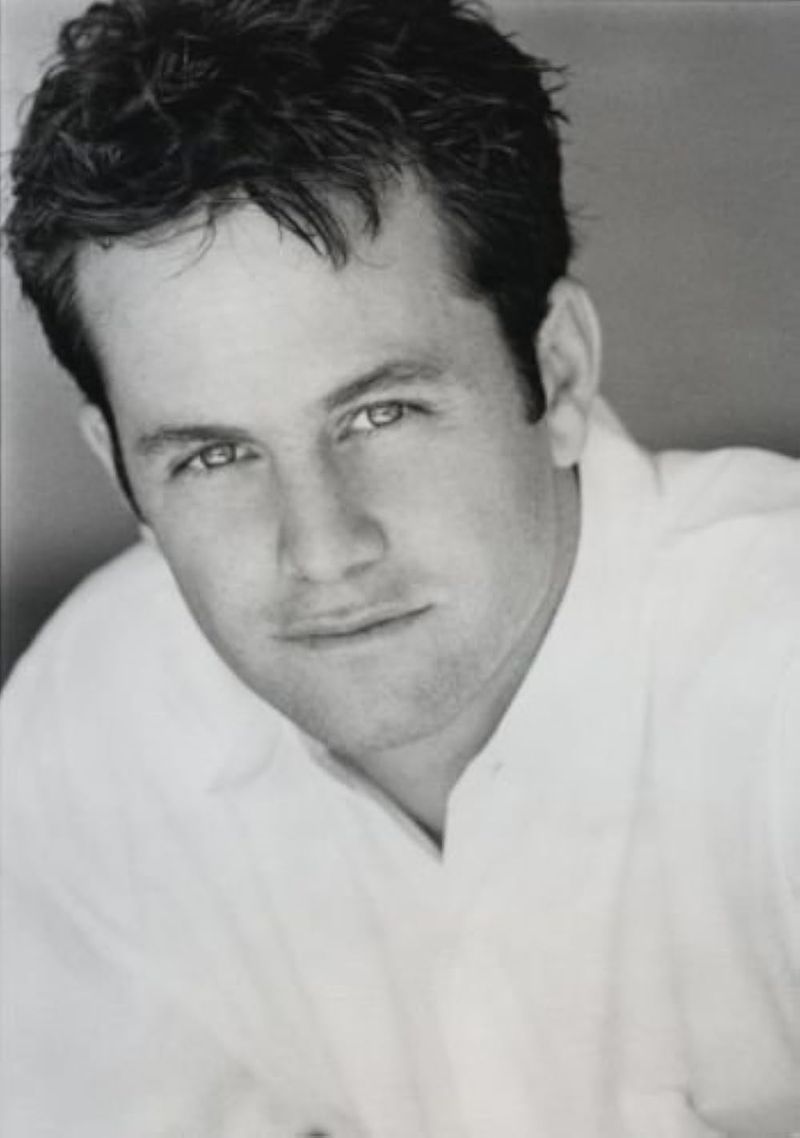
Growing Up, Kirk Cameron was the definition of a teen idol.
His role as Mike Seaver on Growing Pains made him one of the most recognized young faces on American television throughout the 1980s.
As Cameron grew older, his Christian faith became the central focus of his life and his public identity.
He began speaking openly about his beliefs in ways that put him at odds with mainstream Hollywood values and culture.
Rather than fight for a place in traditional Hollywood, Cameron leaned fully into faith-based films and ministry work.
He built a loyal audience outside of the mainstream industry, trading celebrity for purpose on his own terms.
10. C. Thomas Howell
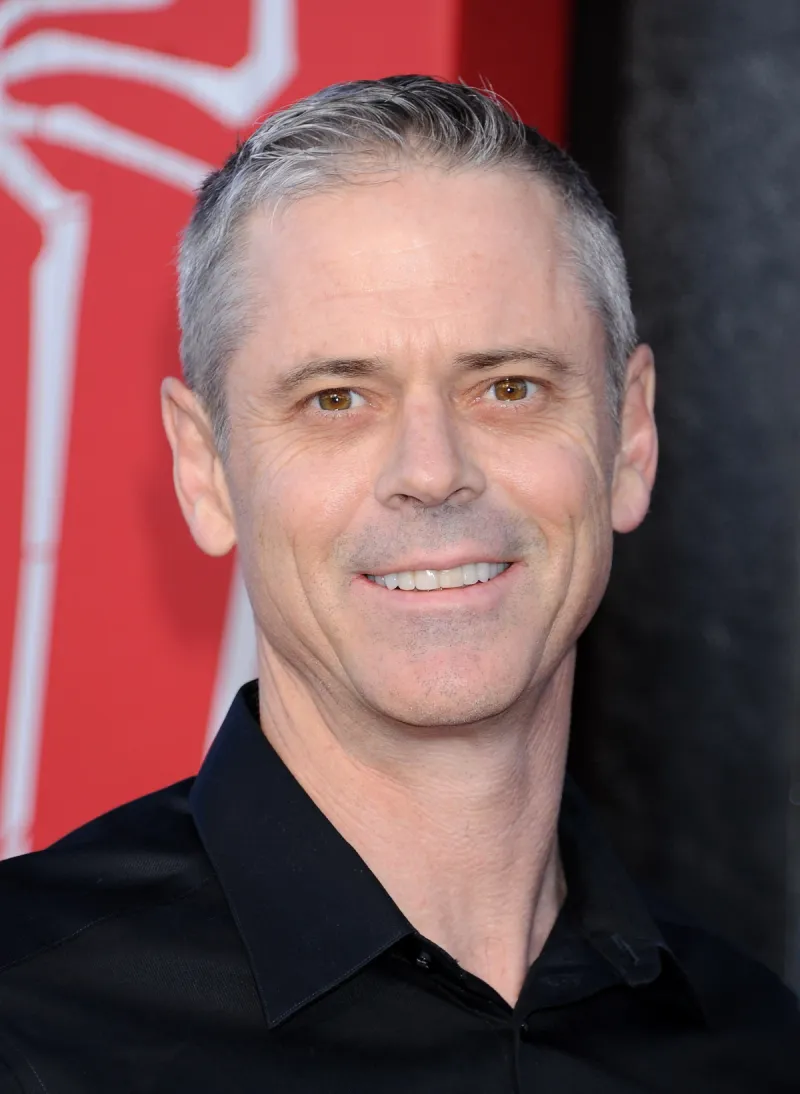
C. Thomas Howell was a certified member of the 1980s Brat Pack, earning serious attention for his role in The Outsiders alongside future superstars.
A promising path in Hollywood seemed wide open for him.
His 1986 film Soul Man, in which he played a white character using a tanning machine to appear Black in order to win a scholarship, sparked significant controversy.
Critics argued the film was racially insensitive, and the backlash damaged his rising reputation considerably.
Howell continued working steadily in smaller productions and television, but the A-list trajectory he once had never fully materialized.
The film remains one of Hollywood’s more uncomfortable cultural artifacts from that era.
11. Kevin Spacey
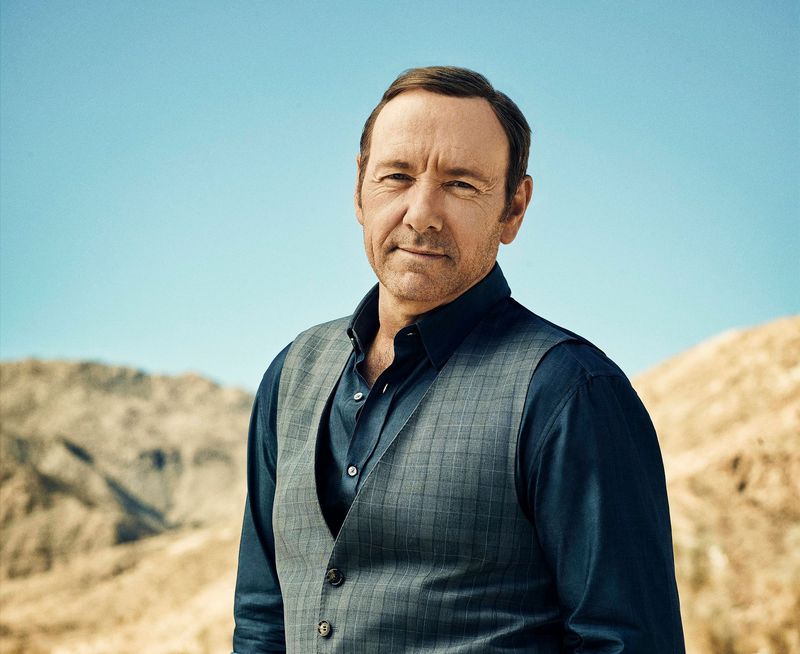
Kevin Spacey was considered one of the finest actors of his generation, holding two Academy Awards and starring in landmark films like American Beauty and The Usual Suspects.
He was also the lead of the hugely popular Netflix series House of Cards.
In 2017, multiple misconduct allegations surfaced against him, and the fallout was swift and severe.
He was digitally replaced in a completed film, dropped from House of Cards, and effectively shut out of the industry almost overnight.
His case became a defining moment of the MeToo era.
Unlike some others on this list, Spacey has found very little path back into mainstream Hollywood productions since then.
12. Neal McDonough
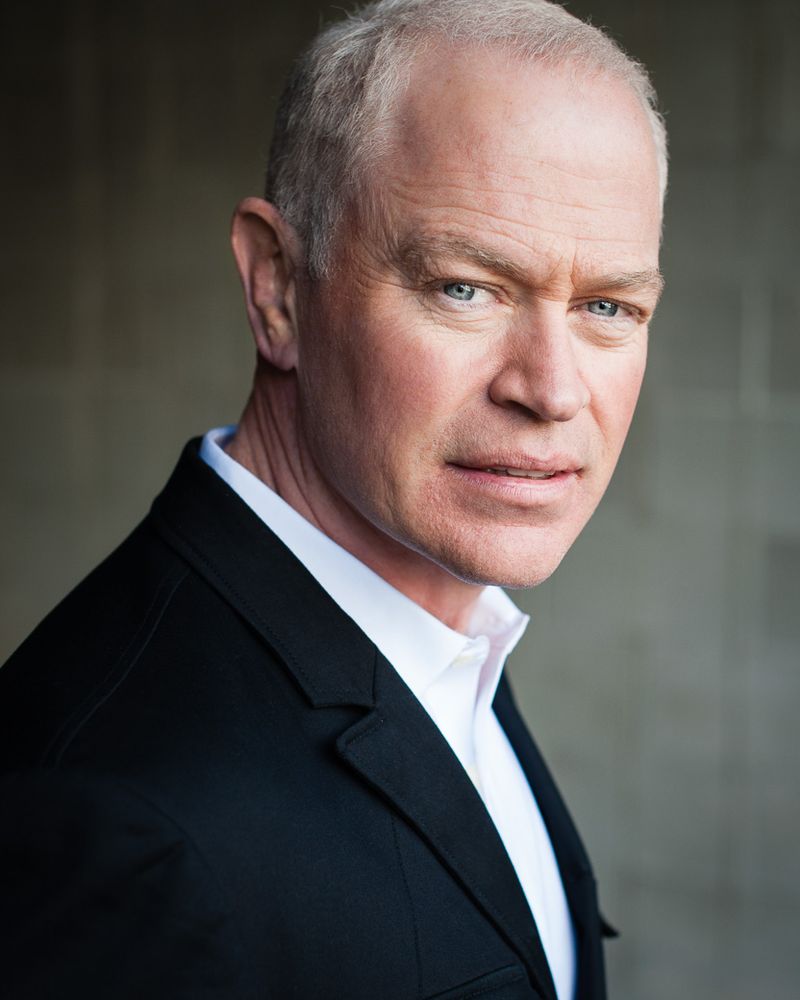
Neal McDonough has one of the most distinctive looks in Hollywood, with piercing blue eyes and a commanding screen presence.
He built a solid career appearing in Band of Brothers, Suits, and various superhero projects.
Behind the scenes, McDonough reportedly drew a firm line at filming romantic or intimate scenes with anyone other than his wife, citing his Catholic faith as the reason.
According to him, this personal boundary cost him roles and led to him being quietly sidelined by certain producers.
He has spoken candidly about the professional consequences of his convictions.
His story raises interesting questions about how much of a performer’s personal life Hollywood expects them to compromise.
Comments
Loading…