
 Jade Reed
12 Old Hollywood Moments That Caused Total Moral Outrage
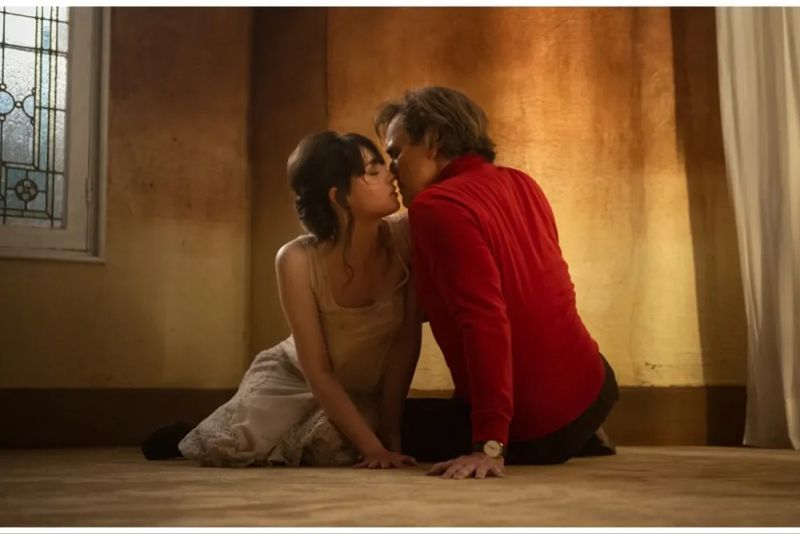
Old Hollywood loved to market itself as glamorous, polished, and just a little dangerous, even when the studios swore they were protecting “public morals.”
Behind the red carpets and perfectly lit close-ups, a single shot could spark bans, boycotts, church condemnations, and newspaper editorials that treated movies like a national emergency.
Sometimes the uproar came from sex and skin, and sometimes it came from violence, language, or a taboo relationship that audiences weren’t ready to see onscreen.
A lot of these moments look tame now, but they landed like lightning bolts in their own time because they pushed against strict censorship rules and social expectations.
They also shaped what filmmakers could get away with next, nudging Hollywood from whispered suggestion to full-on confrontation.
Here are twelve scenes that didn’t just get people talking—they made the culture argue.
1. “The Kiss” – The Widow Jones (1896)
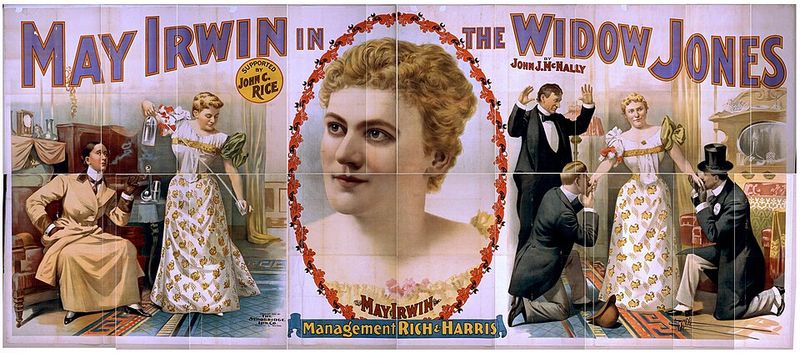
In the earliest days of film, audiences weren’t prepared for intimacy to be captured and replayed on demand in a public setting.
A brief on-screen kiss between stage performers felt shockingly direct, especially because the camera’s closeness turned private affection into spectacle.
Newspapers and moral reformers treated the moment as proof that moving pictures would corrupt manners and weaken family values.
What made it “scandalous” wasn’t explicitness by modern standards, but the sheer novelty of seeing lips meet outside a theater, frozen in time.
Viewers could watch it repeatedly, which intensified the sense that the scene crossed a line from performance into voyeurism.
That tiny clip helped set the tone for decades of arguments about whether cinema should show real desire or only polite suggestion.
2. The “appears-nude” bubble bath – Ecstasy (1933)
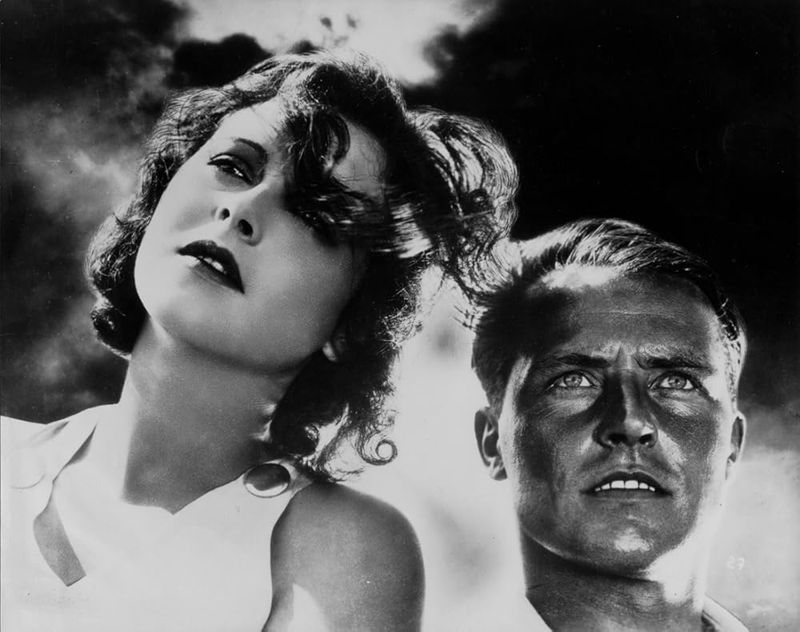
Long before Hollywood was comfortable with frank sexuality, one European film dared to show a woman’s body and her pleasure without apology.
Hedy Lamarr’s nude sequences and the story’s erotic candor ignited bans, heavy cuts, and pearl-clutching warnings about “immorality.”
The controversy followed her, because audiences and gatekeepers often treated the actress as if she were the character’s choices.
What truly alarmed censors was that the film didn’t frame female sexuality as purely comedic or purely punished, which disrupted the era’s moral math.
Even people who never saw the movie seemed to have an opinion about it, which is how a scandal becomes larger than the scene itself.
Today it reads as historically pivotal, but at the time it was treated like an unacceptable breach of decency.
3. The pre-Code “it’s too real” violence – Scarface (1932)
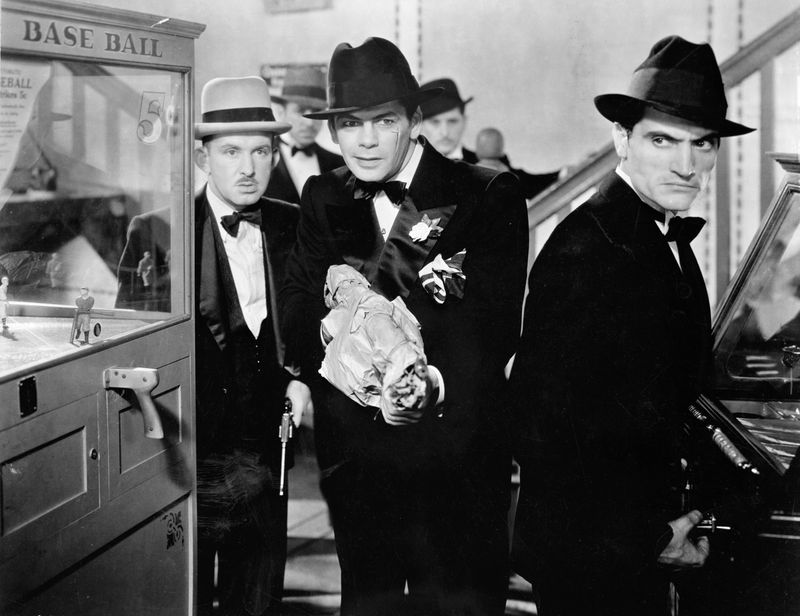
Before strict code enforcement fully tightened its grip, this gangster film turned violence into a selling point and dared the public to look away.
The gunplay felt unusually intense for the era, and critics worried it made criminals look thrilling rather than shameful.
Censors pushed back hard, because the story’s energy and style could be read as celebration even when the narrative tried to punish wrongdoing.
The uproar reflected a larger fear that movies could teach audiences how to behave, and that “bad examples” might be contagious.
Debates over cuts, warnings, and acceptable endings helped push Hollywood toward more rigid standards about what could be shown and how it must be framed.
It’s a reminder that scandal isn’t always about sex, because bloodshed can also trigger moral panic when it looks too entertaining.
4. The “you can’t show that” lingerie moment – It Happened One Night (1934)
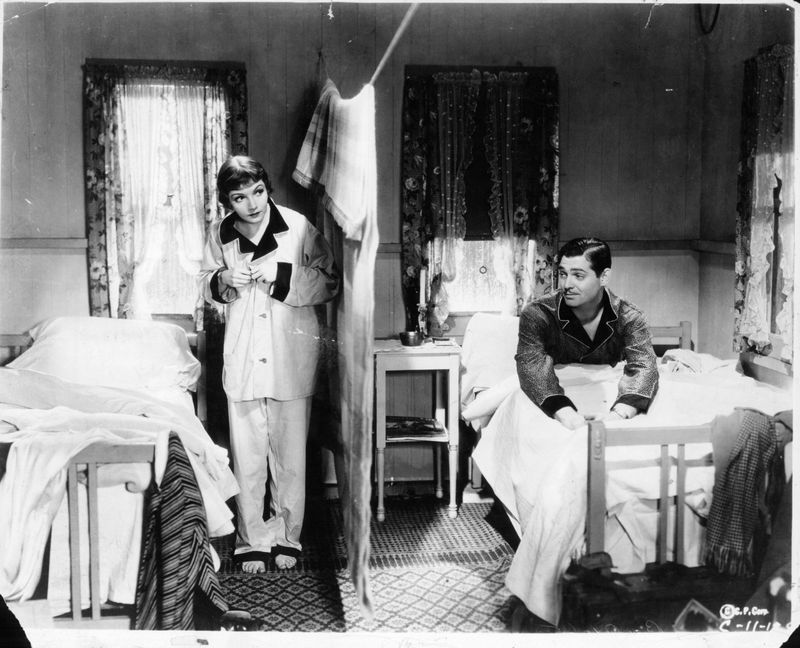
A single playful beat in a screwball romance made audiences gasp because it toyed with underwear, modesty, and what a leading man should show.
When Clark Gable exposes his bare chest, the lack of an undershirt reads like a wink to the viewer and a nudge at propriety.
Legend has long claimed the moment disrupted undershirt sales, but the bigger point is how boldly it teased the era’s conservative comfort zone.
The scene works because it’s casual rather than lurid, which made it feel even more subversive to people expecting strict decorum.
It also highlights how the Production Code era could be challenged with implication and confidence, not just with explicit imagery.
Sometimes scandal is born from one unexpected choice that tells the audience, “Yes, we know exactly what you’re thinking.”
5. The seduction/dancing censorship battle – The Outlaw (1943)
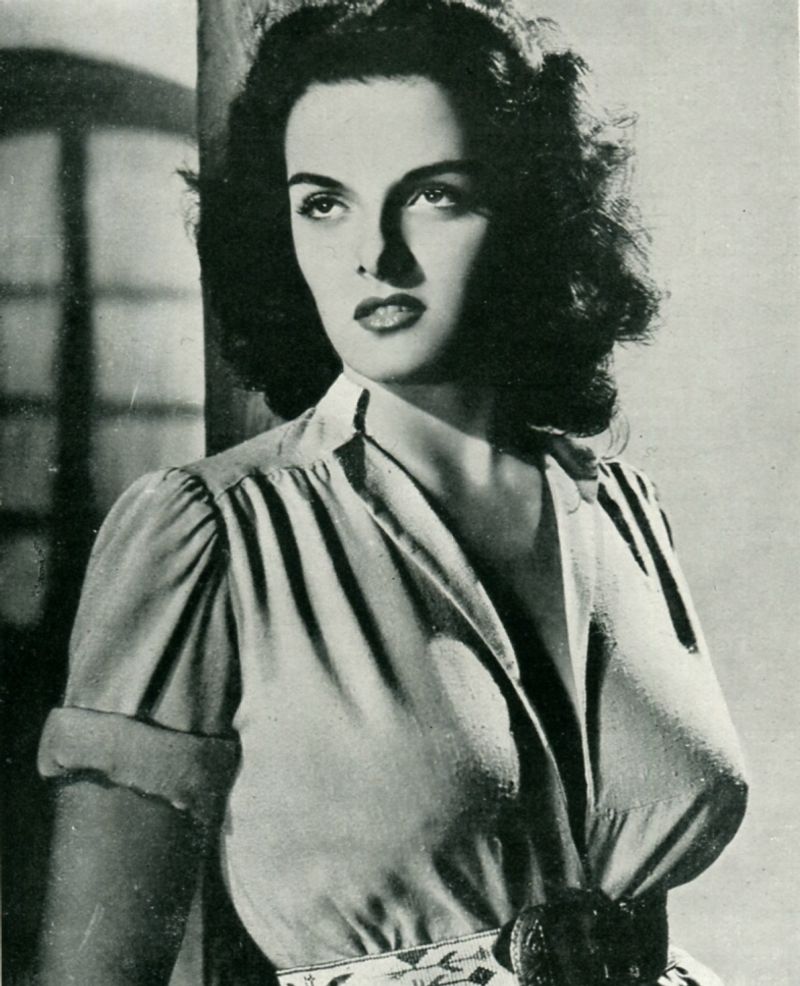
A studio didn’t always stumble into scandal by accident, because this film’s promotion made clear it wanted attention for the star’s curves.
Jane Russell’s emphasized cleavage and the camera’s lingering interest drew censorship battles, delays, and loud arguments about exploitation.
The controversy became part of the marketing engine, proving that moral outrage could double as free publicity.
Censors worried the imagery encouraged lust, while defenders claimed it was harmless glamour, which is exactly the kind of split that fuels headlines.
The situation showed how power struggles worked, with filmmakers, watchdog groups, and local boards all trying to control what audiences could see.
By the time people watched it, the scene wasn’t just a scene anymore—it was a cultural test of who got to set the rules.
6. The “too sexy” pin-up performance – Gilda (1946)
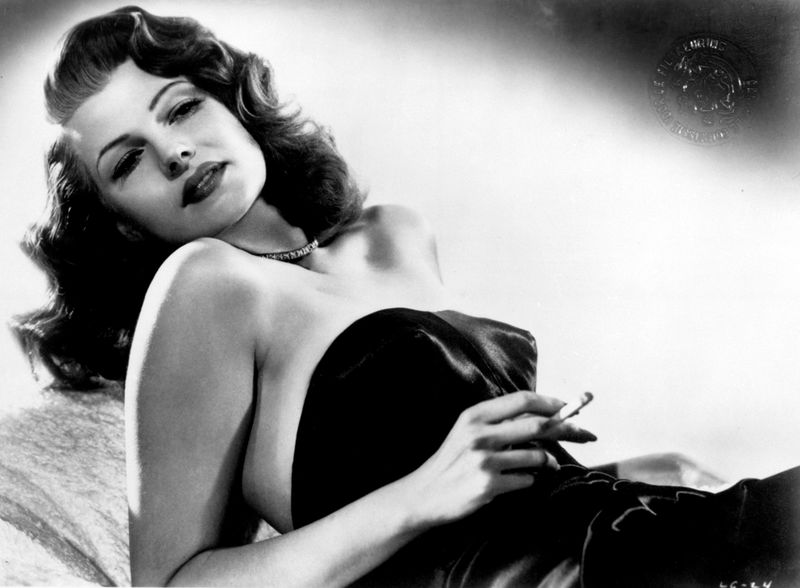
Few classic performances feel as knowingly provocative as the moment Rita Hayworth turns a song into a slow, controlled dare.
The glove removal isn’t explicit, but the rhythm and body language carry a charge that audiences immediately understood.
That mix of elegance and seduction sparked backlash because it suggested a woman could own her sensuality rather than be ashamed of it.
The scene became a lightning rod for debates about decency, especially in a period when female sexuality was expected to be contained and coded.
It also demonstrated how filmmakers could push boundaries without nudity, relying on suggestion, performance, and the audience’s imagination.
Even now, it’s remembered as scandalous because it shows how little it takes to ignite a cultural panic when desire is filmed with confidence.
7. Interracial romance/kiss outrage – Pinky (1949)
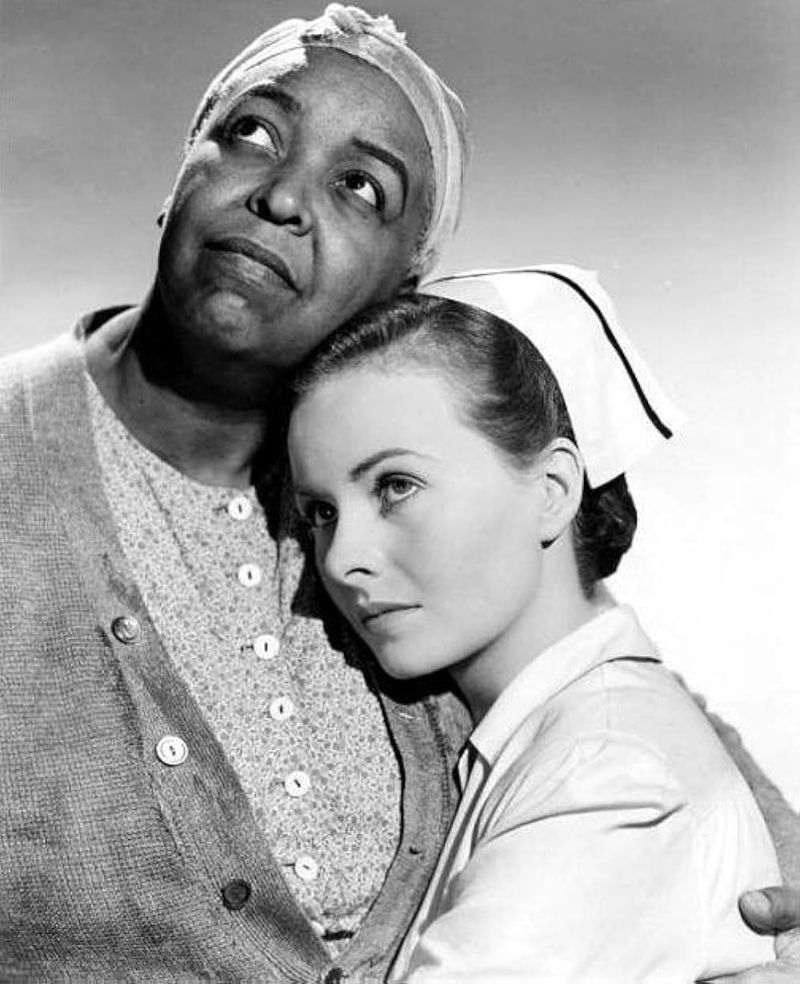
In a segregated America, even discussing interracial relationships onscreen could cause a backlash strong enough to swallow the film’s actual plot.
This drama centers on a light-skinned Black woman navigating identity and prejudice, and that premise alone made it a target.
The romantic implications challenged taboos that many communities tried to enforce through law, custom, and intimidation.
Censorship pressure and public anger revealed how movies could threaten social hierarchies simply by portraying a life that contradicted “the rules.”
The scandal wasn’t just about a moment, but about the idea that the screen could normalize empathy for someone society demanded be kept invisible.
It’s a stark reminder that what counts as “too much” often depends on whose humanity is being acknowledged.
8. The “one-shot too far” shower scene – Psycho (1960)
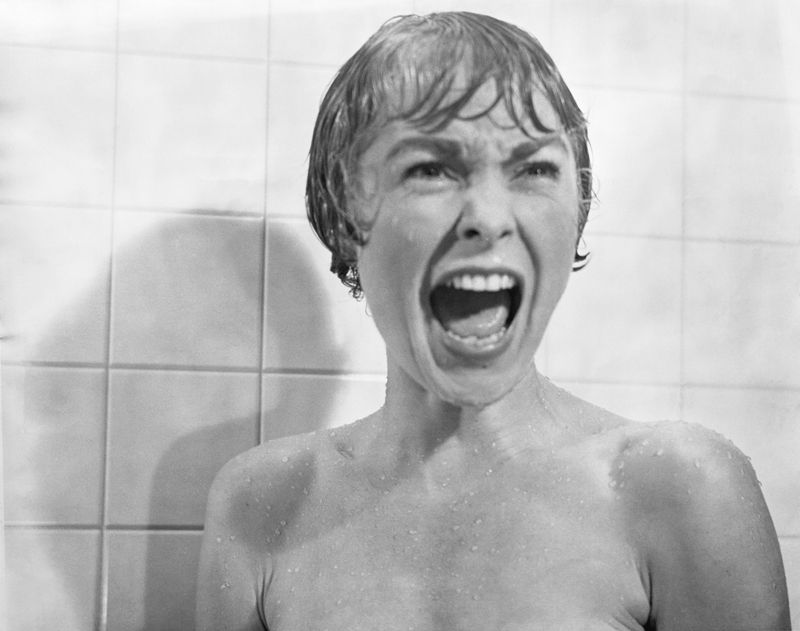
Nothing prepared mainstream audiences for how aggressively this thriller invaded a private space and turned everyday hygiene into terror.
Rapid cuts, shrieking strings, and flashes of skin created the sensation of seeing more than the camera technically showed.
The violence felt personal and violating, which is why viewers described the scene as shocking rather than merely scary.
It also disrupted the era’s unspoken rules about bathrooms, nudity, and what could happen to a woman in a mainstream film.
Censors debated the imagery, while audiences lined up anyway, proving that scandal can be both repellent and irresistible.
The scene’s legacy is that it made the public realize movies could hit nerves that polite entertainment had avoided for decades.
9. The “dirty word” and adult talk – Who’s Afraid of Virginia Woolf? (1966)
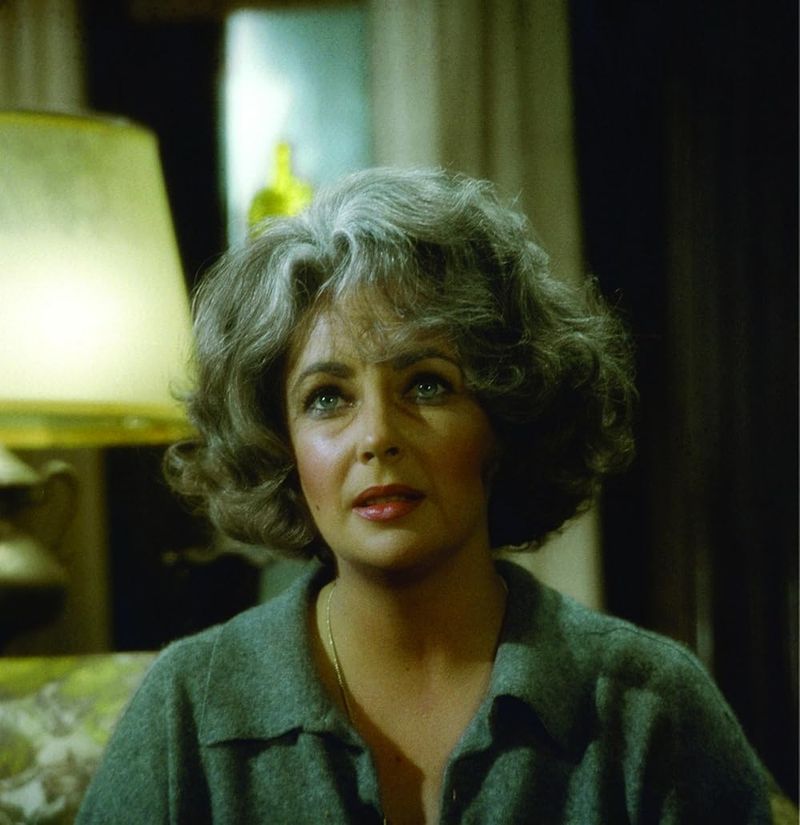
A grown-up drama about marriage detonated controversy by sounding like real adults instead of sanitized characters politely trading insults.
The film’s harsh dialogue, sexual references, and emotional brutality triggered debates about what words belonged in respectable entertainment.
Its release became a milestone because it exposed how outdated censorship standards had become compared to the culture’s actual conversations.
Many viewers were shocked by the venom and intimacy on display, since the fights felt less like “movie drama” and more like eavesdropping.
The uproar helped accelerate changes that made the old Production Code increasingly impossible to enforce.
In that way, the scandal wasn’t only the language itself, but the realization that Hollywood could no longer pretend adulthood was too improper to depict.
10. The taboo romance scene – The Graduate (1967)
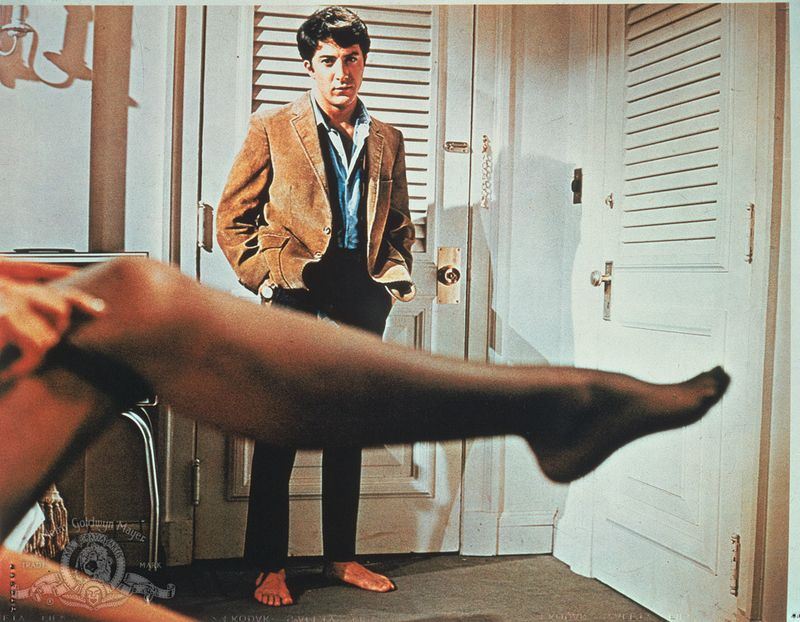
A young man’s affair with an older married woman hit a nerve because it made desire awkward, funny, and unsettling all at once.
The film’s famous seduction beats and bedroom framing felt too candid for many viewers who expected romance to be idealized or punished.
The scandal came from the way it refused to moralize neatly, letting audiences sit with discomfort and laugh anyway.
Mrs. Robinson wasn’t portrayed as a cartoon villain, which made the taboo feel more plausible and therefore more threatening to social norms.
Critics debated whether the story glamorized adultery or simply told the truth about human messiness.
Either way, the scene helped define a new era where Hollywood stopped whispering about sex and started speaking in full sentences.
11. The explicit sex scene that changed ratings – Last Tango in Paris (1972)
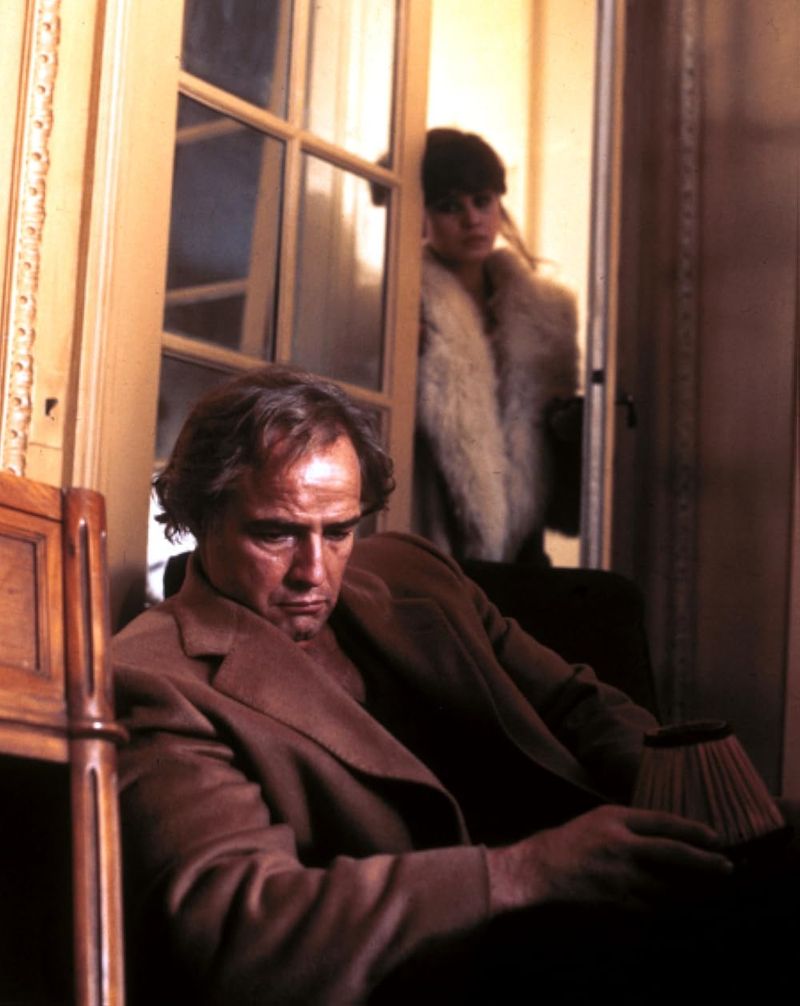
Few films are as entangled in controversy as this one, because the outrage extends beyond explicit content into debates about consent and filmmaking power.
The movie’s graphic sexuality sparked bans and protests, with critics labeling it obscene and supporters calling it art.
What keeps it infamous is how discussions of certain scenes later became inseparable from questions about how the actors were treated during production.
That shift turns scandal into something darker than censorship, because it asks who gets protected and who gets exploited to create “realism.”
Audiences were already shocked by the rawness on screen, but later conversations made the discomfort feel justified rather than prudish.
It stands as a cautionary tale that pushing boundaries is not automatically brave if the process harms the people involved.
12. The nude beach run / full-frontal moment – 10 (1979)
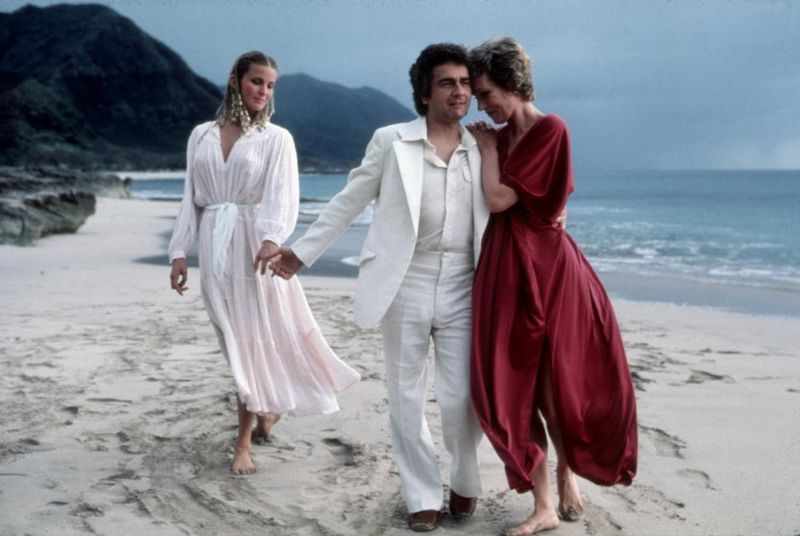
By the late seventies, audiences were more accustomed to sexual content, yet this film still caused waves by packaging male fantasy as breezy comedy.
Bo Derek’s iconic beach imagery and nude moments became a pop-culture obsession that some viewers found liberating and others found exploitative.
The scandal wasn’t only about skin, but about how openly the story indulged a middle-aged man’s fixation and treated it as relatable.
Critics argued over whether the film was harmless fun or a glossy endorsement of objectification, and the conversation boosted its notoriety.
The scene’s fame proved that a “respectable” studio release could generate the kind of buzz usually reserved for more adult fare.
It also showed how quickly one sequence can eclipse the whole movie, turning a character into a symbol and a headline at the same time.
Comments
Loading…