
 Mila Ross
12 Non-Horror Stephen King Movie Adaptations That Show His Range

You know Stephen King for nightmares, but his stories also make you feel hope, nostalgia, and adrenaline without a single jump scare.
These films prove he can write friendship as sharply as fear, and moral dilemmas as gripping as any monster.
You will find prison bonds, road-trip memories, and even a cosmic gunslinger quest here.
Let’s dive into the non-horror King adaptations that show how wildly versatile he really is.
1. The Shawshank Redemption (1994)
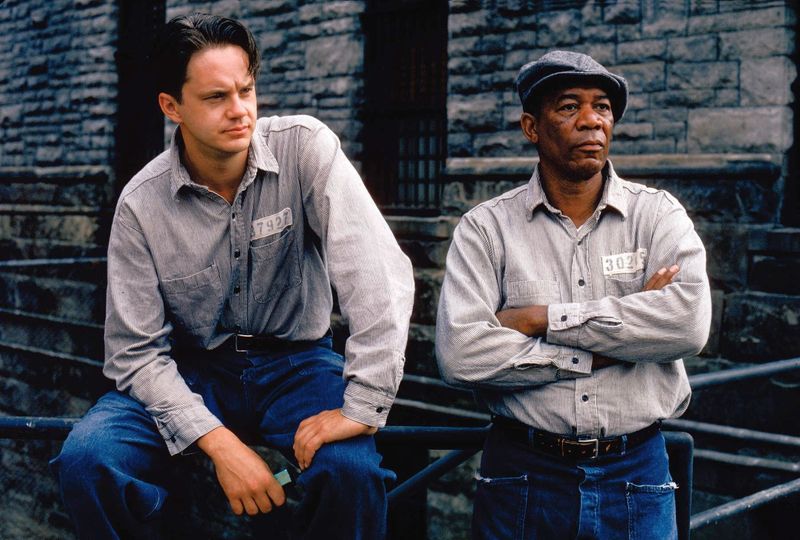
Few films capture the slow burn of hope like this prison-set drama, which turns a bleak environment into a surprisingly uplifting story about endurance and dignity.
Instead of relying on shocks, the movie builds emotion through relationships, routines, and the quiet ways people keep themselves alive inside a system designed to crush them.
Andy Dufresne’s intelligence and restraint make him an unusual kind of hero, while Red’s narration gives the story warmth and a sense of hard-earned wisdom.
Even when the plot dives into injustice and corruption, it never becomes sensational, because the real tension comes from whether the characters can hold onto their humanity.
It’s the kind of film that leaves you feeling wrung out, but also oddly renewed.
2. Stand by Me (1986)
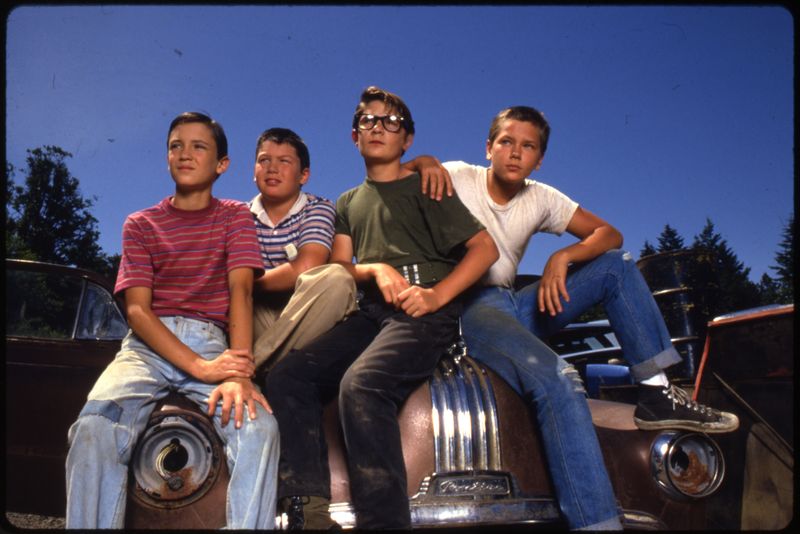
Childhood nostalgia rarely feels this honest, which is why this coming-of-age classic still hits so hard decades later.
A group of boys heads out on an unforgettable trek, and what begins as a simple adventure becomes a tender portrait of friendship, insecurity, and the moment you realize the world is bigger than you are.
The story doesn’t need horror elements because the emotional stakes do all the work, especially when the kids’ bravado cracks and their real fears spill out.
Under the jokes and small-town swagger, the movie understands how kids carry grief and anxiety without having words for it.
If you want Stephen King without nightmares, this is the warm, bittersweet reminder that growing up can be its own kind of heartbreak.
3. The Green Mile (1999)
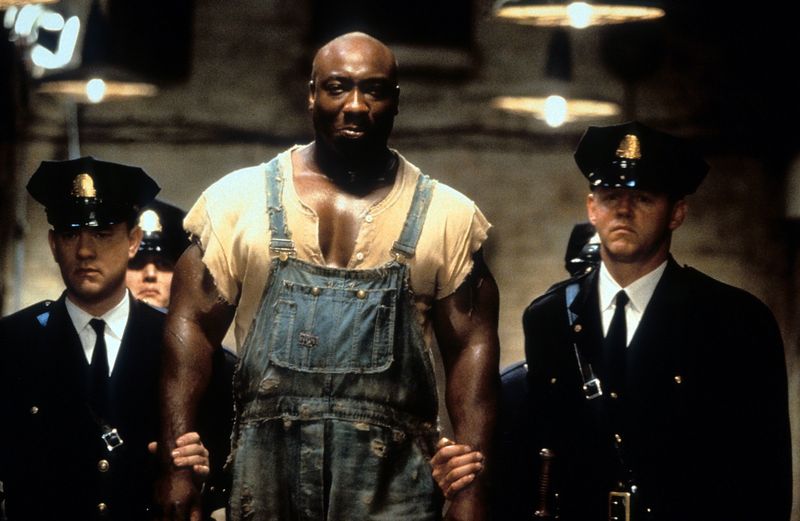
A supernatural thread runs through this story, but the tone is rooted in compassion, regret, and moral reckoning rather than fear.
Set on death row, the film centers on a group of guards forced to confront what justice looks like when the system meets someone who is gentle, mysterious, and undeniably different.
The emotional power comes from the relationships and the quiet moments of empathy that build over time, making the inevitable turns feel heavier rather than shocking.
It’s also a movie that isn’t afraid to sit with uncomfortable questions, including guilt, cruelty, and the ways people rationalize their choices.
By the end, you’re not thinking about monsters in the dark, because the real ache is human suffering and the lingering weight of conscience.
4. The Life of Chuck (2025)

Instead of trying to terrify you, this adaptation leans into wonder and reflection, offering the kind of story that sneaks up on your emotions.
Structured in a way that feels more like a memory unfolding than a straightforward plot, it focuses on how one ordinary life can ripple outward through community, love, and the tiny moments that define us.
The tone is contemplative, occasionally surreal, and ultimately life-affirming, which makes it a great pick for anyone who wants Stephen King’s imagination without the dread.
Even when the film brushes up against existential questions, it does so with tenderness rather than menace, giving the viewer room to feel curious and moved.
Think less “nightmare fuel” and more “quietly profound,” with a lingering afterglow.
5. The Running Man (2025)
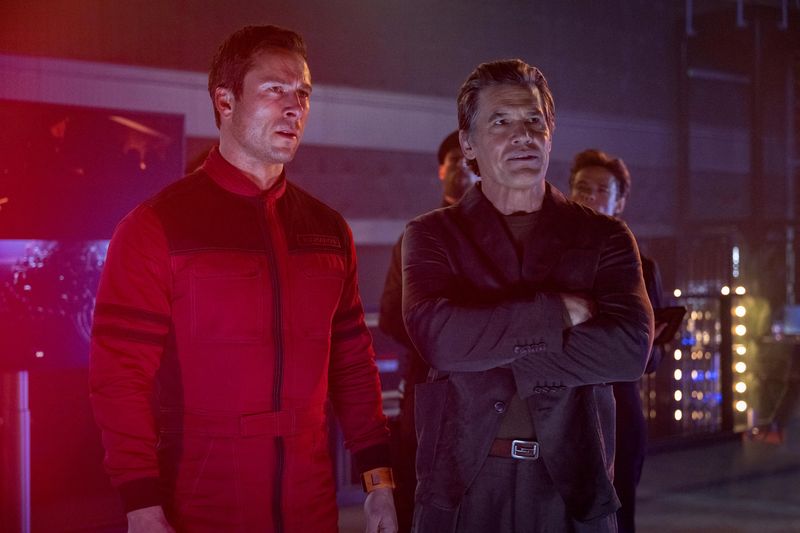
A dystopian premise powers this story, but the real hook is its sharp, cynical look at spectacle and survival under pressure.
The plot drops an ordinary man into a brutal, media-driven system where entertainment and punishment blur together, and the tension comes from momentum, strategy, and public manipulation rather than anything supernatural.
What makes it especially fun is how it plays like a high-stakes chase mixed with social commentary, letting you enjoy the thrills while still noticing the satire underneath.
Even if you don’t usually go for action, the movie’s concept is instantly engaging because it taps into fears that are very real: losing control of your narrative, being misrepresented, and being treated like content instead of a person.
It’s intense, yes, but not horror—just adrenaline.
6. Apt Pupil (1998)
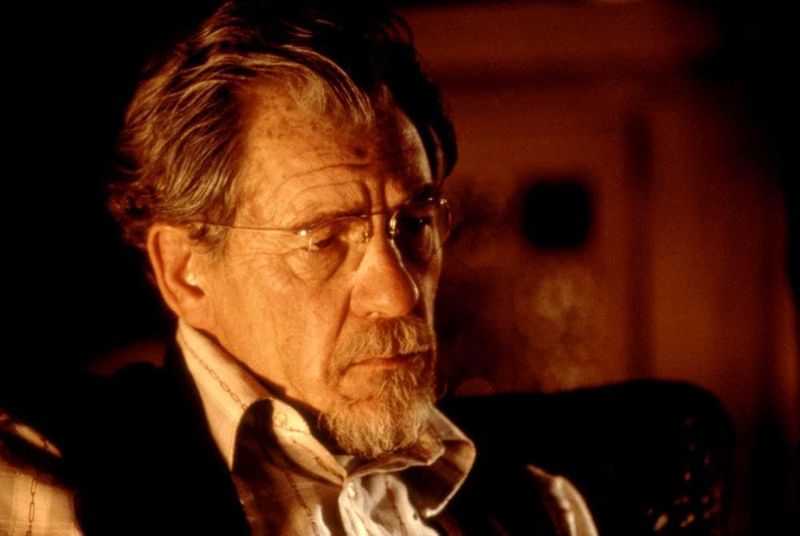
Psychological dread can be more unsettling than ghosts, and this film proves it by keeping the horror firmly inside human choices.
The story follows a teenager who becomes dangerously fascinated with evil, and the tension comes from his escalating obsession and the way curiosity warps into control.
Rather than relying on jump scares, the movie builds a slow, tightening sense of discomfort as the power dynamic shifts and the characters reveal how far they’ll go to protect themselves.
It’s a thriller in the purest sense, because you’re watching consequences stack up while hoping someone hits the brakes before everything explodes.
If you like darker dramas that explore morality and corruption, this one delivers, but it still belongs in the “human thriller” lane, not the supernatural horror category.
7. Dolores Claiborne (1995)
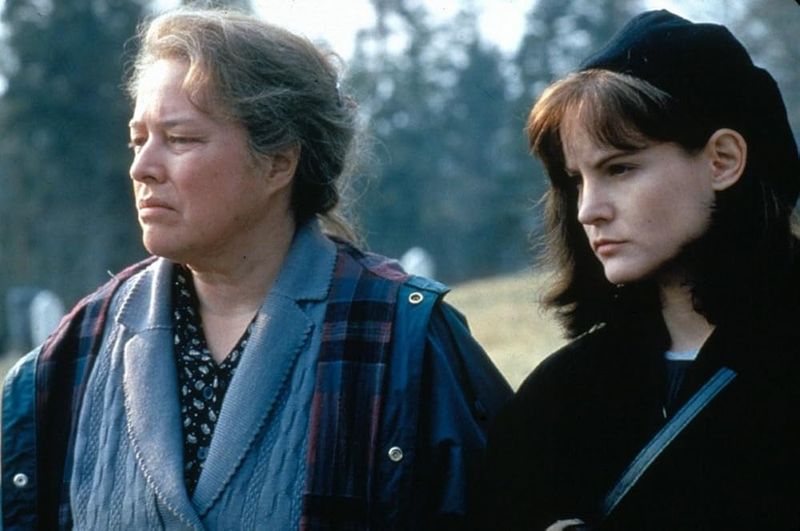
A tense family mystery anchors this story, which uses a small-town setting to explore secrets, survival, and what people do when they feel trapped.
The plot unfolds through revelations rather than scares, gradually revealing how a woman’s life choices were shaped by circumstances most people prefer to ignore.
What makes the movie so compelling is its emotional honesty, because it refuses to paint anyone as purely good or purely bad, and it treats trauma as something that echoes across generations.
The storytelling has that “can’t look away” quality, especially as accusations, resentments, and buried truths collide.
Instead of horror, the fear here is social and personal: being judged, being disbelieved, and being forced to carry pain quietly for years.
It’s heavy, but incredibly gripping.
8. Hearts in Atlantis (2001)
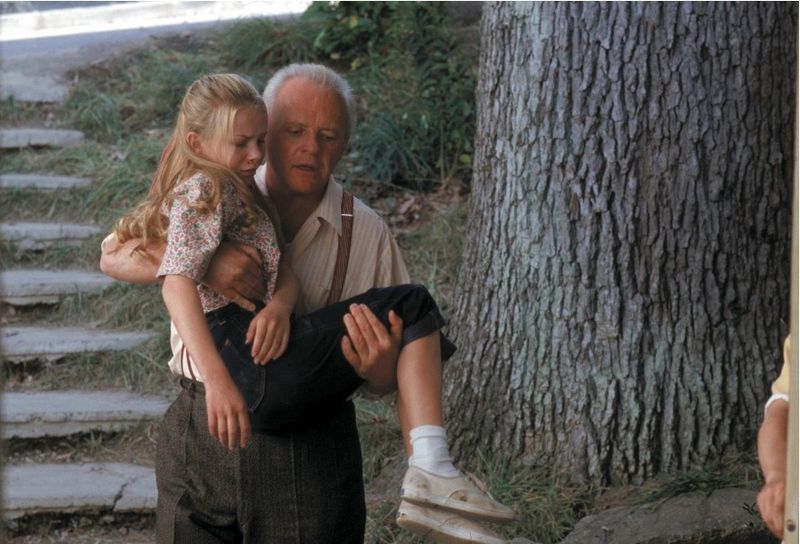
A sense of longing runs through this film, which plays more like a tender drama than anything remotely scary.
At its core, it’s about growing up, losing innocence, and recognizing the bittersweet beauty of the people who shape you when you’re young.
There are hints of the fantastical, but they function as mood and metaphor rather than a source of terror, giving the story an almost dreamlike quality.
What stands out most is the emotional texture, because it captures how friendships and mentorships can feel like lifelines, especially when home life is complicated.
The movie’s pace is reflective, letting moments breathe so the impact lands quietly and deeply.
If you’re looking for Stephen King with warmth and melancholy instead of shocks, this is the kind of watch that lingers like a memory.
9. The Dead Zone (1983)
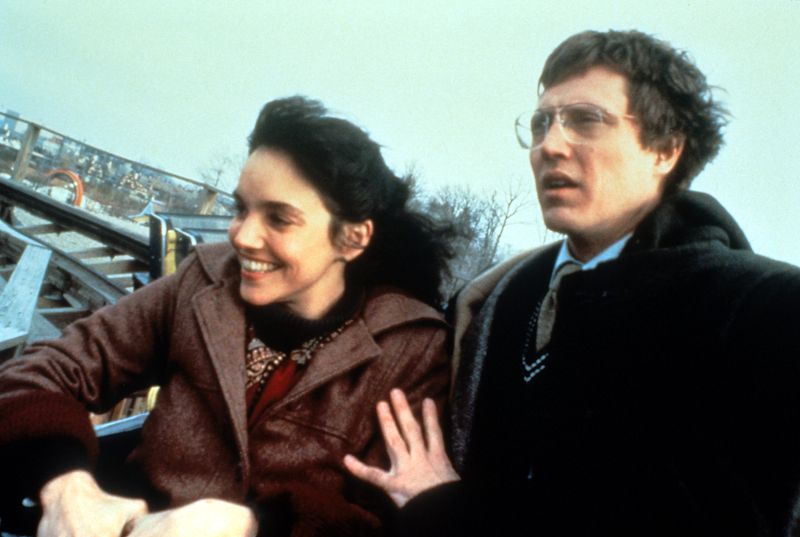
A sci-fi premise drives the plot, but the real heartbeat is the moral dilemma that comes with knowing too much.
After an accident leaves a man with a sudden psychic ability, he’s forced to navigate a life where every touch can reveal a future he can’t unsee.
The film’s tension is thoughtful rather than frightening, because the suspense comes from choices: when to intervene, what to sacrifice, and whether it’s possible to prevent tragedy without becoming the villain in someone else’s story.
The concept feels timeless because it taps into a relatable fear—learning something you can’t unknow—and then asks what responsibility comes with that knowledge.
It’s moody and intense, but it plays as a thriller with a conscience, not a horror movie with a body count.
10. Secret Window (2004)
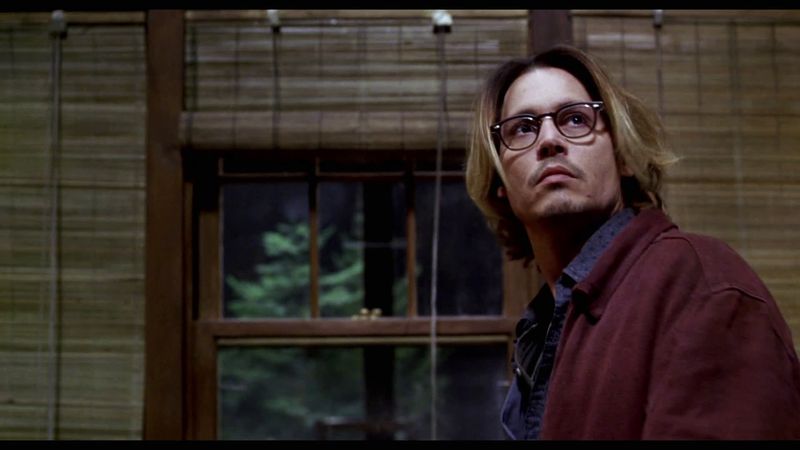
The unease in this one comes from psychology and perception, which makes it perfect for viewers who like twisty stories but don’t want supernatural scares.
The plot follows a writer in a fragile place, and the film uses isolation, resentment, and paranoia to steadily crank up the tension.
What’s satisfying is how the mystery element keeps you leaning forward, because you’re constantly questioning what’s real, what’s exaggerated, and what the main character might be hiding from himself.
It has that slow-building, claustrophobic vibe that thriller fans love, but it doesn’t rely on gore or monsters, since the conflict is driven by identity and unraveling mental stability.
If your favorite movies are the ones that make you rethink everything after the credits roll, this is an entertaining, twist-forward pick.
11. The Dark Tower (2017)
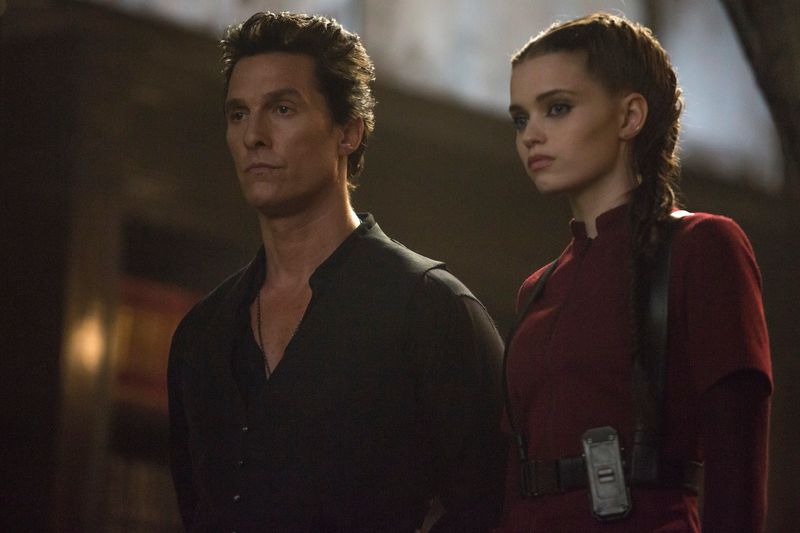
Epic fantasy energy fuels this adaptation, which feels closer to an adventurous quest than a traditional Stephen King scare-a-thon.
The story blends western-inspired grit with otherworldly mythology, following a gunslinger on a mission that’s part destiny, part survival, and part personal reckoning.
While there are dark elements in the world-building, the movie’s focus is action, momentum, and the pull between two characters who represent different kinds of power.
That makes it a good choice for viewers who prefer battles and big concepts over creeping dread.
It’s also a reminder that King has always been interested in genre-mixing, because this one plays like a crossover of fantasy, sci-fi, and classic hero storytelling.
If you like alternate worlds and high-stakes stakes without nightmares, it fits the bill.
12. Firestarter (1984)

A government-chase thriller framework keeps this story moving, and the tension comes from danger and protection rather than fear of the unknown.
At its center is a child with extraordinary abilities and a parent forced into constant survival mode, which gives the movie a surprisingly emotional core beneath the sci-fi premise.
The film explores how power attracts control, and how institutions can treat human beings like experiments, creating suspense that feels grounded even when the abilities aren’t.
What makes it compelling is the push-pull between wanting a normal life and being unable to escape the attention that comes with being “different.”
It’s intense in the way a chase movie is intense, with momentum and pressure, but it’s not built to scare you the way a horror film would.
Think more “on the run” than “hide under the covers.”
Comments
Loading…