
 Isabel Parker
12 Movies Where the Supporting Actor Totally Stole the Show
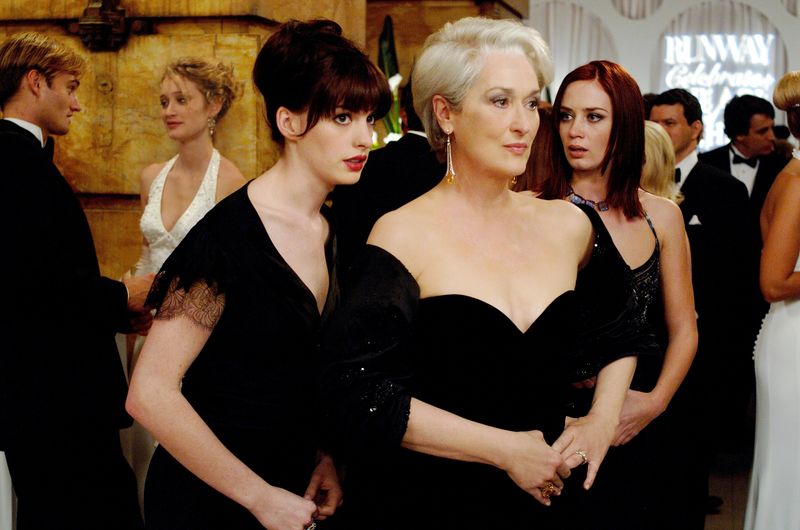
Movies are supposed to be built around their stars, but sometimes a supporting performance shows up and changes the whole temperature of the room.
A scene-stealer can sharpen the stakes, lift the humor, or add emotional weight the story didn’t even know it needed.
In the best cases, that “secondary” character becomes the one people quote, meme, and reference years after the credits roll.
It’s not always about who has the most screen time, because presence can matter more than minutes.
These films still work because their leads hold the structure together, even when the supporting actor grabs the spotlight.
If you’ve ever left a theater thinking about someone other than the name on the poster, you’ll recognize these instantly.
1. The Dark Knight (2008)

Gotham’s descent into chaos feels like it accelerates every time the Joker steps into frame with that unnerving calm.
Christian Bale’s Batman anchors the film with discipline and moral tension, but the movie’s electricity often comes from elsewhere.
Heath Ledger builds a villain who isn’t just scary, because he’s oddly funny, casually philosophical, and terrifyingly unpredictable.
Even when the plot pivots to heroism and sacrifice, viewers tend to remember the taunts, the games, and the unsettling smiles.
The supporting performance becomes the movie’s gravity, pulling every character’s choices into sharper relief.
By the end, you’re still thinking less about gadgets and more about the uncomfortable questions the Joker forces everyone to face.
2. A Few Good Men (1992)
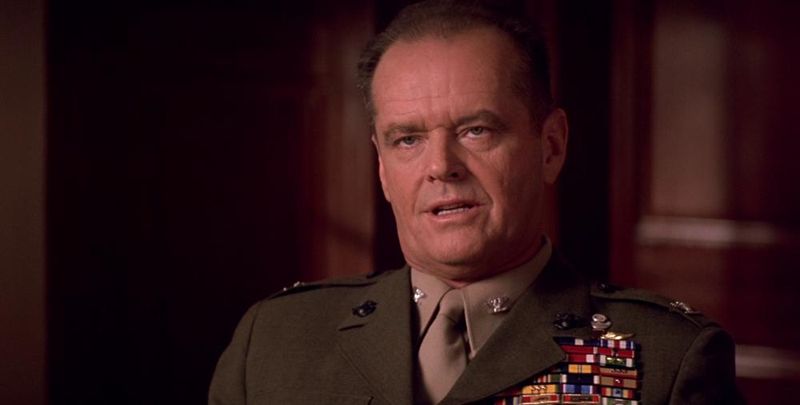
Courtroom drama can hinge on procedure, yet this one turns into a cultural event the moment the tension finally snaps.
Tom Cruise plays the ambitious lawyer who drives the case forward, but the film’s legend lives in its confrontation.
Jack Nicholson’s Colonel Jessup storms through with swagger and moral certainty, making every exchange feel like a power struggle.
The supporting character doesn’t just challenge the hero, because he challenges the audience’s comfort with how authority justifies itself.
When the story reaches its peak, people remember the eruption more than the careful steps that got there.
That’s the mark of a scene-stealer, turning a single stretch of dialogue into the moment the whole movie is built around.
3. Training Day (2001)
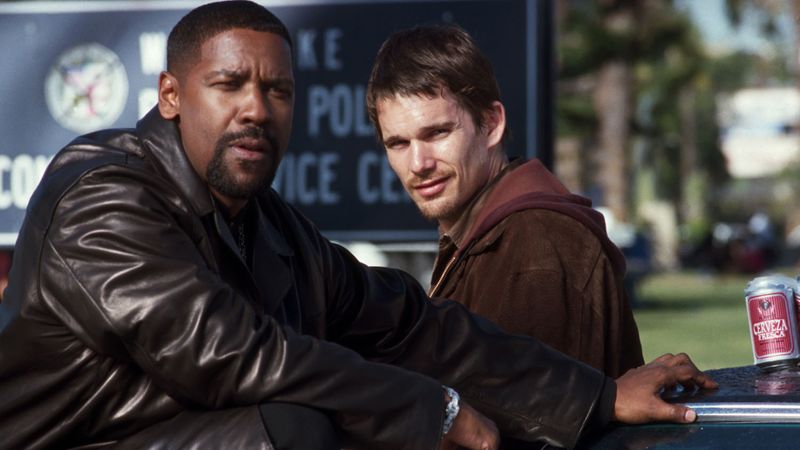
A day on the job becomes a pressure cooker when the mentor figure is more dangerous than anything on the streets.
Ethan Hawke’s rookie cop gives the film its conscience, but the movie’s magnetism comes from the man “teaching” him.
Denzel Washington plays Alonzo with charm that feels welcoming, right up until it turns predatory without warning.
The performance keeps you guessing, because Alonzo can be hilarious, terrifying, and strangely persuasive in the same breath.
Even as the plot stacks obstacles, the biggest suspense is watching how far Alonzo will push the rules and the people around him.
By the time it ends, most viewers can describe Washington’s grin and cadence before they can recall Hawke’s character’s full arc.
4. Jerry Maguire (1996)
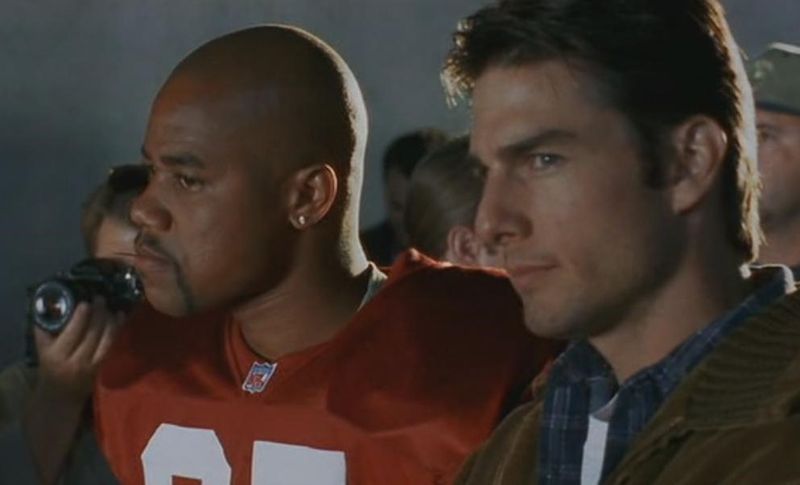
Sports-movie energy hits differently when the supporting character brings the loudest heart and the biggest personality in the room.
Tom Cruise carries the romantic and career storyline, but the movie’s most repeatable moments often belong to Rod Tidwell.
Cuba Gooding Jr. plays Rod with swagger and vulnerability, making his bravado feel like armor rather than arrogance.
The character’s hunger for respect becomes oddly moving, especially when the jokes never undercut the emotional stakes.
Instead of feeling like comic relief, Rod becomes the story’s engine, forcing the lead to grow up and show up.
When people look back on the film, they usually remember the catchphrases and the celebration before they remember the quieter relationship beats.
5. Good Will Hunting (1997)
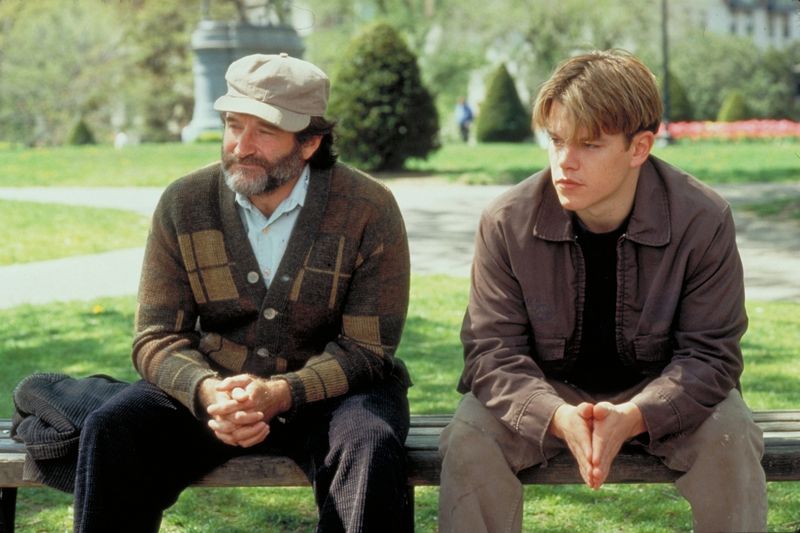
A troubled genius story can easily become a showcase for cleverness, but this one lands because it finds a bruised human center.
Matt Damon’s Will is the focal point, yet the emotional breakthrough arrives through a therapist who refuses to be impressed.
Robin Williams gives Sean a gentle sturdiness, blending humor, grief, and patience in a way that feels lived-in.
The supporting performance makes the therapy scenes feel less like plot devices and more like two people fighting for something real.
When the movie finally cracks open, it’s Williams’ calm insistence and carefully controlled pain that viewers replay in their heads.
Even after the credits, the warmth of those conversations tends to linger longer than the film’s smartest one-liners.
6. The Devil Wears Prada (2006)
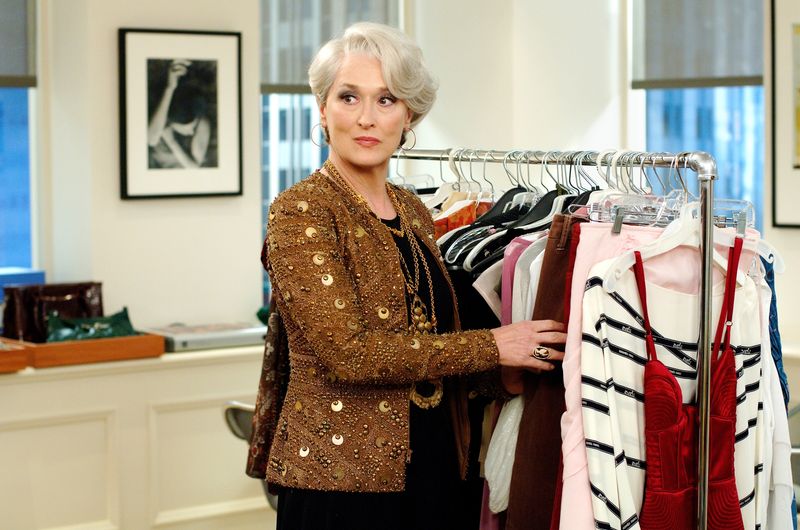
Fashion-world intimidation has rarely looked so effortless, especially when a single raised eyebrow can silence an entire office.
Anne Hathaway’s Andy provides the audience’s entry point, but the story’s pulse is powered by Miranda Priestly’s presence.
Meryl Streep makes Miranda feel real rather than cartoonish, mixing restraint, precision, and quiet menace in every line reading.
Scenes that could be simple workplace comedy become unforgettable because Miranda’s approval always feels just out of reach.
The role doesn’t need melodrama to dominate, because control is the performance’s sharpest weapon.
Long after you finish the movie, you’re likely recalling Miranda’s standards and cadence more clearly than Andy’s personal transformation.
7. My Cousin Vinny (1992)
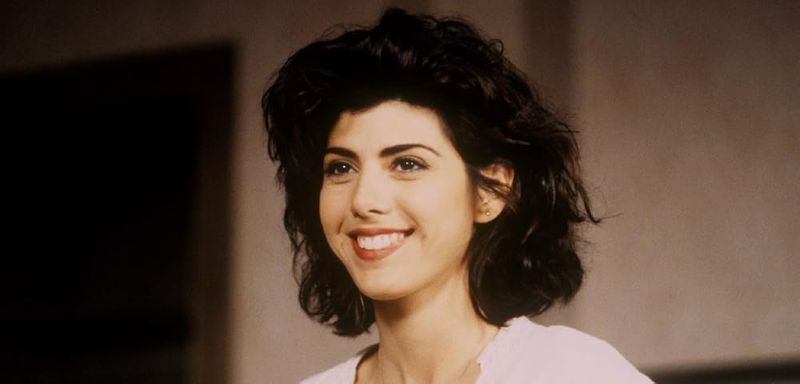
Legal comedy becomes classic status when the “help” who shows up late ends up being the sharpest person in the courtroom.
Joe Pesci’s Vinny drives the laughs, but the movie’s secret weapon is Mona Lisa Vito’s confident expertise.
Marisa Tomei makes her character funny without forcing it, because her credibility is what makes the humor land.
Each time she speaks up, the story shifts, and suddenly the case feels winnable for reasons that actually make sense.
The performance is memorable because it balances attitude with intelligence, and it never treats the character like a gimmick.
By the time the big moment arrives, many viewers remember her testimony as the real mic-drop that saves the day.
8. The Fugitive (1993)
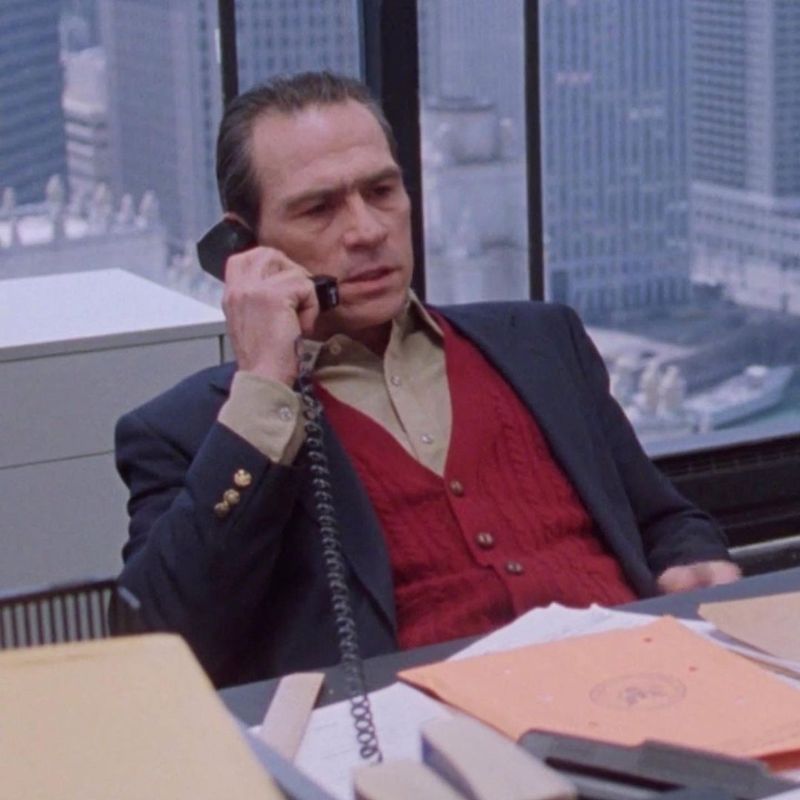
Cat-and-mouse thrillers thrive on tension, and this one works because the pursuer is just as compelling as the man running.
Harrison Ford’s wrongly accused doctor gives you urgency and empathy, but the chase belongs to the U.S. Marshal hunting him.
Tommy Lee Jones plays Gerard with clipped efficiency and dry humor that makes every scene feel brisk and alive.
The supporting role dominates because Gerard isn’t a villain, since he’s professional, relentless, and weirdly likable.
Even when the story pauses for clues and twists, the movie snaps back to attention whenever Gerard takes control of the room.
That blend of competence and personality can overshadow the lead without weakening the film, because it actually raises the stakes.
9. The Usual Suspects (1995)
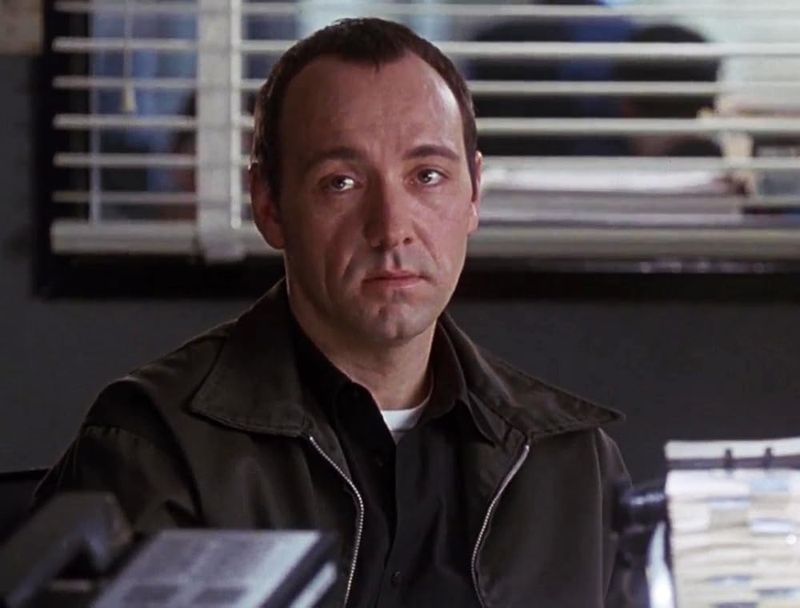
Crime mysteries can be clever, but they become legendary when one character’s presence reframes how you remember everything.
Gabriel Byrne has the nominal leading role, yet the film’s identity is often tied to the man telling the story.
Kevin Spacey’s Verbal Kint feels harmless at first, and that carefully crafted vulnerability is exactly what hooks viewers.
The supporting performance holds attention through posture, pauses, and nervous charm, making you lean in even when nothing “big” happens.
As the plot tightens, the character’s perspective becomes the movie’s lens, which is why the ending hits with such force.
Whether people praise the twist or debate the details, they usually talk about Verbal first, and the rest of the cast second.
10. Les Misérables (2012)
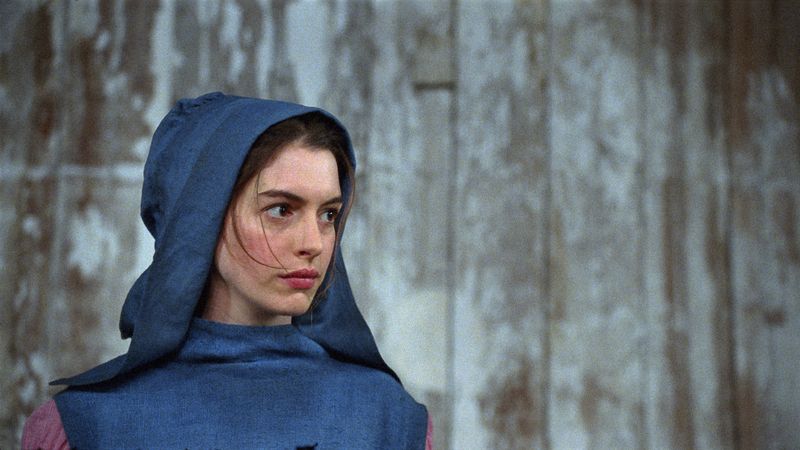
A sweeping musical can have multiple standouts, but one short arc can still dominate the conversation for years.
Hugh Jackman’s Valjean carries the film’s long emotional journey, yet one supporting role delivers the most concentrated impact.
Anne Hathaway’s Fantine appears for a relatively brief stretch, but her pain is rendered with startling intimacy and control.
The performance turns suffering into something specific and human, rather than generic tragedy designed to tug at tears.
When “I Dreamed a Dream” arrives, the camera barely needs to move, because Hathaway’s face does all the storytelling.
Even among big voices and grand staging, that vulnerability becomes the image many viewers associate with the entire adaptation.
11. Juno (2007)
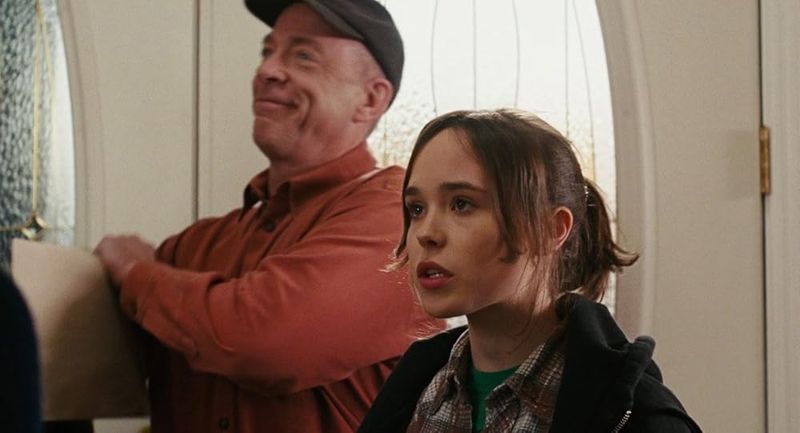
Coming-of-age stories often rely on witty dialogue, but they stick when the adults feel like real people rather than background props.
Elliot Page’s Juno is the center, yet the movie’s emotional stability often comes from the dad who quietly shows up.
J.K. Simmons plays Mac with warmth that never feels saccharine, giving the story a grounded, lived-in family texture.
Small gestures, like a steady tone or a gentle check-in, communicate love in a way that doesn’t demand applause.
The supporting performance matters because it balances the film’s humor with sincerity, preventing the quips from turning hollow.
When audiences talk about what made the movie feel safe and human, they frequently point to Simmons’ understated parenting as the true anchor.
12. Shakespeare in Love (1998)
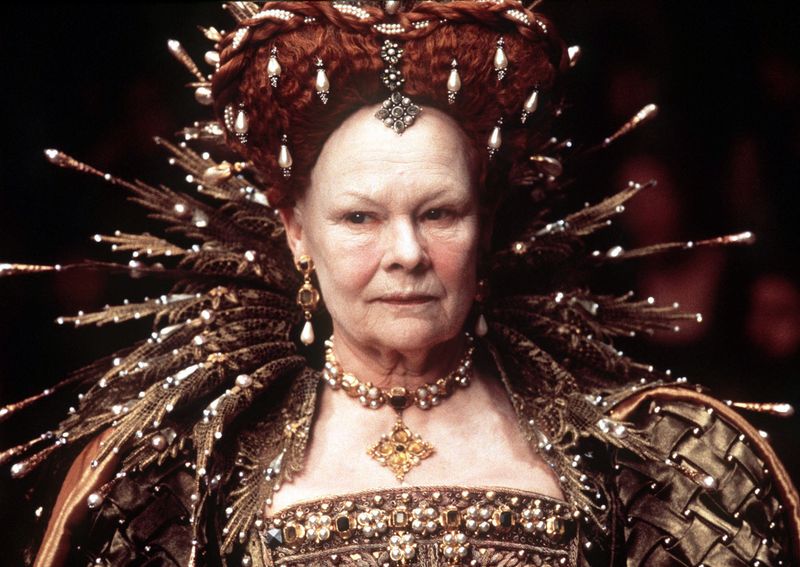
Period romances can be charming, but sometimes a brief supporting role arrives and instantly becomes the performance everyone discusses.
Gwyneth Paltrow carries the love story, yet the movie’s most iconic authority figure appears for only a handful of scenes.
Judi Dench’s Queen Elizabeth I has a commanding stillness, and the film seems to straighten its posture whenever she enters.
The performance is memorable because it wastes nothing, using sharp timing and controlled humor to dominate without overplaying.
Even when the plot is busy with disguises and wordplay, Dench’s scenes feel like the movie’s sharpest punctuation marks.
It’s the classic example of how a supporting character can become the crown jewel, even with limited screen time.
Comments
Loading…