
 Chloe Peterson
12 Movies That Sparked Way More Debate Than Anyone Expected
Some films are made to entertain, but others accidentally become cultural lightning rods.
When filmmakers push boundaries or touch sensitive topics, audiences don’t always react the way studios expect.
These 12 movies created firestorms of controversy that went far beyond typical film criticism, sparking protests, lawsuits, international incidents, and debates that continue decades later.
1. The Last Temptation of Christ (1988)
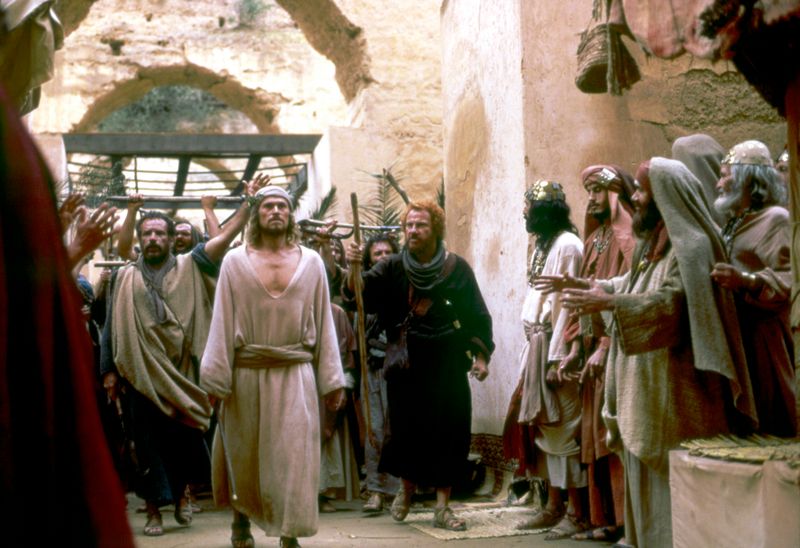
Martin Scorsese faced something few directors ever experience: worldwide protests before his film even premiered.
Religious groups organized massive demonstrations outside theaters, some locations received bomb threats, and several countries banned the movie outright.
The controversy centered on scenes showing Jesus experiencing doubt, fear, and romantic fantasies during his crucifixion.
For many believers, portraying Christ with human weaknesses crossed an unforgivable line.
Scorsese defended his work as a sincere exploration of faith rather than blasphemy.
The debate raised fundamental questions about artistic freedom versus religious respect that remain unresolved today, making this one of cinema’s most divisive religious portrayals ever created.
2. A Clockwork Orange (1971)
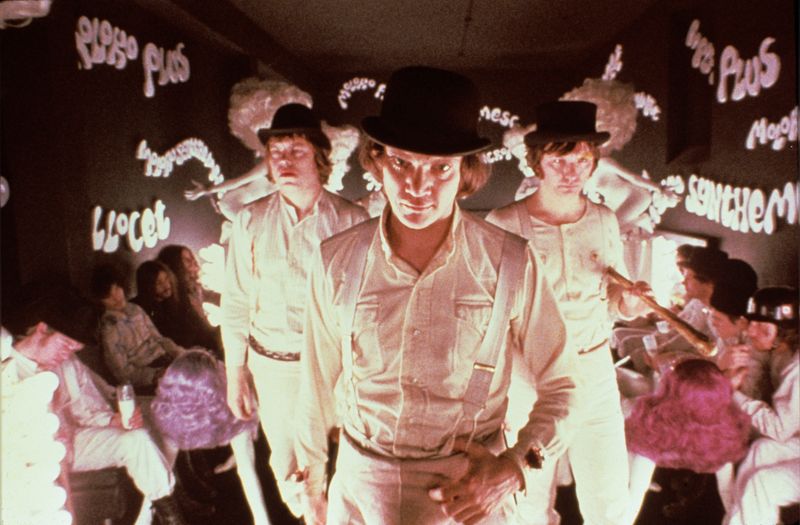
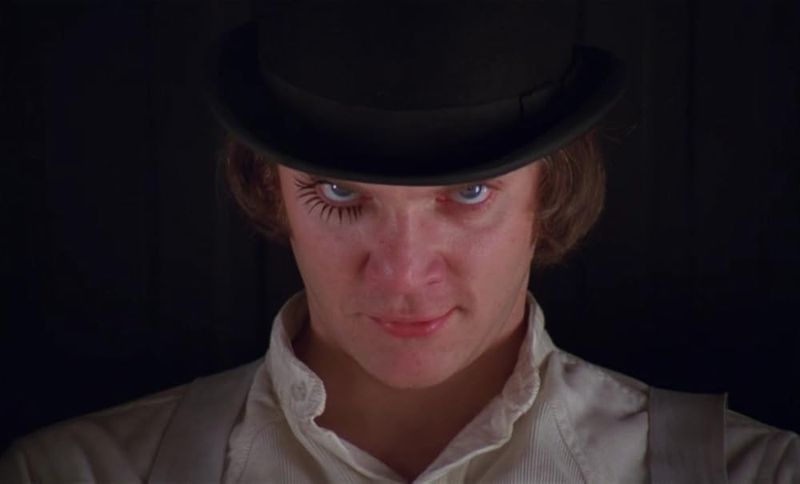
Stanley Kubrick’s dystopian masterpiece became so controversial that the director himself pulled it from British theaters for nearly three decades.
Reports of copycat crimes allegedly inspired by the film’s graphic violence created a media firestorm that wouldn’t die down.
Politicians and activists blamed the movie for real-world assaults, even though evidence linking fiction to violence remained questionable.
Multiple countries censored or banned it completely, fearing its influence on impressionable viewers.
The withdrawal made the film legendary among cinephiles while fueling endless academic debate.
Scholars still argue whether disturbing art reflects society’s problems or creates them, making this Kubrick’s most philosophically troubling work beyond its shocking visuals.
3. The Passion of the Christ (2004)
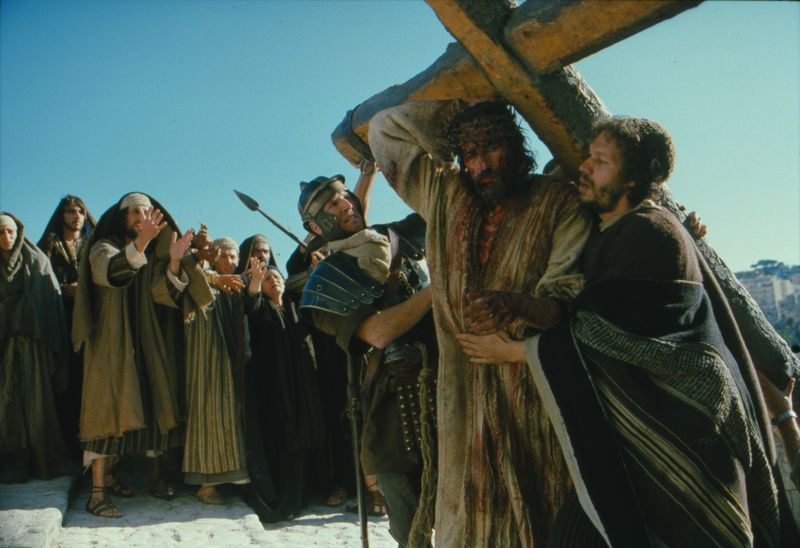
Mel Gibson’s brutally graphic depiction of Jesus’s final hours became a cultural phenomenon that divided America like few films before it.
Churches bought out entire theaters while critics condemned what they saw as excessive torture imagery bordering on exploitation.
The film earned over $600 million worldwide, proving its massive appeal to Christian audiences.
However, Jewish organizations raised serious concerns about antisemitic undertones in how Jewish characters were portrayed during the crucifixion narrative.
Medical experts debated whether the violence was historically accurate or gratuitous.
The controversy revealed deep cultural rifts about faith, representation, and whether religious stories deserve special treatment in cinema, creating conversations that extended far beyond movie reviews.
4. I Spit on Your Grave (1978)
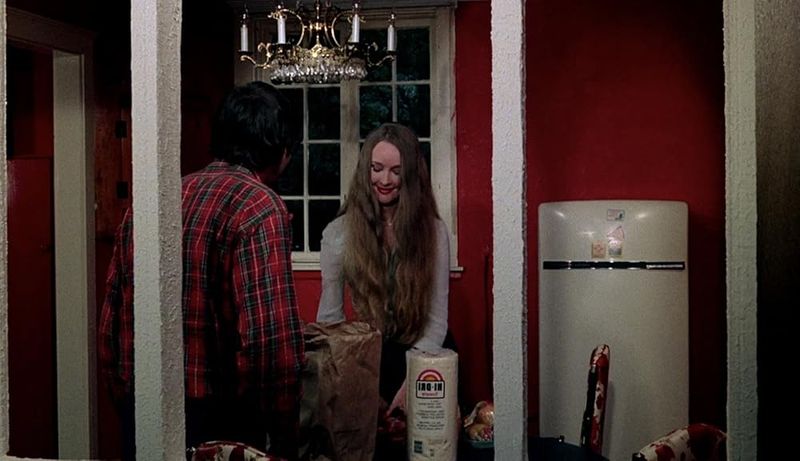
Few films have created such sharply divided feminist responses as this rape-revenge thriller.
Critic Roger Ebert called it one of the worst films ever made, walking out in disgust at what he saw as woman-hating exploitation masquerading as entertainment.
The extended assault scenes caused bans across Europe and protests in America.
Yet some feminists defended it as a powerful fantasy of female empowerment and justified vengeance against male violence.
This split continues today, with scholars debating whether showing brutal violence against women can ever serve progressive purposes.
The film spawned remakes and imitators while remaining deeply uncomfortable viewing that raises questions about cinema’s responsibility when depicting sexual violence.
5. Cannibal Holocaust (1980)
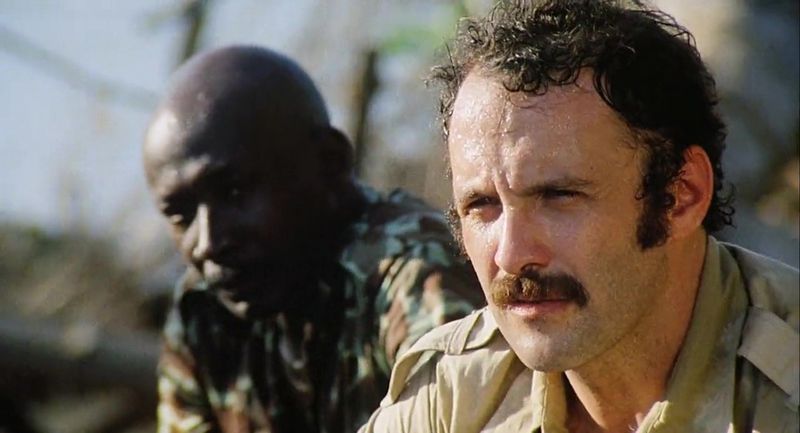
Director Ruggero Deodato faced murder charges because his film looked too realistic.
Italian authorities actually suspected he had killed actors on camera, forcing him to bring the cast to court to prove they were alive and explain the special effects used.
Real animal killings filmed for the movie sparked outrage that continues today among animal rights activists.
The graphic content got it banned in dozens of countries, though it influenced countless found-footage horror films that came later.
Debates about exploitation versus artistic commentary remain heated four decades later.
Some view it as a clever critique of media sensationalism, while others see only gratuitous cruelty disguised as social commentary.
6. The Interview (2014)
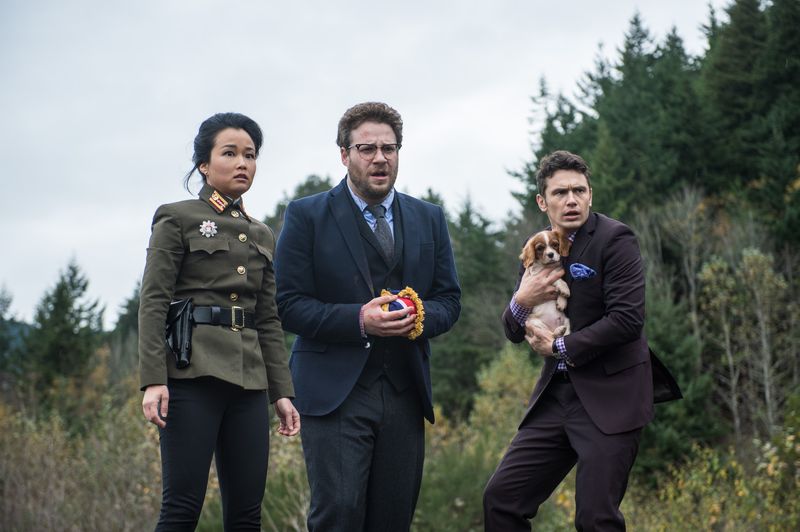
A silly comedy about two journalists recruited to assassinate Kim Jong-un somehow triggered an international crisis.
North Korea threatened war over the film, calling it an act of terrorism and demanding the United States ban its release entirely.
Sony Pictures suffered a devastating cyberattack that leaked confidential emails, unreleased films, and employee data.
U.S. intelligence agencies blamed North Korean hackers, creating genuine diplomatic tensions over a fictional assassination plot.
The incident forced conversations about whether comedy should have limits when dealing with real dictators.
It also raised cybersecurity concerns and questions about corporate responsibility when entertainment provokes hostile nations, proving that sometimes jokes have serious real-world consequences.
7. Brokeback Mountain (2005)
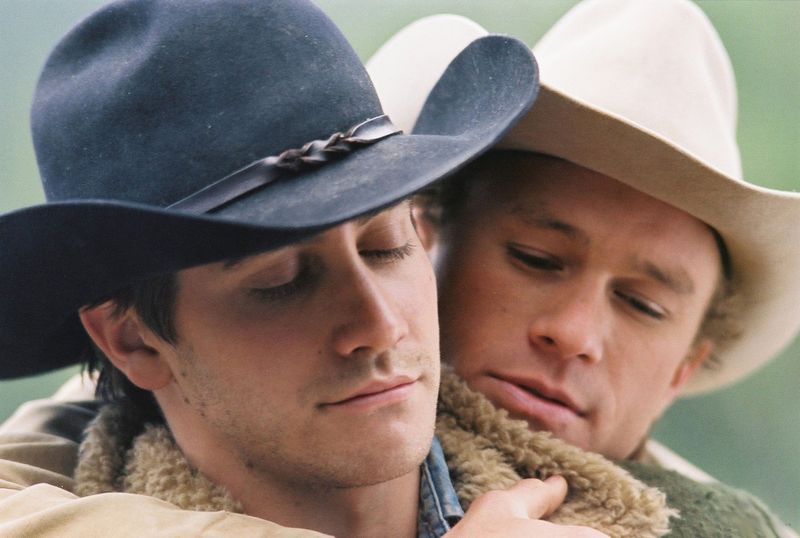
Ang Lee’s tender love story between two cowboys became a cultural flashpoint that revealed America’s deep divisions over LGBTQ+ representation.
While critics praised its artistry, conservative groups organized boycotts and some theaters refused to screen it altogether.
The film’s Oscar loss to Crash sparked conspiracy theories about Academy homophobia that persist today.
Many believed prejudice prevented voters from awarding Best Picture to a gay romance, regardless of artistic merit.
Small-town reactions ranged from supportive to hostile, with the phrase “I wish I knew how to quit you” becoming both a cultural touchstone and a punchline.
The controversy highlighted how mainstream cinema depicting same-sex relationships still provoked fierce resistance.
8. The Birth of a Nation (1915)
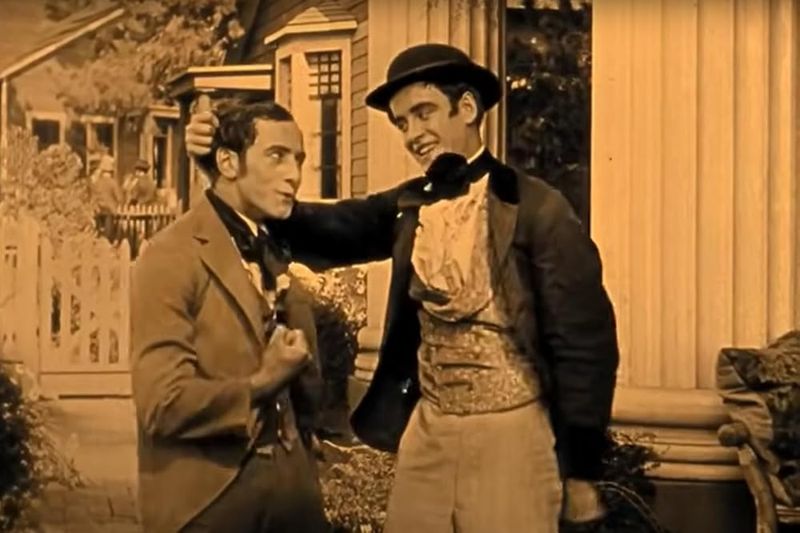
D.W. Griffith created groundbreaking cinema techniques while simultaneously producing one of the most racist films in American history.
This silent epic glorified the Ku Klux Klan as heroic defenders of white civilization, sparking protests from the NAACP immediately upon release.
President Woodrow Wilson reportedly screened it at the White House, though accounts of his reaction vary.
The film’s popularity is credited with helping revive the real KKK during the 1920s, demonstrating cinema’s power to influence society for evil.
Film schools still struggle with how to teach this technical masterpiece that contains such reprehensible ideology.
The debate over separating artistic innovation from moral content remains unresolved over a century later.
9. Showgirls (1995)
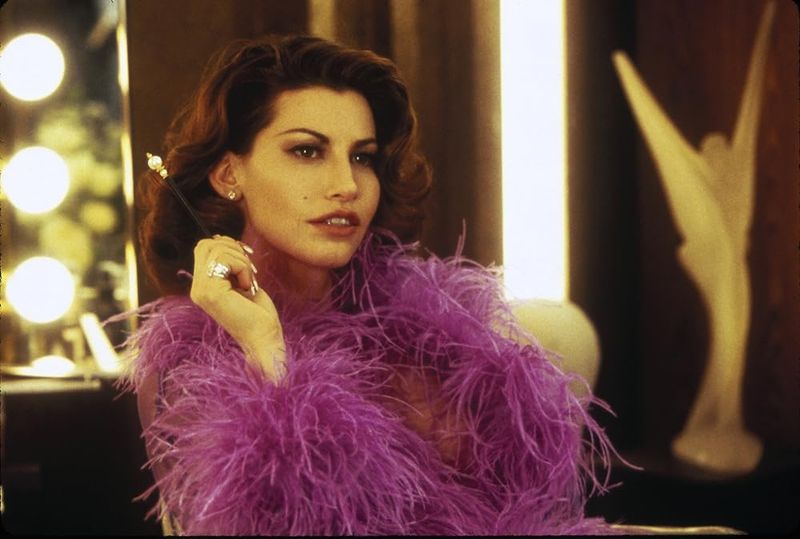
Paul Verhoeven’s NC-17 rated Vegas drama became an instant punchline, winning multiple Razzie Awards and getting savaged by critics who called it unwatchable trash.
The explicit content and perceived exploitation of women made it a cultural punching bag throughout the late 1990s.
Then something unexpected happened: some critics began reappraising it as misunderstood satire.
They argued Verhoeven intentionally created an over-the-top critique of American capitalism and exploitation disguised as exploitative entertainment itself.
Midnight movie screenings turned it into a cult phenomenon, with audiences debating whether it’s brilliant commentary or simply terrible filmmaking.
The controversy shifted from moral outrage to genuine artistic disagreement, proving that critical consensus can completely reverse over time.
10. Fifty Shades of Grey (2015)
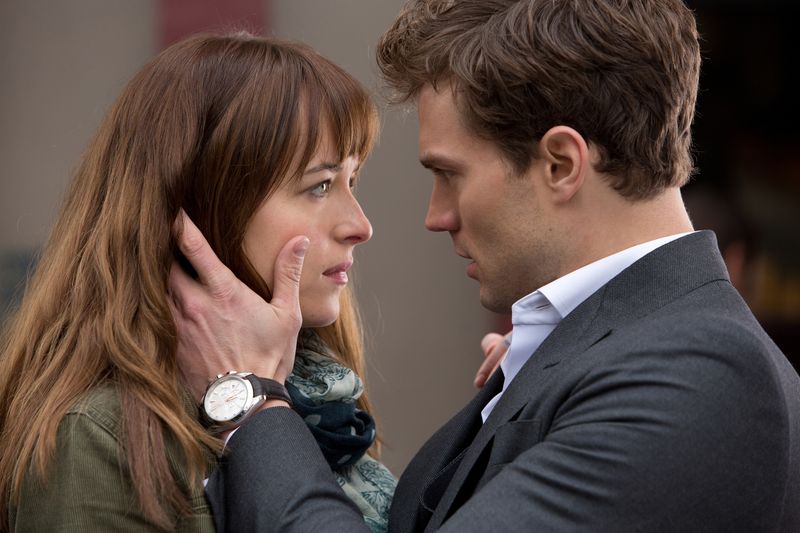
The bestselling novel’s film adaptation brought BDSM into mainstream conversation like never before, creating firestorms across social media and opinion pages.
Feminist critics split sharply over whether it portrayed consensual kink or romanticized abusive relationships disguised as romance.
Relationship experts debated the film’s depiction of power dynamics and consent.
Some praised it for normalizing alternative sexuality, while others worried it presented controlling behavior as desirable rather than dangerous.
Religious groups organized protests while millions of viewers made it a box office success.
The cultural conversation revealed how differently people interpret the same relationship dynamics, with age, background, and personal experience shaping wildly different reactions to identical scenes.
11. Borat (2006)
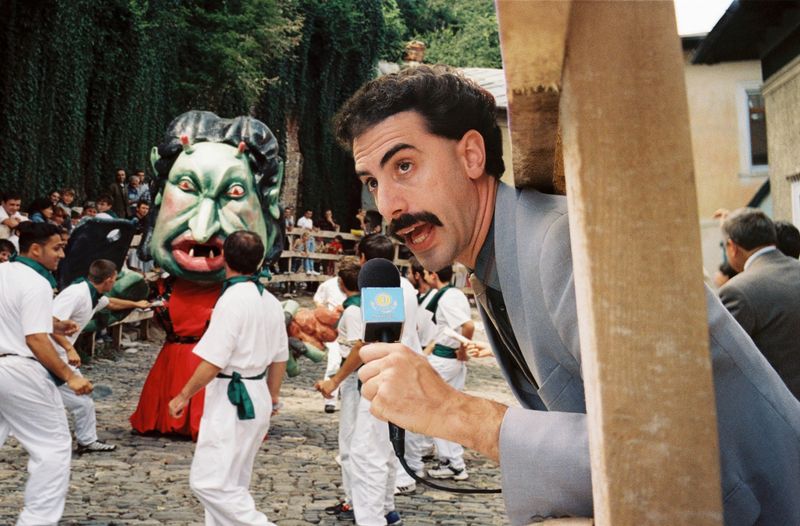
Sacha Baron Cohen’s mockumentary created international incidents that went far beyond typical comedy controversy.
Kazakhstan’s government took out newspaper ads condemning the film, while several unwitting participants sued after discovering how they were portrayed.
The film raised thorny questions about consent when real people appear in fictional contexts.
Many interview subjects claimed they were deceived about the film’s nature, leading to legal battles over what filmmakers owe their unwitting participants.
Critics debated whether the humor exposed American prejudices or simply reinforced stereotypes for laughs.
Some praised Cohen’s satirical genius while others accused him of exploiting marginalized communities, creating arguments about comedy’s ethical boundaries that remain unsettled today.
12. Avatar (2009)
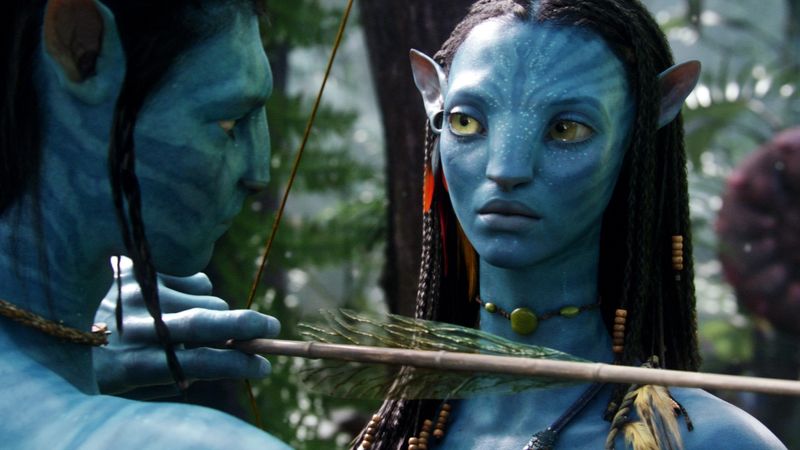
James Cameron’s visual spectacle became the highest-grossing film ever while simultaneously sparking intense criticism about its storytelling choices.
Online debates exploded over whether the plot recycled the problematic “white savior” narrative where outsiders rescue indigenous peoples who cannot save themselves.
Critics pointed to similarities with Dances with Wolves and Pocahontas, arguing that stunning visuals couldn’t disguise a tired, culturally insensitive story.
Defenders countered that the environmental message and technical achievements mattered more than narrative originality.
The controversy revealed growing awareness of representation issues in blockbuster filmmaking.
What might have passed without comment in earlier decades became a cultural flashpoint, showing how audience expectations about diversity and storytelling had fundamentally shifted in the 21st century.
Comments
Loading…