
 Chloe Peterson
12 Kids Movies That Accidentally Traumatized an Entire Generation
Saturday morning cartoons and family movie nights were supposed to be fun, right? Well, not always.
Some films marketed to children packed in scenes so disturbing that they left permanent marks on young minds.
From nightmarish transformations to heartbreaking losses, these movies crossed lines that nobody saw coming.
Generations later, adults still shudder remembering what they witnessed as kids.
1. The Brave Little Toaster (1987)
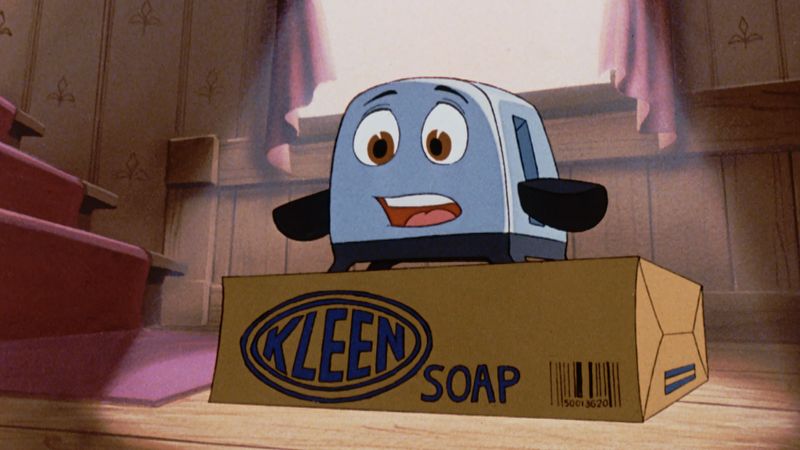
Cute talking appliances sounds harmless enough, right?
Wrong.
This animated film explores abandonment, obsolescence, and mortality through the eyes of household objects desperately seeking their missing owner.
The toaster and friends face existential dread that most adults struggle to process, let alone children.
One scene features a nightmare where the toaster watches its master throw it away.
Another shows a junkyard magnet crushing cars while they sing about their inevitable deaths.
The air conditioner literally explodes from rage and despair.
A flower falls in love with its own reflection, then wilts and dies when the toaster leaves.
These weren’t just sad moments—they were philosophical horror dressed up as family entertainment.
2. Watership Down (1978)
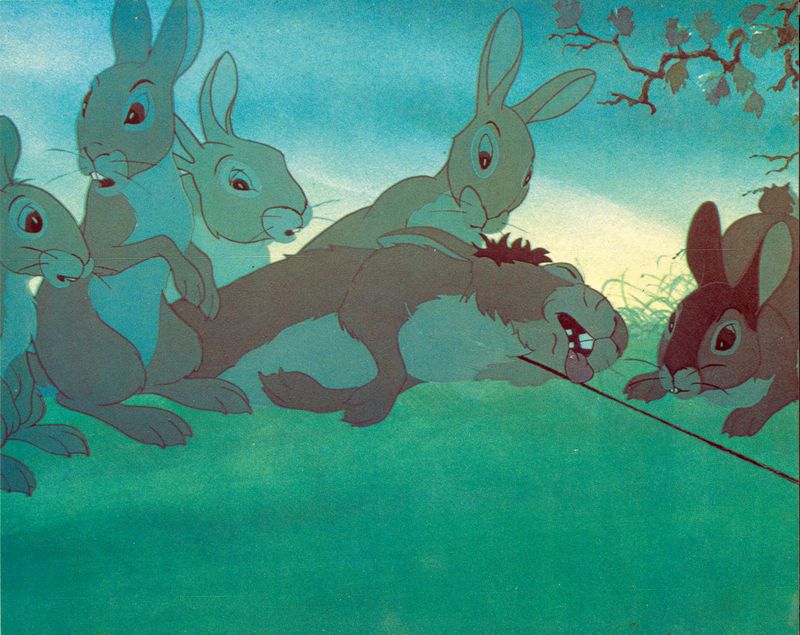
Bunnies hopping through fields sounds adorable.
Bunnies graphically dying in pools of blood while fighting a totalitarian regime?
That’s Watership Down.
The animated film’s beautiful art style couldn’t hide its brutal violence, political themes, and genuinely disturbing imagery that blindsided unsuspecting families.
Rabbits get torn apart by dogs, suffocate in collapsing warrens, and bleed out on screen.
The villainous General Wormwood presides over a fascist rabbit society.
Visions of death and destruction appear throughout.
Parents saw “cartoon rabbits” and assumed safety.
Children witnessed animal carnage that felt shockingly real.
The movie never talked down to its audience, which meant confronting young viewers with mature themes they absolutely weren’t ready to process.
3. The NeverEnding Story (1984)
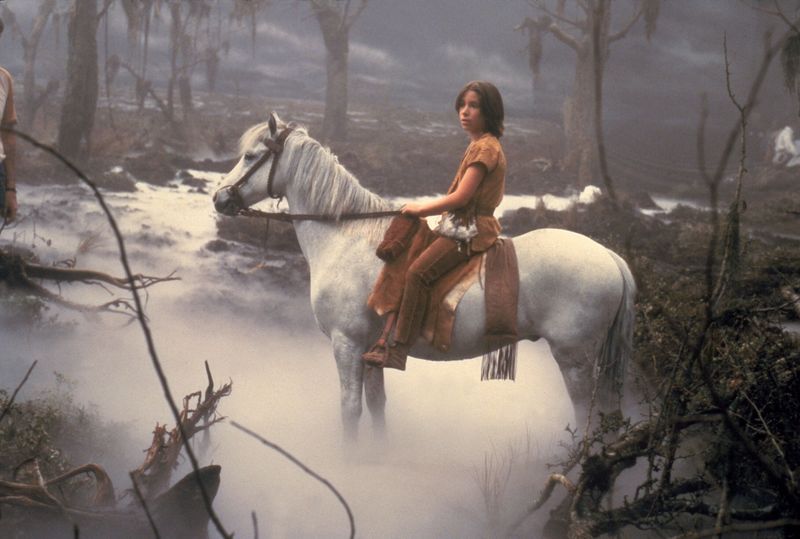
Fantasy adventures should end happily, but nobody told that to The NeverEnding Story.
When Atreyu’s beloved horse Artax slowly sinks into the Swamp of Sadness while his young owner begs him to fight, an entire generation learned that hope doesn’t always win.
The scene remains one of cinema’s most devastating moments.
Artax gives up despite Atreyu’s desperate pleas.
The horse simply accepts death while a child screams for him to keep trying.
No magical rescue arrives.
Beyond that trauma, the film explores depression, loss, and the death of imagination through the Nothing—a force of pure destruction consuming entire worlds.
Kids came for the luck dragon.
They left emotionally scarred, understanding that sometimes beloved characters just die.
4. Return to Oz (1985)
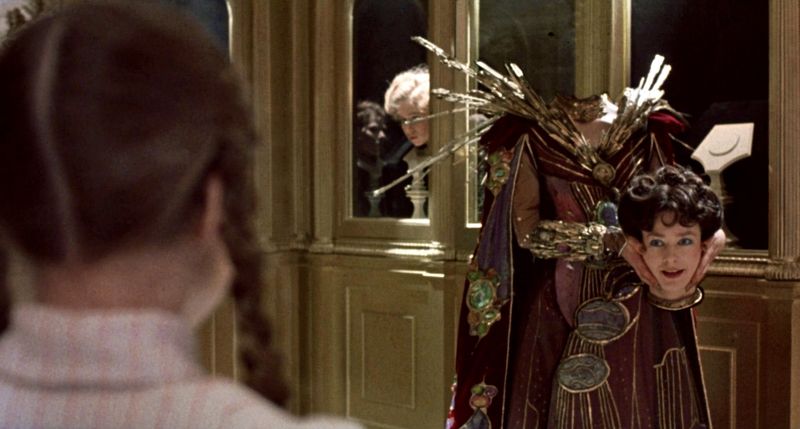
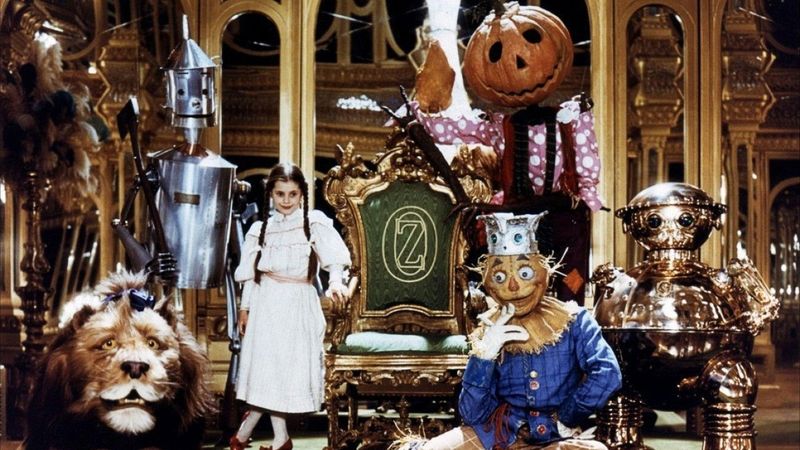
Dorothy’s second trip to Oz felt nothing like the cheerful original.
Instead of singing munchkins, audiences got electroshock therapy, a headless witch named Mombi who kept dozens of screaming heads in glass cases, and the terrifying Wheelers—shrieking creatures on wheels who hunted Dorothy through crumbling corridors.
The movie opens in a psychiatric hospital where Dorothy faces primitive mental health treatments.
Then Oz itself becomes a apocalyptic wasteland filled with crumbling ruins and genuinely frightening villains.
Parents expected another wholesome adventure.
Kids got fuel for years of nightmares instead.
The Wheelers alone, with their metallic shrieks and relentless pursuit, created a phobia that lasted well into adulthood for countless viewers.
5. The Secret of NIMH (1982)
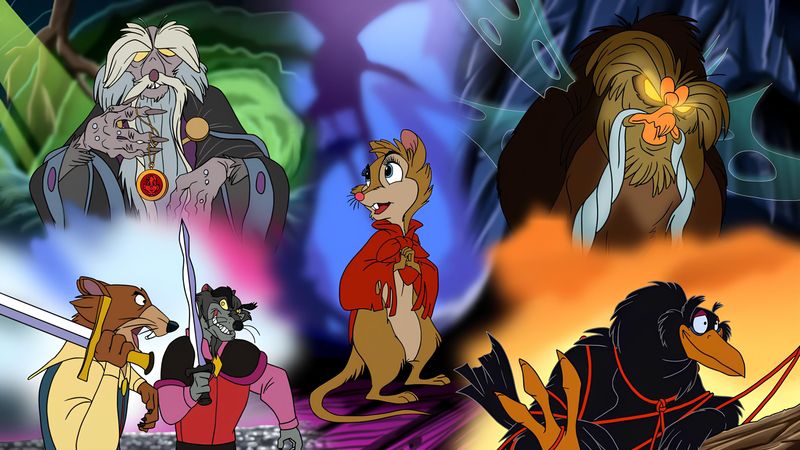
Don Bluth’s animation masterpiece proved that cartoons could genuinely terrify.
Mrs. Brisby’s quest to save her sick son takes her through a world of sinister experiments, murderous cats, and the Great Owl—a creature so frightening that his glowing eyes still haunt viewers decades later.
The villain Jenner murders in cold blood, stabbing another character on screen.
Laboratory flashbacks show rats subjected to horrific experiments.
Even the hero’s journey involves constant mortal peril with real consequences.
Unlike sanitized Disney fare, NIMH never softened its edges.
Shadows felt genuinely threatening. Danger seemed inescapable.
The movie respected its audience enough to scare them properly, creating an atmosphere of dread that made every scene feel unpredictable and dangerous.
6. The Witches (1990)
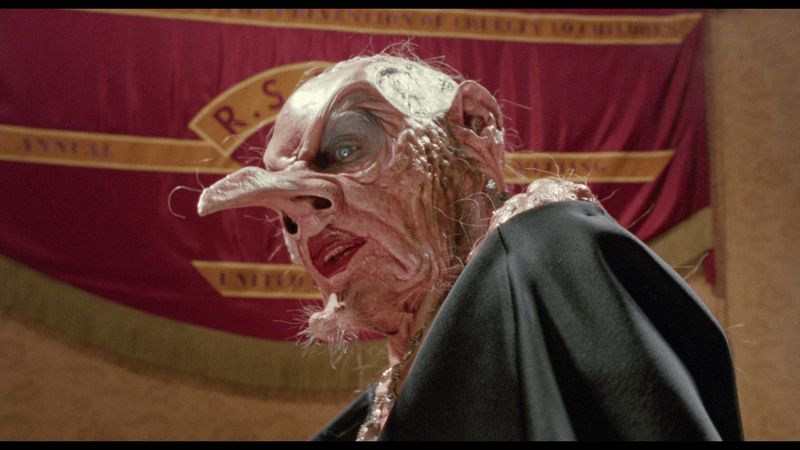
Roald Dahl’s story got faithfully adapted, which meant keeping every nightmare-inducing detail.
When Anjelica Huston’s Grand High Witch peels off her beautiful human face to reveal the rotting monster beneath, children learned that pretty exteriors hide unspeakable horrors.
That transformation scene alone created lifelong fears.
Witches in this world hate children with burning passion.
They plot to turn every kid in England into mice, then exterminate them.
The movie shows this transformation happening, with children trapped in tiny rodent bodies.
The practical effects made everything worse.
Prosthetic makeup and puppetry felt disturbingly real compared to modern CGI.
Kids couldn’t dismiss it as fake-looking.
Those peeling faces and grotesque features looked tangible enough to reach through the screen.
7. Willy Wonka & the Chocolate Factory (1971)
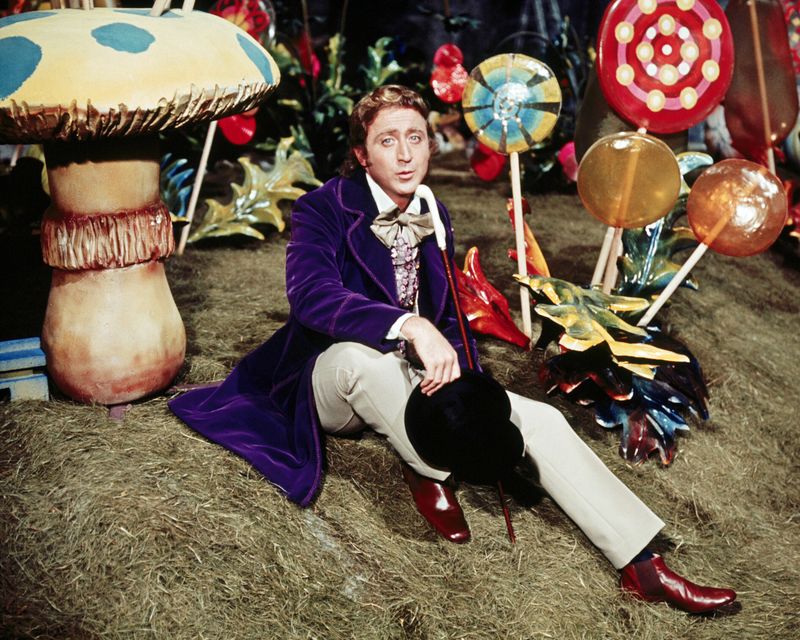
Gene Wilder’s Wonka seemed whimsical until the boat entered that tunnel.
Suddenly, psychedelic horror imagery flashed across the screen—a chicken getting its head cut off, a millipede crawling across someone’s face, disturbing masks and rapid-fire nightmare fuel—while Wonka recited increasingly unhinged poetry.
Parents sat frozen, unsure whether to cover their children’s eyes.
The scene served no plot purpose.
It existed purely to unsettle, and it succeeded spectacularly.
Wonka’s manic energy throughout the film felt unpredictable and slightly dangerous.
Children disappeared one by one into horrible fates.
Augustus nearly drowned in chocolate.
Violet inflated into a giant blueberry.
The movie punished kids brutally while Wonka watched with barely concealed glee, making him feel less like a hero and more like a sadistic trickster.
8. The Black Cauldron (1985)
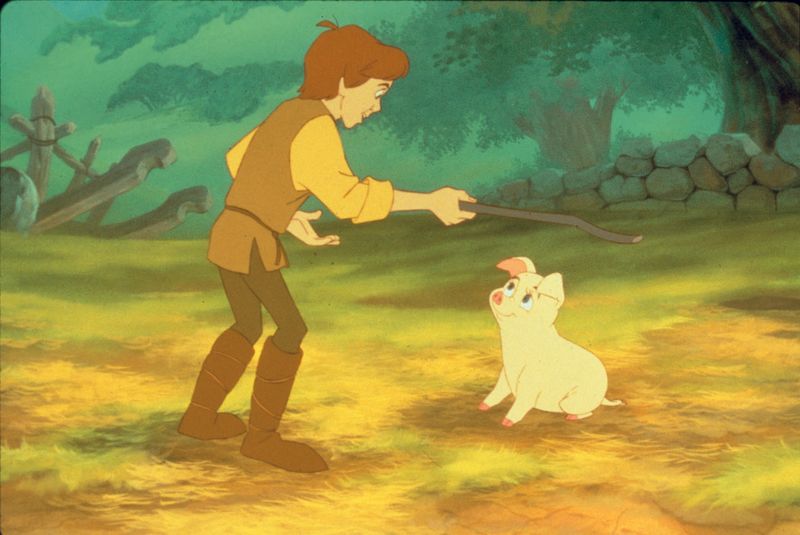
Disney’s darkest hour came when they adapted Lloyd Alexander’s fantasy novels.
The Horned King remains one of their most terrifying villains—a skeletal figure with glowing eyes who commands an army of undead warriors.
His plan involves sacrificing living beings to create an unstoppable force of corpse soldiers.
The Cauldron Born emerge as genuinely frightening zombies, not sanitized fantasy creatures.
Characters face graphic peril and actual death throughout.
The film’s climax shows the Horned King being graphically destroyed, his flesh stripped away.
Disney pulled back on marketing after realizing how dark they’d gone.
The movie flopped partially because parents avoided it, sensing something wrong.
Those who saw it witnessed Disney embracing horror elements that felt completely out of place in their catalog.
9. Coraline (2009)
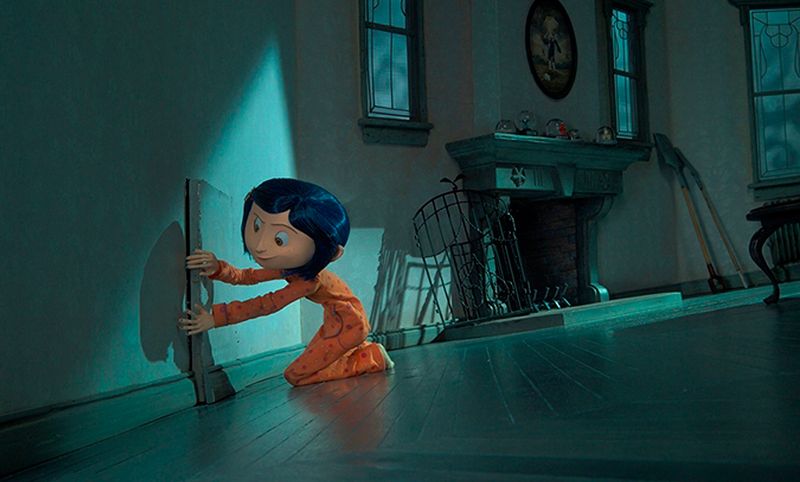
Stop-motion animation created something uniquely disturbing in Coraline.
The Other Mother starts as a perfect parent, then slowly reveals herself as a predatory creature who sews buttons over children’s eyes and traps their souls forever.
The button eyes themselves became an iconic symbol of childhood terror.
Everything in the Other World looks slightly wrong—too perfect, then gradually more twisted.
The cat warns Coraline, but she doesn’t listen until it’s almost too late.
Director Henry Selick crafted genuine psychological horror.
The movie explores manipulation, false promises, and predatory behavior through a fairy-tale lens. Kids recognized the danger instinctively.
The Other Mother’s transformation from nurturing to nightmarish felt like watching someone’s real parent become a monster, tapping into primal fears.
10. Gremlins (1984)
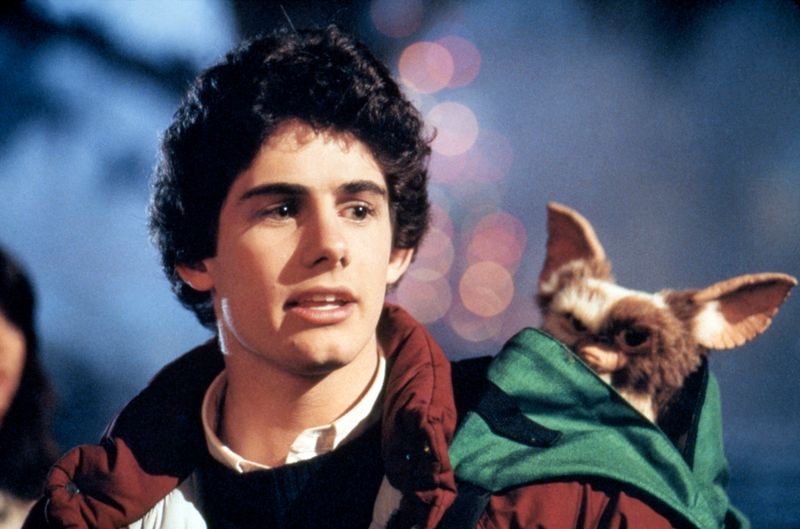
Gizmo the Mogwai seemed like the perfect Christmas present—adorable, fuzzy, and marketable.
Then the rules got broken.
Suddenly, cute turned into chaos as gremlins spawned, transforming into violent reptilian monsters who tortured pets, terrorized townspeople, and gleefully murdered anyone in their path.
These weren’t cartoon villains.
The practical effects made them feel disturbingly real, with detailed puppetry that showed every tooth and claw.
They melted in microwaves, exploded in blenders, and died graphically on screen.
The movie’s tone whiplashed between comedy and genuine horror.
One moment featured slapstick, the next showed a gremlin attacking someone’s face.
Kids expected a fun monster movie.
They got graphic violence that felt shockingly real, creating the PG-13 rating because parents complained so loudly.
11. Pinocchio (1940)
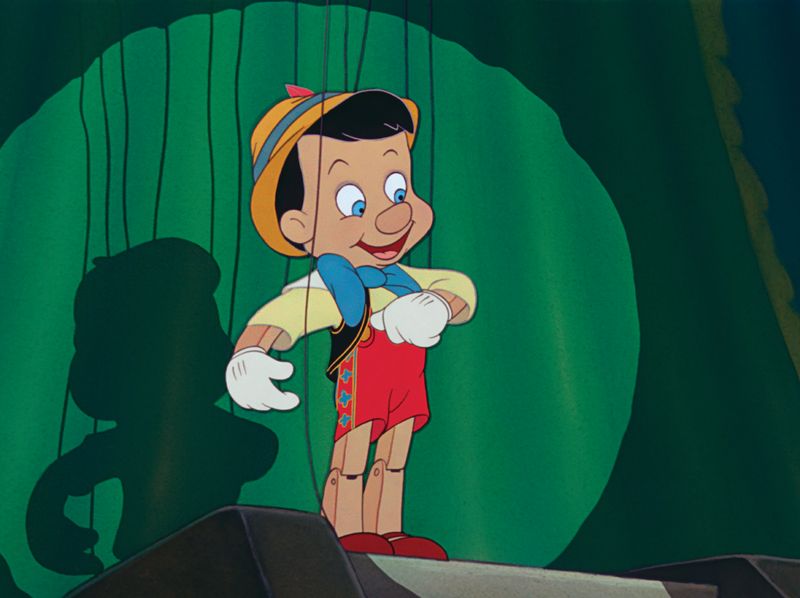
Disney’s second animated feature went shockingly dark.
Pleasure Island promised fun but delivered body horror.
Boys who misbehaved slowly transformed into screaming donkeys, crying for their mothers while losing their humanity.
The scene showed partial transformations—kids with donkey ears and tails, begging for help that never came.
Lampwick’s transformation remains particularly haunting.
He realizes what’s happening mid-change, screaming in terror as his hands become hooves.
Pinocchio can only watch helplessly.
The Coachman collects these donkey-boys to sell into slavery, profiting from children’s suffering.
His demonic grin while explaining this fate felt genuinely evil.
For a 1940s children’s film, Pinocchio explored consequences with brutal honesty that still shocks modern viewers expecting gentler Disney fare.
12. Dumbo (1941)
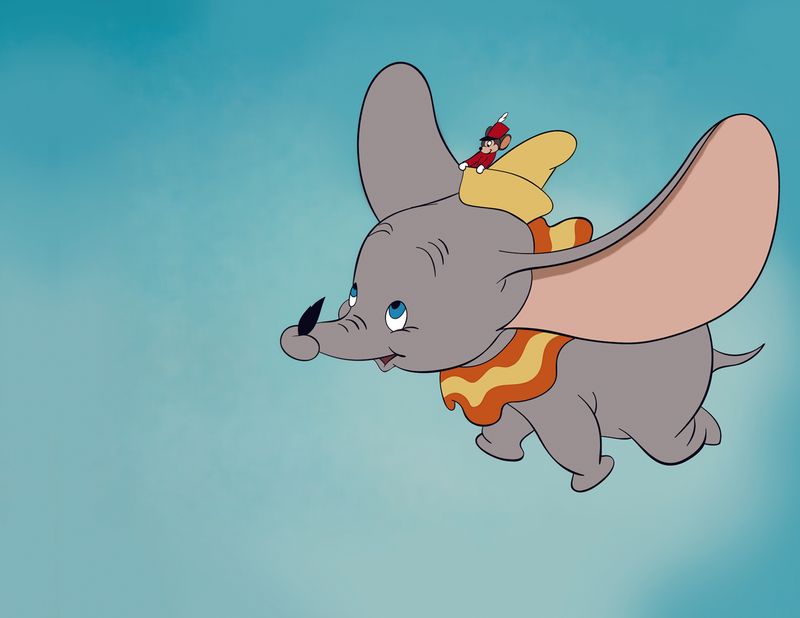
Dumbo’s Pink Elephants on Parade sequence plays like someone’s fever dream captured on film.
After accidentally drinking alcohol, Dumbo and Timothy hallucinate increasingly bizarre and threatening elephant shapes that morph, multiply, and dance in ways that defy logic and comfort.
The scene feels completely disconnected from reality.
Elephants transform into cars, buildings, and abstract shapes.
They march in military formations, then dissolve into nightmarish patterns.
The music builds tension while visuals become more distorted and unsettling.
Why did Disney include a drunken hallucination sequence in a children’s movie?
The question remains unanswered.
Kids watching couldn’t process what they were seeing.
The animation style shifted dramatically, creating disorientation that felt genuinely frightening rather than whimsical, leaving viewers deeply uncomfortable.
Comments
Loading…