
 Harper Hall
12 Incredible ’80s Anime That Flew Under the Radar
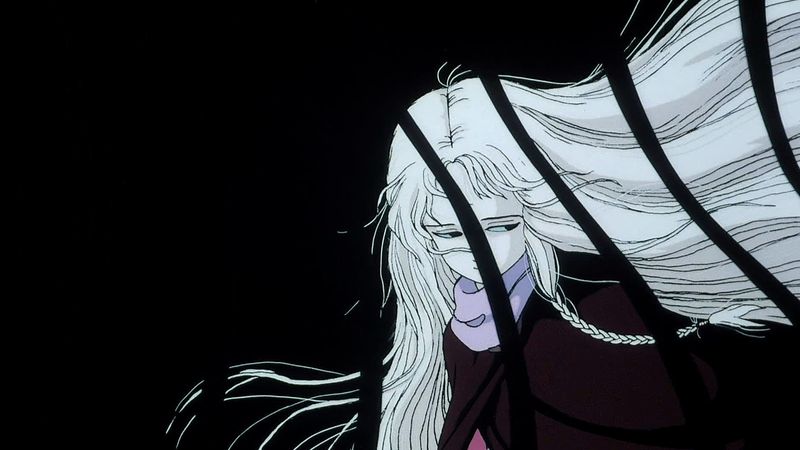
The 1980s were a golden age for anime, packed with bold stories, unforgettable characters, and stunning hand-drawn art. While shows like Dragon Ball and Gundam grabbed most of the spotlight, dozens of amazing series and films quietly slipped by without the attention they deserved.
Some tackled deep themes like loneliness, adventure, and the mysteries of the universe in ways that still feel fresh today. If you love animation and want to discover something truly special, these hidden gems are absolutely worth your time.
1. The Mysterious Cities of Gold (1982)
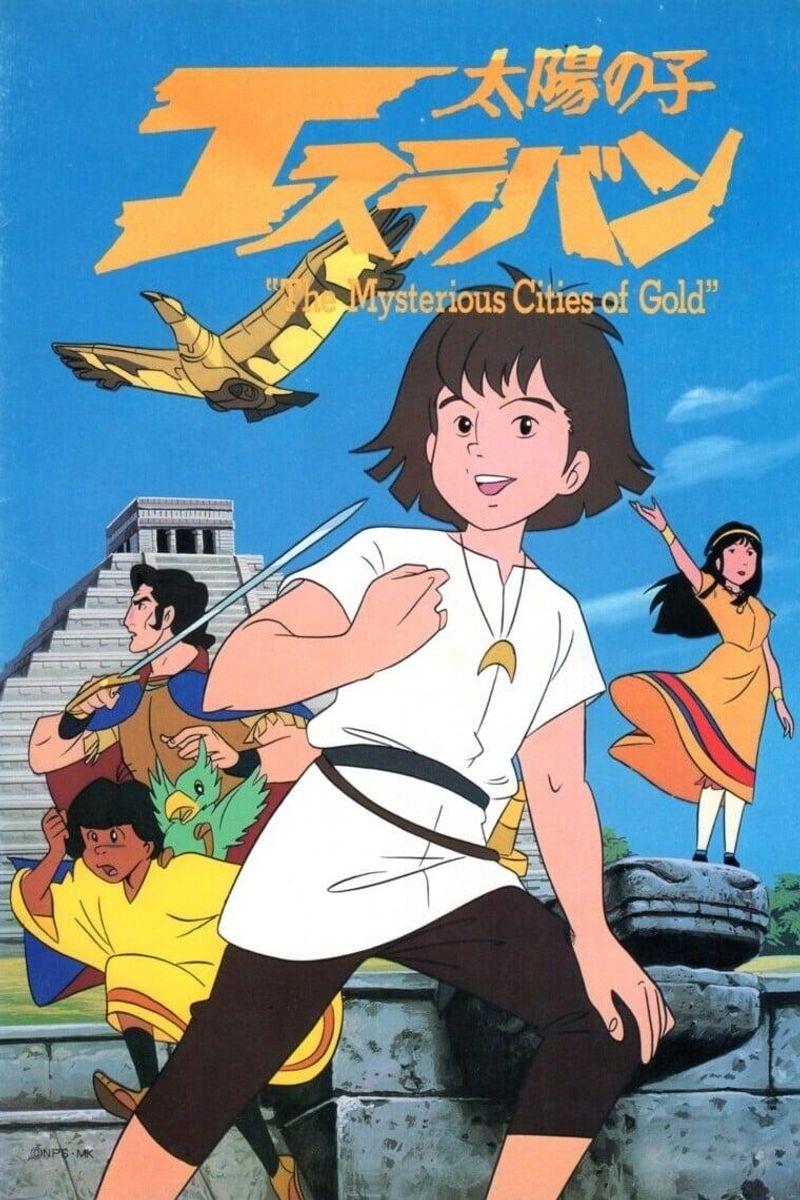
Packed with adventure and heart, this Franco-Japanese co-production follows young Esteban as he searches for his father and the legendary Cities of Gold across 16th-century South America.
Every episode ends with a short documentary about real Inca and Aztec history, making it both thrilling and educational.
The blend of mystery, friendship, and exploration gives it a timeless quality that few shows from any era can match.
Watching the crew sail through uncharted lands feels genuinely exciting even decades later.
Fun fact: the show was a massive hit in France but barely known in the United States at the time.
2. Angel’s Egg (1985)
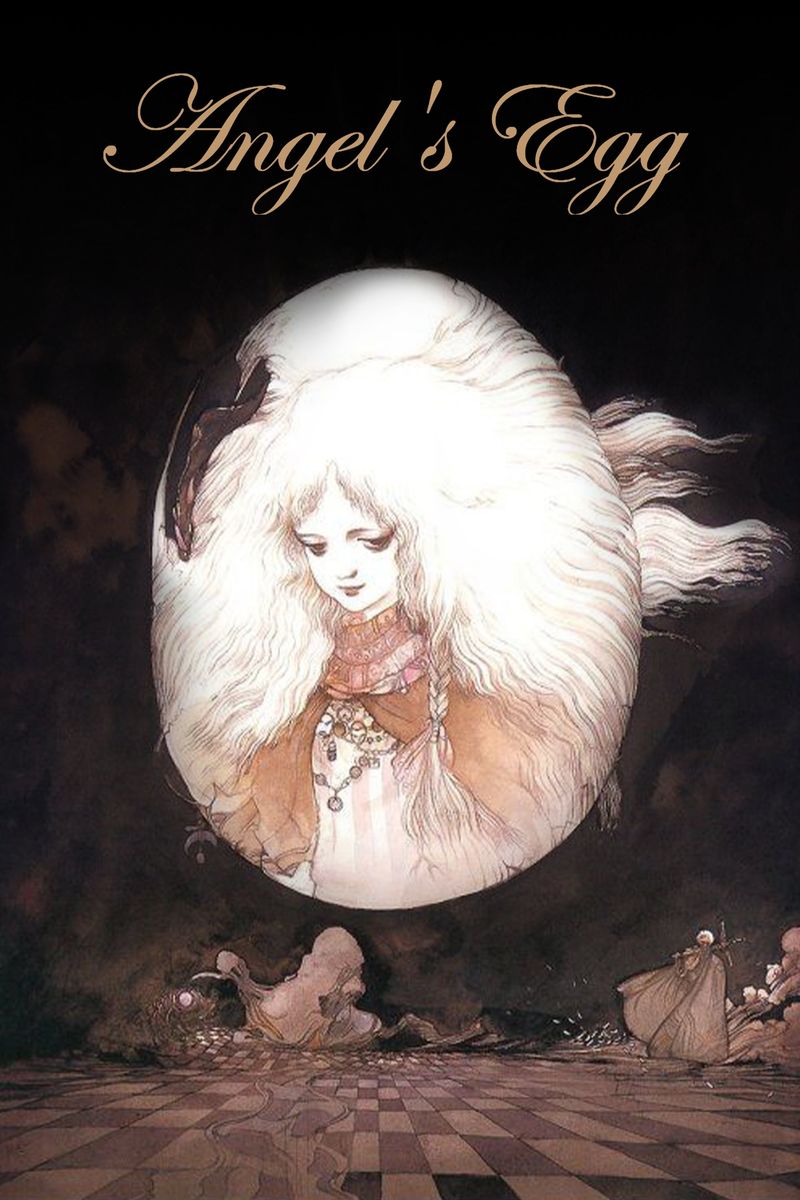
Hauntingly beautiful and almost wordless, this film by Mamoru Oshii is unlike anything else ever made.
The story follows a mysterious girl protecting a giant egg through a crumbling, dreamlike world filled with towering shadows and silent soldiers hunting phantom fish.
Almost no dialogue exists, so the visuals carry every emotion and idea on their own.
It feels more like a moving painting than a traditional movie, and that quality makes it unforgettable.
Oshii reportedly used this film to work through his personal feelings about religion and faith, giving every quiet frame a surprisingly deep emotional weight.
3. Sherlock Hound (1984)
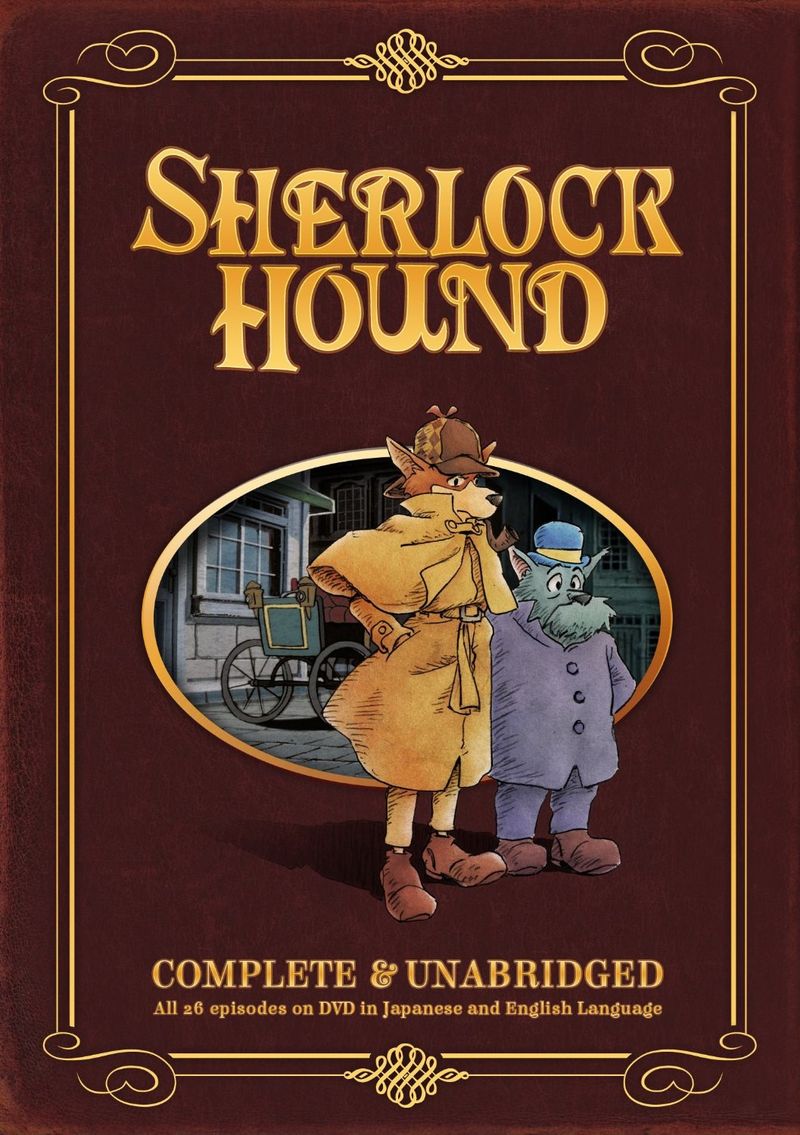
Reimagining the world’s greatest detective as a clever, charming dog might sound silly, but this series absolutely pulls it off.
Directed in part by Hayao Miyazaki during his early career, the show brings Victorian London to life with warmth, humor, and surprisingly clever mysteries.
Each episode is self-contained, making it easy to pick up and enjoy at any point.
The animation has that unmistakable Miyazaki energy, full of expressive characters and beautifully detailed backgrounds.
Young viewers and adults alike will appreciate the playful tone balanced with genuinely smart storytelling that never talks down to its audience.
4. They Were Eleven (1986)
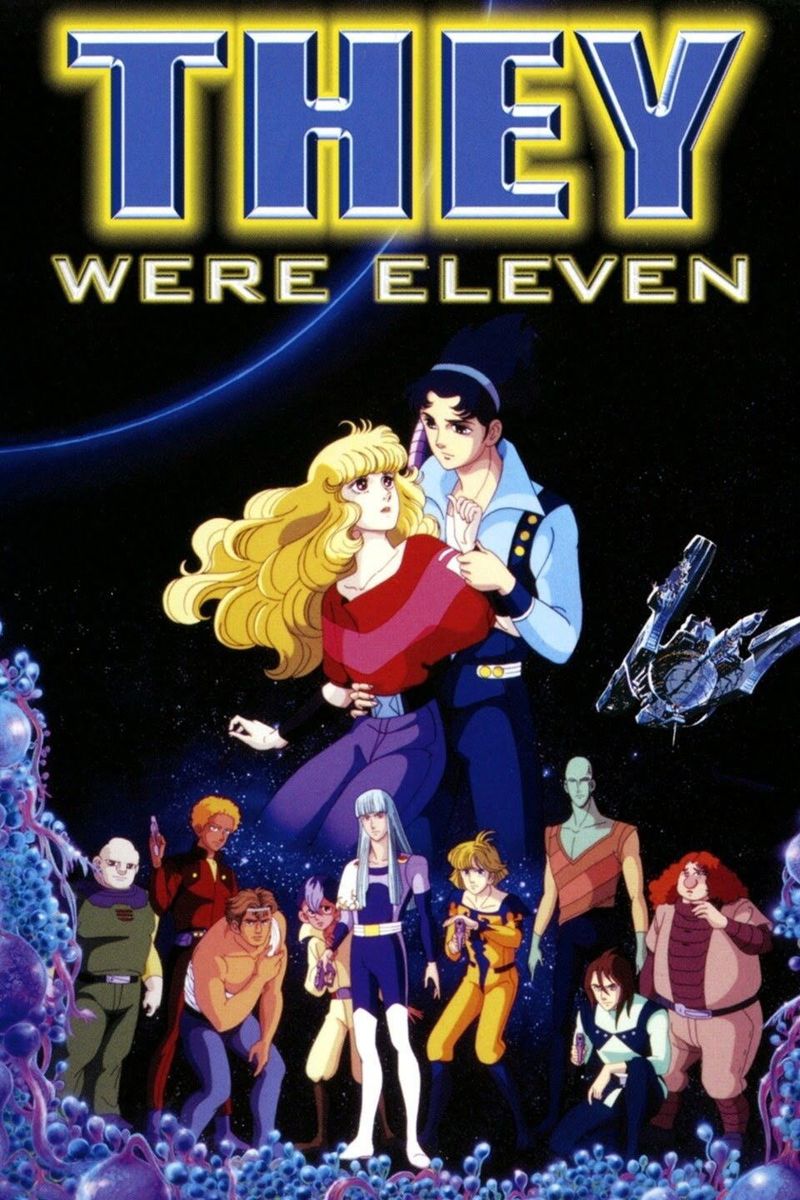
Suspense and science fiction rarely mix this well.
Based on a classic manga by Moto Hagio, this film centers on ten elite space cadets who board a derelict ship for their final exam, only to discover an eleventh person among them whom nobody recognizes.
Nobody knows who the stranger is or what their intentions might be, and paranoia builds quickly among the crew.
The psychological tension feels surprisingly modern for a mid-80s production.
Beyond the mystery, the story thoughtfully explores identity, trust, and what it truly means to belong to a group under extreme pressure.
5. Harmagedon (1983)
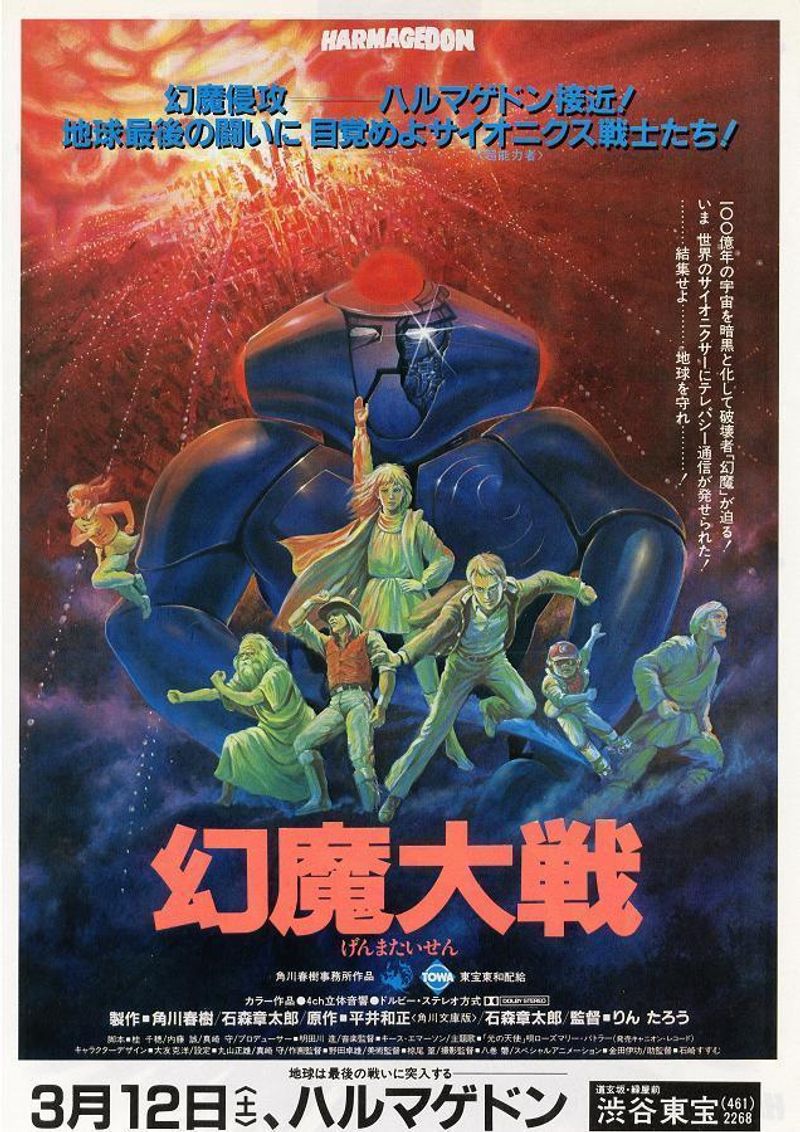
Before Dragon Ball Z made energy blasts a staple of anime, Harmagedon was already delivering jaw-dropping psychic battles on a cosmic scale.
Directed by Rintaro and featuring character designs by Katsuhiro Otomo, who later created Akira, this film brings together psychics from around the world to fight an ancient evil force called Genma.
The animation quality is genuinely impressive for its time, especially during action sequences.
Each psychic character has a distinct personality and backstory that makes the team feel real and relatable.
This film laid important groundwork for the super-powered anime genre that would explode in popularity throughout the late 1980s.
6. Blue Comet SPT Layzner (1985)
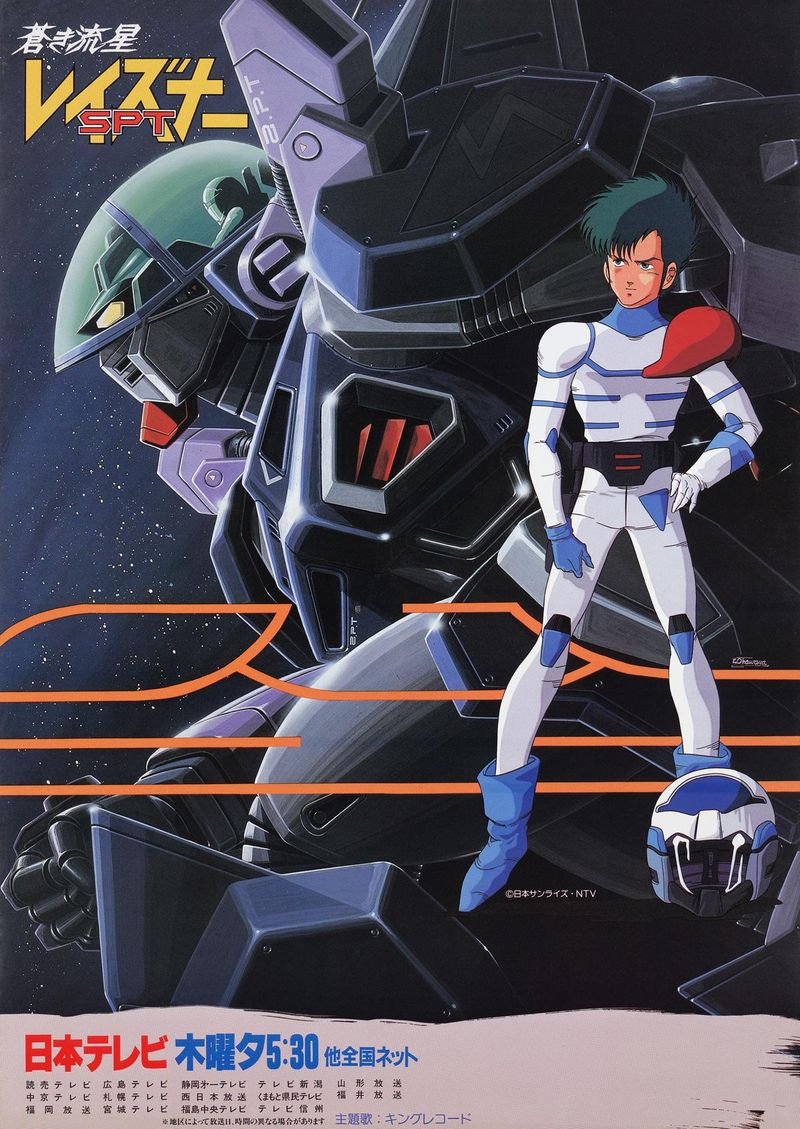
Cold War anxieties fueled some of the most interesting science fiction of the 1980s, and this mecha series channels that tension brilliantly.
Set in an alternate 1996, the story follows a half-human, half-alien pilot named Eiji who warns Earth of an impending invasion using an advanced robot called Layzner.
Unlike many mecha shows of the era, the series focuses heavily on political drama and human consequences rather than just robot battles.
The second story arc jumps forward several years into a grim occupied Earth, adding serious dramatic weight.
Tragically, the show was cancelled before its planned ending, leaving fans hungry for more.
7. Maison Ikkoku (1986)
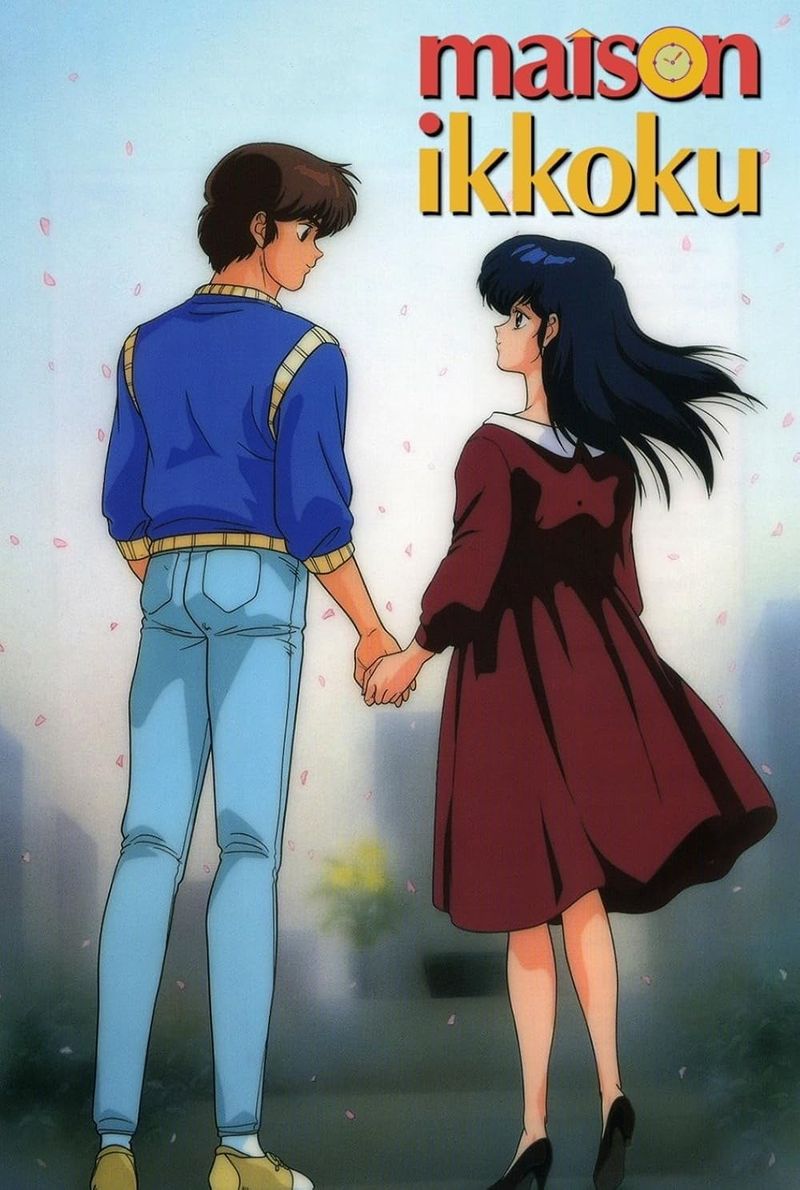
Romance anime rarely gets as emotionally honest as this long-running classic from Rumiko Takahashi.
The story follows Yusaku Godai, a struggling student hopelessly in love with his apartment building’s widowed manager, Kyoko Otonashi, as both navigate grief, misunderstandings, and the messy reality of adult life.
Unlike stories built on dramatic twists, the charm here comes from small, everyday moments that feel completely real.
You will laugh, cringe, and genuinely root for these characters through every awkward encounter.
Takahashi was already famous for Urusei Yatsura, but many fans consider Maison Ikkoku her most emotionally mature and deeply satisfying work.
8. The Dagger of Kamui (1985)
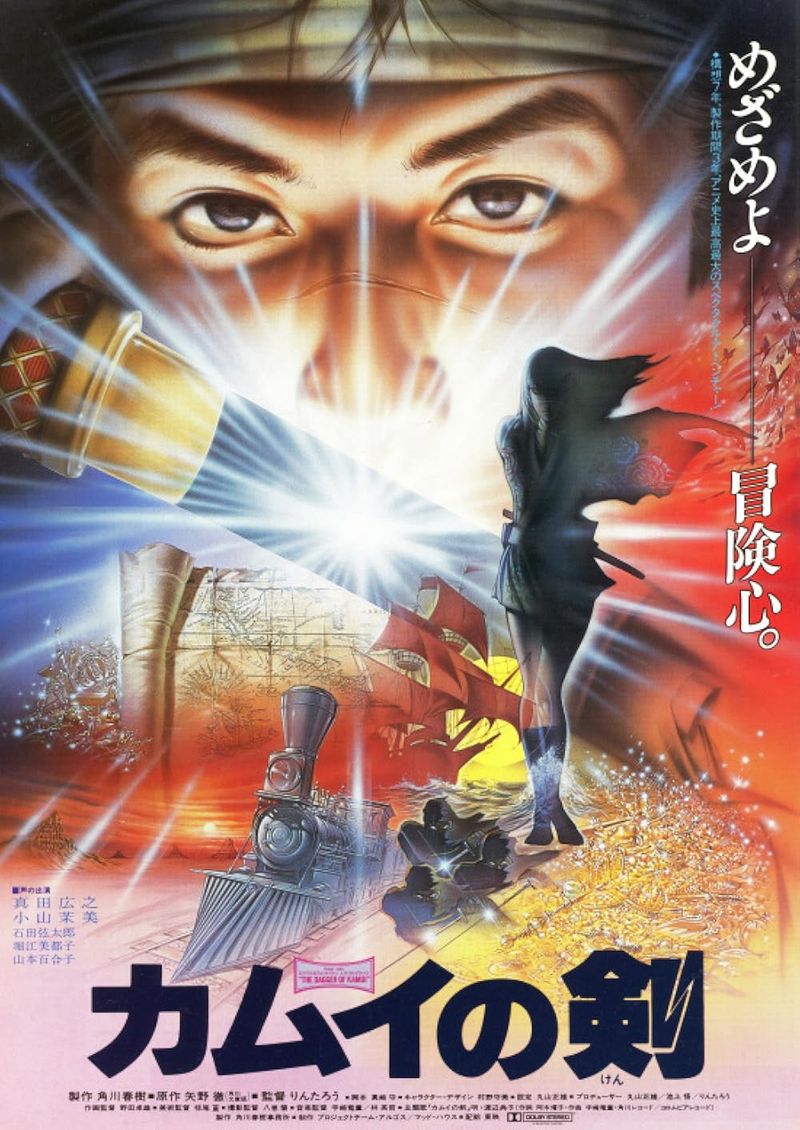
Few adventure films pack as much geography into one story as this ambitious historical epic.
Starting in feudal Japan, the tale of young ninja Jiro takes him across continents all the way to 19th-century America in search of answers about his family and a legendary treasure.
The scope of the journey feels genuinely epic, blending real historical figures and locations into a fictional ninja saga with surprising skill.
Action sequences are sharp, and the emotional core keeps the story grounded.
Madhouse studio handled the animation, delivering some of the richest visual detail found in any theatrical anime release from the mid-1980s.
9. Gall Force (1986)
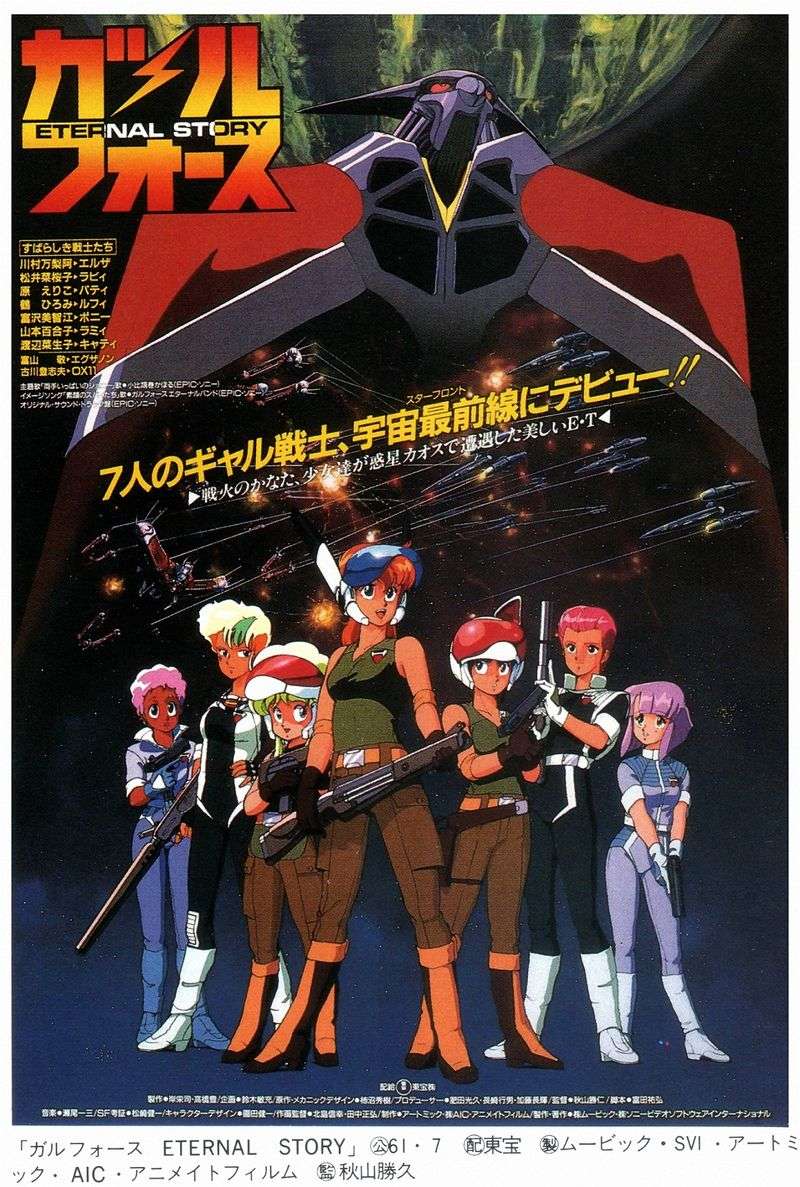
Space opera got a fresh spin with this OVA series, which follows a crew of all-female soldiers caught in a devastating war between two alien races.
When their ship is separated from the fleet, the women must work together to survive while carrying cargo that could change the fate of the entire universe.
The camaraderie between characters feels earned rather than forced, giving the action scenes real emotional stakes.
Each crew member has a distinct personality that fans quickly connected with.
Gall Force spawned multiple sequels and spin-offs, proving that its universe had plenty more stories worth telling beyond the original release.
10. Kimagure Orange Road (1987)
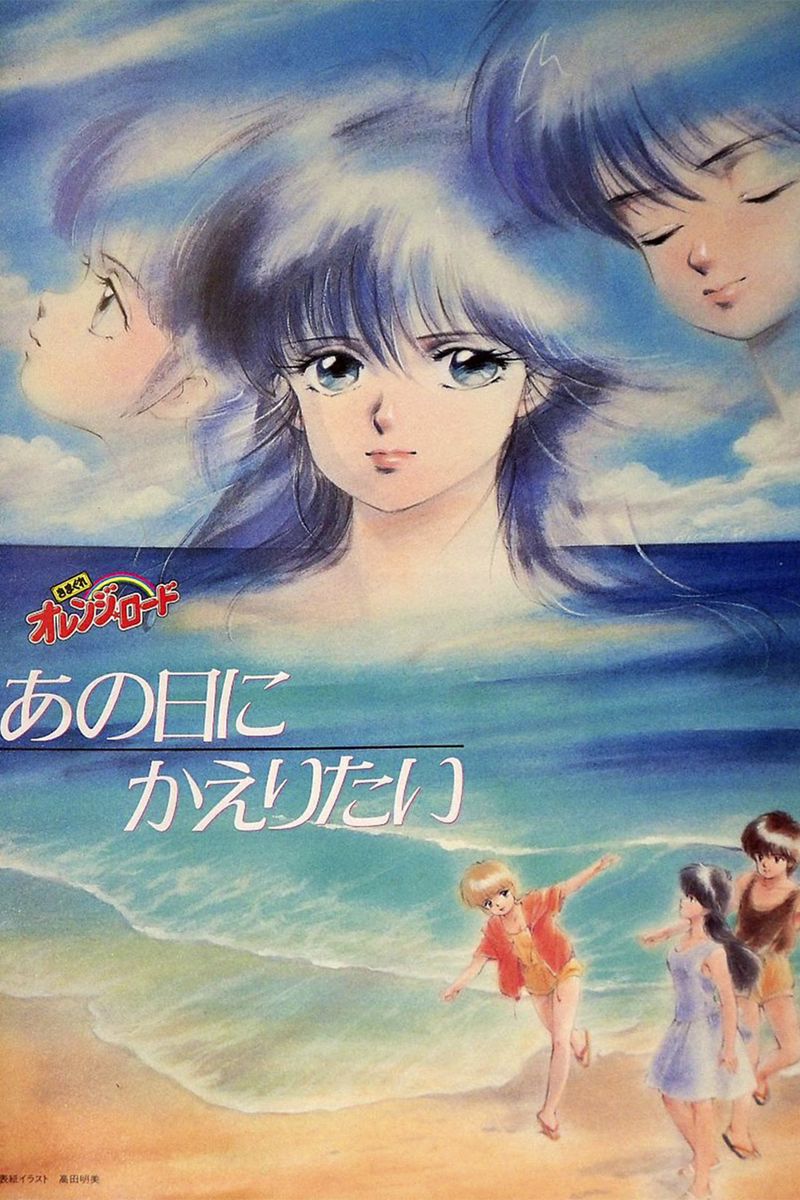
Summer, psychic powers, and a love triangle that refuses to resolve neatly make this romantic comedy series completely addictive.
Kyosuke Kasuga has just moved to a new town with secret telekinetic abilities, and he quickly finds himself torn between the cheerful Hikaru and the cool, mysterious Madoka.
What makes it stand out is how thoughtfully it handles the emotional mess of teenage feelings without reducing anyone to a simple stereotype.
Madoka especially became an iconic character in 1980s anime culture.
The soundtrack is genuinely excellent, featuring upbeat city-pop songs that perfectly capture the breezy, bittersweet mood of being young and hopelessly confused about love.
11. Night on the Galactic Railroad (1985)
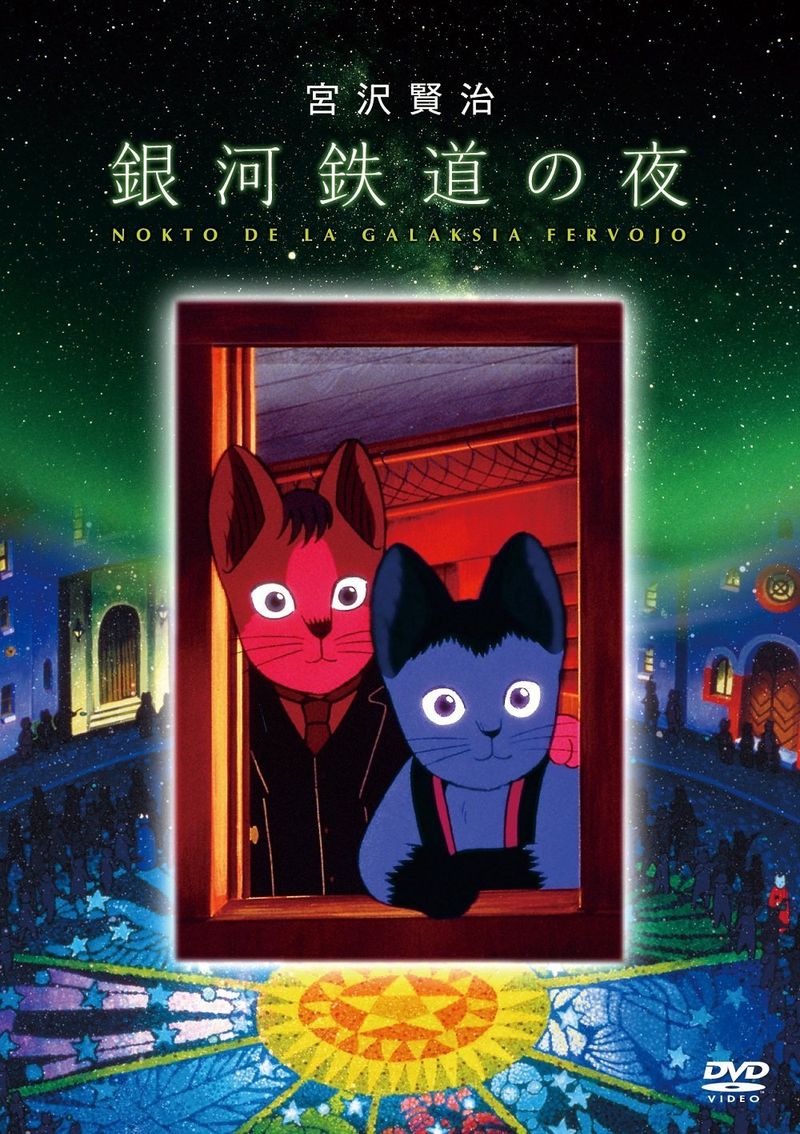
Based on the beloved unfinished novel by Kenji Miyazawa, this quiet masterpiece follows two young cat-boys, Giovanni and Campanella, on a mysterious night train journey across the Milky Way.
The film is gentle and dreamlike, but it carries a profound sadness about friendship, sacrifice, and what lies beyond death.
Talking about heavy themes without ever feeling preachy is a rare skill, and this film handles it beautifully.
The visual style is soft and ethereal, matching the story’s mood perfectly.
Composer Haruomi Hosono of the Yellow Magic Orchestra created the electronic score, giving the film a uniquely hypnotic and otherworldly sound.
12. Robot Carnival (1987)
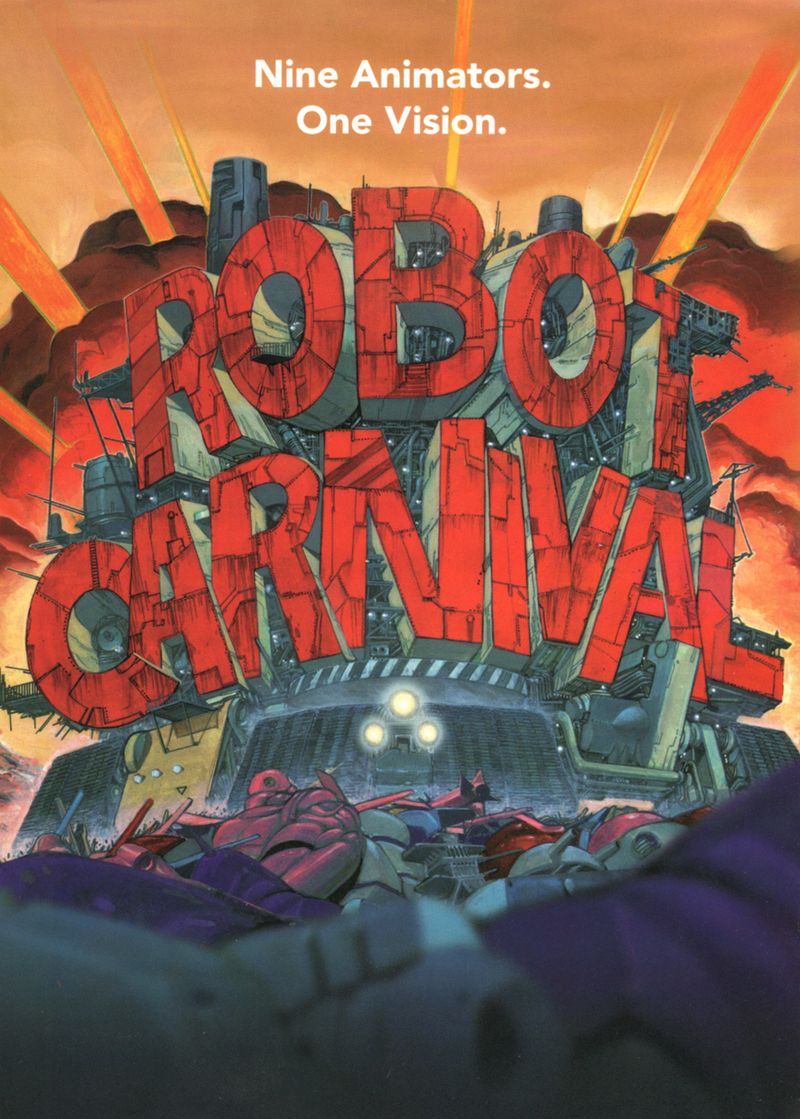
Imagine eight different directors each given complete creative freedom to make a short film about robots with no rules attached.
That is exactly what Robot Carnival is, and the result is one of the most visually inventive anime anthologies ever assembled.
Segments range from hilarious slapstick comedy to deeply emotional tragedy, showcasing just how wide the tonal range of animation can be.
The opening and closing sequences alone are worth the entire runtime.
For anyone curious about the sheer variety of talent working in Japanese animation during the 1980s, this anthology serves as a brilliant and endlessly rewatchable introduction to that creative era.
Comments
Loading…