
 Chloe Peterson
12 Iconic TV Villains Who Elevated Their Shows to Another Level

A great villain can turn a good show into an unforgettable one.
When a TV series gets its antagonist right, every scene crackles with tension and every choice feels like it carries real weight.
The villains on this list didn’t just cause trouble for the heroes — they challenged them, changed them, and in many cases, completely stole the spotlight.
From psychological manipulators to charming monsters, these characters proved that the best stories need someone truly compelling to push back against the good guys.
1. The Trinity Killer (Arthur Mitchell) in Dexter
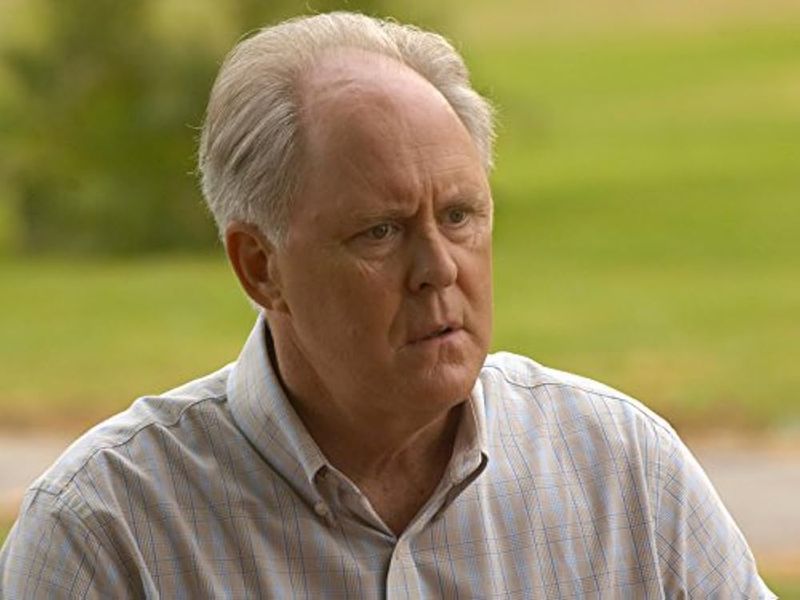
Beneath a perfectly ordinary exterior, Arthur Mitchell hides one of television’s most terrifying secrets.
As the Trinity Killer in Dexter, he presents himself as a devoted family man and respected community member — all while carrying out brutal, ritualistic murders.
That unsettling contrast is what makes him so hard to shake.
His psychological duel with Dexter forces both the character and the audience to question whether a “normal” life can truly coexist with darkness.
John Lithgow’s performance earned him an Emmy for good reason.
Every quiet moment with Arthur feels loaded, like a spring coiled tight and ready to snap.
2. Kilgrave in Jessica Jones
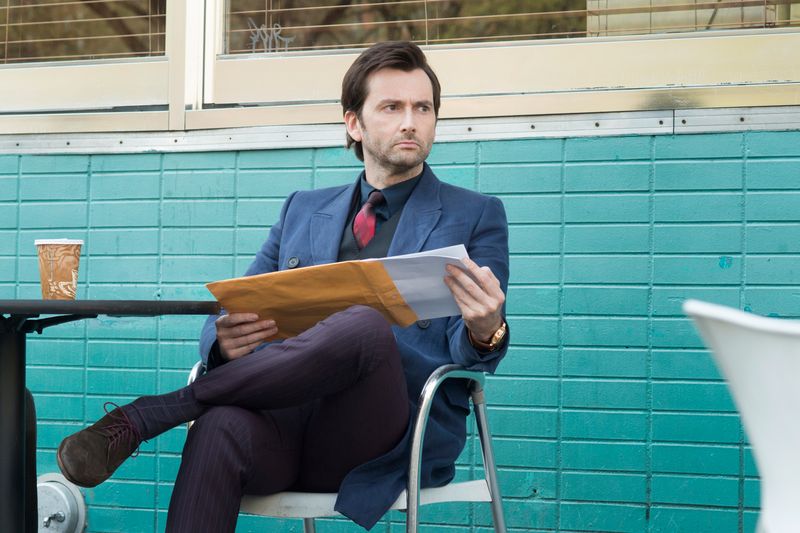
All it takes is his voice.
Kilgrave, portrayed with bone-chilling precision by David Tennant, doesn’t need weapons or armies — he simply speaks, and people obey.
That premise alone transforms Jessica Jones into something far darker than a typical superhero story.
His brand of control is a direct metaphor for manipulation, coercion, and trauma, and the show never lets viewers forget how violating that power truly is.
What makes him especially haunting is his complete inability to understand why anyone would resist him.
He genuinely believes he’s been reasonable.
That blind entitlement makes every scene with him deeply unsettling and disturbingly believable.
3. Gul Dukat in Star Trek: Deep Space Nine
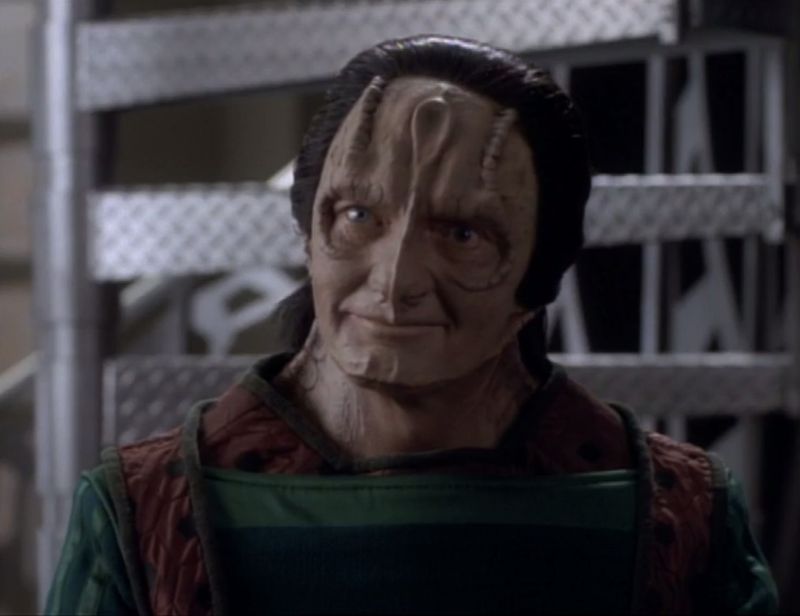
Few villains in science fiction history have been written with as much political and moral complexity as Gul Dukat.
As the former Cardassian overseer of Bajor, he committed genuine atrocities — yet he always managed to frame himself as the misunderstood hero of his own story.
That self-delusion is what makes him so fascinating.
Marc Alaimo brought a theatrical magnetism to the role that made Dukat impossible to dismiss, even when his actions were unforgivable.
His shifting alliances and warped sense of honor added layers of political intrigue that helped Deep Space Nine stand apart as the Star Trek franchise’s most morally complex chapter.
4. Boyd Crowder in Justified
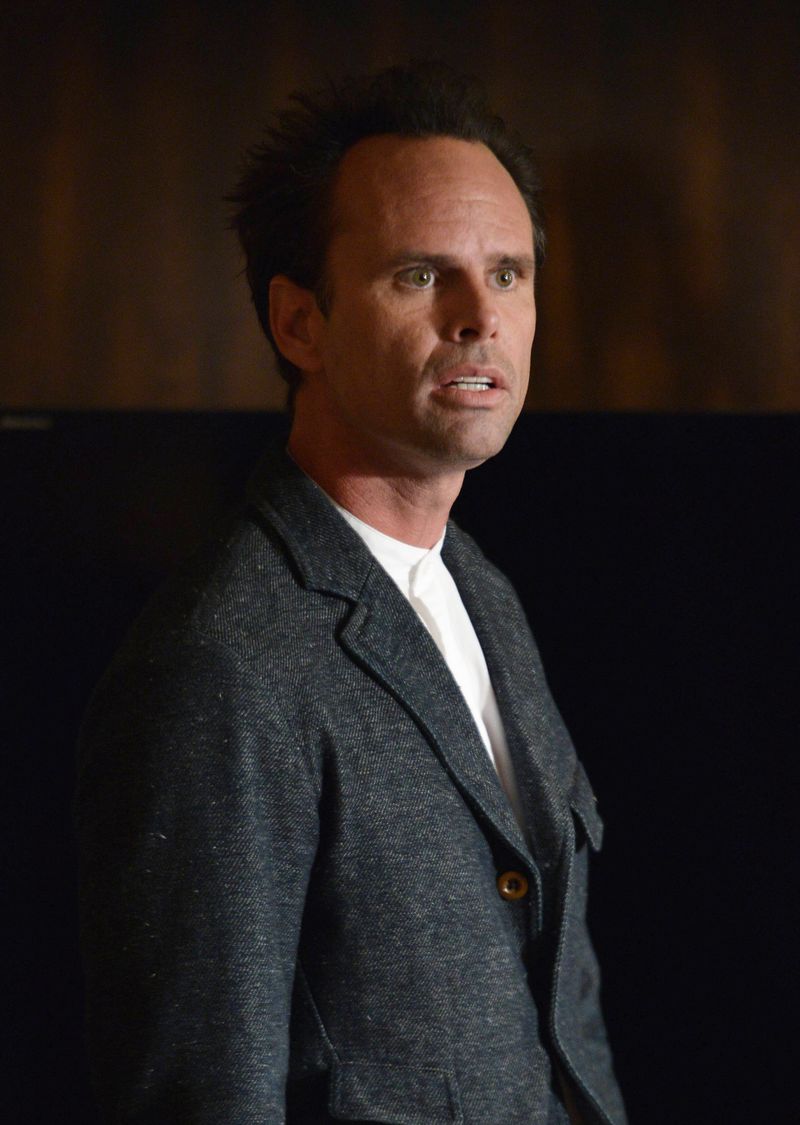
Boyd Crowder was originally supposed to die in Justified’s pilot episode.
Thankfully, Walton Goggins’ performance was so magnetic that the writers kept him alive — and he became the show’s beating heart.
What started as a supporting villain grew into something far more complex and captivating.
Boyd speaks in poetic monologues, quotes scripture, and philosophizes about crime and loyalty in ways that make him sound almost noble.
His rivalry with Raylan Givens isn’t just physical — it’s a clash of two men from the same place who chose very different roads.
That tension, rich with history and mutual respect, is what elevates Justified above standard crime drama.
5. Cersei Lannister in Game of Thrones
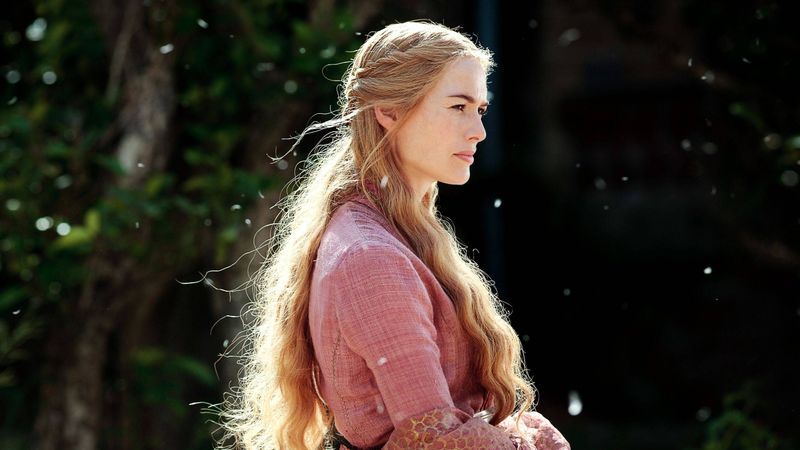
Power-hungry, fiercely protective, and absolutely ruthless — Cersei Lannister is one of the most compelling figures ever written for television.
She operates in a world that constantly underestimates her, and she uses that to devastating effect.
Her love for her children is real, but it doesn’t soften the damage she leaves behind.
Lena Headey brought incredible restraint to the role, often conveying volumes with a single glance.
Cersei’s willingness to burn everything down rather than lose control turns the political drama of Game of Thrones into something genuinely operatic.
Every move she makes carries weight, and every victory she wins comes at a price someone else has to pay.
6. Lalo Salamanca in Better Call Saul
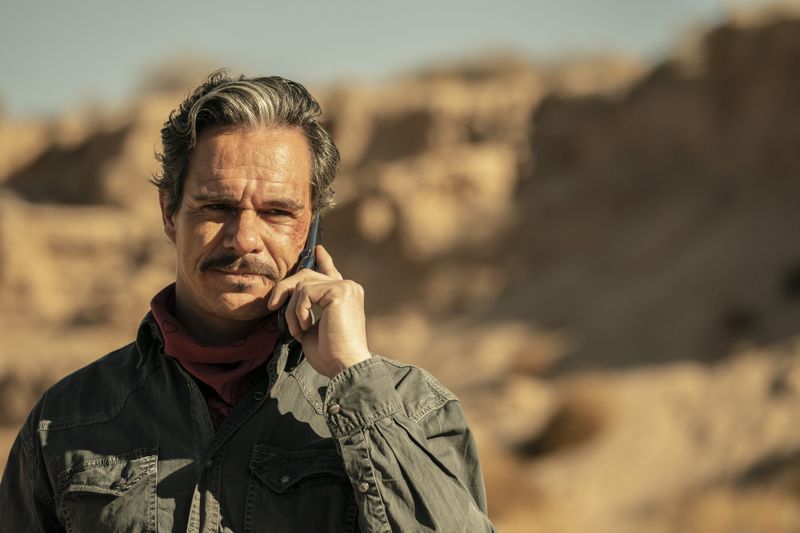
Walking into Better Call Saul mid-series, Lalo Salamanca immediately became one of its most electrifying presences.
Tony Dalton plays him with a grin that never quite reaches his eyes — cheerful on the surface, lethal underneath.
That gap between his warm demeanor and his capacity for violence is what makes him so riveting to watch.
Unlike other cartel figures in the Breaking Bad universe, Lalo feels genuinely unpredictable.
He could be laughing with you one moment and planning your end the next.
His scenes inject a volatile, crackling energy that sharpens the show’s slow-burn tension into something almost unbearably suspenseful.
He earned his place among television’s greatest antagonists fast.
7. Wilson Fisk (Kingpin) in Daredevil
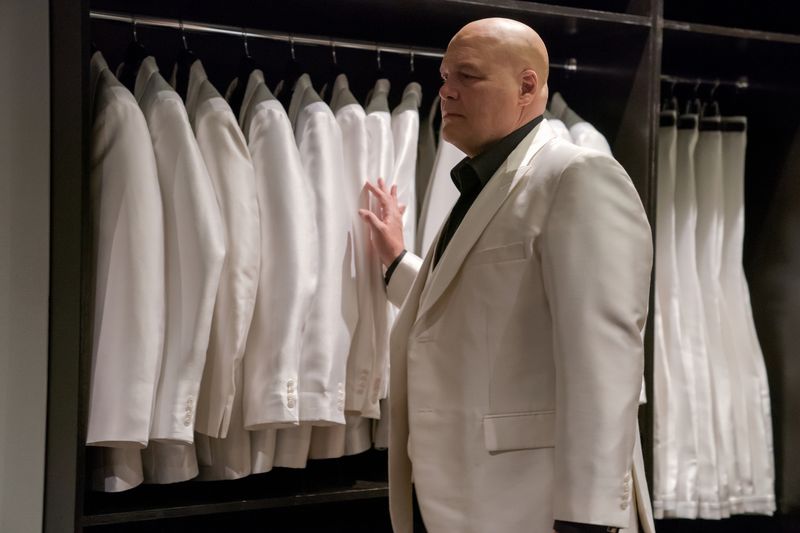
Vincent D’Onofrio’s Wilson Fisk isn’t the bombastic comic book villain many expected.
Instead, he’s soft-spoken, emotionally fragile, and genuinely convinced that his brutal methods are the only way to save New York City.
That internal contradiction is what makes him so gripping — and so disturbing.
His vulnerability makes the moments of explosive violence even more shocking.
When Fisk loses control, the results are savage, and those bursts feel earned because of how carefully the show builds his psychology.
By treating him as a fully realized human being rather than a cartoon threat, Daredevil elevated the entire superhero genre and set a new standard for TV antagonists.
8. Homelander in The Boys
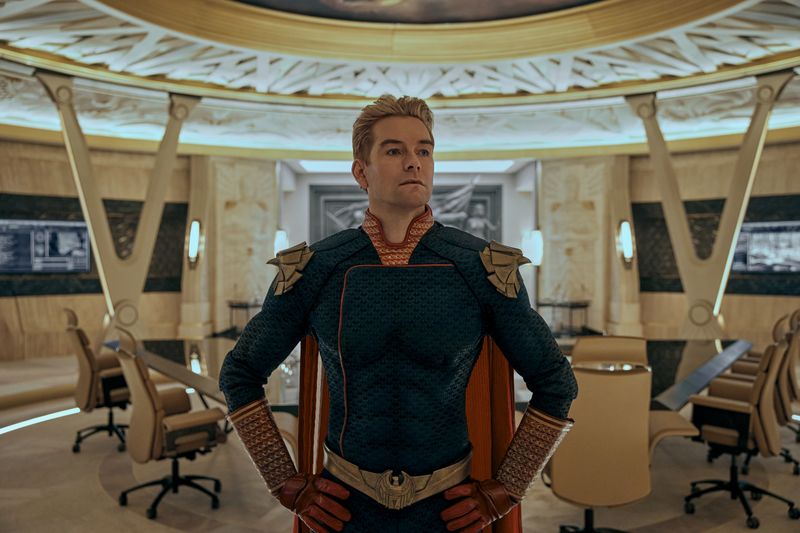
On the surface, Homelander is everything a superhero should be — handsome, powerful, and wrapped in the American flag.
Underneath, he’s a deeply damaged narcissist who has never once been told “no” without consequences.
That combination makes him one of the most genuinely frightening characters on television right now.
Antony Starr plays him with a terrifying precision, letting small cracks appear in the polished facade at exactly the right moments.
His need for public adoration and his inability to handle rejection turn every public appearance into a ticking clock.
The Boys uses him to skewer celebrity culture and unchecked power with sharp, dark humor that never loses its edge.
9. Benjamin Linus in Lost
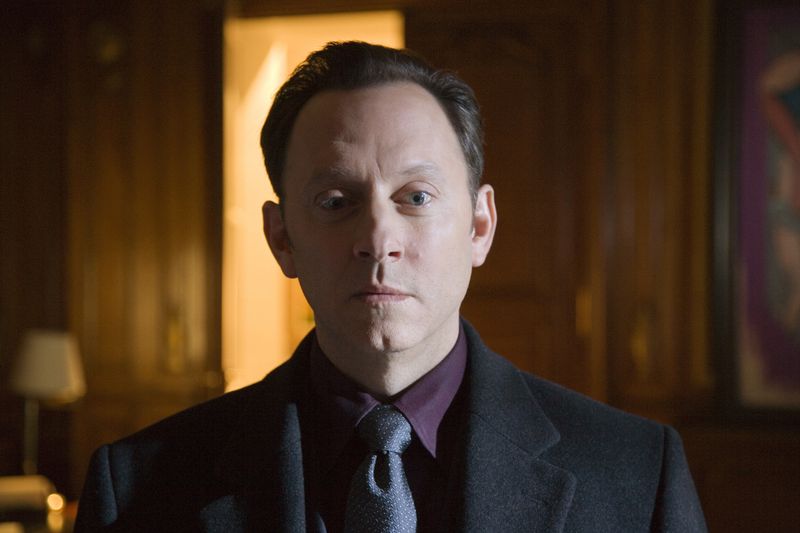
Michael Emerson was originally hired for a three-episode arc.
Lost’s writers were so captivated by what he brought to Benjamin Linus that they rewrote the entire series around him.
That kind of creative pivot doesn’t happen unless a performance is truly extraordinary.
Ben is a masterclass in psychological warfare.
He rarely raises his voice, never tips his hand, and always seems to know something you don’t.
His occasional moments of genuine vulnerability — glimpses of the frightened boy he once was — add unexpected depth to a character who would otherwise be purely calculating.
He transformed Lost from a survival mystery into a morally layered character study that kept fans endlessly debating his true motives.
10. Gus Fring in Breaking Bad / Better Call Saul
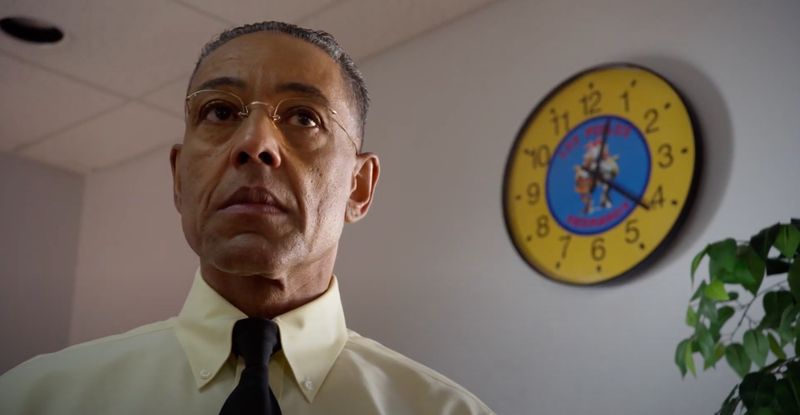
Giancarlo Esposito plays Gus Fring with such controlled stillness that every slight shift in his expression feels like an earthquake.
Behind the friendly fast food manager persona is a ruthless criminal strategist who plans years ahead and never acts without purpose.
That discipline is both admirable and absolutely chilling.
What separates Gus from most TV villains is that he matches Walter White’s intelligence without ever resorting to chaos.
Their conflict is a slow, methodical chess match where both players are always thinking several moves ahead.
He raises the stakes in Breaking Bad to near-operatic levels and adds a tragic, revenge-driven dimension in Better Call Saul that makes him even more compelling.
11. Jim Moriarty in Sherlock
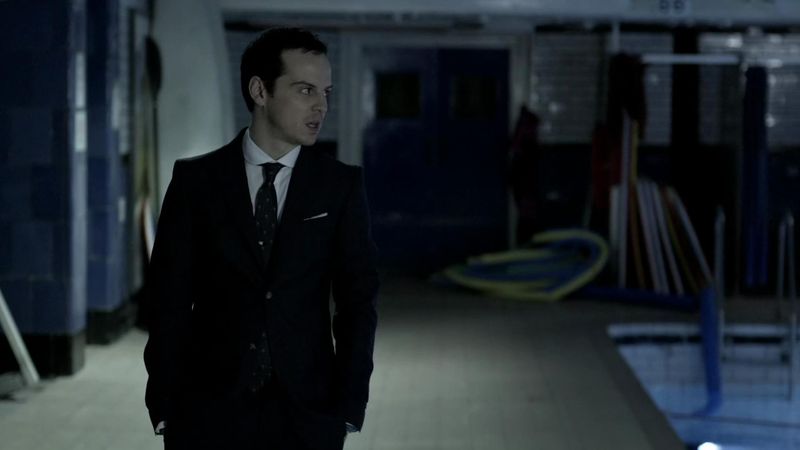
Andrew Scott’s Jim Moriarty doesn’t just want to beat Sherlock Holmes — he wants to perform for him.
Every scheme, every dramatic reveal, every impossible puzzle is staged like a show put on for an audience of one.
That theatrical obsession transforms their rivalry from a simple hero-villain dynamic into something far stranger and more personal.
His unpredictability is his greatest weapon.
Moriarty operates on instinct and appetite rather than logic, which makes him fundamentally impossible to anticipate.
Even scenes where he barely speaks crackle with dangerous energy.
He gave Sherlock a sense of genuine urgency and made the intellectual stakes feel viscerally, physically dangerous in ways the show desperately needed.
12. Villanelle in Killing Eve

Villanelle dresses like she’s heading to a fashion show and kills like it’s performance art.
Sandra Oh’s Eve Polastri may be the protagonist, but Jodie Comer’s assassin is the undeniable center of gravity in Killing Eve.
Her emotional complexity — equal parts wounded child and gleeful predator — makes her impossible to look away from.
She finds genuine joy in the strangest places and approaches violence with a creativity that is somehow both horrifying and darkly funny.
Her evolving obsession with Eve gives the series its emotional engine, turning a spy thriller into a twisted love story built on mutual fascination.
Villanelle didn’t just elevate the show — she became its defining identity.
Comments
Loading…