
 Jade Reed
12 Iconic Celebrity Couples That Defined the History of Pop Culture
Celebrity couples are pop culture time capsules, because their love stories often mirror the era’s values, anxieties, and obsessions.
Public romances can turn two talented individuals into a single myth, complete with villains, plot twists, and iconic quotes.
Some partnerships thrive in the spotlight, while others collapse under it, yet both outcomes become part of the legend.
Whether the relationship was glamorous, chaotic, devoted, or complicated, the cultural aftershocks tend to outlast the breakup headlines.
From Old Hollywood to modern celebrity ecosystems, these duos helped shape what fame, romance, and “couple goals” look like.
Here are twelve entertainment and media couples whose names still spark instant recognition and conversation.
1. Elizabeth Taylor & Richard Burton
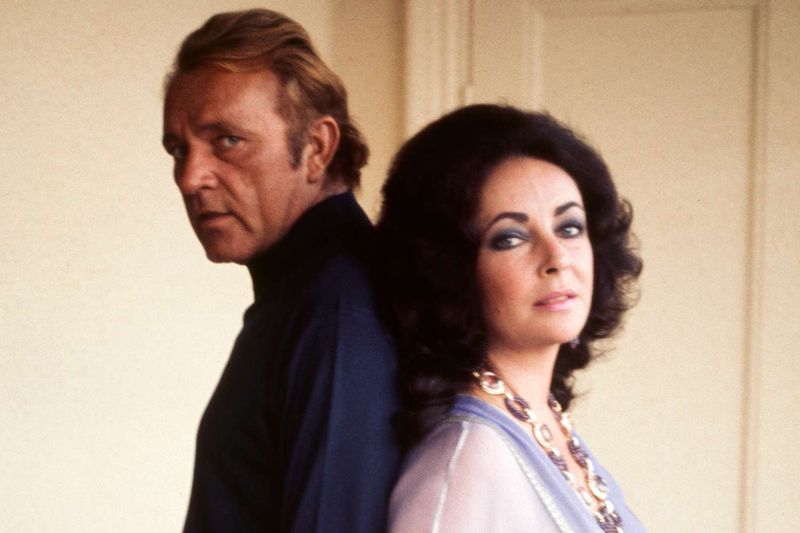
Tabloid culture didn’t just report on this romance; it practically learned a new language because of it.
Their relationship blended prestige and spectacle, pairing award-winning craft with a storyline that felt bigger than any script.
The on-again, off-again arc made them feel like a serialized drama unfolding in real time, long before social media lived for that format.
Because they were both magnetic performers, every public appearance came with the sense of a premiere, not a simple outing.
The lavish gifts, jet-set lifestyle, and headline-filling arguments created a template for celebrity excess that still influences gossip coverage today.
Yet what keeps the story compelling is the sense that the passion was genuine, not merely performative or transactional.
Even decades later, their saga reads like a classic Hollywood epic where love and ego refuse to share the same stage quietly.
2. Marilyn Monroe & Joe DiMaggio
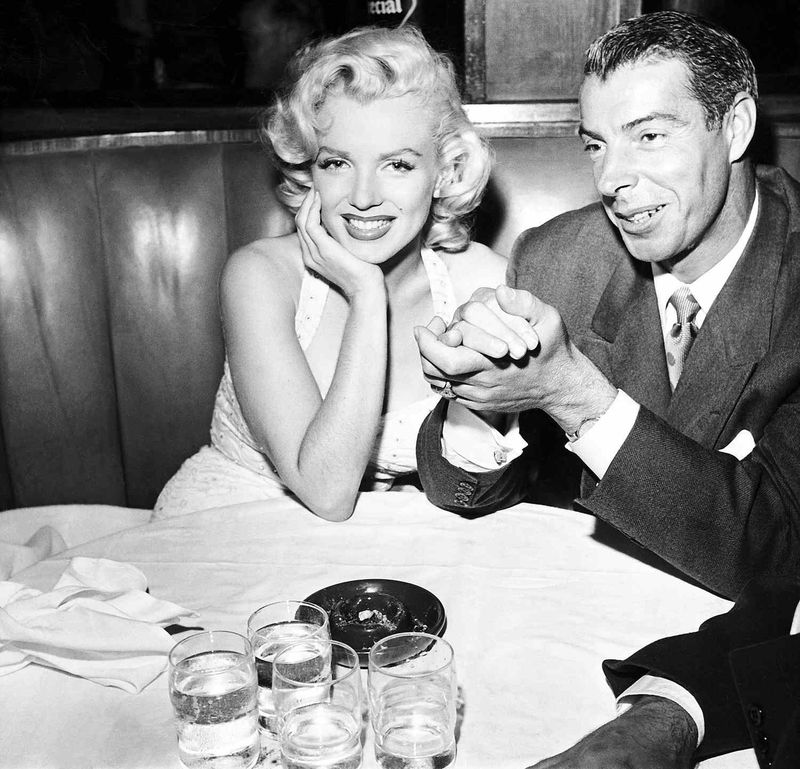
Fame meets fragility in this pairing, and the contrast is exactly what made it so endlessly discussable.
The relationship fused America’s biggest screen symbol with a sports hero whose public image promised steadiness and traditional devotion.
That mismatch created tension that felt cultural as much as personal, especially in an era with rigid expectations for women in the spotlight.
Their brief marriage became a kind of mythic “what if,” amplified by the way celebrity narratives crave both romance and tragedy.
Stories about jealousy, protection, and pressure have followed them for generations, keeping the relationship framed as both tender and turbulent.
What lingers most is how the public seemed to cast them as characters, demanding a fairytale while ignoring the human cost.
Even in retrospect, the coupling still symbolizes the impossible weight of being adored by millions and understood by almost no one.
3. Humphrey Bogart & Lauren Bacall
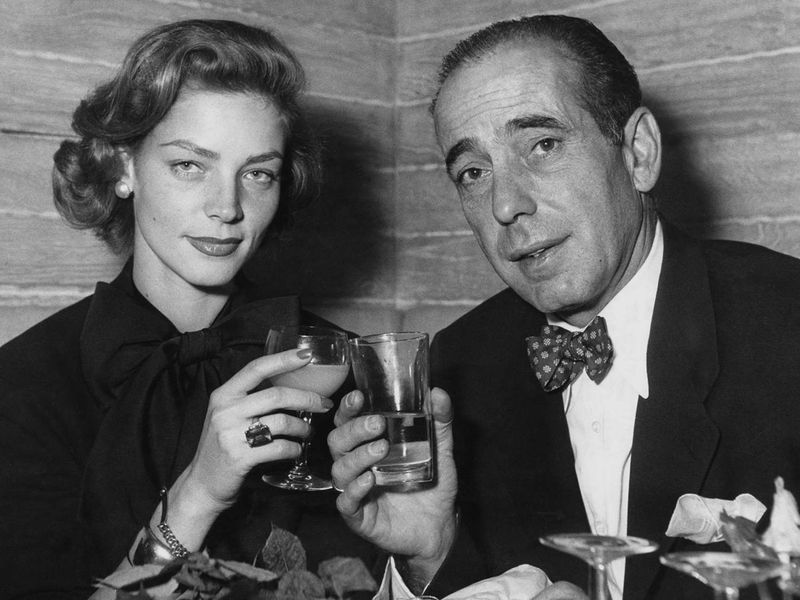
Old Hollywood glamour feels especially tangible when you look at how this duo carried themselves onscreen and off.
Their love story began with a film set spark, then grew into a partnership that audiences treated as proof romance could be sophisticated.
The age gap and power dynamics could have turned the narrative cynical, yet their chemistry gave it a confident, almost effortless warmth.
Banter, smoky atmosphere, and that unmistakable cool became part of the couple’s brand, influencing how movie romance was filmed and sold.
Fans didn’t just ship them; they used them as a standard for wit, loyalty, and shared artistic identity.
As studio-era celebrity culture faded, their story remained a bright example of private devotion surviving public fascination.
The legacy endures because it’s one of the rare Hollywood myths that still feels grounded in genuine companionship.
4. Lucille Ball & Desi Arnaz
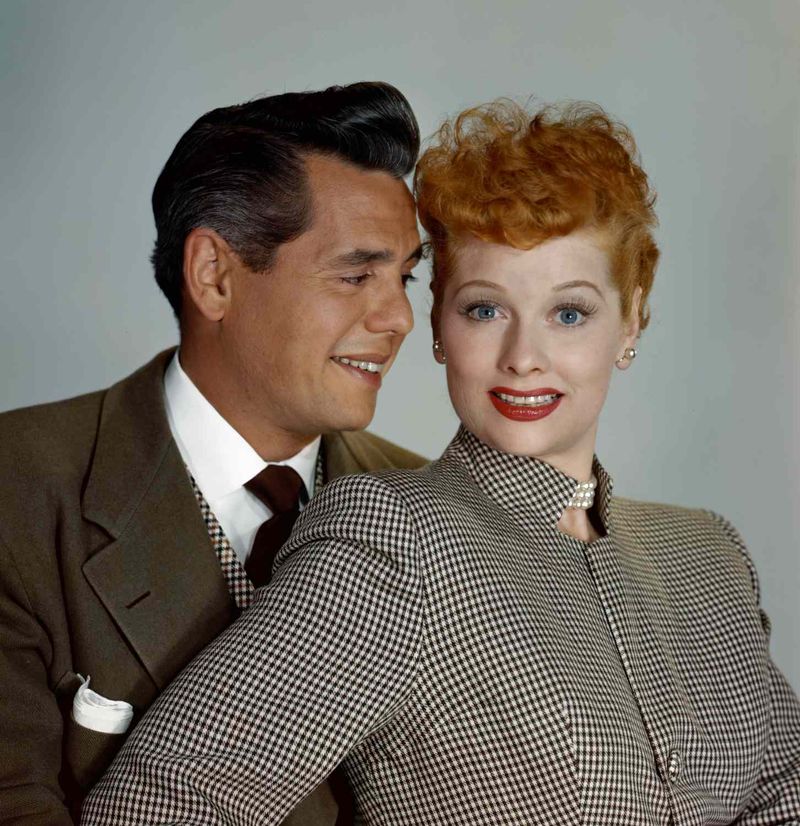
Television history changed because a real marriage dared to become the engine of a national obsession.
Their partnership helped transform sitcoms into cultural events, proving audiences would tune in for a couple that felt both hilarious and intimate.
Behind the laugh track, the relationship involved ambitious production decisions, business risks, and the complicated strain of constant visibility.
They built an empire that shaped how TV was made, from production models to the idea that comedy could anchor a household routine.
At the same time, their personal struggles added an edge that made the public story feel bittersweet rather than purely shiny.
The divorce didn’t erase the impact, because the creative collaboration had already rewritten the rules of entertainment.
What remains iconic is how love, work, and legacy became so intertwined that pop culture can’t separate them cleanly.
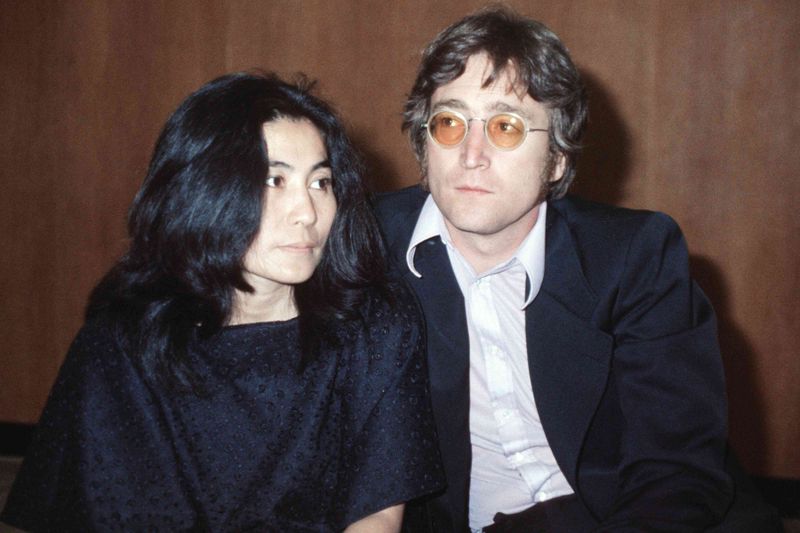
5. John Lennon & Yoko Ono
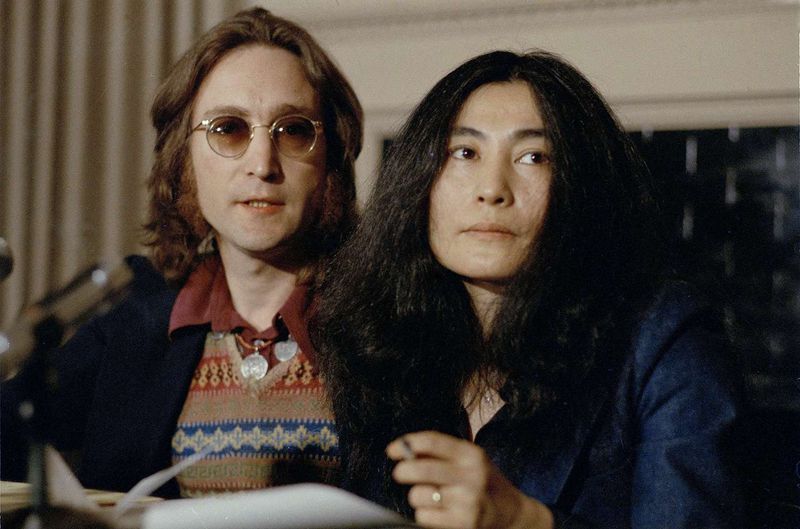
Art and controversy collided here, and the result was one of the most debated relationships in modern cultural memory.
The pairing became a lightning rod for fan frustration, media obsession, and broader anxieties about change, identity, and artistic control.
Rather than retreat from backlash, they leaned into provocation, turning their relationship into a public statement as much as a private bond.
Peace activism, performance art, and celebrity visibility blended together until it was hard to tell where the message ended and the romance began.
For many, the story is less about approval and more about influence, because the partnership shifted how stars could use attention as a tool.
The criticism they faced also reveals how audiences often feel entitled to “own” artists and resent anything that disrupts the fantasy.
Few couples better illustrate how love can become a cultural battleground as well as a personal refuge.
6. Sonny & Cher
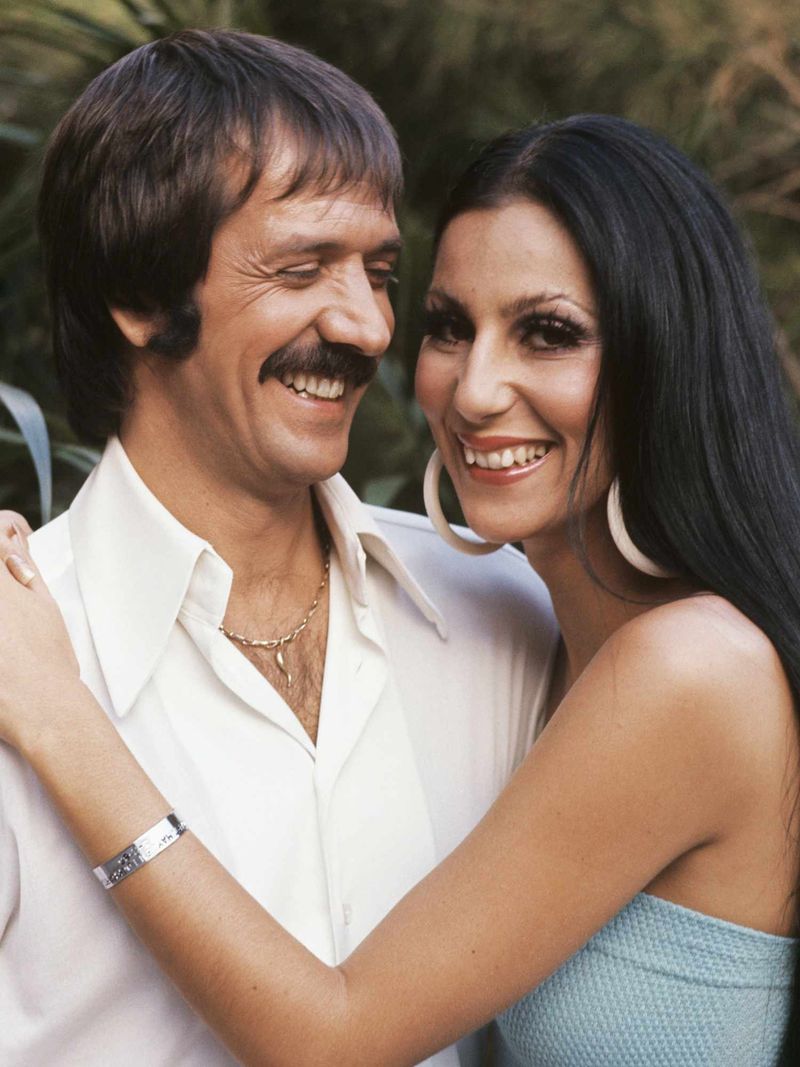
Variety-show charm made this couple feel like a weekly fixture in people’s living rooms, not distant stars on a pedestal.
Their image was a clever mix of playful bickering, flashy style, and musical chemistry that turned performance into personality.
Because they were funny together, audiences trusted them, and that trust translated into a brand that could sell songs and television alike.
The relationship also became an early example of celebrity partnership as a full-scale media product, complete with catchphrases and visual signatures.
When the romance cracked, the public watched the shift from cute banter to real-life fallout, and it felt strangely personal to fans.
Their post-split careers proved how powerful the pairing was, because each person had to redefine themselves outside the shared spotlight.
They remain iconic because they captured the moment when celebrity love became both entertainment and identity.
7. Paul Newman & Joanne Woodward
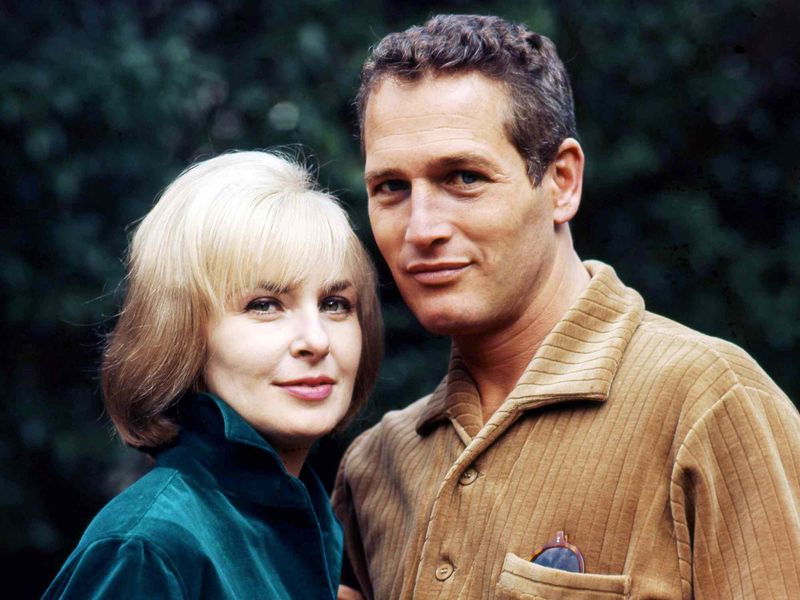
Longevity is the headline here, and it stands out in an industry that often rewards novelty over commitment.
Their romance offered a quieter kind of star power, where talent and mutual respect made the partnership feel substantial rather than performative.
Instead of selling drama, they sold steadiness, which paradoxically made them more intriguing as the years passed.
Fans admired how they balanced demanding careers while projecting a private life that seemed intentionally protected from the gossip machine.
The relationship also became shorthand for grown-up love, the kind built on shared craft, humor, and choosing each other repeatedly.
Even their fame felt unusually grounded, helped by philanthropy and a public persona that didn’t lean on scandal for attention.
They’re remembered as proof that iconic doesn’t always mean explosive, because sometimes the rarest story is the one that lasts.
8. Johnny Cash & June Carter Cash
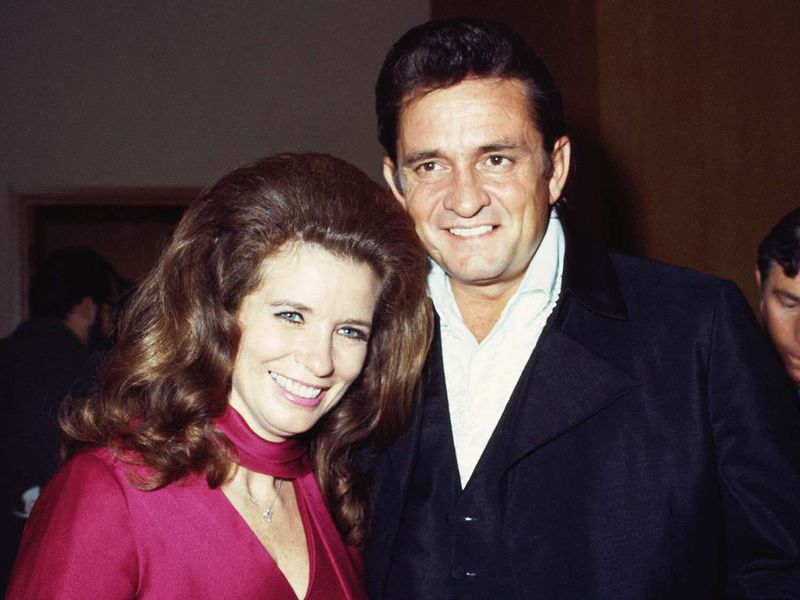
A musical partnership can feel like a duet with the audience, and this relationship turned that feeling into legend.
Their love story blended humor, faith, struggle, and redemption in a way that fit country music’s storytelling tradition perfectly.
Onstage chemistry mattered, but so did the narrative of devotion through difficult seasons, which listeners heard as authenticity rather than branding.
The proposal onstage became a pop culture moment because it translated private longing into a public vow without losing emotional weight.
For many fans, their songs feel like documents of a marriage, recording growth, relapse, forgiveness, and renewed promises.
The relationship’s legacy grew even stronger in later years, when age and vulnerability added depth to the public image.
They remain iconic because their romance sounds like music you can’t separate from the voices singing it.
9. Prince Rainier III & Grace Kelly
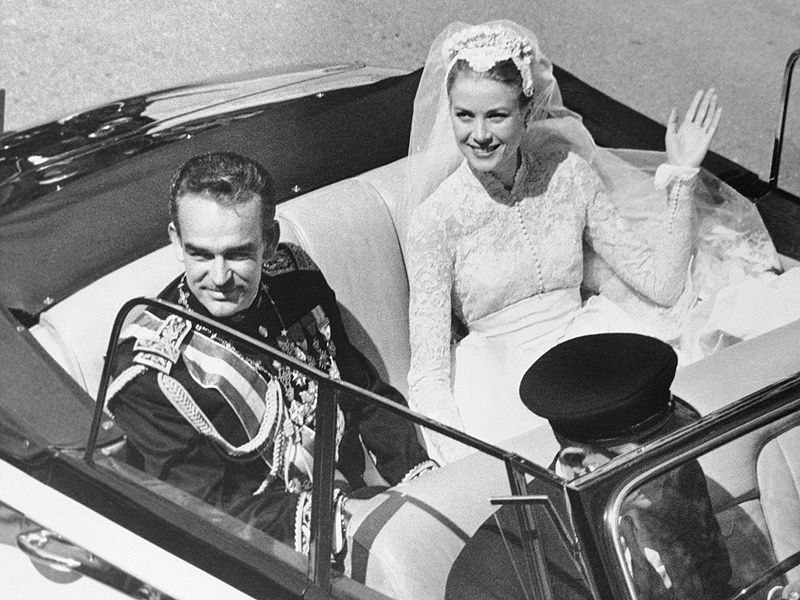
Fairytale symbolism did the heavy lifting here, turning a Hollywood star’s marriage into a global fantasy about glamour becoming royalty.
The story captured a specific mid-century fascination with elegance, etiquette, and the idea that love could rewrite someone’s entire identity overnight.
Media coverage framed the wedding like a blockbuster premiere, and audiences around the world treated it as collective escapism.
Behind the sparkle, the relationship also represented the tension between personal freedom and public duty, especially for a woman leaving a major career.
The couple’s image helped cement Monaco as a cultural brand, where luxury and romance were part of the country’s international identity.
Even people who don’t follow royalty recognize the narrative, because it’s been echoed in movies, fashion references, and modern celebrity weddings.
Their legacy endures as the blueprint for the “princess storyline” in entertainment culture.
10. David Bowie & Iman
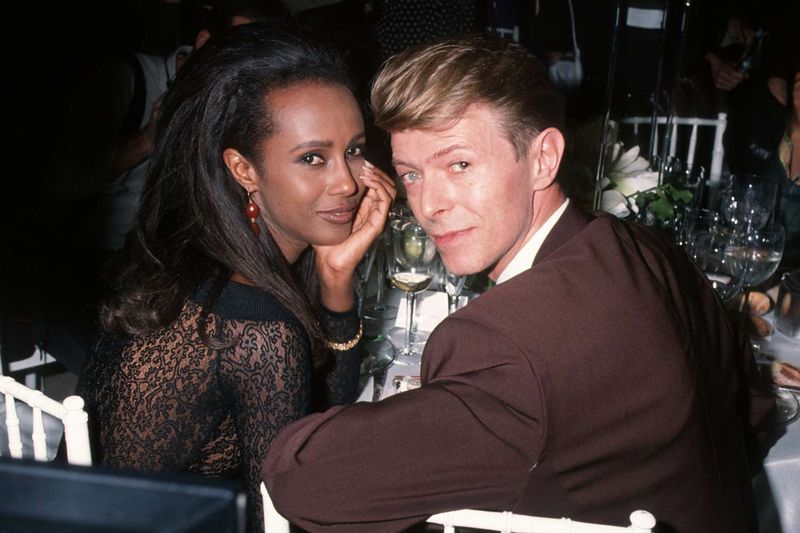
A relationship can be iconic simply by radiating calm confidence, and that’s the energy this pairing brought to celebrity culture.
They were glamorous without seeming fragile, and private without seeming secretive, which made the love story feel unusually secure.
Fashion, music, and high art swirled around them, yet the relationship never looked like a publicity stunt designed to sell an era.
Fans responded to the way they spoke about each other, because it sounded like partnership rather than performance.
Their public appearances felt like events, but the tone was affectionate and grounded, more “best friends” than tabloid bait.
As conversations about interracial love and representation grew louder, their visibility carried cultural weight without needing to be framed as a statement.
They remain iconic because they showed that star power can be soft, steady, and deeply romantic.
11. Kurt Cobain & Courtney Love
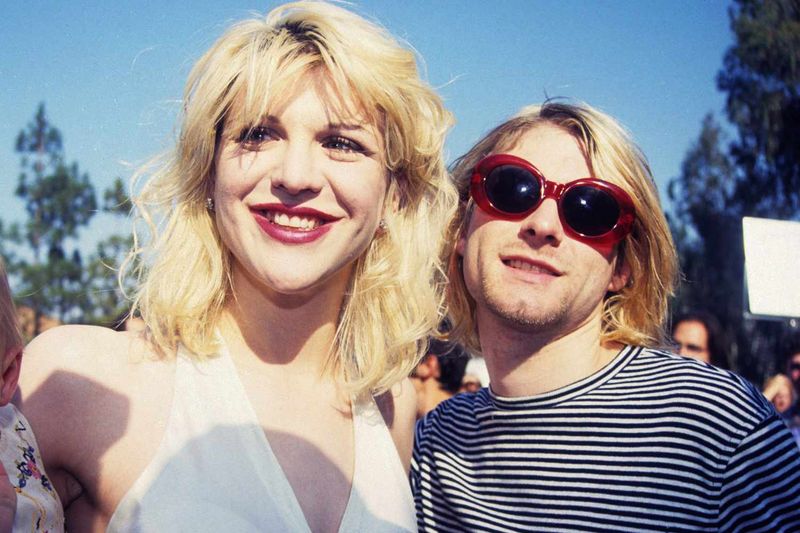
Chaos, creativity, and vulnerability formed the core of this relationship’s public image, and the intensity still pulls people in.
The pairing became a symbol of the early ’90s alternative scene, where authenticity was prized and self-destruction was sometimes romanticized.
Music fans argued over influence, blame, and loyalty, revealing how quickly audiences turn love stories into courtroom dramas without evidence.
Their marriage unfolded under relentless scrutiny, with addiction, fame, and backlash creating pressure that would fracture almost anyone.
Because both were artists with sharp edges, the relationship was framed as combustible genius, even when that framing ignored real suffering.
After tragedy struck, the story hardened into mythology, and mythology tends to erase nuance while multiplying conspiracy and obsession.
They remain iconic because their romance sits at the crossroads of art, pain, and the public’s hunger for meaning in loss.
12. Brad Pitt & Angelina Jolie
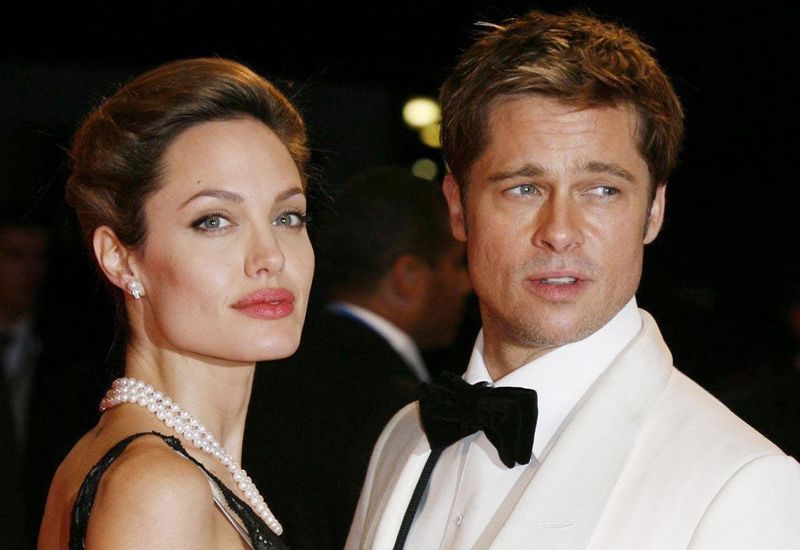
A modern celebrity era was defined by this couple’s scale, because the fascination felt global, constant, and impossible to avoid.
The relationship began with controversy, then evolved into a high-profile family narrative that tabloids treated like a franchise.
Their combined star power created an image of cinematic glamour, while their humanitarian work added seriousness that complicated simple gossip framing.
Fans watched them as symbols of both aspiration and excess, especially as their public life expanded across movies, red carpets, and international headlines.
When the relationship unraveled, the split became a media event with legal and personal layers that stretched for years.
The story also revealed how celebrity coverage can turn parenting, privacy, and trauma into consumable content without restraint.
They remain iconic because their rise and fallout mapped the entire lifecycle of 21st-century fame-driven romance.
Comments
Loading…