
 Chloe Peterson
12 Horror Remakes That Prove Some Classics Should Stay Untouched
Hollywood has a long history of revisiting beloved horror films, hoping to introduce them to new audiences or update them for modern times.
Sometimes a remake can breathe fresh life into a story, but more often than not, it ends up reminding us why the original was so special.
The films on this list tried hard to recapture the magic of their predecessors but fell short in ways that fans still talk about today.
1. The Wicker Man (2006)
Sometimes a remake becomes famous for all the wrong reasons.
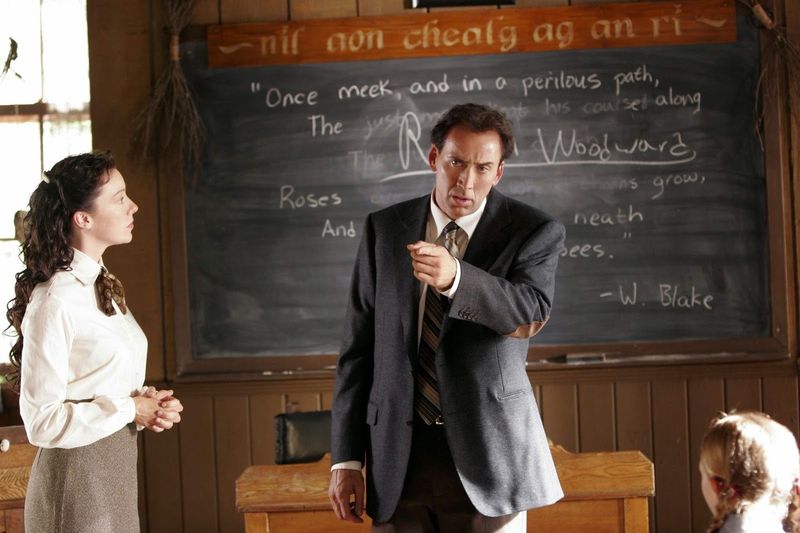
The 2006 version of The Wicker Man was meant to be a chilling reimagining of the 1973 cult classic, but it ended up becoming one of the most unintentionally funny horror films ever made.
Nicolas Cage’s wild, over-the-top performance produced scenes so bizarre they became internet memes.
The slow-building dread of the original was replaced with awkward dialogue and a muddled tone that swung between creepy and comical.
What should have been haunting became something audiences laughed at rather than feared, cementing its legacy as a cautionary tale.
2. The Fog (2005)
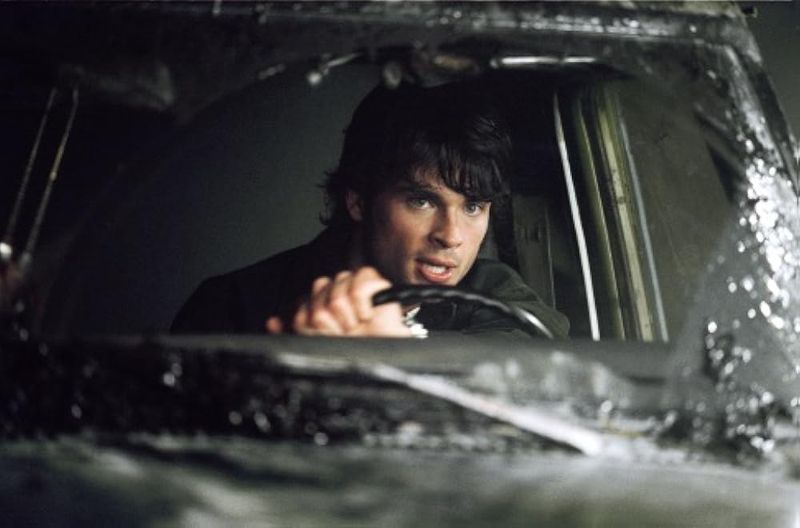
John Carpenter’s 1980 original used creeping fog and ghostly revenge to create one of the most atmospheric horror films of its era.
The 2005 remake had the same basic story but traded genuine suspense for glossy visuals and by-the-numbers jump scares.
Critics were quick to point out how much the remake drained the mystery from the material.
The original made you feel uneasy long before anything scary happened.
This version skipped that slow-burn tension entirely, delivering a forgettable experience that felt more like a music video than a horror film.
Carpenter’s moody genius simply could not be replicated.
3. Poltergeist (2015)
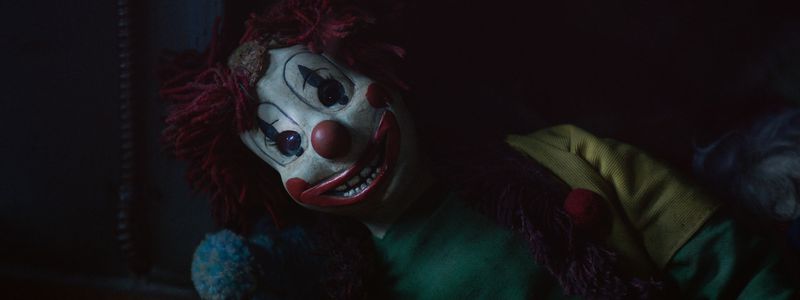
The original Poltergeist from 1982 was a masterclass in blending family drama with supernatural terror.
It worked because you genuinely cared about the family before things went wrong.
The 2015 remake updated the setting with modern gadgets and flashier effects but forgot the most important ingredient: emotional connection.
Jump scares replaced the slow, creeping dread that made the original so unsettling.
The iconic moments felt recycled rather than reimagined, and the characters never felt fully developed.
Fans left theaters feeling like the magic had been stripped away and replaced with noise.
Some stories carry a spirit that simply cannot be repackaged.
4. Day of the Dead (2008)
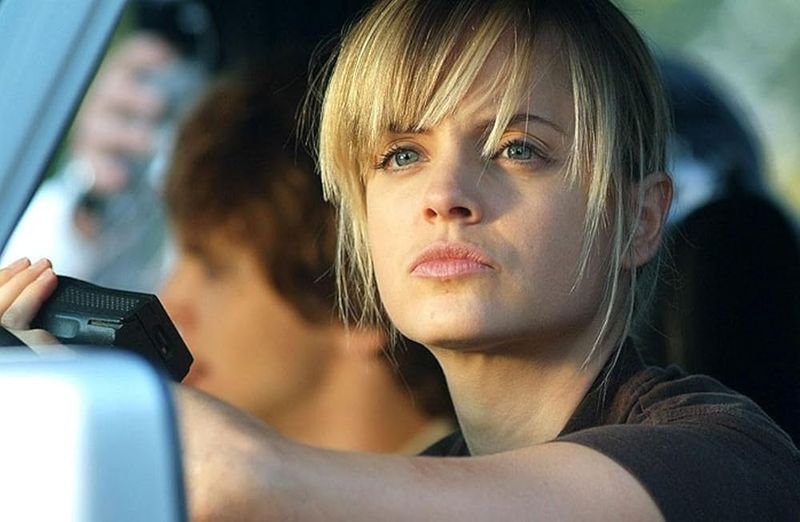
George A. Romero’s 1985 Day of the Dead was never the most celebrated entry in his zombie trilogy, but it carried genuine social commentary and a suffocating sense of dread.
The 2008 remake threw most of that away in favor of fast-moving zombies and loud, chaotic action sequences.
The tone lurched awkwardly between campy horror and serious thriller, never quite committing to either.
Uneven performances added to the confusion.
What Romero used zombies to say about humanity and conflict was completely lost here.
The remake felt like a generic action flick wearing a zombie costume rather than a meaningful horror film.
5. A Nightmare on Elm Street (2010)
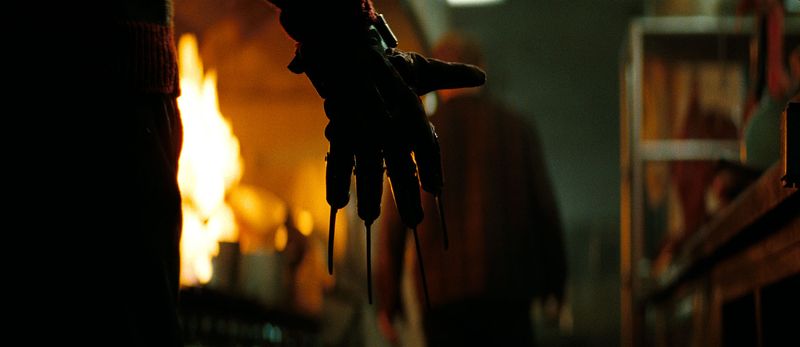
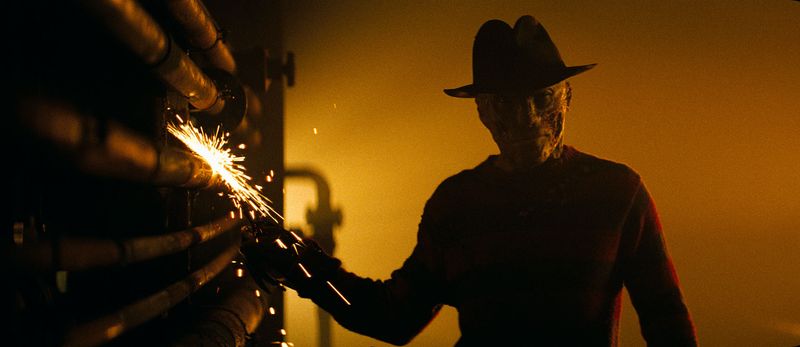
Few horror villains are as unforgettable as Freddy Krueger, so when the 2010 remake arrived, expectations were sky-high.
Jackie Earle Haley gave a committed performance, but the film leaned too heavily on CGI and missed the inventive dream sequences fans had grown to love.
The original’s dark humor and eerie atmosphere felt completely absent here.
Instead of building dread slowly, the remake rushed through scares that felt predictable and hollow.
The result was a film that looked polished on the surface but lacked the soul that made Wes Craven’s 1984 masterpiece so enduringly terrifying.
6. Cabin Fever (2016)
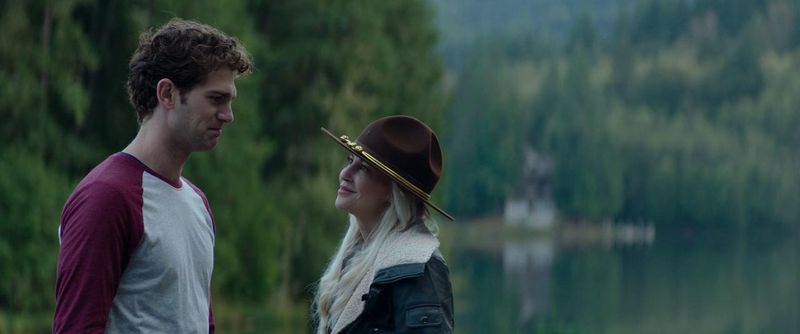
Here is a remake that left audiences genuinely puzzled.
Eli Roth’s 2002 Cabin Fever had only been out for fourteen years when a nearly shot-for-shot remake arrived in 2016.
The updated version followed the original’s script so closely that watching it felt like seeing the same movie with a fresh coat of paint.
A remake should bring something new to the table, whether a fresh perspective, updated themes, or a bold reinterpretation.
Cabin Fever 2016 offered none of that.
Fans of the original saw no reason to watch it, and newcomers would have been better served just watching Roth’s version.
Its existence remains one of horror’s biggest head-scratchers.
7. Black Christmas (2006)
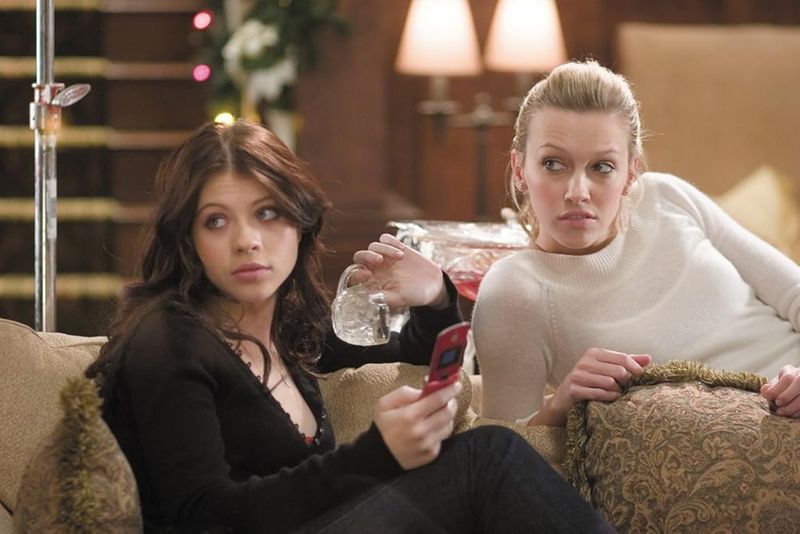
The 1974 Black Christmas is quietly one of the most influential horror films ever made, helping lay the groundwork for the entire slasher genre.
Its power came from what it did not show or explain, keeping the killer mysterious and the atmosphere genuinely unsettling.
The 2006 remake made the fatal mistake of overexplaining everything.
The killer’s backstory was spelled out in gory detail, removing all mystery and replacing it with sensational plot twists and excessive violence.
Subtlety, which was the original’s greatest weapon, was completely abandoned.
The remake turned a creepy, restrained classic into a loud and forgettable holiday horror film that missed the point entirely.
8. Halloween (2007)
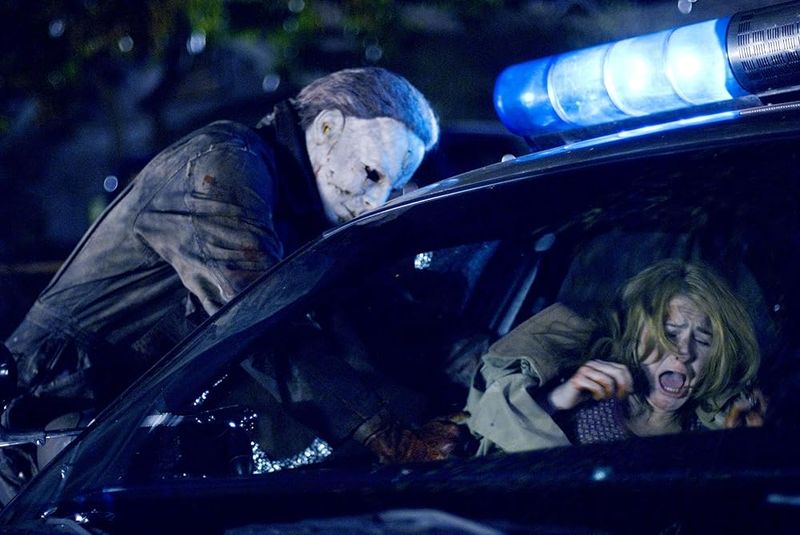
Rob Zombie is a filmmaker with a genuinely bold style, and his 2007 Halloween remake was never going to be a quiet retread.
By spending a significant portion of the film exploring Michael Myers’ traumatic childhood, Zombie humanized a character whose power came from being unknowable.
John Carpenter’s original worked because Michael was a blank, terrifying force of nature.
Giving him a detailed backstory made him feel more like a troubled person than a supernatural threat.
The remake had strong moments and committed performances, but it fundamentally changed what made the character so iconic.
Audiences were divided, and many longtime fans felt something essential had been lost.
9. The Haunting (1999)
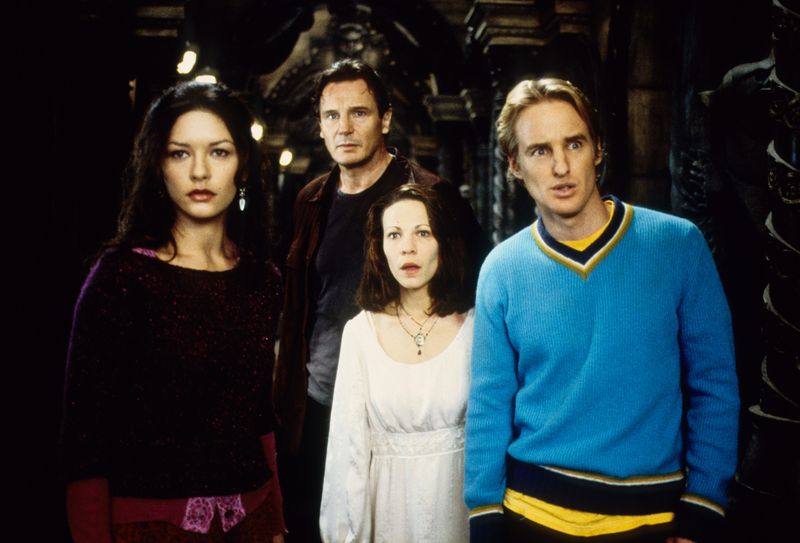
Robert Wise’s 1963 version of The Haunting remains one of the finest psychological horror films ever made.
It proved that what the mind imagines is far scarier than anything shown on screen.
The 1999 remake took the opposite approach, loading every scene with lavish special effects and enormous set pieces.
The result was visually impressive but emotionally empty.
Characters felt underdeveloped, and the relentless spectacle left no room for genuine fear to grow.
Horror works best when it gets under your skin quietly, and this remake was anything but quiet.
It traded psychological unease for expensive noise, proving that bigger is rarely better in the genre.
10. The Omen (2006)
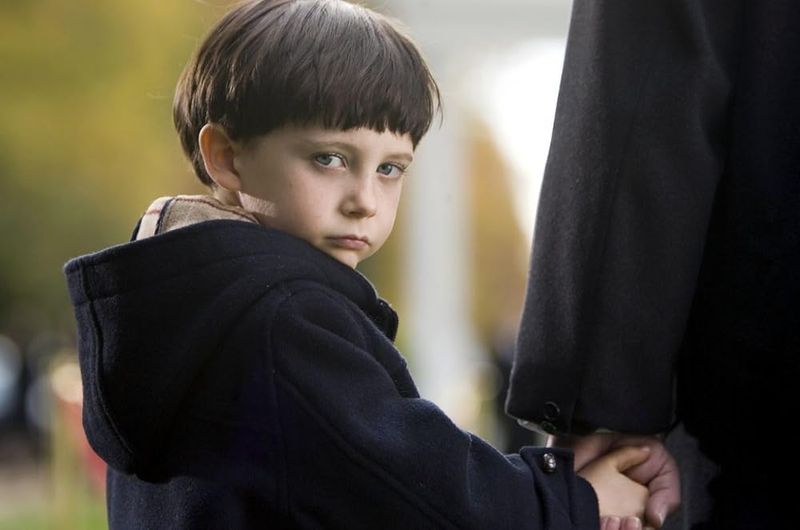
Released on June 6, 2006, purely for marketing purposes, the Omen remake at least understood its own gimmick.
The problem was that beyond the clever release date, the film had almost nothing original to offer.
It followed the 1976 classic so closely that it felt less like a remake and more like a very expensive photocopy.
When a remake sticks too rigidly to its source material, it raises an obvious question: why does it exist?
The original cast and atmosphere had already told this story perfectly.
The 2006 version, despite capable performances, felt unnecessary from the opening frame.
Some films earn their place in horror history precisely because they cannot be improved upon.
11. Friday the 13th (2009)
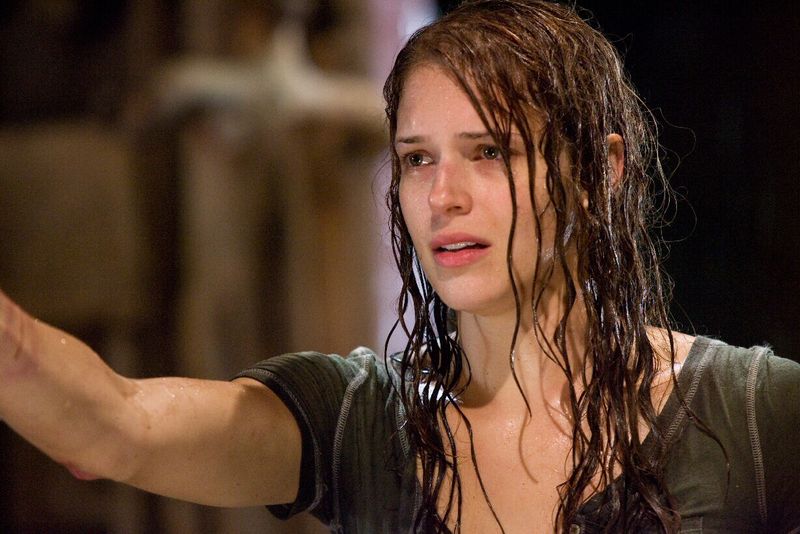
Rebooting Friday the 13th was always going to be a tricky task.
The original 1980 film and its early sequels had a campy, low-budget charm that made them endearing to generations of horror fans.
The 2009 version tried to modernize Jason Voorhees while combining elements from several early entries in the franchise.
The production values were slick and the kills were creative, but something felt off.
The quirky, almost accidental fun of the original series was replaced with a more self-serious tone that drained the energy from the story.
Fans wanted the old Camp Crystal Lake magic, and the remake delivered a polished but soulless imitation instead.
12. The Hitcher (2007)
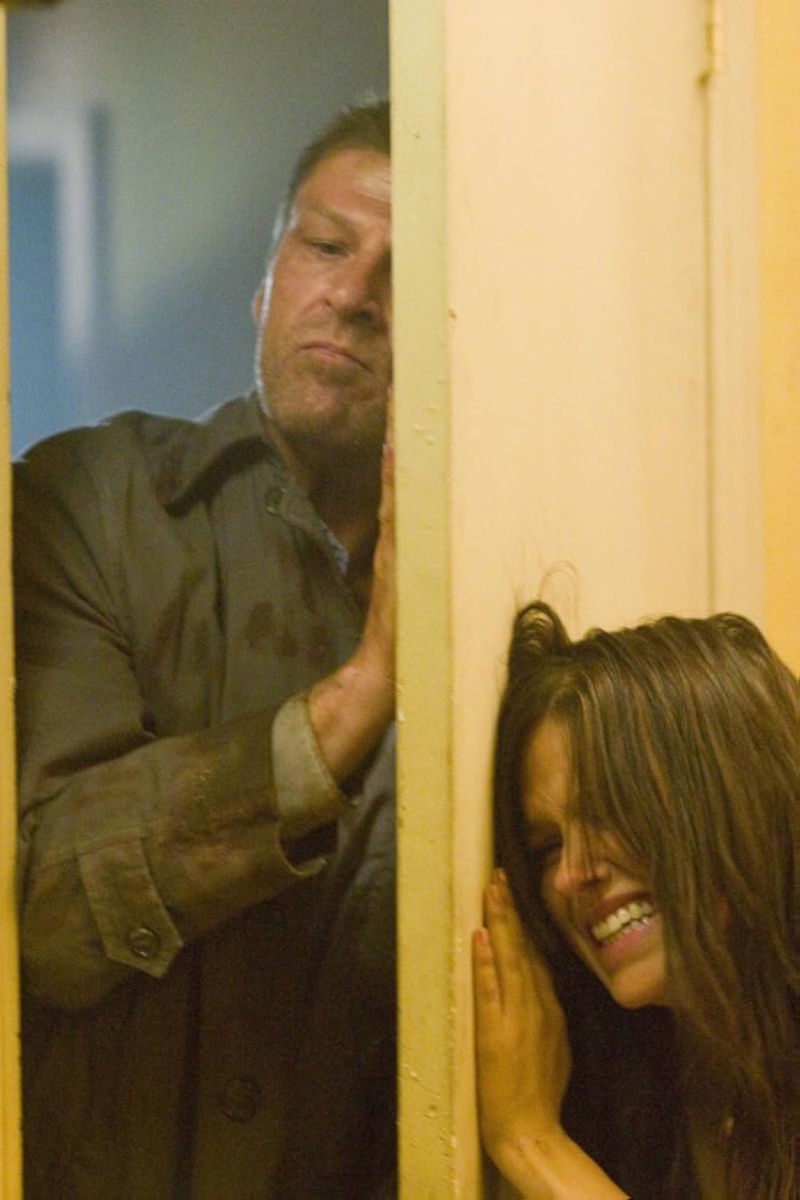
Rutger Hauer’s performance in the 1986 original The Hitcher was so cold and calculating that it became the entire engine of the film.
His portrayal of a mysterious, unstoppable hitchhiker created a psychological menace that was deeply unsettling.
The 2007 remake had stylish production values but none of that quiet, menacing power.
Sean Bean stepped into the role, but the script leaned toward conventional action and loud set pieces rather than slow psychological terror.
The cat-and-mouse tension that made the original so gripping was largely absent.
Polished visuals can cover a lot of flaws, but they cannot manufacture the kind of creeping dread that made the 1986 film a cult classic.
Comments
Loading…