
 Chloe Peterson
12 Forgotten TV Shows That Were Ahead of Their Time
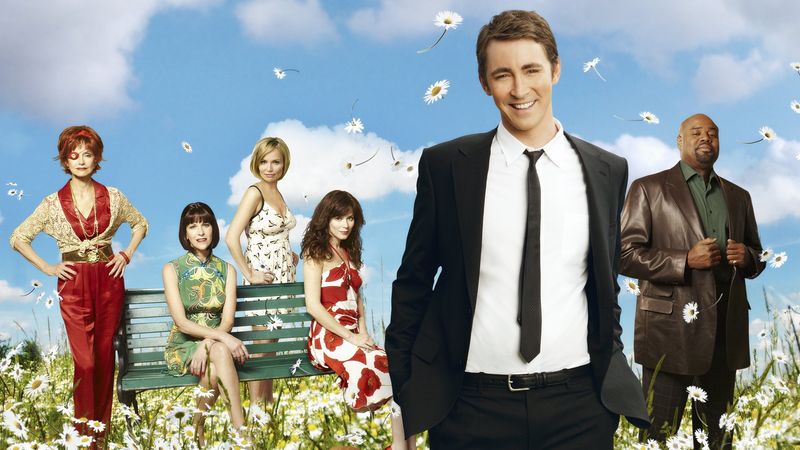
Some TV shows arrive at exactly the wrong moment, only to be remembered years later as visionary masterpieces.
These series tackled complex storytelling, dark humor, and bold ideas long before audiences or networks were ready for them.
They were cancelled too soon, marketed poorly, or simply misunderstood by the viewers of their era.
Looking back now, it is hard not to wonder what television could have become if these shows had been given a real chance.
1. Firefly (2002)
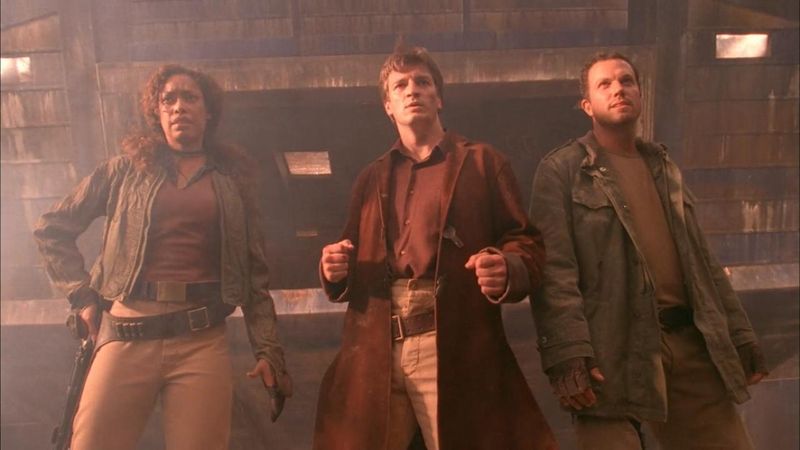
Before prestige sci-fi became a streaming staple, Firefly boldly mashed together space opera and Wild West grit into something television had never quite seen before.
Creator Joss Whedon built a universe that felt genuinely lived-in, full of slang, moral ambiguity, and characters who felt like real people scraping by on the fringes.
Fox aired episodes out of order and buried the show in a terrible time slot, virtually guaranteeing its failure.
Fans were devastated when it was cancelled after just eleven aired episodes.
The 2005 film Serenity gave some closure, but the loss still stings for those who discovered it late.
2. Wonderfalls (2004)
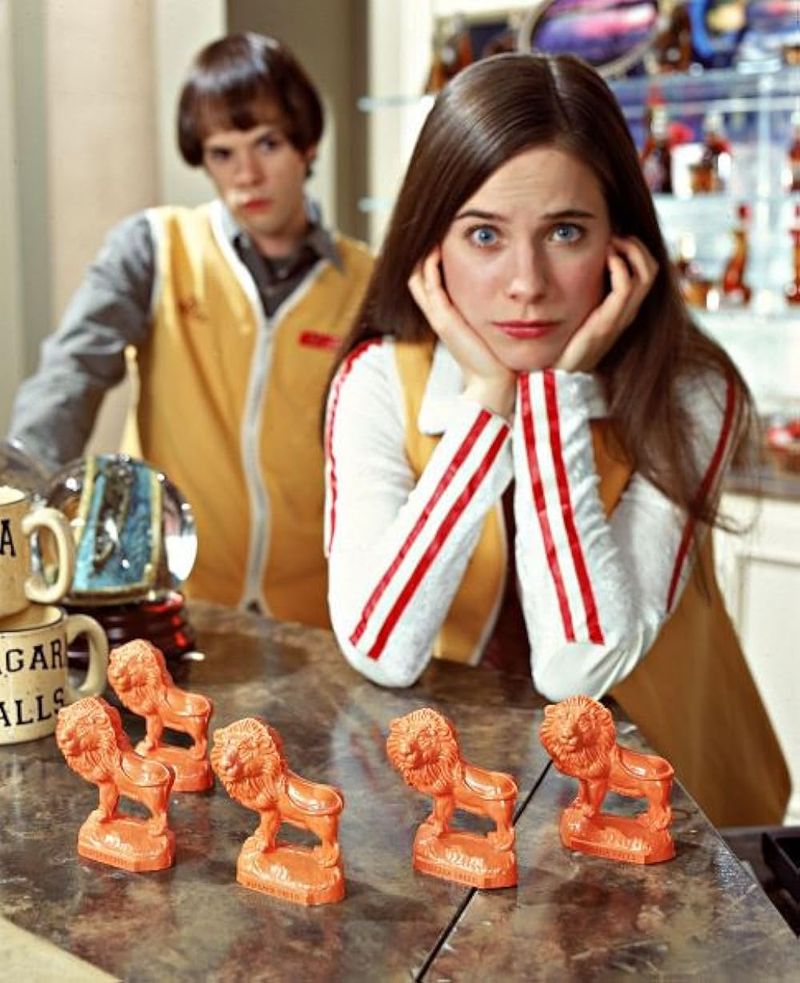
Wonderfalls gave us Jaye Tyler, a sarcastic Niagara Falls gift shop employee who starts receiving mysterious instructions from inanimate animal figurines.
It sounds absurd, and honestly, it was.
But underneath the weirdness was a genuinely thoughtful show about purpose, identity, and what it means to help others when you barely have your own life together.
Fox cancelled it after four episodes, though fourteen were produced.
The show embraced philosophical humor and surrealism years before those elements became fashionable in prestige television.
Created by Bryan Fuller, who later made Pushing Daisies, Wonderfalls deserved a much longer shelf life than it received.
3. Dead Like Me (2003-2004)
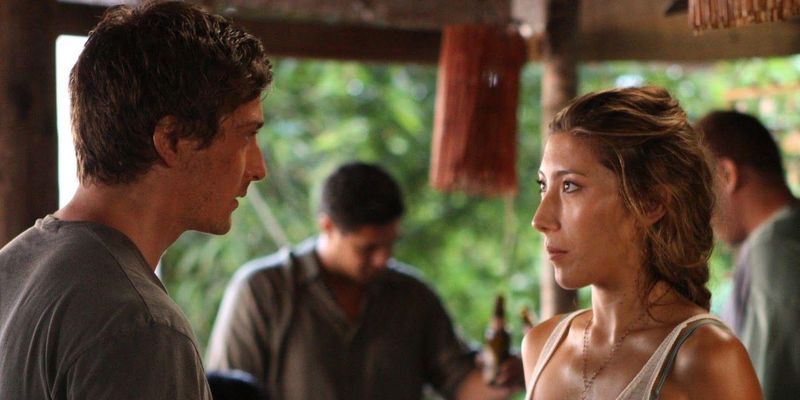
Death is not usually funny, but Dead Like Me managed to make it feel both hilarious and heartbreaking.
The show followed Georgia Lass, an eighteen-year-old killed by a falling toilet seat from a deorbiting space station, who then becomes an undead grim reaper navigating the afterlife bureaucracy.
That premise alone showed how fearless the writers were.
The series balanced morbid comedy with surprisingly tender emotional moments, exploring grief, regret, and what makes life worth living.
Behind-the-scenes tension between creator Bryan Fuller and Showtime led to Fuller’s early departure, and the show never quite recovered its original spark before cancellation.
4. Awake (2012)
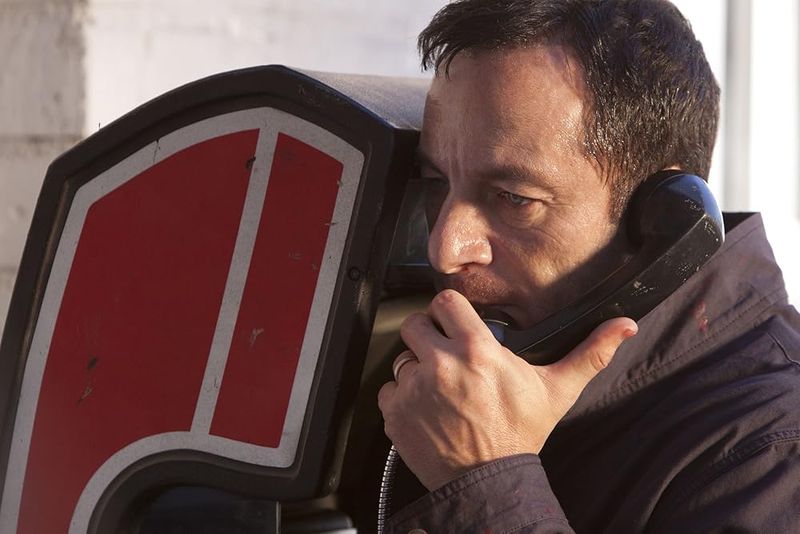
After surviving a car crash, detective Michael Britten wakes up living in two parallel realities.
In one, his wife survived.
In the other, his son did.
Each time he falls asleep, he switches between them, never knowing which world is real.
Awake built its entire identity around that haunting, emotionally loaded concept.
NBC aired it in 2012, but the layered storytelling and emotional weight demanded more patience than casual viewers were willing to give.
It was exactly the kind of puzzle-box drama that thrives on streaming platforms today.
Cancelled after one season, it left behind one of the most genuinely gripping finales in recent memory.
5. Pushing Daisies (2007-2009)
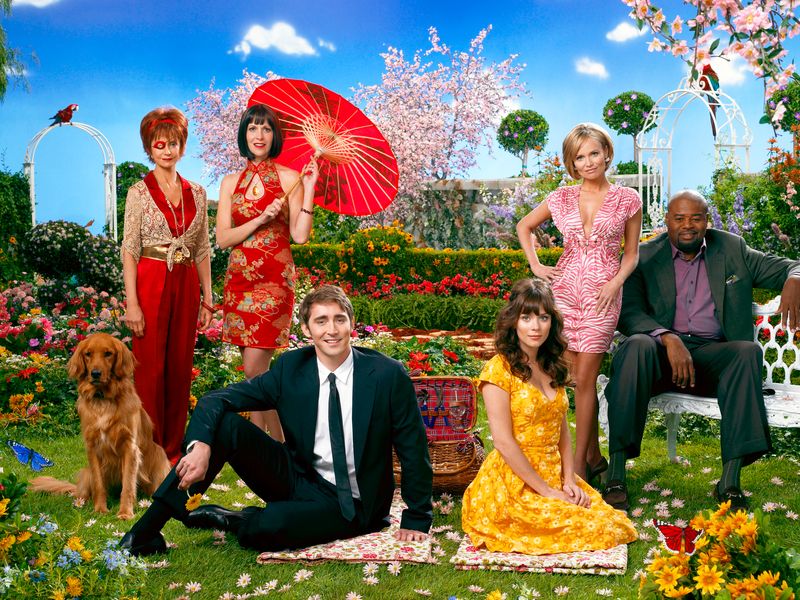
Imagine a pie maker who can bring the dead back to life with a single touch, but can never touch them again without reversing the miracle.
That was the wild, wonderful premise of Pushing Daisies, a show that looked and felt like nothing else on network television at the time.
Its candy-colored visuals and breathless narration belonged more to a modern streaming era than early-2000s ABC.
The writers’ strike of 2007 cut its momentum short, and audiences never fully returned.
Critics adored it, but ratings told a different story.
Watching it today, the show feels genuinely timeless in the best possible way.
6. Patriot (2015-2018)
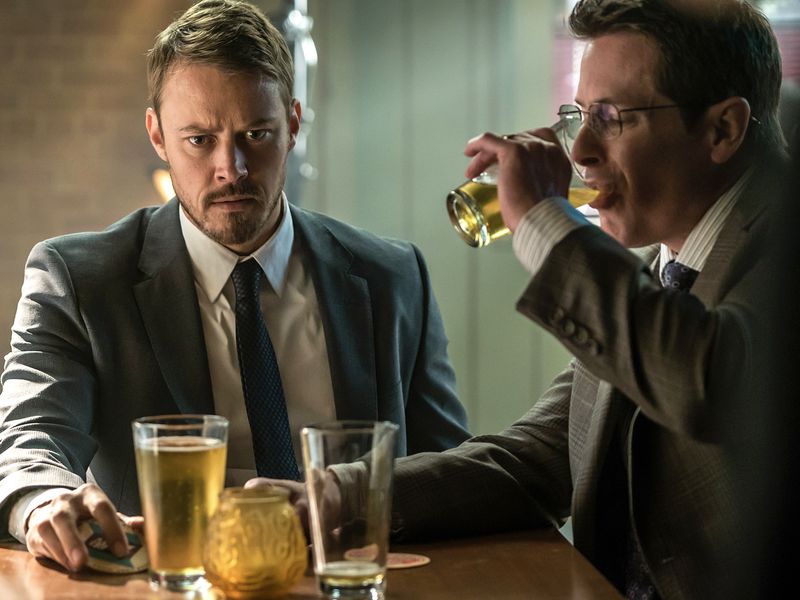
Patriot is the kind of show that makes you laugh and then immediately feel guilty about it.
Following intelligence officer John Tavner, who must go undercover as a mid-level industrial employee while quietly completing dangerous government missions, the series wore its absurdity like armor over something genuinely sad.
Amazon streamed it quietly, and it never found the wide audience it deserved.
The show’s slow burn pacing and dry wit felt more European than American, which may have contributed to its limited reach.
Critics who did discover it called it one of the most original series of the decade.
It remains a hidden treasure worth seeking out.
7. Farscape (1999-2003)
Most sci-fi shows of the late nineties played it safe.
Farscape did the exact opposite.
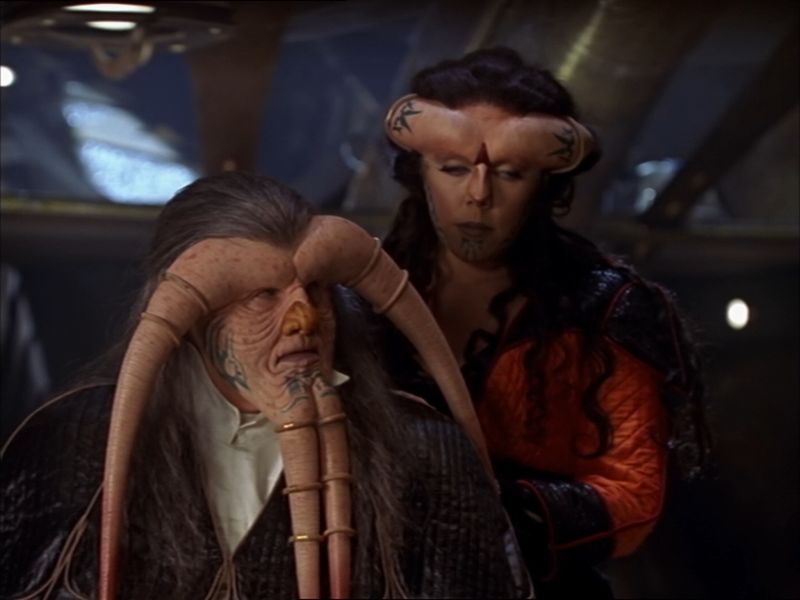
An American astronaut accidentally gets sucked through a wormhole and ends up aboard a living alien spaceship filled with escaped prisoners, puppet aliens, and a universe that operated by its own strange rules.
The show was produced by Jim Henson’s company, which meant the creature effects were extraordinary and deeply weird.
Its serialized storytelling and deeply flawed characters felt more like prestige drama than typical genre fare.
Sci Fi Channel cancelled it on a cliffhanger, sparking one of the most passionate fan campaigns in television history.
A miniseries eventually provided closure.
8. Invader Zim (2001-2002)
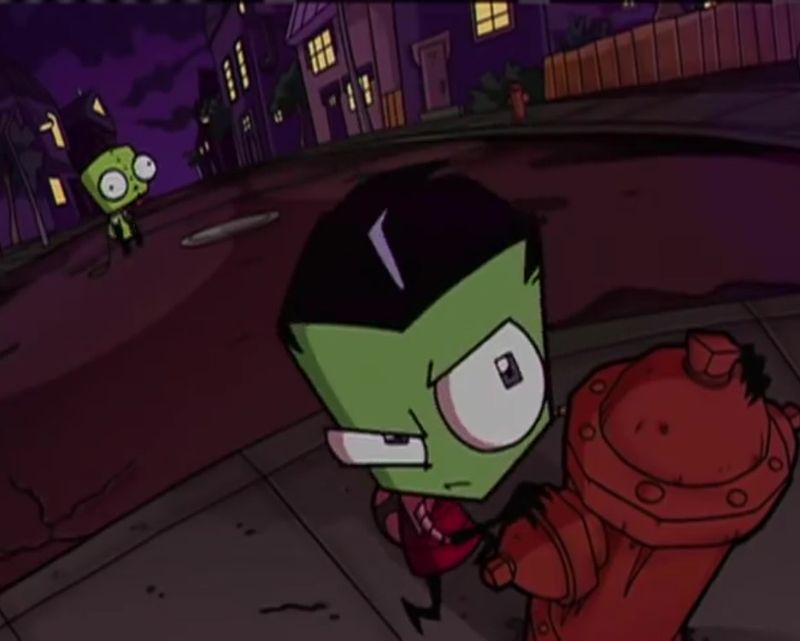
Nickelodeon greenlit Invader Zim expecting something fun and accessible for kids.
What creator Jhonen Vasquez actually delivered was a darkly satirical, beautifully strange cartoon about an incompetent alien invader trying to conquer Earth while nobody takes him seriously.
It was brilliant and deeply bizarre in equal measure.
Young children were often confused or unsettled by it.
Older teens and adults, however, were fascinated.
The show developed a massive cult following after its cancellation, eventually returning as a television movie in 2019.
Invader Zim proved that animation aimed at younger audiences could carry genuine artistic ambition without sacrificing its sense of humor or weirdness.
9. My So-Called Life (1994-1995)
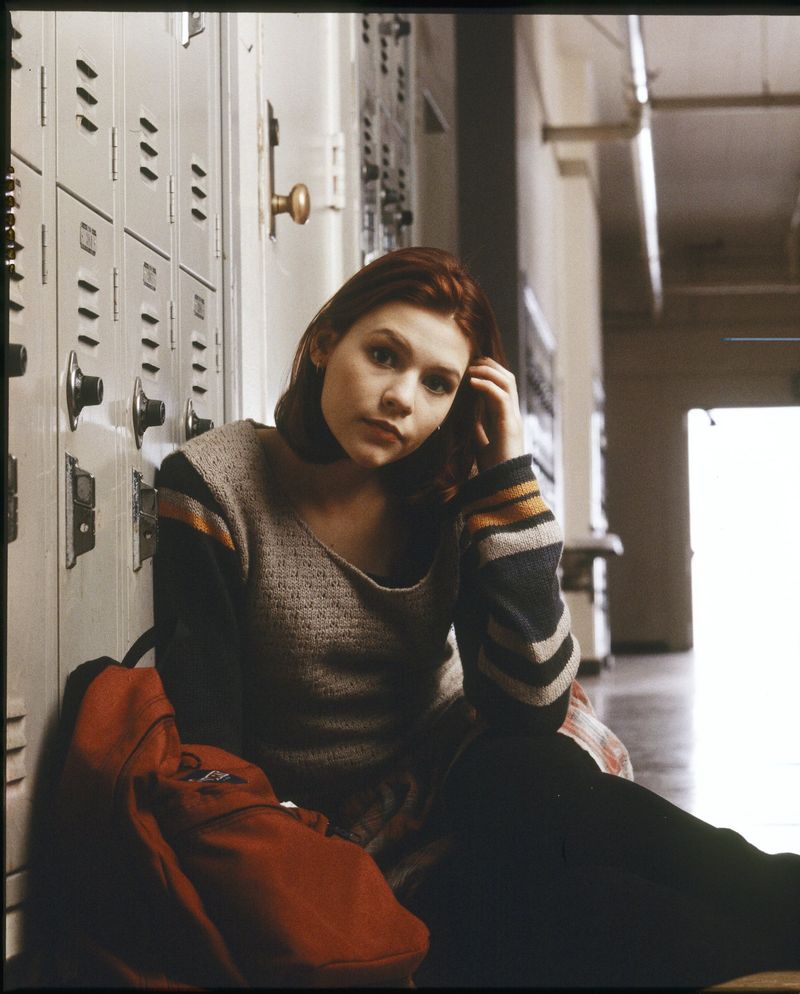
Angela Chase did not have all the answers, and that was exactly the point.
My So-Called Life portrayed adolescence with a raw honesty that most teen dramas of the nineties refused to attempt.
No glossy makeovers, no tidy resolutions, just the messy, confusing reality of being fifteen and figuring everything out in real time.
Claire Danes delivered a career-defining performance as Angela, and the supporting cast, including a young Jared Leto, matched her every step.
ABC cancelled it after nineteen episodes due to low ratings, despite passionate viewer campaigns to save it.
Decades later, it is widely recognized as one of the most authentic teen dramas ever produced.
10. Terriers (2010)
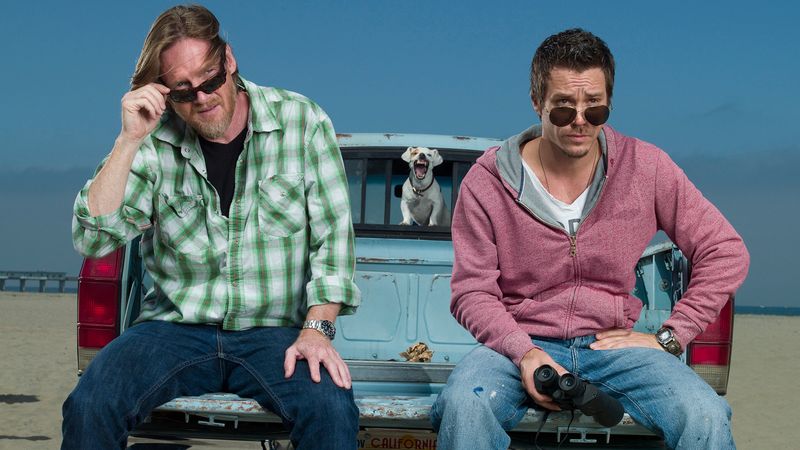
Few cancellations stung quite like Terriers.
FX’s 2010 drama followed two unlicensed private investigators in Ocean Beach, California, one a recovering alcoholic and the other a reformed criminal, navigating a conspiracy that grew more complicated with every episode.
The character work was exceptional, the dialogue felt lived-in and real.
The problem was the name.
Terriers told potential viewers absolutely nothing about the show, and the marketing never corrected that confusion.
Ratings were poor from the start, and FX cancelled it after one season despite critical enthusiasm.
Showrunner Ted Griffin created something genuinely special, and the series finale remains one of the most emotionally satisfying endings of its era.
11. Get a Life (1990-1992)
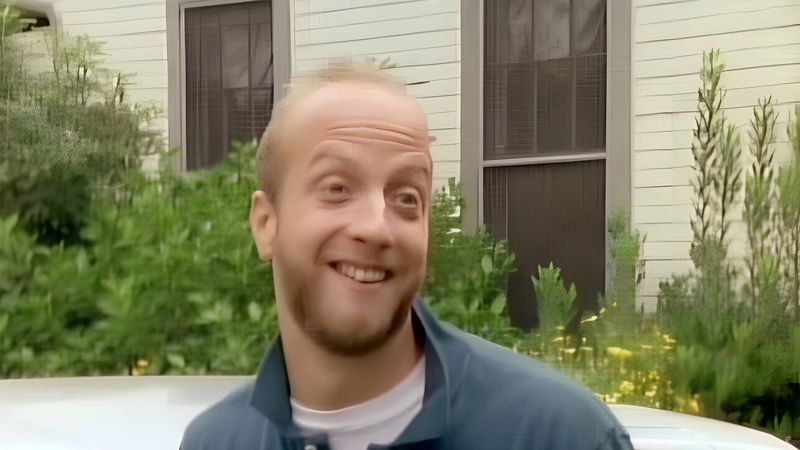
Chris Elliott played a thirty-year-old paperboy who still lived with his parents and stumbled through life with absolutely no self-awareness.
Get a Life was not trying to be relatable.
It was actively trying to be strange, subversive, and structurally bizarre in ways that traditional sitcom audiences simply were not prepared for in 1990.
Episodes frequently ended with Elliott’s character dying in increasingly ridiculous ways, only to reappear the next week without explanation.
That kind of surreal, rule-breaking comedy is celebrated today, but Fox viewers at the time largely found it baffling.
The show influenced a generation of alternative comedians who recognized exactly what it was trying to do.
12. Better Off Ted (2009-2010)
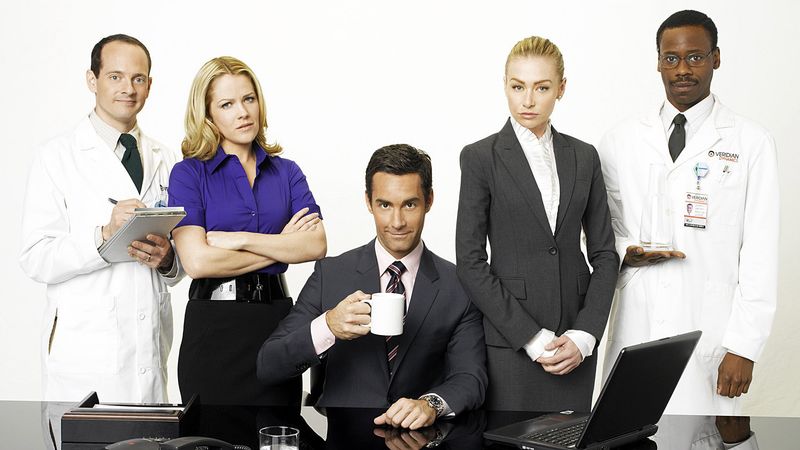
Better Off Ted arrived about a decade too early.
Its razor-sharp satire of corporate absurdity, from weaponizing office motion sensors to accidentally creating a new vegetable through unethical lab experiments, predicted the exact flavor of workplace humor that dominates comedy today.
The show knew exactly how ridiculous it was and leaned into every bit of it.
Jay Harrington played Ted Crisp, a morally flexible executive trying to be a good person inside a company that was fundamentally terrible.
ABC gave it two seasons before pulling the plug due to modest ratings.
Watching it now, the jokes about tech-driven corporate culture feel less like satire and more like documentary footage.
Comments
Loading…