
 Mary Murphy
12 Forgotten Sci-Fi Shows With Rotten Tomatoes Scores That Surprise Fans
Science fiction television has produced countless shows over the decades, but not all of them stick around in our collective memory.
Some series vanished quickly despite critical praise, while others lingered longer but never quite broke through to mainstream success.
What makes these forgotten shows even more fascinating is how their Rotten Tomatoes scores often tell a very different story than their obscurity might suggest, leaving fans surprised when they discover the ratings years later.
1. Threshold (2005–2006) – 47%
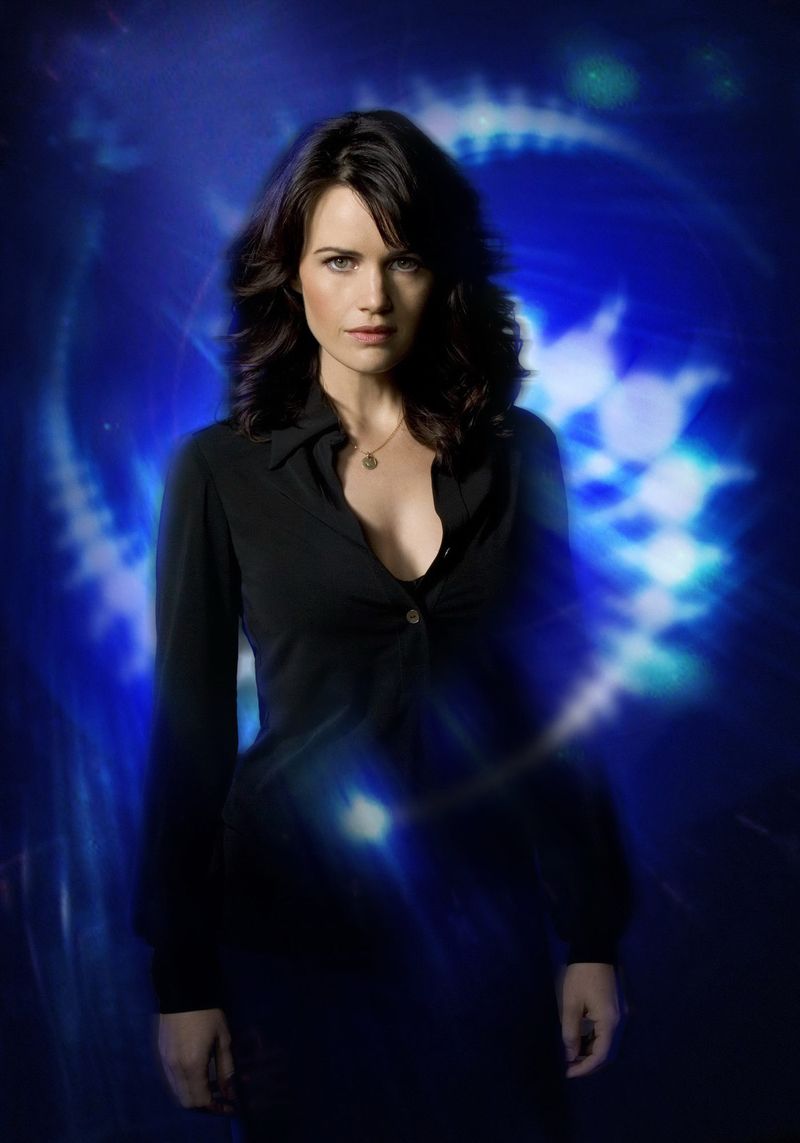
CBS took a gamble on this alien invasion thriller that featured Carla Gugino leading a specialized government response team.
After a mysterious UFO crash, strange patterns begin emerging that threaten humanity’s existence.
The show blended procedural investigation with mounting cosmic horror.
Despite having talented actors and an intriguing setup, viewers never really connected with the series.
Network executives pulled the plug before the first season could finish airing.
The abrupt cancellation left many storylines unresolved and fans frustrated.
Critics were divided on the execution, finding some episodes compelling while others felt repetitive.
The 47% Rotten Tomatoes score reflects this mixed reception perfectly.
Today, it stands as a forgotten example of mid-2000s network sci-fi ambition.
2. The 4400 (2004–2007) – 95%
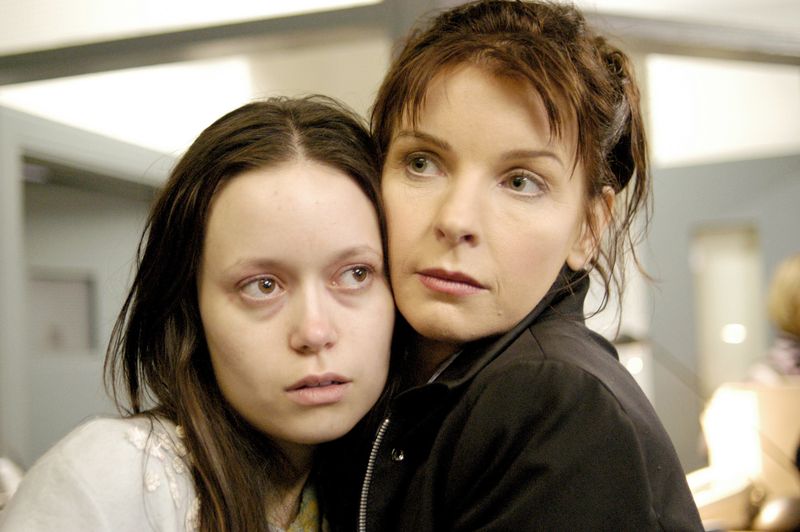
Imagine 4,400 missing people suddenly reappearing without having aged a day, each carrying mysterious abilities they cannot explain.
USA Network crafted this premise into a thought-provoking drama that explored themes of fear, prejudice, and power.
The returnees became both celebrated and feared by society.
Each episode peeled back layers of conspiracy while examining how ordinary people handle extraordinary circumstances.
The show balanced character development with overarching mythology beautifully.
Writers weren’t afraid to tackle social issues through a sci-fi lens.
With a stunning 95% on Rotten Tomatoes, critics recognized its sophisticated storytelling and emotional depth.
The series developed a passionate fanbase that remains devoted even today.
It’s shocking how many modern sci-fi fans have never heard of this gem.
3. Surface (2005–2006) – 20%
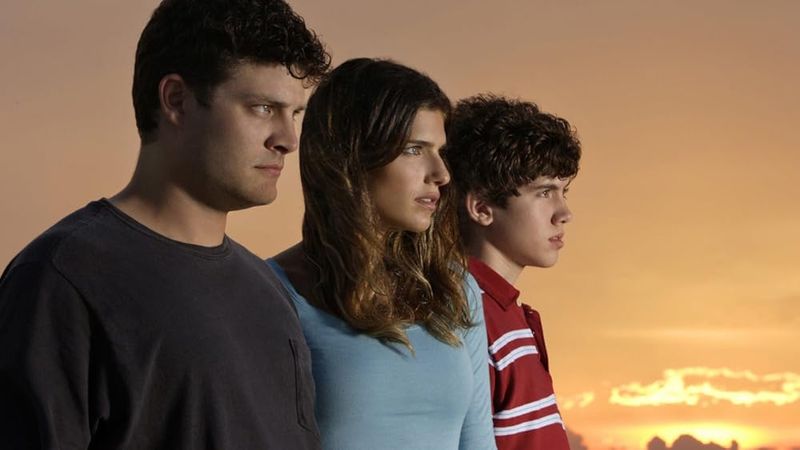
NBC went big with this creature feature about enormous aquatic beings emerging from oceans worldwide.
Scientists, government agents, and ordinary families found their lives intertwined as they investigated the phenomenon.
One storyline followed a young boy who secretly raised a baby sea creature in his family’s pool.
The show had blockbuster ambitions with its special effects and globe-spanning narrative.
Unfortunately, the execution couldn’t match the vision, leading to uneven pacing and confusing plot developments.
Viewers appreciated the spectacle but struggled to stay invested in the characters.
A harsh 20% Rotten Tomatoes score reflects how poorly critics received the series overall.
The cancellation after one season left major mysteries unsolved.
Surface remains a cautionary tale about reaching too far without solid storytelling foundations.
4. Planet of the Apes (1974) – 55%
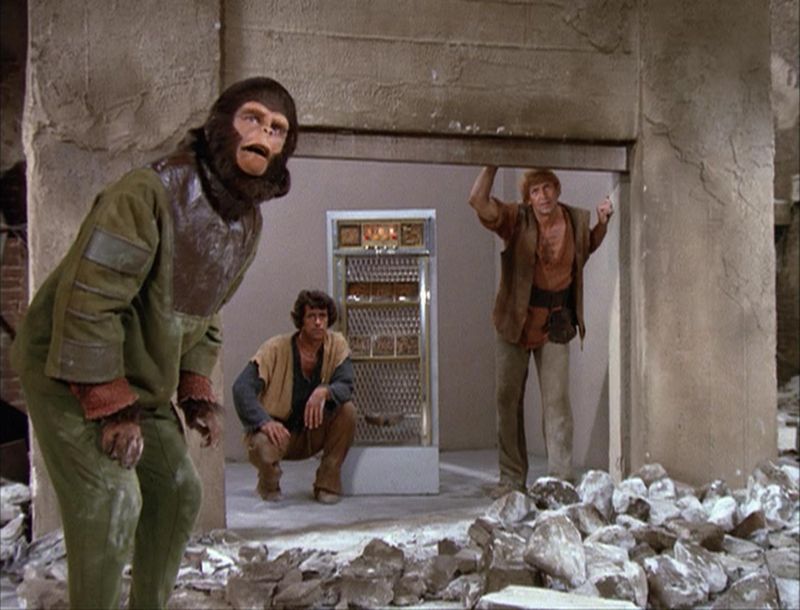
Following the success of the film franchise, CBS launched this television adaptation that sent astronauts crash-landing into a future dominated by intelligent apes.
The series explored different ape cities and communities while the human protagonists tried to survive and find a way home.
Each episode presented new challenges in this reversed world.
Production values were limited compared to the movies, but the show attempted thoughtful social commentary.
Writers used the premise to examine racism, class systems, and power structures.
The makeup effects, while simplified, still created believable ape characters.
With a 55% Rotten Tomatoes score, the series earned middling reviews that acknowledged its ambition despite budget constraints.
Only fourteen episodes were produced before cancellation.
Today, it’s mostly remembered by die-hard franchise completists rather than casual fans.
5. Torchwood (2006–2011) – 98%
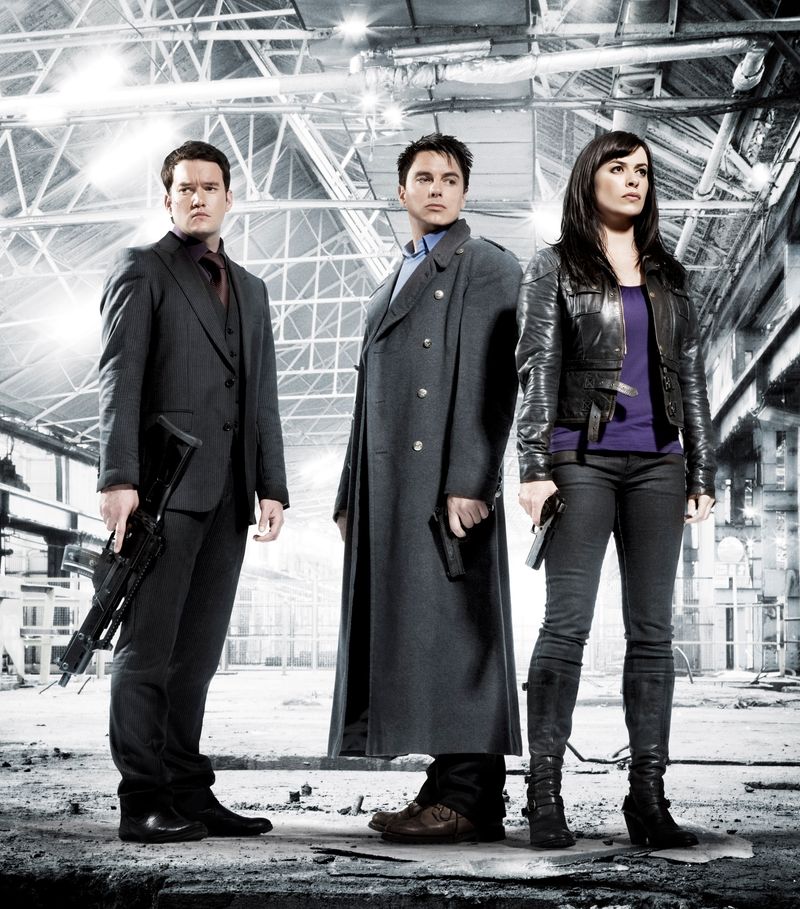
Doctor Who spawned this mature spin-off that followed Captain Jack Harkness and his team defending Earth from alien threats.
Based in Cardiff, Wales, the Torchwood Institute operated in the shadows, handling cases too dangerous or strange for regular authorities.
The show embraced darker themes, complex relationships, and genuine consequences for its characters.
Unlike its parent series, Torchwood wasn’t afraid to explore adult situations and moral gray areas.
Characters died, relationships shattered, and victories often came at terrible costs.
The emotional weight gave the series a distinctive identity separate from Doctor Who’s more optimistic tone.
Critics praised its bold storytelling, awarding it an impressive 98% on Rotten Tomatoes.
Despite this acclaim, mainstream audiences gradually drifted away after the first few seasons.
It remains a beloved cult favorite among dedicated sci-fi enthusiasts.
6. Journeyman (2007) – 44%
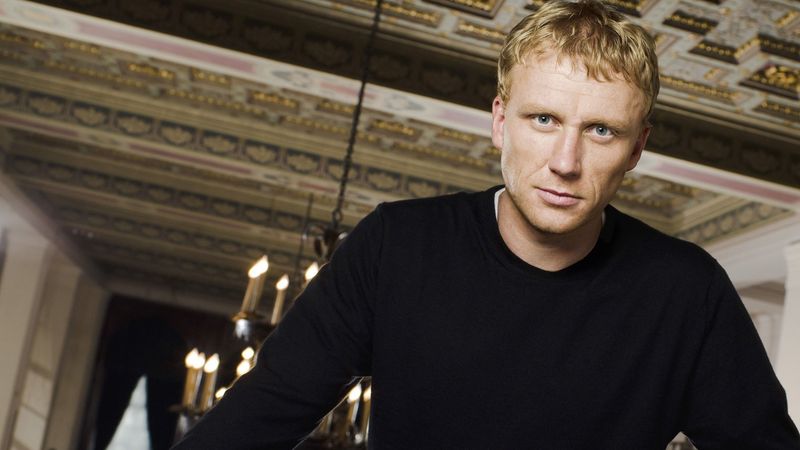
NBC introduced viewers to Dan Vasser, a San Francisco journalist whose life turns upside down when he begins involuntarily jumping through time.
Unlike most time travel shows, this one focused on the personal toll such abilities take on relationships and sanity.
Dan struggled to maintain his marriage and career while being pulled into the past to help strangers.
The series balanced sci-fi concepts with genuine human drama, creating emotionally resonant stories each week.
Kevin McKidd brought vulnerability and determination to the lead role.
Unfortunately, the 2007 writers’ strike hit during the first season, disrupting momentum.
With only a 44% Rotten Tomatoes score, critics were divided on whether the show succeeded in blending genres.
The abrupt cancellation left fans heartbroken and the story incomplete.
Journeyman deserved more time to develop its compelling premise.
7. Colony (2016–2018) – 92%

Los Angeles under alien occupation became the setting for this tense family drama starring Josh Holloway and Sarah Wayne Callies.
Massive walls divided the city into blocs, with human collaborators helping mysterious extraterrestrial occupiers maintain control.
The Bowman family navigated impossible choices between resistance and survival.
Rather than focusing on aliens and action, Colony examined how occupation affects ordinary people psychologically and morally.
Characters made compromises that haunted them, with no clear heroes or villains.
The political allegory resonated powerfully with contemporary audiences.
Critics recognized the sophisticated storytelling, giving it a remarkable 92% on Rotten Tomatoes.
Despite critical praise, ratings declined and USA Network canceled the series after three seasons.
The show remains criminally underrated among sci-fi offerings, deserving far more recognition than it received.
8. Killjoys (2015–2019) – 95%
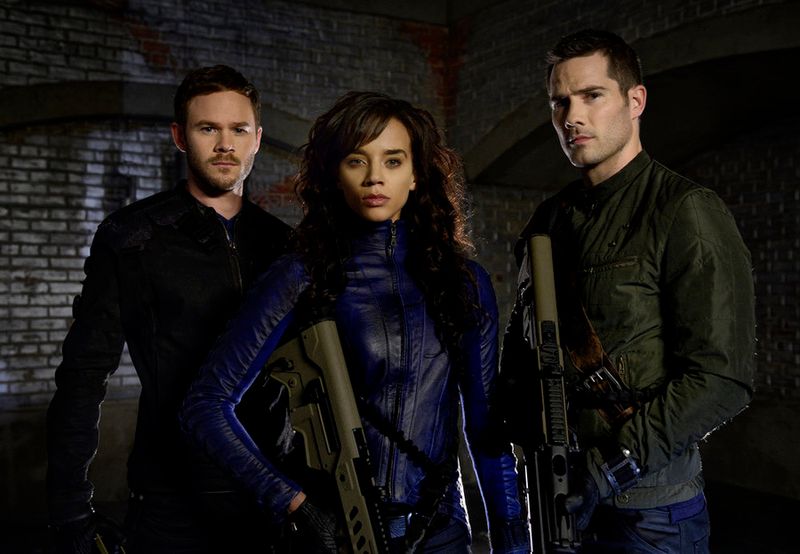
Space bounty hunters Dutch, John, and D’avin formed an unlikely family while navigating the politically complicated Quad system.
Syfy delivered five seasons of fast-paced adventure that mixed humor, action, and surprising emotional depth.
The trio took on increasingly dangerous warrants while uncovering conspiracies that threatened entire worlds.
What started as episodic fun evolved into serialized storytelling with genuine stakes and character growth.
The chemistry between the three leads made even routine missions entertaining.
Writers balanced lighthearted moments with darker themes seamlessly.
Earning a 95% on Rotten Tomatoes, Killjoys became a critical darling that mainstream audiences somehow missed.
The show completed its planned five-season arc, giving fans proper closure.
It stands as proof that quality sci-fi can thrive outside the spotlight of major networks.
9. Counterpart (2017–2019) – 100%
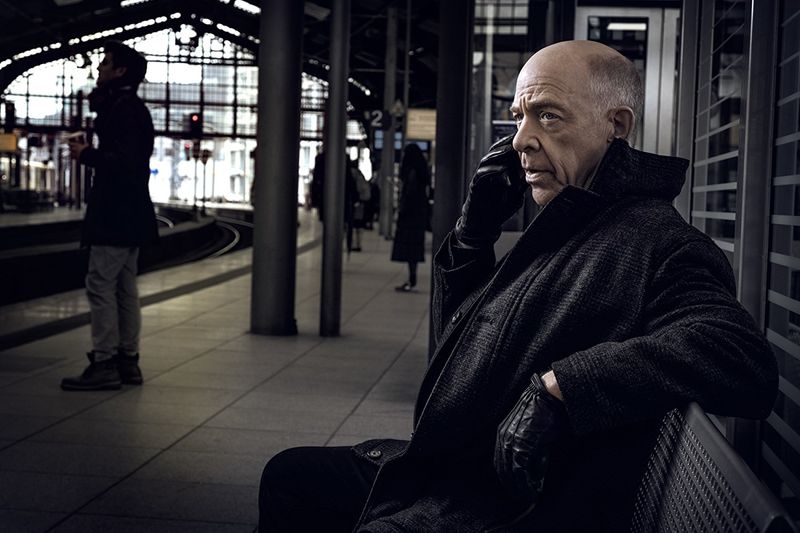
J.K. Simmons delivered dual performances as Howard Silk, a lowly UN bureaucrat who discovers his office guards a crossing point between parallel dimensions.
Each world diverged decades ago, creating vastly different versions of the same people.
Espionage, identity, and philosophical questions about nature versus nurture drove this cerebral thriller.
Starz crafted something truly special with its Cold War-inspired atmosphere and meticulous attention to detail.
Simmons inhabited both versions of Howard with subtle distinctions that made them completely distinct characters.
The show trusted audiences to follow complex plotting without dumbing anything down.
A perfect 100% Rotten Tomatoes score reflects universal critical acclaim for this ambitious series.
Despite the praise, viewership remained modest and Starz canceled it after two seasons.
Counterpart represents one of the greatest hidden gems in recent sci-fi television history.
10. Travelers (2016–2018) – 100%

Consciousness transfer technology allows future humans to send their minds back into the bodies of 21st-century people moments before death.
These travelers work in teams to prevent humanity’s catastrophic future through carefully calculated interventions.
Netflix delivered three seasons exploring the personal costs of living someone else’s life while trying to save the world.
The Canadian production excelled at character development, making viewers deeply invested in each team member’s struggles.
Balancing mission objectives with the relationships and responsibilities of their host bodies created constant tension.
Smart writing avoided easy solutions to complex problems.
Critics awarded the series a flawless 100% on Rotten Tomatoes for its consistent quality and satisfying conclusion.
Despite limited promotional push, word-of-mouth built a dedicated following.
Travelers proves that intelligent, emotionally grounded sci-fi can succeed on streaming platforms.
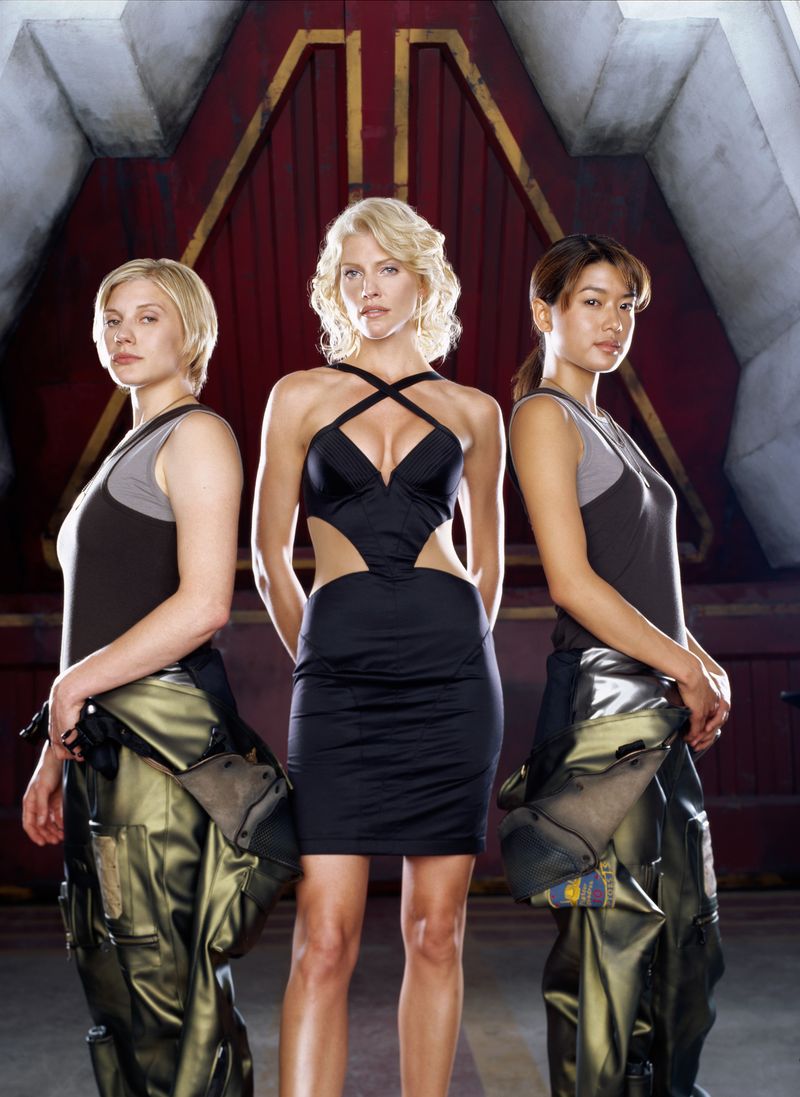
11. Battlestar Galactica (2004–2009) – 95%
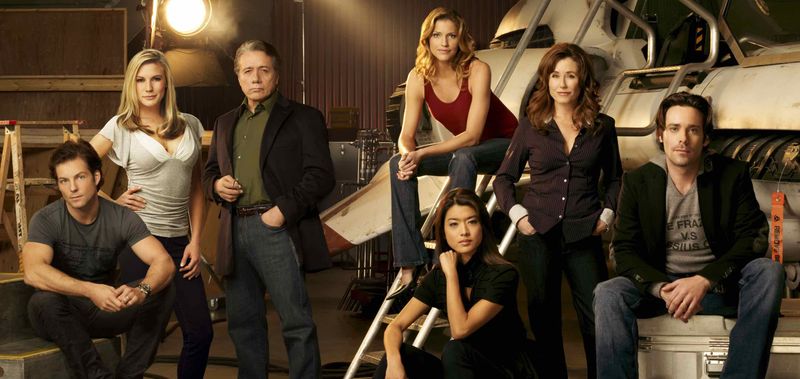
Ronald D. Moore reimagined the 1970s space opera into a gritty, politically charged masterpiece about humanity’s survival after robot Cylons destroy the Twelve Colonies.
The remnants of civilization flee through space searching for the mythical planet Earth while being hunted.
Military discipline clashes with civilian government as resources dwindle and paranoia spreads.
This wasn’t your typical sci-fi adventure but rather a meditation on war, faith, democracy, and what it means to be human.
The show fearlessly tackled terrorism, torture, and religious extremism through its fictional lens.
Performances from Edward James Olmos and Mary McDonnell elevated already exceptional writing.
With a 95% Rotten Tomatoes score, critics recognized it as television art.
Despite devoted fans and industry acclaim, younger audiences today often overlook this modern classic.
Battlestar Galactica deserves to be remembered alongside the greatest dramas ever produced.
12. Orphan Black: Echoes (2023) – 62%

AMC returned to the clone conspiracy universe with this sequel series exploring new characters and scientific ethical dilemmas.
Set years after the original show, Echoes investigated questions of identity, memory, and what makes someone truly themselves.
Krysten Ritter led a fresh cast navigating mysteries connected to the original series’ themes.
While the new show couldn’t quite capture the lightning-in-a-bottle magic that made Orphan Black special, it offered intriguing stories worth watching.
Production values remained strong and performances committed.
Fans of the original appreciated callbacks while newcomers could follow along independently.
A 62% Rotten Tomatoes score indicates respectable but not exceptional reception from critics.
The series struggled to find an audience in an increasingly crowded streaming landscape.
Orphan Black: Echoes remains an under-seen continuation that deserved more attention from sci-fi enthusiasts.
Comments
Loading…