
 Mila Ross
12 Famous Movies Accused of Pushing an Agenda Over Plot

Sometimes a movie feels less like entertainment and more like a lecture.
Certain films have sparked heated debates because audiences felt the filmmakers cared more about sending a message than telling a great story.
Whether pushing political views, social causes, or cultural shifts, these movies stand accused of letting their agenda overshadow the plot.
Here are 12 famous films that critics say prioritized messaging over storytelling.
1. Bowling for Columbine (2002)

Michael Moore’s documentary hit theaters with explosive energy, tackling gun violence in America head-on.
The film uses emotional interviews, shocking statistics, and carefully chosen footage to build a powerful case for stricter gun laws.
Critics from across the political spectrum noticed how selective editing shaped the narrative.
Scenes were arranged to maximize emotional impact rather than present balanced perspectives.
The movie sparked nationwide conversations but also fierce debates about documentary ethics.
Many journalism professors and media analysts point to this film as a prime example of advocacy filmmaking.
It clearly prioritizes persuasion over neutrality, making viewers feel rather than think critically about complex issues.
2. Dr. Strangelove (1964)
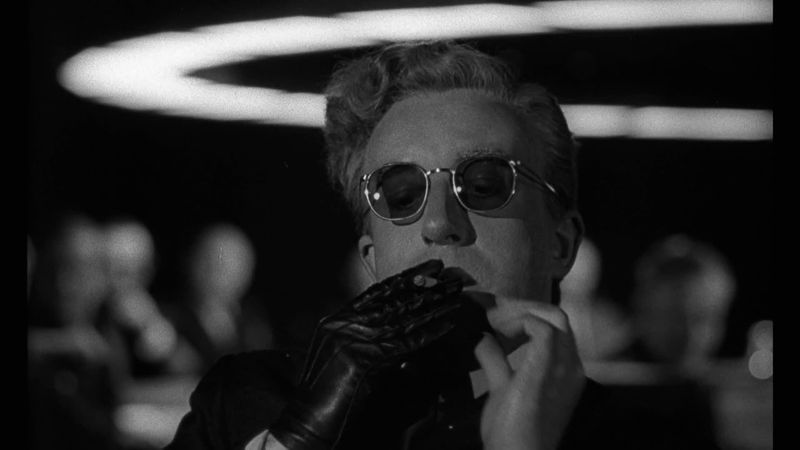
Stanley Kubrick created a pitch-black comedy that mocks Cold War paranoia with savage wit.
Every character feels like a cartoon designed to expose the absurdity of nuclear brinkmanship.
General Jack D. Ripper’s insane theories and Dr. Strangelove’s Nazi-like mannerisms aren’t meant to be realistic—they’re weapons of satire.
The entire film exists to deliver one clear message: nuclear war policies are dangerously ridiculous.
Plot takes a backseat to political commentary throughout every scene.
Characters serve as mouthpieces for anti-war, anti-military viewpoints rather than fully developed individuals.
Film scholars celebrate it as brilliant satire, but it never pretends to offer balanced storytelling.
The agenda is the point.
3. Top Gun: Maverick (2022)

Tom Cruise returned to the cockpit in a sequel that feels tailor-made for military recruitment.
Stunning aerial sequences showcase fighter jets as symbols of American excellence and technological superiority.
The U.S. Navy provided extensive support, including access to aircraft carriers and actual pilots.
Defense industry commentators noticed how the film avoids any moral questions about military actions.
Enemies remain faceless and nameless, stripped of political context.
Every mission is portrayed as righteous, every pilot as heroic without exception.
Critics argue it functions essentially as a two-hour commercial for military service.
The spectacle overwhelms any attempt at nuanced storytelling about war’s complexities or consequences.
4. Star Wars: The Last Jedi (2017)

Leaving longtime fans shocked and divided, Rian Johnson deliberately tore down classic Star Wars tropes.
Luke Skywalker’s transformation from legendary hero to bitter hermit felt jarring to many viewers.
The film constantly questions whether traditional heroism and institutions deserve trust.
Themes of failure, moral ambiguity, and power decentralization drive nearly every plot decision.
Established character arcs from previous films get abandoned to serve these new ideas.
Rey’s mysterious parentage gets dismissed as unimportant, subverting years of fan theories.
Many argue the movie sacrificed narrative consistency for thematic statements.
Whether you love or hate its choices, the agenda clearly shaped the story rather than emerging naturally from it.
5. Zero Dark Thirty (2012)

Kathryn Bigelow’s thriller follows the decade-long hunt for Osama bin Laden with documentary-like intensity.
Early scenes depict enhanced interrogation techniques—essentially torture—as producing crucial intelligence leads.
This portrayal ignited controversy immediately upon release.
Senators, journalists, and human rights organizations challenged the film’s accuracy.
CIA documents later revealed that torture didn’t actually provide the breakthrough information shown in the movie.
Yet the film presents these brutal methods as effective and necessary.
Critics accused it of functioning as propaganda justifying illegal interrogation practices.
The narrative framing suggests viewers should accept torture as a regrettable but essential tool, prioritizing this message over historical truth.
6. Argo (2012)
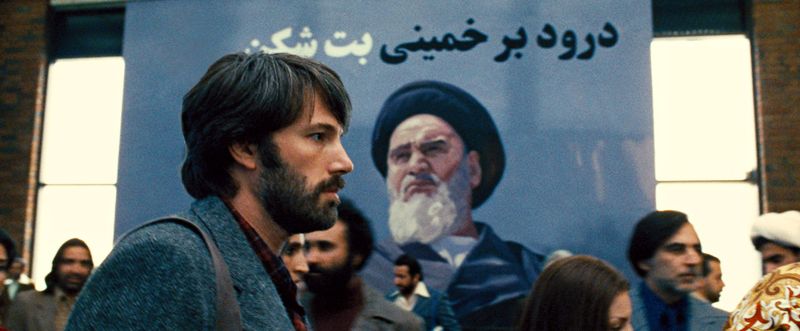
Ben Affleck’s Oscar winner tells the incredible story of CIA operatives rescuing American hostages from Iran using a fake movie production.
The film plays like a patriotic thriller celebrating American ingenuity and courage under pressure.
Audiences loved the tension and heroism.
Historians and international critics noticed significant distortions of actual events.
Canadian diplomats who played major roles in the real rescue get minimized on screen.
Complex geopolitical realities get simplified into good Americans versus evil Iranians.
The movie reshapes history to maximize American heroism and national pride.
Many commentators labeled it propaganda that prioritizes patriotic messaging over accurate representation of what actually happened during the crisis.
7. The Hurt Locker (2009)

This intense war film follows an Army bomb disposal team in Iraq, focusing almost exclusively on adrenaline and danger.
Jeremy Renner’s character gets addicted to the rush of defusing explosives, finding civilian life boring by comparison.
The movie captures combat’s psychological grip brilliantly.
What’s largely absent is any political context or Iraqi civilian perspective.
The war becomes a backdrop for exploring personal addiction to danger rather than questioning the conflict itself.
Critics noticed how this framing romanticizes combat as an irreplaceable thrill.
Anti-war groups argued the film actually reinforces pro-military attitudes despite claiming neutrality.
By making war look exciting and purposeful while ignoring its costs, it pushes a subtle agenda.
8.Wonder Woman 1984 (2020)
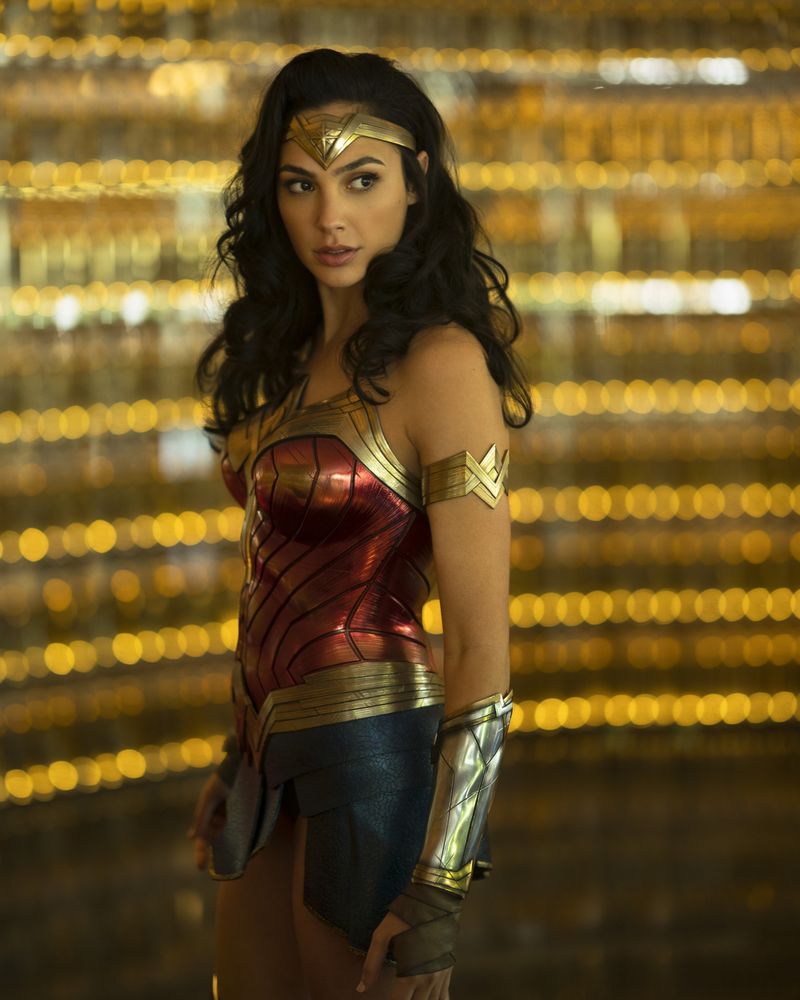
Gal Gadot returned as Diana Prince in a sequel filled with bright colors and 1980s nostalgia.
The villain grants wishes that reveal humanity’s dangerous desires, teaching heavy-handed lessons about truth and sacrifice.
Every plot point circles back to moral messaging.
The story frequently pauses action to deliver speeches about doing the right thing.
Character decisions often make little logical sense but perfectly serve the thematic lessons.
Diana literally broadcasts a message to the entire world about choosing truth over lies.
Reviewers noted that coherent storytelling took a backseat to delivering feel-good moral lessons.
The agenda felt so prominent that many viewers struggled to stay invested in the actual plot unfolding on screen.
9. The Marvels (2023)
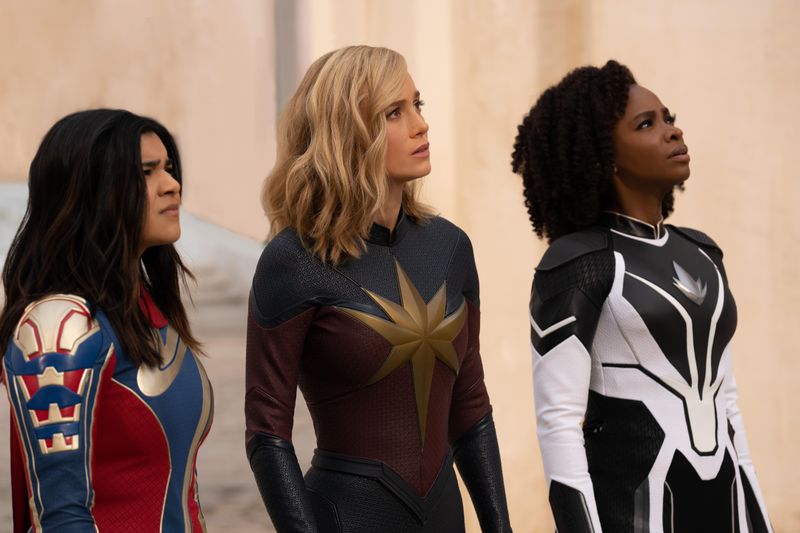
Marvel Studios brought together three female heroes whose powers mysteriously link them together.
The film celebrates representation with an all-female lead trio and diverse supporting cast.
Marketing emphasized these milestone achievements heavily before release.
Industry analysts noticed how corporate diversity goals seemed to drive creative decisions.
Character development felt rushed, with emotional beats that hadn’t been earned through storytelling.
The plot mechanics often made little sense but efficiently showcased the representation priorities.
Critics argued the film prioritized symbolic achievements over compelling narrative.
It felt like checking boxes on a corporate checklist rather than organically creating an engaging superhero adventure that happened to feature diverse characters naturally.
10. Birds of Prey (2020)
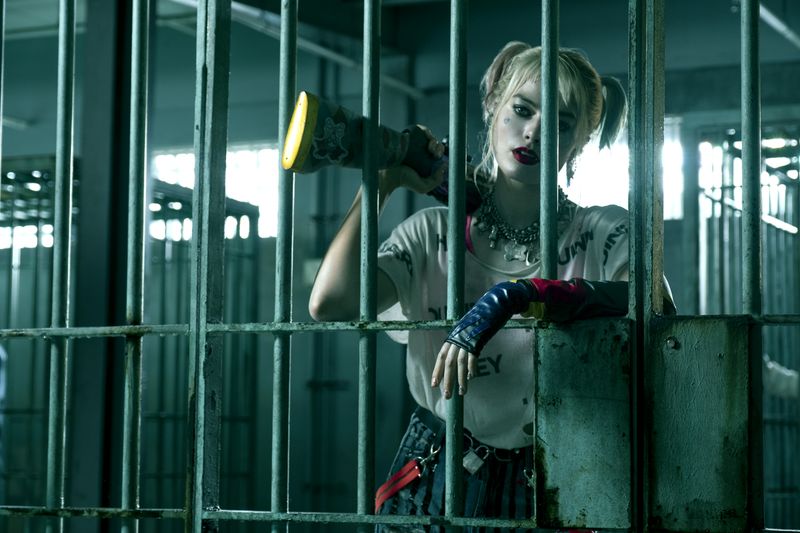
Harley Quinn breaks free from the Joker and teams up with other women to fight a crime lord in Gotham.
The entire movie frames conflicts through female empowerment themes, with men serving primarily as obstacles or villains.
Every character arc centers on independence and rejecting male control.
The narrative structure itself reflects this focus, with Harley narrating her liberation story directly to viewers.
Male characters are mostly one-dimensional threats or comic relief.
The message about women supporting women drives pacing, tone, and character relationships throughout.
Many felt the empowerment theme dominated so completely that traditional storytelling elements suffered.
Plot logic and character depth took backseat to ensuring the feminist message came through loud and clear.
11. No Time to Die (2021)
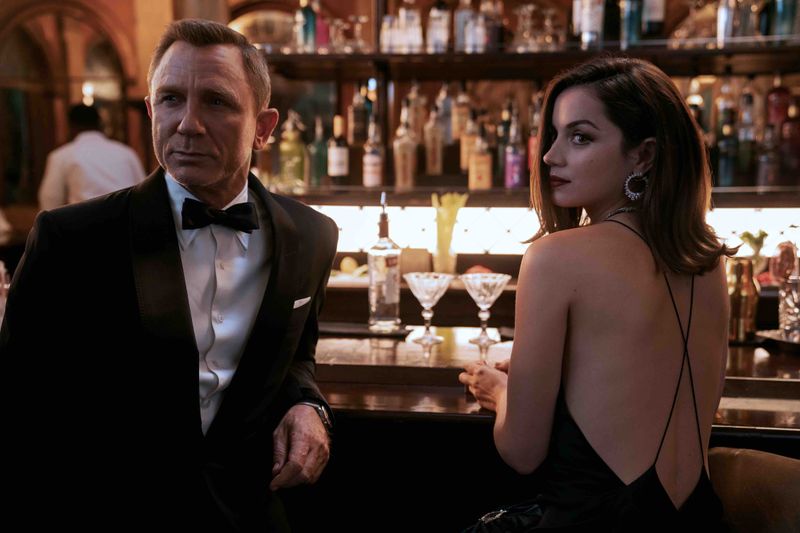
Daniel Craig’s final outing as James Bond reimagines the iconic spy as emotionally vulnerable and domestically minded.
Bond becomes a father, confronts his legacy, and ultimately sacrifices himself—choices that fundamentally alter the character’s traditional archetype.
The film deconstructs everything Bond historically represented.
Longtime fans debated whether these changes served the story or existed primarily to modernize the franchise ideologically.
Bond’s emotional journey overshadows traditional spy thriller elements.
Female characters receive more agency, sometimes at the expense of Bond’s competence.
Critics questioned if the filmmakers were more interested in redefining Bond for contemporary values than delivering a satisfying spy adventure.
The agenda to evolve the character felt more important than the mission itself.
12. Men in Black: International (2019)
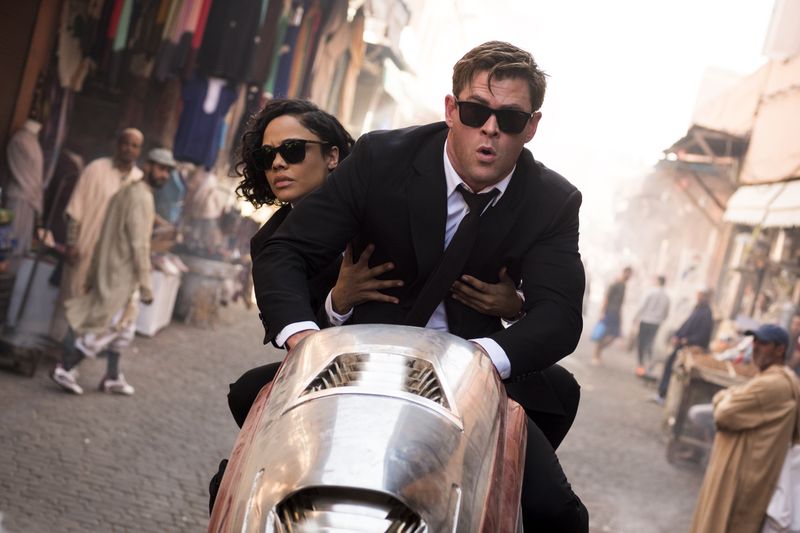
The franchise reboot restructured character dynamics to emphasize contemporary diversity priorities.
Tessa Thompson and Chris Hemsworth took over as the new lead agents, shifting the buddy-cop formula with updated gender dynamics.
The familiar alien-hunting premise got retooled for modern sensibilities.
Commentators noticed how these diversity goals seemed to take precedence over what made the originals work.
The chemistry between leads felt forced, and the humor lacked the sharp wit of earlier films.
Plot originality suffered as the movie focused on hitting representation targets.
Box office disappointment suggested audiences felt the agenda overshadowed entertainment value.
The reboot prioritized symbolic casting and updated dynamics over delivering the fun, creative storytelling that defined the franchise originally.
Comments
Loading…