
 Mary Murphy
12 Famous Actresses Who Struggled to Escape Hollywood Typecasting
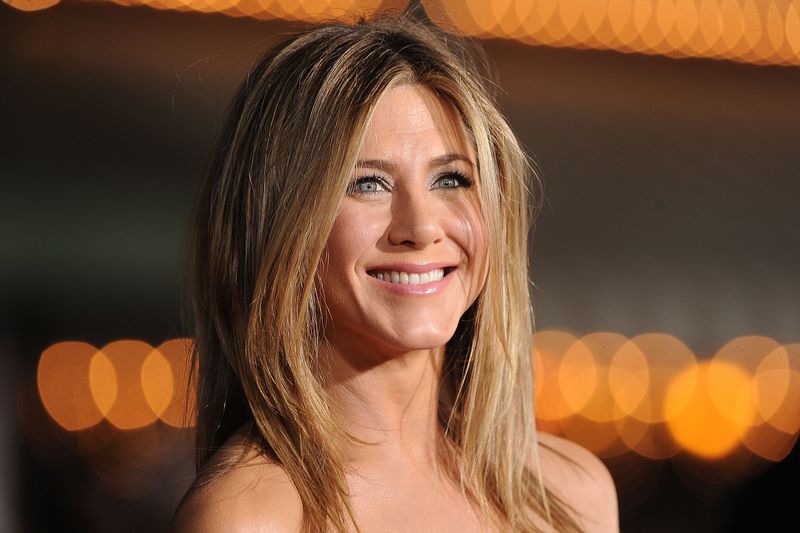
Hollywood has a habit of placing actresses in a box and keeping them there.
Once a star finds success in a certain type of role, studios often cast them the same way again and again.
This pattern, known as typecasting, can make it difficult for talented women to show their full range.
The actresses below know this challenge well, and their careers highlight how hard it can be to break free from the image that first made them famous.
1. Michelle Rodriguez
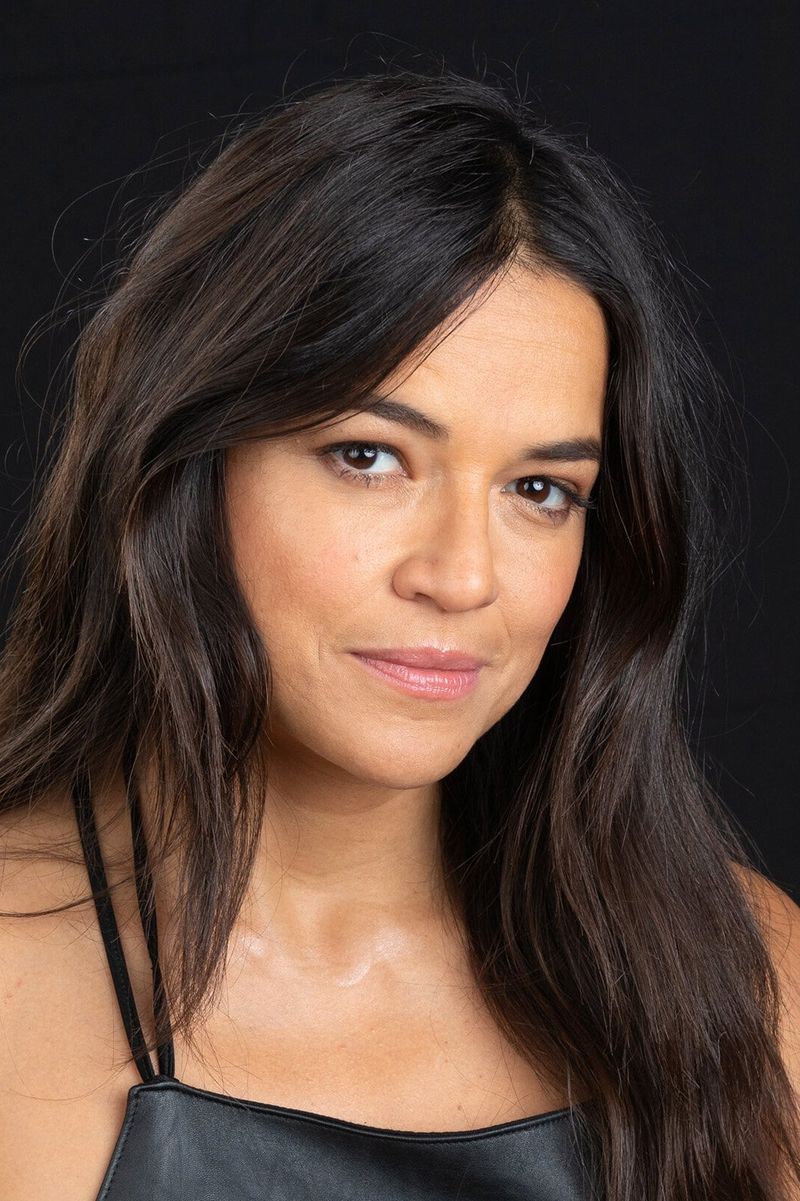
Michelle Rodriguez practically owns the action-hero lane in Hollywood.
Since her breakout role in Girlfight, she has played warriors, soldiers, and tough-as-nails fighters in franchise after franchise, most notably as Letty in the Fast and Furious series.
She once walked away from Lost partly because she felt her character lacked depth beyond the tough-girl exterior.
Rodriguez has been refreshingly vocal about the frustration of being handed the same weapon-wielding role repeatedly.
To her credit, she has pushed producers to give her characters more emotional complexity, slowly chipping away at the armor Hollywood insists on keeping her in.
2. Helena Bonham Carter
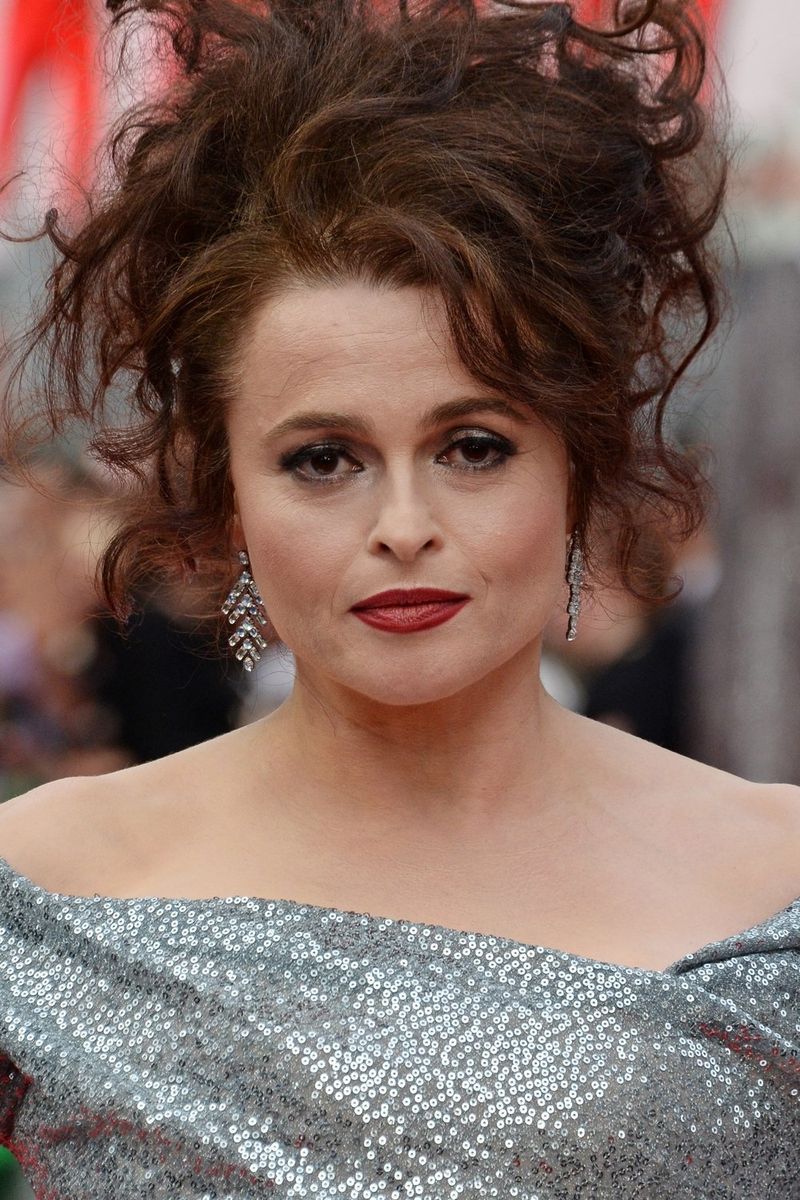
Wild hair, dramatic costumes, and a touch of madness — that is the Helena Bonham Carter formula Hollywood has relied on for decades.
From Bellatrix Lestrange in Harry Potter to the Red Queen in Alice in Wonderland, she became the undisputed queen of eccentric, gothic characters.
Tim Burton, her long-time collaborator and former partner, repeatedly cast her in roles that leaned into this unusual persona.
While she clearly excels in these parts, critics and fans have sometimes wondered what she might do with something completely different.
Her work in The Crown as Princess Margaret hinted at a quieter, deeply compelling side.
3. Zooey Deschanel
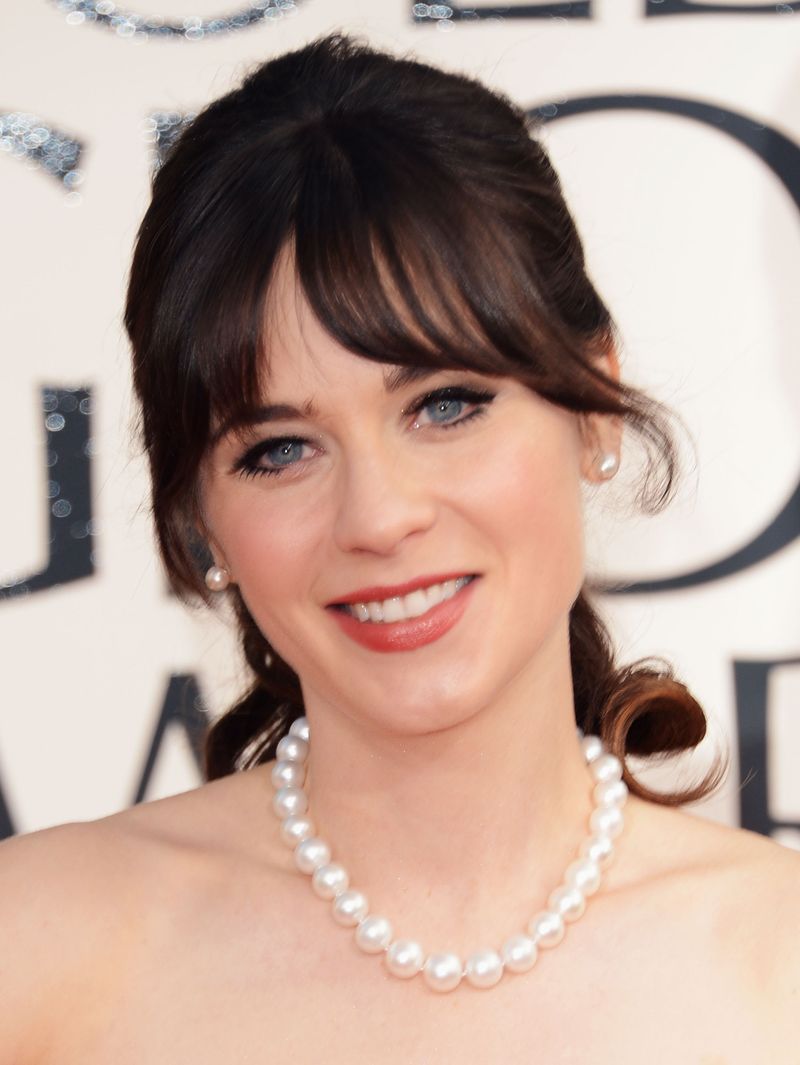
Zooey Deschanel practically invented the manic pixie dream girl archetype as Hollywood saw it.
With her wide blue eyes, vintage fashion sense, and offbeat humor, she became the symbol of quirky femininity in films like (500) Days of Summer and Elf.
Her long-running sitcom New Girl doubled down on that image, making her the lovably weird girl everyone adores but rarely takes seriously.
Deschanel has spoken about the frustration of being seen as a type rather than an actress.
Behind the bangs and ukulele is a performer who has consistently shown warmth, comedic timing, and surprising emotional depth.
4. Jennifer Aniston
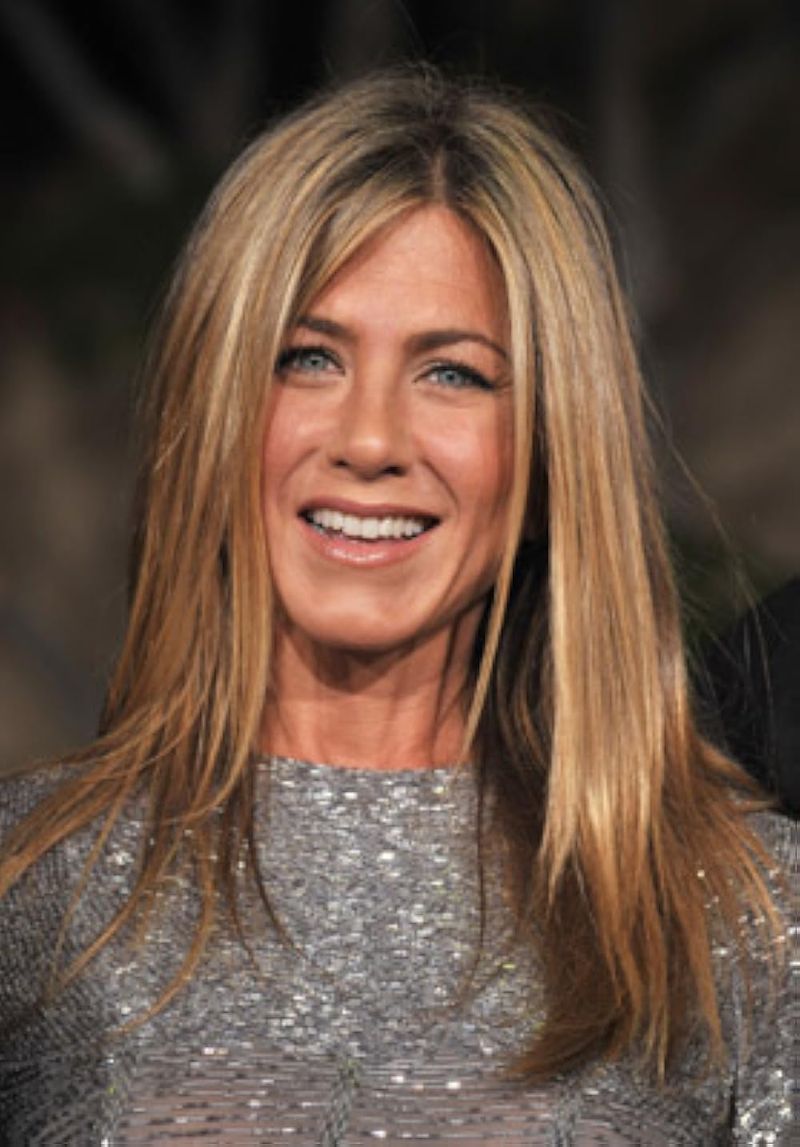
Few actresses are as warmly recognized as Jennifer Aniston, whose girl-next-door charm made her one of the most beloved faces in romantic comedies.
After her iconic run as Rachel Green on Friends, Hollywood kept casting her in love stories where she played the relatable, lovable woman searching for the right guy.
Movies like Along Came Polly and He’s Just Not That Into You cemented this image deeply.
Aniston has openly spoken about wanting meatier dramatic roles.
Her performance in Cake and The Morning Show proved she has serious acting range that Hollywood took far too long to recognize.
5. Megan Fox
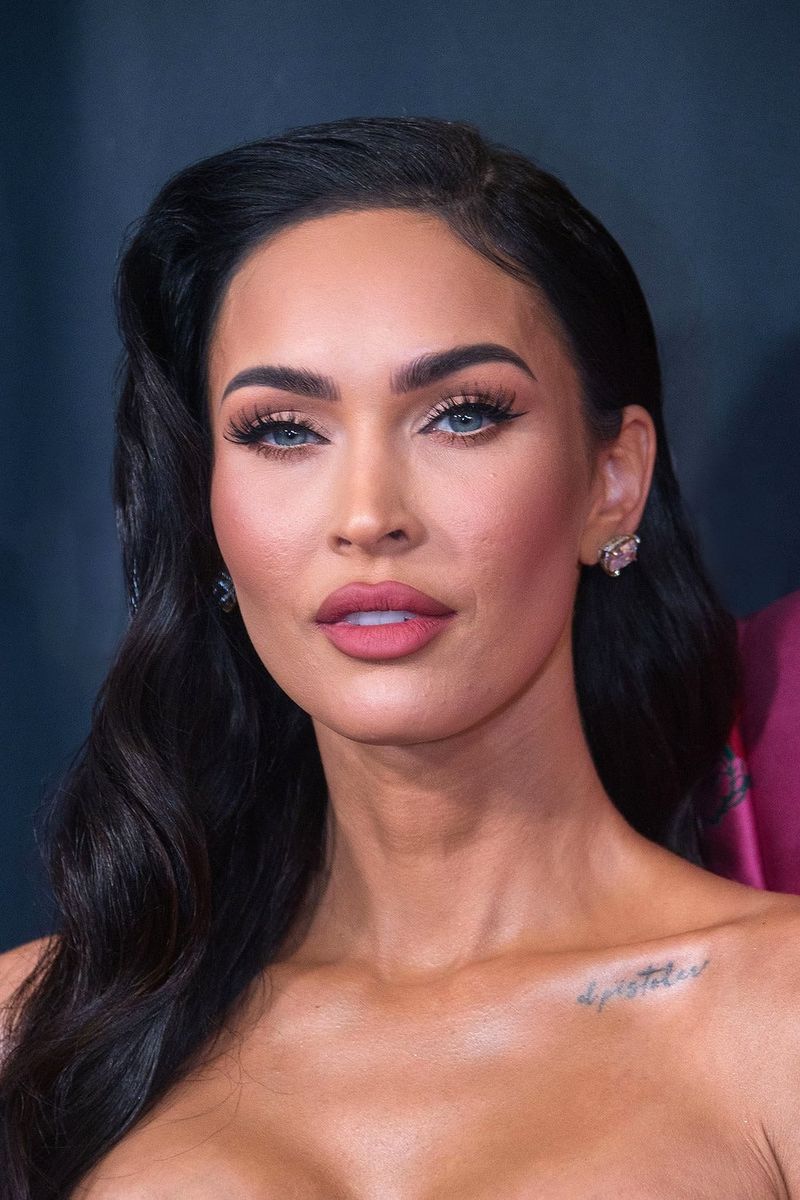
From the moment Megan Fox appeared in Transformers, Hollywood decided exactly what she was for.
Sultry, smoldering, and decorative — directors positioned her as the ultimate femme fatale rather than a fully realized character.
Critics were often unkind, and the industry treated her more like a visual accessory than a serious performer.
What many people overlook is that Fox has genuine comedic instincts, which Jennifer’s Body and her Saturday Night Live appearances showcased brilliantly.
Years of being reduced to her looks clearly took a toll.
She has since spoken candidly about the industry’s treatment of her, earning newfound respect from audiences who finally listened.
6. Lucy Liu
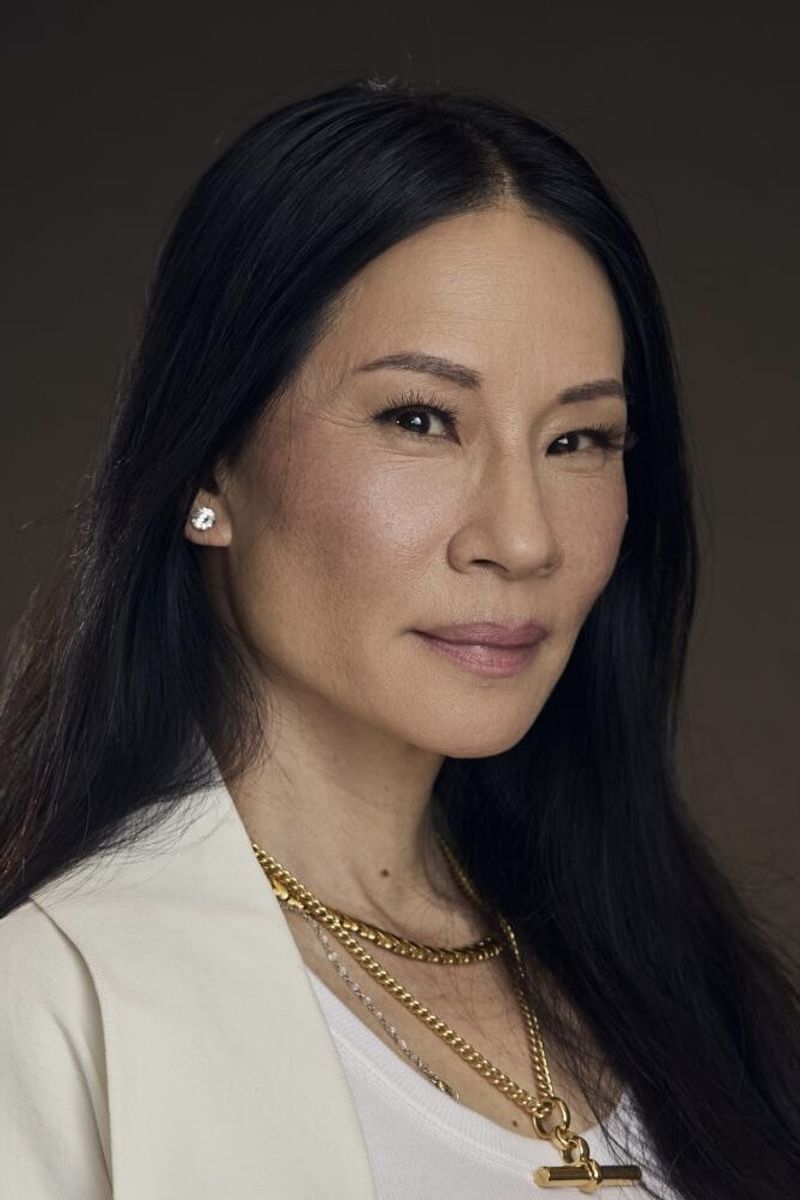
Lucy Liu carved out a lane in Hollywood that was both impressive and limiting.
Sharp, mysterious, and physically formidable — she became the blueprint for the stylish Asian-American action star after roles in Charlie’s Angels and Kill Bill.
Her portrayal of O-Ren Ishii remains one of cinema’s most memorable villains.
Yet for years, the roles offered to her barely strayed from that elegant-but-deadly archetype.
Liu has spoken openly about the limited opportunities available to Asian actresses in Hollywood.
Her Emmy-recognized work in Ally McBeal and later in Elementary showed audiences a warmer, wittier side that the action genre rarely allowed her to explore.
7. Sofia Vergara
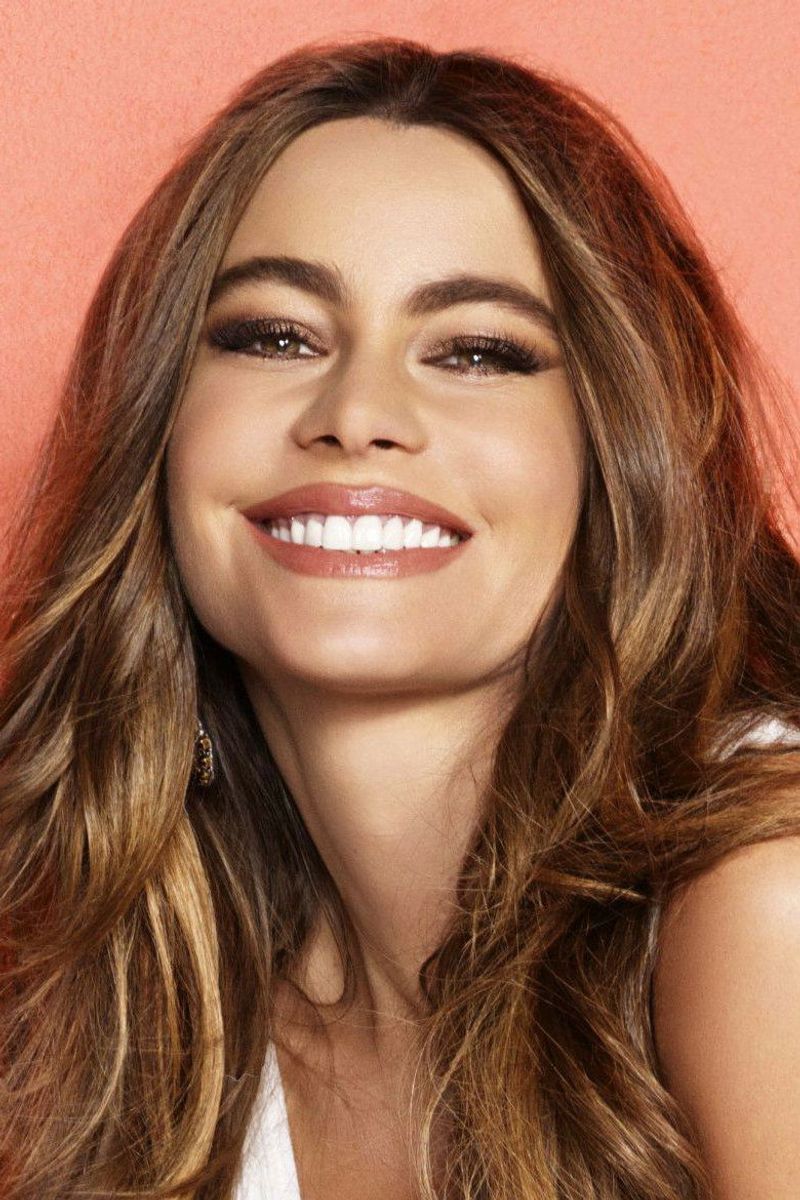
For eleven seasons on Modern Family, Sofia Vergara played Gloria Delgado-Pritchett — loud, gorgeous, passionate, and endlessly quotable.
The role made her one of the highest-paid actresses on television.
But it also locked her into a very specific image: the fiery Latina with a thick accent and an even bigger personality.
Hollywood rarely offered her roles that moved beyond that comedic stereotype.
Vergara has acknowledged the double-edged nature of her success — celebrated for a character that many feel reduces Latin women to a single exaggerated note.
Her recent dramatic turn in Griselda signaled a bold and overdue reinvention that audiences enthusiastically embraced.
8. Sarah Jessica Parker
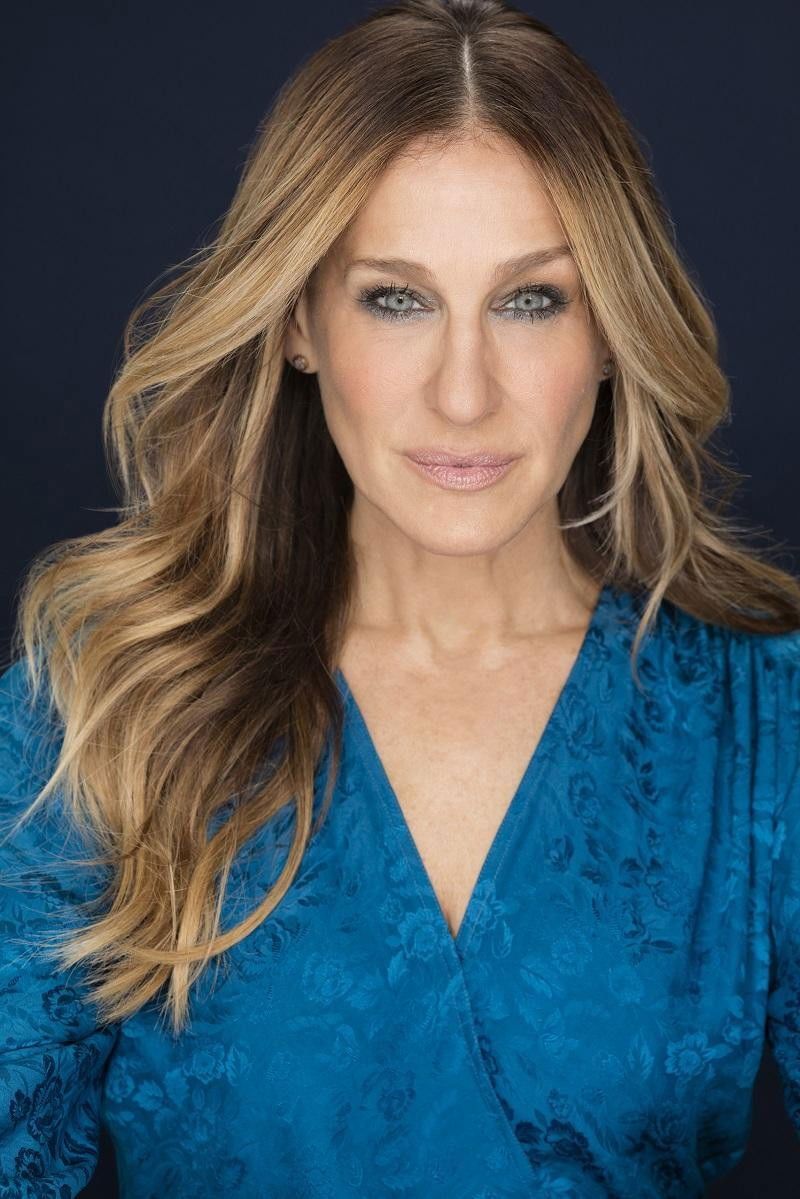
Carrie Bradshaw changed everything for Sarah Jessica Parker — and then refused to let go.
After Sex and the City became a global phenomenon, Parker became permanently associated with stilettos, cosmopolitans, and the romantic chaos of New York City single life.
The character was iconic, but it created an almost impossible shadow.
Post-series film roles struggled to separate Parker from Carrie’s identity.
Audiences and critics kept seeing the same woman, just in different outfits.
Even her return in And Just Like That reinforced the connection.
Parker has expressed pride in the character while quietly acknowledging that Carrie Bradshaw became both her greatest achievement and her most persistent limitation.
9. Jennifer Coolidge
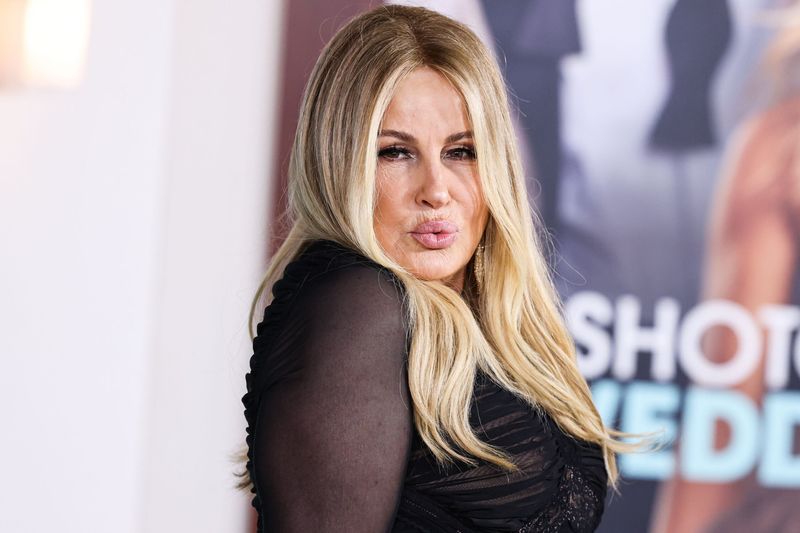
Long before The White Lotus made her a prestige television darling, Jennifer Coolidge spent two decades playing variations of the same character — the hilariously clueless, over-the-top woman with more confidence than common sense.
American Pie’s Stifler’s Mom became her calling card, and Hollywood leaned on that image relentlessly.
Coolidge herself has joked about how the role brought unexpected personal perks but limited her professionally for years.
It took Mike White’s visionary writing to give her a fully dimensional character the world could not stop talking about.
Her Emmy win for The White Lotus felt like a long-overdue correction from an industry that had underused her for far too long.
10. Rebel Wilson
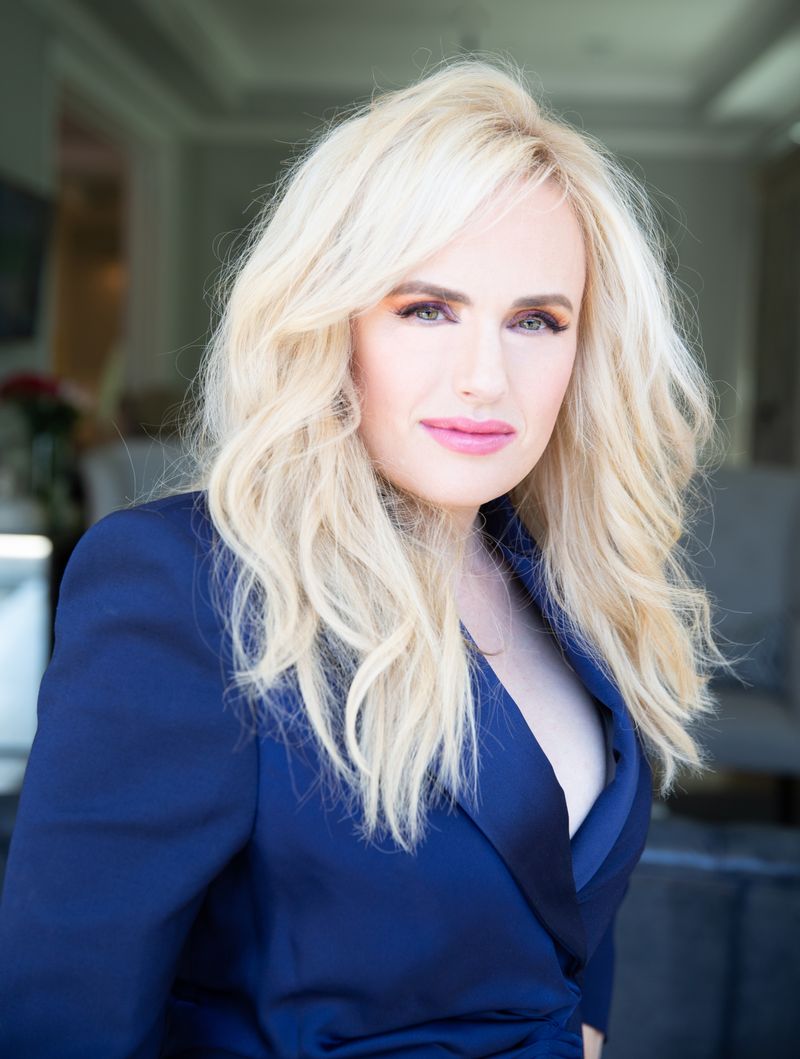
Rebel Wilson burst onto screens with the kind of fearless, scene-stealing energy that Hollywood immediately wanted to bottle and reuse.
As Fat Amy in Pitch Perfect, she was hilarious, unapologetic, and completely unforgettable.
Studios took note and kept handing her nearly identical roles — the outrageous best friend whose job was to be funny and outrageous.
Wilson has spoken candidly about how the industry expected her to stay in that comedic sidekick lane indefinitely.
Her memoir and personal transformation sparked a public conversation about how Hollywood treats plus-size actresses.
She continues pushing for roles with genuine depth, proving that her comedic gift is just one piece of a much bigger picture.
11. Kristen Stewart
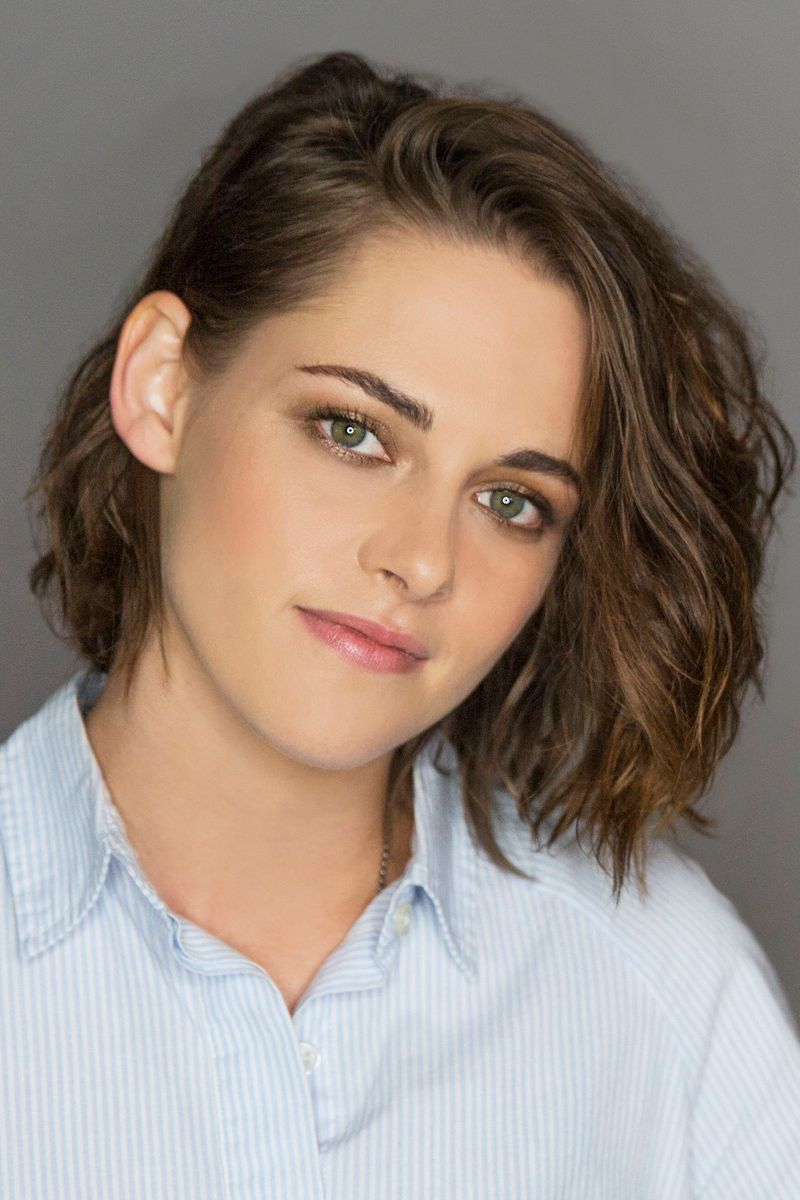
Playing Bella Swan in the Twilight saga made Kristen Stewart one of the most famous young actresses on earth — and one of the most unfairly criticized.
Her restrained, emotionally internal performance style was mocked relentlessly, and Hollywood began typecast her as the perpetually brooding, blank-faced ingenue.
What critics missed was that Stewart was deliberately making bold, unconventional choices.
Her post-Twilight work in films like Clouds of Sils Maria, Personal Shopper, and Spencer — where she portrayed Princess Diana with haunting precision — earned her a César Award and an Academy Award nomination.
Few actresses have engineered a more dramatic and well-deserved critical rehabilitation.
12. Katherine Heigl
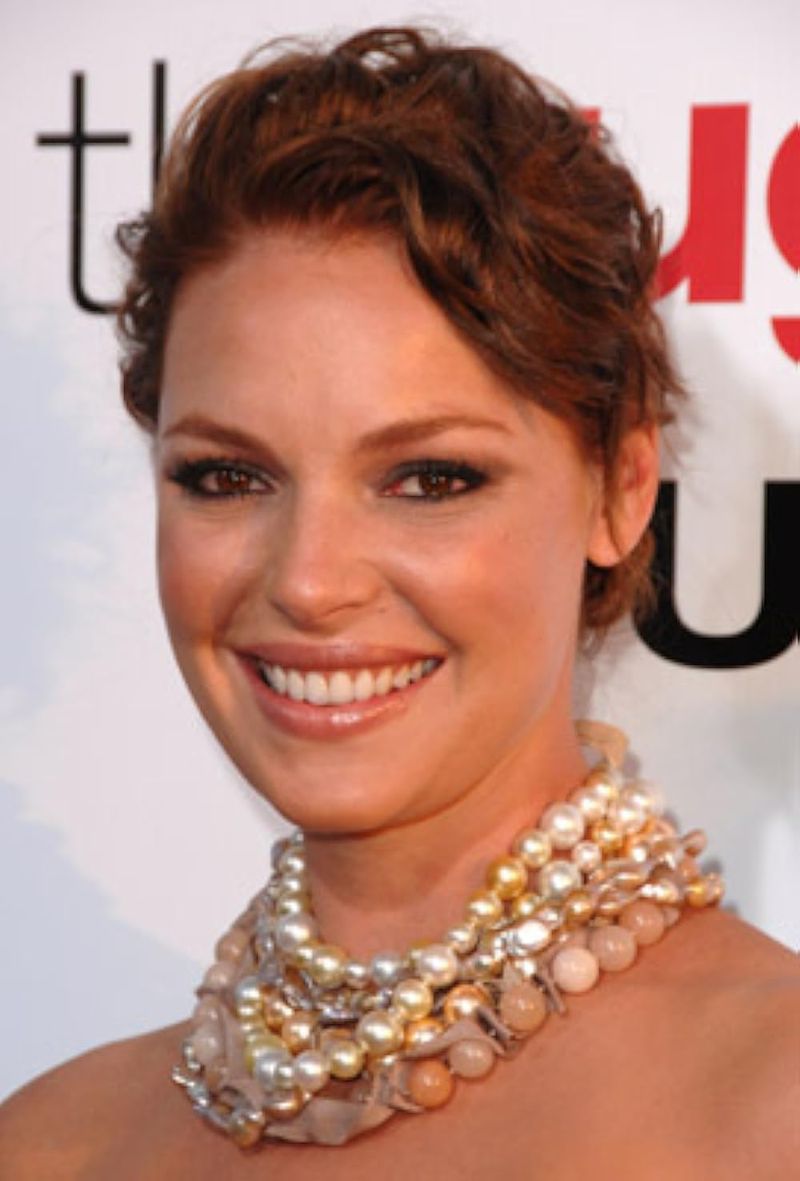
Katherine Heigl became Hollywood’s romantic comedy queen almost overnight.
Knocked Up and 27 Dresses turned her into the go-to actress for ambitious, slightly unlucky-in-love leading ladies. For a while, it worked beautifully.
Then the formula started feeling suffocating, and Heigl grew visibly frustrated with the roles being offered.
Her public criticism of Knocked Up’s gender politics and her exit from Grey’s Anatomy created industry friction that made studios hesitant to cast her differently.
Audiences watched a complicated situation unfold in real time.
Heigl has since reflected on those years with honesty, acknowledging missteps while making a steady comeback in projects that finally let her stretch beyond the rom-com playbook.
Comments
Loading…