
 Harper Hall
12 Dark Horror TV Shows That Get Under Your Skin and Stay There

Horror TV shows have evolved from cheesy monster-of-the-week formats into psychological nightmares that haunt viewers long after the credits roll. The best series don’t just scare us for a moment—they burrow into our minds, making us question reality, morality, and our deepest fears. From supernatural threats to human monsters, these shows deliver unforgettable dread that lingers like a shadow you can’t shake.
1. The Terror

Based on Dan Simmons’ novel, this historical horror traps 120 Royal Navy sailors in an Arctic nightmare where starvation and paranoia prove as deadly as the unseen predator stalking them. The show brilliantly uses the blinding white landscape as a canvas for madness.
Captain Francis Crozier’s desperate leadership crumbles against forces both natural and supernatural. The true horror lies in watching civilized men disintegrate into savagery when faced with impossible odds.
What makes this show particularly haunting is its basis in the real-life Franklin Expedition, where 129 men mysteriously vanished in 1845. The Terror simply adds a monstrous explanation to an already horrifying historical tragedy.
2. Penny Dreadful
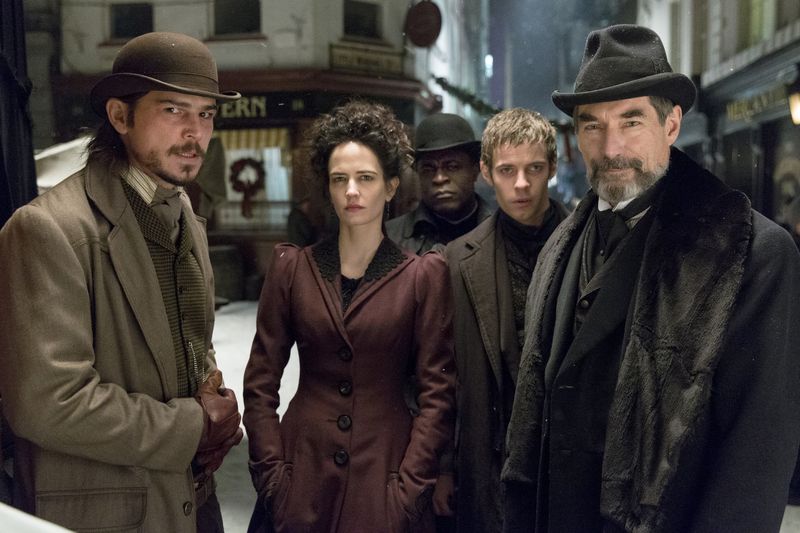
Victorian London comes alive in all its gritty, supernatural glory as literary monsters intertwine in unexpected ways. Eva Green’s haunted performance as Vanessa Ives stands as one of television’s most captivating descents into darkness, wrestling with possession and her own fractured psyche.
The series reinvents classic horror characters like Dorian Gray, Victor Frankenstein, and Dracula with surprising depth and humanity. Blood-soaked visuals and lush period details create an atmosphere dripping with foreboding.
What sets Penny Dreadful apart is its poetic dialogue and unflinching exploration of sexuality, faith, and monstrosity. The show asks: aren’t humans the real monsters, capable of horrors far beyond anything supernatural?
3. The Outsider
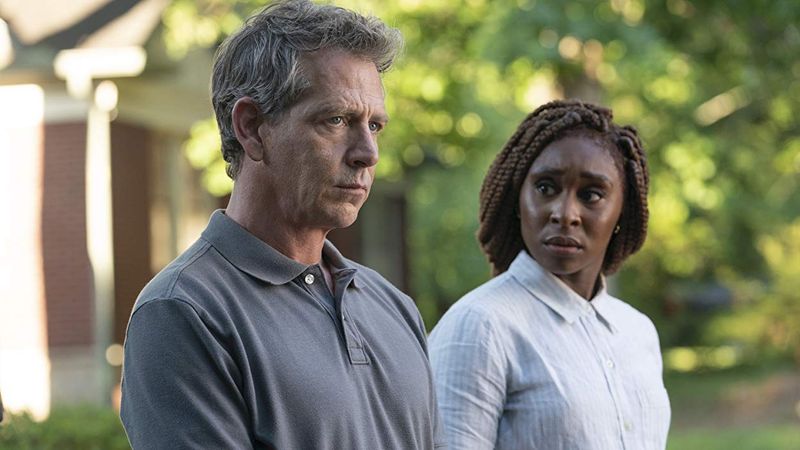
A small-town detective faces an impossible crime: a beloved teacher who seems to be in two places at once when a child’s mutilated body is discovered. Based on Stephen King’s novel, The Outsider methodically builds dread through its refusal to provide easy answers.
Ben Mendelsohn and Cynthia Erivo deliver powerhouse performances as investigators forced to confront something beyond rational explanation. The show’s cold, desaturated visuals mirror the emotional emptiness left by grief and doubt.
Most disturbing is how the series explores collective trauma, showing how a single violent act creates ripples of destruction through an entire community. The monster feeds on sorrow itself—a perfect metaphor for how tragedy can consume us.
4. Servant
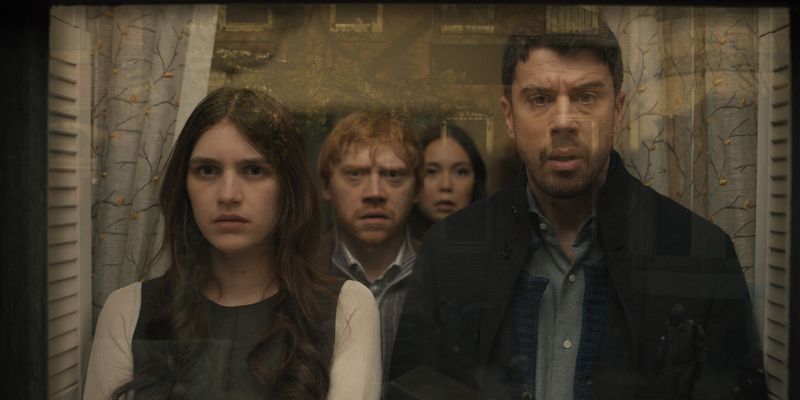
Grief takes physical form in this claustrophobic nightmare set almost entirely within a Philadelphia brownstone. A couple hires a strange nanny for their “reborn doll”—a therapy doll replacing their deceased infant—only for the fake baby to seemingly come alive.
M. Night Shyamalan’s signature tension builds in small moments: mysterious cracks appearing in the house, food rotting inexplicably, and the eerie nanny Leanne’s unblinking devotion. The show’s genius lies in never fully revealing whether we’re witnessing supernatural events or psychological breakdown.
The confined setting creates unbearable pressure, turning everyday domestic spaces into torture chambers of memory and guilt. Few shows have made the familiar feel so utterly wrong.
5. The Last of Us

Rarely has the apocalypse felt so achingly personal. Pedro Pascal and Bella Ramsey create television’s most compelling surrogate father-daughter relationship against a backdrop of fungal horror that transforms humans into clicking, spore-spreading monstrosities.
Unlike typical zombie fare, the infected aren’t the primary threat. Fellow survivors demonstrate humanity’s capacity for cruelty when civilization crumbles. The third episode’s devastating love story between Bill and Frank showcases the show’s emotional range, proving horror works best when we deeply care about the characters.
Based on the acclaimed video game, The Last of Us forces viewers to confront impossible moral choices. When protecting someone you love might doom humanity, what’s the right answer?
6. The Walking Dead
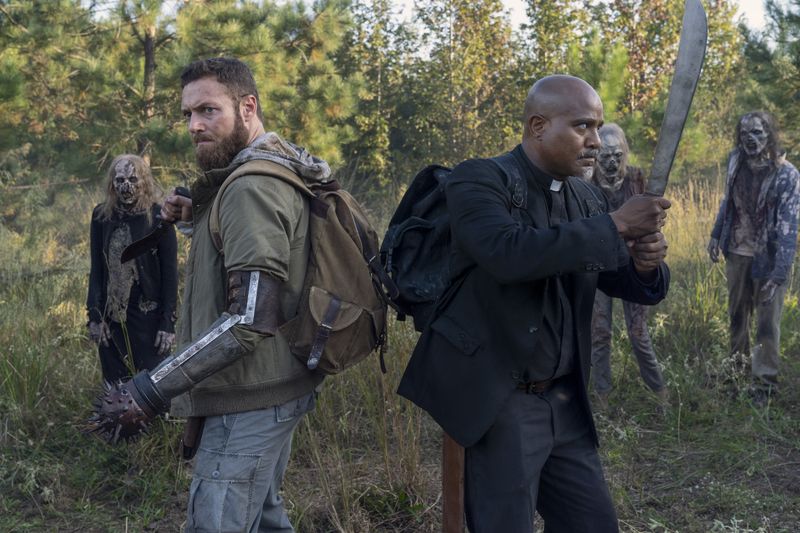
Before it became a sprawling franchise, The Walking Dead’s early seasons delivered raw, unflinching horror about survival’s cost. Sheriff Rick Grimes awakens from a coma to find civilization collapsed and the dead walking—but the true terror emerges when survivors turn on each other.
The walkers serve mainly as environmental hazards while human antagonists like the Governor and Negan force impossible moral compromises. Characters we grow to love transform gradually into hardened killers, blurring lines between heroes and villains.
Few shows have depicted humanity’s fragility so effectively. The series repeatedly asks: how much of your humanity can you sacrifice to survive before you’re no longer worth saving? That question haunts viewers long after the gore fades from memory.
7. Marianne
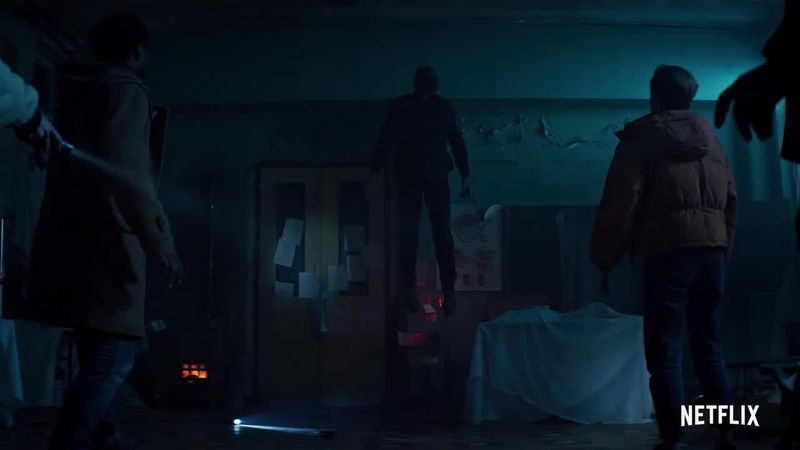
Horror novelist Emma returns to her coastal hometown after discovering her terrifying fictional witch Marianne has begun manifesting in reality. This French gem creates bone-chilling imagery that ambushes viewers when they least expect it—the witch’s smile alone might permanently damage your sleep patterns.
The series excels at building anticipation through sound design and shadow play before delivering genuinely shocking visuals. Victoire Du Bois delivers a raw performance as Emma, whose childhood trauma feeds the entity pursuing her.
What makes Marianne truly unsettling is how it blurs dreams, fiction, and reality. The witch slips between worlds with terrifying ease, making viewers question what’s real even as Emma does the same. Sometimes creating monsters through art invites them into your life.
8. The Haunting of Hill House
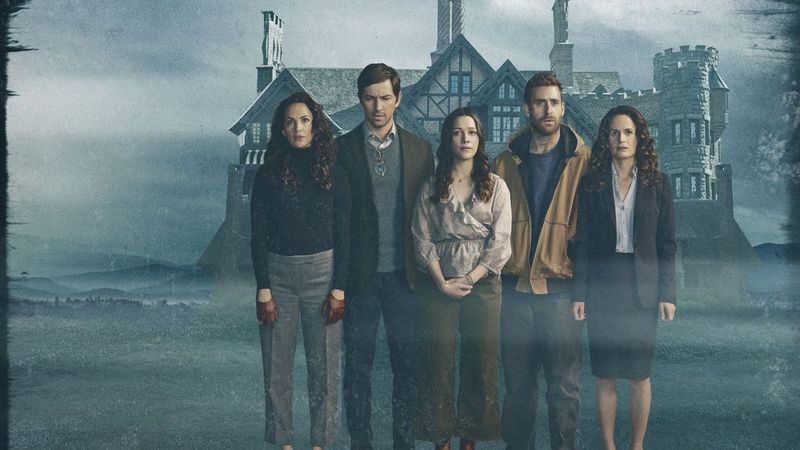
Mike Flanagan’s masterpiece reimagines Shirley Jackson’s classic novel as a dual-timeline family drama where five siblings never recovered from their childhood in America’s most famous haunted house. The ghosts aren’t just supernatural entities but manifestations of grief, addiction, and unresolved pain.
The show’s technical brilliance includes hidden ghosts lurking in backgrounds and the jaw-dropping sixth episode filmed in apparent single takes. Each sibling represents a stage of grief, creating a psychological framework that elevates the supernatural elements.
Most devastating is how Hill House explores the inheritance of trauma across generations. The Crain family discovers you can leave the haunted house, but its ghosts follow you forever—a perfect metaphor for how childhood wounds shape our adult lives.
9. Black Mirror

Charlie Brooker’s anthology series holds up a distorted mirror to our technology-obsessed society, showing how our devices might satisfy our worst impulses. From social media dystopias to consciousness trapped in machines, each episode presents a plausible near-future where innovation has outpaced our ethical frameworks.
Episodes like “White Christmas” and “Black Museum” weave multiple nightmarish scenarios together, while “USS Callister” reimagines digital imprisonment through Star Trek pastiche. The series excels at making viewers complicit in its horrors—we recognize our own behaviors in these cautionary tales.
What makes Black Mirror uniquely disturbing is its proximity to reality. Many episodes feel just a few software updates away from our current world, forcing uncomfortable questions about where our relationship with technology is heading.
10. Midnight Mass
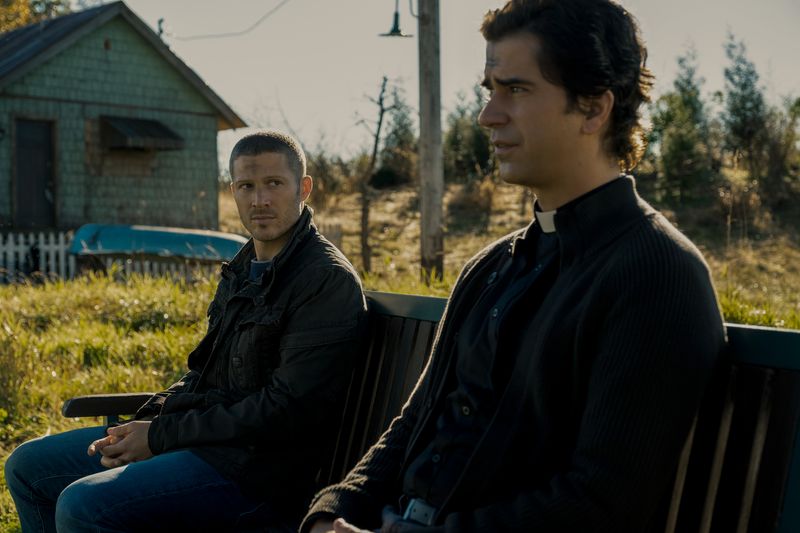
A charismatic young priest arrives on an isolated island community bearing miraculous gifts—but something unholy lurks behind his blessings. Mike Flanagan’s deeply personal exploration of Catholic faith creates horror from religious devotion taken to extremes.
The series builds slowly through philosophical monologues about death, addiction, and redemption before unleashing truly shocking violence. Hamish Linklater’s performance as Father Paul stands among television’s most complex villains—a man doing monstrous things from genuine love and faith.
Most disturbing is how the show portrays mass delusion, as an entire community rationalizes increasingly horrific events as divine will. The scariest monster isn’t the supernatural entity but humanity’s capacity for self-deception when promised eternal life. Religious horror rarely cuts this deep.
11. Channel Zero
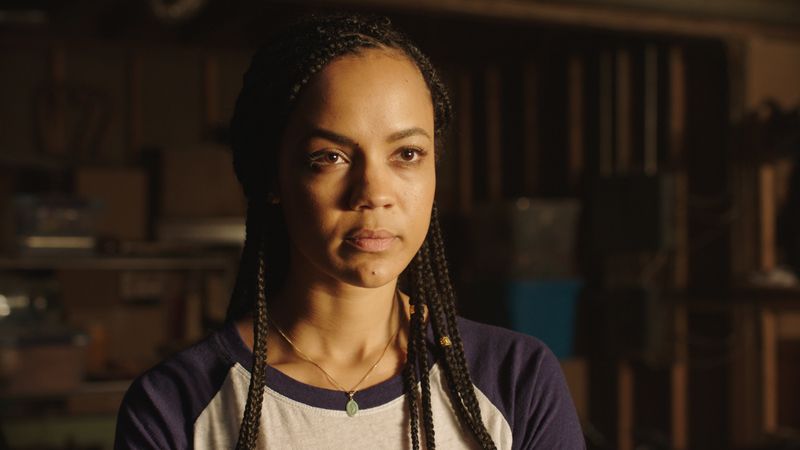
Before creepypastas became mainstream, this anthology series transformed internet horror stories into visually distinctive nightmares. Each season tackles a different online tale, from the child-stealing Candle Cove TV show to the No-End House that changes anyone who enters it.
The series specializes in unforgettable imagery: a monster made entirely of human teeth, a faceless family in matching outfits, or a staircase that descends forever. Unlike most horror shows, Channel Zero embraces dream logic over explanation, creating a disorienting experience similar to night terrors.
What makes the show uniquely effective is its understanding of how modern folklore spreads online. These urban legends feel authentic because they tap into collective anxieties about technology, childhood, and reality itself—fears we’ve all shared through internet connections.
12. Hannibal
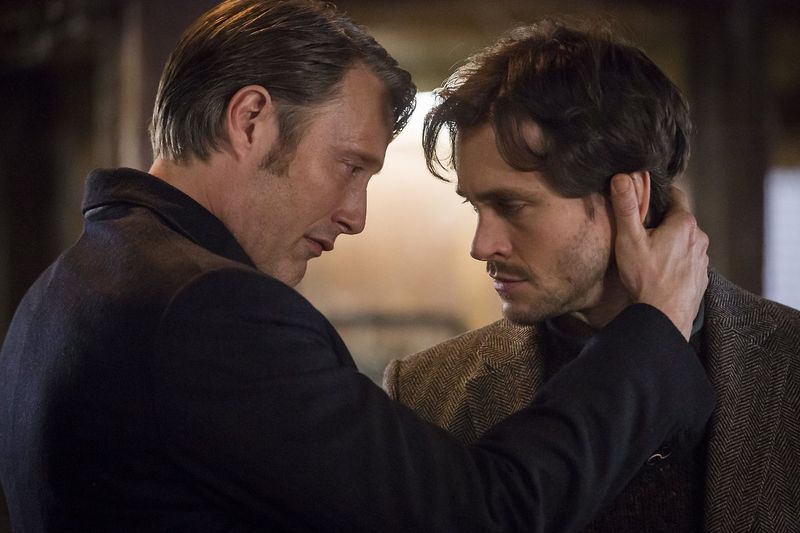
Bryan Fuller’s reimagining of Thomas Harris’s infamous cannibal elevates serial killer tropes into operatic art. Mads Mikkelsen’s Hannibal Lecter is refined elegance concealing primal hunger, while Hugh Dancy’s Will Graham unravels as he recognizes his own darkness.
The show transforms murder into macabre art installations, with bodies arranged as angels, cellos, or museum pieces. Food photography has never been more unsettling—exquisite culinary creations filmed so lovingly you momentarily forget they contain human organs.
Most disturbing is the seductive relationship between predator and prey. Hannibal and Will’s complex bond blurs lines between love, manipulation, and destruction. The series asks: if someone sees your darkest self and loves you anyway, wouldn’t you be drawn to them—even knowing they’ll destroy you?
Comments
Loading…