
 Jade Reed
12 Best Mind-Bending Psychological Thriller Series From the Past Decade
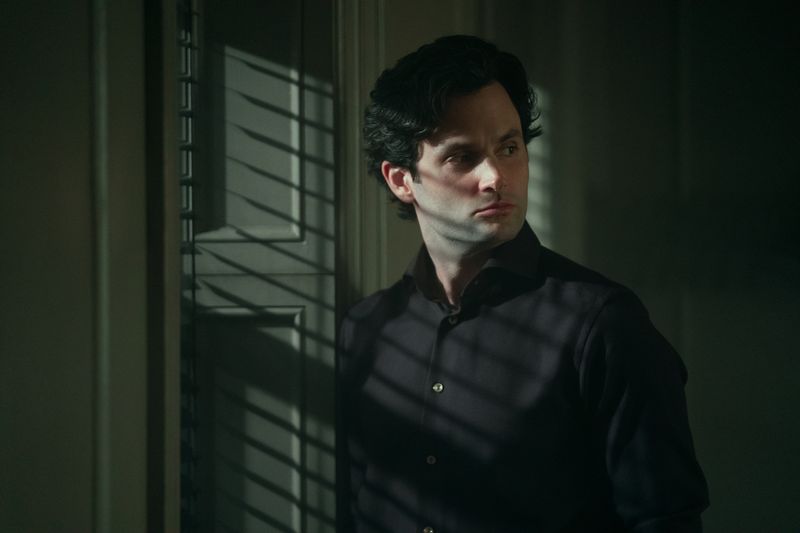
The past decade has given us some truly unforgettable television that messes with your mind in the best possible way.
These psychological thrillers don’t just entertain—they challenge how you see reality, trust, and human nature itself.
From twisted mysteries to unsettling character studies, these shows prove that the scariest monsters often live inside our own heads.
Get ready to question everything you think you know.
1. The Stranger (2020)
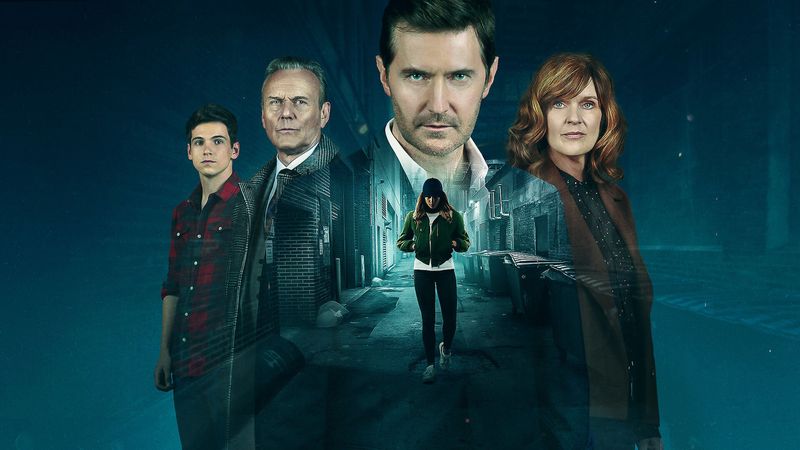
A mysterious stranger approaches people with devastating secrets about their lives, turning ordinary existence upside down.
Based on Harlan Coben’s gripping novel, this British series starts with one shocking revelation that creates a domino effect of paranoia and fear.
Adam Price’s perfect life crumbles when the stranger tells him his wife faked a pregnancy years ago.
What follows is a twisting investigation that uncovers buried lies in a seemingly peaceful community.
Every character hides something dark, and trust becomes impossible as the layers peel back.
The tension builds relentlessly across eight episodes, keeping you guessing until the final moments reveal connections you never saw coming.
2. Servant (2019–2023)
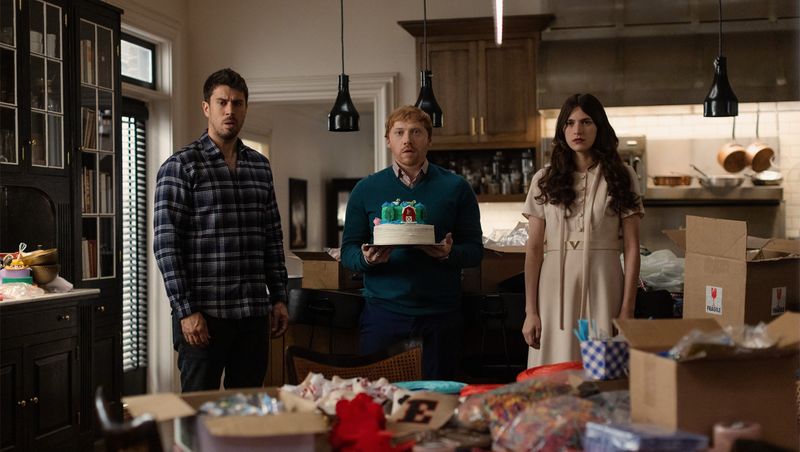
When a wealthy Philadelphia couple loses their infant son, they cope using a lifelike therapy doll—until a mysterious nanny arrives and the doll seemingly comes to life.
M. Night Shyamalan produces this deeply unsettling series that traps viewers inside a single brownstone filled with secrets.
Dorothy and Sean Turner’s grief takes bizarre turns as Leanne, the young nanny, brings strange energy into their home.
Reality bends in disturbing ways, leaving you questioning what’s supernatural and what’s psychological breakdown.
The claustrophobic setting intensifies every moment of dread.
Symbolism lurks in every frame, from rotting food to religious imagery, creating an atmosphere where nothing feels safe or certain.
3. The Outsider (2020)

A beloved Little League coach gets arrested for a brutal child murder, but the evidence creates an impossible puzzle—he has an airtight alibi proving he was somewhere else.
Stephen King’s novel comes to life as detective Ralph Anderson faces facts that defy logic and reason.
Forensic evidence puts Terry Maitland at the crime scene, yet security footage shows him at a conference miles away simultaneously.
As the investigation deepens, rational explanations crumble and something far more terrifying emerges.
The series masterfully blends police procedural with supernatural horror.
Grief-stricken characters must confront their beliefs about reality itself when an ancient evil reveals its presence in their small town.
4. Mr. Mercedes (2017–2019)

Retired detective Bill Hodges receives a taunting letter from the mass murderer who drove a Mercedes into a crowd of job seekers years earlier.
What starts as one man’s obsession becomes a dangerous game of psychological warfare between hunter and hunted.
The killer, Brady Hartsfield, isn’t your typical villain—he’s disturbingly intelligent and hides behind a mask of normalcy.
Their twisted connection deepens as Brady manipulates vulnerable people while Hodges races to stop him.
Stephen King’s trilogy adaptation focuses on mental games rather than action sequences.
The series explores how obsession consumes both detective and criminal, blurring the line between justice and personal vendetta in chilling ways.
5. You (2018–2024)

Ever wondered what goes through a stalker’s mind?
Joe Goldberg narrates his own disturbing story, making you uncomfortably sympathize with a murderer who believes he’s the hero of a romantic tale.
Working in a New York bookstore, Joe falls for aspiring writer Beck and uses social media to learn everything about her.
His internal monologue justifies increasingly dangerous behavior as love, revealing how narcissists rationalize violence.
The genius lies in the perspective—you’re trapped inside Joe’s twisted thoughts, seeing his victims through his distorted lens.
Each season introduces new obsessions and locations, but the psychological horror of his self-deception remains constant and deeply unsettling.
6. Dark Winds (2022– )

Set on a Navajo reservation in 1971, Lieutenant Joe Leaphorn investigates crimes that reveal deeper conspiracies affecting his community.
This atmospheric thriller combines traditional detective work with cultural identity and historical tension unique to Native American experiences.
When a double murder connects to a separate case of missing explosives, Leaphorn partners with Jim Chee to untangle a web of corruption.
The crimes expose conflicts between tribal authority, federal government, and outside corporate interests.
Beyond the mystery, the series explores what it means to protect your people while navigating two worlds.
The psychological weight of identity, loyalty, and justice adds layers that most crime shows never touch.
7. Homecoming (2018–2020)
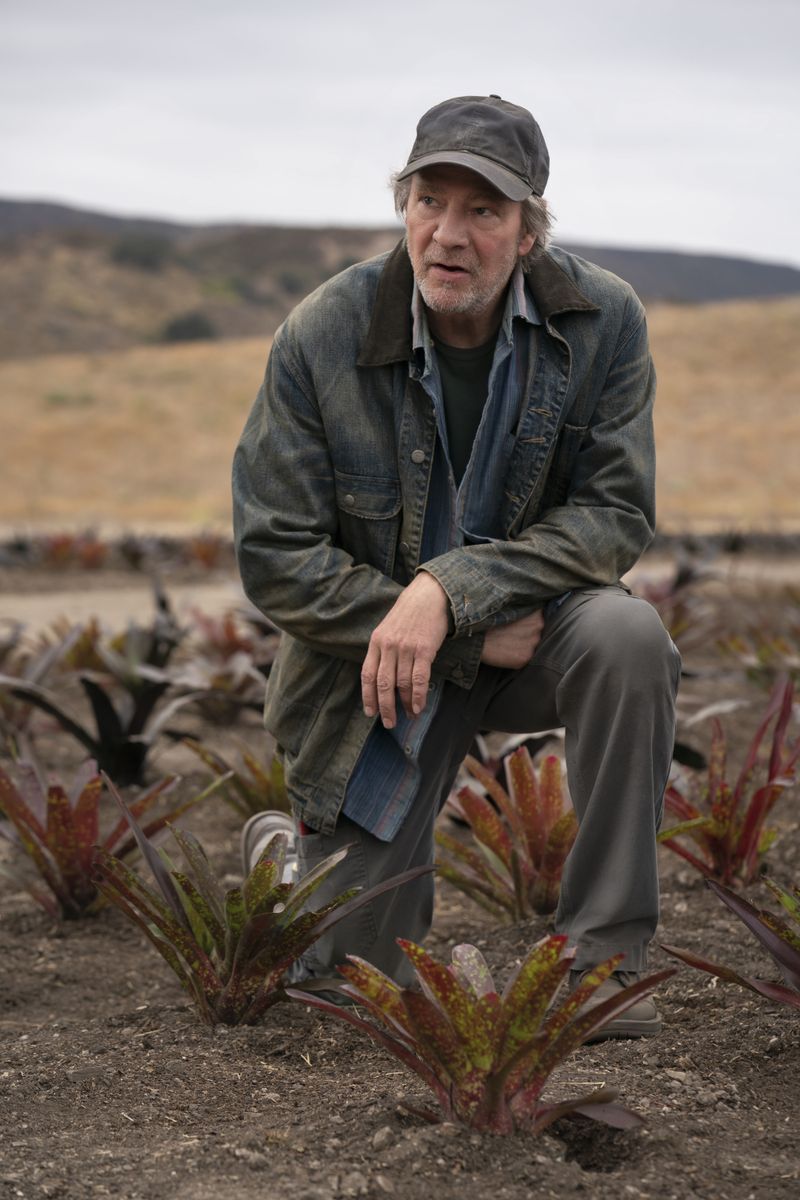
Heidi Bergman works at a facility helping soldiers transition to civilian life—or so she believes.
Years later, she’s a waitress with huge gaps in her memory about what really happened at Homecoming.
The show uses split-screen storytelling and shifting aspect ratios to mirror Heidi’s fractured recollections.
As she pieces together the truth, a sinister corporate experiment emerges involving memory manipulation and pharmaceutical control.
Julia Roberts leads this adaptation of a popular podcast with chilling restraint.
The conspiracy unfolds slowly, revealing how institutions exploit vulnerable people while erasing evidence of their crimes.
Trust nobody, remember nothing—that’s the terrifying reality Heidi must escape.
8. Ripley (2024)

Tom Ripley arrives in Italy to convince a wealthy man’s son to return home, but he has other plans involving deception, murder, and stolen identity.
Patricia Highsmith’s iconic character gets a stark black-and-white treatment that emphasizes moral darkness.
The series takes its time showing Tom’s transformation from struggling con artist to sophisticated imposter.
Each lie builds on the previous one, creating a suffocating trap of his own making.
Unlike fast-paced thrillers, this adaptation lingers on Tom’s calculating mind and the beauty surrounding his ugly crimes.
The psychological tension comes from watching someone rationalize increasingly terrible choices while maintaining an elegant facade that slowly cracks.
9. Mindhunter (2017–2019)
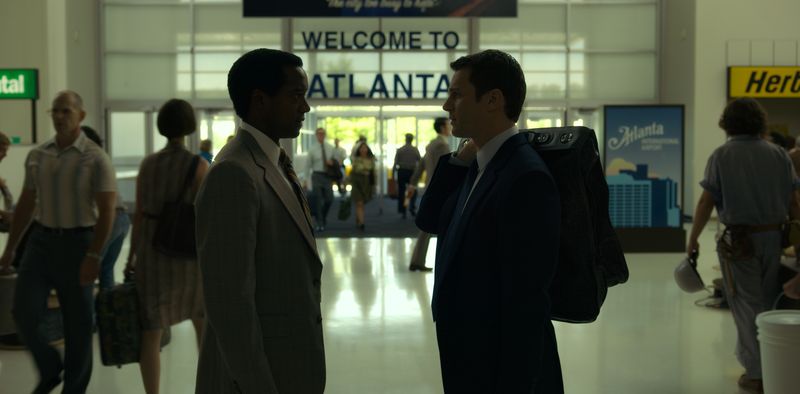
Before criminal profiling became standard, FBI agents Holden Ford and Bill Tench pioneered the practice by interviewing imprisoned serial killers.
David Fincher’s meticulous direction turns conversations into unbearably tense psychological battles.
The agents must enter the minds of monsters like Ed Kemper and BTK to understand what drives them to kill.
These interviews provide disturbing insights that help solve ongoing cases but also corrupt the investigators’ own mental health.
Rather than showing graphic violence, the horror comes from listening to killers calmly explain their twisted logic.
The series asks whether understanding evil requires becoming a bit evil yourself—a question that haunts Holden throughout both seasons.
10. Sharp Objects (2018)

Reporter Camille Preaker returns to her toxic hometown to cover the murders of two young girls, forcing her to confront the family trauma she’s been running from for years.
Amy Adams delivers a devastating performance as a woman whose self-destructive habits reveal deep psychological wounds.
Camille’s alcoholism and self-harm aren’t just character traits—they’re survival mechanisms developed during a childhood dominated by her cold mother and the death of her sister.
The murder investigation becomes secondary to the family horror unfolding inside her mother’s pristine house.
This Southern Gothic thriller builds dread through atmosphere and damaged relationships rather than jump scares.
The final revelation hits like a punch, recontextualizing everything you’ve watched.
11. The Night Of (2016)
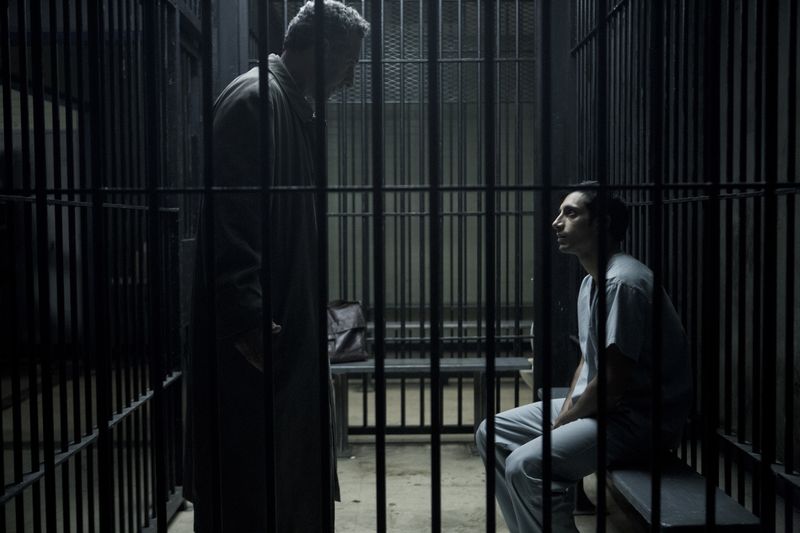
College student Nasir Khan wakes up next to a murdered woman with no memory of what happened, launching a nightmare journey through New York’s criminal justice system.
One terrible night destroys his entire future as evidence mounts against him.
The series doesn’t focus on solving the mystery—it examines how the legal process transforms an innocent person.
Nasir changes from naive student to hardened inmate as months drag by awaiting trial.
Defense attorney John Stone, played brilliantly by John Turturro, fights a system designed to grind people down.
The psychological toll on everyone involved—Nasir, his family, the lawyers, the detectives—reveals how justice often has little to do with truth.
12. The Sinner (2017–2021)

A young mother suddenly stabs a man to death on a crowded beach, but she can’t explain why she did it.
Detective Harry Ambrose specializes in understanding the psychological motivations behind seemingly inexplicable crimes.
Each season presents a new case where the criminal is known from the start—the mystery lies in uncovering what trauma drove them to violence.
Repressed memories, childhood abuse, and buried guilt surface as Ambrose digs deeper into damaged psyches.
Bill Pullman’s detective carries his own darkness, making him uniquely qualified to understand broken people.
The show suggests we’re all capable of terrible things under the right circumstances, a disturbing truth that lingers long after each season ends.
Comments
Loading…