
 Jade Reed
12 ’90s Black Sitcoms That Taught Us More Than Just Laughter
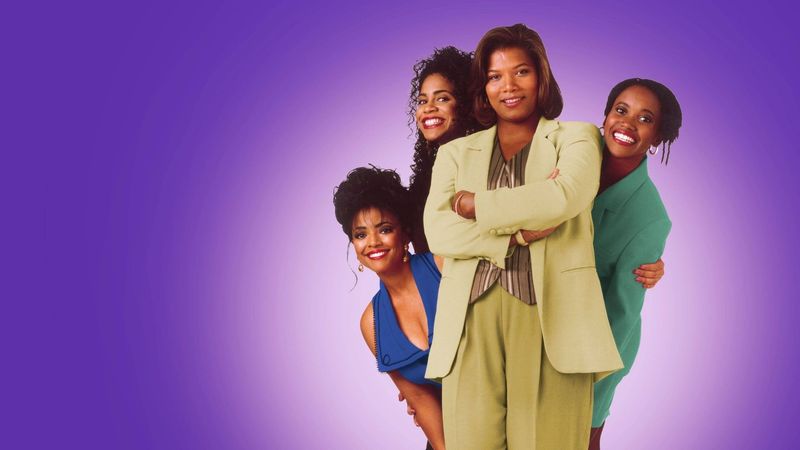
The 1990s gave us some of the most memorable Black sitcoms in television history.
These shows made us laugh until our stomachs hurt, but they did something even more important too.
Behind the jokes and funny moments, they taught valuable lessons about family, identity, racism, and chasing your dreams.
They showed us what it meant to be Black in America while entertaining millions of viewers every week.
1. The Fresh Prince of Bel-Air (1990–1996)
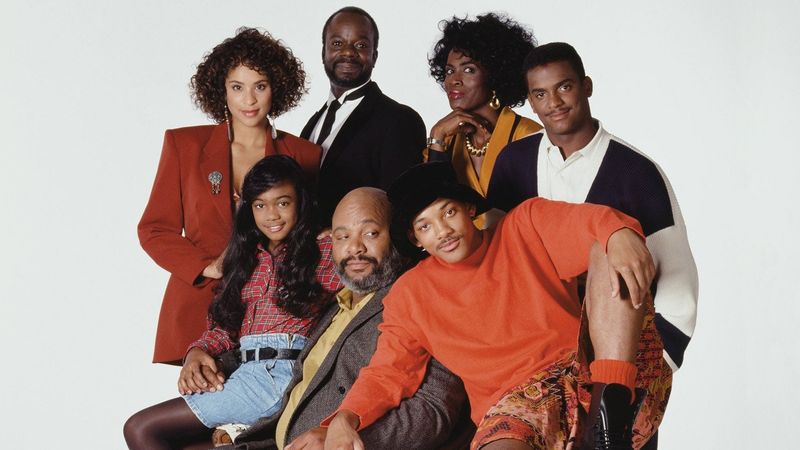
Will Smith brought West Philadelphia cool to the wealthy streets of Bel-Air, creating comedy gold that went way deeper than laughs.
The show fearlessly tackled serious issues like police brutality, colorism, and what happens when different economic classes collide.
Uncle Phil became one of TV’s most respected father figures, showing Black excellence in professional settings.
Meanwhile, Will’s journey taught viewers about code-switching and staying true to yourself while adapting to new environments.
The series redefined what Black sitcoms could accomplish, proving entertainment and education could coexist beautifully.
It gave us unforgettable moments that still resonate today, from Carlton’s dancing to those emotional father-son conversations that made everyone cry.
2. Martin (1992–1997)
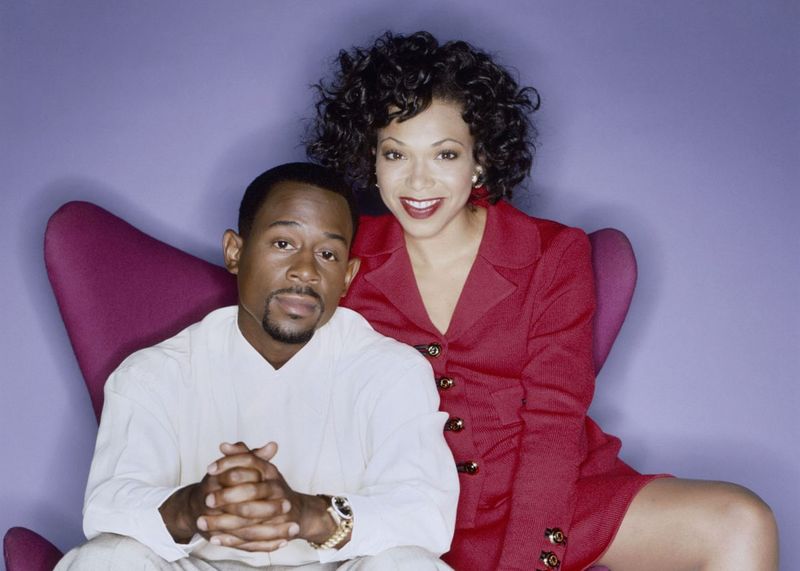
Martin Lawrence created an absolute phenomenon with his loud, hilarious, and unapologetically Black comedy series.
The show featured Martin playing multiple characters, from Sheneneh to Jerome, showcasing incredible comedic range while keeping stories grounded in real relationships.
Beyond the belly laughs, Martin and Gina’s relationship showed healthy Black love navigating everyday challenges.
Arguments about money, jealousy, and communication happened with humor but carried genuine weight and relatability.
The friend group dynamic reflected actual Detroit working-class life, complete with career struggles and apartment living.
Martin’s radio DJ character also highlighted Black media representation and creative entrepreneurship.
The show influenced an entire generation’s sense of humor while addressing ego, masculinity, and partnership with refreshing honesty.
3. Living Single (1993–1998)

This groundbreaking ensemble comedy about four Black women and two men navigating careers, friendship, and romance in Brooklyn was led by Queen Latifah.
The show celebrated Black female independence and ambition years before similar concepts became mainstream television.
Khadijah ran her own magazine, Synclaire pursued acting dreams, Maxine built a law career, and Regine owned her femininity unapologetically.
Each character represented different aspects of Black womanhood without stereotypes or limitations.
The brownstone setting became iconic, representing friendship as chosen family.
Conversations about dating, workplace discrimination, and supporting each other’s goals felt authentic and ahead of their time.
Many credit Living Single as the blueprint for later ensemble comedies, proving Black women’s stories deserved center stage.
4. The Jamie Foxx Show (1996–2001)
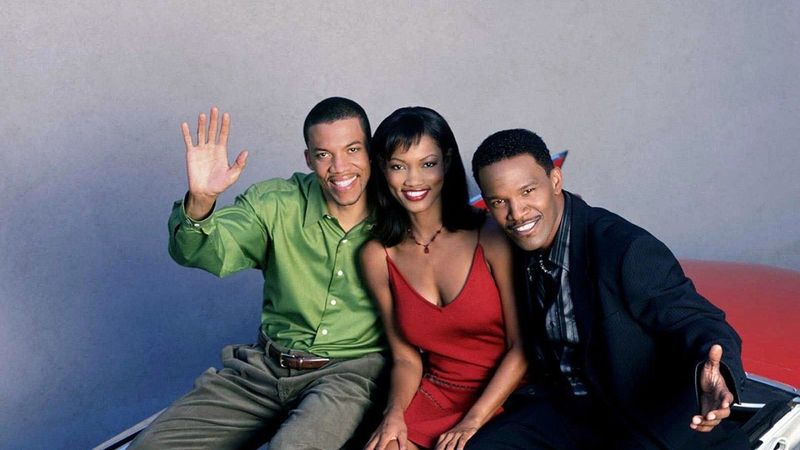
Jamie Foxx’s comedic genius shined as aspiring entertainer Jamie King working at his aunt and uncle’s hotel while chasing stardom.
Physical comedy and musical performances filled every episode, but underneath was a story about persistence and creative hustle.
The show highlighted what it means to work toward dreams without guaranteed success or financial security.
Jamie’s relationship with Fancy showed young Black romance with genuine chemistry and everyday relationship challenges.
His interactions with hotel guests and family members explored themes of responsibility, maturity, and staying humble.
The series never shied away from showing the struggle behind artistic ambition.
It reminded viewers that success takes time, sacrifice, and keeping your sense of humor when things get tough.
5. The Wayans Bros. (1995–1999)

Shawn and Marlon Wayans brought sibling comedy to new heights with their newsstand-based sitcom in Harlem.
The brothers’ contrasting personalities—responsible Shawn versus carefree Marlon—created endless comedic friction that felt authentically brotherly.
Beneath the outrageous jokes and physical comedy lay important themes about family loyalty and working-class ambition.
Running a small business in their neighborhood showed entrepreneurship on a relatable, grassroots level.
Their relationship with Pops highlighted generational differences and respect for elders in Black families.
The show balanced absurd humor with genuine moments about responsibility, growing up, and having each other’s backs no matter what.
Street-smart wisdom mixed with slapstick comedy made every episode entertaining while subtly teaching about brotherhood and community values.
6. Hangin’ with Mr. Cooper (1992–1997)
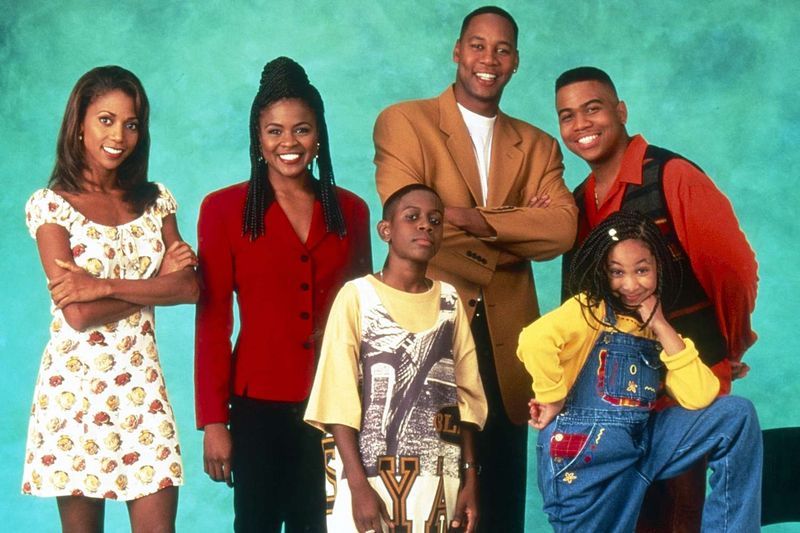
Bringing warmth and humor to stories about education and mentorship, Mark Curry starred as a former NBA player turned substitute teacher.
The show celebrated teachers as community heroes while keeping the comedy light and accessible.
Mr. Cooper’s relationships with students showed genuine care and investment in young people’s futures.
His living situation with friends created a chosen family dynamic that explored adult friendships and shared responsibility.
The series tackled issues like career changes, financial struggles, and finding purpose after dreams shift unexpectedly.
It presented Black men in educational roles as positive, relatable figures.
The classic laugh-track format felt comfortable, but the underlying messages about giving back to your community and being a positive role model resonated deeply with audiences seeking feel-good television.
7. Sister, Sister (1994–1999)
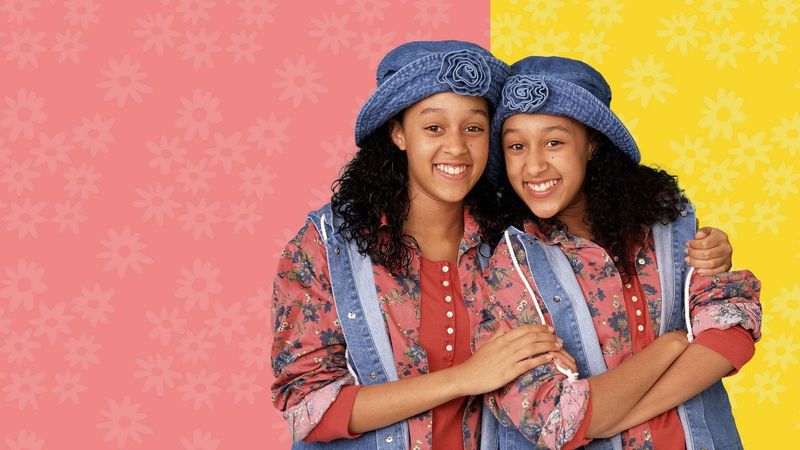
Tia and Tamera Mowry played twins separated at birth who accidentally reunite as teenagers, creating comedy from their opposite personalities and shared biology.
The premise allowed exploration of adoption, identity, and nature versus nurture through an entertaining lens.
Both girls navigated typical teenage challenges while processing their unique family situation with humor and heart.
The show addressed colorism, dating as young Black women, and finding your individual identity even when you look identical to someone else.
Ray and Lisa’s parenting styles represented different approaches to raising Black children with love and discipline.
The series never talked down to its young audience, treating teen concerns with respect.
It showed that family isn’t just about blood—it’s about love, commitment, and showing up for each other.
8. Kenan & Kel (1996–2000)
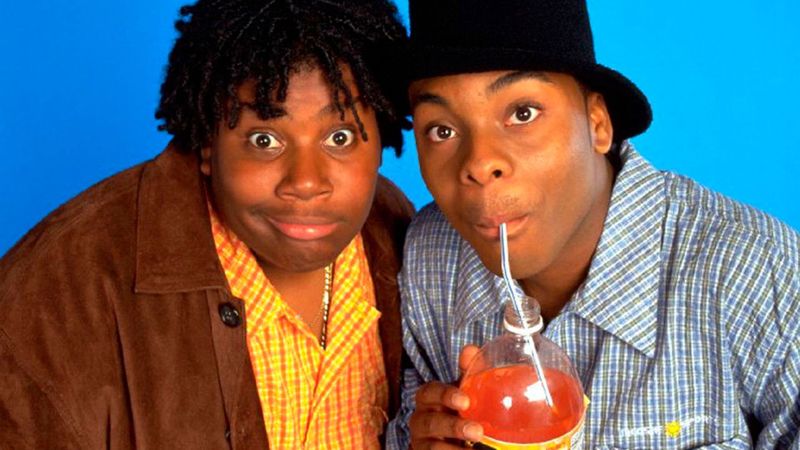
Delivering laughs through ridiculous schemes and Kel’s orange soda obsession, Kenan Thompson and Kel Mitchell created absurd comedy magic at a Chicago grocery store.
While the humor leaned silly, the friendship between the two boys modeled loyalty and accountability.
Every harebrained plan taught subtle lessons about consequences, problem-solving, and owning your mistakes.
The show respected its young audience by making them laugh while sneaking in messages about honesty and friendship.
Kenan’s family provided grounding, showing a stable Black household with working parents and normal sibling dynamics.
The Rigby’s store became a community hub where diverse characters interacted positively.
Though aimed at kids, the show’s heart—two friends navigating life’s chaos together—resonated across ages, proving silly comedy could still carry meaningful themes.
9. Family Matters (1989–1998)
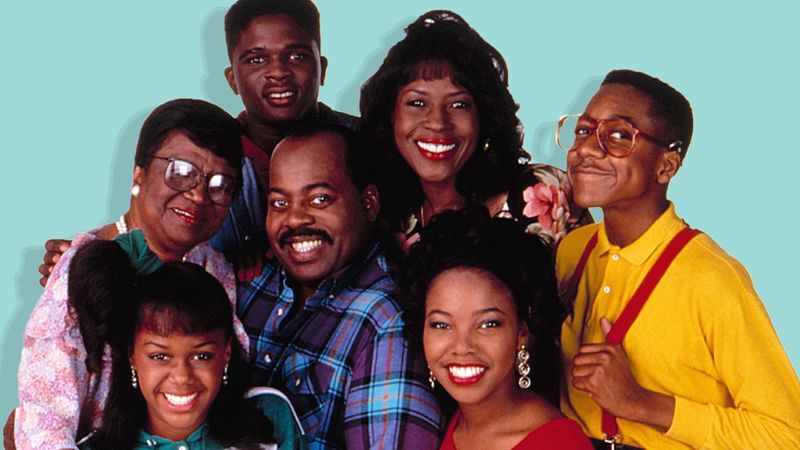
Steve Urkel became a cultural icon, but Family Matters offered so much more than catchphrases and suspenders.
The Winslow family represented middle-class Black excellence with Carl as a Chicago police officer and Harriette as a strong matriarch.
The series tackled police brutality, gang violence, and racial profiling through Carl’s perspective as a Black cop.
Family unity remained central, showing how love and communication help families weather any storm.
Steve’s transformation storylines explored self-acceptance and staying true to yourself despite pressure to change.
Laura’s character development showed young Black women navigating education, relationships, and personal ambitions.
The show balanced wacky sci-fi plots with grounded family drama, proving sitcoms could entertain while addressing serious social issues affecting Black communities nationwide.
10. Moesha (1996–2001)

Brandy Norwood starred as Moesha Mitchell, giving voice to Black teenage girls navigating high school, family, and identity in Los Angeles.
The coming-of-age comedy didn’t sugarcoat adolescence—it showed real struggles with peer pressure, dating, and self-discovery.
Moesha’s relationship with her stepmother explored blended family tensions with nuance and eventual understanding.
Her friendships represented different aspects of Black girlhood, from academic achievers to rebellious spirits.
The show addressed serious topics like teen pregnancy, college preparation, and colorism within the Black community.
Moesha’s voice—literally through narration and figuratively through her perspective—centered young Black women’s experiences authentically.
It proved teen sitcoms could be funny while respecting their audience’s intelligence and real-world concerns, paving the way for future youth-focused programming.
11. In the House (1995–1999)
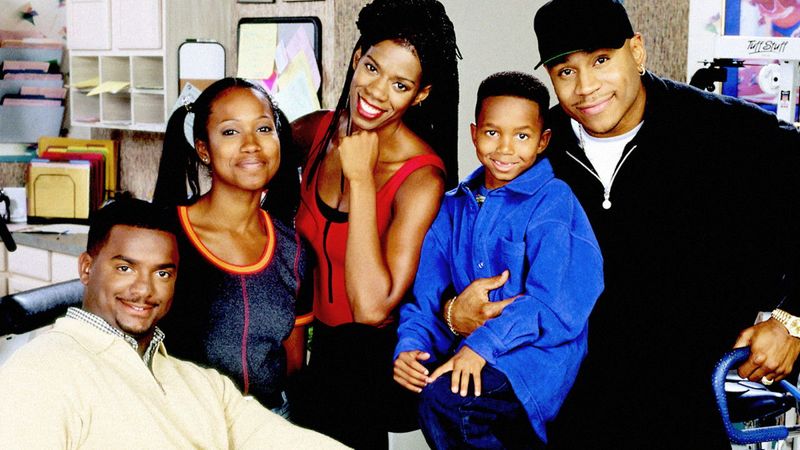
Former NFL star LL Cool J played Marion Hill, a retired athlete who rents out rooms in his mansion after financial troubles.
The blended-family setup created opportunities to explore parenting, discipline, and second chances with sports culture as backdrop.
Marion’s relationships with his tenants, especially single mother Jackie and her kids, showed men stepping into father figures roles with care and humor.
The show didn’t shy from conversations about financial responsibility and life after professional sports.
Themes of masculinity, vulnerability, and redefining success after setbacks ran throughout the series.
It presented Black men as multidimensional—tough but tender, athletic but intellectual.
The comedy stayed light while addressing real issues facing blended families, including boundaries, respect, and building trust when circumstances force strangers to become family.
12. The Parent ‘Hood (1995–1999)
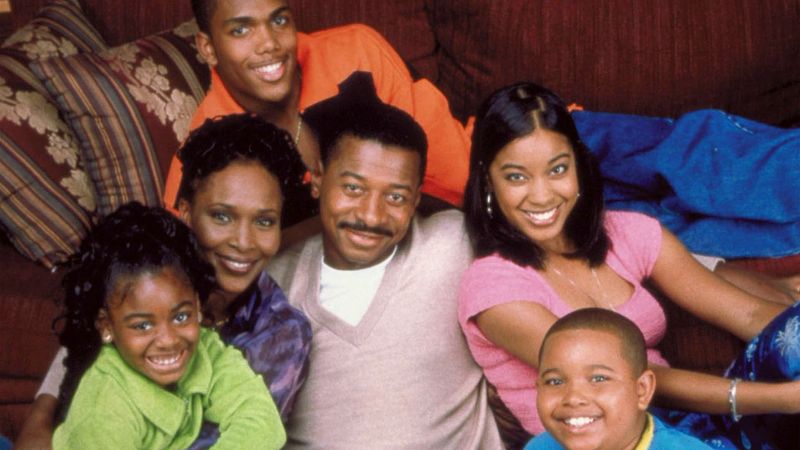
Robert Townsend created this family-centric sitcom based on his own experiences as a father and artist.
Professor Robert Peterson and his wife Jerri raised four kids while balancing careers, marriage, and the everyday chaos of parenting.
The show leaned into realistic parenting challenges—discipline, communication, and teaching values—with wit and warmth.
Conversations about generational differences and maintaining cultural identity in modern America happened naturally through family interactions.
Robert’s work as a college professor brought educational themes and intellectual discussions into the household.
The series showed Black families as multidimensional, dealing with universal parenting issues while navigating specific cultural experiences.
It emphasized that strong marriages and involved parenting create foundations for successful families, mixing humor with genuine wisdom about raising children with love and structure.
Comments
Loading…