
 Jade Reed
12 ’70s Stars Who Defined Cool Before Social Media Existed
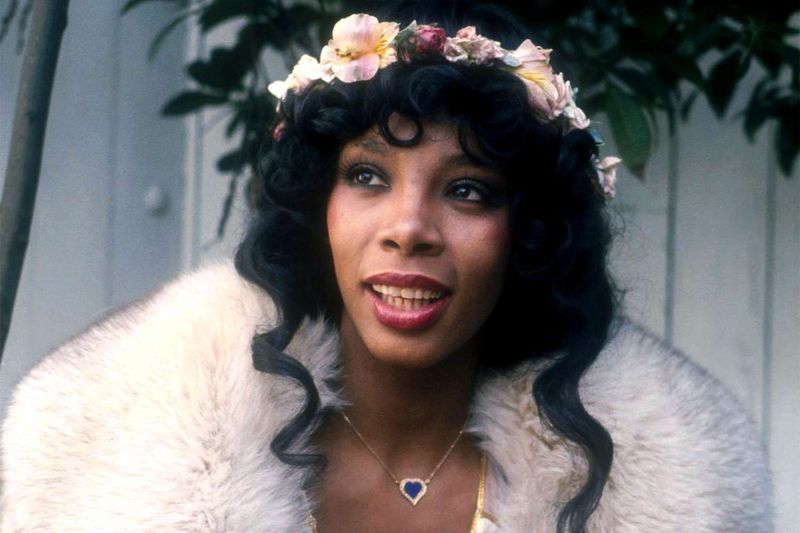
Long before Instagram filters and viral TikTok dances, a special group of entertainers captured the world’s attention with pure talent and undeniable charisma.
The 1970s gave us icons who shaped music, movies, fashion, and culture without needing a single tweet or post.
These stars became legends through their creativity, confidence, and ability to connect with millions of fans in ways that still inspire us today.
1. David Bowie
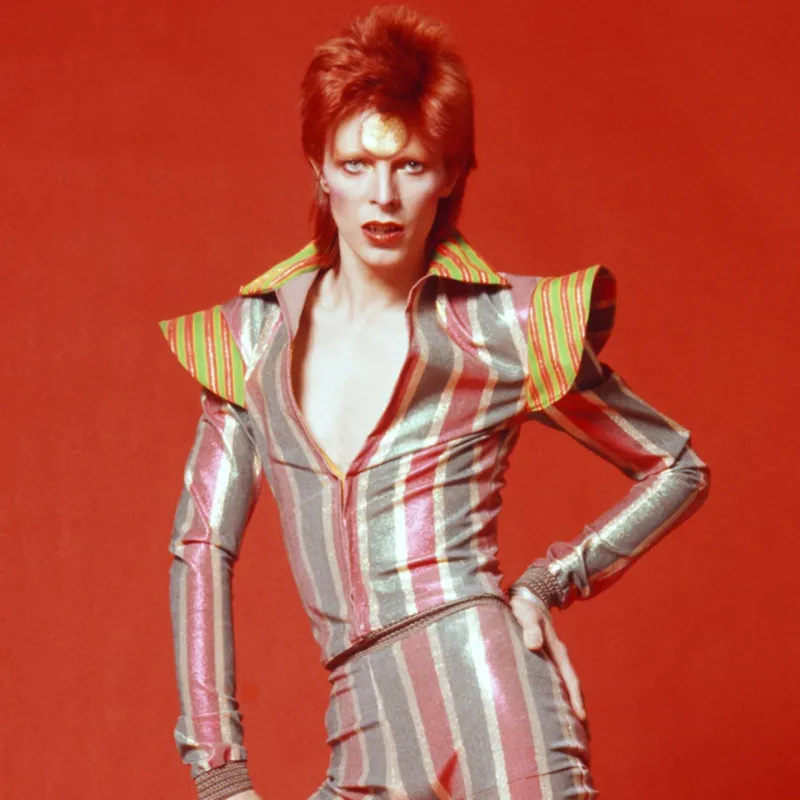
Few artists have transformed themselves as boldly as Bowie did during the 1970s.
His creation of Ziggy Stardust, an alien rock star persona, challenged everything people thought music could be.
With lightning bolt makeup and platform boots, he brought theater to rock concerts.
Glam rock wouldn’t exist without his fearless experimentation with gender expression and visual storytelling.
His albums from this decade remain some of the most influential records ever made.
Bowie showed that reinventing yourself wasn’t just okay—it was art.
His impact stretched far beyond music into fashion, film, and cultural attitudes about identity and self-expression.
2. Stevie Wonder
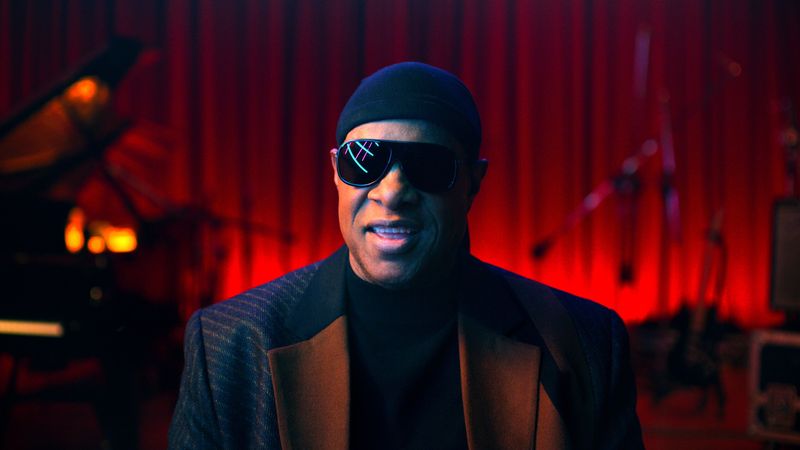
Stevie Wonder released five consecutive masterpiece albums during the ’70s, each one pushing musical boundaries.
Songs like “Superstition” and “Sir Duke” blended funk, soul, and jazz in ways nobody had heard before.
His lyrics tackled love, social justice, and hope with equal brilliance.
He won multiple Grammy Awards and proved that blind musicians could control every aspect of their creative vision.
Wonder played most instruments on his records himself, showcasing incredible talent.
His synthesizer work helped shape the sound of modern pop music.
Today’s artists still study his ’70s catalog to learn about songwriting genius.
3. Donna Summer
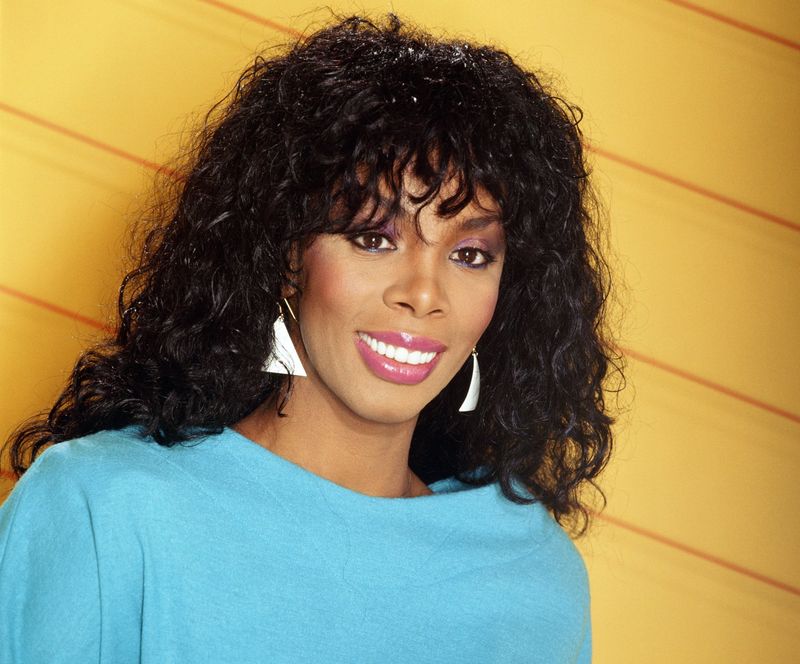
Donna Summer’s voice could make any song a hit, but she chose disco and changed music history.
Her collaboration with producer Giorgio Moroder created the electronic dance music blueprint we still use today.
Songs like “I Feel Love” and “Hot Stuff” dominated radio and dance floors worldwide.
She won five Grammy Awards during the decade and had more chart-topping hits than most artists dream of.
Her powerful vocals brought sophistication to disco when critics dismissed it as simple party music.
Summer proved that dance music could be both fun and artistically ambitious.
Her influence on club culture remains essential to understanding the ’70s.
4. Elton John
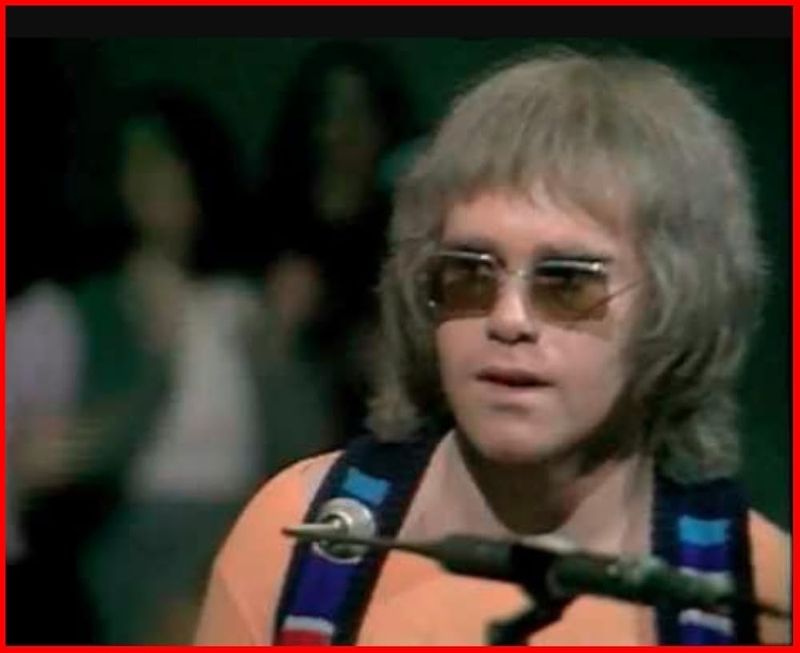
Nobody wore platform shoes and feathered costumes quite like Elton John.
His outrageous outfits matched the emotional power of songs like “Rocket Man” and “Tiny Dancer.”
He turned piano playing into a visual spectacle that rivaled any rock guitarist.
Elton sold over 100 million records during the ’70s, making him one of the best-selling artists in history.
His partnership with lyricist Bernie Taupin created timeless classics that still play on radio today.
Beyond music, his fashion choices inspired people to express themselves boldly.
He proved that being different and theatrical could make you a superstar, not an outcast.
5. Cher
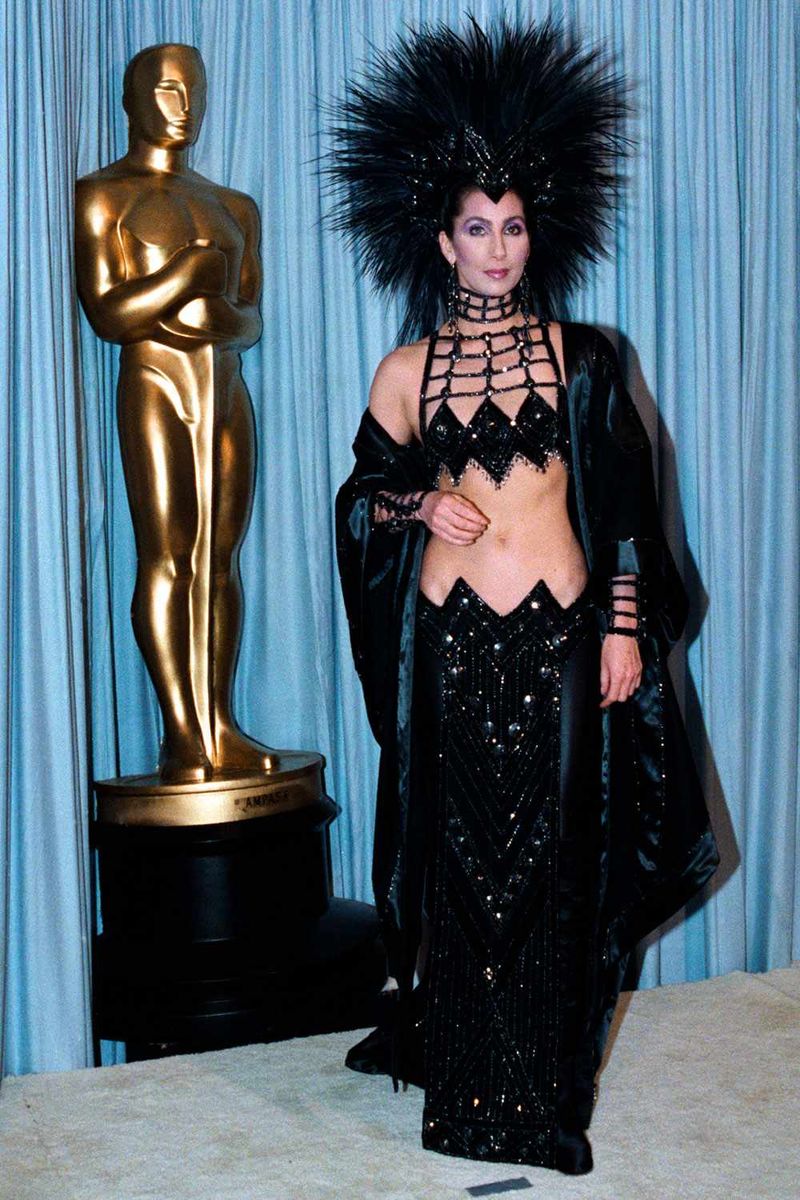
Cher’s Bob Mackie gowns were so daring that people still talk about them today.
She hosted a variety show where her costume changes became as famous as her singing.
With her deep voice and confidence, she challenged traditional ideas about how female entertainers should look and act.
Her solo music career took off during this decade with hits that showcased her versatility.
Cher wasn’t afraid to take risks, whether in fashion, music genres, or career choices.
She showed that reinvention kept you relevant and interesting.
Her fearless approach to style made her a lasting icon beyond just the ’70s.
6. Farrah Fawcett
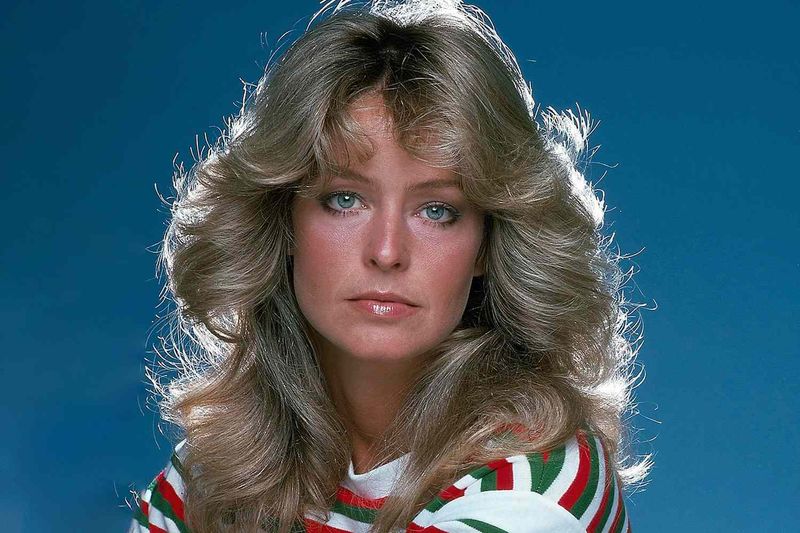
That famous poster of Farrah in a red swimsuit sold over 12 million copies, making it one of the best-selling posters of all time.
Her role in Charlie’s Angels turned her into an overnight sensation.
Women everywhere rushed to salons asking for “The Farrah” hairstyle.
Her feathered layers and sun-kissed blonde hair became the beauty standard of an entire decade.
Beyond her looks, she brought warmth and charm to the screen that made her relatable.
Farrah represented the all-American girl next door with star power.
Her influence on ’70s fashion and beauty trends remains unmatched even decades later.
7. Debbie Harry
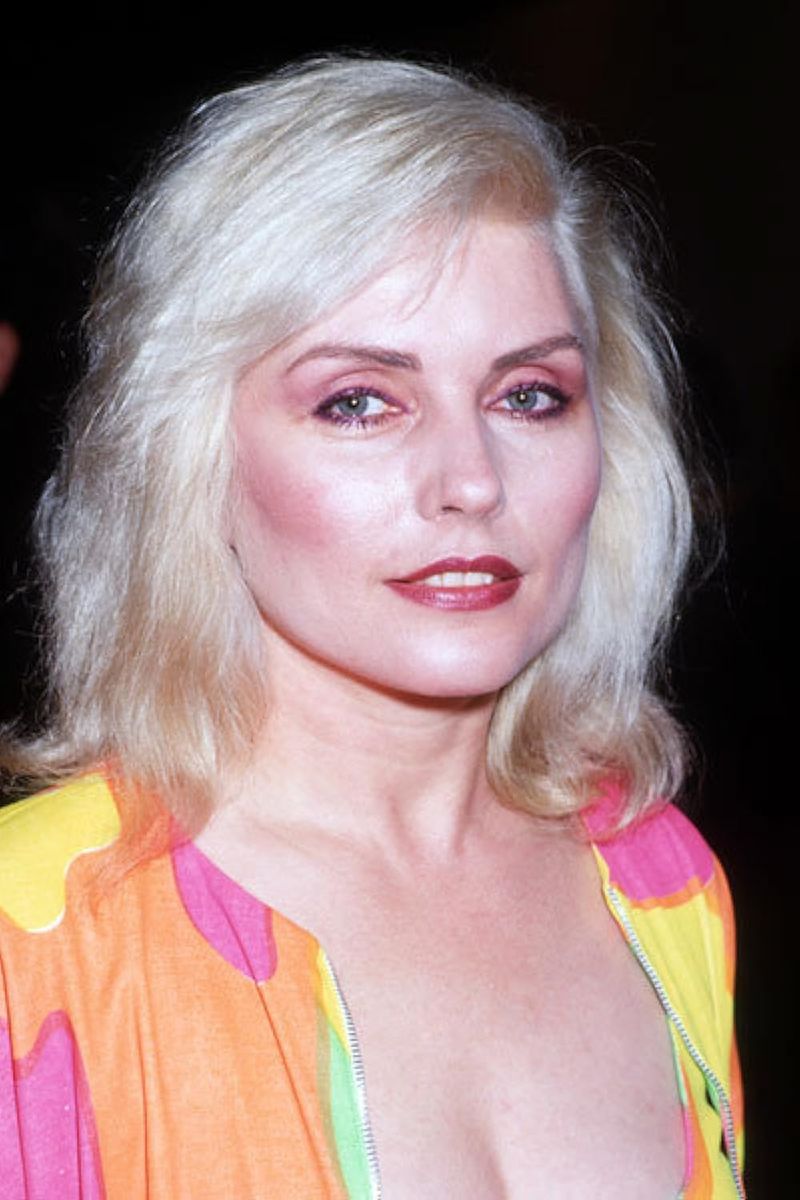
Debbie Harry brought New York City’s underground punk scene to the mainstream without losing any edge.
As Blondie’s lead singer, she combined rock attitude with pop melodies that got radio play.
Her platinum blonde hair and cool detachment made her the opposite of typical female pop stars.
Songs like “Heart of Glass” proved that punk musicians could make dance hits too.
Harry’s fashion sense mixed thrift store finds with high fashion in ways that influenced designers.
She represented downtown cool that suburban kids wanted to copy.
Her impact on new wave music and alternative fashion made her a bridge between punk and pop culture.
8. Muhammad Ali
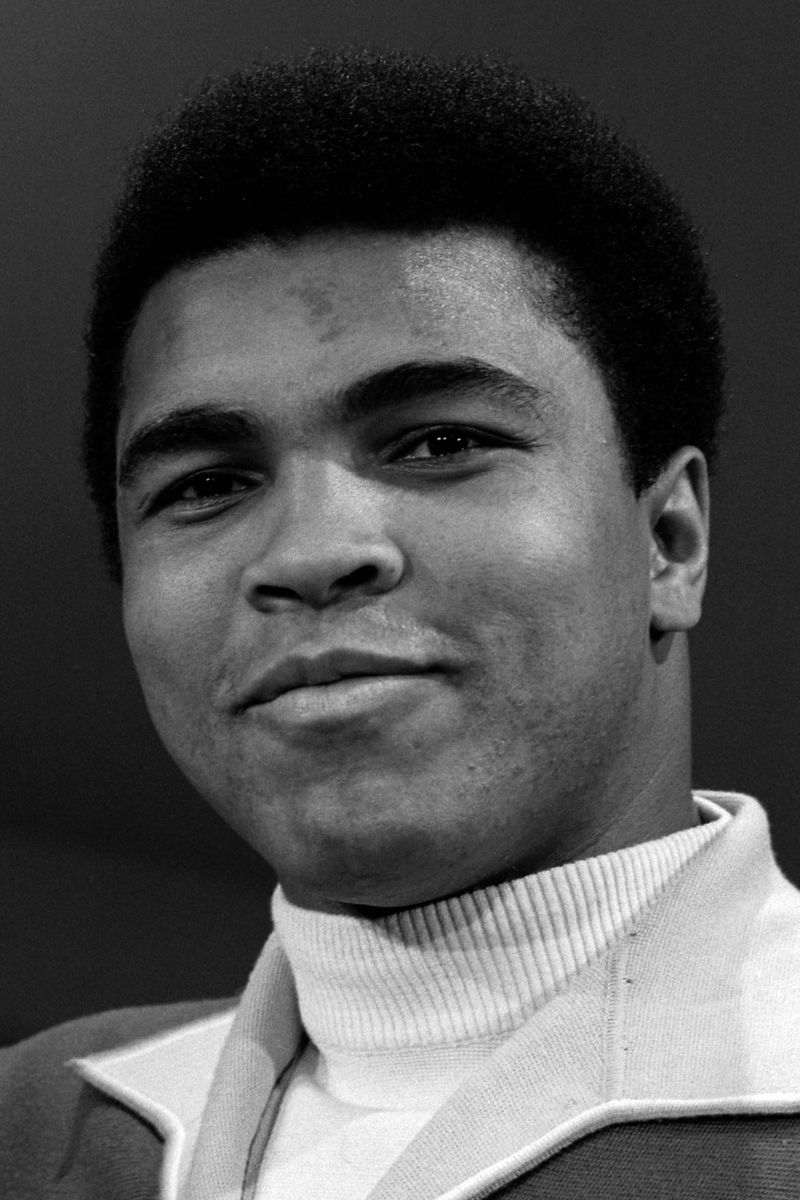
Muhammad Ali wasn’t just a boxer—he was a poet, activist, and cultural revolutionary.
His quick wit and clever rhymes made press conferences as entertaining as his fights.
Ali spoke out against injustice even when it cost him his boxing titles and endorsements.
His confidence bordered on arrogance, but he backed up every boast with incredible athletic skill.
The way he moved, talked, and carried himself influenced athletes, entertainers, and activists alike.
Ali showed that being cool meant standing up for your beliefs regardless of consequences.
His impact on sports, civil rights, and popular culture made him one of the most important figures of the entire decade.
9. Diana Ross
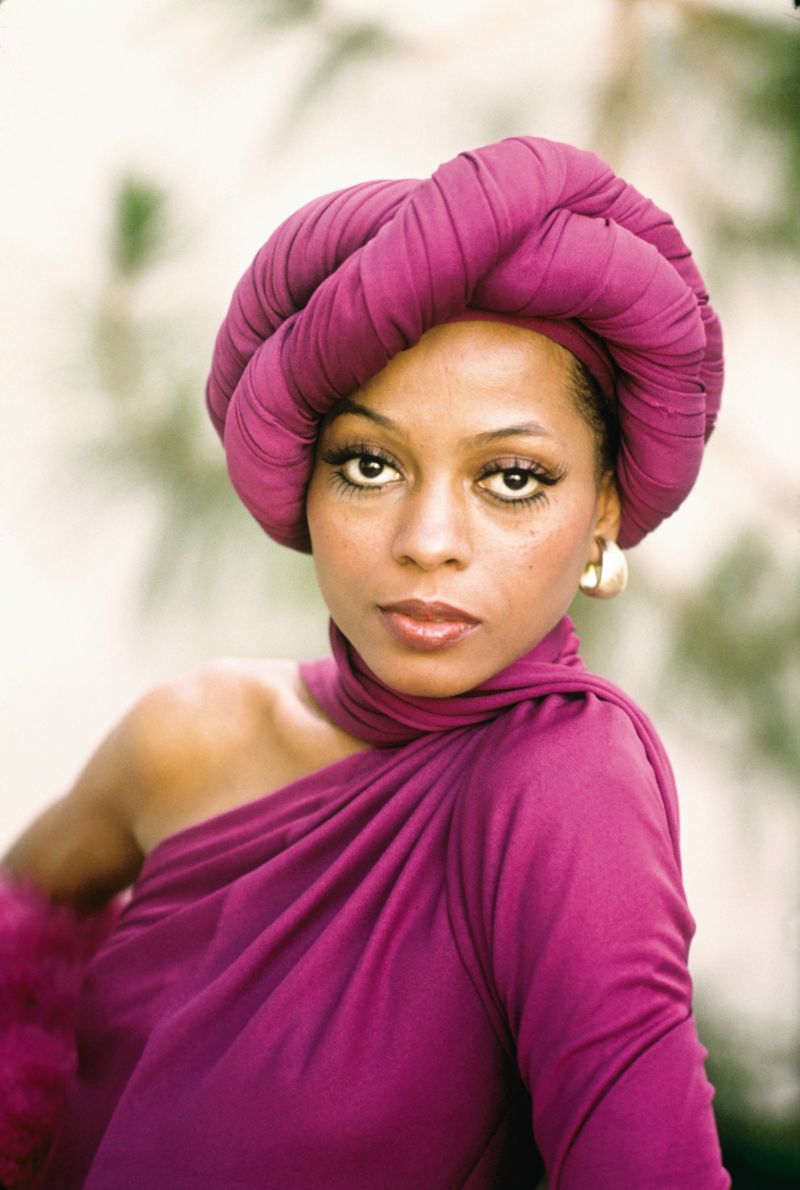
After leaving The Supremes, Diana Ross could have faded away.
Instead, she became even bigger as a solo artist.
Her voice brought emotion to every ballad and energy to every upbeat track.
Ross starred in major films like Lady Sings the Blues, earning an Oscar nomination for her acting.
Her glamorous image set standards for elegance and sophistication in entertainment.
She represented crossover success, appealing to audiences across different backgrounds and musical tastes.
Diana’s ability to command attention on stage and screen made her one of the most respected entertainers.
Her influence on fashion, music, and performance style defined ’70s excellence.
10. Pam Grier
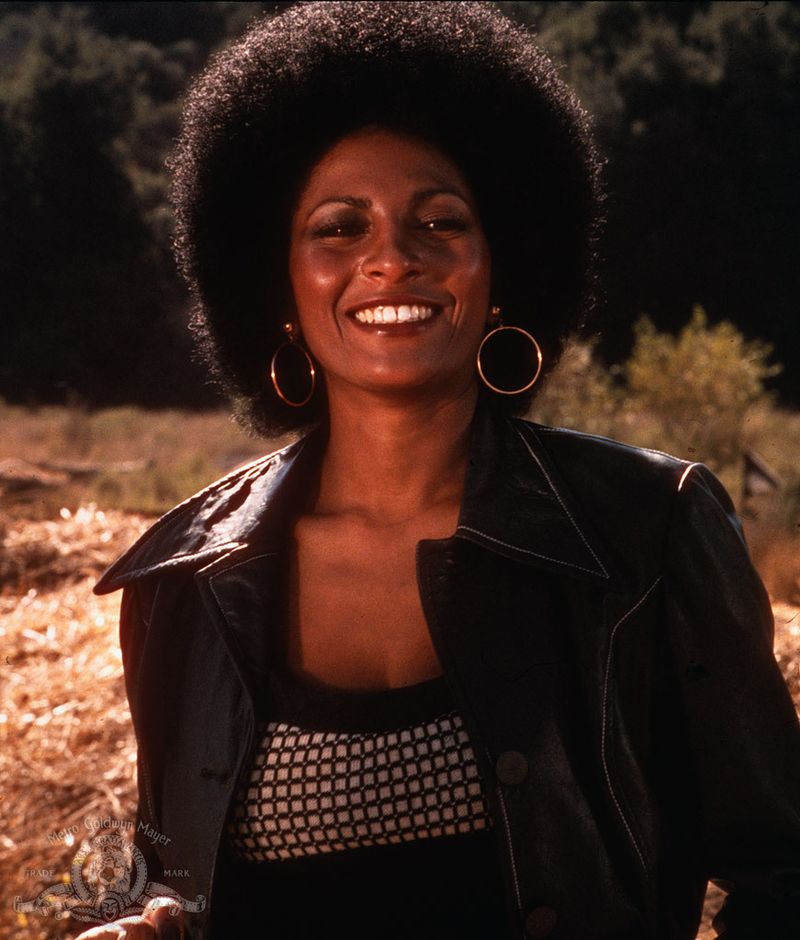
Pam Grier kicked down doors—literally and figuratively—in films like Foxy Brown and Coffy.
At a time when women rarely played action heroes, she dominated the screen with strength and attitude.
Her characters didn’t wait for rescue; they took charge and fought back.
Grier’s natural afro and curves challenged Hollywood’s narrow beauty standards.
She became a symbol of empowerment for women, especially Black women who rarely saw themselves as leading heroes.
Her films were box office hits that proved audiences wanted diverse stories.
Pam’s legacy influenced generations of action stars who followed in her groundbreaking footsteps throughout cinema history.
11. John Travolta
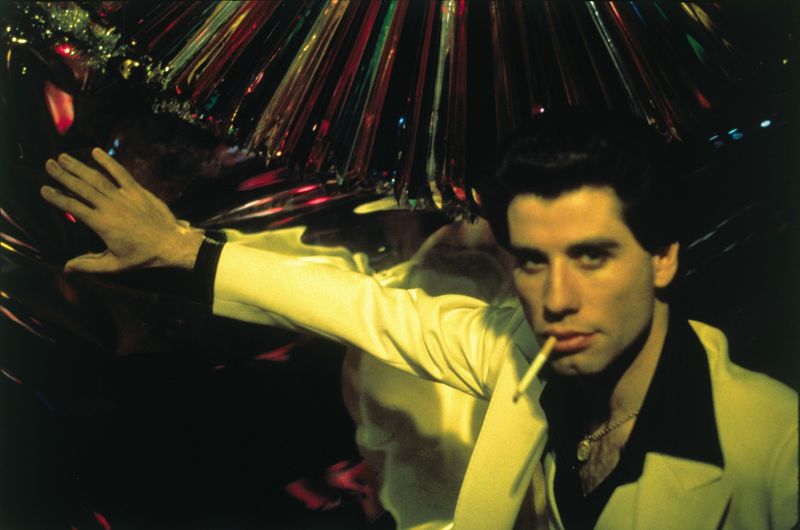
When Travolta strutted across that lit-up dance floor in his white suit, he didn’t just star in a movie—he defined an era.
Saturday Night Fever made disco the biggest cultural movement of the late ’70s.
Suddenly, everyone wanted to learn those smooth moves and dress sharp.
His role in Grease the following year proved he wasn’t a one-hit wonder.
Travolta became the face of youth culture, representing freedom, style, and confidence.
Dance studios filled up with people trying to copy his choreography.
His impact on fashion and music made him one of the decade’s most recognizable faces.
12. Steve McQueen
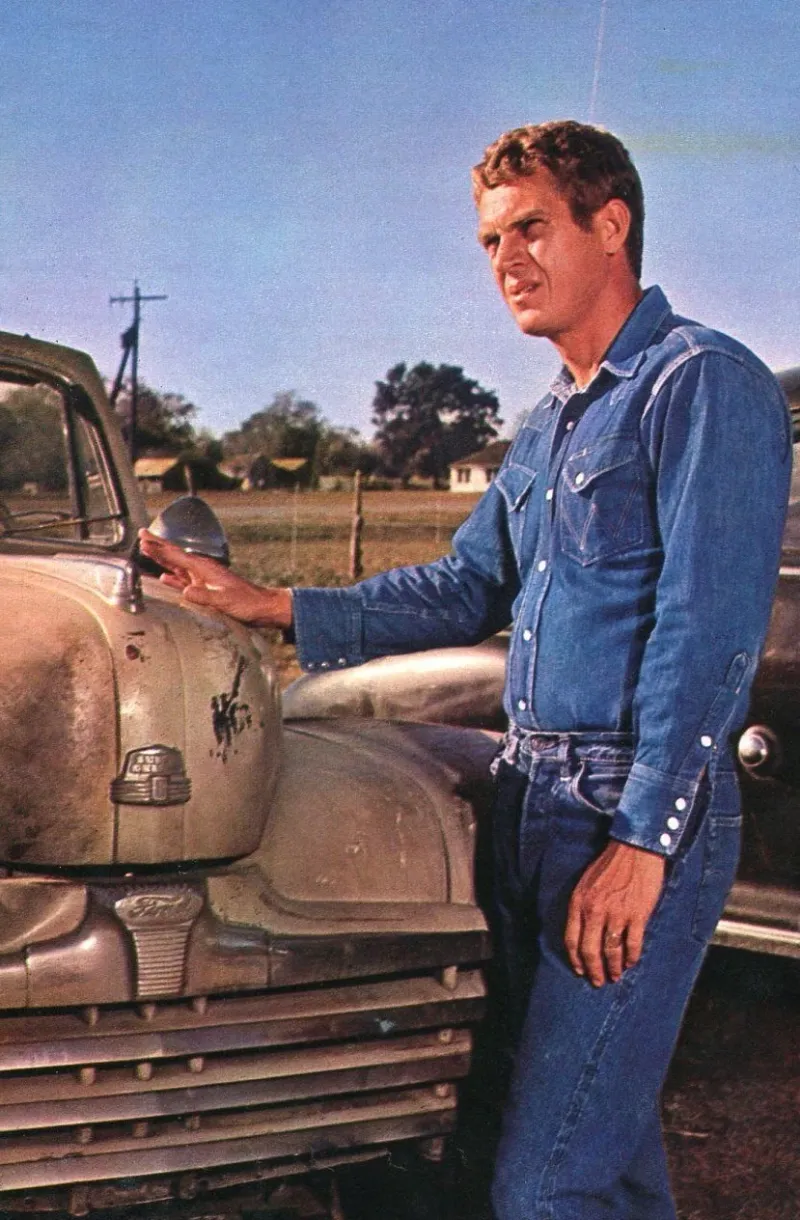
Steve McQueen never tried too hard, and that’s exactly what made him the coolest.
His minimalist style—jeans, t-shirts, and leather jackets—became the blueprint for masculine fashion.
In films, he played anti-heroes who said little but communicated everything through presence and action.
McQueen did his own motorcycle stunts and raced cars professionally, proving his toughness wasn’t just acting.
His effortless confidence influenced everyone from fashion designers to fellow actors.
He represented a quieter kind of masculinity that didn’t need to show off.
Even today, his simple approach to style and attitude remains the definition of what cool looks like in cinema.
Comments
Loading…