
 Chloe Peterson
11 Times a Singer Admitted They Hate Their Most Famous Song

You know “Royals” instantly, but imagine living inside that hook for a decade.
Lorde has admitted the song can feel like a time capsule she outgrew, a snapshot of teenage sharpness that later felt stiff.
Performing it, she sometimes tweaks the phrasing, chasing a looser, warmer groove.
She has talked about how the vowel shapes bug her, how production choices lock her into youthful edges.
You can hear the push and pull whenever she revives it.
The crowd wants nostalgia.
She wants evolution.
That tension makes “Royals” both a burden and a badge.
1. Madonna — “Like a Virgin” / “Material Girl”
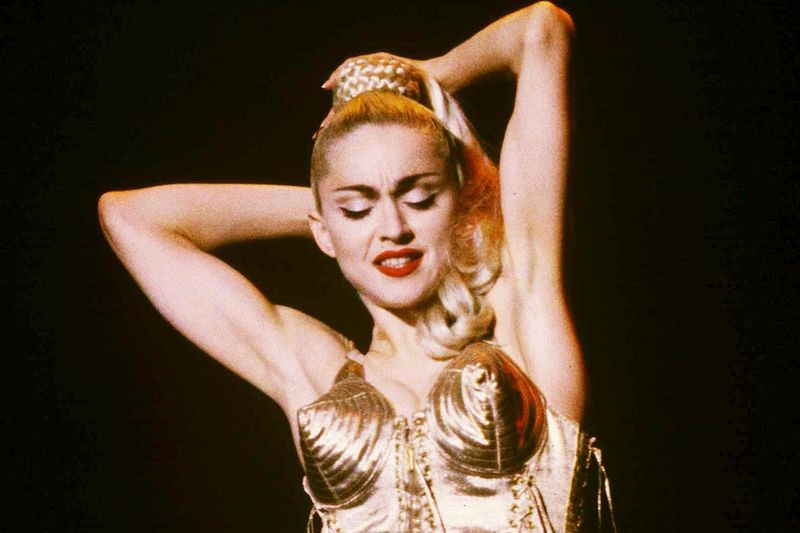
Pop superstardom can trap you in a costume.
For Madonna, the frothy innocence of Like a Virgin and the glittering capitalism wink of Material Girl became baggage as much as brand.
She has joked and griped about leaving those songs behind, implying it would take serious money to dust them off.
You can hear the itch to evolve in everything she did afterward.
Reinvention thrives on risk, and being boxed into two early singles felt like a cage.
Fans might crave nostalgia, but she has long chased provocation, growth, and fresh textures instead.
There is a lesson sitting right there for you.
Loving an artist sometimes means letting the past be a postcard, not the whole trip.
Those hooks still slap at karaoke, but the person who made them has many rooms beyond that sparkly foyer.
2. Céline Dion — “My Heart Will Go On”

Blockbuster anthems carry heavy expectations.
My Heart Will Go On became a planetary signal flare, and with it came daily requests, endless parodies, and a pressure cooker of sentiment.
Céline has admitted complicated feelings, at times resisting how the song eclipsed everything else.
Imagine trying to top an iceberg of a hit every night.
The key change, the pan flutes, the forever boat in everyone’s mind, it can blur into a single defining silhouette.
Artists want room to breathe, and mega-ballads rarely leave much oxygen.
Still, you cannot deny the power.
When that whisper turns into a gale, audiences melt, and memories flood back.
Loving the singer means understanding she is more than the shipwrecked heart you grew up humming in the backseat.
3. Robert Plant (Led Zeppelin) — “Stairway to Heaven”
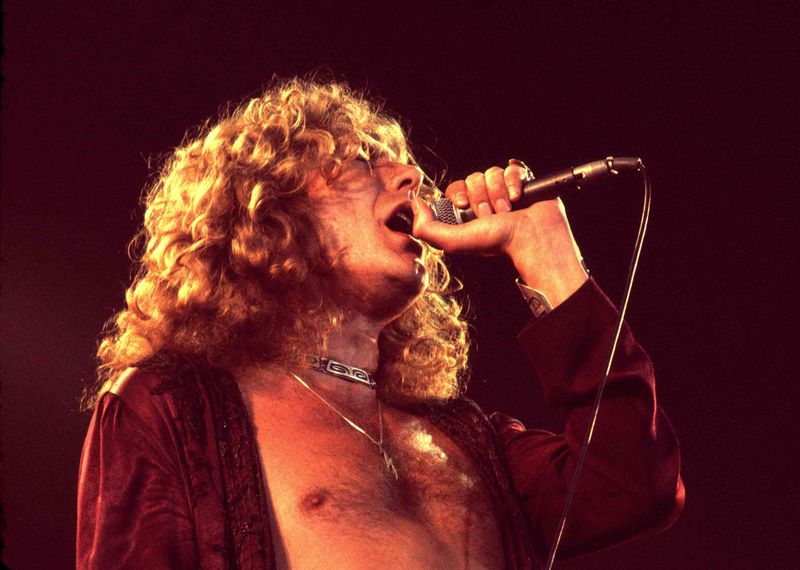
Mystique solidified into obligation for Robert Plant.
Stairway to Heaven is worshipped like a cathedral, yet he has joked about breaking out in hives at the thought of singing it forever.
The ballad-turned-epic can feel like a gilded cage when audiences demand pilgrimage nightly.
You might chase that solo or flute line in your head, but artists chase surprise.
Plant’s later work favors grit, folk grains, and modern textures.
The ghost of one untouchable song often spooks new ideas, scattering them before they form.
It is okay to keep your stairway and still cheer his detours.
The mythology will not crumble if it rests occasionally.
Let the man choose mud over marble, and you might discover a different kind of heaven where the echoes do not boss the present.
4. Thom Yorke (Radiohead) — “Creep”
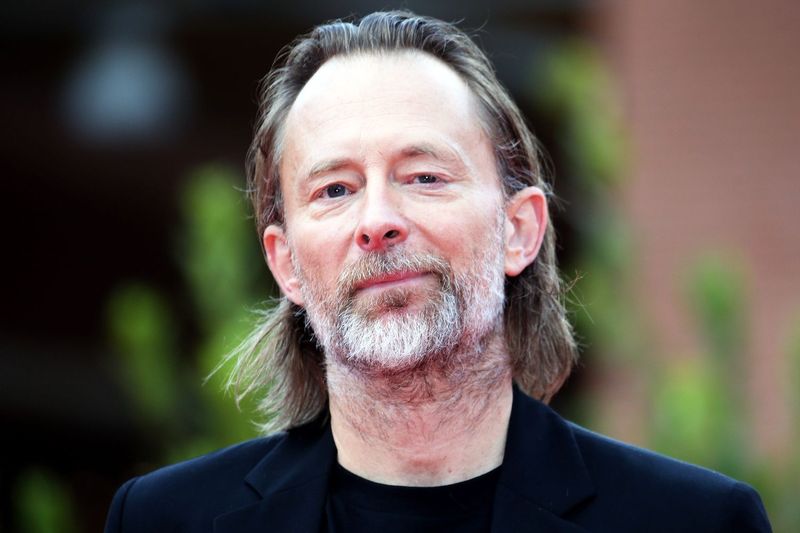
Misfit confessionals can become shackles.
Creep launched Radiohead, then pinned them to a feeling they refused to keep living in.
Thom Yorke has blasted it as crap, a blunt reaction to being haunted by one anthem’s oversized shadow.
You can hear the escape plan in later albums.
They traded big guitar catharsis for glitchy ghosts, slippery rhythms, and anxious beauty.
Expecting Creep every night is like asking a novelist to only write their first chapter again and again.
Here is the twist for you as a listener.
Nostalgia is sweet, but curiosity feeds longer.
When a band chooses the road away from the obvious chorus, they invite you to find different mirrors in the music, ones that reflect who you are now instead of who you were in a cracked dorm-room poster.
5. Kurt Cobain (Nirvana) — “Smells Like Teen Spirit”
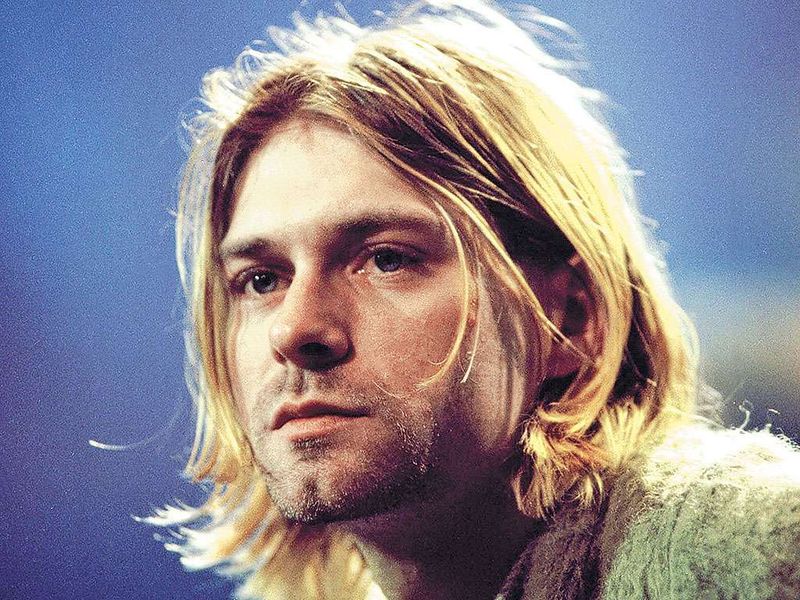
Lightning in a bottle can singe the person holding it.
Smells Like Teen Spirit detonated beyond Nirvana’s control, pasted on walls and blasted from every speaker until the band could barely hear themselves inside it.
Cobain called performing it almost an embarrassment.
Imagine your private joke becoming a global pledge.
The riff promised rebellion while the machine demanded repetition.
When the volume of attention drowns intention, even a generation’s anthem feels like a stranger wearing your shirt.
As a listener, you can still feel the urgency without demanding the loop.
Play the deep cuts.
Let fatigue be part of the story rather than a scandal, and the song regains teeth instead of becoming a museum piece behind glass, grinning while yawning.
6. Liam Gallagher (Oasis) — “Wonderwall”

Anthems can curdle when every pub has the chorus laminated.
Wonderwall turned into the world’s default singalong, and Liam Gallagher has sneered at its omnipresence more than once.
Overexposure does not age a song so much as pickle it.
You know that strum pattern by heartbeat.
It is comfort food, but artists rarely want to serve the same dish forever.
The swagger of Oasis thrives on friction, and this tune’s gentler sway boxed the band into a cardigan they did not always want to wear.
There is still a way to love it.
Belt the chorus, then chase the B-sides and live versions where the edges rough up again.
Your fandom grows when you let a classic be classic without forcing it to be everything, every night, for everyone.
7. Miley Cyrus — “Party in the U.S.A.”

Early-career hits can feel like yearbook photos you never stop being tagged in.
Party in the U.S.A. introduced a fresh pop persona while tethering Miley to bubblegum she later outgrew.
She has been blunt about not always loving what the song represents.
Artists change hair, tone, and fearlessness.
A breezy radio staple cannot hold the grit of later eras, and that mismatch is jarring when crowds demand the old sparkle.
Nostalgia wants fireworks; the person might want a bonfire in the desert instead.
As a fan, you get to evolve too.
Keep the chorus for road trips, then follow the voice into rougher, riskier corners.
There, the same singer sounds less like a souvenir and more like a compass, pointing somewhere wilder than a catchy shout-along about airports and party vans.
8. Justin Bieber — “Baby”

First hits tattoo a moment on your forehead.
Baby was everywhere, and its sugar rush became Justin Bieber’s calling card whether he liked it or not.
He has laughed at it, dodged it, and occasionally embraced it with a wink.
Growth can make old lyrics feel like borrowed shoes.
The voice changes, the production tastes shift, and a nursery-rhyme hook reads like a diary entry you would rather shred.
Audiences forget that artists do not stay seventeen just because the chorus did.
Your listening habits do not need to freeze either.
Keep the nostalgia for memes and dance floors.
Then explore the later catalog where craft, rhythm, and weathered themes replace bubblegum, and a once-cringed single becomes a funny postcard from a kid learning how to be loud.
9. Michael Stipe (R.E.M.) — “Shiny Happy People”

Irony can boomerang and hit the writer.
Shiny Happy People came off like a candy-colored grin R.E.M. never meant as their flag.
Michael Stipe long treated it as an outlier, a tune that felt costume-y next to the band’s murkier poetry.
You can feel the mismatch instantly.
A group built on oblique imagery and melancholic jangle suddenly handed out helium balloons.
The single soared, then hovered uncomfortably over deeper, stranger work fans discovered later.
It is fine to enjoy the glitter without pretending it defines the shelf.
Spin it, then fall into Automatic for the People when you want a different weather system.
Let a band own their contradictions, and your playlist becomes a map instead of a single highlighter streak across the sky.
10. Sia — “Chandelier”

Viral peaks can be exhausting peaks to climb nightly.
Chandelier demanded acrobatics of voice and body, with high-wire notes and interpretive dance stealing breath.
Sia has hinted at the burden of recreating that cyclone on command.
There is pain braided into the glitter.
Party girl sadness wrapped in chandelier metaphors looks gorgeous, but it costs something to relive.
When audiences crave catharsis, the singer has to reopen the drawer where the shards are stored.
You can meet the song halfway.
Marvel at the craft, then give grace when arrangements shift or the key lowers.
Artists are not jukeboxes, and your favorite chorus will outlast the exact decibel if you let meaning hum louder than acrobatics for a night.
11. John Lennon (The Beatles) — “Run for Your Life”
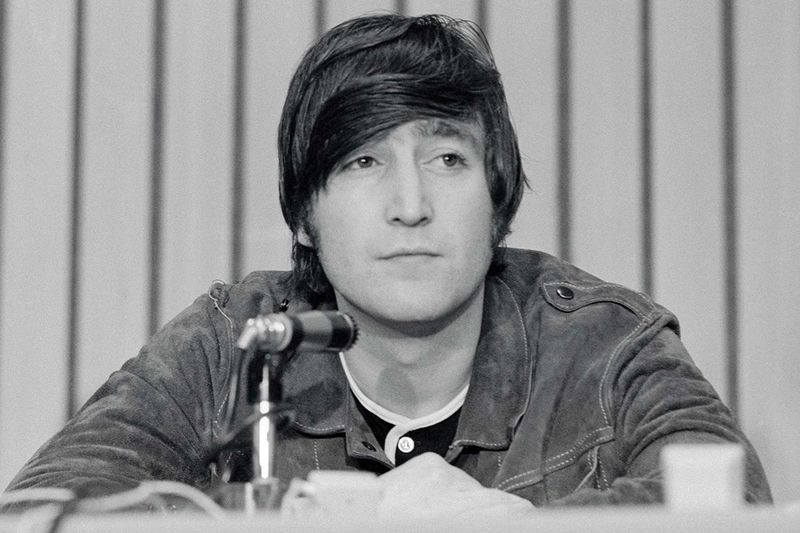
Not every classic catalog ages gracefully.
Run for Your Life carried lyrics Lennon later dismissed, calling it one of his least favorites.
The jealousy-tinged menace did not sit well with his evolving worldview.
You hear a young band sprinting, grabbing phrases without weighing their long-term echo.
Growth means admitting when an old line feels ugly in new light.
Artists are allowed to wince at their own work and say, I missed the mark.
As a listener, you can hold both truths.
The track is part of history, and the critique is part of integrity.
Keep the context in your pocket and let it guide better conversations, so the music you love becomes a living document rather than a stuck snapshot.
Comments
Loading…