
 Chloe Peterson
11 Sitcom Episodes That Aged Like Milk
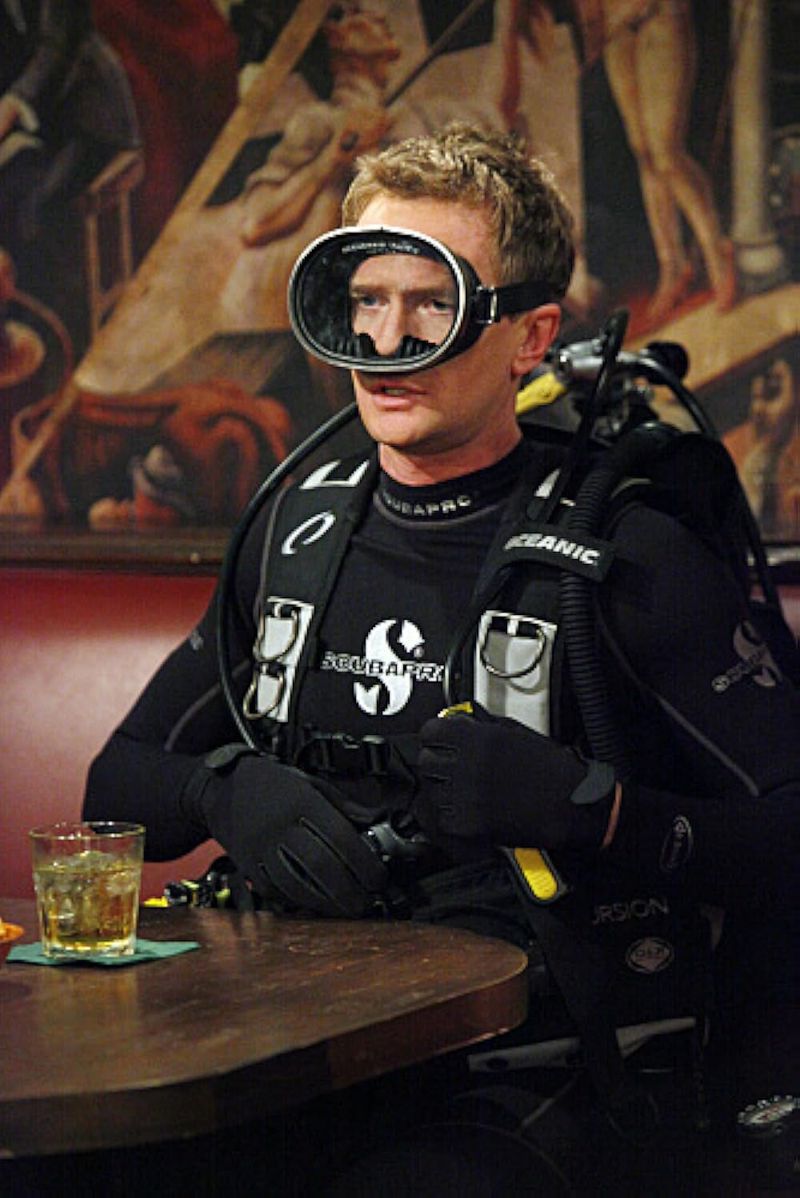
Rewatching old sitcoms is supposed to feel like comfort food, but sometimes it’s more like opening the fridge and realizing something has definitely gone off.
Comedy is always a product of its era, and jokes that once got huge laughs can later read as mean-spirited, lazy, or simply unaware of the harm they’re reinforcing.
That doesn’t mean these shows are “canceled” forever, or that you’re a bad person for having enjoyed them; it just means culture moved, and the writing didn’t always move with it.
The episodes below are perfect examples of punchlines that now hit differently, storylines that rely on stereotypes, or “romantic” behavior that feels a lot more alarming with modern eyes.
Consider this a rewatch guide—and a reminder that humor can evolve.
1. Friends — “The One With the Rumor” (S8, Ep9)
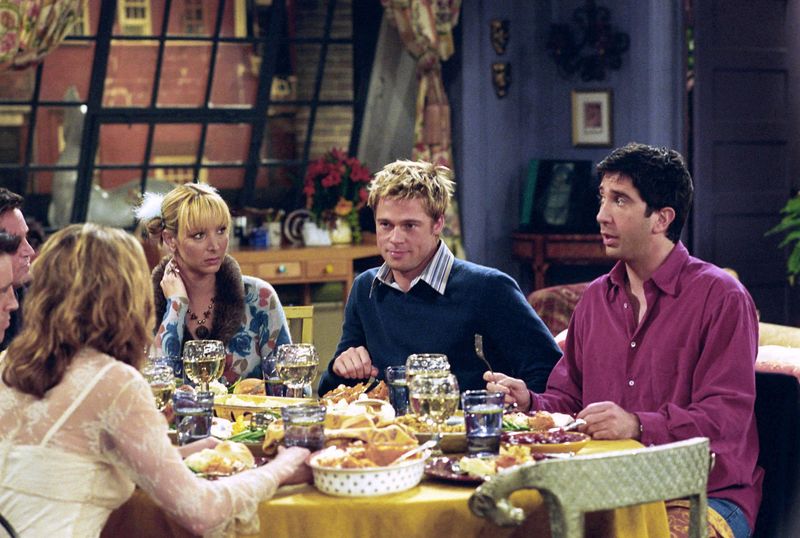
A Thanksgiving rewatch of this episode can be jarring because the central punchline leans heavily on fat-shaming, framed as an acceptable shorthand for humiliation and revenge.
The story builds around an old high school rumor and the idea that a bigger body is inherently comedic, which was a common sitcom reflex in the early 2000s.
What makes it age especially poorly is how often the jokes feel like they’re aimed at the person’s body rather than at the cruelty of the characters.
Even when the episode tries to soften things with nostalgia and holiday warmth, it still treats weight gain as a “gotcha” and a marker of worth.
Today, that humor reads less like harmless ribbing and more like a reminder of how casually media normalized body-based ridicule.
2. Friends — “The One With Chandler’s Dad” (S7, Ep22)
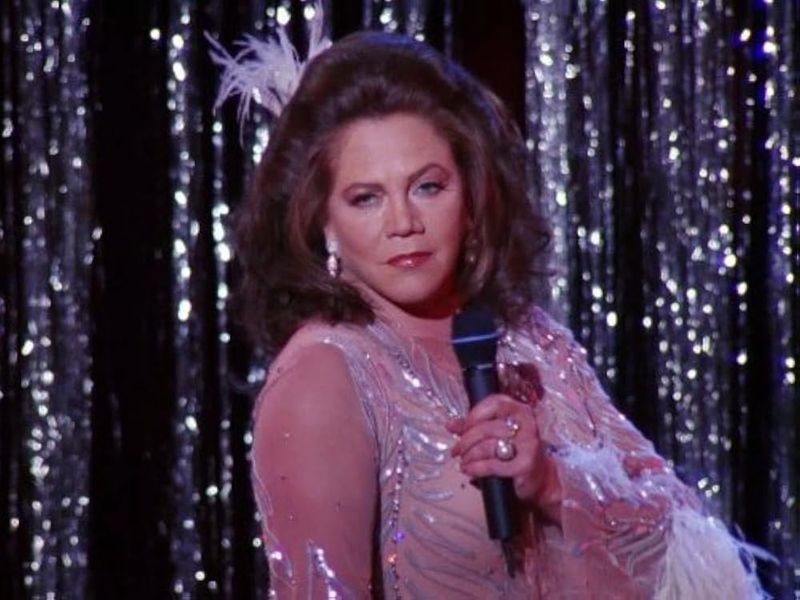
This one often lands awkwardly now because the episode’s tension is built around discomfort with gender expression, and the jokes frequently punch down instead of exploring the situation with empathy.
The storyline wants to be about family and reconciliation, yet it repeatedly plays Chandler’s embarrassment as the comedic engine, which can make viewers feel like they’re being invited to laugh at a person’s identity rather than at Chandler’s immaturity.
Even if the show didn’t use today’s language, the framing matters, and here the framing can feel more mocking than compassionate.
It’s also a classic example of older sitcoms treating queer and gender-nonconforming characters as “special episode” material instead of fully rounded people.
The emotional beats are there, but the humor undercuts them in ways that haven’t aged well.
3. How I Met Your Mother — “Slap Bet” (S2, Ep9)
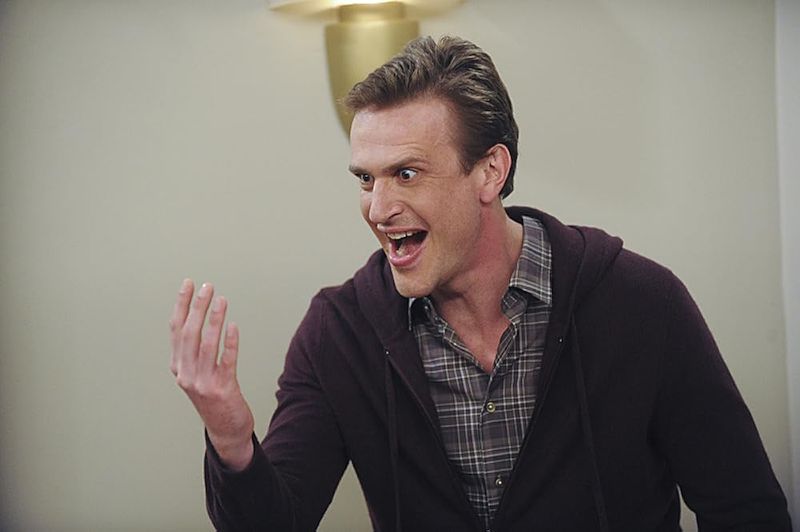
What used to feel like a goofy twist now comes with a very specific discomfort, because the episode hinges on a reveal that treats gender presentation like a prank.
The comedy is built around shock value and the characters’ reactions, and even when the tone stays silly, the underlying message can read as “isn’t this weird?” rather than “isn’t this person interesting?”
Sitcoms of that era often used this structure without considering who gets turned into the joke and why.
The episode is also beloved for other reasons, so it can be frustrating to notice the dated element right in the middle of an otherwise memorable storyline.
It’s a good example of how a single plot device can sour an entire rewatch, especially when modern audiences are more attuned to how “surprise” identity jokes have been used to stigmatize people.
4. How I Met Your Mother — “The Playbook” (S5, Ep8)
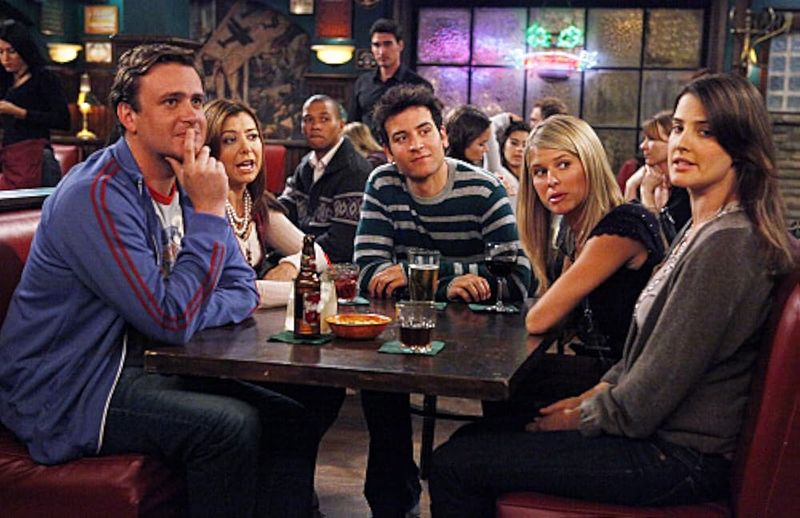
Seen through a modern lens, the “charming schemer” energy in this episode is hard to ignore because the humor celebrates deception in dating as if it’s harmless fun.
The story treats manipulation like an impressive skill set, rewarding a character for turning people into targets and “wins,” and the show leans into the spectacle rather than interrogating the damage.
What ages it like milk is how the episode tries to keep the tone light while stacking up behaviors that many viewers now recognize as red flags, from dishonesty to boundary-pushing to treating consent as something you can talk your way into.
Sitcoms often rely on exaggerated characters, but here the exaggeration becomes the point, and the fallout is too small to match the tactics.
Instead of feeling edgy and clever, it can play like a guidebook for emotional immaturity dressed up as comedy.
5. The Office (US) — “Diversity Day” (S1, Ep2)
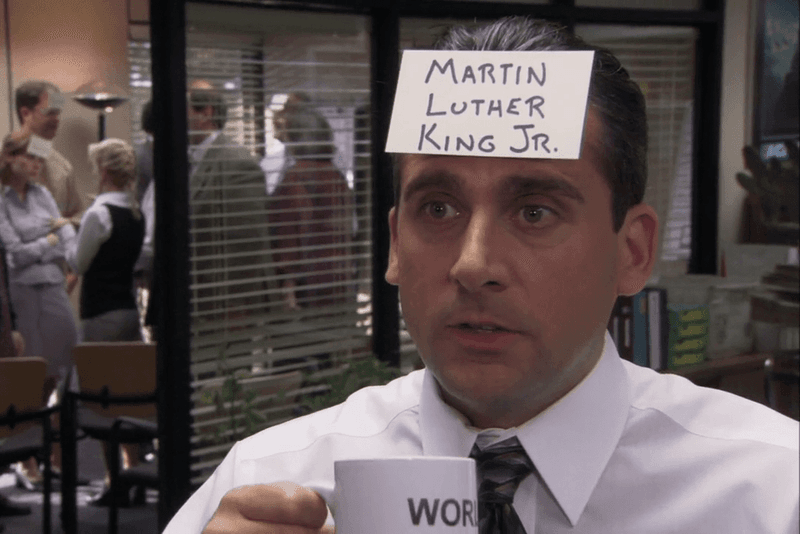
Cringe comedy always walks a tightrope, and this episode is a prime example of how that balance can feel more stressful than funny on a rewatch.
The premise uses racially charged roleplay and offensive language to highlight a boss’s incompetence, but it also asks the audience to sit through a lot of ugliness to get to the satire.
For some viewers, that’s still the point, because the discomfort is meant to expose workplace ignorance, yet it can also feel like the joke depends on shock rather than on insight.
The episode’s reputation as a classic doesn’t erase the fact that it includes moments many people now prefer not to revisit, especially in a media environment that has become more thoughtful about whose discomfort is being centered.
It’s not that the show can’t critique racism; it’s that the delivery can feel blunt in ways that haven’t aged gracefully.
6. The Office (US) — “Sexual Harassment” (S2, Ep2)
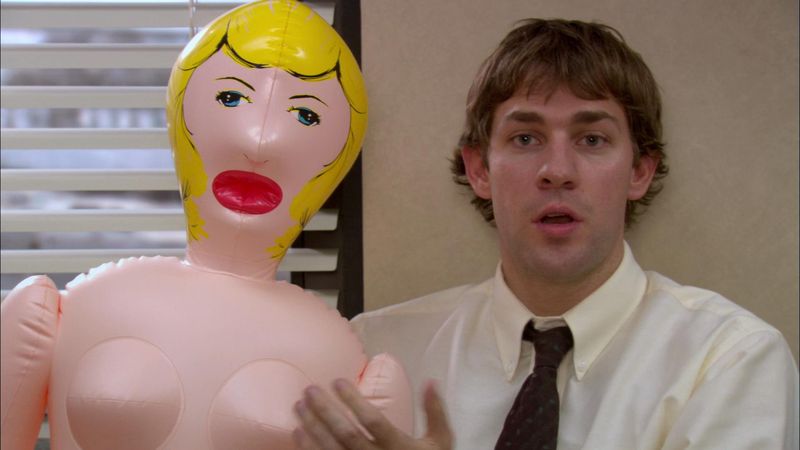
Workplace humor can get complicated fast, and this episode shows how easily “that’s just Michael” jokes can veer into territory that feels unsettling today.
The story is about policies and accountability, but a lot of the laughs still come from normalizing behavior that, in real life, would make employees feel unsafe and powerless.
The characters’ reactions often land as resignation rather than meaningful pushback, which can make the episode feel like it’s minimizing the impact of harassment for the sake of keeping the sitcom status quo intact.
Even when the show signals that the boss is wrong, it also benefits from lingering on the wrongness as entertainment.
That tension is why the episode can age poorly: modern audiences are more likely to focus on the imbalance of power and the consequences that are missing.
It’s funny in places, but the premise itself can feel heavier than the show wants to admit.
7. Two and a Half Men — “Pilot” (S1, Ep1)
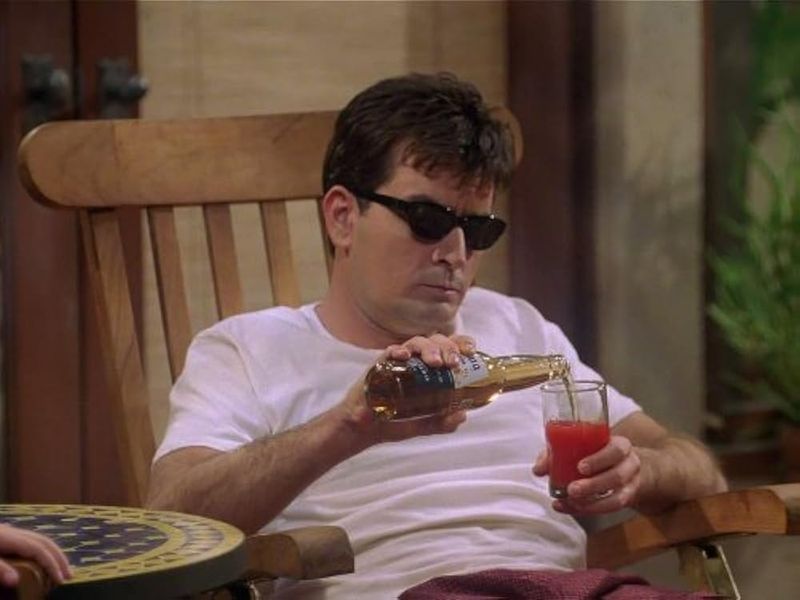
First episodes are supposed to sell you on a show’s vibe, and this one does it by doubling down on early-2000s “guys will be guys” humor that can feel especially stale now.
The dynamic relies on constant objectification, casual misogyny, and the idea that women are either prizes, nags, or punchlines, all delivered with the confidence of a formula that used to print ratings.
The laughs are engineered around the male leads’ behavior being outrageous, but the scripts often treat that outrageousness as aspirational rather than embarrassing, which shifts the tone from satire to celebration.
When viewed today, the banter can read less like cheeky escapism and more like a dated artifact of a time when sitcoms frequently equated “edgy” with “cruel.”
You can see why it worked in its era, but you can also see why it doesn’t translate as easily anymore.
8. Modern Family — “The Kiss” (S2, Ep2)
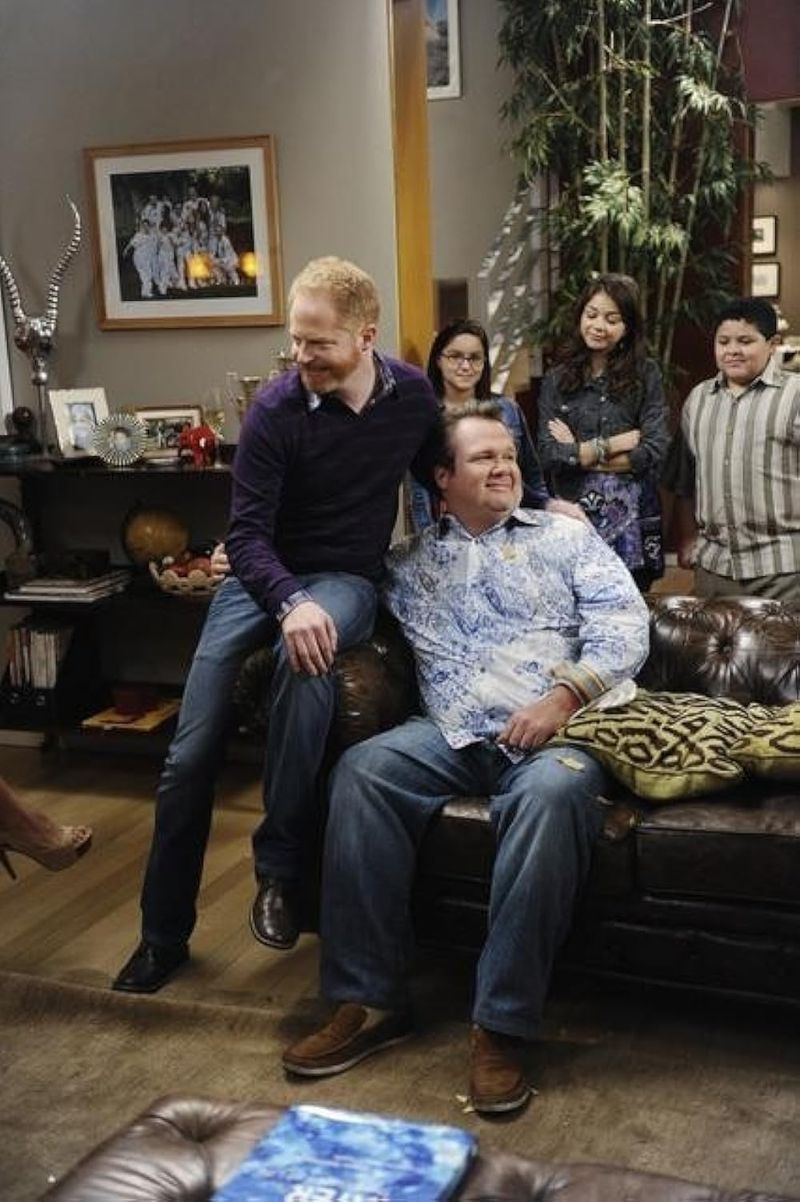
Many viewers remember this episode as a milestone, yet it can still feel oddly cautious when revisited, because the central conflict revolves around a gay couple avoiding affection on screen.
The story wants to be about comfort and acceptance, but the buildup implies that a simple kiss is a huge hurdle, which can unintentionally reinforce the idea that same-sex affection is inherently “more” controversial than straight affection.
At the time, the show likely saw itself as nudging mainstream TV forward, and in some ways it did, but cultural expectations have shifted, and audiences now notice how carefully the episode tiptoes around physical intimacy.
The humor also leans on awkwardness rather than normalcy, so the payoff can feel smaller than the moment deserves.
It’s a gentle episode, but its gentleness is exactly what makes it age like milk for some modern viewers who want representation without the training wheels.
9. Community — “Advanced Dungeons & Dragons” (S2, Ep14)
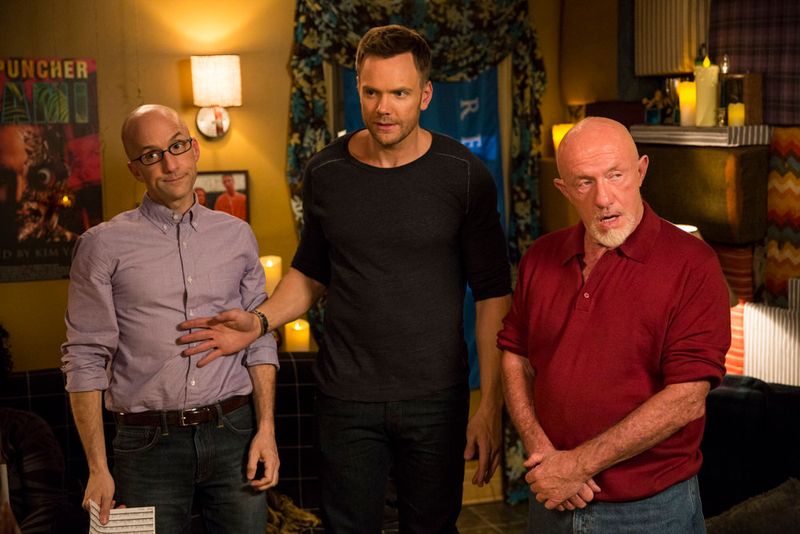
It’s hard to talk about this episode without acknowledging that one gag derails the rest, because the blackface moment is the kind of “shock” comedy that modern audiences increasingly reject outright.
The frustrating part is that the episode contains genuinely strong storytelling about friendship, escapism, and helping someone who’s struggling, and many fans consider it one of the show’s best from a writing standpoint.
That’s exactly why the problematic element stands out so sharply: it’s unnecessary, distracts from the emotional core, and pulls viewers out of what could have been a near-perfect half hour.
When people say it aged badly, they’re not nitpicking; they’re pointing to how quickly a single outdated choice can collapse goodwill.
It’s also a reminder that comedy writers once leaned on taboo imagery as an easy shortcut, even when the rest of the script proved they didn’t need it.
10. Seinfeld — “The Puerto Rican Day” (S9, Ep20)
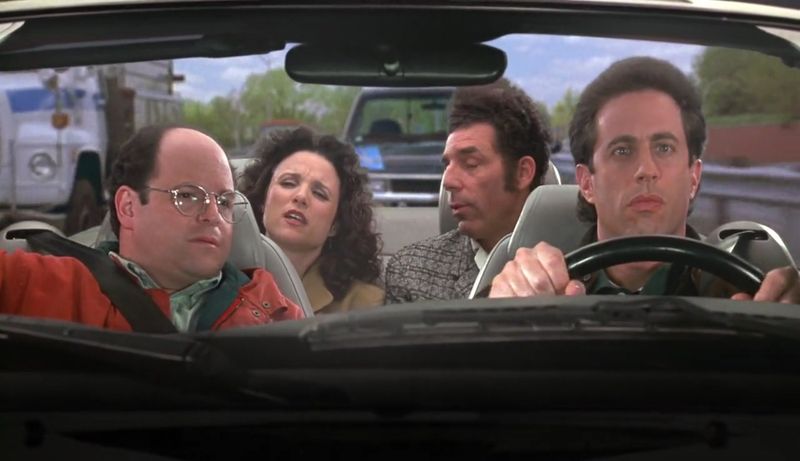
Watching this episode now can feel like stepping into a time when sitcoms treated entire cultures as convenient set dressing, using stereotypes as background noise rather than as something worth understanding.
The plot revolves around chaos and miscommunication, which could work in any setting, but here the humor repeatedly taps into broad caricatures and “isn’t this weird?” energy.
Even in its original run, the episode drew criticism, and that context makes it feel less like a misunderstood classic and more like a case study in how mainstream TV handled ethnicity with a shrug.
The show’s overall style has always been observational and often intentionally selfish, yet this episode can still come off as punching down because the targets aren’t just the main characters’ bad behavior, but the people around them.
Instead of sharp satire, it can read like lazy shorthand that doesn’t hold up.
11. It’s Always Sunny in Philadelphia — “Sweet Dee’s Dating a Retarded Person” (S3, Ep9)
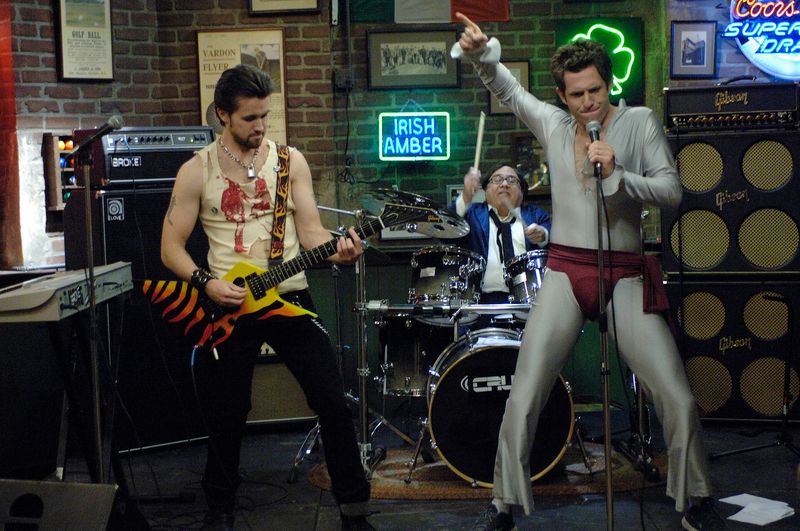
Before anything even happens onscreen, the title alone signals why this episode has aged so poorly, because language that once slipped through as “edgy” now reads as openly degrading.
The show’s defense is usually that it portrays terrible people doing terrible things, and that can be true, yet there’s still a line between satirizing cruelty and repeating harmful terms so casually that the audience absorbs the insult more than the critique.
The episode also plays with ableism in a way that can feel less like condemnation and more like shock-based provocation, especially if the viewer isn’t already in on the show’s moral framework.
Even fans who love the series often admit this is one of the hardest rewatches, because it’s difficult to separate the intent from the impact.
In a culture that’s become more attentive to disability representation, this one lands with a thud.
Comments
Loading…