
 Chloe Peterson
11 Short-Lived Star Marriages That Had People Asking: Was This Just a Publicity Stunt?
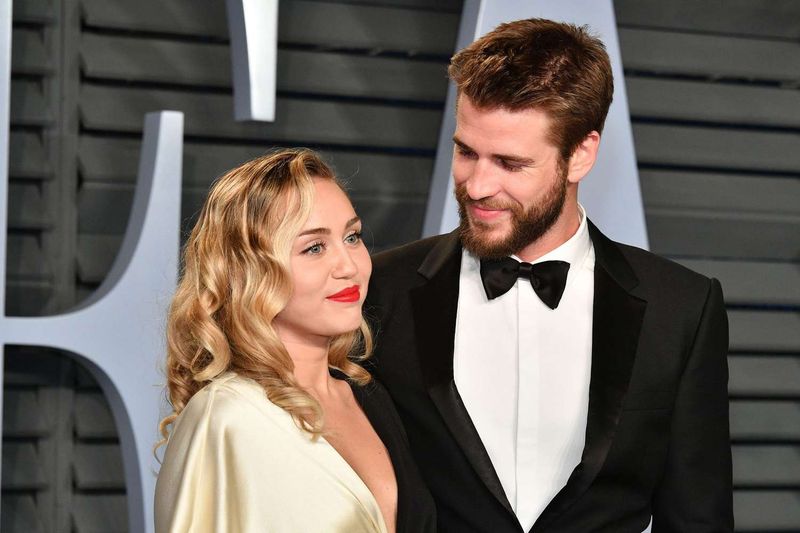
Celebrity relationships are messy in private, but they’re extra complicated when the whole world is watching and a career is involved.
A wedding can instantly turn two separate brands into one headline machine, especially when there’s a TV show to film, a tour to promote, or a new era to roll out.
That doesn’t mean anyone walked down the aisle with a spreadsheet and a strategy, but some marriages have always sparked the same question from fans and tabloids: Was this love… or leverage?
1. Kim Kardashian (married Kris Humphries)
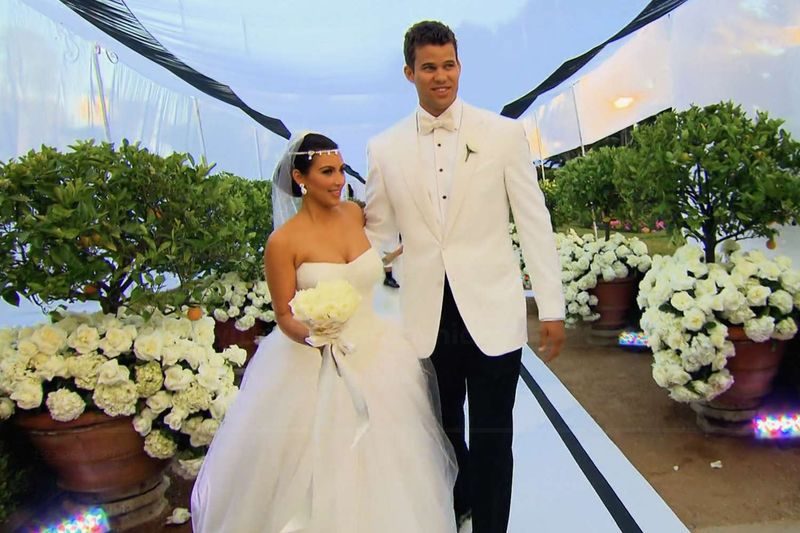
Long before “short marriages” became a pop-culture punchline, the spectacle surrounding this wedding made it impossible for anyone to ignore.
The lead-up played out like an event, complete with nonstop coverage and a built-in audience that already followed every twist and turn.
When the marriage ended quickly, the timeline became the entire story, and people started debating whether the relationship was more about momentum than romance.
Kim’s brand didn’t just survive the backlash, it somehow got bigger, because controversy kept the spotlight locked in place.
Even years later, the marriage is still used as an example of how reality TV and relationships can blur together, especially when personal milestones double as must-see entertainment.
2. Carmen Electra (married Dennis Rodman)
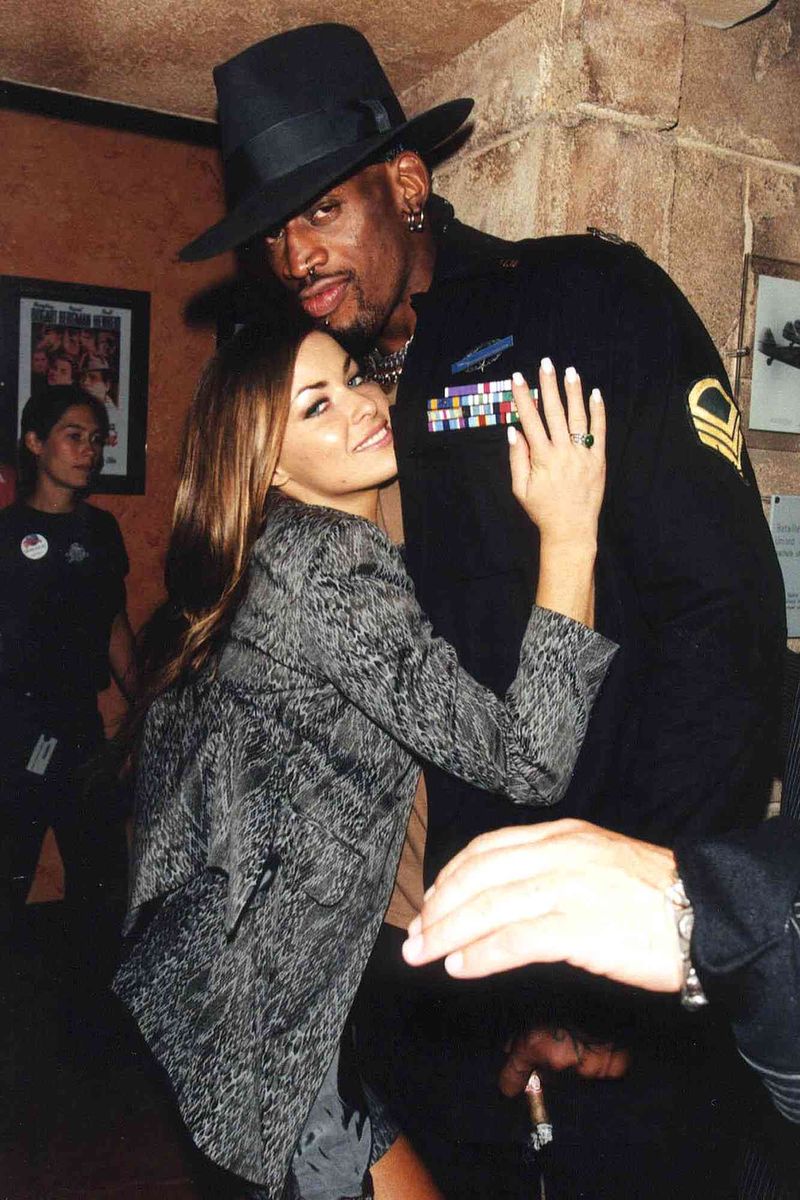
Few pairings have ever screamed “headline magnet” the way this one did, because it combined two larger-than-life personalities at peak tabloid intensity.
The wedding itself felt like something that could only happen in that era: flashy, sudden, and instantly talked about everywhere.
When it ended almost as quickly as it began, the public filled in the blanks with the easiest explanation—this was a wild publicity rush that burned out fast.
Whether or not that’s fair, it’s true that the marriage cemented them as a pop-culture moment, not just two separate celebrities.
For Carmen, the attention reinforced her bombshell image, and for Rodman, it amplified the chaotic legend he was already building.
3. Renée Zellweger (married Kenny Chesney)
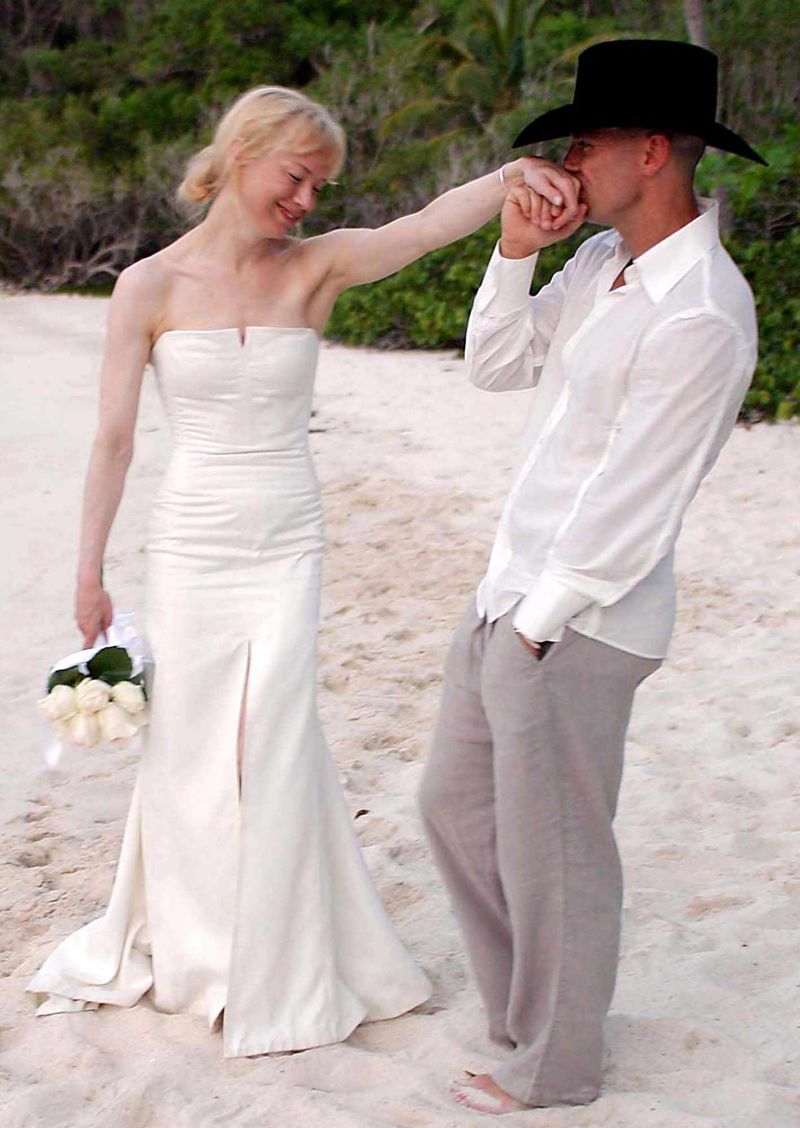
Surprise celebrity weddings can feel romantic until the timeline gets confusing, and this one quickly became a “wait, what happened?” moment.
Renée was already an A-list actress, while Kenny had massive country-star power, so the pairing created instant fascination across audiences that didn’t always overlap.
When the marriage ended within months, the split became bigger than the union, which is often what fuels the “strategic” chatter in the first place.
It didn’t help that the public loves a mystery and hates a quiet explanation, so speculation filled the space where details weren’t shared.
In the end, both careers continued just fine, but the marriage remains a classic example of how a quick exit can make people assume there had to be a hidden, media-friendly reason.
4. Britney Spears (married Jason Alexander)
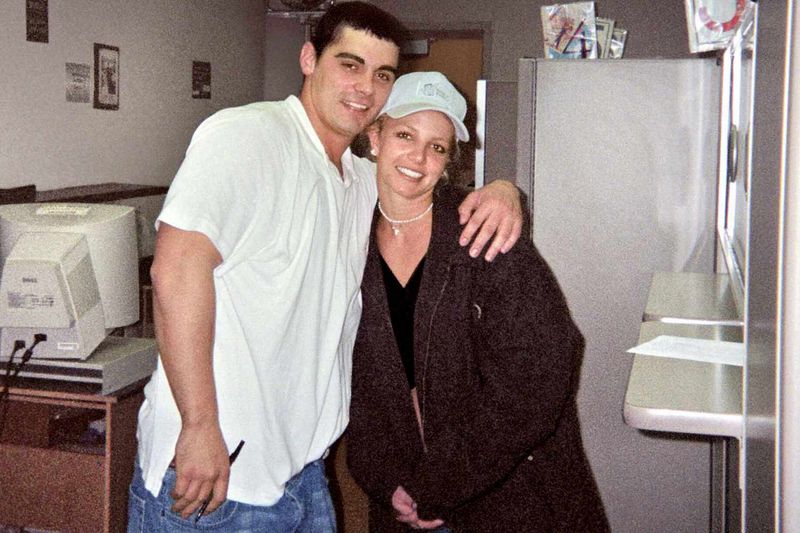
The story became iconic because it happened at the exact moment Britney couldn’t sneeze without it making the news.
A spontaneous Vegas decision turned into global headlines, and the annulment came so fast that the whole thing felt like a blink-and-you-missed-it chapter.
Fans have argued for years about what it meant, but the public narrative at the time was simple: Britney’s life had become a nonstop spectacle, and even her most personal choices were treated like content.
That perception only intensified how “strategic” everything around her seemed, even when it wasn’t.
The marriage didn’t boost her fame—she was already at maximum celebrity—yet it did add to the mythology that followed her for years, feeding the machine that demanded constant drama.
5. Jennifer Lopez (married Cris Judd)
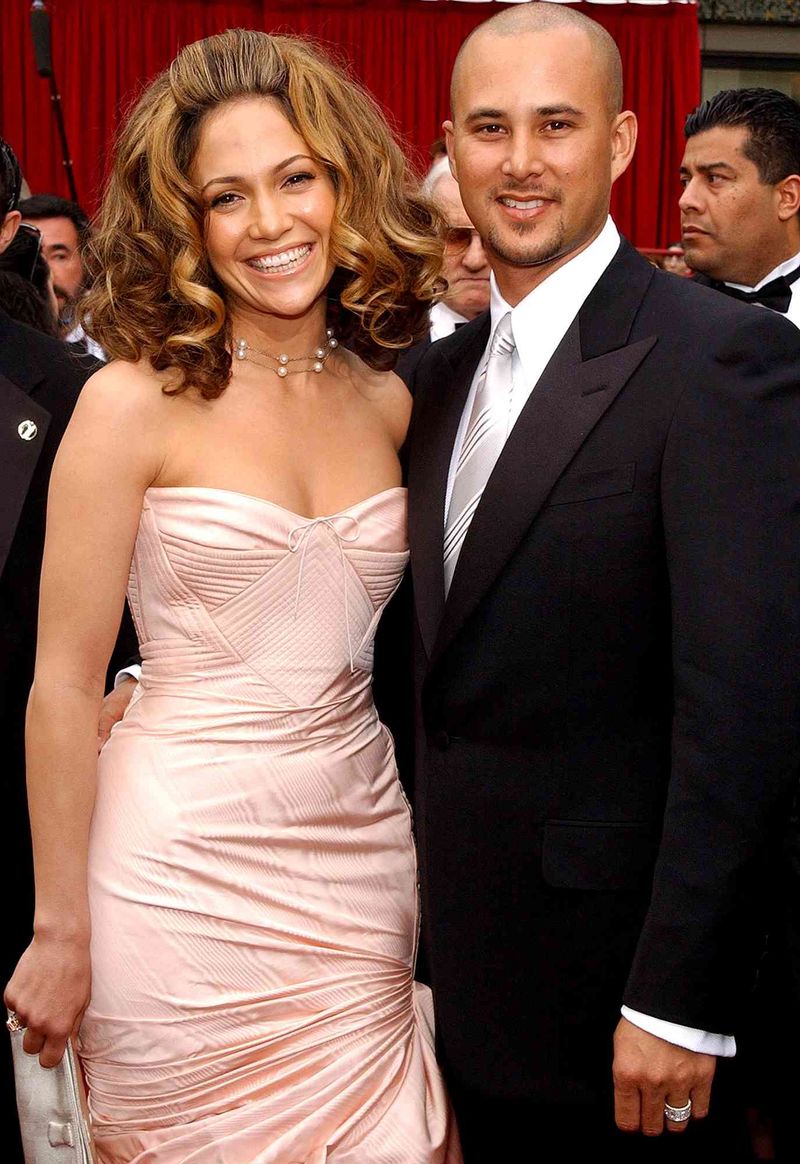
Sometimes the “career boost” angle isn’t about getting famous, but about controlling the story when fame is already overwhelming.
Jennifer Lopez was everywhere, and marrying one of her dancers created a narrative that felt both glamorous and slightly unexpected.
The relationship drew attention because it mixed celebrity power with a behind-the-scenes figure, and the wedding positioned the romance as a real-life fairytale.
When the marriage ended relatively quickly, the public couldn’t resist treating it like a transitional era rather than a lifelong commitment.
It also didn’t happen in a vacuum, since the media loves to connect celebrity relationships into one continuous timeline.
Looking back, it’s easy to see why skeptics labeled it a “chapter” in J.Lo’s evolving brand, even if the feelings were genuine at the time.
6. Drew Barrymore (married Tom Green)
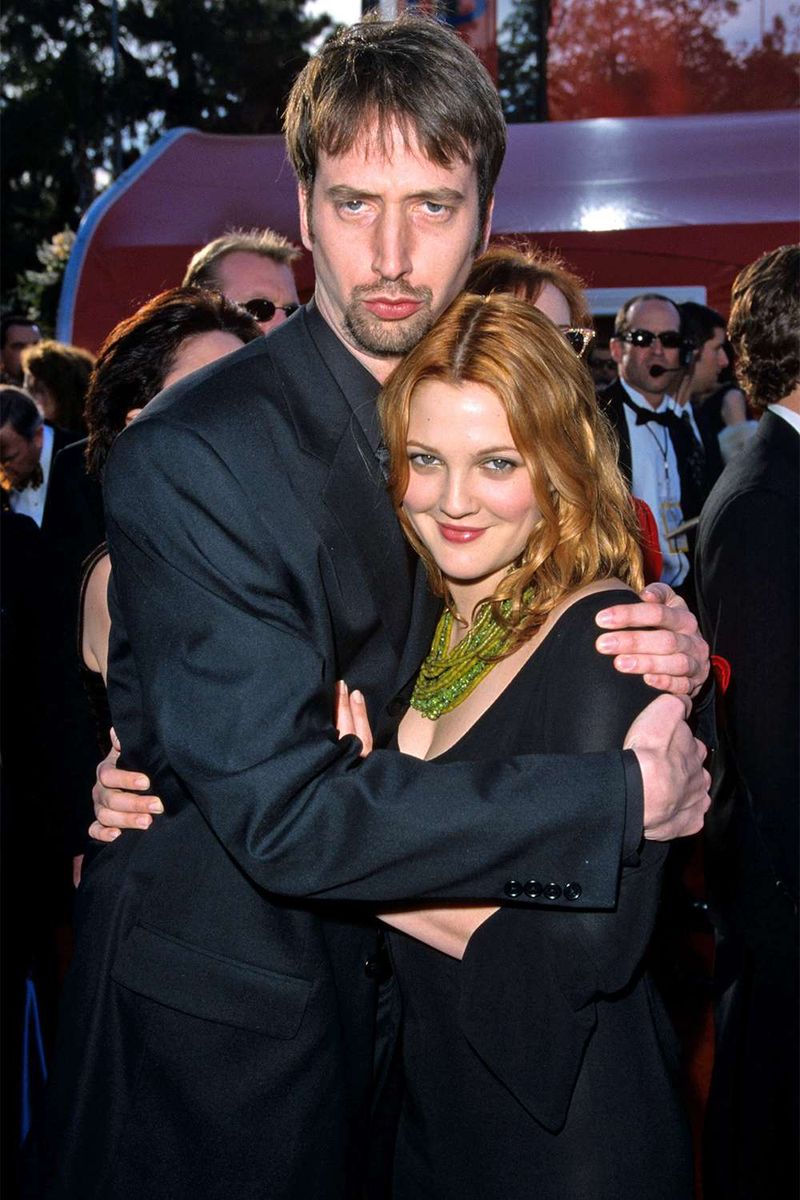
There’s a special kind of celebrity marriage that feels like an extension of a shared spotlight, especially when the couple is already intertwined professionally.
Drew and Tom were a buzzy, quirky pairing who fit the era’s appetite for unconventional, camera-friendly romances.
Their wedding grabbed attention because it looked like the union of two distinct entertainment personas, and that’s exactly the kind of match the press loves to frame as mutually beneficial.
When things ended quickly, people assumed the marriage had been more of a whirlwind than a foundation, which is how the “career boost” rumor cycle starts.
In truth, both had their own careers before and after, but the public remembered the relationship as a loud, highly visible moment.
Sometimes that’s all it takes for a marriage to be branded as more spectacle than substance.
7. Sophia Bush (married Chad Michael Murray)
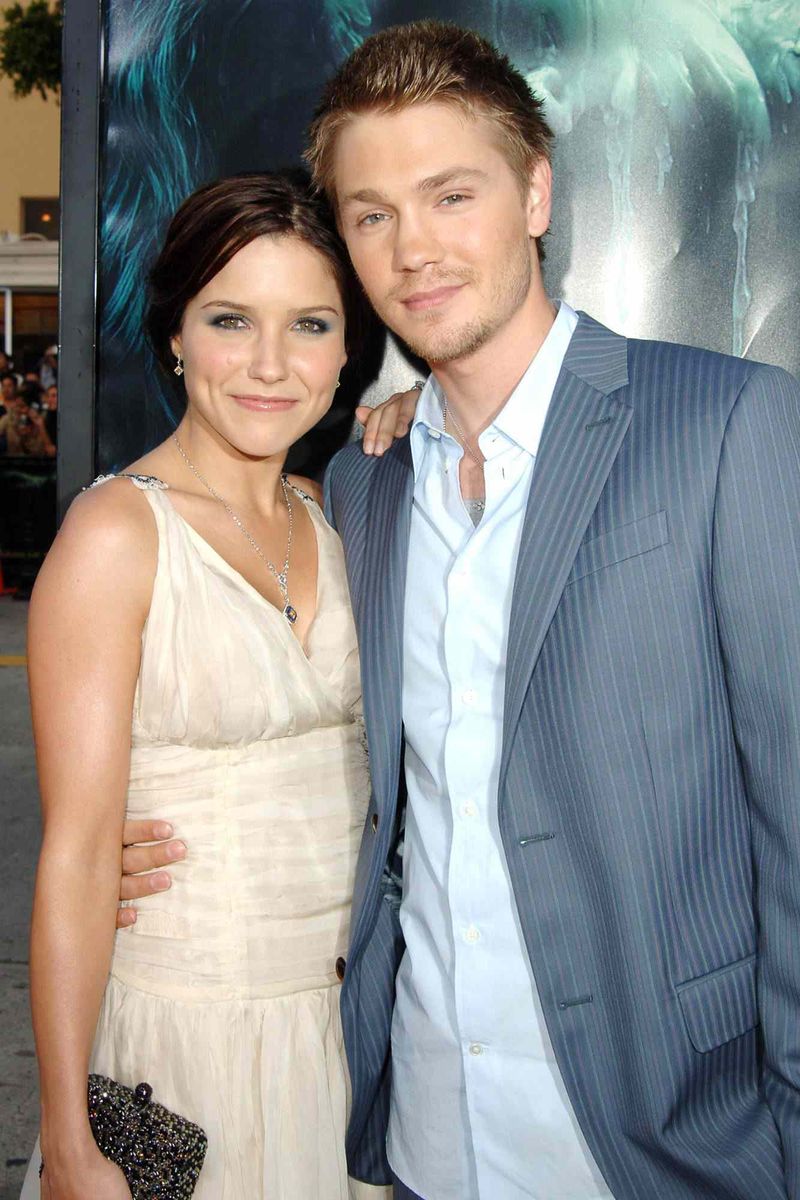
On-set romances always come with built-in commentary, because fans feel like they’re watching a fictional love story spill into real life.
When two stars from a wildly popular teen drama got married, it seemed like the ultimate crossover between fandom and reality.
The problem is that the same audience that celebrates the fairytale also watches for cracks, and once the relationship ended quickly, the narrative turned harsh.
People began asking if the marriage had been influenced by fame pressure, attention, or the intense environment of being young and constantly scrutinized.
Even if no one involved ever saw it that way, the timing made it easy for outsiders to frame it as a “moment” rather than a forever decision.
The marriage has lingered in pop culture because it’s the classic cautionary tale of mixing youth, celebrity, and a romance that’s already being marketed to the public.
8. Nicolas Cage (married Erika Koike)
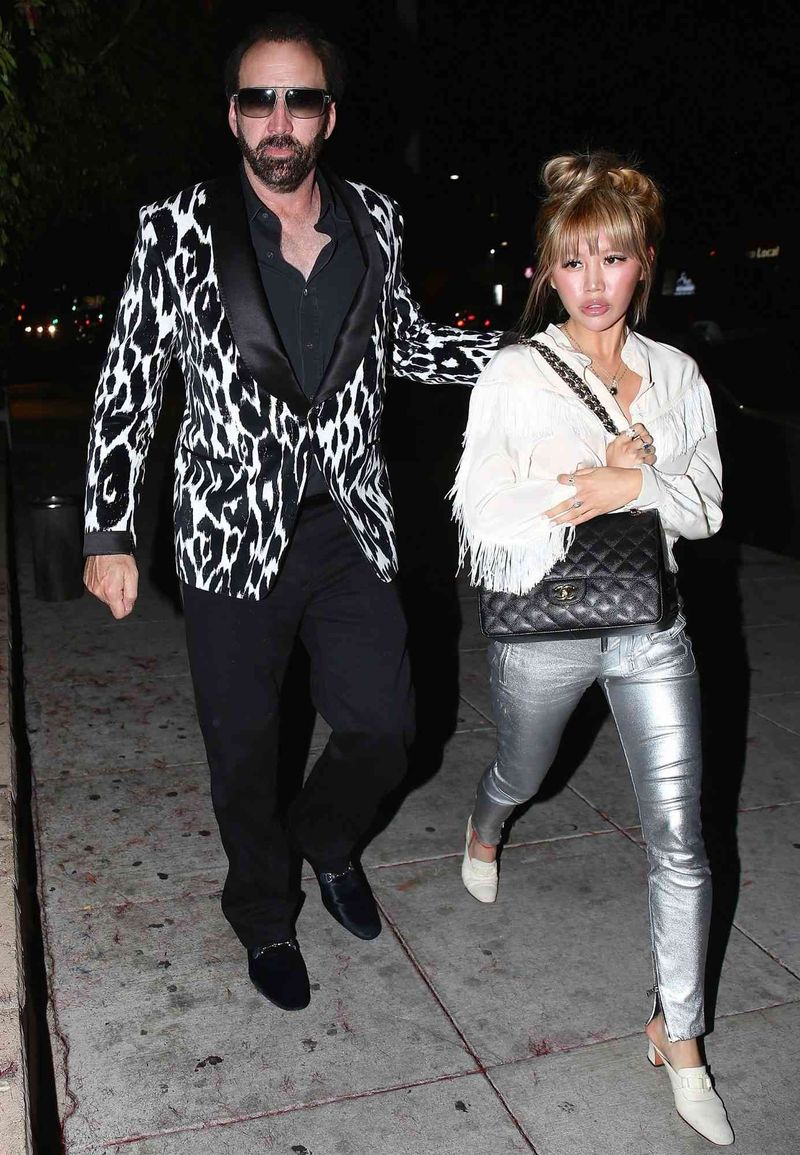
When a wedding lasts only days, the public doesn’t politely assume there were deep private reasons; it immediately turns into a running joke and a headline generator.
Nicolas Cage’s love life has long been treated like a fascinating side-plot to his career, so this marriage arrived already surrounded by curiosity.
The quick unraveling made people wonder if it was impulsive, performative, or simply a complicated situation that spiraled fast under scrutiny.
Either way, the attention spike was unavoidable, because “extremely short celebrity marriage” is catnip for the media cycle.
For Cage, the story reinforced the unpredictable reputation he’s carried for years, which can oddly function as brand fuel even when it isn’t flattering.
This is the kind of marriage that didn’t need a PR team to become a spectacle, because the timeline did all the work.
9. Pamela Anderson (married Jon Peters)
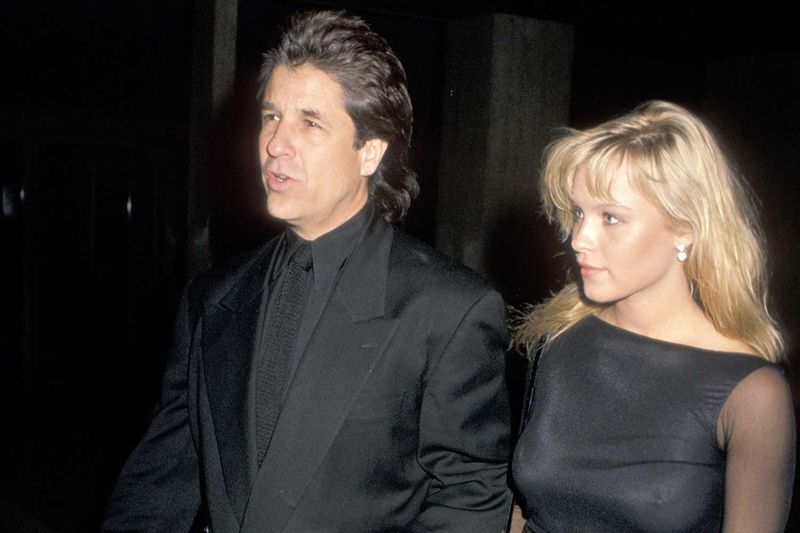
A relationship can feel like a publicity flash because nostalgia is a powerful marketing engine, and this pairing came with decades of backstory.
The idea of two people reconnecting after years apart has built-in romance, but it also has built-in press interest, especially when one or both names are already tabloid staples.
When the marriage ended almost immediately, people started reading it as symbolic rather than serious—like a dramatic announcement that wasn’t meant to be permanent.
Pamela has often been treated unfairly by the media, with her love life becoming the punchline, and this situation fit that pattern.
The quick split added fuel to the perception that the wedding was more about the moment than the marriage.
Whether or not that interpretation is accurate, it shows how celebrities can lose control of their own narrative when the public insists on turning relationships into story arcs.
10. Miley Cyrus (married Liam Hemsworth)
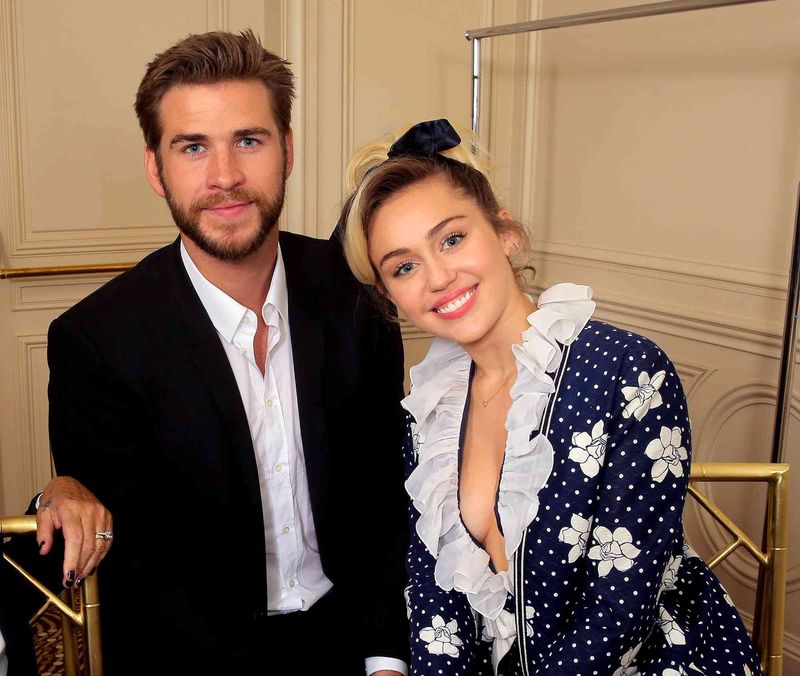
The public watched this relationship evolve for years, which meant the marriage felt less like a surprise and more like the climax of a long storyline.
After a highly visible on-and-off cycle, the wedding landed like a statement—either a true restart or a final attempt to make it work.
When it ended within the year, the “career boost” chatter wasn’t always about money or fame, but about image: people debated whether marriage was part of a personal reinvention, a public reset, or a romantic decision made under intense scrutiny.
Miley’s career has always involved eras and transformation, so outsiders naturally tried to fit the marriage into that framework.
The reality is probably far more human and complicated, but the timing made the public treat the wedding like a chapter marker.
In celebrity culture, even genuine relationships get analyzed like branding decisions, and this one was no exception.
11. Bradley Cooper (married Jennifer Esposito)
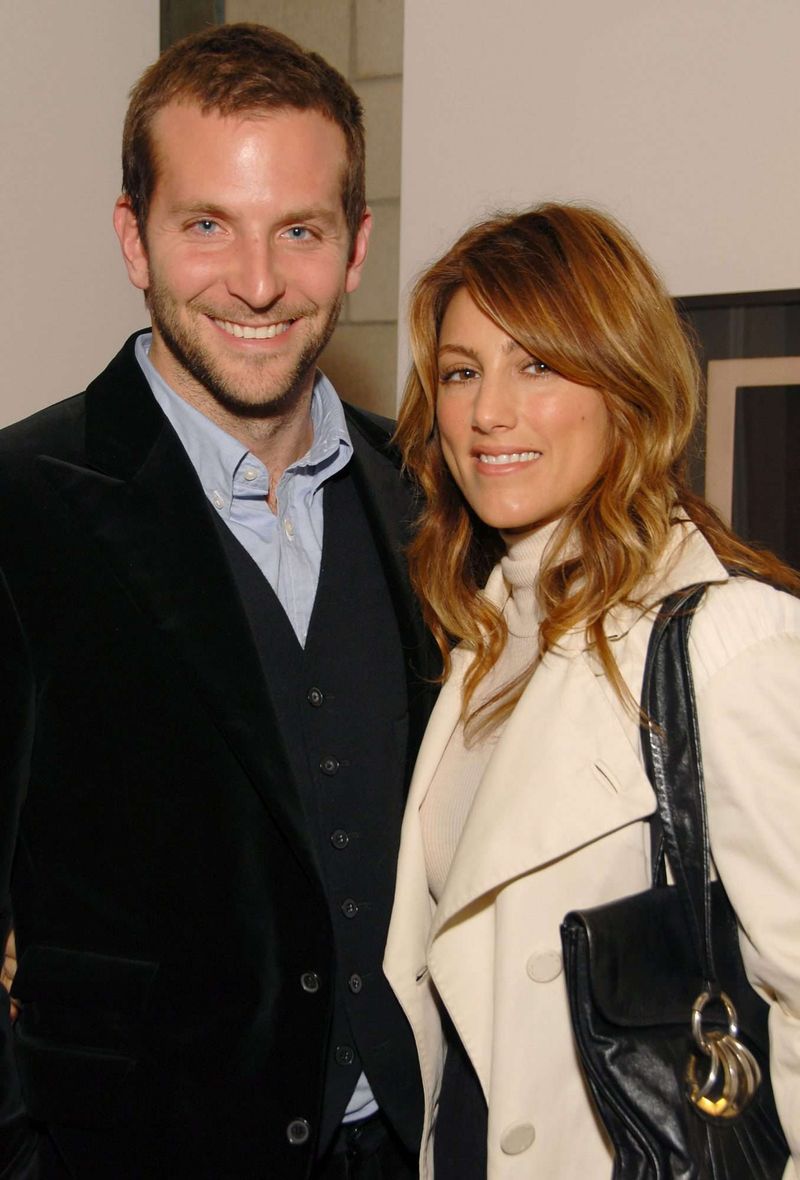
Sometimes the “strategic” label shows up later, after one person becomes even more famous and the public rewrites the story with hindsight.
Bradley and Jennifer were both working actors, but his star power grew significantly in the years that followed, which made the short marriage feel like a footnote people suddenly wanted to investigate.
Because the relationship ended quickly, it became easy for outsiders to reduce it to a stepping-stone narrative, even though real marriages rarely fit neat explanations.
The media loves a before-and-after story, and a brief marriage provides a clean dividing line to hang that narrative on.
In reality, a fast split can simply mean two people realized they weren’t compatible under pressure, without any calculated intent involved.
Still, this marriage is often referenced in “short-lived celeb unions” lists precisely because its brevity leaves so much room for speculation.
Comments
Loading…