
 Harper Hall
11 Movie Tropes We’re All Tired of Seeing
There’s a certain comfort in knowing what you’re getting when you sit down to watch a movie, but comfort turns into boredom when the same tricks show up again and again.
At this point, some tropes feel less like storytelling shortcuts and more like lazy default settings, especially when they’re used to force drama instead of earning it.
The problem isn’t that familiar beats can’t work, because they absolutely can when writers add real stakes, believable choices, and fresh character work.
The issue is repetition without imagination, where viewers can predict the next scene before it even starts.
If you’ve ever found yourself rolling your eyes and thinking, “Not this again,” these are the worn-out movie tropes that keep popping up, even though most of us are more than ready to see them retire.
1. The “miscommunication” plot that could be solved in 30 seconds
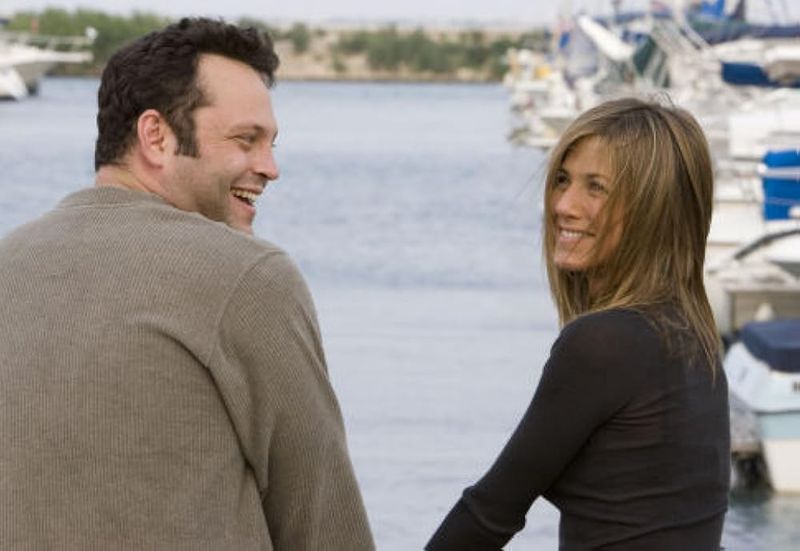
Nothing pulls an audience out of a story faster than a problem that exists only because two adults won’t speak like adults.
One character overhears half a conversation, storms off, and instead of asking a single follow-up question, they spend the next hour spiraling into worst-case assumptions.
The movie treats this as emotional tension, but it often feels like manufactured chaos, especially when the characters have already proven they can communicate in every other situation.
The trope is even more frustrating because it usually replaces deeper conflict that could have revealed real incompatibilities, fears, or values.
Instead, the plot becomes a marathon of near-misses and conveniently interrupted explanations.
When the truth finally comes out, the resolution can feel unearned, because the audience hasn’t watched growth, just avoidance.
2. The chosen one who’s magically good at everything

A hero with talent is exciting, but a hero who masters everything instantly can make the story feel weightless.
Viewers are asked to believe that a character who was ordinary yesterday can suddenly fight like a veteran, strategize like a general, and outperform experts with years of training.
Even in fantasy settings, skill still needs a believable path, because competence is more satisfying when it’s earned through failure, practice, or sacrifice.
The “chosen one” trope becomes tiring when destiny replaces effort and luck replaces learning, leaving no room for tension.
If the protagonist is always the best, the obstacles start looking like props rather than genuine challenges.
A more compelling approach lets the hero struggle, improve gradually, and succeed because of resilience, not because the universe declared them special.
3. Love triangles where the “choice” is obvious

Romantic tension can be fun, but it loses its spark when the outcome is so predictable that it feels like filler.
One love interest is kind, supportive, and emotionally available, while the other is unreliable, moody, and somehow framed as “exciting.”
The movie insists the protagonist is torn, yet the audience can usually see the healthiest choice from the first few scenes.
This trope also tends to reduce characters into roles instead of people, because each love interest becomes a set of traits designed to push a decision rather than a fully developed partner.
Even worse, love triangles often rely on jealousy and manipulation rather than genuine emotional conflict.
When romance becomes a competition, it can cheapen the relationships and make the protagonist look indecisive instead of relatable, which is a hard sell for viewers who want believable chemistry.
4. The makeover that turns “invisible” into “valuable”
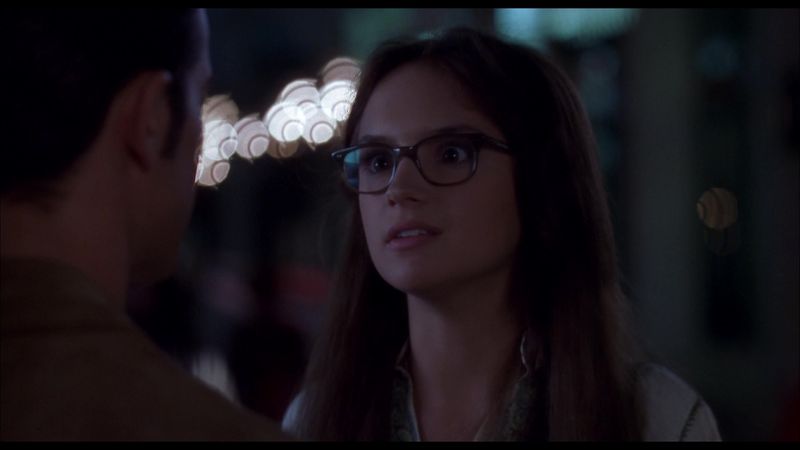
It’s hard not to cringe when a movie suggests someone’s worth hinges on contact lenses, straightened hair, and a tighter outfit.
The classic makeover montage sells the idea that a person is overlooked until they conform to a narrow beauty standard, and then suddenly everyone respects them, desires them, or notices their personality.
That message feels especially outdated now, because audiences are more aware of how damaging that logic can be.
The trope often pretends it’s empowering, but it usually reinforces the same old formula: change your appearance and your life will improve.
Even when the makeover is played for laughs, it can still imply that the “before” version was wrong or embarrassing.
A better story would let confidence come from growth, skills, boundaries, or self-acceptance instead of a new wardrobe and a dramatic hair flip.
5. The “strong female character” who’s strong because she’s rude
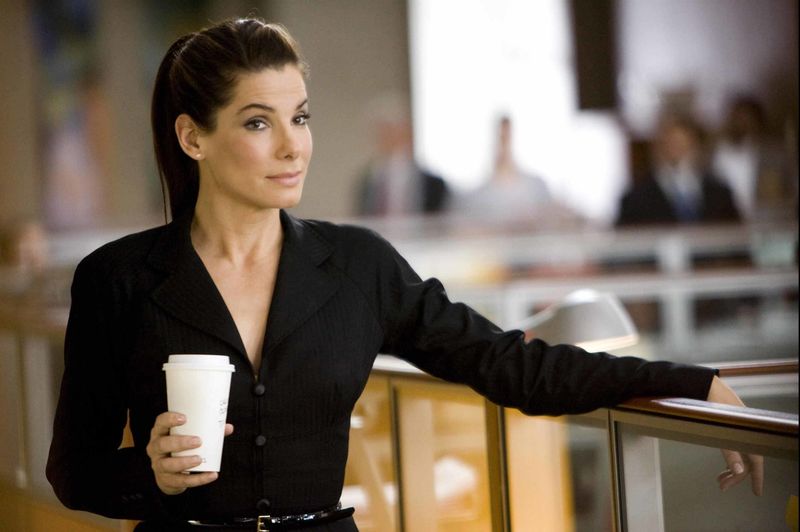
Confidence and strength can be incredibly compelling on screen, but too many movies confuse strength with constant hostility.
Instead of showing a woman who is competent, layered, and emotionally intelligent, the script gives her an attitude, sharp comebacks, and a refusal to be vulnerable, as if softness automatically equals weakness.
The result is a character who feels more like a stereotype than a person, because her “toughness” rarely has context or meaning beyond being abrasive.
This trope also limits storytelling, since it often avoids showing friendships, tenderness, or growth, which are the very things that make characters memorable.
Audiences can handle complicated women, including those who are angry, guarded, or blunt, but it works best when those traits come from experience and evolve over time.
Real strength includes compassion, boundaries, and self-awareness, not just sass and scowling.
6. The villain monologue that buys the hero time
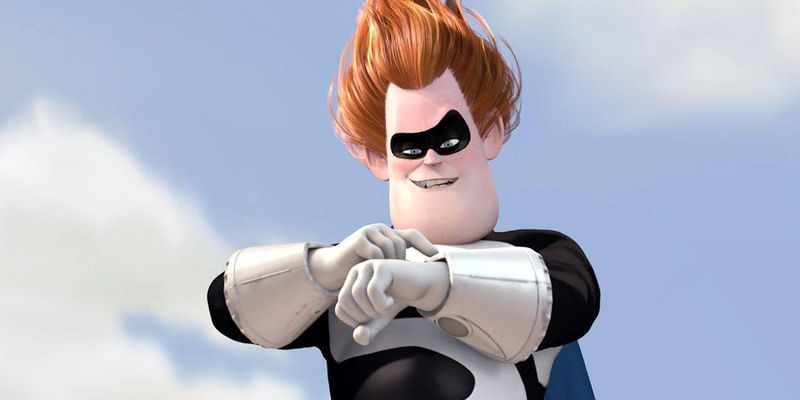
Suspense evaporates when the bad guy pauses the action to deliver a speech like they’re narrating their own documentary.
The villain explains the plan in detail, reveals personal motivations, and sometimes even summarizes their entire philosophy, all while the hero conveniently gets time to loosen ropes, find a hidden weapon, or think of a clever escape.
This trope can be entertaining in small doses, but it’s been used so often that it now feels like a predictable cue that the villain is about to lose.
It also undermines the threat, because truly dangerous antagonists don’t typically risk everything for the sake of a dramatic monologue.
When the audience knows a speech is basically a countdown to the villain’s defeat, the tension fades.
A more effective villain stays strategic, communicates through actions, and forces the hero to win through real ingenuity rather than a gift-wrapped opportunity.
7. The last-minute breakup before the happy ending
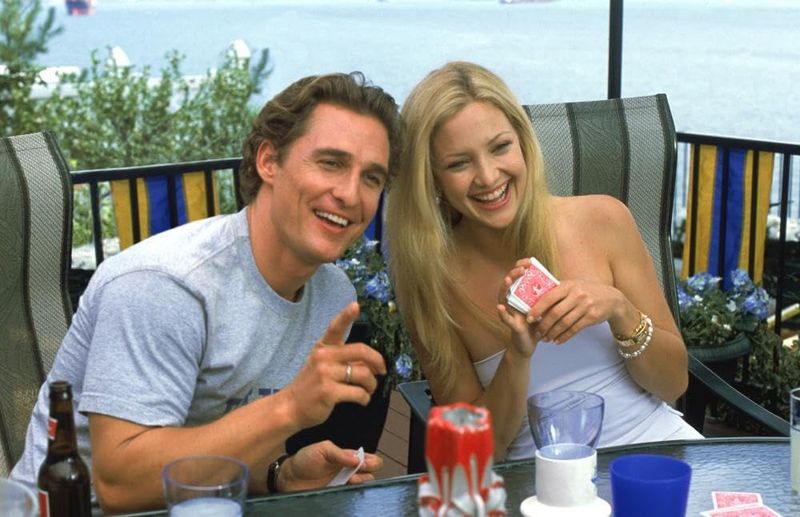
Romance movies love a dramatic rupture right before the finish line, even when the relationship was functioning perfectly well minutes earlier.
A minor misunderstanding, an overheard comment, or a sudden fear of commitment triggers a breakup that exists mostly to create a big reunion scene later.
The problem is that it often feels like emotional whiplash, because the breakup doesn’t grow naturally from the characters’ deeper issues.
Instead of letting conflict reveal differences in values or goals, the script relies on a forced separation so someone can race through an airport or deliver a grand speech.
It’s meant to be cathartic, but it can come across as manipulative when the audience can tell the split is temporary.
If a movie wants stakes, it’s more satisfying to build them from choices that actually matter, not from a predictable detour.
8. The redemption arc for someone who didn’t earn it

A good redemption story can be powerful, but it only works when the character truly changes and takes responsibility.
Too often, movies hand out forgiveness after one teary confession or a single heroic act, as if that automatically erases years of cruelty, betrayal, or harm.
The audience is expected to clap because the character had a sad backstory, but pain doesn’t excuse behavior, and it certainly doesn’t replace accountability.
This trope can also send a frustrating message that victims should move on quickly, or that boundaries are less important than giving someone another chance.
Redemption should be about consistent effort, making amends, and accepting consequences, not about a quick emotional shortcut to a feel-good ending.
When a movie rushes the process, it can feel like the story is protecting the wrong person, and viewers are left wondering why growth was treated like a one-scene event.
9. The cop/detective who breaks every rule—and gets rewarded
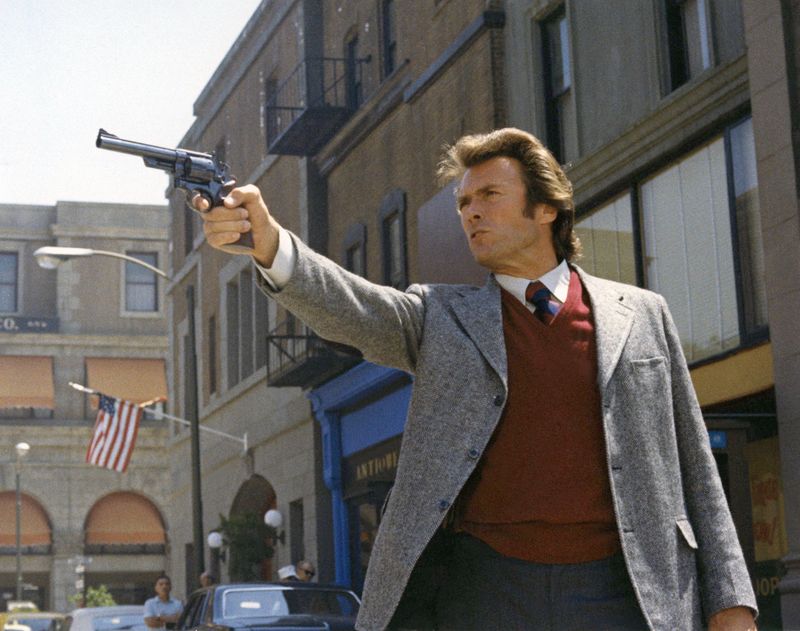
Movies often frame reckless behavior as heroic, especially when a character is a “maverick” who ignores protocol.
The detective storms into a situation without backup, violates rights, disobeys orders, and puts people at risk, yet the story praises them because they get results.
That narrative has become increasingly tired, because it treats accountability like an obstacle rather than a necessity.
It also simplifies real-world systems into a cartoonish “rules are bad” message, ignoring the fact that rules exist to protect people, including innocent bystanders.
This trope can be especially frustrating when the character faces no consequences, or when their colleagues are portrayed as incompetent simply because they value procedure.
Audiences can enjoy flawed protagonists, but flaws should matter, and actions should have consequences.
A more modern approach would explore how ambition and ego can be dangerous, even when someone believes they’re doing the right thing.
10. The fake-out death (especially when it happens more than once)
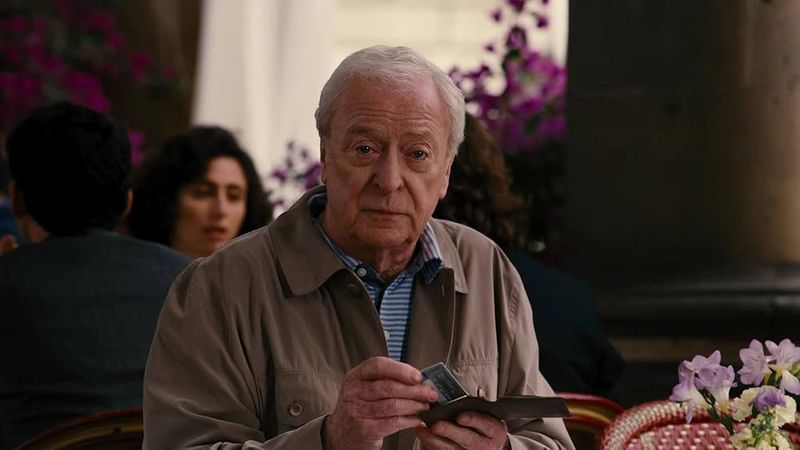
Emotional scenes hit hardest when the audience trusts what they’re seeing, which is why fake-out deaths can be so exhausting.
A character “dies,” everyone grieves, the music swells, and then later we learn it was a trick, a miracle, or a conveniently unexplained survival.
When this happens once in a rare case, it might feel shocking or satisfying, but repeated fake-outs teach viewers not to invest.
If death is always reversible, stakes shrink, because the audience stops believing consequences will stick.
The trope also risks feeling manipulative, since it uses grief as a cheap tool to generate emotion without committing to the story’s own choices.
A meaningful sacrifice should change the world of the film and the people in it, whether through loss, transformation, or long-term impact.
When writers keep undoing big moments, they trade powerful storytelling for temporary surprise, and viewers end up feeling played.
11. The “we have 10 seconds left” countdown win
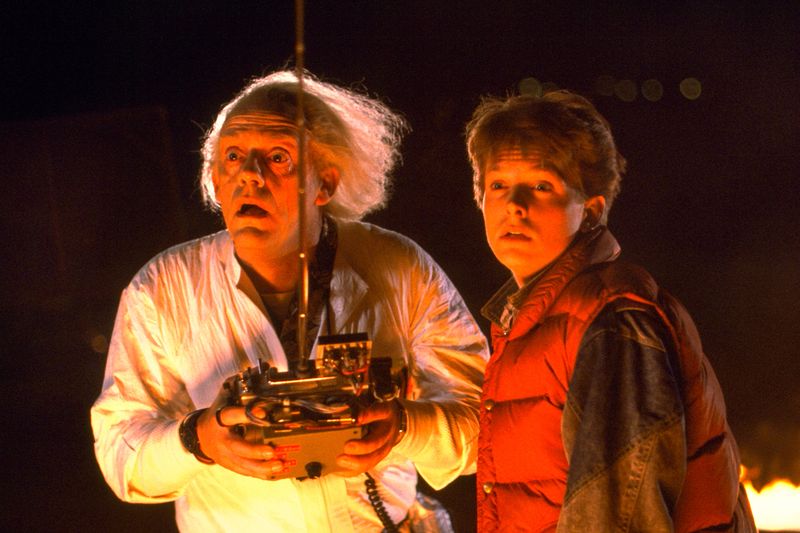
Few things are more predictable than watching a timer race toward zero while the hero sweats, struggles, and triumphs with one second to spare.
Whether it’s a bomb, a virus upload, or a door sealing shut, the climax often lands on the same beat: the last possible moment, every time.
The first issue is that it becomes a formula, and formula kills suspense, because the audience knows the hero won’t fail until the sequel demands it.
The second issue is that it reduces tension to a mechanical trick rather than something earned through character choices.
A countdown can be thrilling when it’s used creatively, but when it’s the default, it starts feeling like a shortcut for writers who need urgency without complexity.
A stronger climax might allow the hero to succeed early but face an unexpected consequence, or fail partially and adapt, which creates a more satisfying and less predictable payoff.
Comments
Loading…