
 Mary Murphy
11 Movie Endings That Ruined the Whole Film for People

Some finales stick the landing so perfectly that they elevate everything that came before them.
Other times, a last-minute twist, rushed explanation, or tonal swerve can make audiences feel like the whole ride was a setup with no payoff.
That reaction is especially intense when the movie has been building suspense, emotion, or logic for two straight hours and then fumbles the last five minutes.
To be fair, plenty of these endings also have defenders who insist the film’s choices are bold, thematically consistent, or simply misunderstood.
Still, the loudest complaints tend to sound the same: “I was on board until the ending.”
Spoiler warning, because even vague discussions of these final moments can give away more than you might want to know going in.
1. The Mist (2007)
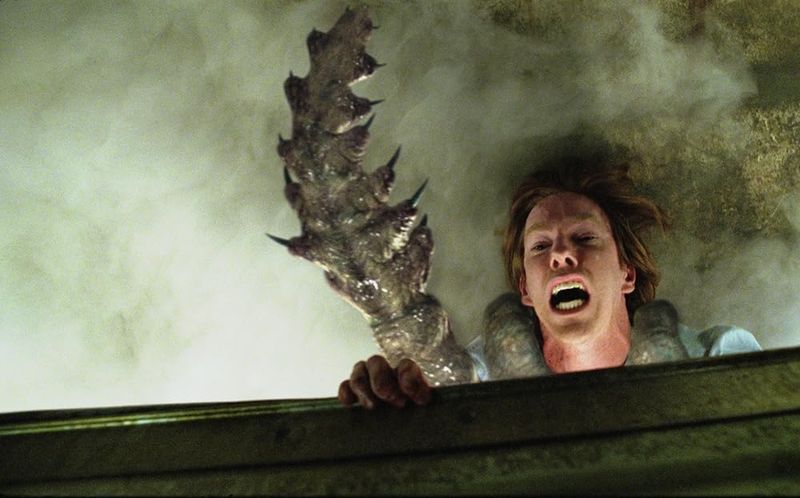
Frank Darabont’s adaptation spends most of its runtime building a grim, pressure-cooker sense of survival under impossible circumstances.
The tension works because every choice feels like it carries consequences, and the characters’ fear is painfully believable.
When the movie reaches its final stretch, it makes a devastating decision that some viewers consider unforgettable, and others consider unforgivable.
Instead of offering catharsis, the ending lands like a punchline delivered at the worst possible moment.
For many people, it reframes the entire story as cruelty rather than tragedy, which is a fine line in horror storytelling.
Even fans who admire the audacity admit the last minutes can leave you feeling too gutted to appreciate anything that came before.
2. Remember Me (2010)

This romantic drama plays like a moody, character-focused story about grief, family wounds, and two people trying to find solid ground.
It asks you to invest in intimate conflicts, small emotional breakthroughs, and a relationship that slowly starts to matter.
Then the ending arrives with a historical gut-punch that many audiences felt was used more as a shock device than a meaningful conclusion.
The final reveal can make earlier scenes feel strangely staged, as if the movie was hiding its real intentions the whole time.
Critics of the finale often say it turns personal trauma into a twist, which can feel manipulative rather than profound.
For viewers who wanted a sincere relationship story, that last-minute pivot is exactly what makes the whole film hard to recommend.
3. Now You See Me (2013)

What begins as a slick, playful magic-heist movie builds momentum on clever misdirection and a fast-moving cat-and-mouse chase.
The appeal is watching plans unfold while you try to guess how the illusions work without feeling totally left behind.
By the time the film reaches its closing reveal, a lot of viewers feel the story crosses from “surprising” into “impossible.”
The ending asks you to accept a master plan that seems to rely on information and control the characters realistically would not have.
When the explanation lands, some audiences feel like the movie is congratulating itself instead of earning the twist.
If the finale doesn’t click for you, the earlier fun can sour because it makes the entire mystery feel like a rigged game.
4. High Tension (2003)
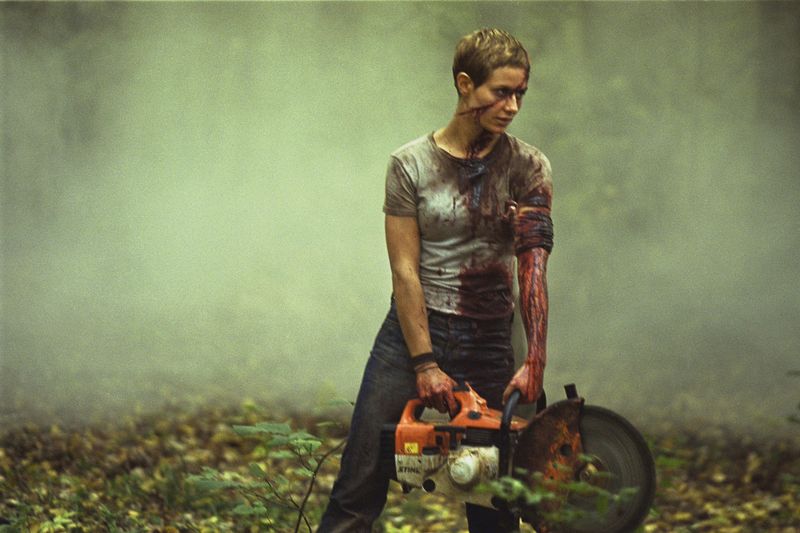
This French horror-thriller earns its reputation early by delivering relentless dread, brutal set pieces, and a pace that barely lets you breathe.
For most of its runtime, the film feels like a lean nightmare built on fear, survival instincts, and escalating danger.
Late in the story, a twist drops that reinterprets key events in a way many viewers consider logically inconsistent.
The problem isn’t just that it’s shocking, but that it can make earlier scenes stop making sense when you replay them mentally.
Some fans embrace the ending as a psychological spiral, yet others see it as a cheat that breaks the movie’s internal rules.
If you’re in the second camp, the finale can turn all that hard-earned tension into frustration instead of payoff.
5. War of the Worlds (2005)
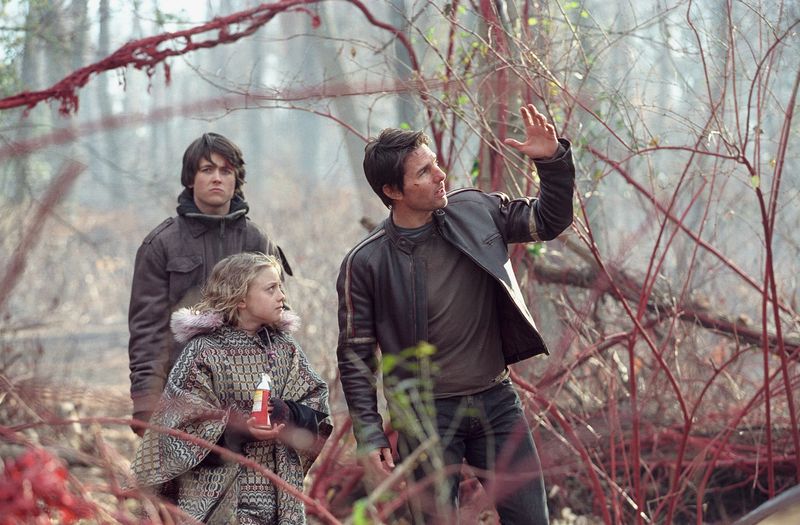
Spielberg’s alien invasion spectacle is at its best when it’s grounded in panic, chaos, and a parent’s desperate scramble to protect his kids.
The set pieces are huge, but the emotional engine is the helplessness of ordinary people facing something beyond comprehension.
As the film heads toward its conclusion, the resolution can feel oddly convenient compared to the intense struggle that came before.
Some viewers love the idea behind the ending, but still dislike how abruptly everything seems to wrap up.
There’s also a character-related outcome that many audiences found implausible, which can make the finale feel like a forced comfort blanket.
When a disaster movie goes that hard for that long, even a slightly too-neat ending can leave people feeling oddly cheated.
6. I Am Legend (2007)

Will Smith carries this post-apocalyptic story with a lonely, aching performance that makes the empty-city setting feel genuinely haunting.
The film’s strongest moments are quiet ones, where routine survival and isolation do the emotional heavy lifting.
When the theatrical ending arrives, many viewers felt it undercut the themes the story had been building about fear and “otherness.”
Instead of leaning into a more complicated moral conclusion, it pivots toward a cleaner, more conventional wrap-up.
That choice can make the earlier setup feel like it was pointing toward a different, braver idea.
People who’ve seen alternate versions often argue the movie would be remembered more fondly if its final message matched the unsettling questions it raises.
7. Law Abiding Citizen (2009)
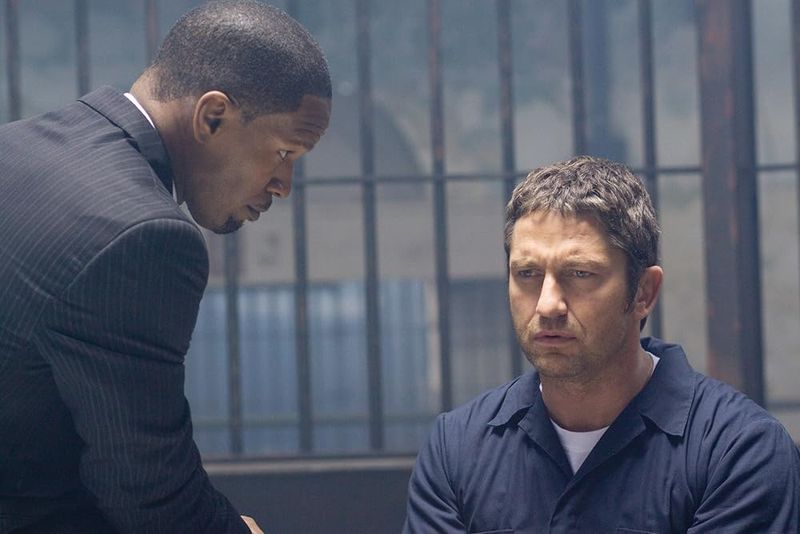
This revenge thriller hooks you with an angry premise about justice failing, and it dares you to ask how far you’d go to “make it right.”
The cat-and-mouse dynamic works because the story keeps escalating, forcing characters to choose between principle and expediency.
As the movie approaches the finish line, the ending makes a decision that many viewers think betrays the setup’s logic.
Instead of paying off the moral tension in a satisfying way, it can feel like the film suddenly wants to reassure you.
The final beat also changes how you read the protagonist’s intelligence and planning, which is a risky move in a strategy-heavy plot.
For fans who loved the boldness of the early acts, the conclusion often feels like a last-minute compromise rather than an earned outcome.
8. Glass (2019)

M. Night Shyamalan’s crossover promises a thoughtful collision of characters and themes built across two very different films.
The concept is exciting because it seems poised to explore what happens when belief, trauma, and “superhero logic” meet the real world.
As the story reaches its climax, some viewers felt the ending shrinks the scale instead of delivering the cathartic payoff they expected.
The final turns can come across as intentionally deflating, which is a creative choice, but not one everyone enjoys.
Fans of the trilogy often complain the film spends so much time building tension that it doesn’t fully cash in on it.
If you wanted a grand, emotional crescendo, the last act may leave you feeling like the movie talked itself out of its own promise.
9. Wonder Woman 1984 (2020)

This sequel starts with bright, optimistic energy and a nostalgic tone that feels like it’s aiming for heartfelt blockbuster comfort.
There are strong ideas in the mix, especially around desire, temptation, and what people are willing to justify when they’re hurting.
But as the film reaches its ending, many viewers felt the story’s moral logic becomes muddy rather than inspiring.
Some plot choices raise uncomfortable implications that the movie doesn’t fully address, which can make the emotional resolution feel off.
The finale also leans heavily on sweeping speeches and big gestures, and that approach doesn’t land for everyone.
When an ending asks you to cheer while you’re still questioning the ethics of what happened, it can retroactively make the entire experience feel messy.
10. The Village (2004)

This atmospheric thriller draws you in with gorgeous cinematography, an isolated community, and a steady drip of fear about what lurks beyond the trees.
It’s easy to get invested because the film carefully builds rules, rituals, and a sense of fragile safety holding everything together.
When the twist arrives, some audiences feel impressed, while others feel tricked in a way that makes the earlier tension feel artificial.
The reveal changes the genre of the story in an instant, which can be thrilling if you love conceptual pivots.
If you don’t, it can feel like the movie was withholding the “real” story rather than letting you solve it.
That’s why the ending is so divisive, because it either deepens the themes for you or makes the whole buildup feel like a long con.
11. The Happening (2008)
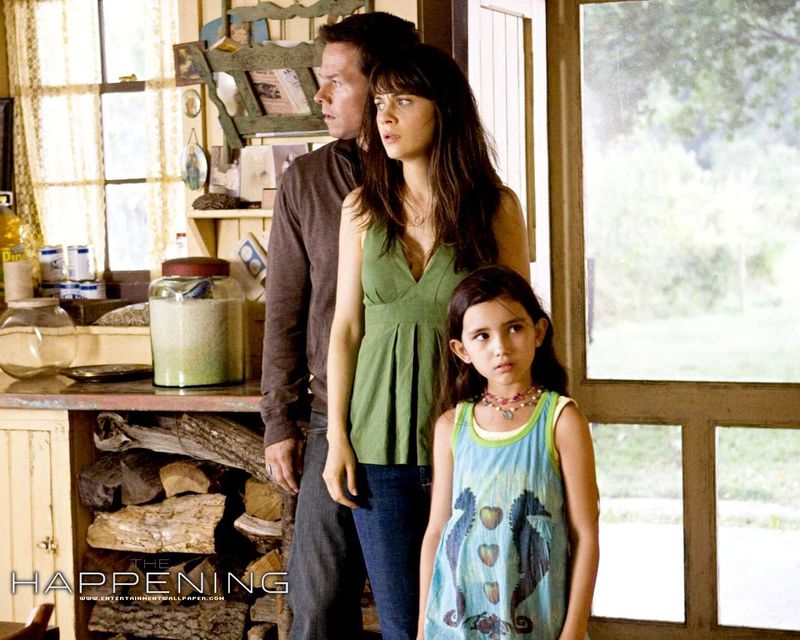
M. Night Shyamalan’s eco-tinged thriller has a premise that’s instantly creepy, because it turns the natural world into something you can’t reason with.
The early scenes are effective at creating confusion, mass panic, and a sense that something invisible is targeting people.
As the film explains itself and reaches its ending, many viewers feel the payoff doesn’t match the strength of the initial mystery.
The tone can also wobble between sincere terror and unintentional comedy, which makes the finale harder to take seriously.
When the explanation arrives, it can feel simultaneously too simple and too vague, leaving audiences unsatisfied on both fronts.
If you were hoping for a chilling, coherent reveal that ties everything together, the ending often lands as a shrug instead of a gut punch.
Comments
Loading…