
 Isabel Parker
11 Celebs Who Quietly Live Below Their Means (and the Habits Anyone Can Copy)
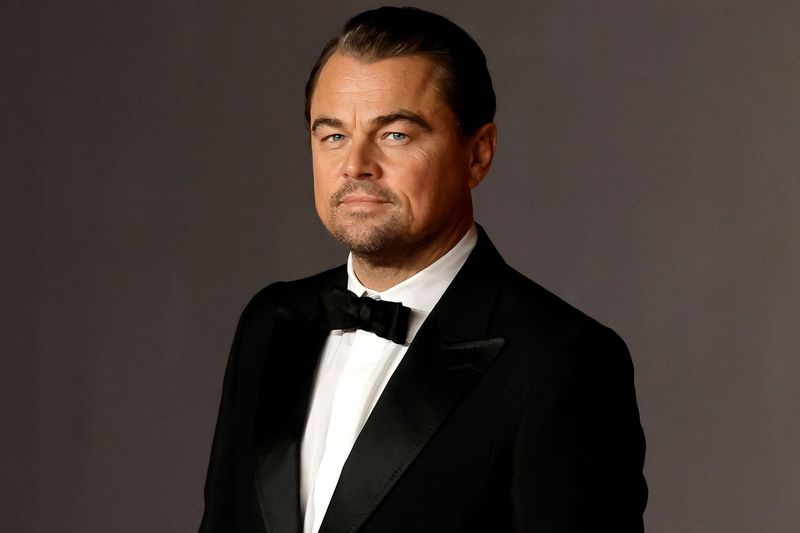
Money gets louder the more some people have it, but plenty of wealthy celebrities do the opposite and keep things surprisingly quiet.
Instead of turning every raise into a bigger house, flashier closet, or constant upgrades, they stick to routines that protect long-term security.
A low-key lifestyle isn’t about pretending you don’t have money, because it’s about controlling lifestyle creep before it controls you.
The best part is that the habits that keep their spending grounded are the same ones that work on any income.
Think budgets, simpler choices, practical purchases, and a willingness to ignore what looks impressive online.
Here are eleven stars known for living below their means, plus the everyday moves you can copy starting now.
1. Keanu Reeves
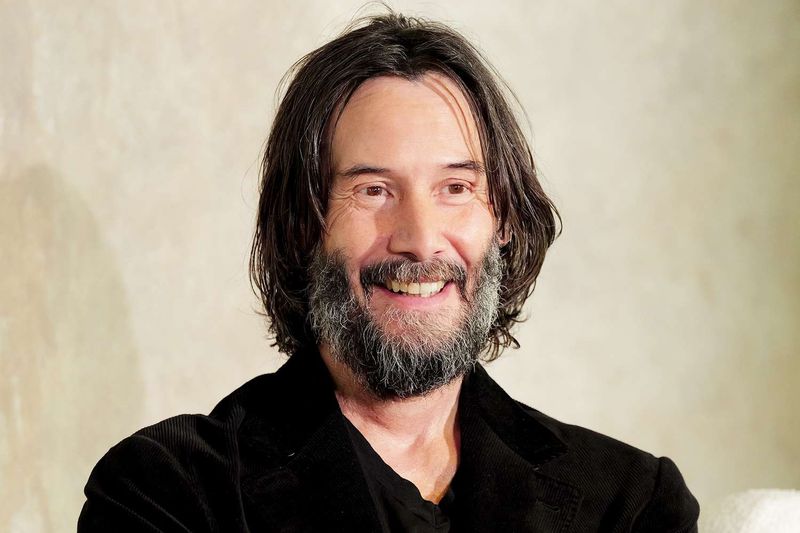
The actor behind some of Hollywood’s biggest franchises has built a reputation for staying remarkably low-key in daily life.
He’s often described as someone who values privacy, normal routines, and practicality far more than constant luxury upgrades.
That mindset matters because it keeps spending aligned with values instead of letting status become the default goal.
A copyable habit is to decide what you truly care about, and then intentionally spend more only in those few areas.
Another useful move is to keep transportation and “nice-to-have” purchases functional, since they rarely improve happiness long-term.
When big checks come in, he’s also associated with generosity and quiet giving, which reframes money as a tool, not a trophy.
2. Sarah Jessica Parker

A longtime fashion icon has also been linked to surprisingly down-to-earth parenting and household choices.
In interviews over the years, she’s been portrayed as someone who doesn’t believe kids need constant newness to feel cared for.
That attitude makes a powerful point: financial confidence often looks like repeating what already works, not constantly replacing it.
To copy the habit, normalize hand-me-downs, swaps, and re-wearing favorites, especially for items that get used hard.
You can also set a “good enough” standard for everyday life, saving splurges for moments that truly matter to you.
Keeping family spending simple frees up room for bigger goals like savings, education funds, and stress-reducing emergency buffers.
3. Warren Buffett

One of the world’s most famous investors is often cited as proof that wealth and flashy living are not the same thing.
He has long preferred a stable, familiar lifestyle over upgrading simply because he can afford to do so.
That stability helps protect decision-making, because it reduces the pressure to chase the newest version of everything.
A habit worth copying is treating big purchases like housing and cars as long-term utility choices, not personality statements.
Another practical takeaway is focusing on what grows money quietly, such as consistent investing, instead of what drains money loudly.
When you keep fixed costs reasonable, you buy yourself flexibility, which is the real luxury most people are actually after.
4. Ed Sheeran

A global pop star has spoken in the past about keeping spending simple, even while earning at an extraordinary level.
The idea is straightforward: income can rise without turning every month into a permission slip for bigger habits.
That matters because lifestyle inflation can outpace success faster than most people realize, especially with subscriptions and impulse upgrades.
To copy the approach, create a monthly “fun money” allowance that you can spend guilt-free, while everything else stays planned.
Automate savings and investing first, so your goals are protected before you ever see the extra cash sitting in checking.
When you treat boundaries as normal, you still enjoy life, but you also stay resilient when work slows down or costs rise.
5. Kristen Bell

A beloved comedic actor has openly joked about bargain-hunting and making practical choices even when fame makes overspending easy.
That kind of public comfort with saving money is refreshing, because it removes the shame some people attach to being careful.
Frugality works best when it’s treated as a skill, not a personality flaw, and she’s often framed that way.
The habit to copy is getting comfortable with coupons, cashback apps, price checks, and waiting for sales on predictable purchases.
You can also keep a running list of items you want and revisit it after a week, which filters out many impulse buys.
Over time, these small “no thanks” moments add up to big wins, without forcing you into a lifestyle that feels restrictive.
6. Leonardo DiCaprio

n A-list actor known for environmental advocacy has frequently been associated with more mindful choices around consumption and travel.
Even when you love nice things, being selective can reduce waste and overspending at the same time.
The habit to copy is choosing fewer items that last longer, rather than buying many versions that quickly feel outdated.
You can apply that to clothing, electronics, furniture, and even everyday kitchen items by prioritizing durability over trendiness.
Another smart move is to ask whether a purchase solves a problem for years or just satisfies a mood for a day.
When “buy it once” becomes your default, you spend less, maintain less, and end up with a life that feels calmer and cleaner.
7. Jennifer Lawrence

A major movie star has been described in past interviews as someone who still does ordinary errands and enjoys simple routines.
That normalcy matters because convenience spending often grows when people feel too busy, too important, or too rushed.
The habit to copy is staying hands-on with everyday purchases, so you see prices regularly and keep your money sense sharp.
Grocery shopping, basic cooking, and planning a few repeat meals can reduce both food waste and last-minute takeout splurges.
You can also keep a “default week” budget that covers typical expenses, then treat unusual months as exceptions rather than the new normal.
When your baseline stays grounded, occasional splurges feel fun instead of stressful, and they won’t quietly become permanent expectations.
8. Mark Zuckerberg

A well-known tech founder has often been linked to a simplified wardrobe and a preference for fewer daily decisions.
While the details aren’t the point, the underlying strategy is extremely useful for anyone trying to control spending.
Decision fatigue can lead to impulse buying, because the tired brain grabs quick comfort instead of making thoughtful choices.
To copy this, create a few reliable outfits, a simple meal rotation, and a short list of go-to products you genuinely like.
Then use the saved mental energy to focus on bigger decisions, like negotiating bills, optimizing savings, or investing consistently.
When you reduce noise in small areas, you’re less tempted to buy your way out of stress, and your budget gets easier to maintain.
9. Zooey Deschanel

An actor often associated with a quirky-cute aesthetic has also been connected to the idea of tracking spending and using budgets.
That combination is a great reminder that budgeting isn’t only for people who feel behind, because it’s for people who stay ahead.
The habit to copy is knowing your numbers in a way that’s detailed enough to guide choices but simple enough to maintain.
Pick a method you will actually use, whether that’s a weekly money check-in, category caps, or a basic spreadsheet.
Track recurring expenses closely, since subscriptions and autopays are where lifestyle creep loves to hide.
When you regularly review what you spent and why, you can adjust quickly, protect savings, and still make room for the things that truly bring joy.
10. Dave Grohl

A rock legend who has spent decades in music is often portrayed as someone who values normal life and steady priorities.
That steady-energy approach matters because fame-based spending can become a moving target that never feels like enough.
A copyable habit is separating identity from purchases, so you don’t feel pressured to prove success through constant upgrades.
You can also build a “future you” plan by saving windfalls, bonuses, or extra income rather than treating them as instant spending money.
Another smart move is keeping your core lifestyle consistent, then letting occasional experiences be the reward instead of permanent new fixed costs.
When you avoid locking yourself into expensive monthly obligations, you gain freedom, and that freedom tends to feel better than anything you can finance.
11. Dolly Parton

A cultural icon known for generosity has long carried a reputation for grounded values and practical decision-making behind the scenes.
That matters because values act like a financial compass, helping you say no to spending that doesn’t match the life you want.
A habit to copy is staying resourceful, whether that means learning basic DIY skills or simply fixing and maintaining what you already own.
You don’t need to do everything yourself, but knowing how to handle small tasks can save hundreds each year.
Another copyable move is giving with intention, setting a clear amount for generosity so it feels joyful instead of guilt-driven or chaotic.
When you mix practicality with purpose, you build a lifestyle that’s quietly rich, not loudly expensive.
Comments
Loading…