
 Harper Hall
11 Bands That Were Made for Live Performances, Not Studio Albums
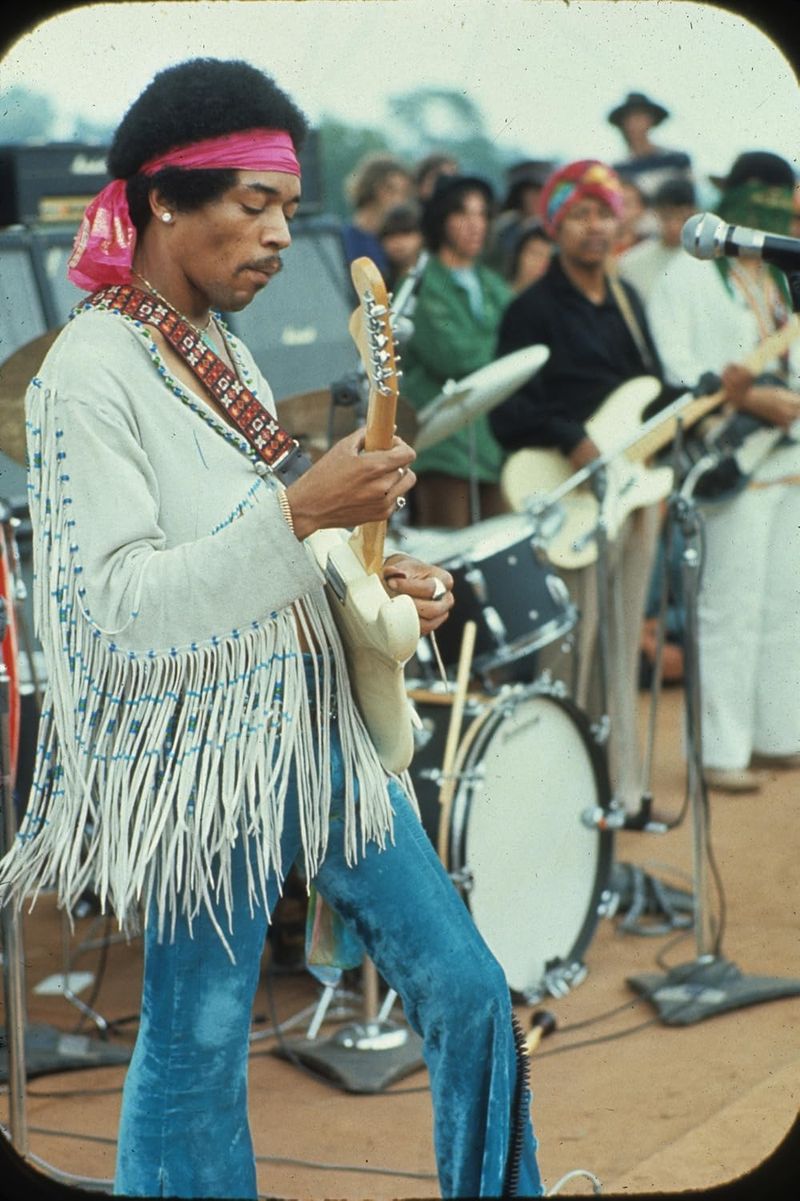
Some bands just come alive when they hit the stage.
Their studio albums might be good, but watching them perform live is a completely different experience.
The raw energy, improvisation, and connection with the crowd turn their songs into something magical that no recording can truly capture.
These eleven bands prove that sometimes the best music happens when the tape isn’t rolling.
1. Pearl Jam
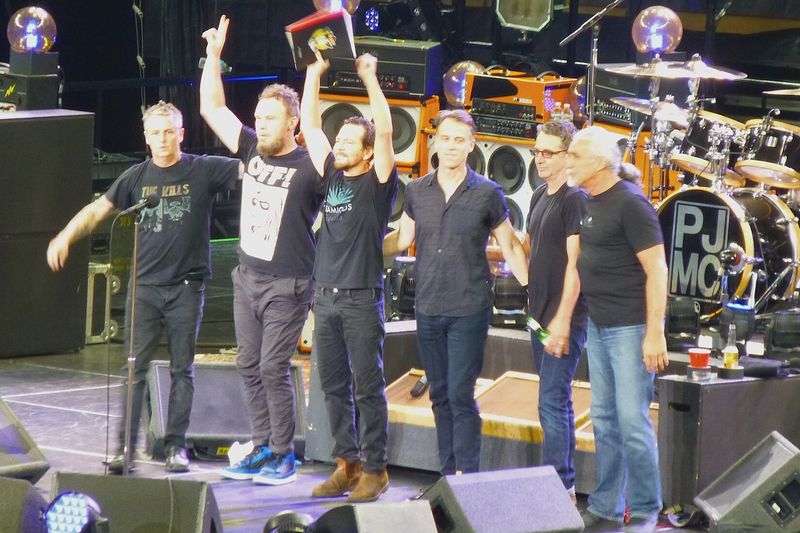
Eddie Vedder climbs speaker stacks, dives into crowds, and pours his soul into every lyric.
Pearl Jam concerts feel like emotional roller coasters where anything can happen.
The band switches up their setlist every single night, playing deep cuts and rare covers that studio fans might never hear.
Their studio albums are solid, but they don’t capture the raw power of hearing “Alive” or “Black” echoing through an arena.
The band feeds off the crowd’s energy, stretching songs and adding improvised guitar solos that make each performance one-of-a-kind.
Fans trade bootleg recordings like treasure because no two shows sound alike.
2. Radiohead
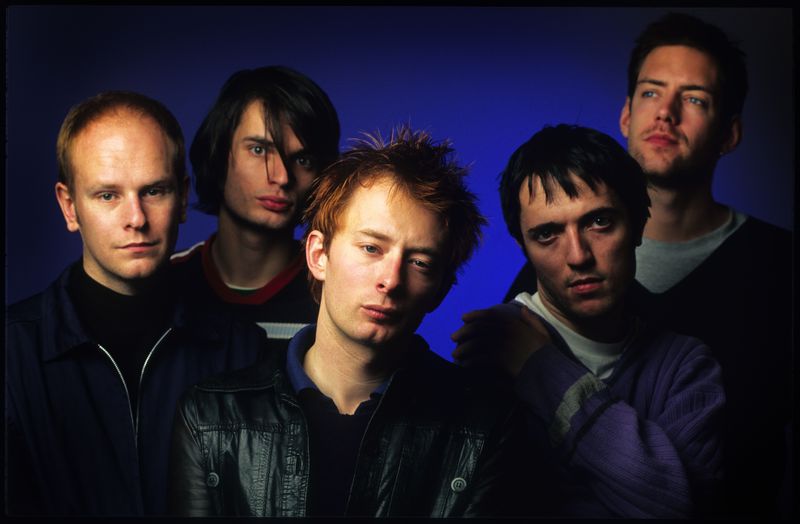
Studio albums made Radiohead famous, but their concerts transformed them into legends.
Thom Yorke’s haunting voice sounds even more powerful when surrounded by swirling lights and massive speakers.
The band reimagines their songs live, adding electronic layers and unexpected transitions that never appear on recordings.
Watching them perform feels like entering another dimension.
Songs like “Paranoid Android” and “Everything in Its Right Place” become epic journeys that last longer and hit harder than their album versions.
The visual production alone makes their shows worth experiencing, with screens and lasers creating dreamlike atmospheres that perfectly match their experimental sound.
3. The Grateful Dead
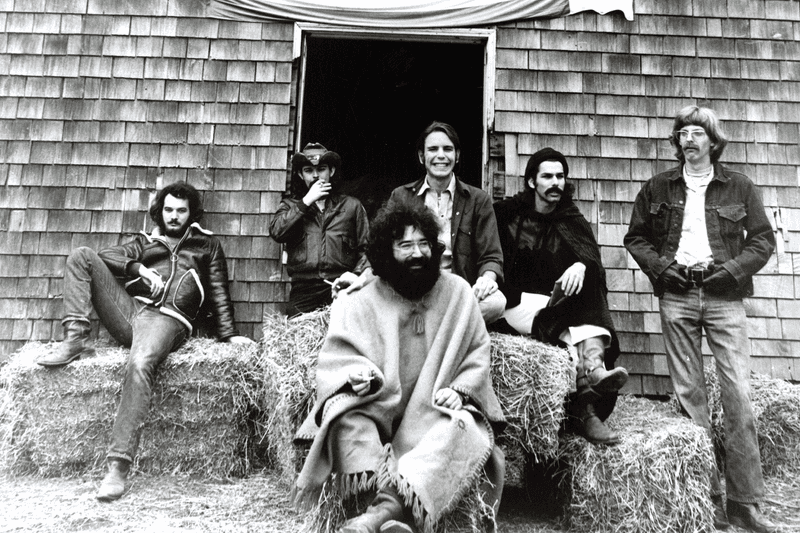
Every Grateful Dead concert was like opening a mystery box.
You never knew exactly what you’d get because the band never played the same show twice.
Their songs could stretch from five minutes to half an hour, depending on where the music took them that night.
Fans called themselves Deadheads and followed the band from city to city, collecting recordings of different shows.
The studio albums were nice, but they were just blueprints.
The real magic happened when Jerry Garcia and the crew started jamming, letting the music flow naturally without worrying about radio-friendly song lengths or perfect takes.
4. The Who
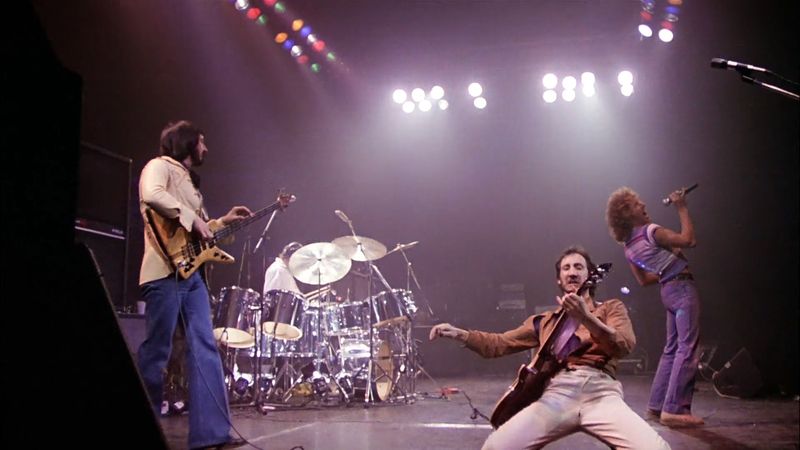
When The Who stepped on stage, they didn’t just play music—they attacked it.
Pete Townshend would windmill his arm across his guitar strings while Roger Daltrey swung his microphone like a lasso.
Keith Moon destroyed drum kits like it was his job, because honestly, it kind of was.
Their 1970 album ‘Live at Leeds’ captured this chaos perfectly and became legendary.
Studio recordings felt too polite for a band this wild.
They needed the electricity of a live audience to truly shine, feeding off the crowd’s energy to push their performances into explosive territory that left everyone breathless.
5. The Allman Brothers Band
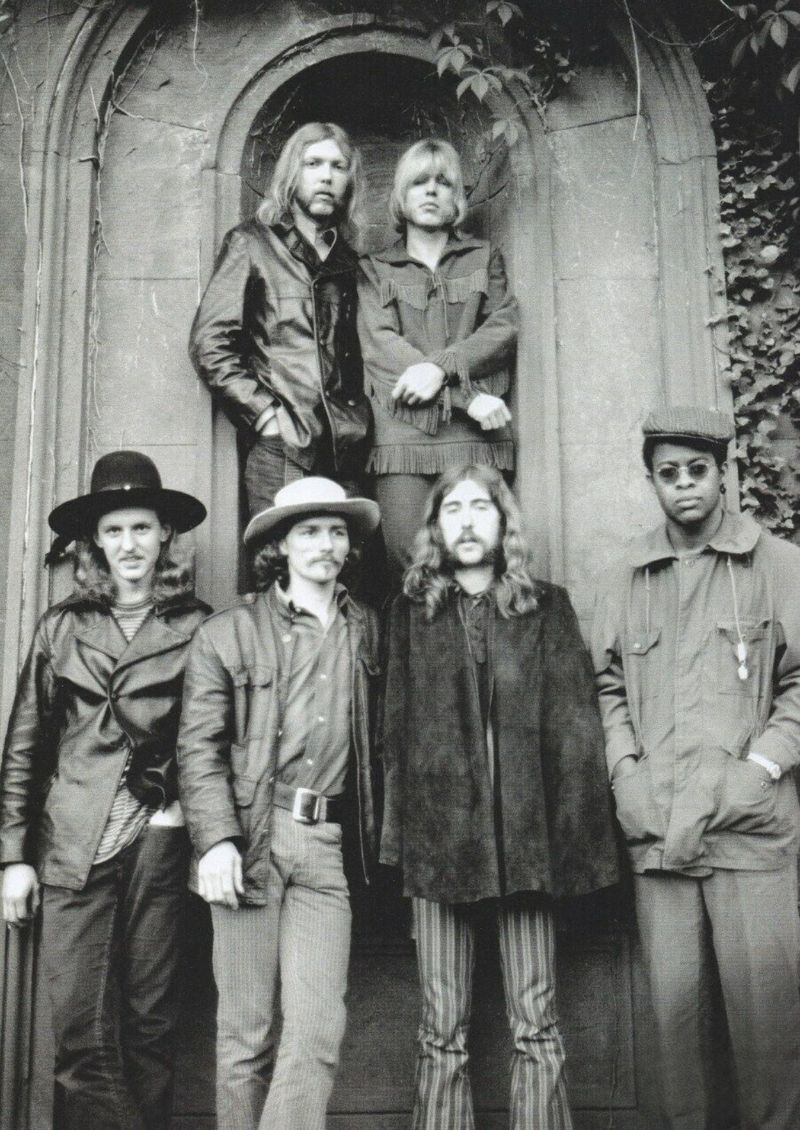
Picture a song that’s supposed to be four minutes long suddenly becoming twenty minutes of pure musical exploration.
That’s what happened when The Allman Brothers Band played live.
Their guitarists would trade solos back and forth, each one trying to outdo the other in the most beautiful way possible.
‘At Fillmore East’ from 1971 shows exactly why their concerts were so special.
Songs like ‘Whipping Post’ transformed into epic journeys that took listeners through emotional peaks and valleys.
Studio versions felt like postcards compared to the full vacation experience of seeing them live, where improvisation ruled everything.
6. Led Zeppelin
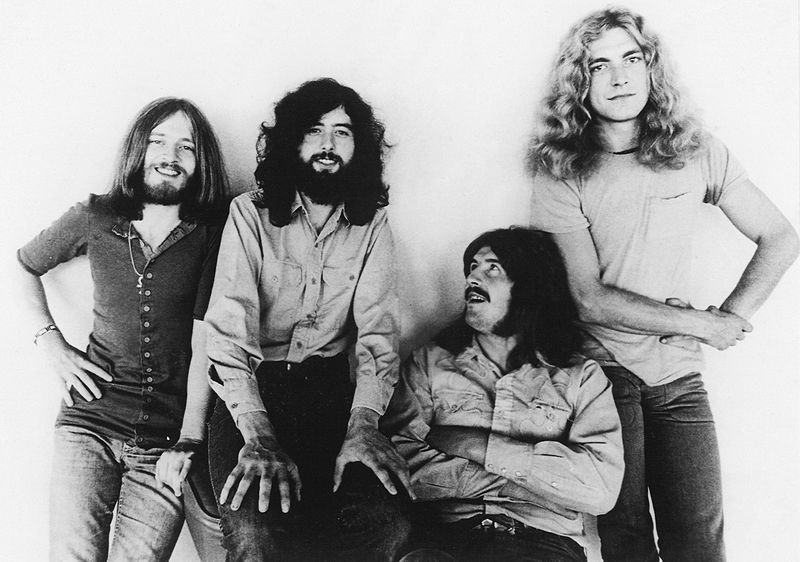
Jimmy Page didn’t just play guitar solos during Led Zeppelin concerts—he went on adventures.
A song that lasted five minutes on the album could easily become fifteen minutes live, with Page exploring every possible sound his guitar could make.
Sometimes he even played it with a violin bow, creating eerie, otherworldly noises.
Robert Plant’s voice soared higher in concert than it ever did in the studio.
The band fed off the audience’s reaction, pushing themselves harder with each show.
Their 1972 performances, released as ‘How the West Was Won,’ prove that their real power came from the spontaneous magic of live performance.
7. Deep Purple
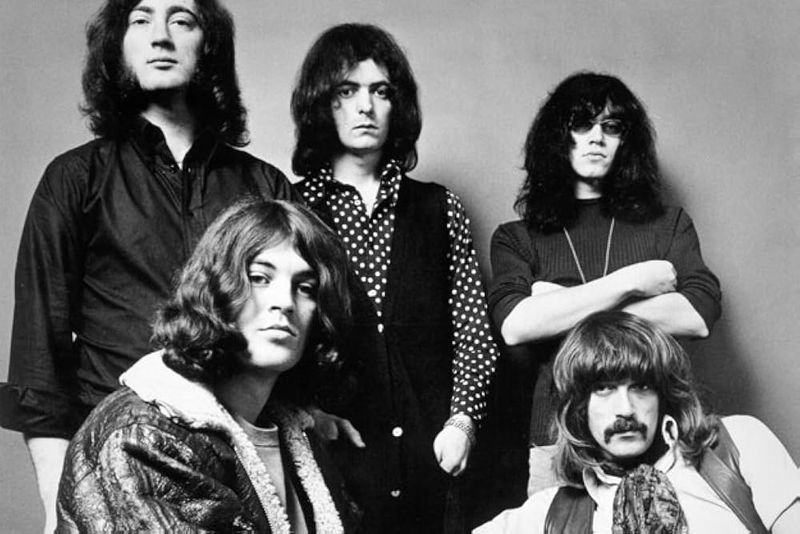
When Deep Purple recorded ‘Made in Japan’ in 1972, they accidentally created one of the greatest live albums ever.
The studio versions of songs like ‘Smoke on the Water’ were good, but the live versions were absolutely ferocious.
Ritchie Blackmore’s guitar screamed, Jon Lord’s organ thundered, and Ian Gillan’s voice hit notes that seemed impossible.
The energy in those Japanese concert halls was electric.
The band stretched their songs, added new sections, and played with an intensity that studio recordings couldn’t match.
Each musician pushed the others to play harder, faster, and louder, creating something truly special.
8. Cream
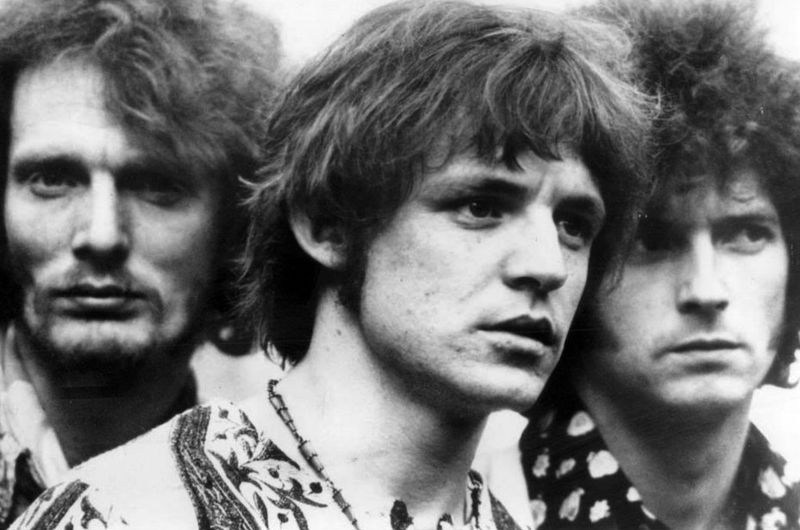
Three musicians.
One stage.
Endless possibilities.
Cream proved that sometimes less is more, especially when those three musicians are Eric Clapton, Jack Bruce, and Ginger Baker.
Their studio songs were tight and controlled, but live performances let them truly unleash their talents.
Clapton’s guitar solos would spiral into incredible improvisations, while Baker’s drumming became a force of nature.
Bruce’s bass and vocals held everything together while pushing the boundaries.
Songs doubled or tripled in length as the trio explored every musical idea that popped into their heads.
The studio was too small to contain their creativity.
9. Talking Heads
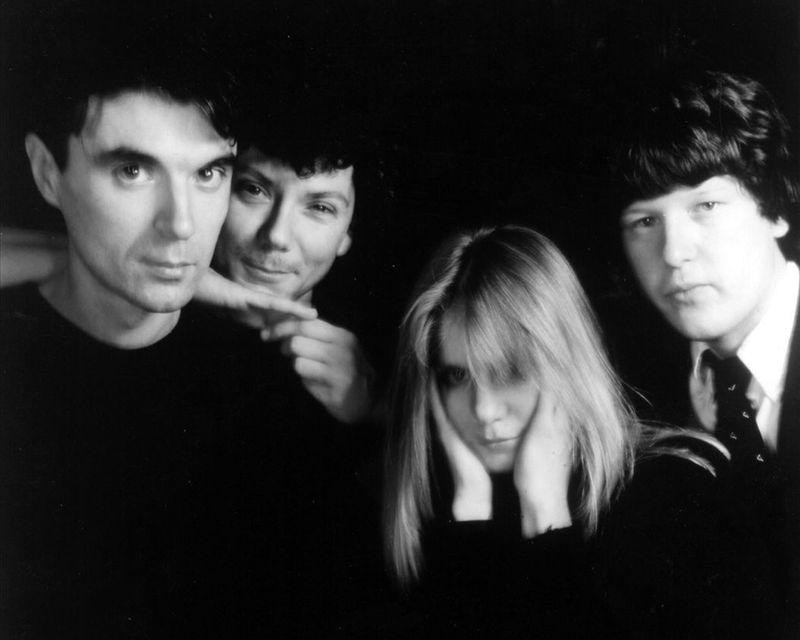
David Byrne wore a hilariously oversized suit during Talking Heads concerts, and somehow it perfectly matched the band’s explosive energy.
Their live shows, especially the ones captured in the concert film ‘Stop Making Sense,’ showed a completely different side of the band than their studio work suggested.
The studio albums were cool and intellectual, but live performances were sweaty, funky dance parties.
The band expanded on stage, adding extra musicians and turning their art-rock songs into groove-heavy jams.
Byrne jerked around the stage like he was possessed, and the audience couldn’t help but move along.
It was controlled chaos at its finest.
10. Bruce Springsteen and the E Street Band
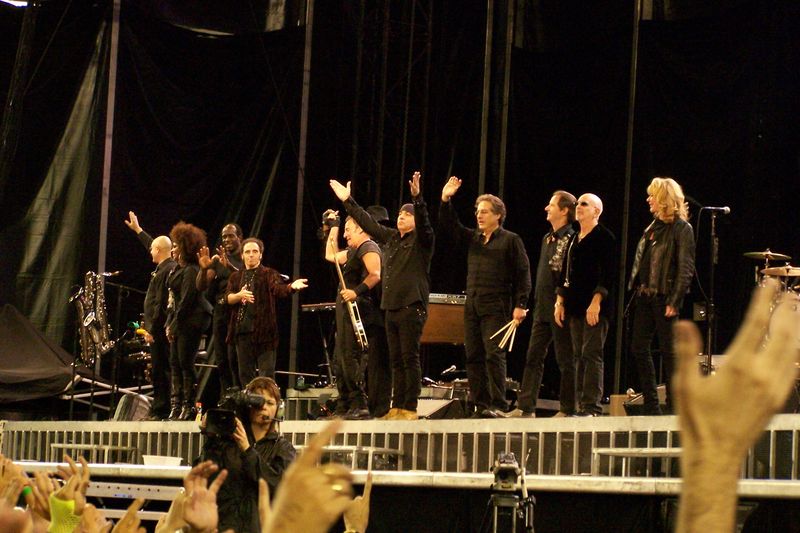
Bruce Springsteen doesn’t do short concerts.
His shows regularly last three or four hours, with the E Street Band playing their hearts out the entire time.
Studio albums capture the songs, but they can’t capture Springsteen’s storytelling between tracks or the way he connects with every person in the arena.
The Boss feeds off the crowd’s energy, often pulling audience members on stage or taking requests shouted from the seats.
Songs get extended, rearranged, and infused with whatever emotion is filling the room that night.
By the end, everyone is exhausted but exhilarated.
That’s something no recording can truly replicate.
11. The Jimi Hendrix Experience
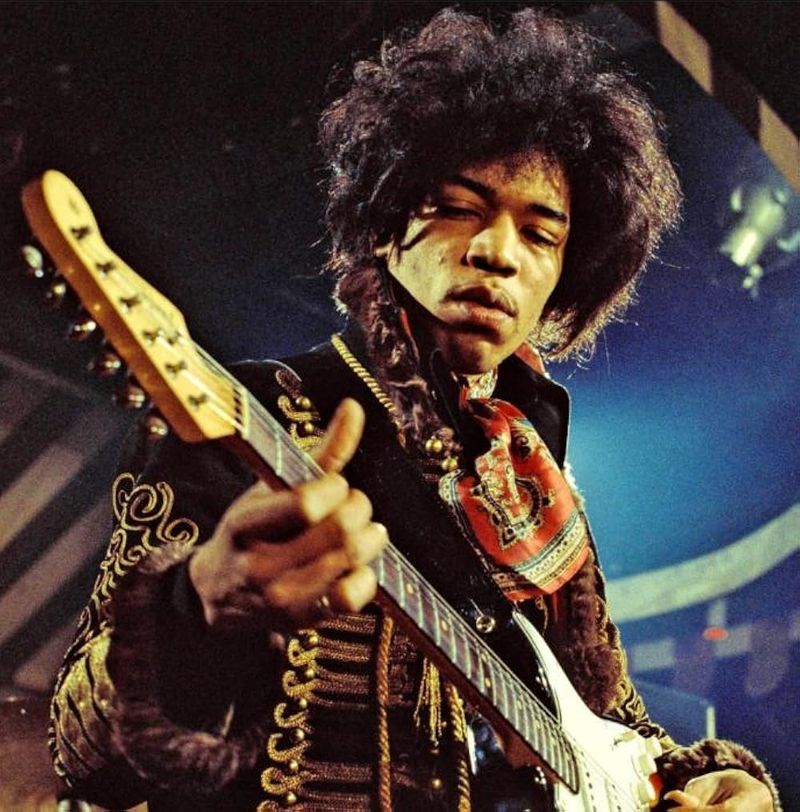
Jimi Hendrix treated his guitar like it was an extension of his body, coaxing sounds from it that nobody knew were possible.
Studio albums showcased his innovation, but live performances revealed his true genius.
He’d play behind his back, with his teeth, or set his guitar on fire—whatever the moment demanded.
At Woodstock in 1969, his rendition of the ‘Star-Spangled Banner’ became legendary, filled with feedback and distortion that somehow captured the turbulent times.
Every concert was different because Hendrix was constantly experimenting, pushing his instrument to new limits.
Recordings preserved the notes, but they couldn’t capture the electricity in the air.
Comments
Loading…