
 Mila Ross
11 Actors Who Fell Off and Gotten Worse Over Time, According to Fans
Some performances age like fine wine, but fan opinion can be brutally honest when a star’s choices start feeling predictable.
This list isn’t about “canceling” anyone, because every one of these actors has talent and a loyal audience.
Instead, it captures a common internet debate: whether certain careers peaked early, then slid into repetition or coasting.
Sometimes the shift happens because the roles change, not the performer, especially when studios keep rewarding a safe persona.
Other times fans blame overexposure, uneven scripts, or a style that once felt fresh but now plays like a familiar routine.
To keep it fair, each entry focuses on what viewers say they miss from the actor’s younger years, not a definitive verdict.
If you still love their recent work, consider this a window into the “they used to be better” conversations fans keep having.
1. Johnny Depp
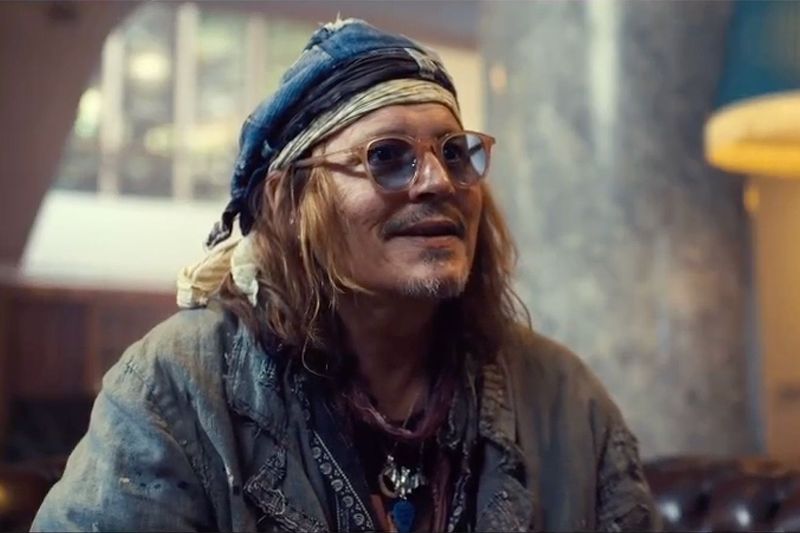
Few stars have had a reinvention arc as dramatic as a former heartthrob who became Hollywood’s go-to eccentric.
Fans often point to his earlier stretch as the sweet spot, when weird choices still felt grounded and emotionally specific.
Movies like “Edward Scissorhands,” “Ed Wood,” and “Donnie Brasco” showed a performer who could vanish into a role without relying on gimmicks.
In later years, some viewers argue the quirks started to stack up, turning into a familiar bundle of slurred cadence, odd posture, and heavy costuming.
Even when the material is strong, critics online say the “character” can feel preloaded before the story begins.
The most common complaint is that unpredictability became a brand, and the brand began to repeat itself.
Still, fans who miss the early magic usually admit the right director can bring out his most focused, surprising work.
2. Robert De Niro
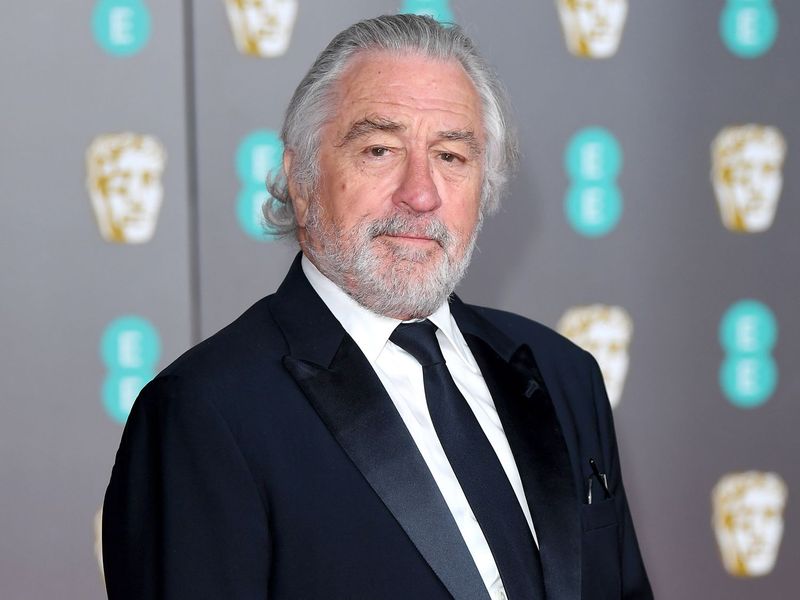
Few acting résumés are as untouchable as the one built in the 1970s and 1980s by this New York icon.
Fans who call him “worse” rarely mean he lost ability, because they mostly mean the newer roles rarely challenge him.
The early era delivered ferocity, vulnerability, and terrifying control, with performances that felt lived-in rather than performed.
In the later phase, audiences say he’s leaned into versions of the same gruff patriarch, cranky boss, or mob-adjacent elder.
Comedies and quick-paycheck projects can magnify that feeling, because the screen persona arrives fully formed and stays unchanged.
When the writing is sharp, he still flashes the old precision, which makes the coasting moments stand out even more.
Fans often argue the decline is less about talent fading and more about choices that no longer demand transformation.
3. Al Pacino
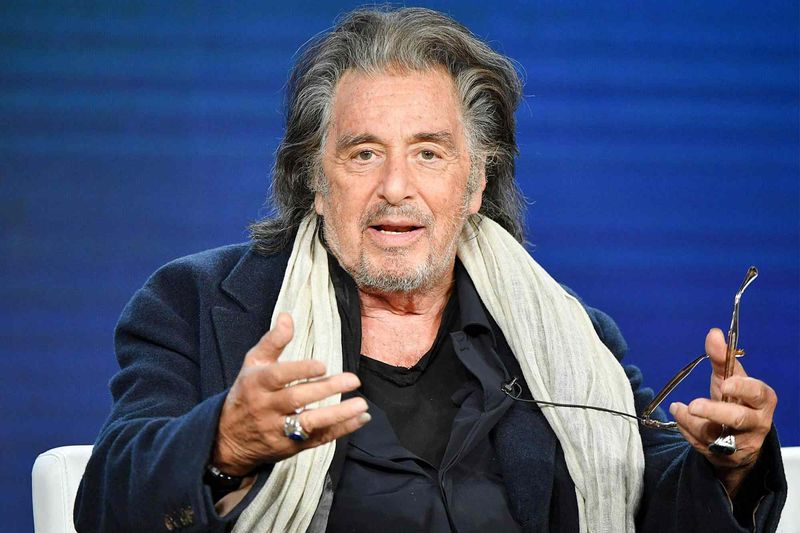
Few careers show a clearer contrast between restrained early intensity and later big-swing theatricality than this legendary performer’s.
Fans who prefer the younger version point to how quiet scenes once carried enormous weight without raised volume or showy gestures.
In “The Godfather,” “Serpico,” and “Dog Day Afternoon,” he could simmer for minutes, then land a line like a punch.
As the years went on, some viewers say the “Pacino-isms” became the main event, with signature cadence and explosive emphasis arriving on cue.
That style can be thrilling in the right film, but fans complain it sometimes pulls attention away from the character’s inner life.
Online discussions often describe a shift from disappearing into roles to announcing the performance in a way that feels self-aware.
Even so, many admit that when he’s paired with strong direction, the charisma still hits, and the old craft still shows.
4. Adam Sandler
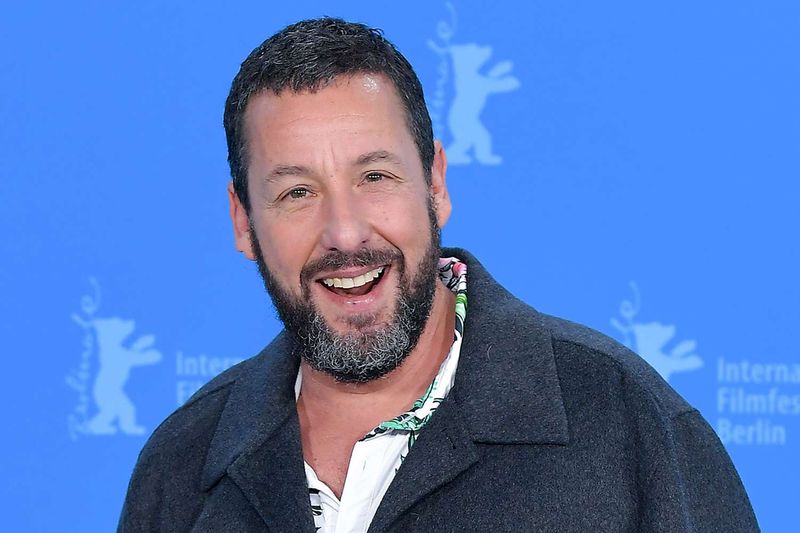
Few comedic rises were as lightning-fast as the one that turned a goofy young comic into a box-office staple.
Fans who think he’s gotten worse usually separate two Sandlers, because the dramatic actor still earns real respect.
The early comedies worked because the chaos was paired with surprising sweetness, and the characters felt oddly specific.
In more recent studio comedies, critics argue the movies can feel like inside jokes stretched into feature length.
Viewers often point to repeated setups, familiar voices, and a “vacation with friends” vibe that reads as low effort.
That’s why performances like “Uncut Gems” or other serious turns get cited as proof the ability never disappeared.
Fans who miss younger Sandler tend to wish he’d chase more challenging scripts, because they believe the hunger is what made him shine.
5. Nicolas Cage
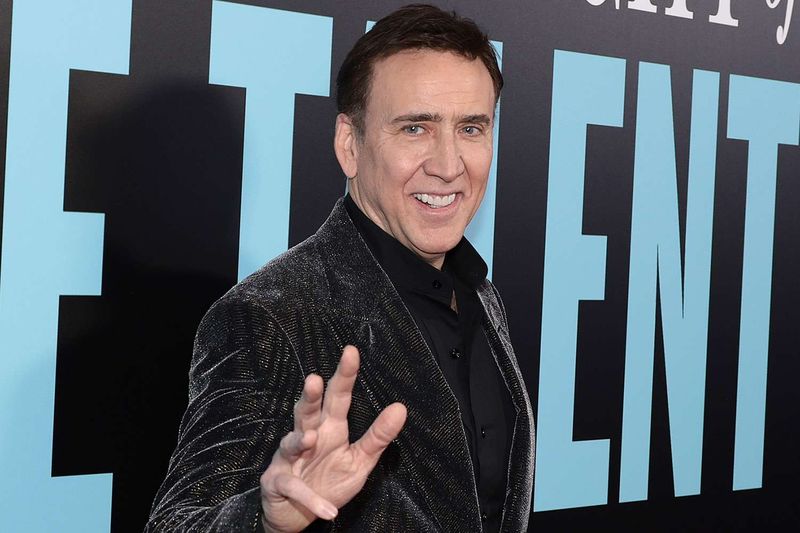
Few actors inspire as much debate, because his early work proved he could be both fearless and deeply controlled.
Fans who prefer the younger era often highlight how he balanced intensity with sincerity, even when playing strange or heightened characters.
In films like “Moonstruck,” “Leaving Las Vegas,” and “Adaptation,” the weirdness served the story instead of becoming the headline.
In later years, audiences sometimes say the performance style turned into a recognizable “Cage mode” that shows up regardless of the script.
That can be fun, but critics argue the meme reputation encourages exaggeration, and subtle choices get drowned out.
Some fans also point to the sheer volume of projects as a reason quality feels inconsistent from movie to movie.
Even so, many agree that when he has a strong director and a role with emotional stakes, he can still deliver something unforgettable.
6. Dwayne “The Rock” Johnson
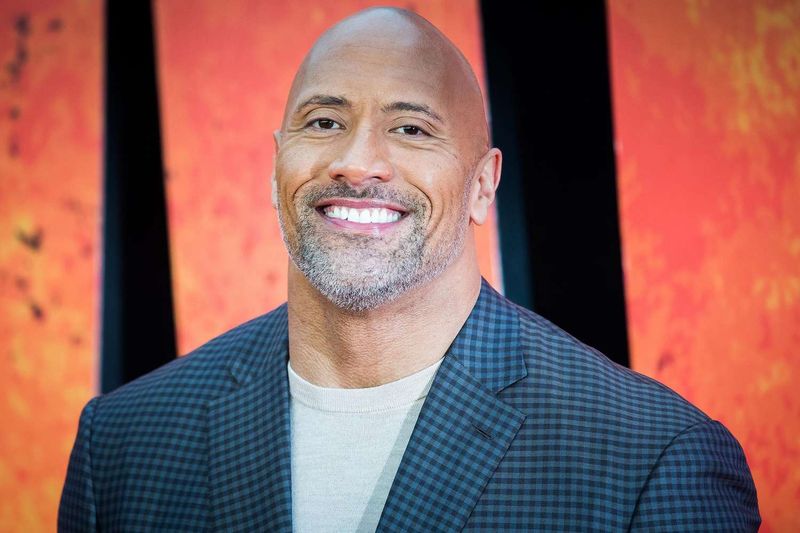
Few modern stars have built a brand as clean and consistent as the wrestler-turned-leading-man who dominates action comedies.
Fans who say he’s gotten worse usually mean the characters have flattened into a single persona that rarely changes.
Early roles felt like he was still surprising audiences, mixing charm, menace, and self-deprecating humor in unexpected ways.
As his fame grew, viewers argue the movies started protecting the brand, making him feel invincible and emotionally unshakable.
That predictability can reduce tension, because fans know the arc will land on the same heroic beats every time.
Online critics also mention that supporting casts sometimes feel like accessories to the star’s presence rather than equals in the story.
Fans who miss the earlier version often wish he’d take a risky role where he can fail, look foolish, or play genuinely flawed.
7. Kevin Hart
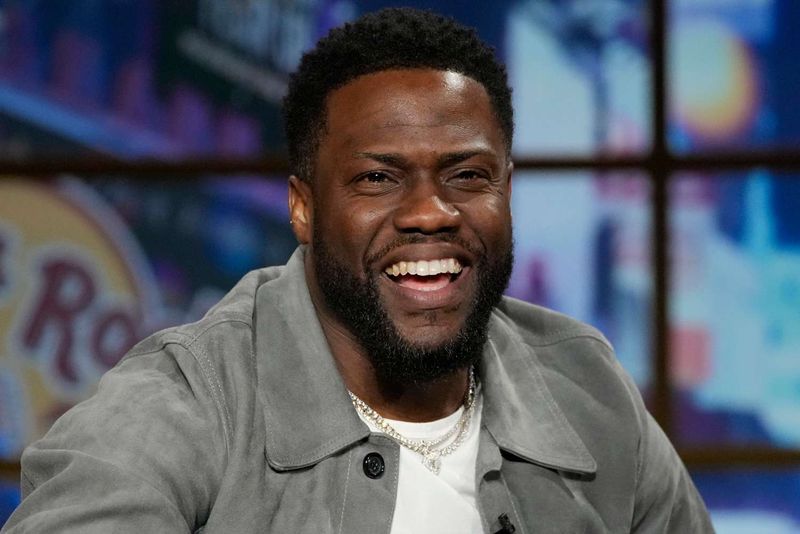
Few comedians have been as relentlessly visible, with stand-up, movies, voice work, and brand deals stacking year after year.
Fans who say he’s worse often point to overexposure, because the more you see a persona, the harder it is to feel surprised.
Early performances had a scrappy edge, with a hungry energy that made the panic and bravado feel personal.
In many recent films, viewers argue the same fast-talking rhythm and frantic reactions show up no matter what character he’s playing.
That repetition can make jokes land softer, because audiences can predict the cadence before the punchline arrives.
Some fans also say he shines most when paired with a strong foil, and solo projects can expose thin characterization.
Supporters still note that when he’s given a role with real stakes, he can tap into sincerity that reminds people why he broke through.
8. Ryan Reynolds
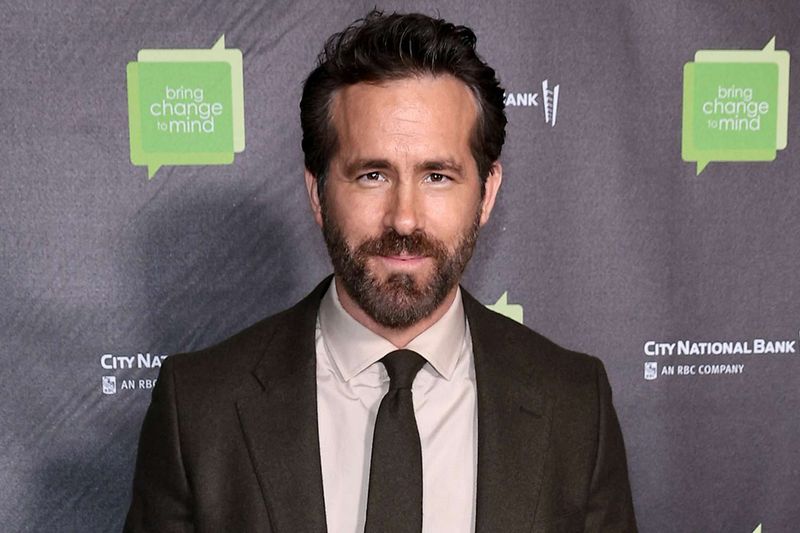
Few actors have perfected a modern “wink at the camera” charm the way this leading man has in the last decade.
Fans who think he’s gotten worse usually mean the same sarcastic cadence has started to dominate every role.
Earlier in his career, he bounced between rom-coms, thrillers, and darker material, showing more tonal variety than people remember.
After the enormous success of his most famous wisecracking character, viewers argue the voice became the default setting.
That can make new movies feel like the same guy in a different outfit, even when the plot wants something else.
Online critics often say the constant self-aware humor undercuts emotional moments that could have been genuinely moving.
Fans who miss the younger version usually want him to pick a part where sincerity isn’t a punchline, because they believe the range is still there.
9. Chris Pratt
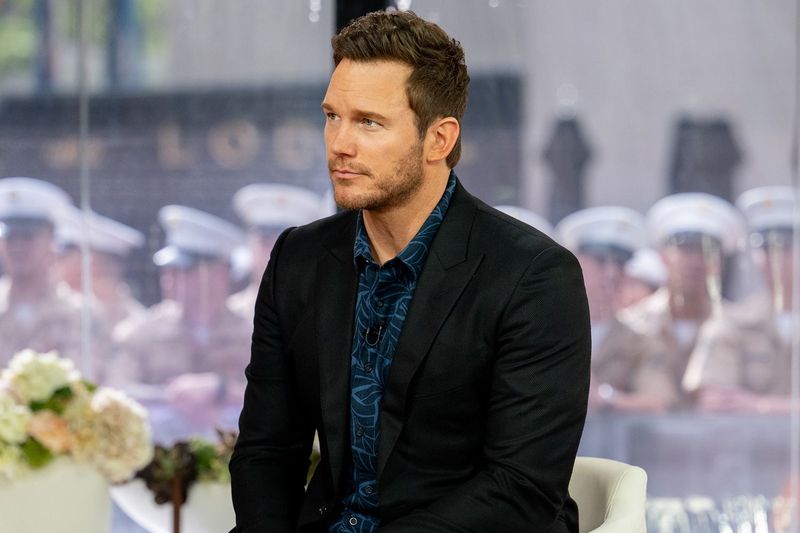
Few career pivots have been as dramatic as the jump from lovable sitcom goofball to global action-franchise centerpiece.
Fans who prefer the earlier version often say the comedic timing felt effortless, with warmth and weirdness that couldn’t be faked.
In ensemble roles, he used to play off others in a way that made scenes feel spontaneous and human.
As he moved into tougher heroic parts, some viewers argue the performances became more generic, like any interchangeable leading man.
That impression grows when scripts lean on standard action beats, because the character isn’t given space to be odd or vulnerable.
Fans also mention that voice acting roles can blur together, adding to the sense of sameness.
People who miss younger Pratt usually aren’t rejecting his success, because they just want a role that lets the goofy charm and emotional sincerity coexist again.
10. Mark Wahlberg
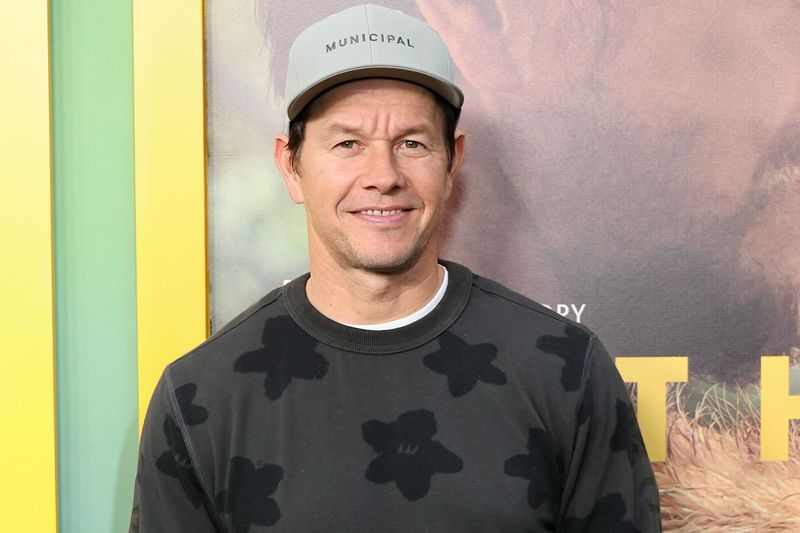
Few actors have a clearer split between “surprisingly great in the right role” and “strangely flat on autopilot” in fan discussions.
Fans who think he’s declined often cite his early standout work, when directors used his intensity in sharp, specific ways.
Performances in films like “Boogie Nights” and “The Departed” showed vulnerability, ambition, and real character shading.
In more recent projects, viewers argue he defaults to the same clenched-jaw seriousness, reactive anger, and tough-guy posture.
That sameness can make even decent scripts feel repetitive, because the emotional palette stays narrow across different stories.
Online critics also note that his comedic roles sometimes rely on the same “confused tough guy” beat instead of deeper comic invention.
Fans who miss the younger version usually want him paired with stronger directors again, because they believe the right material still pulls out his best work.
11. Steven Seagal
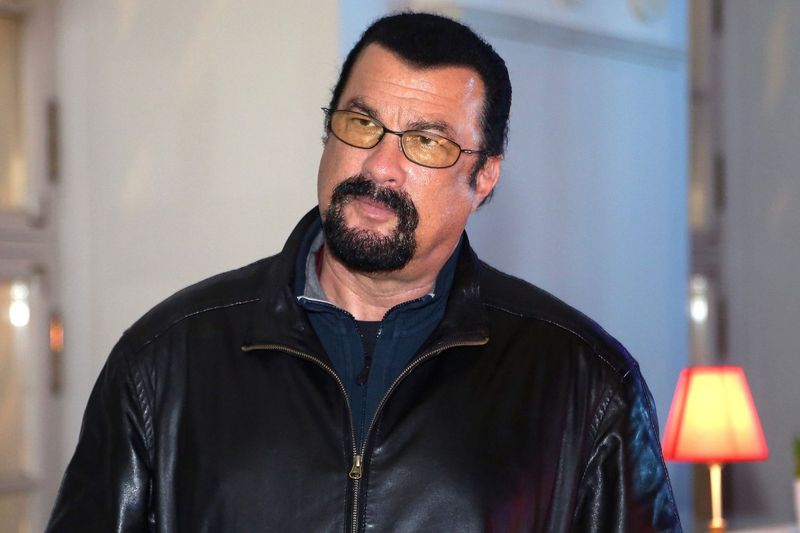
Few action careers have such a stark before-and-after, which is why fans bring him up whenever “decline” lists appear.
Early on, viewers remember a distinctive screen presence, with controlled movement and a calm confidence that set him apart.
Movies like “Above the Law” and “Under Siege” are often cited as the era when the physicality felt real and the roles had momentum.
In later years, audiences widely complain that performances became stiff, detached, and noticeably low-energy compared to the early persona.
Fans also mention that many projects look cheaper and less polished, which makes the acting weaknesses more obvious.
The most repeated criticism is that scenes can feel like he’s barely engaged, relying on editing tricks and minimal effort.
Even people who enjoyed his peak tend to agree the later phase doesn’t deliver the same intensity, making the contrast feel especially extreme.
Comments
Loading…