
 Harper Hall
10 TV Shows That Stayed on TV Way Too Long

Some TV shows don’t just overstay their welcome, they move in, redecorate, and refuse to leave even after the audience starts inching toward the exit.
What begins as comfort viewing can slowly turn into a habit, where we keep watching out of loyalty while quietly admitting the magic has thinned out.
Long runs aren’t automatically a bad thing, but when storylines recycle, characters reset, and stakes feel manufactured, the seasons start to blur together.
The result is a weird kind of TV fatigue, where a show is still “on” even though the version people loved feels like it ended years ago.
These are the series that had iconic peaks, but eventually stretched their success so far that even fans wondered who the continuation was really for.
1. The Simpsons
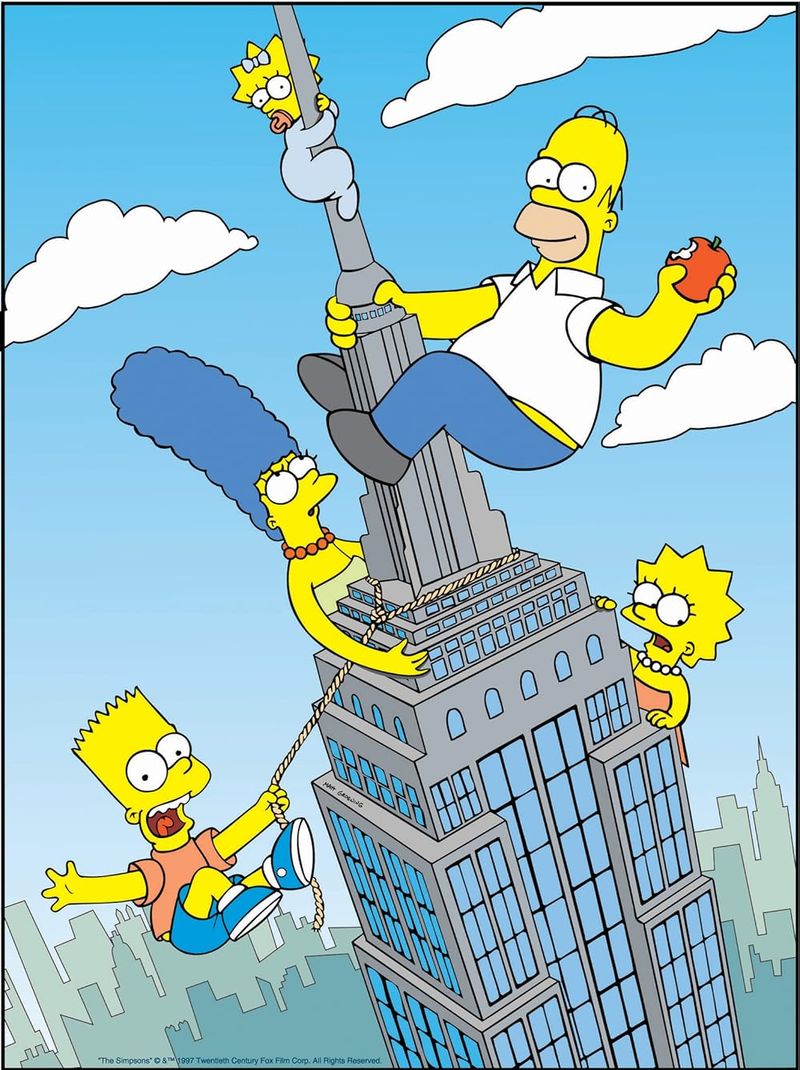
Few animated shows have shaped pop culture the way this one did during its sharp, early run.
For years it nailed satire, family comedy, and social commentary with jokes that felt fresh even on repeat viewings.
As the seasons stacked up, the series leaned more heavily on celebrity cameos and broader storylines that didn’t always land with the same bite.
Longtime viewers often talk about a “classic era,” which is a polite way of saying they still love it while skipping huge chunks of later episodes.
Part of the fatigue comes from watching characters stay frozen in time while the real world changes faster than the writing can keep up.
It’s impressive that it’s still standing, but sometimes survival isn’t the same thing as staying essential.
2. Grey’s Anatomy
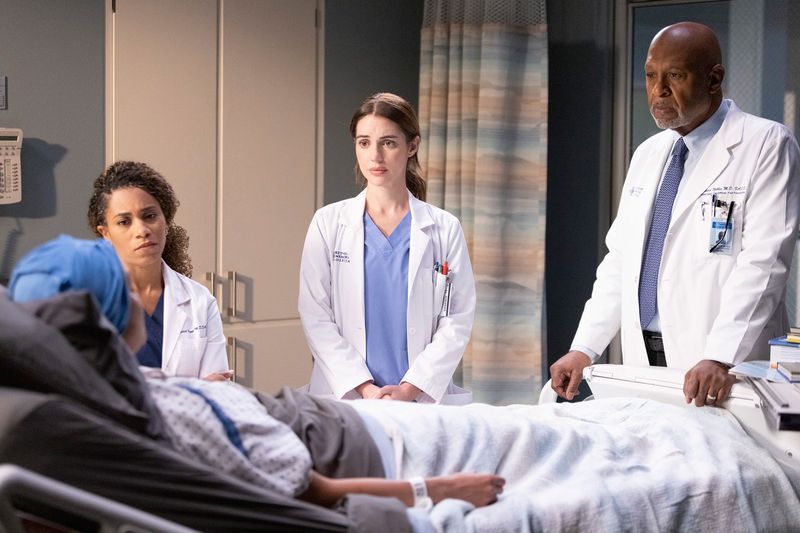
A medical drama can thrive for a long time when the characters feel real and the emotions feel earned.
Early seasons balanced romance, heartbreak, and hospital chaos in a way that made viewers care about every shift and every relationship.
Over time, the show’s biggest twists began to feel like a checklist of disasters, as if calm storytelling wasn’t allowed to exist anymore.
When major cast members leave, new faces arrive, and story arcs restart, the series can start to resemble a rotating door of trauma and hookups.
Fans stay because they’ve invested years into these characters, but loyalty doesn’t always equal enjoyment, especially when the tone turns exhausting.
At a certain point, the hospital stops feeling like a setting and starts feeling like a never-ending soap engine.
3. NCIS
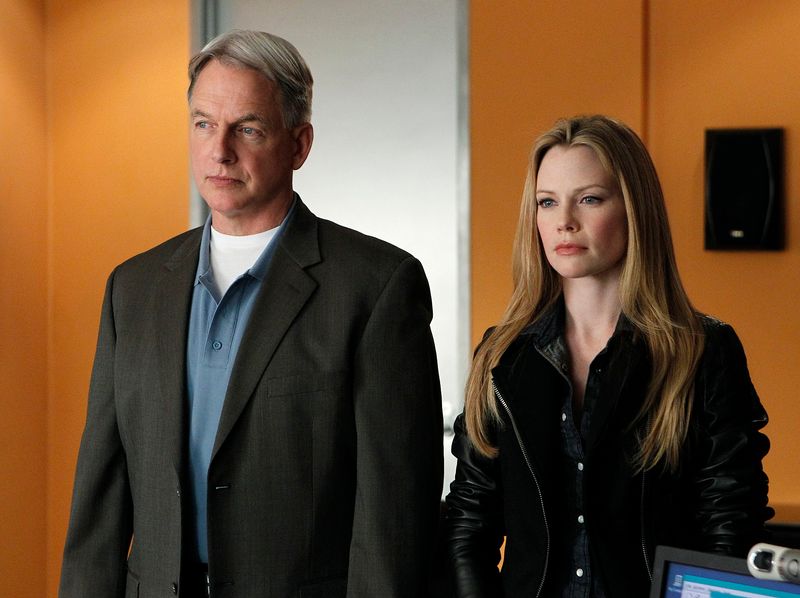
Procedural TV works best when it feels like a dependable rhythm, not a loop that never changes.
This series built a huge audience by mixing weekly cases with quirky character moments that made the team feel like a strange but lovable family.
After so many seasons, the formula becomes familiar enough that viewers can predict the emotional beats before the first clue even appears.
Cast departures and replacements kept things moving, but they also made the show feel less like one story and more like an institution that swaps people in.
The franchise expansion didn’t help the “too much” feeling, because it turned a strong original into a whole universe of similar vibes.
It’s still comfort viewing for many, yet comfort can turn into numbness when nothing truly surprises you anymore.
4. Law & Order: SVU
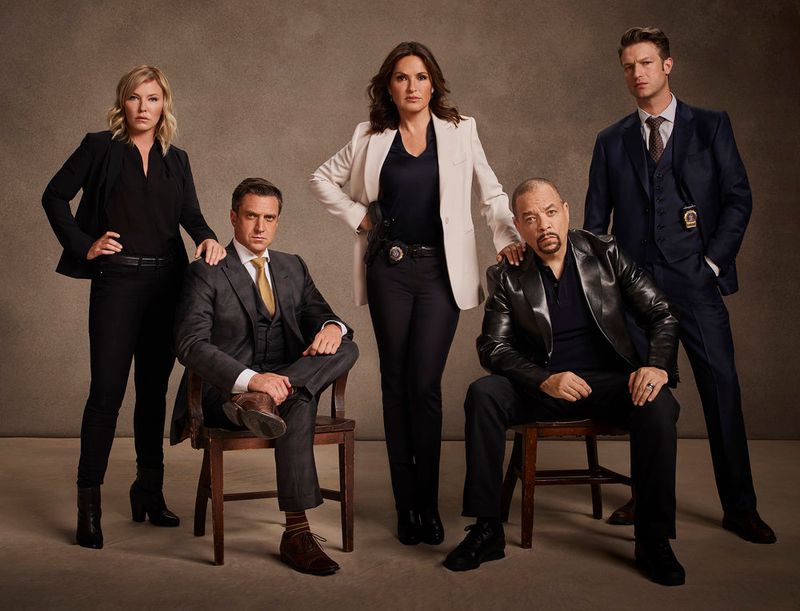
Crime dramas can be powerful for decades when they evolve thoughtfully and handle heavy topics with care.
This one became a staple by pairing ripped-from-the-headlines cases with a strong lead performance that anchored the chaos.
The challenge with extreme longevity is that the show must constantly find new ways to raise the stakes without crossing into unbelievable territory.
When you’ve seen hundreds of episodes, even shocking plot turns can start to feel like familiar moves rather than meaningful developments.
Some viewers also feel worn down by the relentless intensity, because the emotional weight doesn’t always get balanced with deeper character growth.
It remains influential and widely watched, but many fans admit they miss when it felt urgent instead of endless.
5. Supernatural
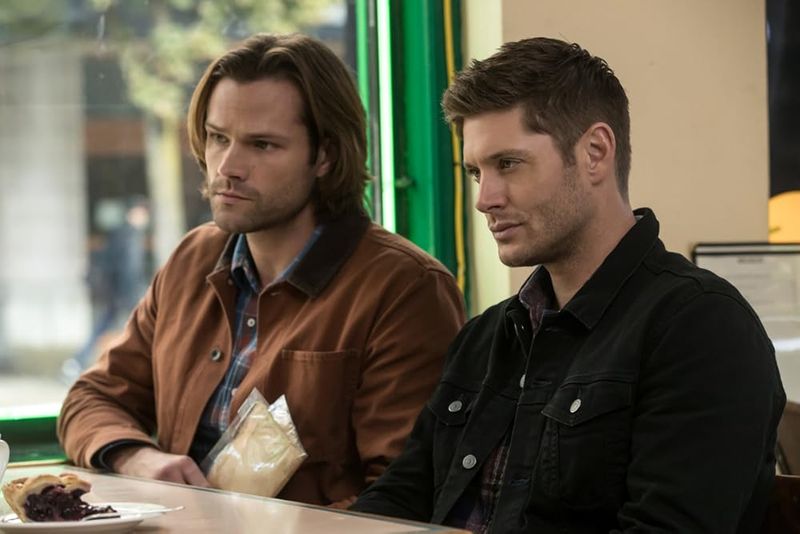
Genre series often shine brightest when they have a clear destination and an end point that feels planned.
The early seasons hooked audiences with a simple premise, strong chemistry, and a road-trip vibe that made the world feel big and mysterious.
As the show kept going, the threats escalated until it seemed like the writers had to top themselves with even bigger villains every year.
That escalation can dilute tension, because if the apocalypse happens repeatedly, the word “apocalypse” stops meaning much.
Fans stayed for the characters and their bond, but even devoted viewers noticed storylines repeating in different costumes.
By the end, it felt less like one long story and more like several finales stitched together across too many seasons.
6. Two and a Half Men
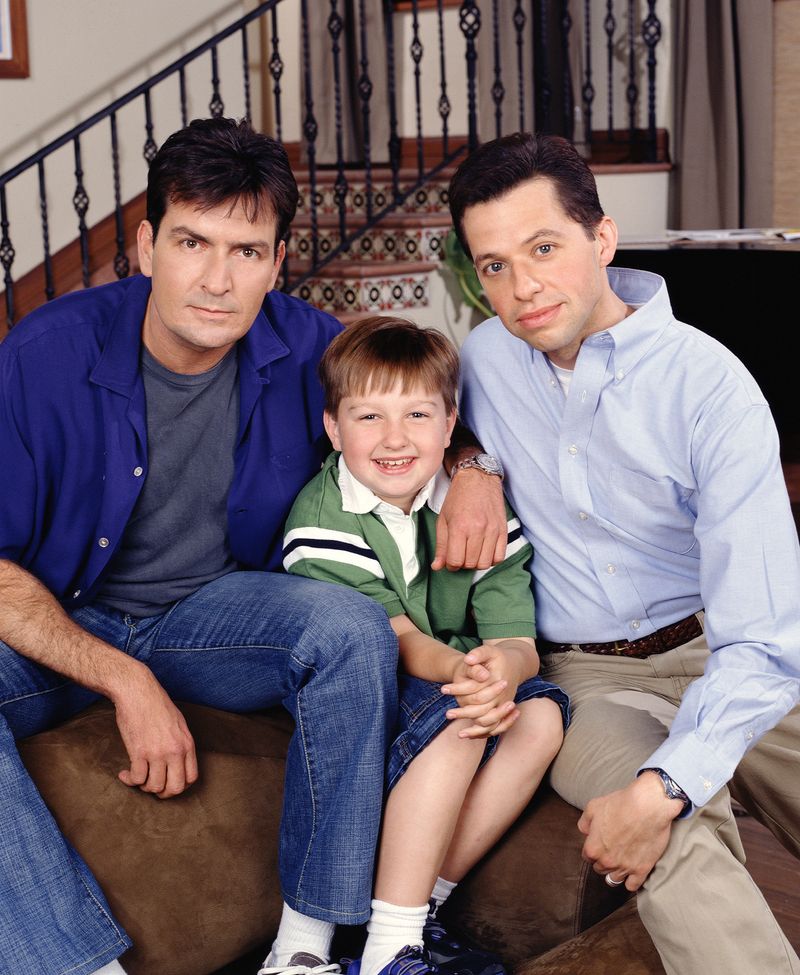
Sitcoms rely on a core dynamic, and when that dynamic shifts, the audience immediately feels the difference.
At its peak, the show delivered a consistent style of humor that worked because the characters bounced off each other in a recognizable rhythm.
When major cast changes arrived, the series tried to keep the same premise alive, but the tone often felt like an imitation of itself.
Instead of evolving naturally, many episodes seemed to chase louder jokes and bigger gimmicks to prove the show could still be edgy.
Viewers who once watched casually began noticing how repetitive the setups were, especially when storylines leaned on the same relationship chaos.
It kept going, but the later run often felt like a brand extension rather than a sitcom with something new to say.
7. The Walking Dead
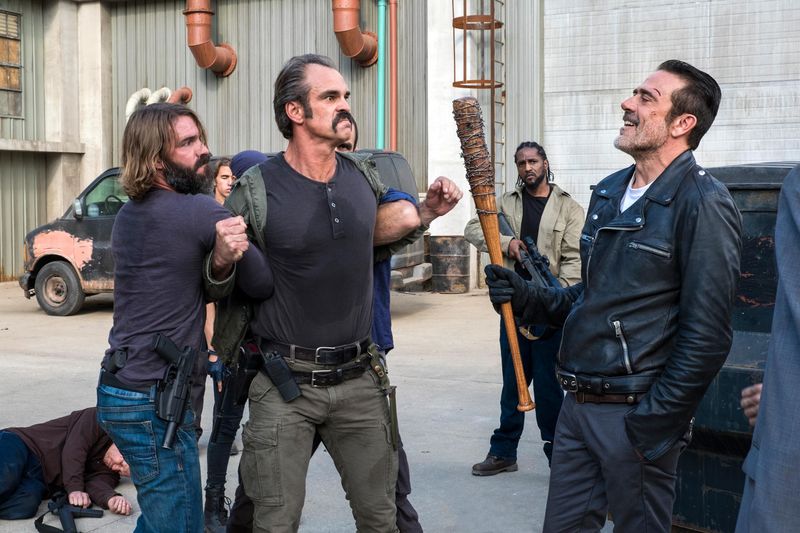
Survival stories grip us when danger feels real and character choices have lasting consequences.
In the early days, the show created tension with tight pacing, strong arcs, and a sense that anyone could be lost at any time.
As seasons continued, conflicts began stretching across long blocks of episodes, making momentum feel slower even when the stakes were supposedly huge.
When viewers can predict that a midseason finale will stall and a big reveal will wait for a later episode, suspense starts to leak out.
The rotating villain structure also grew tiring, because each new threat felt like a remix of the previous power struggle.
Its legacy is undeniable, but many fans still point to a moment when the show stopped feeling hungry and started feeling extended.
8. American Idol
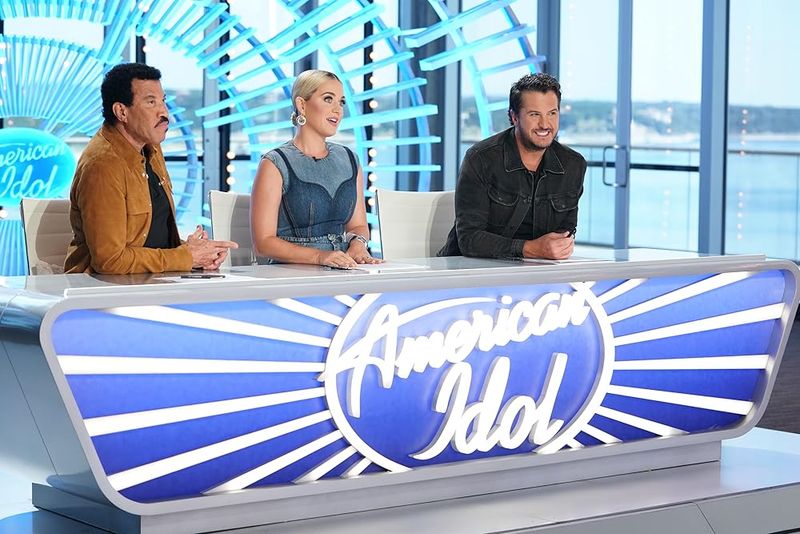
Competition shows feel electric when the format is fresh and the winners feel like a genuine cultural event.
At its height, this series turned weeknight TV into an audience ritual, with performances and eliminations that people actually debated the next day.
As the seasons piled up, the novelty faded, and the show began depending on judge drama and nostalgia rather than discovery.
When viewers suspect the same story beats will happen every year, the emotional investment drops, even if the talent is still impressive.
Reboots and retools can keep a franchise alive, but they also highlight how hard it is to recreate a moment that belonged to a specific era.
It didn’t just run long, it ran past the point where the culture needed it in the same way.
9. Family Guy
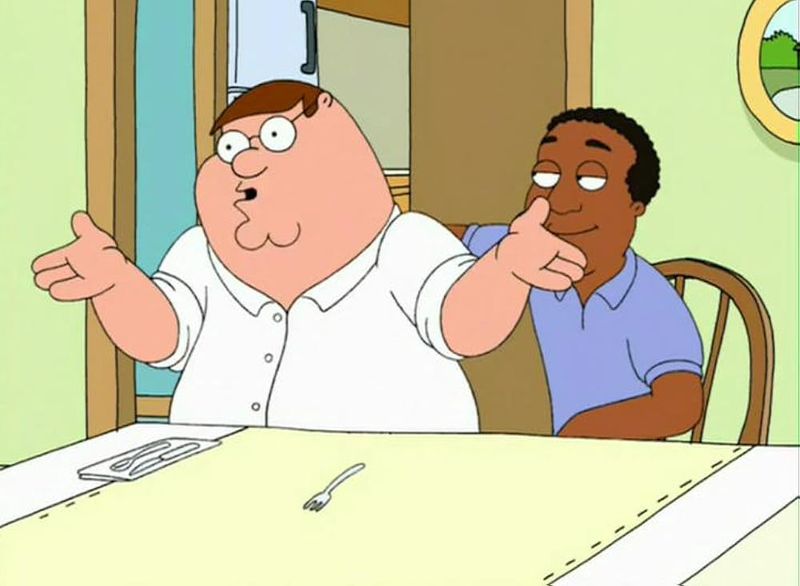
Animated comedies can stay funny for decades, but they have to keep sharpening their voice instead of repeating their tricks.
This show became famous for its rapid-fire cutaways and shock humor, which felt bold when it was newer and less common on mainstream TV.
Over time, the reliance on the same comedic devices can make episodes feel more like a collection of bits than a story you care about.
Some fans also point to character changes, where personalities became harsher and less grounded, making the humor feel mean instead of clever.
When you’ve watched enough seasons, you start recognizing the rhythm of the jokes, which makes the surprises less surprising.
It still has its moments, but many viewers admit they watch out of habit rather than excitement.
10. The Bachelor (franchise)
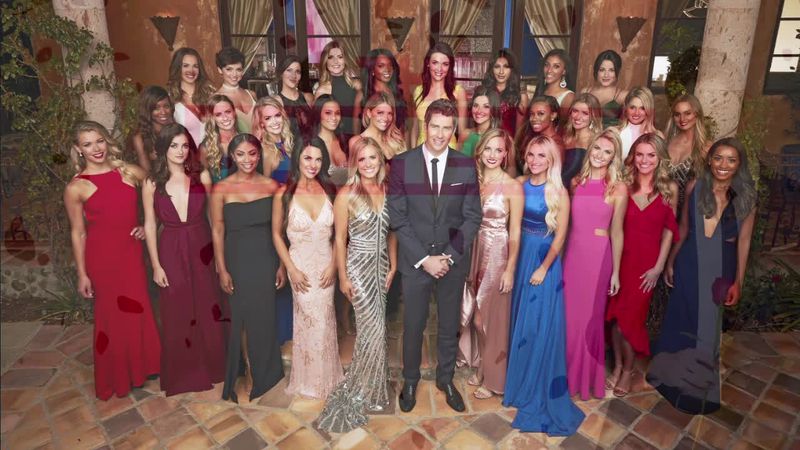
Reality TV can be addictive when it feels like a messy social experiment rather than a carefully managed machine.
This franchise built an empire on romance, competition, and the fantasy that a dramatic journey can end in a fairytale proposal.
After so many seasons and spin-offs, the structure is so predictable that viewers can spot producer manipulation almost as easily as the contestants can.
The same conflicts reappear with new faces, and even the “shocking” twists often feel like variations on an old template.
When a show becomes too aware of itself, it can start catering to social media moments instead of genuine connection, which makes everything feel performative.
It’s still wildly popular, but plenty of people agree it would benefit from a long break and a serious refresh.
Comments
Loading…