
 Mary Murphy
10 TV Series That Started Slow but Became Legendary
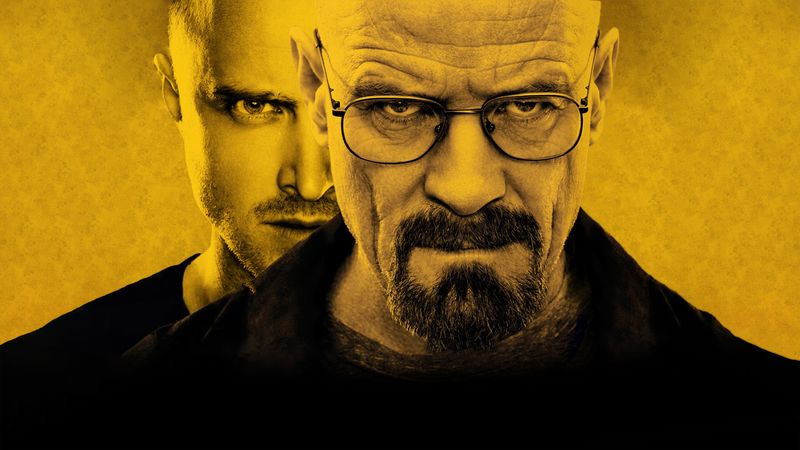
Some of the greatest TV shows ever made didn’t exactly set the world on fire when they first aired.
Audiences tuned out, critics were unsure, and networks nearly pulled the plug.
But something remarkable happened along the way — these shows found their footing, sharpened their storytelling, and grew into genuine cultural landmarks.
If you’ve ever given up on a series too soon, these 10 shows might make you think twice.
1. Parks and Recreation (2009–2015)
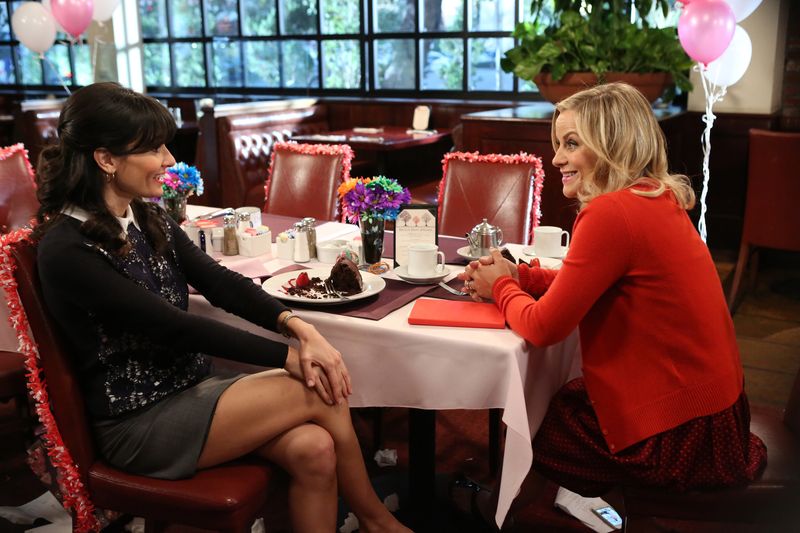
When Parks and Recreation premiered, it felt like an awkward copy of The Office, and viewers weren’t buying it.
Season one received lukewarm reviews, and the characters hadn’t yet found their spark.
Most people didn’t stick around long enough to see what was coming.
Season two changed everything.
Leslie Knope transformed from a clueless bureaucrat into one of TV’s most lovable optimists, and the ensemble cast clicked into place like puzzle pieces.
The show became a warm, funny celebration of community spirit and genuine friendship.
Few sitcoms have ever matched its infectious positivity and heart.
2. The Office (U.S.) (2005–2013)
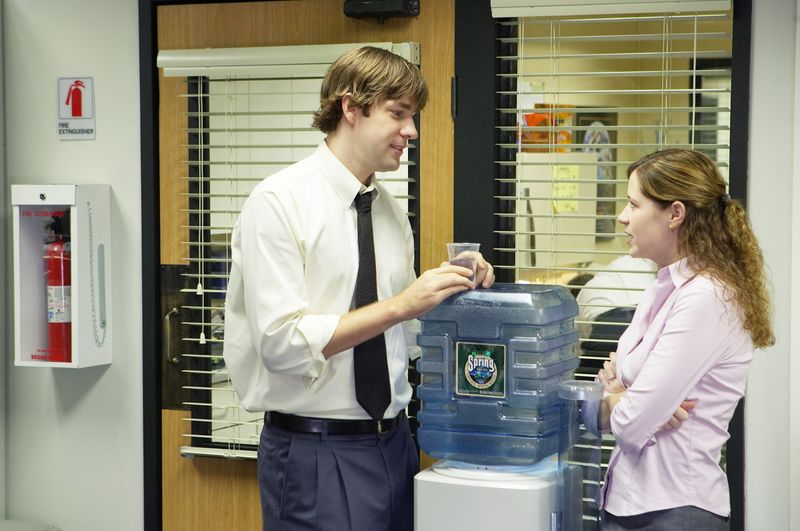
Honestly, the first season of the American Office was rough.
It leaned too heavily on its British inspiration, and Michael Scott came across as more irritating than funny.
Fans of Ricky Gervais’s original version were especially skeptical, and ratings reflected that uncertainty.
Then something clicked.
The writers gave the supporting characters real depth, romantic storylines blossomed, and Michael Scott became weirdly endearing.
Jim and Pam’s slow-burn romance kept millions hooked for years.
Today, The Office is arguably the most rewatched comedy in streaming history — proof that a rocky start doesn’t determine a show’s ultimate legacy.
3. Star Trek: The Next Generation (1987–1994)
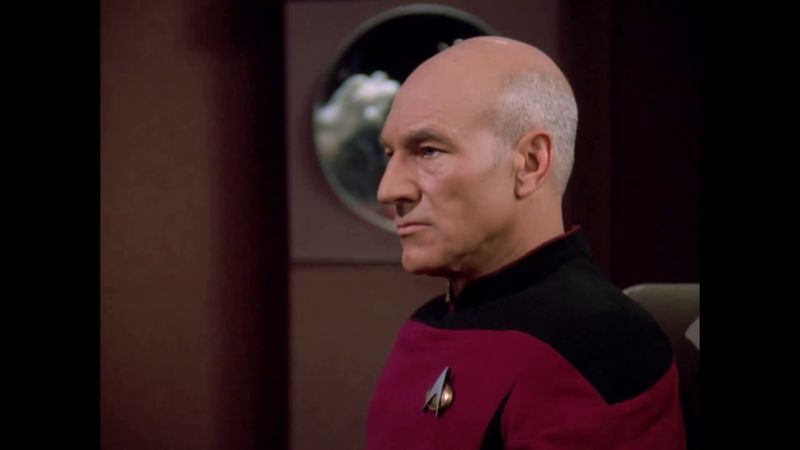
Boldly going where no show had gone before sounds exciting, but the early episodes of Star Trek: The Next Generation were a bumpy ride through space.
Season one was filled with uneven scripts, stiff performances, and storylines that felt disconnected.
Many original Trek fans were openly hostile to the new crew.
By season three, the writing had sharpened dramatically, and Captain Picard had become an iconic TV figure.
Episodes like “The Best of Both Worlds” are still considered some of the finest sci-fi television ever produced.
TNG didn’t just survive its rough start — it redefined an entire franchise.
4. Breaking Bad (2008–2013)
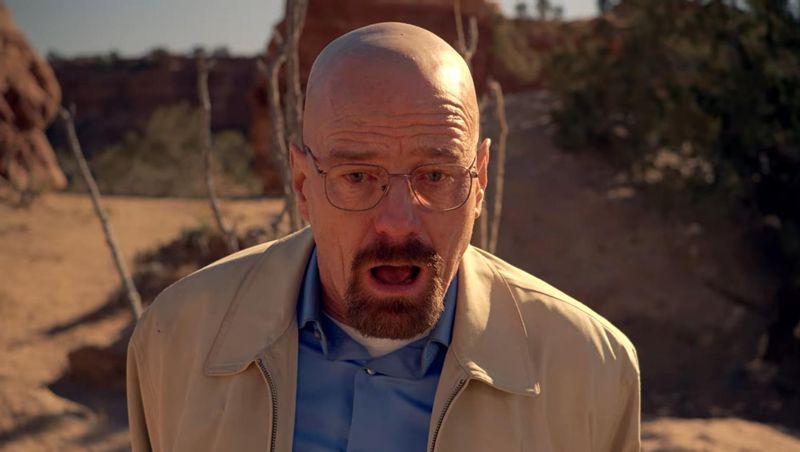
Walter White started out as a mild-mannered chemistry teacher who could barely afford his bills.
Season one took its time, carefully laying the groundwork for one of television’s most chilling character transformations.
The slow pace frustrated some early viewers, but it was building something extraordinary.
By the time Walter fully embraced his alter ego, Heisenberg, the show had become a masterclass in dramatic storytelling.
Critics showered it with Emmy Awards, and audiences couldn’t stop talking about it.
Breaking Bad proved that patience pays off — sometimes, the best stories need room to breathe before they explode.
5. The Americans (2013–2018)
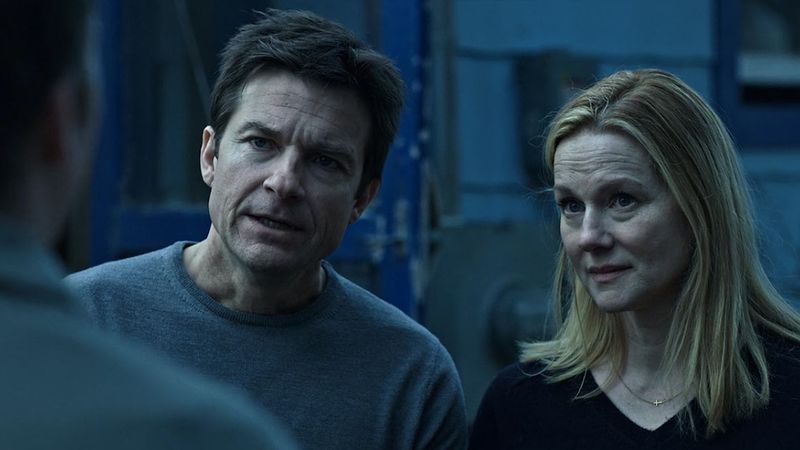
At first glance, The Americans looked like a stylish spy thriller set in the 1980s.
But the pacing was deliberate, the action sparse, and the emotional tension built so quietly that some viewers drifted away before the real drama kicked in.
It wasn’t a show that grabbed you immediately.
Stick with it, though, and the rewards were extraordinary.
The marriage at the heart of the story — two KGB spies living undercover as a normal American couple — grew into one of TV’s most complex and heartbreaking relationships.
Critics now rank it among the finest dramas of the entire decade.
6. Mad Men (2007–2015)
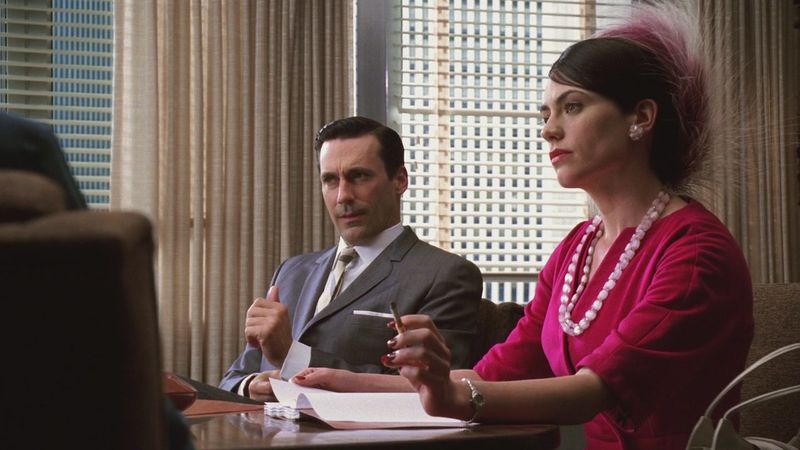
Mad Men arrived on AMC with critical applause but modest audiences.
Its slow, atmospheric style — long silences, lingering close-ups, and minimal action — wasn’t exactly popcorn television.
Some viewers found it pretentious; others simply couldn’t connect with its cold, brooding lead character.
Over time, the show’s examination of ambition, identity, and the American Dream drew a devoted following.
Don Draper became one of TV’s most fascinating antiheroes, and the writing grew richer with every season.
Multiple Emmy wins followed, and Mad Men is now considered a defining example of prestige television at its most thoughtful and ambitious.
7. Cheers (1982–1993)
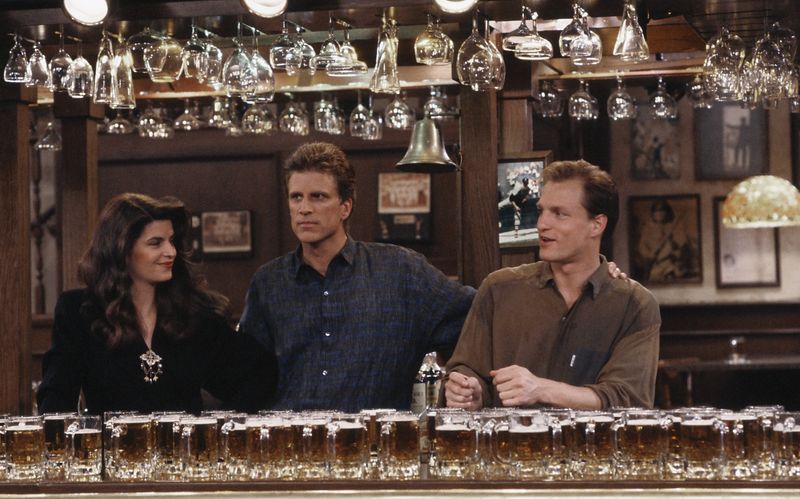
Few shows in history have come closer to cancellation in their first season while still becoming all-time classics.
Cheers debuted to dismal ratings in 1982, finishing dead last in the weekly Nielsen rankings.
NBC executives debated pulling it entirely before it ever found an audience.
Thankfully, the network held on, and word spread slowly but surely.
The bar at Cheers became one of television’s most comforting fictional spaces, and the ensemble cast — from Sam Malone to Cliff Clavin — felt like old friends.
Eleven seasons and 111 Emmy nominations later, Cheers remains a gold standard of American comedy.
8. The Leftovers (2014–2017)
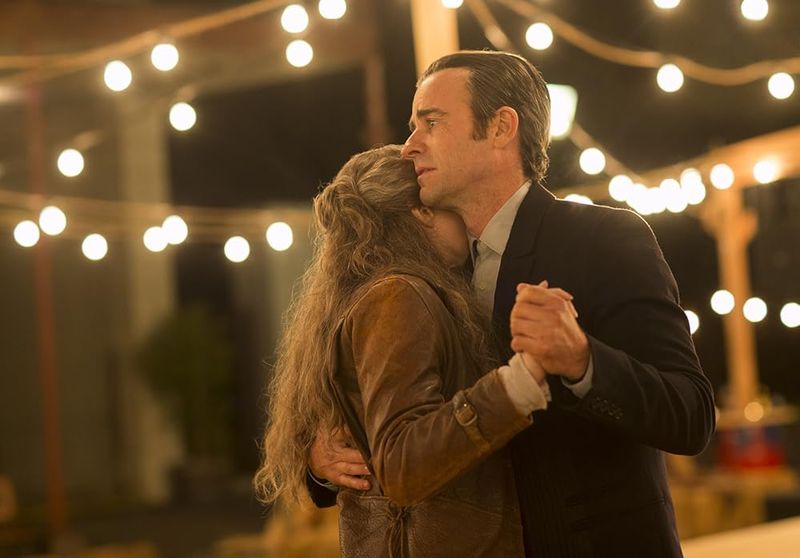
The Leftovers asked a haunting question: what would happen to the people left behind after two percent of the world’s population suddenly vanished?
Season one was heavy, strange, and relentlessly bleak — not exactly the kind of television that draws in casual viewers on a Friday night.
Many audiences gave up.
Those who stayed discovered something rare.
Seasons two and three expanded the emotional landscape dramatically, blending grief, faith, and dark humor into something genuinely unforgettable.
By its finale, The Leftovers had earned passionate devotion from critics and fans alike, cementing its reputation as one of the bravest shows ever made.
9. Community (2009–2015)
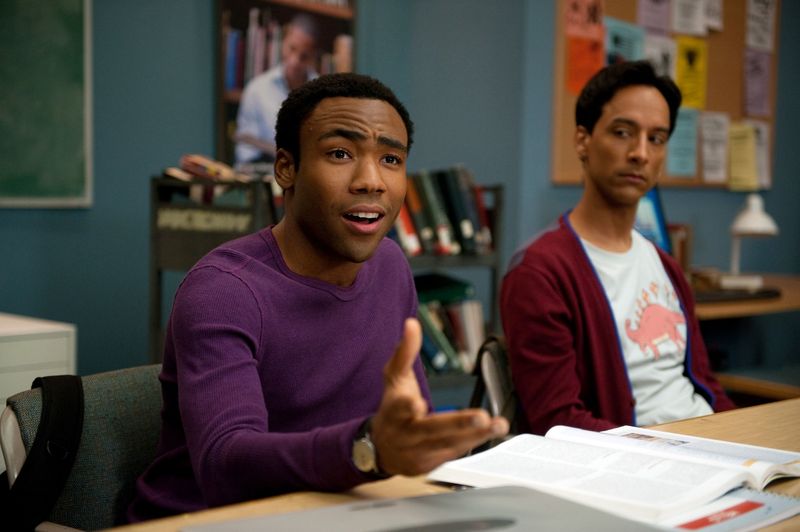
Community started life as a fairly ordinary sitcom about a study group at a community college.
Early episodes were enjoyable but unremarkable, and ratings were never particularly strong.
It seemed destined to quietly disappear after a season or two without leaving much of a mark.
Then creator Dan Harmon pushed the show into brilliantly weird territory.
Entire episodes spoofed zombie films, spaghetti westerns, and even video games.
The meta-humor was sharp, self-aware, and unlike anything else on television.
Community never became a mainstream hit, but its cult following is fiercely passionate — and its creative legacy has only grown stronger over time.
10. Succession (2018–2023)
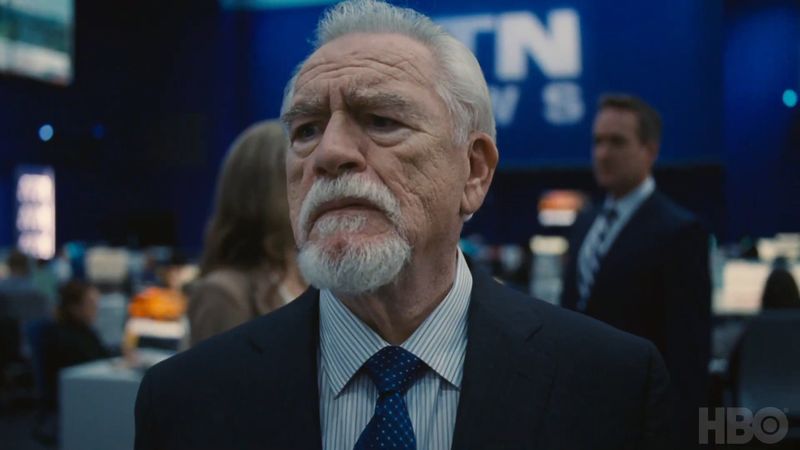
When Succession first aired, the response was polite but hardly electrifying.
The story of a dysfunctional billionaire family fighting over a media empire sounded like a soap opera dressed in expensive suits.
Early episodes were dense with corporate jargon and morally repugnant characters that were hard to root for.
Season two changed the conversation entirely.
The biting satire sharpened, the family dynamics grew more twisted, and the writing reached a level of sophistication that had critics scrambling for superlatives.
Succession went on to win multiple Emmy Awards for writing and acting, becoming one of HBO’s most celebrated achievements in modern television history.
Comments
Loading…