
 Mary Murphy
10 TV Friendships That Quietly Taught Women What Real Support Looks Like

TV friendships have always done more than entertain us during quiet nights or background-watch weekends.
They quietly modeled what support can look like when life feels overwhelming, confusing, or unfair.
For many women, these relationships became blueprints for loyalty, encouragement, and emotional safety.
They showed us that real support isn’t about fixing everything or always agreeing.
Instead, it’s about showing up consistently, listening without judgment, and staying when things get uncomfortable.
Long before social media conversations about boundaries and healthy friendships, these shows were already teaching the lesson.
They normalized choosing friends over romantic chaos, ambition over competition, and honesty over politeness.
Without being preachy, these friendships reminded women that support can be fierce, gentle, messy, and deeply transformative.
Looking back, it’s hard not to realize how much we learned from them without even noticing.
1. Cristina Yang & Meredith Grey (Grey’s Anatomy)
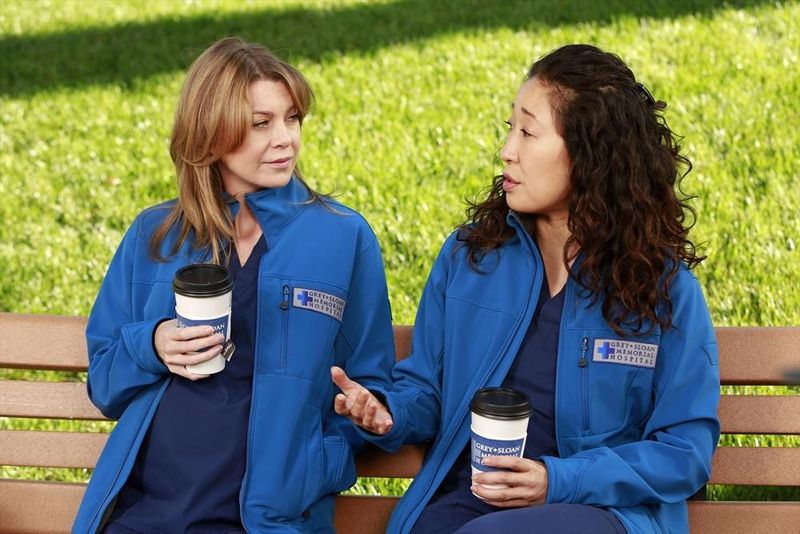
Cristina and Meredith demonstrated that real support doesn’t always come wrapped in softness.
Their bond thrived on honesty, even when that honesty was sharp and emotionally uncomfortable.
They chose each other repeatedly during moments of grief, ambition, and personal collapse.
Romantic partners came and went, but their loyalty remained constant and unquestioned.
The show normalized prioritizing friendship without apologizing for it.
They allowed each other to grow without demanding sameness or emotional compromise.
Support meant standing beside someone while they chased greatness, not holding them back.
Their friendship taught women that being seen fully includes being challenged.
It quietly redefined soulmates beyond romance.
2. Carrie Bradshaw, Miranda Hobbes, Charlotte York & Samantha Jones (Sex and the City)

These four women showed that support doesn’t require identical values or life goals.
Their friendship survived disagreements, judgment, and wildly different approaches to love and success.
They listened even when they didn’t understand each other’s choices.
The show normalized having friends who reflect different parts of womanhood.
Support looked like showing up for brunch conversations that doubled as therapy sessions.
They modeled acceptance without demanding personal alignment or moral approval.
Each woman was allowed to evolve without being abandoned by the group.
Their bond reinforced that disagreement doesn’t cancel care or loyalty.
It taught women that friendship can hold complexity without breaking.
3. Phoebe Buffay & Rachel Green (Friends)
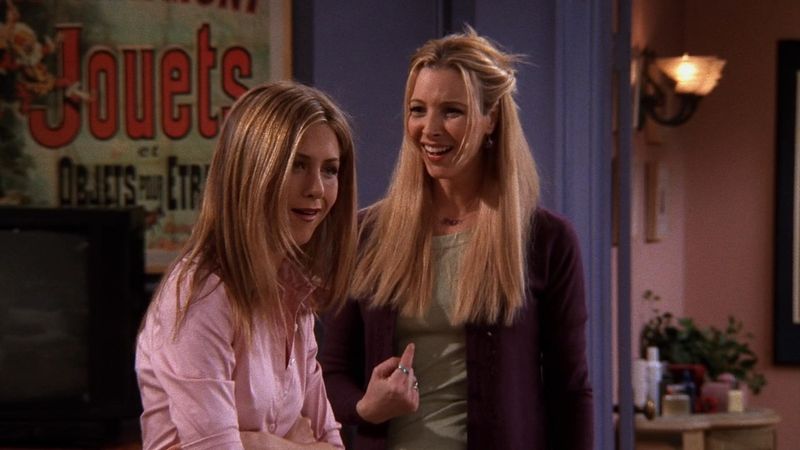
Phoebe and Rachel’s friendship thrived despite their contrasting personalities and values.
They proved emotional safety matters more than similarity.
Rachel never had to pretend to be quirky, and Phoebe never had to tone herself down.
Their bond allowed space for individuality without pressure to conform.
Support appeared in quiet acceptance rather than dramatic declarations.
They defended each other even when they didn’t fully agree.
The show demonstrated that friendship can be gentle and nonjudgmental.
Their dynamic reassured women that difference doesn’t weaken connection.
It quietly encouraged embracing friends exactly as they are.
4. Issa Dee & Molly Carter (Insecure)
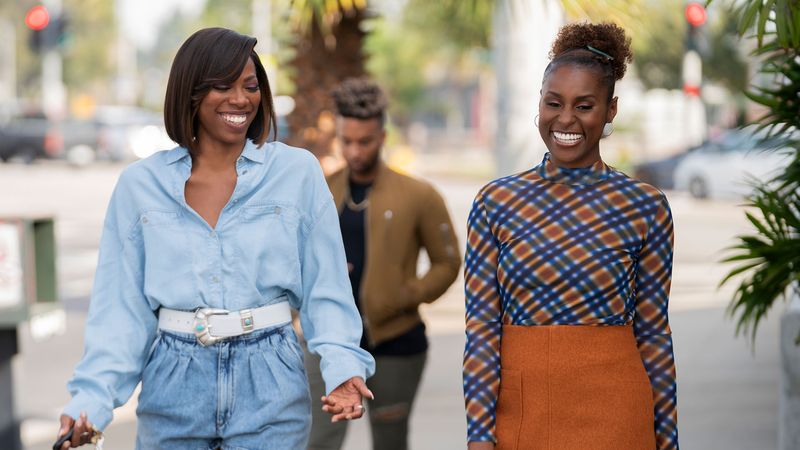
Issa and Molly showed a version of friendship rarely portrayed honestly on television.
Their bond evolved as they changed, succeeded, and disappointed each other.
Support wasn’t constant harmony, but effort and accountability.
They faced resentment, miscommunication, and emotional distance without walking away permanently.
The show normalized growing pains instead of romanticizing effortless friendships.
Both women had to unlearn ego and pride to rebuild trust.
Their relationship showed that real support includes repair after harm.
It validated the idea that friendship can require emotional labor.
Women saw that growth doesn’t mean abandonment.
5. Jane Sloan, Kat Edison & Sutton Brady (The Bold Type)

This trio modeled how ambition and support can coexist without competition.
They openly celebrated each other’s success instead of quietly resenting it.
Career growth was shared, not weaponized.
They held space for vulnerability alongside professional confidence.
The show rejected the stereotype that women must compete to succeed.
Support looked like honest feedback mixed with emotional reassurance.
They advocated for each other in rooms where voices were easily dismissed.
Their friendship normalized cheering loudly without fear of being left behind.
It taught women that collective success doesn’t diminish individual achievement.
6. Leslie Knope & Ann Perkins (Parks and Recreation)

Leslie Knope’s devotion to Ann Perkins showed women the power of vocal, unapologetic encouragement.
She constantly reminded Ann of her worth, even when Ann couldn’t see it herself.
Their friendship made support look enthusiastic instead of restrained or emotionally distant.
Leslie celebrated Ann’s smallest wins as if they were monumental achievements.
What mattered most was not balance, but presence and consistency through every phase of Ann’s life.
Ann never had to earn Leslie’s loyalty or prove her value to receive care.
The show quietly reinforced that believing in someone out loud can change their self-perception.
Their dynamic encouraged women to be each other’s loudest supporters without fear of seeming excessive.
It normalized the idea that genuine friendship often looks like relentless belief.
7. Buffy Summers & Willow Rosenberg (Buffy the Vampire Slayer)

Buffy and Willow showed support through transformation and change.
Their friendship survived power shifts, identity evolution, and emotional darkness.
They stood by each other even when growth caused discomfort.
Support didn’t mean approval of every action, but continued care.
The show emphasized loyalty without blind acceptance.
Willow’s changes didn’t erase Buffy’s compassion or concern.
Their bond acknowledged that people evolve unpredictably.
Friendship meant adapting instead of retreating.
It taught women that support includes staying present during change.
8. Rory Gilmore & Lane Kim (Gilmore Girls)
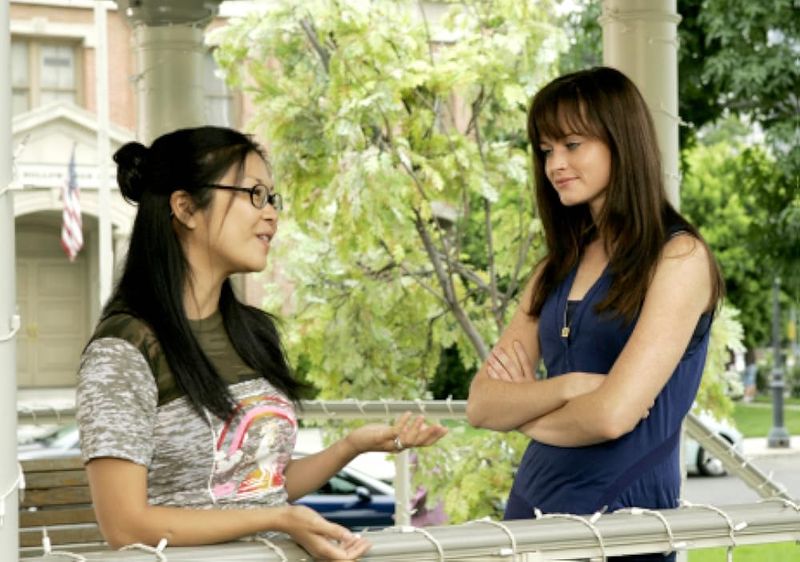
Rory and Lane modeled friendship without comparison or competition.
They supported each other while living completely different lives.
Neither demanded the other keep pace or follow the same timeline.
Lane’s dreams mattered even when they diverged from Rory’s path.
Support came from listening, not advising or correcting.
Their bond remained steady through distance and life transitions.
The show normalized friendships that grow quietly instead of dramatically.
It reinforced loyalty without constant proximity.
Women learned that friendship doesn’t require parallel lives.
9. Liz Lemon & Jenna Maroney (30 Rock)

Liz and Jenna showed a version of support that looked nothing like traditional emotional bonding.
Their friendship thrived despite ego clashes, jealousy, and wildly different priorities.
Liz often supported Jenna in practical, behind-the-scenes ways that went unnoticed.
Jenna relied on Liz as a constant anchor, even while pretending she didn’t need anyone.
The show highlighted how support can exist beneath sarcasm and frustration.
Neither woman was particularly nurturing, yet they consistently showed up for each other.
Liz protected Jenna professionally even when it caused personal stress.
Their bond proved that support doesn’t require warmth or sentimentality.
It quietly taught women that consistency can matter more than emotional polish.
10. Abbi Abrams & Ilana Wexler (Broad City)
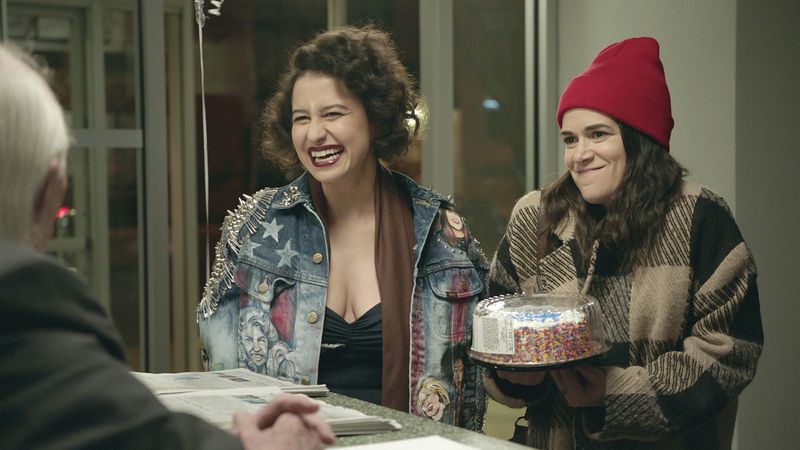
Abbi and Ilana embodied unconditional acceptance without judgment.
Their friendship thrived on loyalty rather than self-improvement agendas.
They supported each other’s flaws without demanding change.
Being seen mattered more than being fixed.
The show normalized messy, imperfect female friendships.
Support appeared as presence rather than advice.
Ilana’s confidence balanced Abbi’s self-doubt without overpowering it.
Their bond reinforced safety through acceptance.
It reminded women that real support allows you to exist fully.
Comments
Loading…