
 Jade Reed
10 Times Singers Crossed the Line From Influence to Theft

Music has always been about building on what came before, but sometimes artists take inspiration a little too far. When does borrowing a melody or rhythm become outright stealing?
Several high-profile lawsuits have forced singers and songwriters to face the music—literally—when courts decided they crossed that line. These cases remind us that there’s a big difference between paying homage and plagiarism.
1. Robin Thicke and Pharrell Williams – Blurred Lines
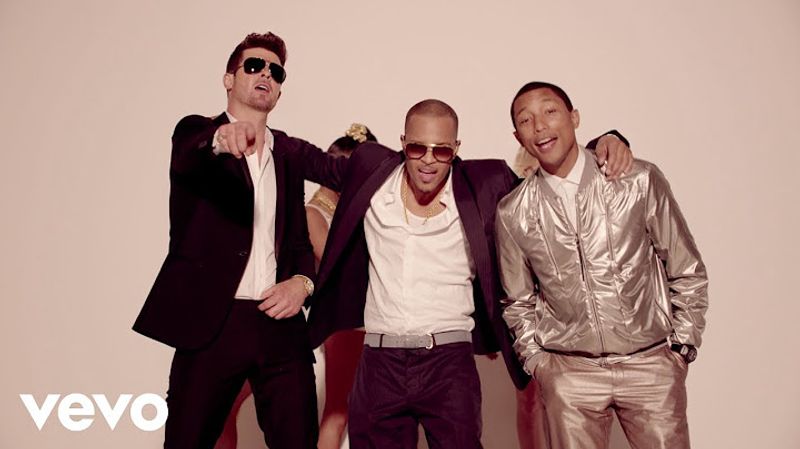
Robin Thicke and Pharrell Williams found themselves in hot water when the Gaye estate sued them over their 2013 megahit.
The jury agreed that the song borrowed too heavily from Marvin Gaye’s 1977 classic “Got to Give It Up.”
The court ordered them to pay over $5 million in damages.
Many musicians worried this verdict would stifle creativity in the industry.
Critics argued that the songs shared a similar vibe and groove rather than identical notes.
But the jury felt the resemblance went beyond mere influence.
This case sparked huge debates about where inspiration ends and theft begins in modern music.
2. George Harrison – My Sweet Lord
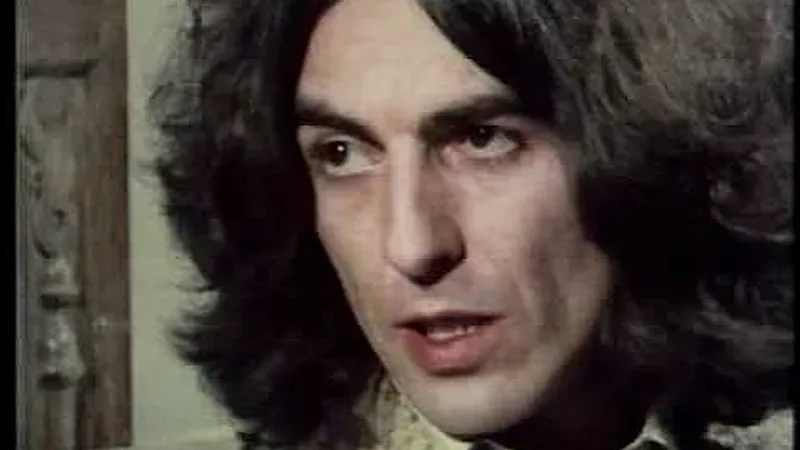
George Harrison’s spiritual anthem became one of the most famous plagiarism cases in rock history.
The Chiffons’ publisher claimed Harrison copied their 1963 hit “He’s So Fine” for his 1970 solo debut single.
Harrison insisted any similarities were unintentional, calling it “subconscious plagiarism.”
The court sided with the publisher anyway. He ended up paying $1.6 million in damages.
This landmark case established that even accidental copying counts as infringement.
Harrison later wrote a song called “This Song” poking fun at the whole ordeal.
His experience taught musicians everywhere to be extra careful about unconscious influences.
3. Vanilla Ice – Ice Ice Baby

Perhaps the most obvious case of musical theft involves Vanilla Ice’s “Ice Ice Baby” and Queen and David Bowie’s “Under Pressure.”
The bassline is virtually identical, yet Vanilla Ice initially claimed they were different.
His excuse? He added one extra note. That defense didn’t hold up for long.
He eventually settled with Queen and Bowie, giving them songwriting credits and royalties.
Vanilla Ice later admitted he should have asked permission from the start.
This case became a cautionary tale about sampling without proper clearance.
The rapper has since joked about the incident in interviews, acknowledging his mistake publicly.
4. Radiohead – Creep

Sometimes the accused become the accusers.
Radiohead’s breakthrough hit “Creep” borrowed heavily from The Hollies’ 1972 song “The Air That I Breathe,” particularly in the chord progression.
Albert Hammond and Mike Hazlewood, who wrote the original, noticed the similarities immediately.
They took legal action and won songwriting credits on “Creep.”
Now they receive royalties every time the song plays.
Radiohead acknowledged the debt and settled out of court.
Ironically, years later Radiohead themselves sued Lana Del Rey for allegedly copying “Creep” in her song “Get Free.”
The band dropped the suit eventually, but the situation showed how complicated musical borrowing can get.
5. The Verve – Bitter Sweet Symphony
The Verve thought they had permission to sample an orchestral version of The Rolling Stones’ “The Last Time.”
But negotiations went terribly wrong, and they ended up losing all songwriting credits and royalties.
Mick Jagger and Keith Richards were credited as the sole writers despite The Verve creating the lyrics and arrangement.
This lasted for over two decades.
Lead singer Richard Ashcroft called it his biggest regret.
Finally, in 2019, the Stones returned the rights to Ashcroft in a generous gesture.
This case highlights how complicated music sampling and licensing can become, even with good intentions from everyone involved.
6. Katy Perry – Dark Horse

Christian rapper Flame claimed Katy Perry’s 2013 hit “Dark Horse” stole from his 2008 song “Joyful Noise.”
A jury initially agreed, awarding him $2.8 million in damages.
Perry and her team argued the musical sequence was too simple to copyright.
The case went back and forth through appeals for years.
Eventually, a judge overturned the verdict, ruling in Perry’s favor.
The decision emphasized that basic musical building blocks shouldn’t be owned by anyone.
This case raised important questions about how much protection simple melodies deserve.
It showed that not every similarity constitutes theft in the eyes of the law.
7. Coldplay – Viva La Vida
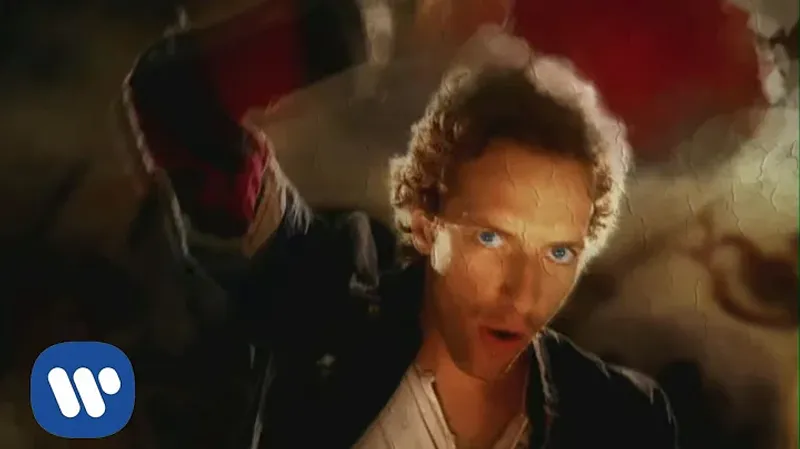
Multiple artists accused Coldplay of stealing “Viva La Vida,” but guitarist Joe Satriani’s claim got the most attention.
He said the melody came from his 2004 instrumental “If I Could Fly.”
Coldplay denied any wrongdoing and the case settled privately.
Brooklyn band Creaky Boards also claimed Coldplay copied their song.
The British group faced serious scrutiny during this period.
Some music experts pointed out that the chord progression appears in many songs throughout history.
Coldplay maintained their innocence throughout all accusations.
The controversy didn’t stop “Viva La Vida” from becoming one of their biggest hits and winning multiple awards despite the legal troubles.
8. Led Zeppelin – Stairway to Heaven
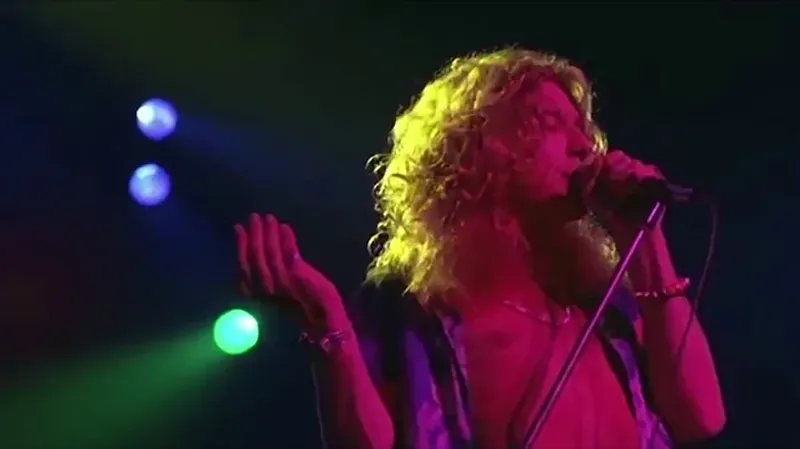
Led Zeppelin faced accusations that their iconic “Stairway to Heaven” copied the intro from Spirit’s 1968 song “Taurus.”
The bands had toured together, so Zeppelin definitely knew the song existed.
Spirit’s bassist claimed the resemblance was too close to be coincidental.
After years of legal battles, a court ruled in Led Zeppelin’s favor.
The judge decided the songs weren’t similar enough to constitute infringement.
This case dragged on for decades before finally ending.
Many musicians felt relieved by the verdict, fearing that a different outcome could have opened the floodgates for countless lawsuits over common chord progressions and musical phrases.
9. Ed Sheeran – Thinking Out Loud
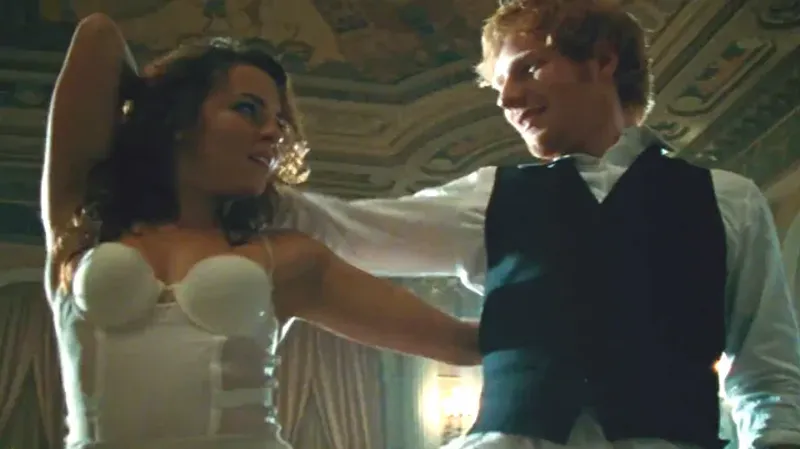
Ed Sheeran battled multiple lawsuits claiming “Thinking Out Loud” copied Marvin Gaye’s “Let’s Get It On.”
The Gaye estate and other songwriters filed separate cases over the years.
Sheeran testified in court, even playing guitar to demonstrate his songwriting process.
He argued that the chord progression is common in pop music.
The jury agreed with Sheeran, finding no copyright infringement.
He expressed frustration that artists face lawsuits over basic musical elements.
This case added to ongoing debates about protecting classic songs versus allowing new artists creative freedom.
Sheeran’s victory provided some relief to songwriters worried about frivolous plagiarism claims.
10. Sam Smith – Stay With Me
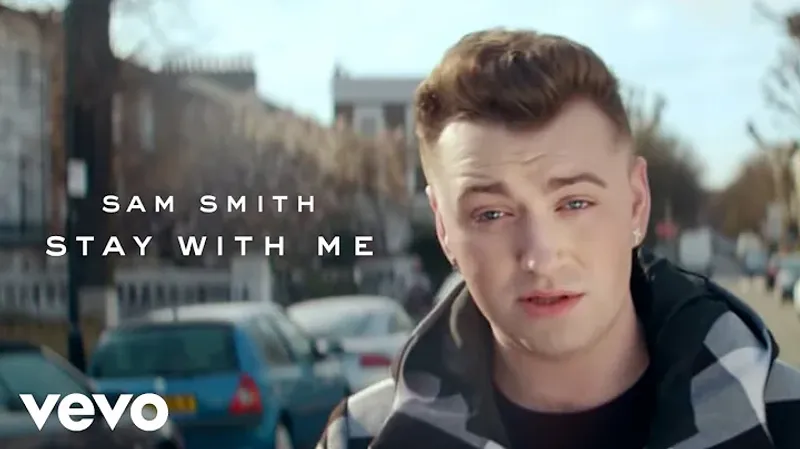
Sam Smith’s heartfelt ballad “Stay With Me” bore a striking resemblance to Tom Petty’s “I Won’t Back Down.”
Petty’s publishers noticed the similar chorus melody and contacted Smith’s team.
Rather than fight in court, Smith quickly acknowledged the similarities.
He graciously gave Petty and co-writer Jeff Lynne songwriting credits and royalties.
Petty praised Smith’s mature handling of the situation and said there were no hard feelings.
Smith claimed he’d never heard Petty’s song before writing his own.
This case showed how musicians can resolve disputes professionally without bitter legal battles.
The amicable settlement earned respect from fans and fellow artists alike for both parties involved.
Comments
Loading…