
 Isabel Parker
10 Times Famous People Acted Entitled and Were Instantly Brought Back Down to Earth

Fame can open doors, but it can also make people forget the world doesn’t revolve around them.
When celebrities slip into “special rules” mode, the backlash is often swift and painfully public.
Sometimes the humbling comes from a judge, a business owner, or an employee who refuses to bend policy.
Other times it’s the court of public opinion, where a clip goes viral and suddenly everyone has receipts.
These moments land so hard because they expose a simple truth: status doesn’t erase consequences.
Here are ten times entitlement appeared to take the wheel, only for reality to grab the steering wheel back.
1. Reese Witherspoon’s “Do You Know Who I Am?” Arrest Moment
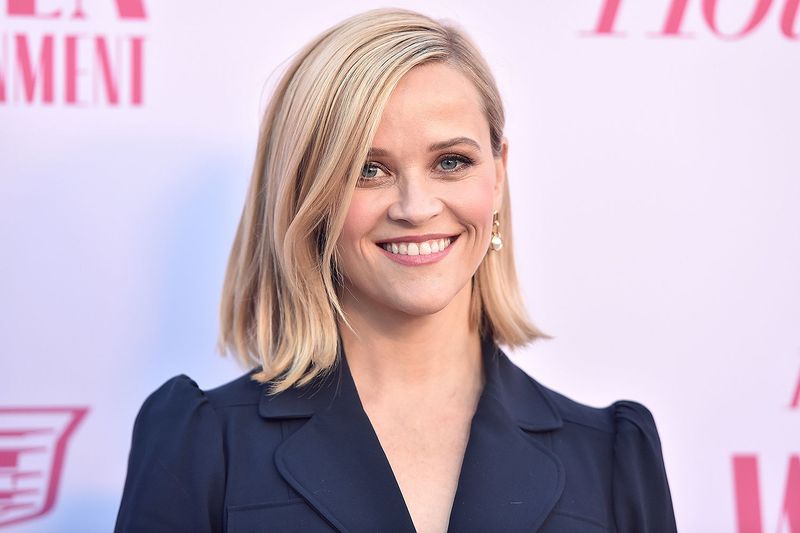
A late-night traffic stop in 2013 turned into a headline magnet when things escalated quickly.
Reports said Reese Witherspoon challenged authority and leaned into celebrity recognition during the encounter.
Instead of changing the outcome, that posture allegedly made the situation worse in real time.
Police arrested her for disorderly conduct, and the moment instantly became a cautionary tale.
What hits hardest is how ordinary the setting was, because no red carpet can rewrite basic procedure.
The most humbling part wasn’t just the arrest, but the public replay of the attitude afterward.
She later apologized and described herself as embarrassed, which is a rare celebrity move that actually helps.
In one night, a power flex became proof that fame doesn’t cancel consequences.
2. Naomi Campbell’s Airport Blowup That Ended in Court-Ordered Consequences
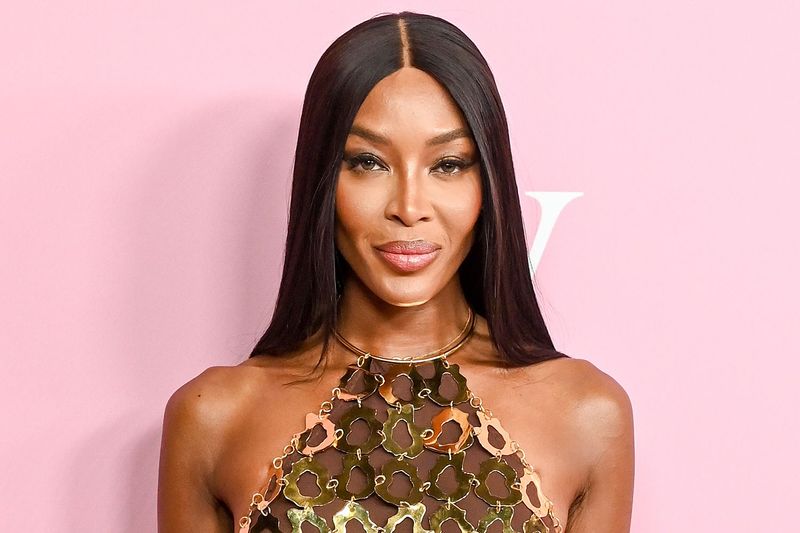
A travel disruption can fray anyone’s nerves, but an airport is the worst place to play diva.
Naomi Campbell’s Heathrow incident became notorious because the confrontation reportedly crossed legal lines.
Instead of being treated as untouchable, she faced charges that came with very public accountability.
The story’s staying power comes from the contrast between supermodel glamour and courtroom reality.
When the outcome involves official penalties and community service, the fantasy of special treatment evaporates.
Airports run on rules, and staff can’t simply rewrite them because a famous person is angry.
The fallout also showed how quickly “I’m frustrated” can look like “I’m above you” to outsiders.
It’s hard to feel powerful when the lesson is delivered by a judge, not a fan.
3. James Corden and the Restaurant Call-Out That Went Viral

Restaurant culture has a strict hierarchy, and it doesn’t automatically place celebrities at the top.
James Corden drew public criticism after a well-known restaurateur accused him of bad behavior toward staff.
Instead of the usual quiet smoothing-over, the owner aired it publicly, which flipped the power dynamic fast.
Suddenly the narrative wasn’t about the celebrity’s charm, but about how workers deserved respect.
That kind of call-out stings because it comes from someone who controls the room and the welcome.
The alleged “ban” also landed as a symbolic boundary, like a velvet rope in reverse.
Later reports said an apology was offered and the situation was softened, but the internet remembered.
The humbling wasn’t just the claim itself, but the fact that staff got defended loudly.
4. Lori Loughlin and the College Admissions Scandal Reality Check
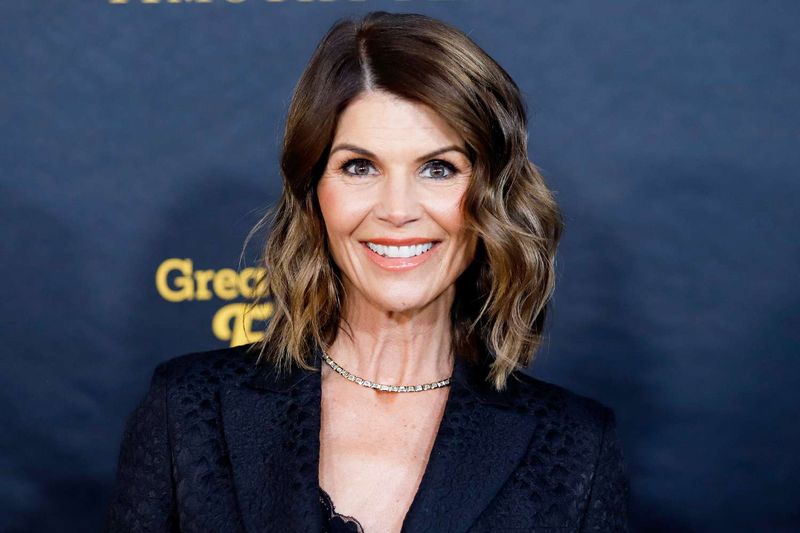
Privilege looks powerful right up until it collides with federal prosecutors and a paper trail.
Lori Loughlin became one of the most recognizable faces tied to the college admissions scandal.
The allegations centered on using wealth and influence to manufacture an advantage that others couldn’t access.
What makes it feel “entitled” is the implied belief that outcomes are negotiable if you pay enough.
Courts don’t operate on fan status, so the legal system delivered consequences that money couldn’t erase.
Public reaction was intense because education is already emotional, and this case touched a national nerve.
When sentencing and penalties entered the picture, the story stopped being gossip and became a warning label.
It’s the definition of getting humbled, because the whole point of power was to avoid limits.
5. Felicity Huffman’s SAT Scheme That Backfired in the Harshest Way
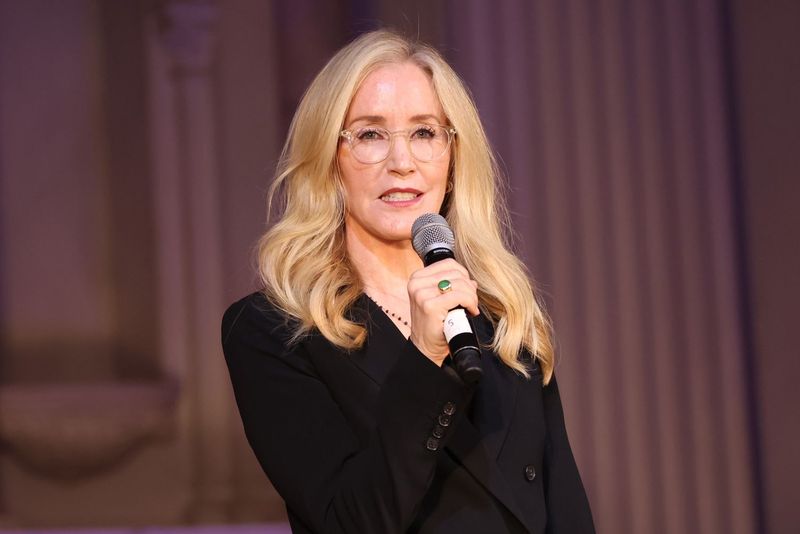
A reputation built over decades can crack in a week when the truth hits the headlines.
Felicity Huffman faced legal consequences after admitting involvement in a test-score cheating scheme.
The harsh irony is that a short-term “fix” created a long-term stain that no publicist can scrub.
People weren’t just mad at the act, because the act symbolized a rigged system many already resent.
Once a judge hands down penalties, the story shifts from celebrity drama to accountability in black and white.
The humbling factor is how ordinary the message becomes: rules still exist, even for famous parents.
It also underlined that “doing it for my kid” isn’t a magic phrase that dissolves wrongdoing.
In the end, the fallout was bigger than the original goal, which is a brutal kind of karma.
6. Wesley Snipes and the IRS Lesson Hollywood Can’t Outsmart
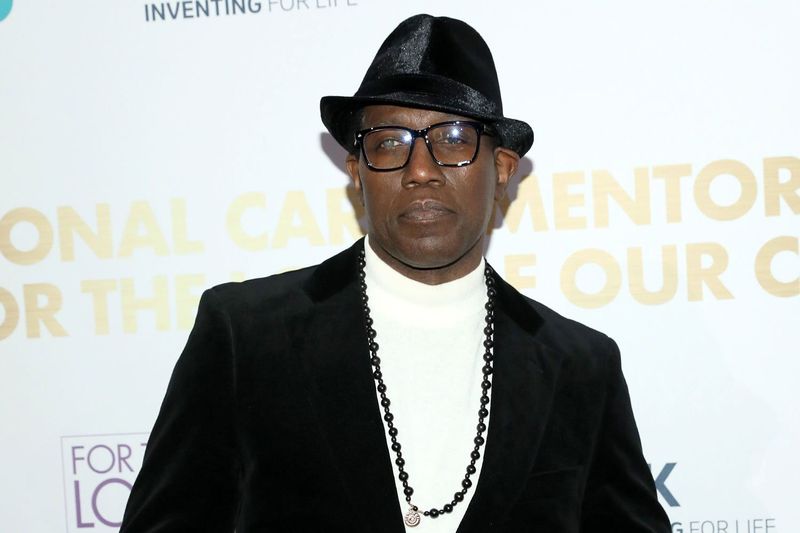
Money can buy comfort, but it cannot buy immunity from taxes that are legally owed.
Wesley Snipes became a high-profile example of what happens when tax issues escalate beyond private fixes.
The public learned about missed filings and legal battles in a way that made the situation unavoidable.
What feels “humbled” here is the scale, because a celebrity lifestyle colliding with federal enforcement is stark.
Fans might cheer a star on screen, but the IRS doesn’t respond to charisma or awards.
The case also reinforced that financial rules are designed to be boring, which is exactly why they win.
Once sentencing enters the conversation, the celebrity aura fades into a standard legal process.
It’s the ultimate reminder that your name on a poster doesn’t change your name on a tax form.
7. Lauryn Hill and the Courtroom Wake-Up Call
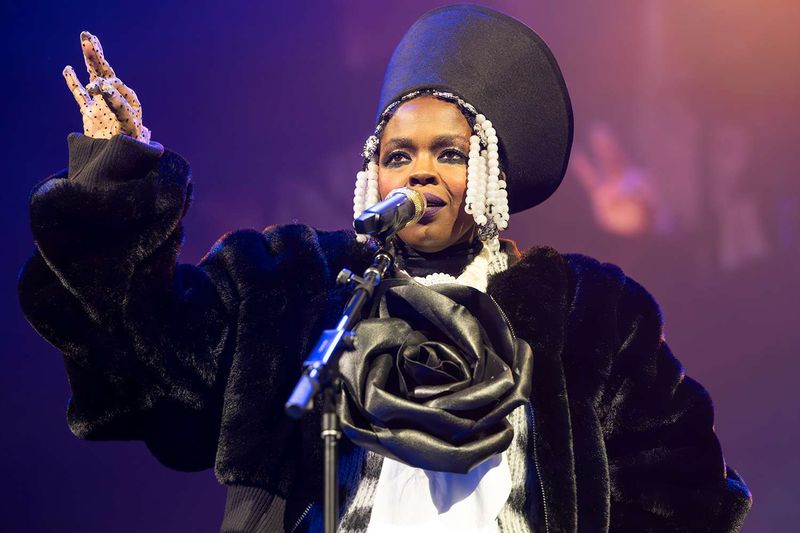
Success can be massive, but it gets complicated when personal decisions create legal exposure.
Lauryn Hill faced consequences connected to failing to file tax returns over multiple years.
The story hit hard because her talent is undeniable, yet the legal system runs on paperwork, not legacy.
People often expect celebrity outcomes to be softer, so a real sentence felt like a shock to many.
That shock is part of the humbling, because it proves the rules aren’t theoretical or optional.
It also became a cautionary tale about how quickly finances can spiral when avoidance becomes a pattern.
When the court sets terms, the narrative changes from “artist” to “defendant,” and that’s sobering.
In the end, it was a reminder that even icons have to answer to the same obligations.
8. Justin Timberlake’s DWI Arrest That Cut Through the Comeback Glow
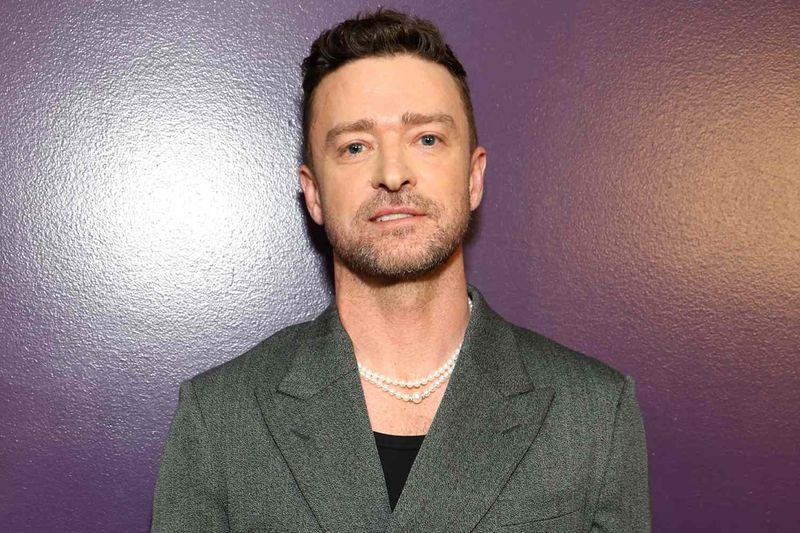
A carefully managed public image can unravel the moment flashing lights appear in a rearview mirror.
Justin Timberlake made headlines after a DWI arrest that landed during a very visible career stretch.
What makes this feel like a humbling moment is the timing, because fame amplifies every mistake.
Even if a celebrity tries to keep things quiet, legal incidents create public records and public discussion.
The internet doesn’t wait for context, so the story spreads faster than any statement can catch up.
Fans can debate details, but the reputational hit often arrives immediately and sticks stubbornly.
When a star is on tour or promoting work, the contrast between stage confidence and arrest news is sharp.
It’s a reminder that celebrity status can magnify consequences instead of shielding anyone from them.
9. Ariana Grande’s Donut Shop Controversy and the Backlash Spiral
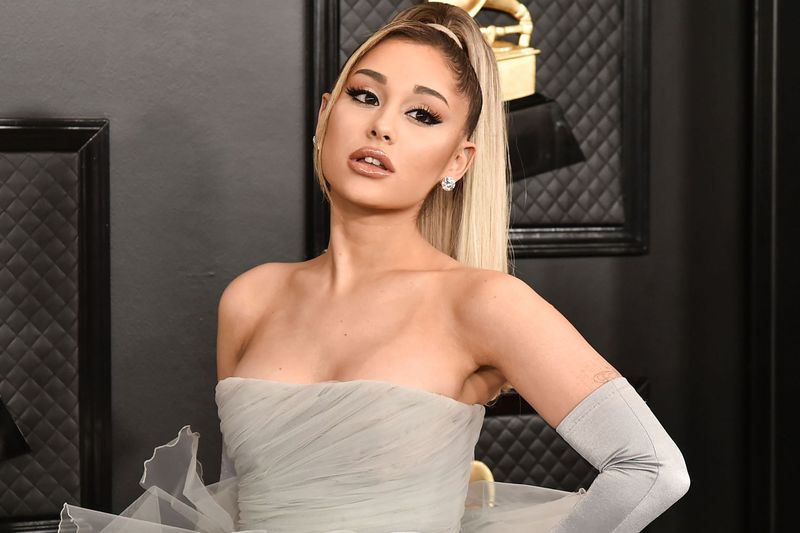
A small moment can become a huge scandal when cameras, timing, and public mood align.
Ariana Grande faced widespread criticism after footage from a donut shop circulated online years ago.
The clip sparked backlash because it was framed as disrespectful, and people react strongly to public rudeness.
What’s humbling about incidents like this is how quickly a fandom-friendly image can get reinterpreted.
Once the conversation turns into “manners” and “entitlement,” the star loses control of the storyline.
Public apologies become necessary, not because everyone demands perfection, but because the clip felt avoidable.
The reaction also showed how everyday workers and everyday spaces can trigger big accountability moments.
When the internet decides you acted above the rules of common courtesy, the reset is immediate.
10. Justin Bieber’s Mugshot Era and the Reality Check That Followed

A young star can feel invincible until the consequences become visual and impossible to ignore.
Justin Bieber’s legal troubles in the early 2010s produced headlines that traveled far beyond fan circles.
Nothing screams “humbled” like an arrest story paired with a mugshot that turns into pop culture shorthand.
What people reacted to wasn’t just the incident, but the sense of arrogance that critics believed it signaled.
The public conversation shifted from music to behavior, and that’s a brutal pivot for any celebrity brand.
Even devoted fans can’t outvote the law, so the narrative became about accountability rather than fame.
Over time, the saga also became a lesson about what happens when adolescence meets unlimited access.
When the image that defines the era is a booking photo, the myth of untouchable celebrity collapses fast.
Comments
Loading…