
 Mila Ross
10 Timeless ’90s K-Dramas Worth Rewatching Even Decades Later
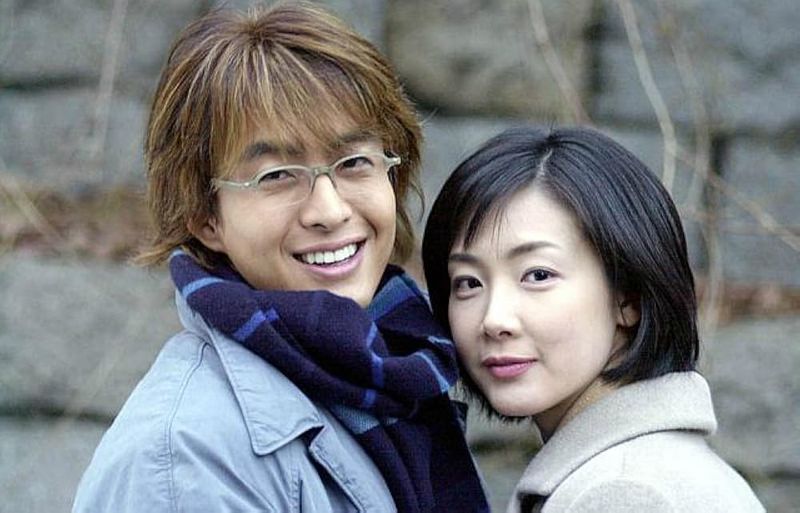
Korean dramas from the 1990s hold a very special place in television history.
Long before the global K-drama boom, these shows were already telling powerful stories about love, friendship, ambition, and social change.
Whether you grew up watching them or are discovering them for the first time, these classics still hit hard.
Here are 10 unforgettable ’90s K-dramas that absolutely deserve a spot on your rewatch list.
1. Sandglass (1995)
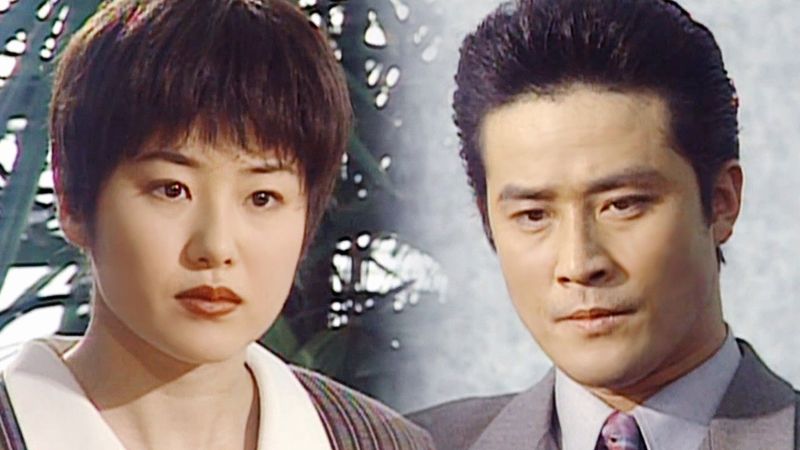
Few dramas have ever stopped a nation in its tracks the way Sandglass did in 1995.
Millions of South Koreans rushed home from work just to catch each episode, earning it the nickname “the drama that emptied the streets.”
Its bold portrayal of Korea’s painful democratization struggle was unlike anything viewers had seen before.
The story follows three friends whose lives get tangled in love, loyalty, and political violence across two turbulent decades.
Powerful performances and cinematic storytelling gave the series a film-like quality that still holds up beautifully.
Sandglass didn’t just entertain — it helped a nation process its own recent history.
2. Star in My Heart (1997)
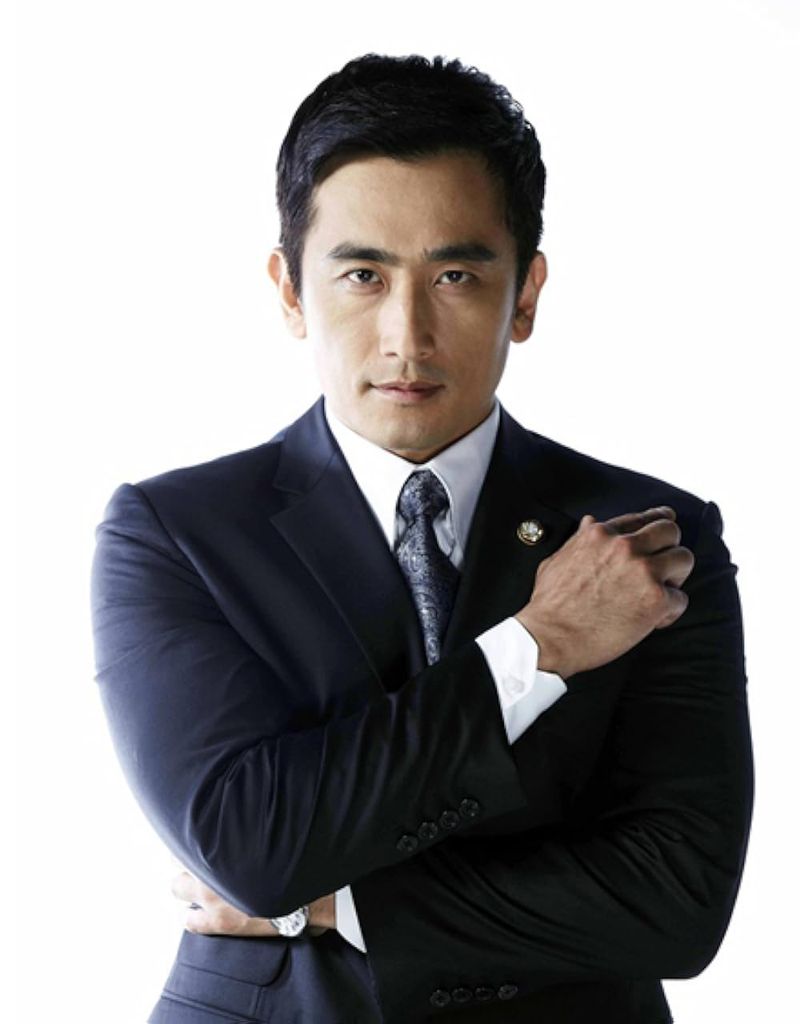
Cha In-pyo and Ahn Jae-wook became household names across all of Asia thanks to this charming romance that swept through living rooms in 1997.
The story follows a hardworking young woman who quietly endures hardship while chasing her dreams — and unexpectedly finds love along the way.
It’s a classic Cinderella story told with warmth and sincerity.
What made Star in My Heart stand out was its emotional honesty and memorable soundtrack that fans still hum today.
Many credit this drama as one of the early sparks that lit the Korean Wave internationally.
Rewatching it feels like flipping through a beloved photo album from another era.
3. First Love (1996)
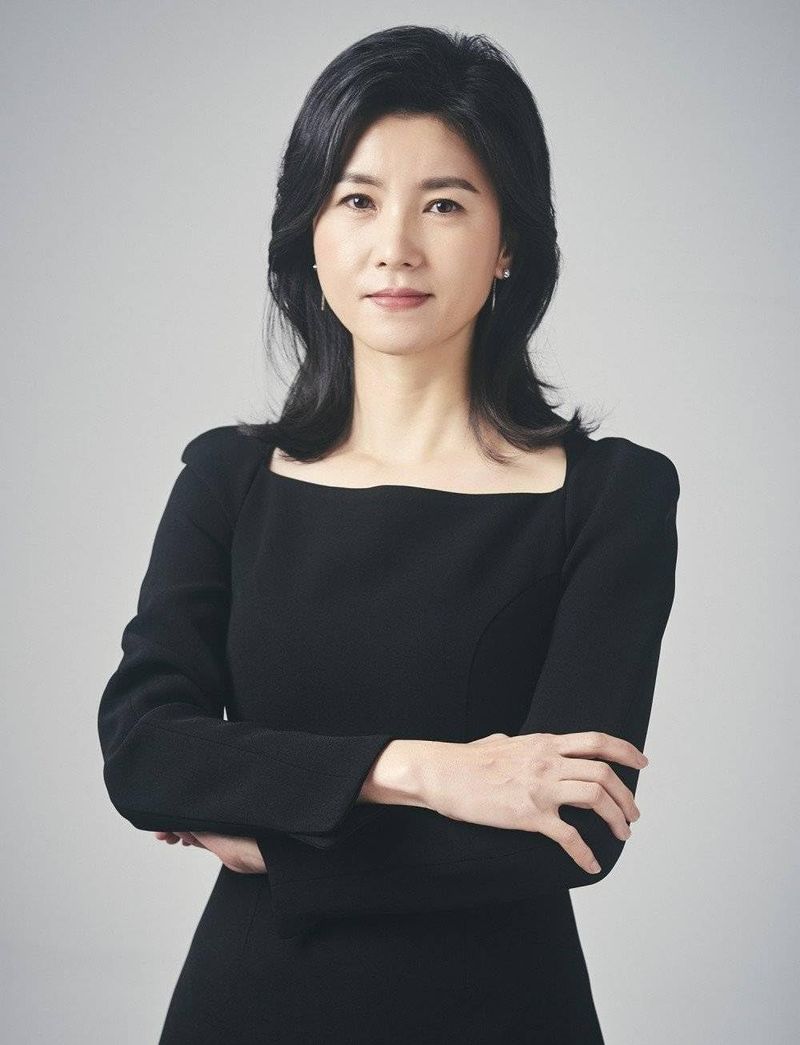
Pulling in ratings that most modern dramas can only dream about, First Love became a genuine cultural phenomenon when it aired in 1996.
At its peak, nearly two-thirds of all Korean households tuned in — a record that still stands as one of the highest in Korean television history.
That kind of viewership doesn’t happen by accident.
The story centers on two brothers from different social backgrounds who fall for the same woman, weaving themes of class, ambition, and sacrifice into a deeply emotional tapestry.
Each episode felt like a chapter from a sweeping novel.
First Love proved that Korean television could rival the emotional power of any film.
4. Feelings (1994)
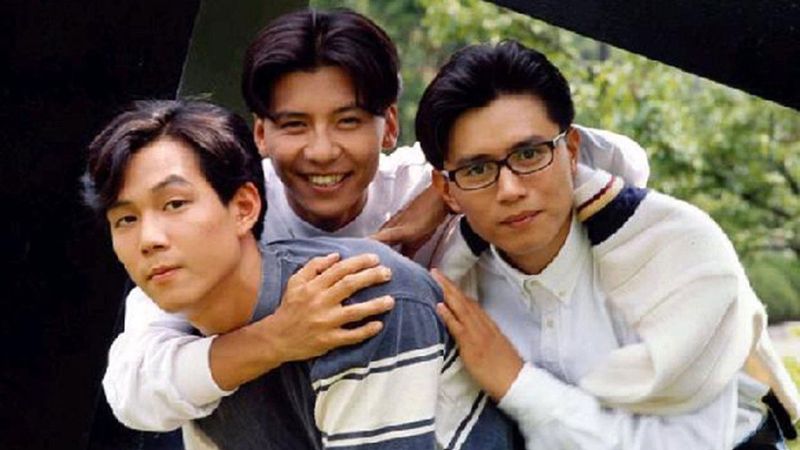
Before campus romances became a K-drama staple, Feelings was already doing it with irresistible charm back in 1994.
The series follows a group of university students navigating friendships, crushes, and the bittersweet awkwardness of young adulthood — all with a refreshingly lighthearted touch that made it easy to binge before binging was even a thing.
Its relatable characters felt like real people you might actually know from school, which is a big reason younger viewers connected so strongly with it.
The natural chemistry among the cast gave every scene an authentic, unscripted energy.
Feelings quietly helped shape the campus drama genre that Korean television still loves today.
5. Model (1997)

Glittering runways, fierce competition, and the high price of ambition — Model brought the dazzling world of Korean fashion to television screens in a way audiences had never experienced before.
The 1997 drama follows young hopefuls battling for their shot at modeling stardom in an industry that demands everything and forgives very little.
Beyond the glamour, the show explored real emotional stakes: jealousy between rivals, romantic tension, and the quiet loneliness that sometimes hides behind a polished exterior.
Several cast members went on to become major stars, making it fun to rewatch with fresh eyes.
Model gave K-dramas a sleek, stylish energy that felt genuinely ahead of its time.
6. Tomato (1999)

Tomato might have a quirky title, but the story it tells is pure heart.
This 1999 drama follows a kind and determined young woman who refuses to give up despite betrayal, heartbreak, and professional setbacks in the competitive fashion world.
Her resilience is the kind that makes you want to root for her from the very first episode.
The drama’s emotional storyline resonated deeply with viewers who appreciated a heroine defined by loyalty and quiet strength rather than dramatic flair.
Its simple, touching narrative proved that you don’t need flashy twists to leave a lasting impression.
Tomato remains a beloved comfort watch for fans of classic Korean melodrama.
7. The Last Match (1994)
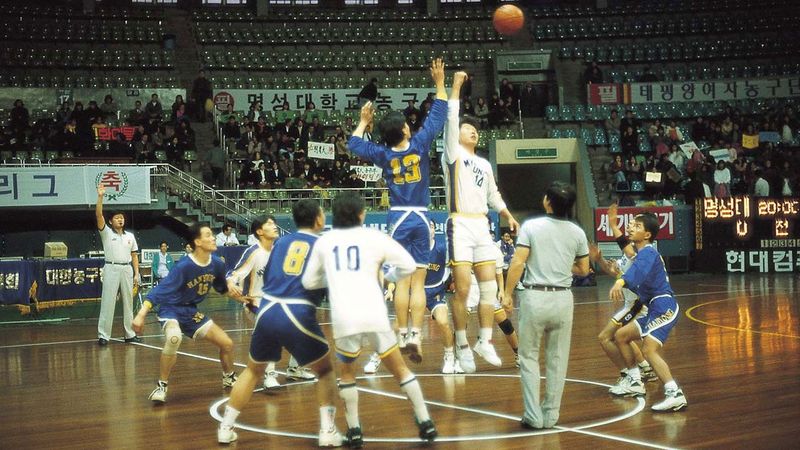
Long before sports dramas became trendy, The Last Match was already proving that the basketball court could be just as dramatic as any romantic rooftop.
Jang Dong-gun’s electric performance as a passionate young player was a major reason this 1994 series became a sensation among Korean youth.
His charisma practically leaped through the screen.
The show balanced fast-paced athletic energy with heartfelt moments between teammates and rivals, making it equally enjoyable for sports fans and romance lovers alike.
Friendships tested under pressure, dreams chased against the odds — it hit every emotional note with confidence.
The Last Match remains one of the most spirited youth dramas of the entire decade.
8. All About Eve (2000)
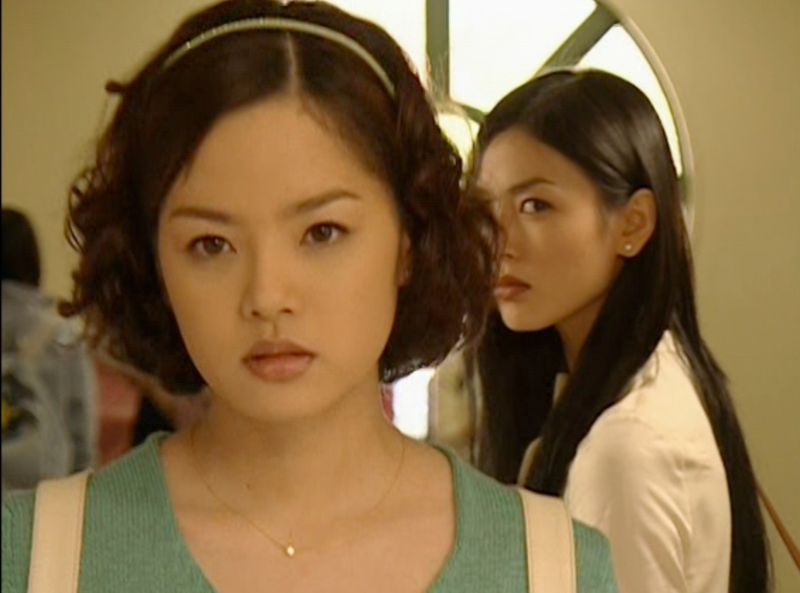
Ambition has never looked quite as gripping as it does in All About Eve, where two women with completely different values go head-to-head in the cutthroat world of television broadcasting.
Airing in 2000, the drama was sharp, modern, and unapologetically dramatic in the best possible way.
It showed that career rivalry could be just as compelling as any love story.
What made it especially refreshing was how seriously it took its female characters — giving them real goals, real flaws, and real consequences.
The show became a massive hit across Asia and sparked long conversations about integrity versus ambition.
All About Eve still feels surprisingly relevant in today’s competitive media landscape.
9. Winter Sonata (2002)
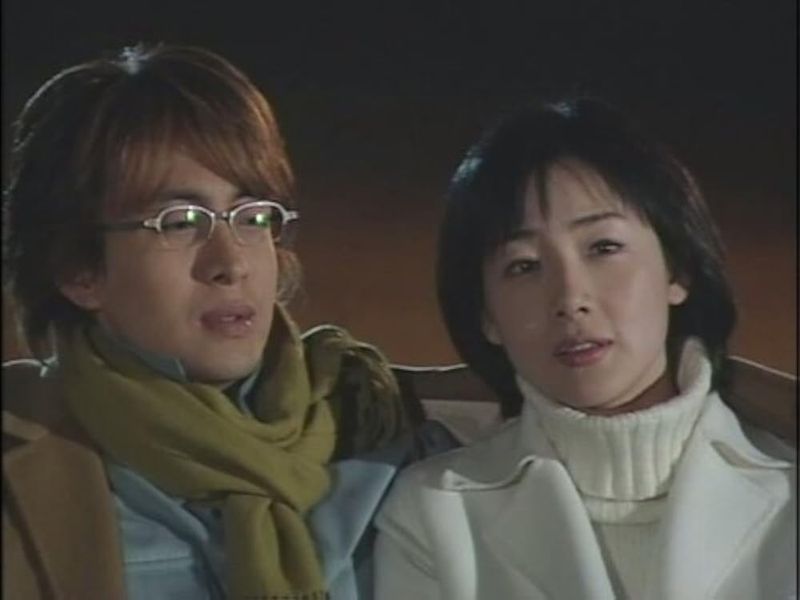
Some dramas don’t just tell a love story — they become one.
Winter Sonata is that kind of drama.
When it aired in 2002, it didn’t just top ratings in Korea; it triggered a full-blown cultural obsession across Japan, China, and beyond, sending international fans on pilgrimages to Nami Island just to walk the same snowy paths as the characters.
Bae Yong-joon and Choi Ji-woo brought an aching tenderness to a story about first love, lost memories, and fate that refuses to let go.
The haunting soundtrack alone is enough to make longtime fans emotional.
Winter Sonata is widely credited with launching Korean pop culture onto the world stage in a meaningful way.
10. KAIST (1999)

Not every great drama needs explosive plot twists — sometimes a quiet, intelligent story about young people finding themselves is more than enough.
KAIST, set at one of Korea’s most prestigious science and technology universities, offered exactly that kind of thoughtful storytelling when it aired in 1999.
Students here weren’t just chasing grades; they were figuring out who they wanted to become.
The series blended academic pressure with personal growth, friendship, and the occasional romantic complication in ways that felt grounded and genuine.
Its smart writing set it apart from flashier dramas of the same era.
KAIST is a hidden gem worth revisiting for anyone who appreciates character-driven storytelling with real emotional substance.
Comments
Loading…