
 Jade Reed
10 Stars Who’ve Been Open About Therapy—and What Their Stories Normalize for the Rest of Us

Talking about therapy used to feel like admitting you were falling apart, not taking care of yourself.
Now, more public figures are describing it as a tool for coping, healing, and staying steady when life gets loud.
That shift matters because stigma thrives in silence, and openness gives other people permission to seek support sooner.
These stories don’t claim therapy “fixes” everything, and that honesty is part of what makes them so powerful.
They normalize the idea that emotions are information, boundaries are healthy, and getting help is a practical decision.
If you’ve ever wondered whether your struggles are “big enough” to deserve support, the answer is already yes.
Here are ten stars who’ve spoken candidly about therapy, and the healthy messages their honesty reinforces for the rest of us.
1. Zendaya

When a star known for confidence says therapy is simply part of life, it quietly resets the standard for what “normal” looks like.
Zendaya has spoken in a straightforward, no-big-deal way about going to therapy and recommending it to others who can access it.
That tone is the point, because it frames counseling as maintenance rather than a dramatic intervention reserved for rock-bottom moments.
It also helps people who feel “too functional” to reach out understand that support is allowed even when you’re performing well.
Her openness highlights that therapy can be proactive, like strengthening coping skills before stress turns into burnout.
It normalizes asking for help early, especially for younger adults navigating pressure, comparison, and constant digital noise.
The most comforting message is that taking care of your mind can be as routine as taking care of your body.
2. Selena Gomez

A famous face talking about structured mental health support reminds people that treatment can be both compassionate and practical.
Selena Gomez has discussed therapy as part of her mental health journey, including using evidence-based approaches like DBT.
Hearing that matters because it shows therapy is not vague advice, but a set of learnable skills for managing emotions and triggers.
Her story also challenges the myth that success, talent, or wealth can substitute for stability and inner safety.
It normalizes getting help for anxiety and depression without treating either one like a personal failure or character flaw.
She makes it easier for people to say, “I need tools,” instead of thinking they must magically become stronger overnight.
The takeaway is that support can be structured, ongoing, and still deeply human.
3. Demi Lovato

Public honesty about long-term mental health care helps people stop expecting a neat, one-season makeover.
Demi Lovato has repeatedly spoken about therapy and treatment as part of staying well and continuing recovery.
That openness normalizes the idea that healing is a process, not a finish line you cross once and never revisit.
It also challenges the shame many people carry when they need more than a single round of counseling or a quick reset.
Their story highlights how therapy can be a steady anchor, especially when life includes relapse risk, stress spikes, or major transitions.
It normalizes frequent check-ins and ongoing accountability, which can feel deeply reassuring for anyone who fears backsliding.
The message is clear that getting support isn’t a sign you’re broken, but proof you’re committed to living.
4. Ariana Grande

After widely publicized trauma, hearing someone describe therapy as necessary care can make help feel less intimidating.
Ariana Grande has talked about doing a lot of therapy while dealing with PTSD, grief, anxiety, and depression.
That candor matters because it pushes back against the idea that pain should be handled privately until it disappears.
It also normalizes the reality that trauma can echo long after the event, even when your life looks successful from the outside.
Her story suggests that therapy can coexist with creativity, work, and public obligations without being something to hide.
It normalizes seeking multiple layers of support when life feels destabilizing, rather than waiting until you collapse.
The bigger takeaway is that you can keep moving forward while still admitting you need help to feel safe inside yourself.
5. Prince Harry

When someone raised in a culture of emotional restraint talks about therapy, it shows that change is possible at any stage.
Prince Harry has described therapy as something that opened his eyes and helped him break through years of avoidance.
That framing matters because it presents counseling as a way to understand patterns, not just vent about problems.
It normalizes starting late, especially for people taught that feelings are weaknesses that should be managed through sheer willpower.
His story also highlights how grief and stress can sit quietly for years, then erupt when life becomes too heavy.
It normalizes learning emotional language as an adult, even if you weren’t given those tools growing up.
The message is that therapy can help you reconnect with yourself without blaming who you used to be.
6. Naomi Osaka

Seeing an elite competitor prioritize mental health challenges the outdated idea that resilience means never needing support.
Naomi Osaka has spoken about protecting her well-being, including therapy and working with mental health support professionals.
That honesty normalizes stepping back when the pressure becomes harmful, even if others call it inconvenient or confusing.
It also reinforces that anxiety doesn’t disappear just because you’re talented, admired, or successful on paper.
Her story helps people understand that boundaries are not a weakness, but a strategy for staying steady over the long run.
It normalizes choosing self-preservation over constant performance, especially for those who feel trapped by expectations.
The takeaway is that taking care of your mind can be part of excellence, not a detour away from it.
7. Simone Biles

When the most decorated athletes talk about mental health, it becomes harder to pretend struggle equals inadequacy.
Simone Biles has discussed mental health support and the importance of addressing psychological pressure in elite sports.
That visibility normalizes the idea that your brain and body are on the same team, and both deserve protection.
It also challenges the cultural habit of praising people for pushing through at any cost, even when it becomes unsafe.
Her story makes room for the truth that fear, stress, and trauma responses can affect performance in ways that aren’t moral failings.
It normalizes listening to your limits and treating mental readiness as real readiness.
The message many people need is that stepping back can be an act of strength, not a collapse.
8. Michael Phelps
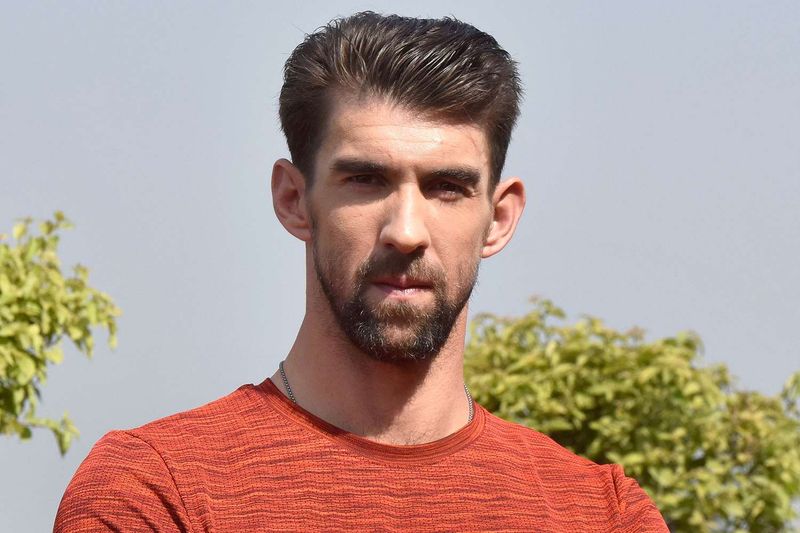
Hearing a champion speak bluntly about therapy can crack open the silence that keeps many people suffering alone.
Michael Phelps has said therapy saved his life and has linked it to surviving severe periods of depression.
That level of honesty normalizes how serious mental health crises can be, even for people who look invincible to the world.
It also pushes back against the idea that men should handle pain privately, without support, until it passes.
His story highlights that therapy can be a turning point, not because it erases struggle, but because it creates connection and tools.
It normalizes asking for help as soon as thoughts get dark, rather than waiting for a dramatic breaking point.
The takeaway is that support is not a luxury, and reaching out can be the bravest decision you make.
9. Taraji P. Henson
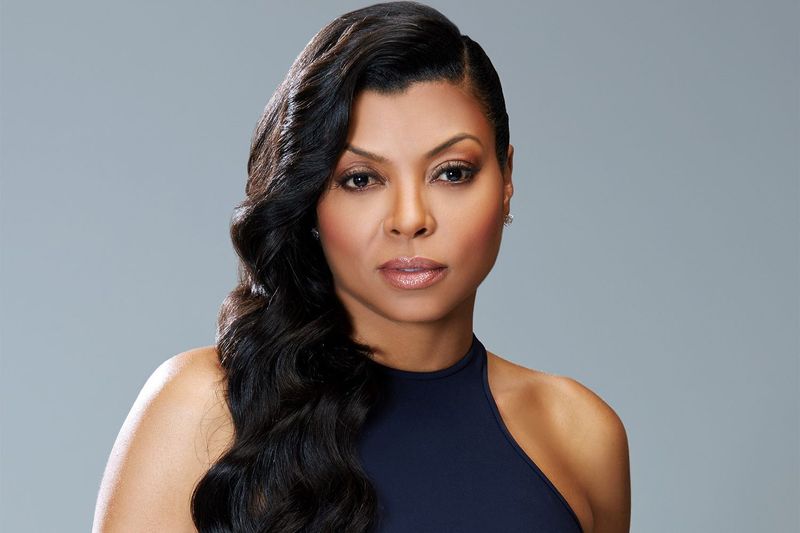
When someone speaks about therapy alongside stigma and access, the conversation becomes bigger than individual self-improvement.
Taraji P. Henson has talked openly about mental health, encouraging people to seek help and challenging cultural barriers.
That visibility normalizes the idea that therapy is healthcare, not a private indulgence reserved for a select few.
It also acknowledges that some people face extra hurdles, including finding culturally competent providers and feeling safe being vulnerable.
Her advocacy makes it easier for readers to admit they’ve avoided help because they feared judgment, misunderstanding, or dismissal.
It normalizes having to shop for the right therapist, because fit and trust are essential to real progress.
The takeaway is that healing is personal, but changing the stigma around care is a community-wide win.
10. Jon Hamm
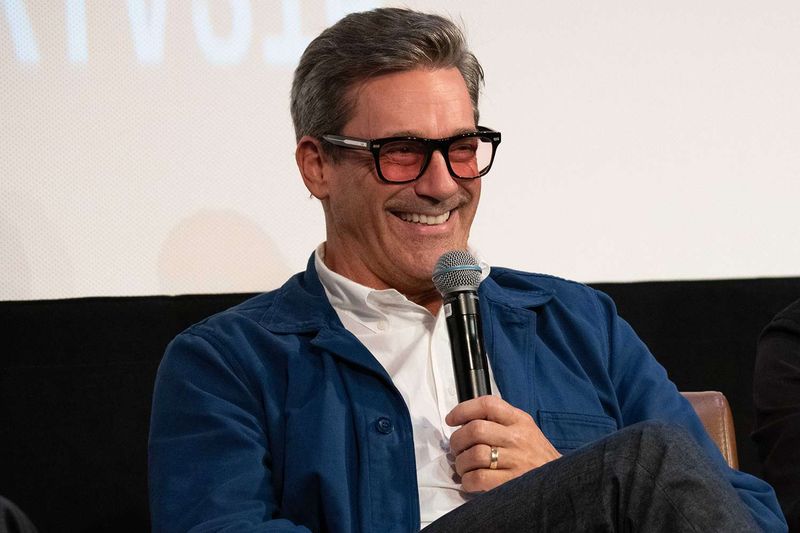
When a recognizable actor describes therapy as medical care, it helps remove the drama people attach to getting support.
Jon Hamm has spoken about therapy and medication in relation to depression, emphasizing that it’s like any other health treatment.
That framing normalizes the idea that mental health issues are not moral shortcomings you overcome with willpower alone.
It also reinforces that needing medication can be responsible, not shameful, when a professional recommends it.
His openness can reassure readers who fear they’ll be judged as weak if they need more than lifestyle changes.
It normalizes combining approaches, because therapy, medication, sleep, and boundaries often work best as a team.
The takeaway is that taking your mental health seriously is not an identity, but a decision to care for yourself.
Comments
Loading…