
 Jade Reed
10 Spy Movies Fans and Critics Consistently Praise as Flawless
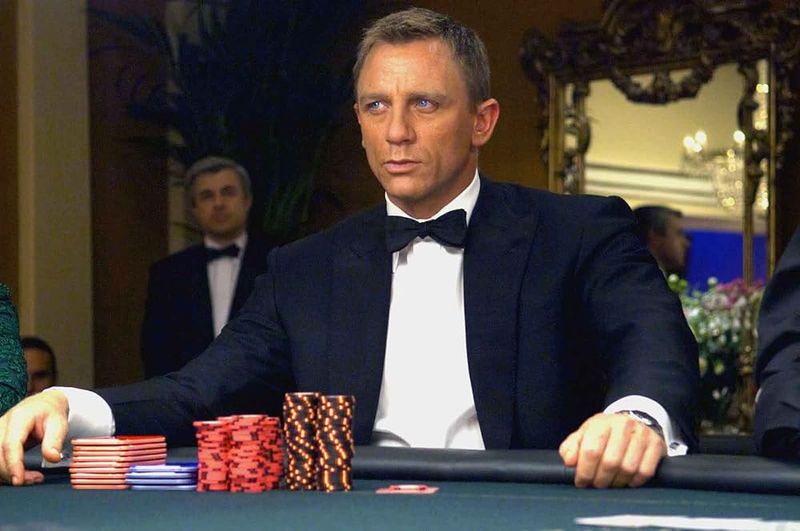
Spy movies have captivated audiences for decades, blending action, intrigue, and suspense into unforgettable cinematic experiences.
From Cold War tension to modern espionage, these films explore themes of loyalty, betrayal, and the gray areas of morality.
Fans and critics alike have singled out certain spy thrillers as near-perfect, praising their storytelling, performances, and lasting impact on the genre.
1. Goldfinger (1964)
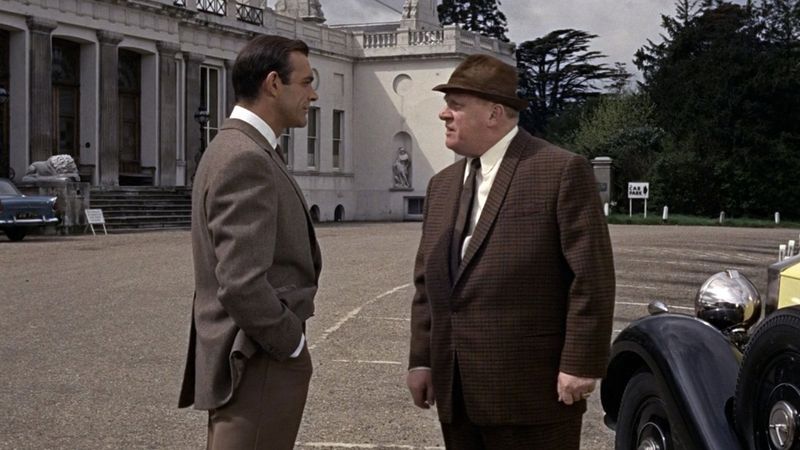
Sean Connery’s third outing as James Bond set the gold standard for spy cinema.
Every element came together flawlessly: a charismatic villain with a deadly scheme, unforgettable gadgets like the weaponized Aston Martin, and Shirley Bassey’s iconic theme song.
Director Guy Hamilton delivered a perfect balance of sophistication and spectacle.
The laser scene remains one of cinema’s most nail-biting moments, while Oddjob’s deadly bowler hat became legendary.
Goldfinger established the formula that countless spy films would follow for generations.
Its influence echoes through modern action cinema, proving that style, wit, and thrilling set pieces create timeless entertainment when executed with precision and confidence.
2. Spy Game (2001)
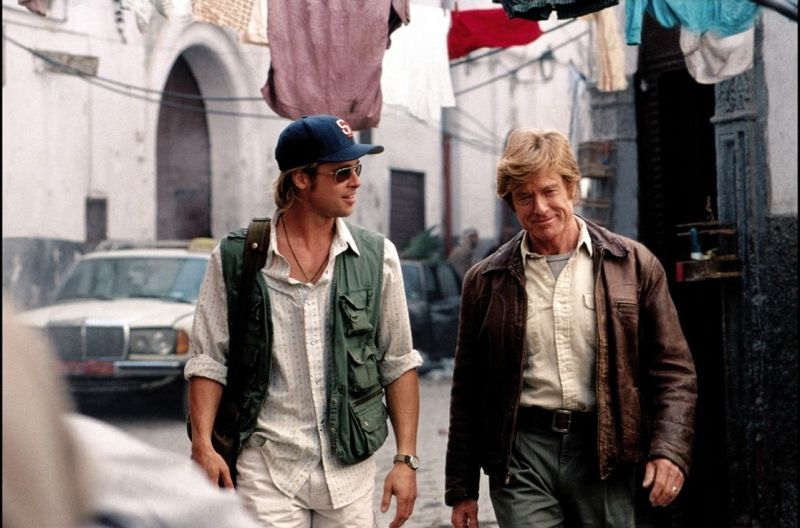
Robert Redford and Brad Pitt anchor this intelligent CIA thriller that unfolds across multiple timelines and continents.
The story weaves past and present together as veteran operative Nathan Muir races against the clock to save his former protégé from execution in a Chinese prison.
Director Tony Scott crafted a cerebral espionage tale that values sharp dialogue over explosions.
Flashbacks reveal how Muir trained Tom Bishop, showing the moral compromises intelligence work demands.
The film explores mentorship, loyalty, and the personal costs of living in shadows.
Its realistic portrayal of agency politics and field operations earned praise for treating audiences like adults who appreciate complexity over simplicity.
3. Munich (2005)

Following the 1972 Olympic massacre, Israel dispatches a secret team to hunt down those responsible.
Steven Spielberg examines revenge’s psychological toll as agent Avner and his team execute their targets across Europe, questioning whether violence truly brings justice or simply breeds more violence.
Eric Bana delivers a haunting performance as a man slowly consumed by doubt and trauma.
Each assassination weighs heavier than the last, eroding his certainty about the mission’s righteousness.
Spielberg refuses easy answers, presenting espionage as morally complex work that damages everyone involved.
The film’s unflinching honesty about violence’s consequences makes it profoundly affecting, earning acclaim for its maturity and willingness to explore uncomfortable truths.
4. Three Days of the Condor (1975)

Robert Redford plays a CIA analyst whose entire office gets massacred, forcing him to run for his life through a paranoid New York City.
Nobody can be trusted when the agency itself might want you dead, turning every phone call and street corner into potential danger.
Director Sydney Pollack captured 1970s disillusionment perfectly, reflecting post-Watergate suspicions about government secrecy.
The film strips away James Bond glamour, replacing it with genuine fear and uncertainty.
Faye Dunaway co-stars as an unwilling hostage who becomes Redford’s only ally.
Their tense relationship adds human complexity to the political thriller framework, creating a smart, grounded espionage tale that still feels relevant decades later.
5. The Lives of Others (2006)
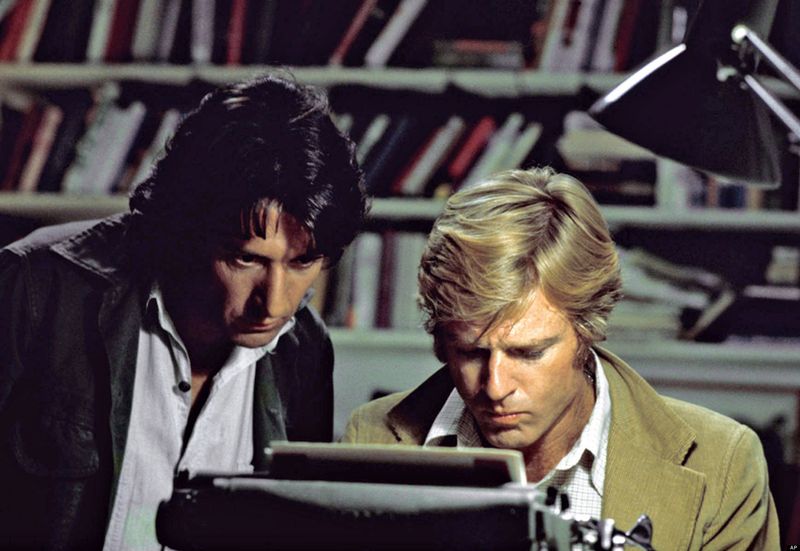
Set in 1984 East Germany, a Stasi officer monitors a playwright suspected of disloyalty to the Communist regime.
Captain Wiesler begins his surveillance with cold efficiency, but listening to the artist’s private life gradually awakens his dormant humanity and conscience.
This German masterpiece proves espionage films need not feature car chases or shootouts.
Ulrich Mühe’s subtle performance captures a man’s quiet transformation as he witnesses genuine love and creativity through his headphones.
Director Florian Henckel von Donnersmarck crafted a deeply moving exploration of surveillance’s human cost.
The film won the Academy Award for Best Foreign Language Film, demonstrating that espionage cinema reaches its peak when examining souls rather than explosions.
6. Tinker Tailor Soldier Spy (2011)

Gary Oldman leads an exceptional ensemble cast in this adaptation of John le Carré’s complex Cold War novel.
Retired spy George Smiley returns to British intelligence to identify a Soviet mole at the agency’s highest levels, navigating bureaucratic treachery with methodical patience.
Director Tomas Alfredson demands viewers’ full attention, rewarding careful watching with a masterfully constructed puzzle.
The film portrays espionage as unglamorous desk work, filled with paperwork, suspicion, and soul-crushing betrayal.
Oldman’s restrained performance conveys volumes through glances and silences.
The muted color palette and deliberate pacing create an atmosphere of paranoia and exhaustion, showing how intelligence work corrodes trust and relationships over time.
7. The Spy Who Came in from the Cold (1965)

Richard Burton stars as a burned-out British agent sent on one final mission behind the Iron Curtain.
Director Martin Ritt and author John le Carré stripped espionage of all romantic illusions, revealing a bleak world where loyalty means nothing and everyone becomes expendable.
Shot in stark black-and-white, the film captures Cold War cynicism perfectly.
Burton’s weary performance embodies a man who has sacrificed everything for a cause that views him as merely another chess piece.
The devastating finale exposes how intelligence agencies manipulate their own operatives without remorse.
Critics praised its unflinching honesty about espionage’s moral bankruptcy, making it essential viewing for anyone who thinks spy work involves glamour rather than soul-destroying compromise.
8. Casino Royale (2006)
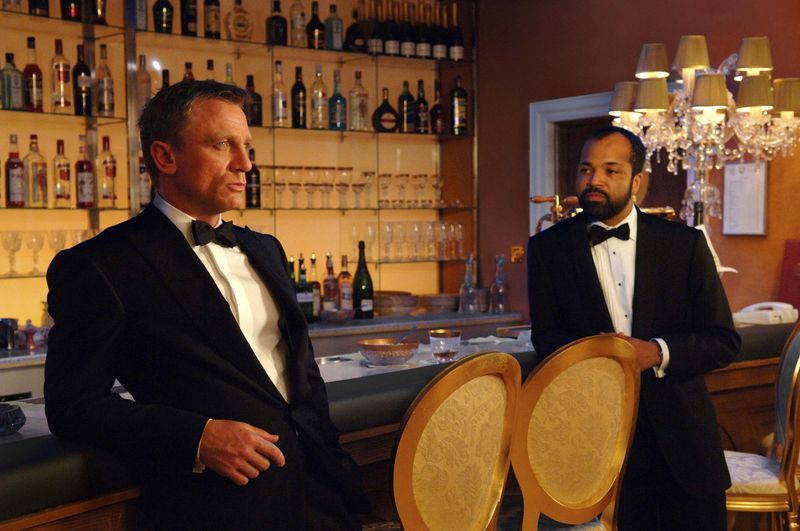
Bringing raw physicality and emotional vulnerability to the iconic role, Daniel Craig reinvented James Bond for modern audiences.
This origin story shows Bond earning his 00 status, then pursuing a terrorist financier in a high-stakes poker game where millions hang in the balance.
Director Martin Campbell grounded the franchise in brutal realism without sacrificing excitement.
The parkour chase opening remains breathtaking, while the torture scene proves this Bond actually bleeds and suffers consequences.
Eva Green’s Vesper Lynd gives Bond genuine emotional stakes, making their romance and its tragic outcome genuinely affecting.
The film revitalized the entire franchise by proving spy thrillers could balance gritty authenticity with blockbuster entertainment.
9. North by Northwest (1959)
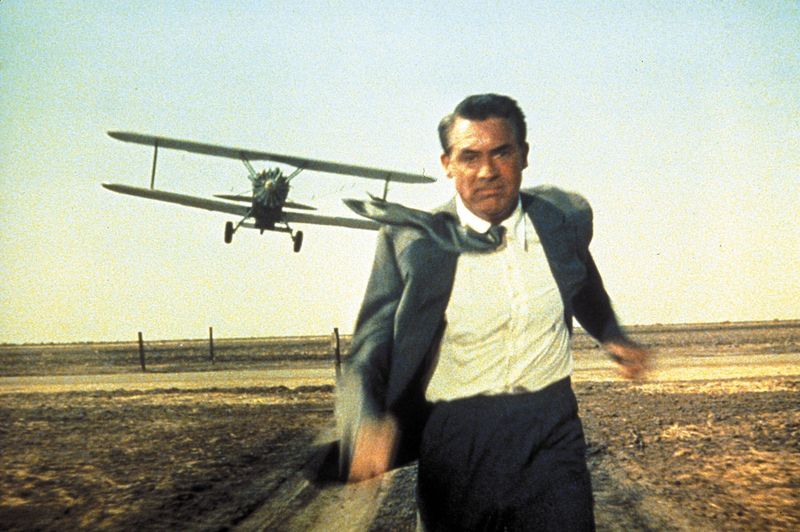
Alfred Hitchcock transformed mistaken identity into pure cinematic magic.
Cary Grant plays an advertising executive confused for a government agent, suddenly fleeing assassins across America while trying to clear his name and uncover the truth behind the conspiracy.
The crop duster sequence remains one of cinema’s most suspenseful set pieces, building tension in broad daylight with nowhere to hide.
Hitchcock’s visual storytelling genius shines throughout, from the United Nations murder to Mount Rushmore’s climactic confrontation.
Eva Marie Saint provides glamorous intrigue as a mysterious woman with hidden loyalties.
Bernard Herrmann’s score perfectly complements the stylish action, creating an endlessly entertaining thriller that influenced countless spy films while remaining utterly unique and timeless.
10. The Hunt for Red October (1990)
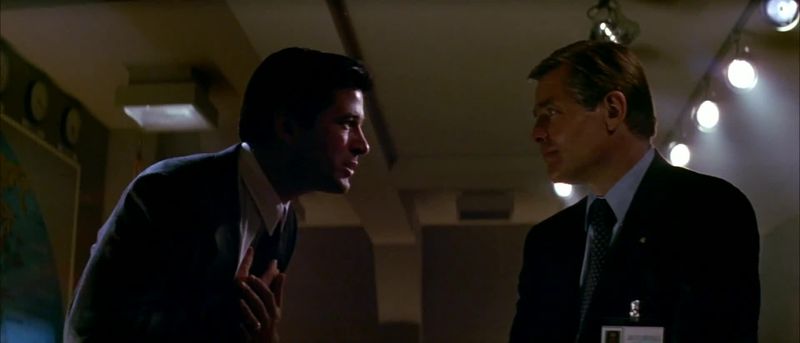
A Soviet submarine captain plans to defect with the USSR’s most advanced nuclear submarine, triggering a tense underwater cat-and-mouse game.
Sean Connery and Alec Baldwin anchor this Tom Clancy adaptation that combines military precision with blockbuster thrills as American analyst Jack Ryan must determine the captain’s true intentions.
Director John McTiernan balanced technical authenticity with accessible storytelling.
The submarine warfare feels genuine, with sonar pings and torpedo runs creating heart-pounding suspense beneath the ocean’s surface.
The film treats intelligence work with respect, showing how analysts piece together fragmentary information under enormous pressure.
Its combination of smart plotting, strong performances, and edge-of-your-seat tension made it a critical and commercial triumph.
Comments
Loading…