
 Harper Hall
10 Relationship Tropes Women Are Tired Of Seeing on TV

Television shows have been recycling the same tired relationship storylines for decades, and viewers are starting to notice. Women especially have grown weary of seeing the same predictable patterns play out on screen, from toxic dynamics portrayed as romantic to outdated gender roles that feel stuck in the past.
These overused tropes not only make for boring TV but also send problematic messages about what relationships should look like.
1. The Manic Pixie Dream Girl
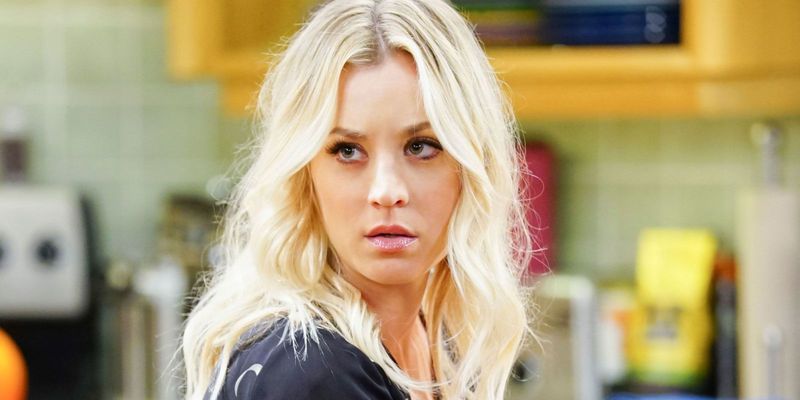
She exists only to teach the brooding male lead how to enjoy life again.
This quirky, free-spirited character has no real depth or personal goals beyond fixing a sad guy’s problems.
Her entire personality revolves around being mysteriously charming and unconventionally beautiful.
Real women have their own dreams, struggles, and complex inner lives.
They are not just supporting characters in someone else’s story.
This trope reduces female characters to one-dimensional helpers who lack any meaningful development.
Shows that rely on this cliché miss opportunities to create authentic, interesting women.
Viewers want to see female characters who have their own journeys and don’t exist solely to inspire men.
It’s time for writers to retire this tired pattern.
2. The Love Triangle That Drags On Forever

Will she choose the safe, dependable guy or the exciting, dangerous one?
Television writers stretch this question across multiple seasons until viewers stop caring entirely.
The constant back-and-forth creates artificial drama rather than genuine character development.
What makes this trope particularly frustrating is how it stalls actual plot progression.
Instead of moving forward with meaningful storylines, shows circle around the same romantic indecision episode after episode.
The female character often appears unable to make up her mind, which doesn’t reflect how real people handle relationships.
Audiences crave resolution and growth, not endless waffling.
When writers finally do resolve these triangles, the payoff rarely feels worth the wait after seasons of repetitive drama.
3. Stalking Disguised as Romance
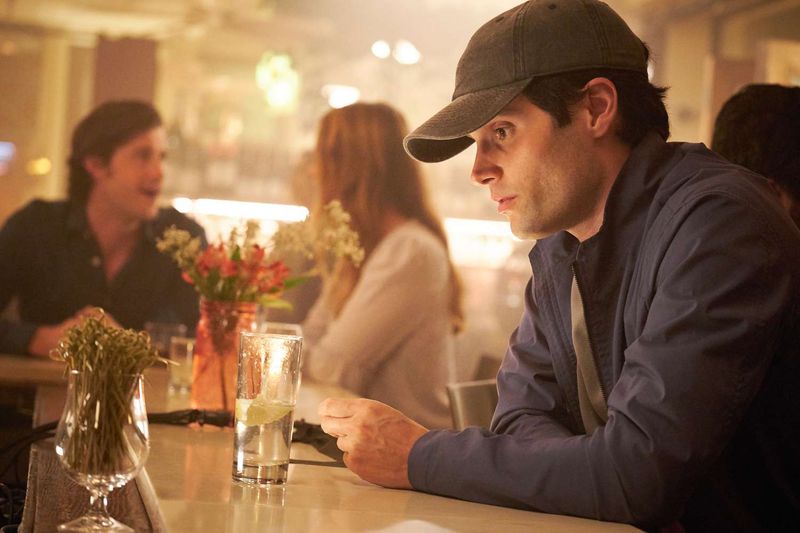
He shows up at her workplace unannounced repeatedly.
He follows her around despite being told no. He somehow knows her schedule without being told.
Television often frames these behaviors as proof of devotion rather than the concerning actions they actually are.
This dangerous trope normalizes boundary violations and teaches viewers that persistence will eventually wear down someone’s resistance.
In reality, these behaviors are red flags that signal controlling tendencies and disrespect for personal autonomy.
Modern audiences recognize the difference between genuine romantic gestures and invasive behavior.
Shows that continue using stalking as a courtship method feel outdated and irresponsible, especially when younger viewers might internalize these unhealthy patterns as normal.
4. The Makeover That Wins His Heart
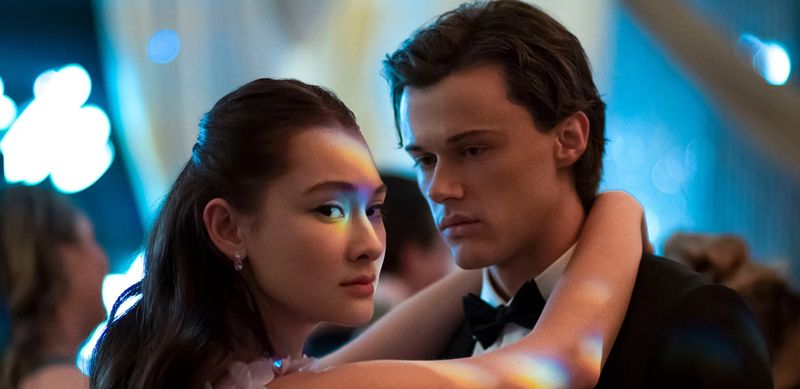
A woman removes her glasses, lets down her hair, and suddenly the guy notices her existence.
This outdated trope suggests that physical transformation is necessary to deserve love or attention.
It implies that a woman’s natural appearance isn’t good enough to attract romantic interest.
The message sends harmful signals about self-worth and external validation.
Real attraction builds on personality, shared values, and genuine connection rather than superficial changes.
Women don’t need to transform themselves to be worthy of love.
Contemporary viewers want stories where characters are appreciated for who they already are.
The makeover trope feels particularly insulting because it suggests women exist primarily to be looked at and judged by male standards of beauty.
5. The Career Woman Who Needs to Soften
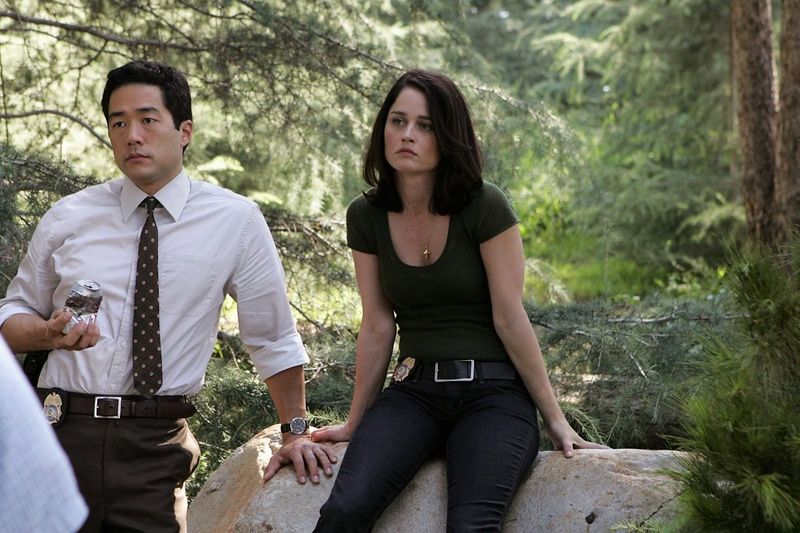
She’s successful, ambitious, and driven, which television portrays as character flaws needing correction.
The right man comes along to teach her that work isn’t everything and she should prioritize relationships instead.
Her professional achievements are framed as compensation for her empty personal life.
This trope reinforces the outdated idea that women can’t have both career success and fulfilling relationships.
It suggests that ambition makes women cold or incomplete, requiring romance to make them whole again.
Men on television rarely face this same narrative where career success is treated as a problem.
Women deserve storylines that celebrate their achievements without suggesting they need to sacrifice professional goals for romantic happiness or become less focused to be lovable.
6. Fighting Equals Passion
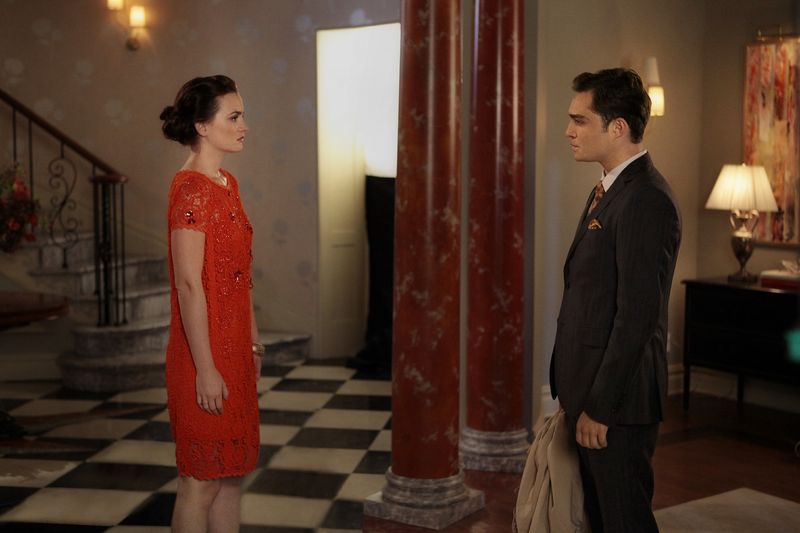
They argue constantly, insult each other, and then suddenly kiss.
Television writers mistake conflict for chemistry and present toxic communication patterns as signs of deep connection.
The couple that fights the most is somehow the one with the strongest feelings.
Healthy relationships involve respectful communication, not constant warfare.
When shows romanticize fighting, they normalize dysfunction and suggest that love should be turbulent and dramatic.
Viewers internalize the message that peace and stability are boring compared to volatile passion.
Real passion can exist without cruelty or disrespect.
Couples who genuinely care about each other work through disagreements constructively rather than weaponizing insults.
Television needs more examples of relationships where kindness and passion coexist beautifully.
7. The Grand Gesture Fixes Everything
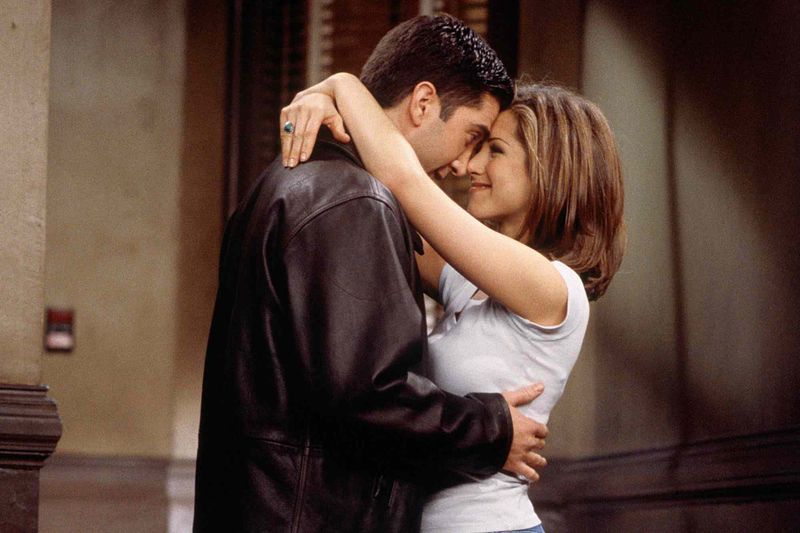
He messed up badly, but then he makes a big public declaration and all is forgiven.
Television teaches viewers that elaborate gestures matter more than consistent behavior or genuine change.
The bigger and more public the apology, the less actual accountability seems necessary.
Real relationships require ongoing effort, not just dramatic moments.
A boom box outside a window doesn’t address underlying problems or prove someone has actually learned from their mistakes.
These gestures often manipulate emotions without demonstrating real growth.
Women want partners who show up consistently in small ways rather than occasionally making splashy displays.
Trust rebuilds through reliable actions over time, not through single theatrical moments that make for good television but poor relationship advice.
8. The Best Friend Who Was Always There

He’s been pining for her since childhood, watching while she dates other people.
Television frames this patient waiting as romantic rather than examining why he never honestly communicated his feelings.
Eventually, she realizes he was the right choice all along, as if friendship was just an audition for romance.
This trope suggests that being nice long enough entitles someone to romantic reciprocation.
It devalues genuine friendship by treating it as a stepping stone rather than a valuable relationship in itself.
Not every friendship is secretly romantic, and prolonged hidden feelings often involve dishonesty rather than devotion.
Women deserve friends whose support isn’t conditional on eventual romantic payoff and partners who are direct about their intentions.
9. Opposites Attract to the Point of Incompatibility
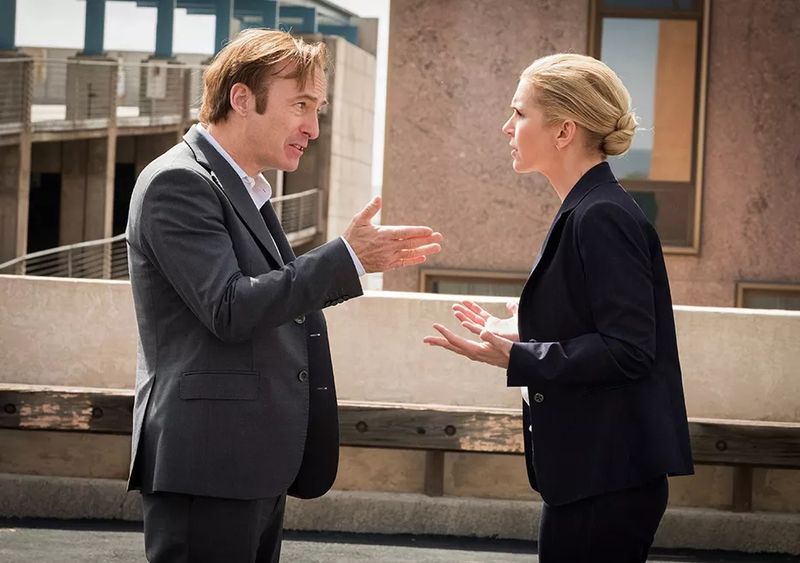
She’s organized; he’s chaotic.
She plans everything; he’s spontaneous.
Television takes this concept to extremes where couples share absolutely no common ground, values, or interests.
The only thing connecting them is physical attraction and the script’s insistence they belong together.
While some differences can complement each other, relationships need shared foundations to survive.
Shows that pair completely incompatible people send the message that love conquers all practical considerations, which sets viewers up for disappointment.
Successful long-term relationships balance some differences with core compatibility.
Partners should challenge each other while also sharing fundamental values and life goals.
Television needs more realistic portrayals of how attraction and compatibility work together.
10. The Other Woman is Always Terrible

Any woman who threatens the main couple must be manipulative, mean, or somehow fundamentally flawed.
Television rarely allows romantic competition to be decent people with legitimate feelings.
Instead, they’re villains whose only purpose is making the preferred couple look better by comparison.
This trope pits women against each other unnecessarily and reduces complex people to obstacles.
It suggests that only one woman can be worthy while others must be terrible to justify the protagonist’s choice.
Real life involves complicated situations where multiple people have valid feelings and perspectives.
Shows would benefit from portraying romantic rivals as three-dimensional humans rather than cardboard villains, which would create more interesting drama anyway.
Comments
Loading…