
 Harper Hall
10 Netflix Originals That Were Overhyped From Day One
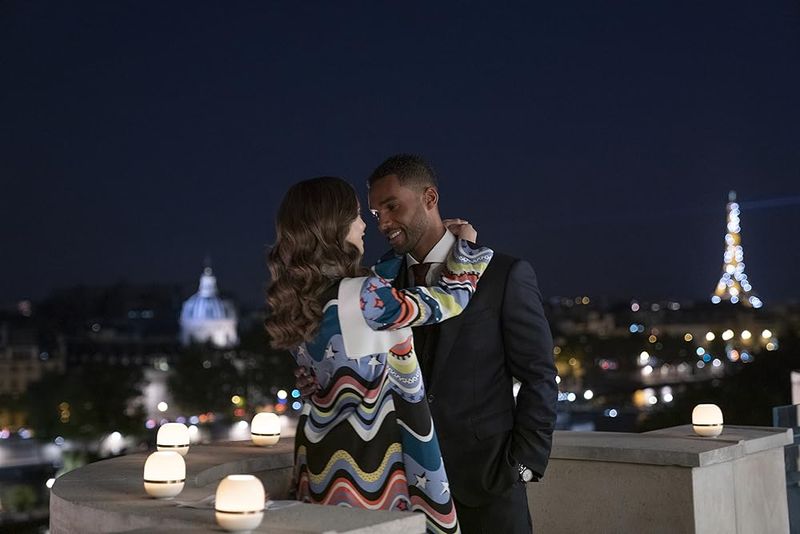
Netflix has produced some incredible content over the years, but not every release lives up to its marketing campaign.
Some shows and movies arrive with massive buzz, celebrity names, and huge budgets, only to disappoint critics and audiences alike.
Whether it’s weak writing, confusing plots, or just missing the mark entirely, these 10 Netflix originals prove that hype doesn’t always equal quality.
1. 365 Days (2020–2022)
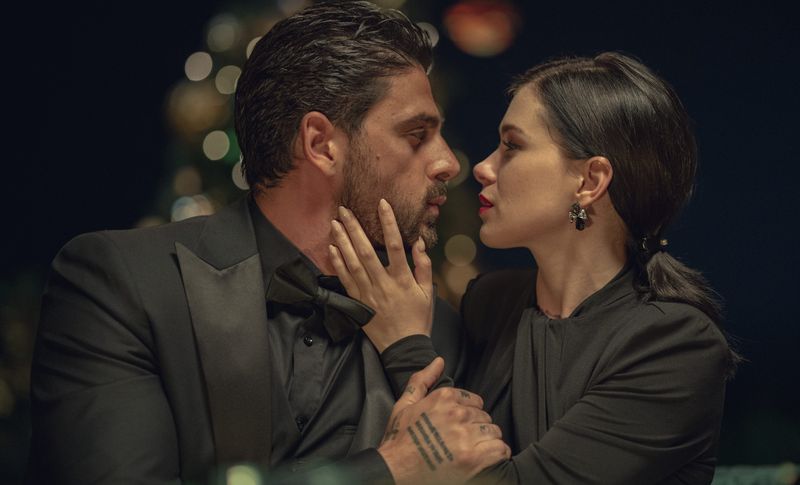
This Polish erotic thriller exploded into worldwide popularity when it hit Netflix, climbing to the top of viewing charts in dozens of countries.
Based on a controversial novel, the film tells the story of a woman kidnapped by a mafia boss who gives her one year to fall in love with him.
The premise alone sparked outrage, but the film’s actual execution made things even worse with its problematic romanticization of captivity and abuse.
Critics universally condemned the movie for glorifying toxic relationships and lacking any meaningful plot or character development.
Yet millions of viewers couldn’t look away, making it one of Netflix’s most-watched films despite near-zero positive reviews.
The controversy only fueled more curiosity, proving that sometimes negative attention drives viewership just as effectively as genuine quality content does.
2. Bright (2017)
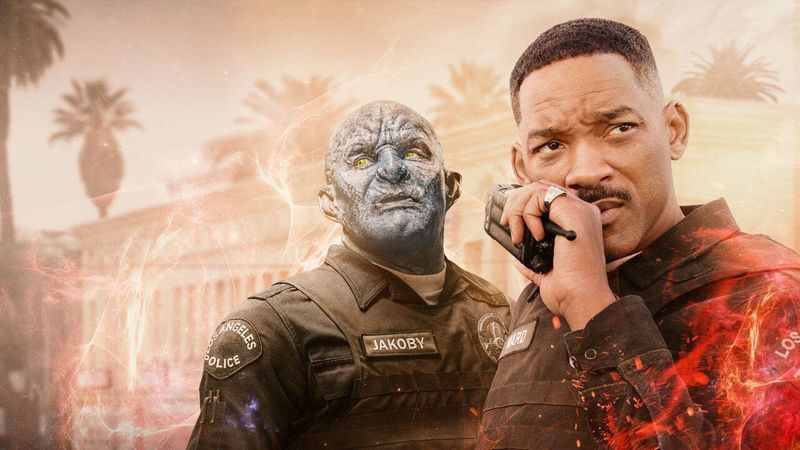
Will Smith headlined this genre-mixing fantasy cop thriller that Netflix marketed as a groundbreaking blockbuster event.
The premise combined modern-day Los Angeles with orcs, elves, and magic wands, promising an exciting new take on both fantasy and buddy-cop movies.
Director David Ayer brought his gritty style, and the massive budget suggested Netflix was swinging for the fences with this ambitious project.
Unfortunately, critics tore the film apart for its messy world-building, heavy-handed social commentary, and confusing mythology that never quite made sense.
The racial allegory felt clumsy rather than thoughtful, and the plot couldn’t decide whether it wanted to be serious or fun.
Despite earning one of Netflix’s worst critical receptions ever, the streaming giant still greenlit a sequel, showing they valued viewership numbers over critical acclaim.
3. Marco Polo (2014–2016)
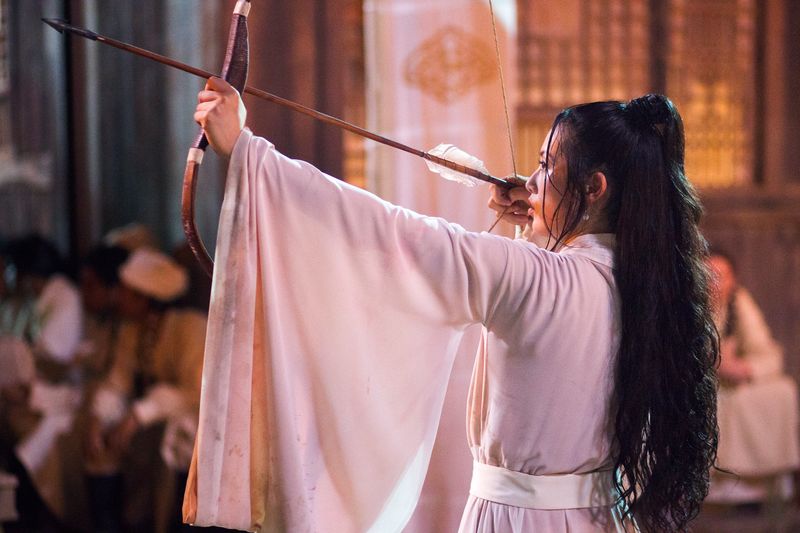
Netflix spent a staggering budget trying to create their own Game of Thrones with this lavish historical epic about the famous explorer’s adventures in Kublai Khan’s court.
The production values were undeniably impressive, featuring stunning costumes, elaborate sets, and sweeping cinematography across multiple international locations.
Expectations were sky-high that this would become Netflix’s prestige drama flagship series.
Instead, the show received mixed-to-negative reviews for its slow pacing, underdeveloped characters, and surprisingly boring take on what should have been fascinating historical material.
Viewership never reached the levels Netflix needed to justify the enormous production costs, which reportedly exceeded ten million dollars per episode.
After just two seasons, Netflix quietly canceled the show, making it one of their most expensive failures and a cautionary tale about assuming big budgets automatically create compelling television.
4. Emily in Paris (2020– )

Lily Collins stars as an American marketing executive who moves to Paris for work in this glossy rom-com that Netflix promoted heavily across all platforms.
The show promised cultural exploration and romantic adventures but delivered shallow storylines and cringe-worthy French stereotypes instead.
Critics panned the writing while audiences tuned in anyway, creating a strange disconnect between popularity and quality.
Despite earning terrible reviews, the show became a massive viewership success and continues to produce new seasons.
The backlash focused on its surface-level portrayal of French culture and unrealistic depiction of working abroad.
Many viewers found the protagonist annoying rather than charming, yet the show’s bright aesthetics kept people watching, proving that sometimes pretty visuals trump substance in the streaming world.
5. Space Force (2020–2022)
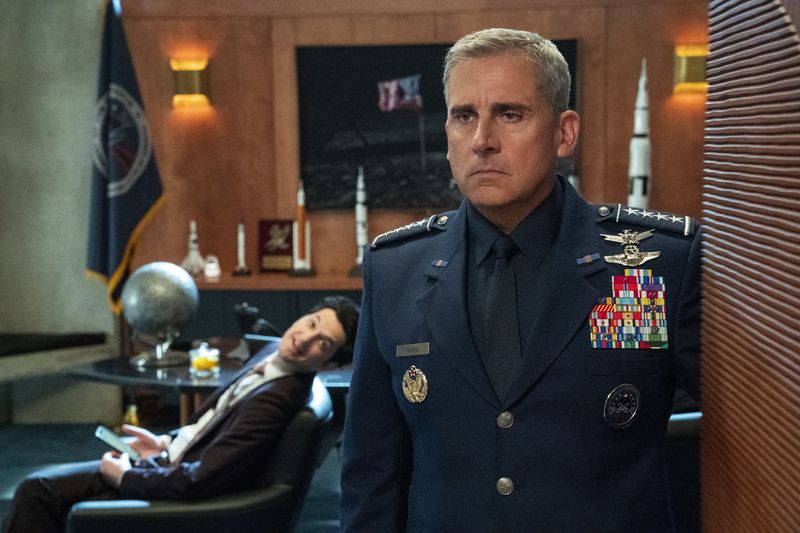
Reuniting Steve Carell with The Office creator Greg Daniels seemed like a guaranteed hit, and Netflix promoted this workplace comedy about America’s newest military branch with massive expectations.
The premise satirizing the real Space Force initiative had perfect comedic potential, and the supporting cast included talented performers like John Malkovich and Ben Schwartz.
Everything pointed toward another beloved workplace sitcom from the team that created Michael Scott.
What arrived instead was a tonally confused series that couldn’t decide if it wanted to be silly satire or heartfelt drama, ultimately failing at both.
Critics found the jokes flat and the characters underdeveloped compared to Carell and Daniels’ previous work together.
While not a complete disaster, the show never found its audience or critical acclaim, limping through two seasons before cancellation and proving that reuniting successful creative teams doesn’t automatically recreate past magic.
6. The I-Land (2019)
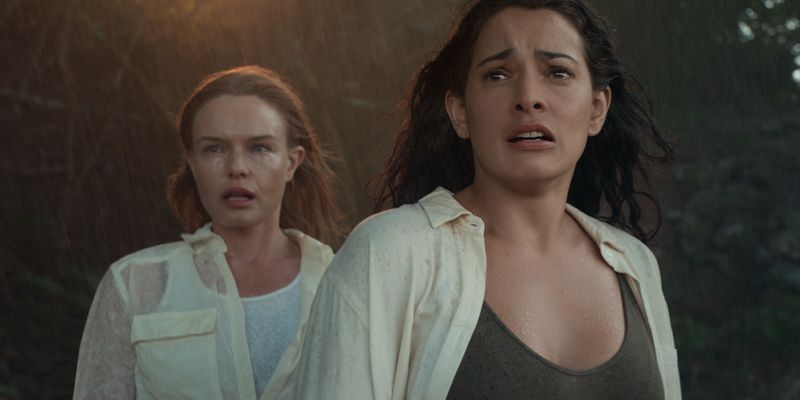
Marketed as a mind-bending mystery thriller about strangers waking up on a deserted island with no memories, this series promised Lost-style twists and psychological intrigue.
The trailer generated significant buzz with its high-concept premise and ominous atmosphere suggesting a sophisticated science fiction narrative.
Netflix positioned it as a must-watch event that would keep viewers guessing until the final episode revealed shocking truths.
Reality delivered one of Netflix’s lowest-rated series ever, with critics and audiences united in their disappointment over nonsensical plotting and laughably bad dialogue.
The big reveals felt ridiculous rather than clever, and character decisions made absolutely no sense within the show’s own logic.
What should have been an engaging thriller became an unintentional comedy, with viewers hate-watching just to see how much worse it could get before the mercifully short season ended.
7. The Gray Man (2022)
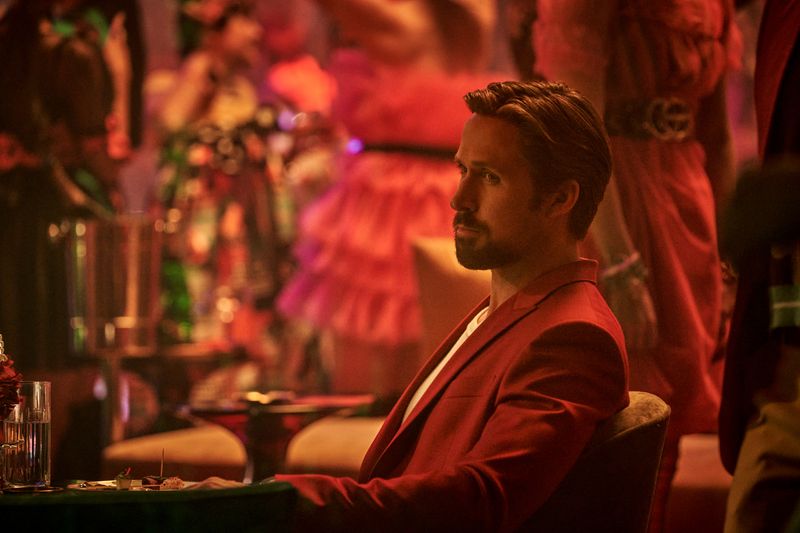
Netflix’s most expensive film ever starred Ryan Gosling and Chris Evans in a globe-trotting spy thriller directed by the Russo Brothers fresh off their Marvel success.
The marketing campaign was enormous, positioning this as Netflix’s answer to James Bond and Mission: Impossible franchises with massive action set pieces and A-list talent.
With a reported budget exceeding two hundred million dollars, expectations were through the roof for a franchise-launching blockbuster.
Despite topping viewership charts, critics widely dismissed the film as generic and forgettable, with cookie-cutter plotting and unmemorable characters that wasted its talented cast.
The action sequences looked expensive but lacked creativity or excitement compared to theatrical spy franchises.
While not a complete failure, The Gray Man proved that simply throwing money and famous faces at a project doesn’t automatically create compelling cinema, leaving Netflix’s blockbuster ambitions still searching for their defining hit.
8. Marvel’s Iron Fist (2017–2018)
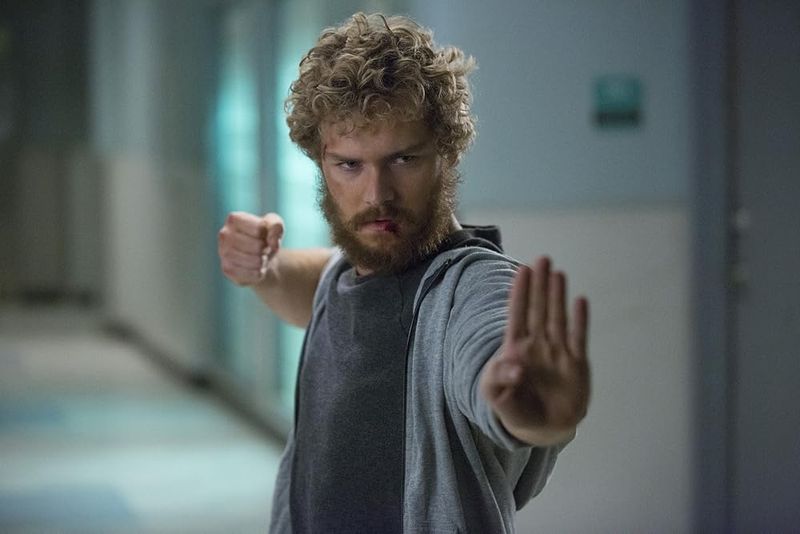
As part of Netflix’s Marvel universe leading to The Defenders crossover, Iron Fist arrived with enormous expectations from comic book fans excited to see the mystical martial artist finally brought to life.
The character’s rich mythology involving ancient cities and kung fu mastery promised spectacular fight choreography and Eastern mysticism blended with superhero action.
After successful launches of Daredevil, Jessica Jones, and Luke Cage, this seemed like another guaranteed winner.
Instead, Iron Fist became the weakest link in Netflix’s Marvel lineup, criticized for surprisingly terrible fight choreography, wooden acting, and a boring protagonist viewers struggled to care about.
The pacing dragged, the mystical elements felt half-baked, and the show wasted its supporting cast on underdeveloped storylines.
While it lasted two seasons, the damage to the character’s reputation was done, making Iron Fist the disappointing black sheep of an otherwise strong superhero partnership.
9. Death Note (2017)
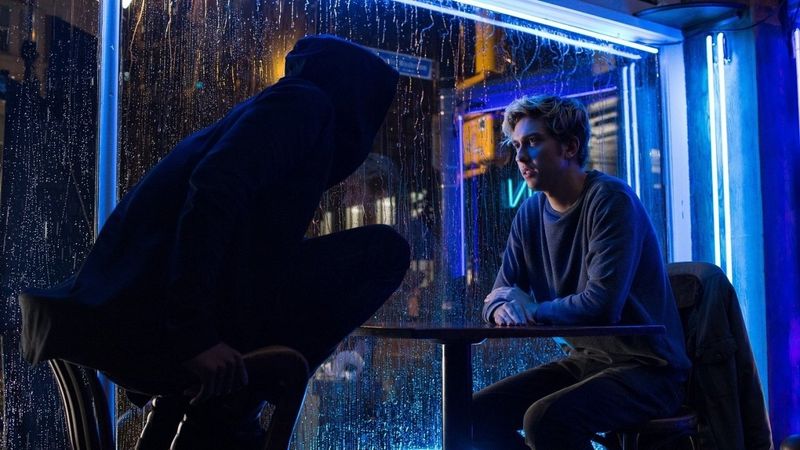
Adapting the beloved Japanese manga and anime seemed like a perfect opportunity for Netflix to tap into a passionate global fanbase hungry for live-action versions of their favorite stories.
The original Death Note featured psychological cat-and-mouse games between a teenager who discovers a supernatural notebook that kills anyone whose name is written in it and the detective hunting him.
The premise practically screamed blockbuster potential with its dark themes and moral complexity.
What Netflix delivered instead abandoned most of what made the source material compelling, replacing psychological tension with generic horror movie tropes and changing characters beyond recognition.
Fans revolted against the whitewashed casting and simplified plot that removed the original’s intellectual depth.
Critics agreed the film felt rushed and shallow, completely missing the point of why Death Note became such a phenomenon in the first place, making it another failed anime adaptation.
10. Resident Evil (2022)
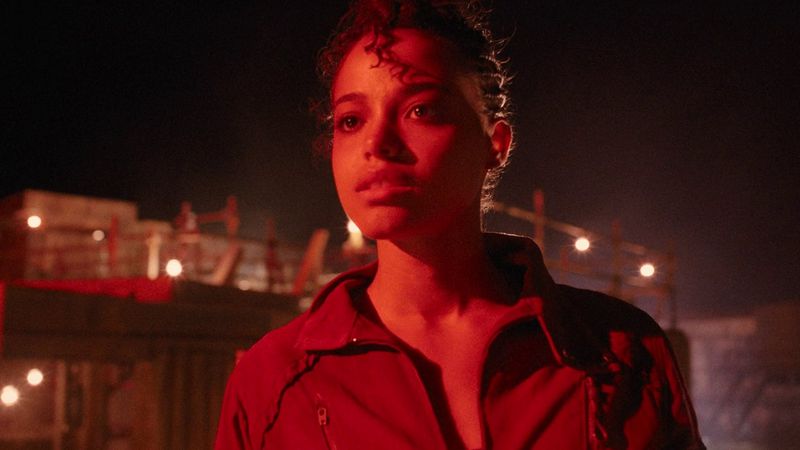
The legendary video game franchise returned to screens with Netflix promising a fresh take that would finally do justice to the beloved horror series after years of disappointing movie adaptations.
The show split its timeline between past and present, following new characters while incorporating familiar elements like the sinister Umbrella Corporation and terrifying bioweapons.
Gaming fans hoped this series would capture the atmosphere and scares that made Resident Evil a phenomenon.
Unfortunately, poor reviews and rapid audience drop-off told a different story as viewers found the dual timeline confusing and the characters uninteresting compared to the games’ iconic heroes.
The horror elements felt generic rather than genuinely scary, and the connection to Resident Evil lore seemed superficial at best.
Netflix canceled the show after just one season, making it yet another failed attempt to translate this gaming property into successful television despite the franchise’s proven popularity and built-in audience.
Comments
Loading…