
 Mila Ross
10 Musicians Who Get More Hype Than Their Music Deserves (If We’re Being Honest)
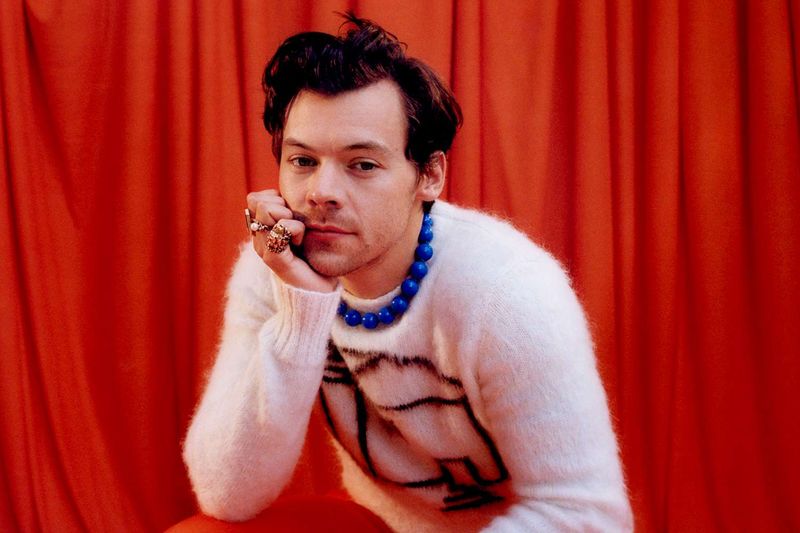
Hype can be fun until it starts feeling like a rule you’re expected to follow.
One minute you’re casually listening to the radio, and the next you’re being told a certain artist is a “once-in-a-lifetime genius” and you’re weird if you don’t hear it.
Music is personal, so this list isn’t meant to declare anyone untalented or unworthy of fans.
It’s about the gap between the reputation and the actual experience some listeners have when they press play.
Sometimes an artist’s branding is bigger than their catalog, or their persona becomes the main event, or their influence gets repeated so often it turns into unquestioned fact.
If you’ve ever felt alone in a group chat for saying, “I don’t get it,” you’re not the only one.
1. Drake
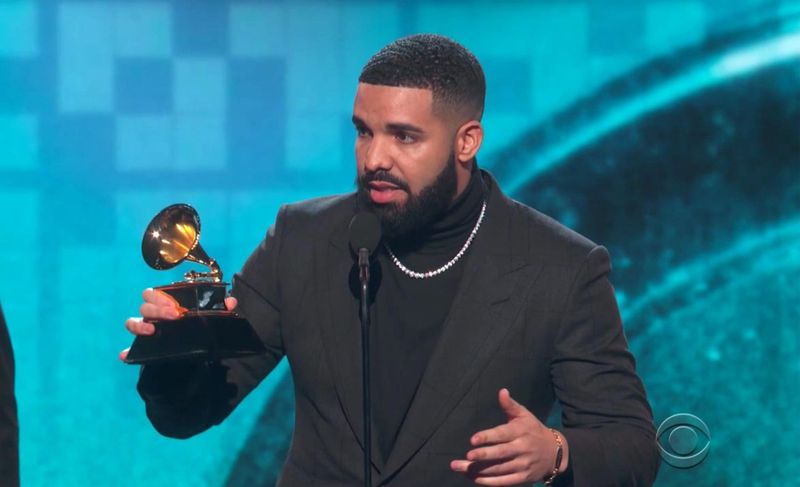
Few artists have mastered modern hit-making like this Toronto rapper, but that’s also where the “overhyped” debate starts.
The streaming era rewards familiarity, and his releases often feel engineered for nonstop replay rather than lasting surprise.
Even when a track is undeniably catchy, critics argue the emotional range tends to orbit the same themes, and the sonic palette can blur from album to album.
Fans will point to his consistency and cultural impact, yet skeptics say consistency can become sameness when the risk level stays low.
Another reason he gets labeled overhyped is that he’s frequently treated as the default answer for “biggest artist alive,” even when other musicians are pushing boundaries more aggressively.
When hype becomes a permanent crown, every new project gets judged against the myth, not the music.
2. Taylor Swift
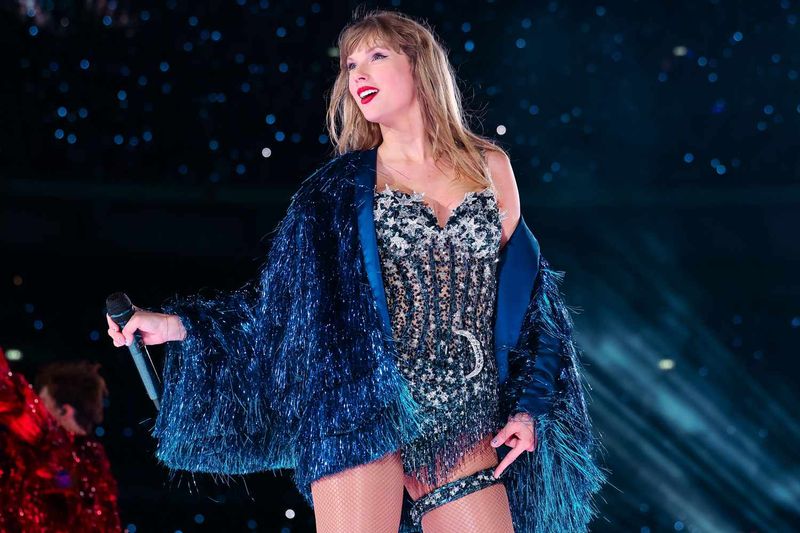
It’s hard to name another pop star whose storytelling has become a full-blown cultural ecosystem, and that scale is exactly why the hype question pops up.
Her best work is sharp, detailed, and emotionally specific, but detractors argue the public conversation often treats every release like a historical event before anyone has time to sit with the songs.
Some listeners also feel the praise for her artistry can overshadow limitations that other performers would be critiqued for, especially when it comes to vocal power or musical experimentation.
That doesn’t mean the writing isn’t strong; it means the mythology can become louder than the melodies.
When an artist turns into a brand, a business, and a fandom identity, the music can feel like one piece of a much bigger machine, not the main point.
3. Beyoncé
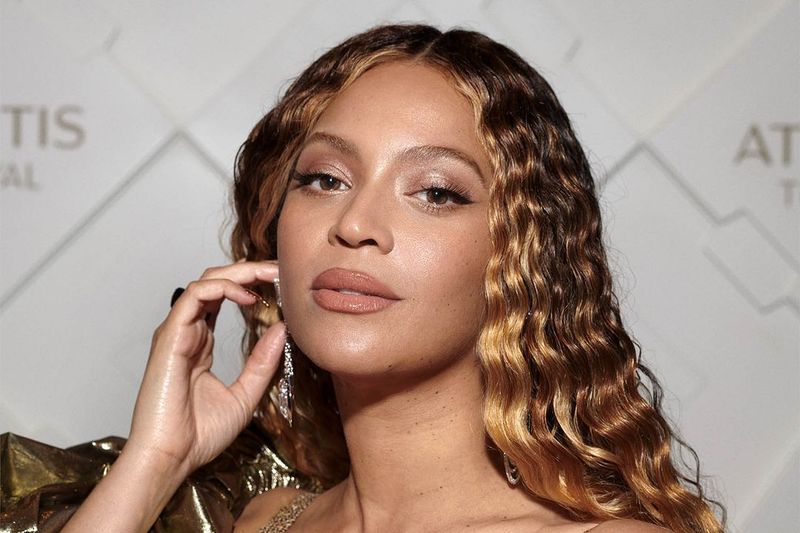
When an artist is widely described as flawless, the hype almost becomes impossible to separate from the actual work.
Her performances are undeniably elite, and her presence can make even a simple moment feel monumental, but some critics argue that the universal praise leaves no room for nuanced conversation.
If you love her, you’re validated; if you’re not moved, you’re treated like you’re missing a basic human emotion.
The “overhyped” label usually isn’t about skill, because the skill is obvious, but about how the cultural narrative sometimes inflates every song into an untouchable masterpiece.
Another point skeptics make is that the spectacle, visuals, and branding can carry so much weight that people rate the entire era rather than individual tracks.
Once the hype becomes sacred, honest critique starts to feel forbidden.
4. Kanye West

There’s a reason so many people still argue about his legacy, because the influence is real and the catalog includes major breakthroughs.
The overhype argument shows up when the “genius” label becomes a shortcut that excuses uneven releases, messy rollouts, and wildly inconsistent quality control.
Fans often celebrate the risk-taking and boundary-pushing, while critics say the conversation sometimes centers more on controversy than on the music itself.
Another factor is that his best innovations have been copied so widely that later work can feel like it’s living off the reputation of earlier eras.
When every experiment is treated like an automatic win, listeners who hear half-finished ideas or repetitive themes feel like they’re being gaslit by the hype.
Influence matters, but it doesn’t guarantee every new project deserves a standing ovation.
5. Ed Sheeran
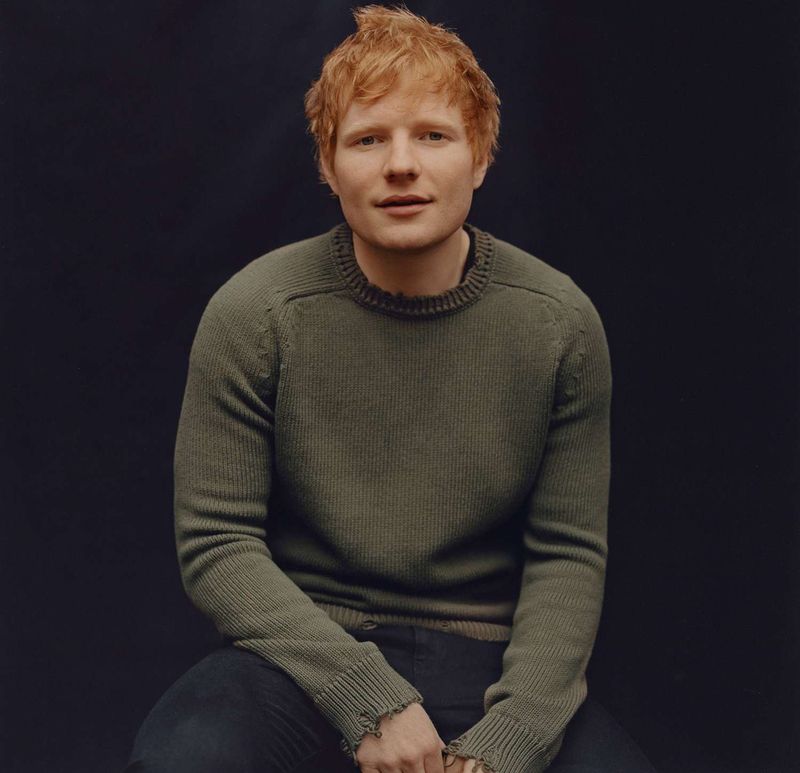
Pop stardom doesn’t get much more reliable than this, which is exactly why people either love him or feel totally unmoved.
His talent for writing clean, singable hooks is undeniable, yet critics argue the music can feel designed to be inoffensive rather than memorable.
The “overhyped” reputation often comes from the sense that he’s treated like a generational songwriter while many tracks rely on familiar chord progressions and predictable emotional beats.
When a song is everywhere, small annoyances become bigger, and constant exposure can turn pleasant into grating.
Another complaint is that his sound sometimes blends into the background of playlists, weddings, and retail stores, which makes the artistry feel less distinct.
That doesn’t mean he lacks talent; it means the massive acclaim can feel out of proportion when the work is built around playing it safe.
6. Harry Styles

Charisma has always been part of pop, but with him it can feel like the main product rather than the music itself.
His fanbase celebrates his warmth, style, and stage presence, and he’s undeniably grown beyond his boy-band origins, yet skeptics say the hype often treats him as an artistic revolutionary when the songs are more classic than cutting-edge.
The overhyped argument usually points to how much cultural attention he gets for aesthetics, celebrity moments, and “vibes,” compared with the actual musical risk on record.
Some listeners also feel his voice, while pleasant, doesn’t have the kind of distinctive power that justifies the constant superlatives.
When an artist becomes a symbol of an era, people project meaning onto them, and the music can feel like a soundtrack to the image instead of the other way around.
7. Travis Scott
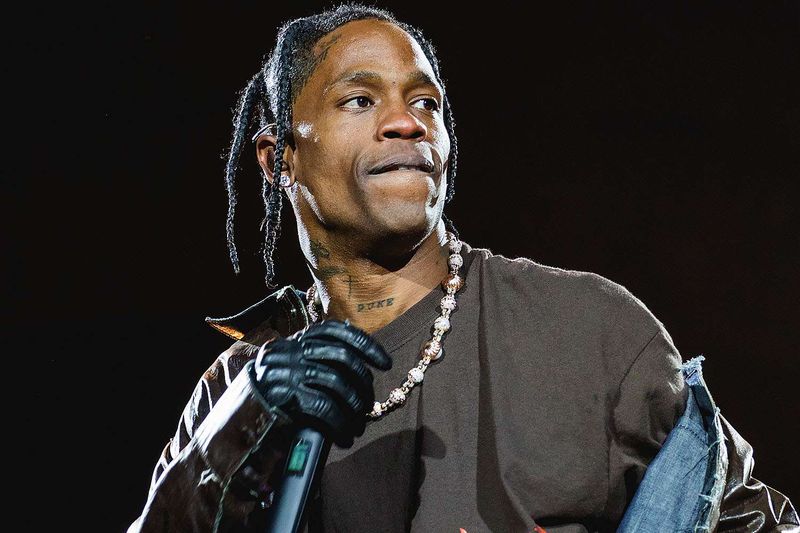
Spectacle has become a signature here, and for many fans the immersive, high-energy production is the entire point.
The overhype criticism tends to focus on how much of the acclaim is tied to atmosphere rather than songwriting, especially when lyrics can feel repetitive or secondary to the sonic effects.
In other words, the experience can be huge even if the actual content is thin.
Some listeners also argue that his albums lean heavily on features and production teams, which makes it harder to credit the artistry to one individual.
That doesn’t mean collaboration is bad, but it can make the “genius mastermind” narrative feel inflated.
When people talk about the brand, the aesthetic, and the cultural moment more than specific songs, it’s easy for skeptics to feel like the hype is about everything around the music, not the music itself.
8. The Beatles
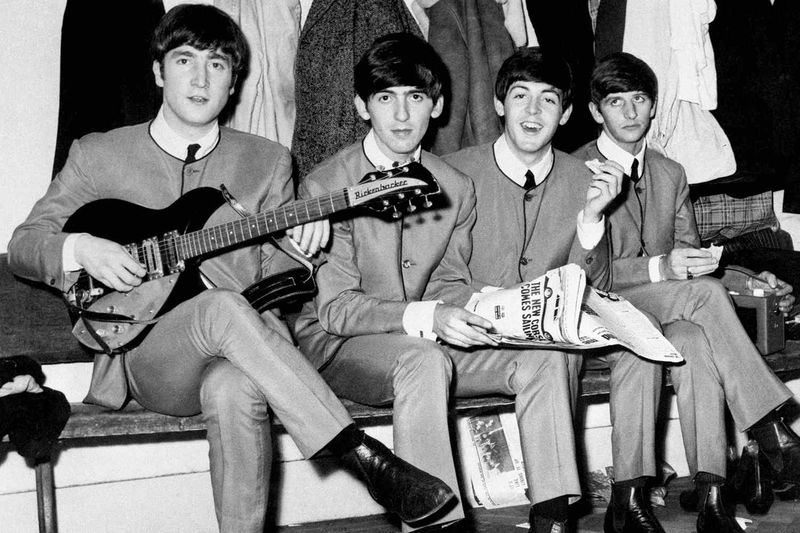
Historical dominance can turn any artist into a required opinion, and that’s where the “overhyped” debate comes in.
Their influence on pop and rock is enormous, but newer listeners sometimes feel the worshipful reputation makes it hard to hear the music without the weight of mythology.
When people call them the greatest of all time, it can sound like a closed conversation rather than an invitation to explore.
Another reason they get labeled overhyped is that their innovations have been absorbed into modern music so completely that the original recordings can feel less shocking today than they were back then.
That’s not their fault, but it changes the listening experience.
There’s also the issue of overexposure, because the biggest tracks are played so constantly that they can feel like cultural wallpaper.
When a band becomes an institution, not everyone wants to join the class.
9. Elvis Presley
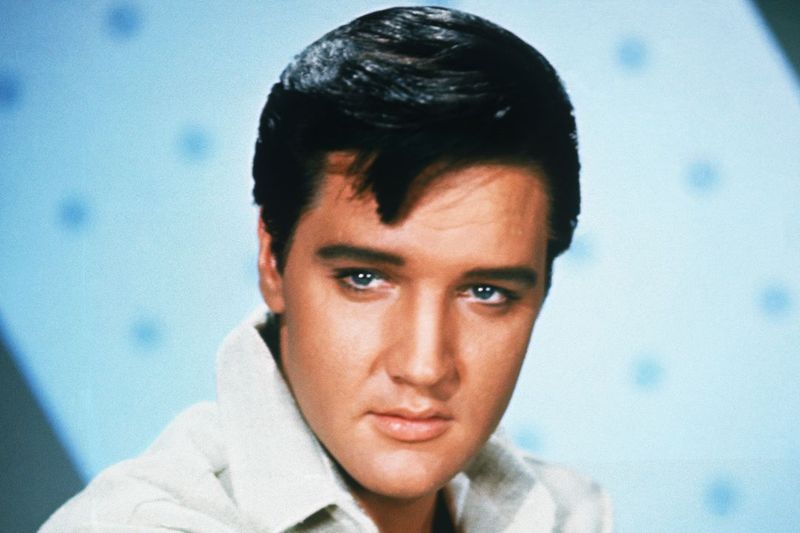
Few names are more intertwined with “music legend” status, but the overhype critique often starts with the gap between the myth and the context.
His talent and charisma were real, yet many critics argue his fame benefited from an industry that elevated him while Black artists doing similar work were denied comparable recognition.
That history shapes how people evaluate his legacy today, especially when the narrative still frames him as the singular “King” without nuance.
Some listeners also feel the catalog itself is uneven, with a handful of iconic tracks carrying the weight of a reputation that’s larger than the overall body of work.
Another factor is that the cultural image—hair, outfits, movies, impersonators—has become bigger than the music, which can make the artistry feel diluted.
When someone becomes a symbol, it’s easy for the hype to outrun what’s actually on the record.
10. U2
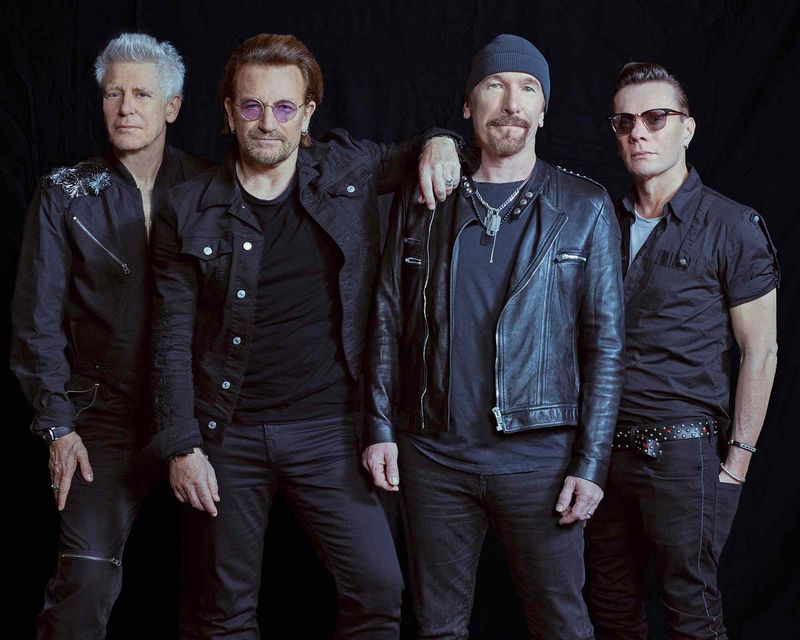
A stadium-sized legacy can be both a compliment and a curse, and this band is a perfect example.
They’ve made undeniable classics, but the “overhyped” label shows up because the reverence often doesn’t match how many people actively choose to listen in daily life.
Some listeners respect the impact while finding the sound emotionally grand in a way that can feel heavy or self-serious, especially compared with newer rock that’s more raw or experimental.
The band’s visibility also played a role, because high-profile moments and aggressive promotion have made them easy to resent even for people who don’t dislike the songs.
When an artist is constantly positioned as important, the natural human response is sometimes to push back.
If you’ve ever felt like you’re supposed to be impressed rather than simply enjoy the music, you’re not alone in that reaction.
Comments
Loading…