
 Chloe Peterson
10 Musicians Who Didn’t Just Make Hits—They Changed Culture
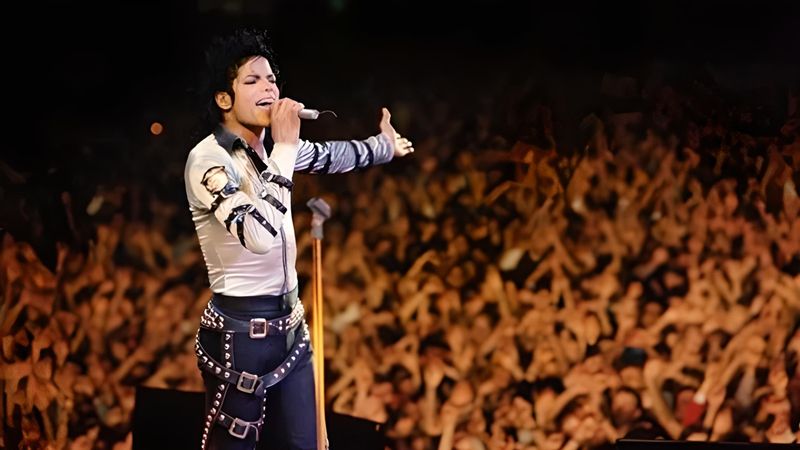
Some musicians do more than top the charts — they shift the way people think, dress, speak, and see the world.
From sparking civil rights movements to redefining what it means to be a performer, these artists left marks far beyond the music itself.
Their influence touched fashion, politics, identity, and social justice in ways that still echo today.
Here are 10 musicians who didn’t just make hits — they genuinely changed culture.
1. Elvis Presley
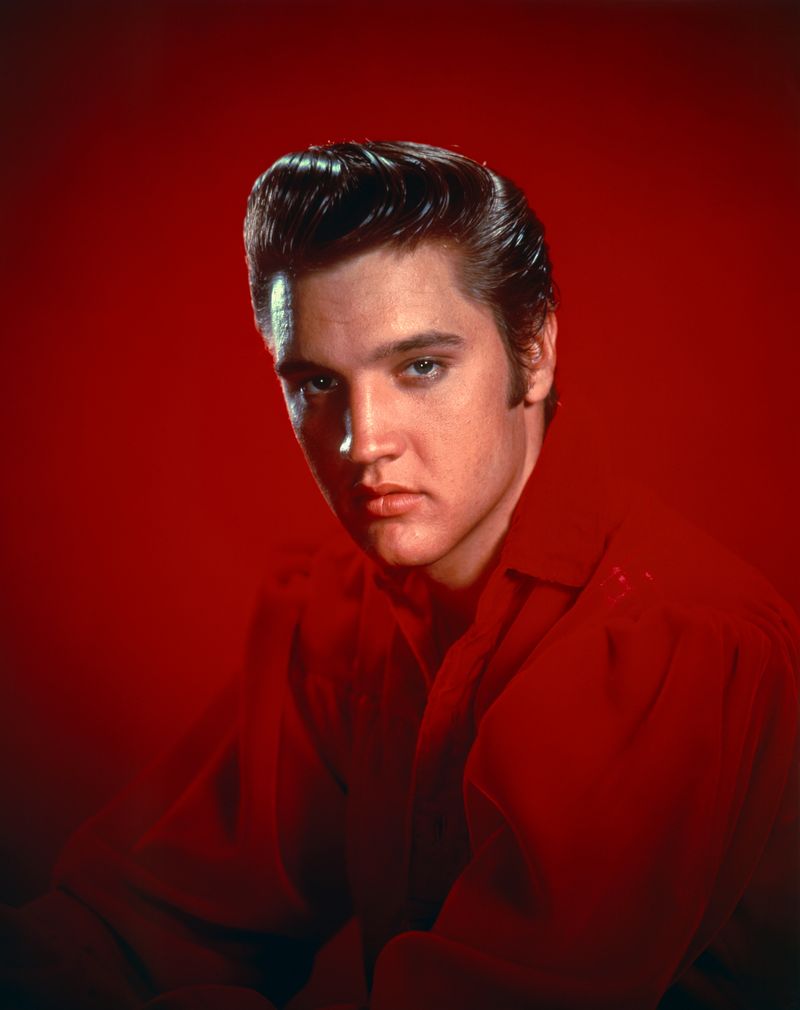
Before Elvis Presley walked onto a stage, popular music in America had very clear, very separate lanes.
He crashed through all of them.
By blending rhythm and blues with country, Elvis created a sound that felt electric and new — and it made teenagers go absolutely wild.
His hip-shaking dance moves were so controversial that TV cameras once filmed him only from the waist up.
But beyond the controversy, Elvis helped bring African American musical traditions into mainstream white America.
That cultural bridge was massive. He didn’t just sell records — he cracked open a door that changed pop music forever.
2. The Beatles
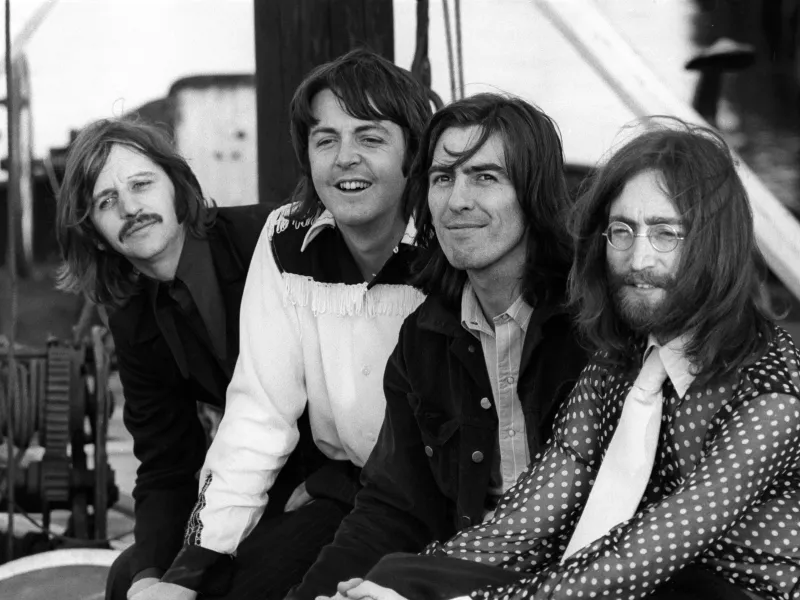
When The Beatles landed in America in 1964, screaming fans at the airport made it look less like a music tour and more like a historic event — because it was.
Beatlemania swept across the world almost overnight, and suddenly four young men from Liverpool were shaping how an entire generation dressed, thought, and listened.
Their influence went far beyond catchy melodies.
The Beatles experimented with album production, Eastern music, and studio techniques that changed recording forever.
They also helped fuel the counterculture movement of the 1960s.
Their haircuts alone sparked fashion trends. Few artists have ever touched so many corners of culture at once.
3. Bob Marley
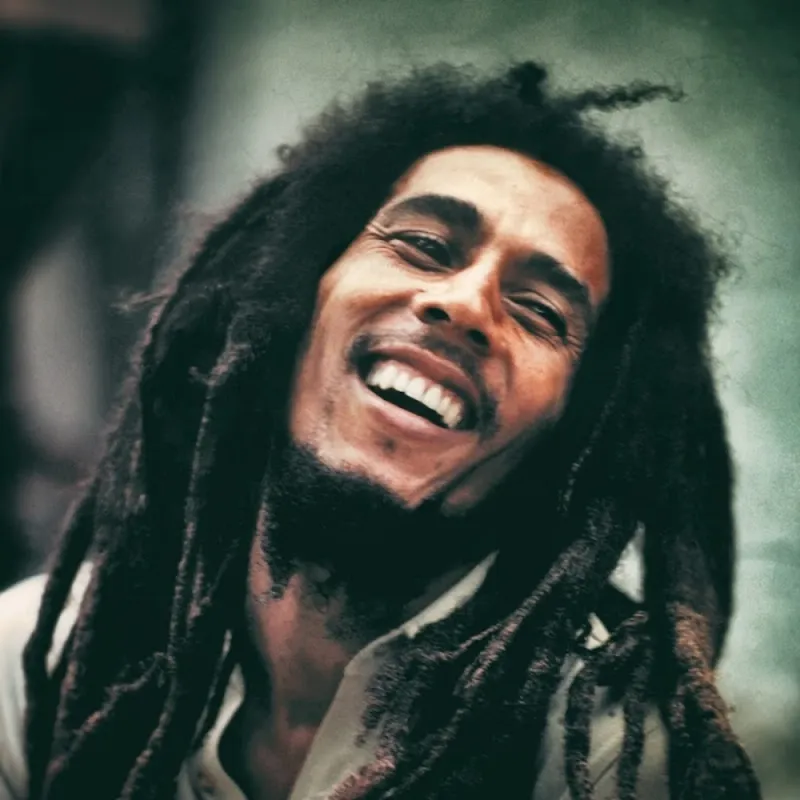
Bob Marley didn’t just play reggae — he carried it like a message in a bottle across every ocean.
Born in Jamaica, he turned a local musical style into a worldwide symbol of resistance, unity, and hope.
His music felt like a conversation with anyone who had ever been pushed down and refused to stay there.
Marley’s connection to the Rastafarian faith gave his songs a spiritual depth that resonated across different religions and cultures.
He performed at political events and peace concerts, using music as a tool for real change.
Even decades after his death in 1981, his face and his songs remain globally recognized symbols of social justice.
4. Michael Jackson
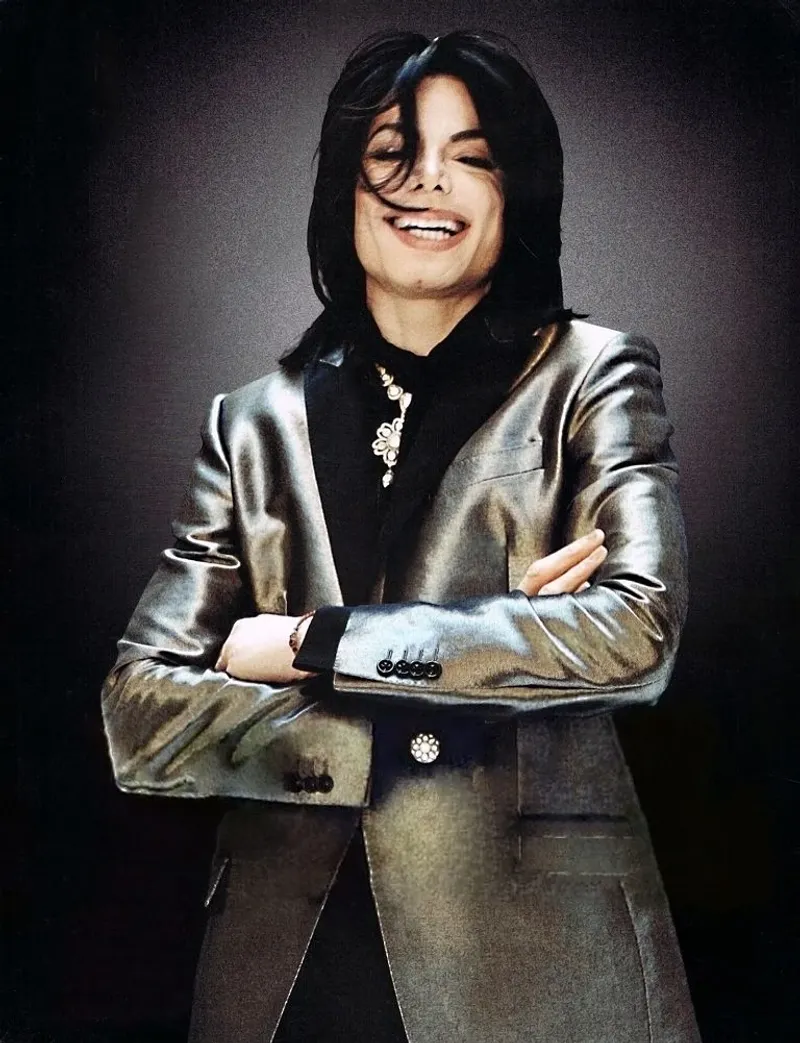
Before Michael Jackson released “Thriller” in 1983, music videos were basically just promotional clips.
After it, they became cinematic events.
The 14-minute short film directed by John Landis had a full storyline, professional choreography, and movie-quality special effects.
It changed what the music industry thought a video could be.
Jackson’s moonwalk became one of the most copied dance moves in history, and his fashion — the single glove, the military jackets — influenced designers worldwide.
He also broke racial barriers on MTV, which had rarely featured Black artists before his rise.
His humanitarian efforts and global star power made him one of the most recognized humans on the planet.
5. Bob Dylan
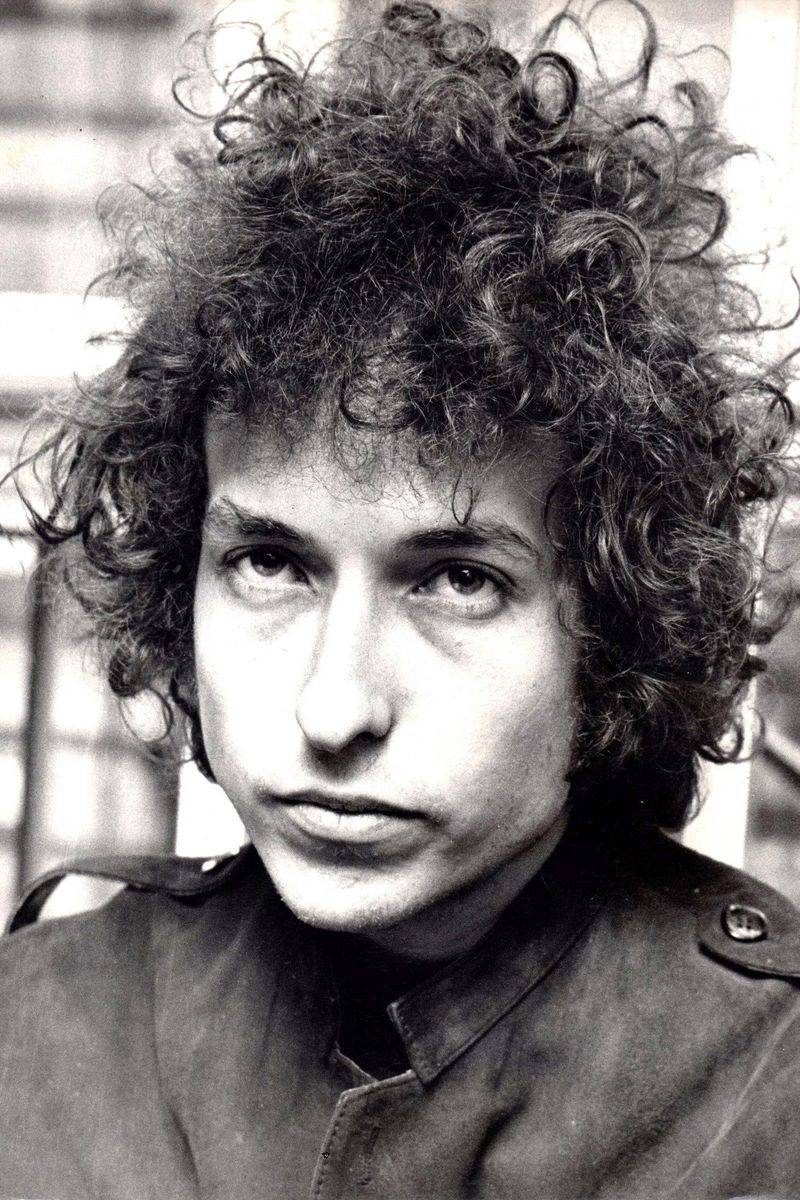
Most songwriters write about heartbreak or dancing.
Bob Dylan wrote about war, racism, and injustice — and people actually listened.
Songs like “Blowin’ in the Wind” became anthems at civil rights marches and anti-war protests, giving a generation words for what they were feeling.
Dylan proved that a guitar and a microphone could be just as powerful as a speech or a newspaper article.
His storytelling was so rich and literary that in 2016, he was awarded the Nobel Prize in Literature — the first musician ever to receive that honor.
That says everything about how far his words reached beyond the music industry.
6. Madonna
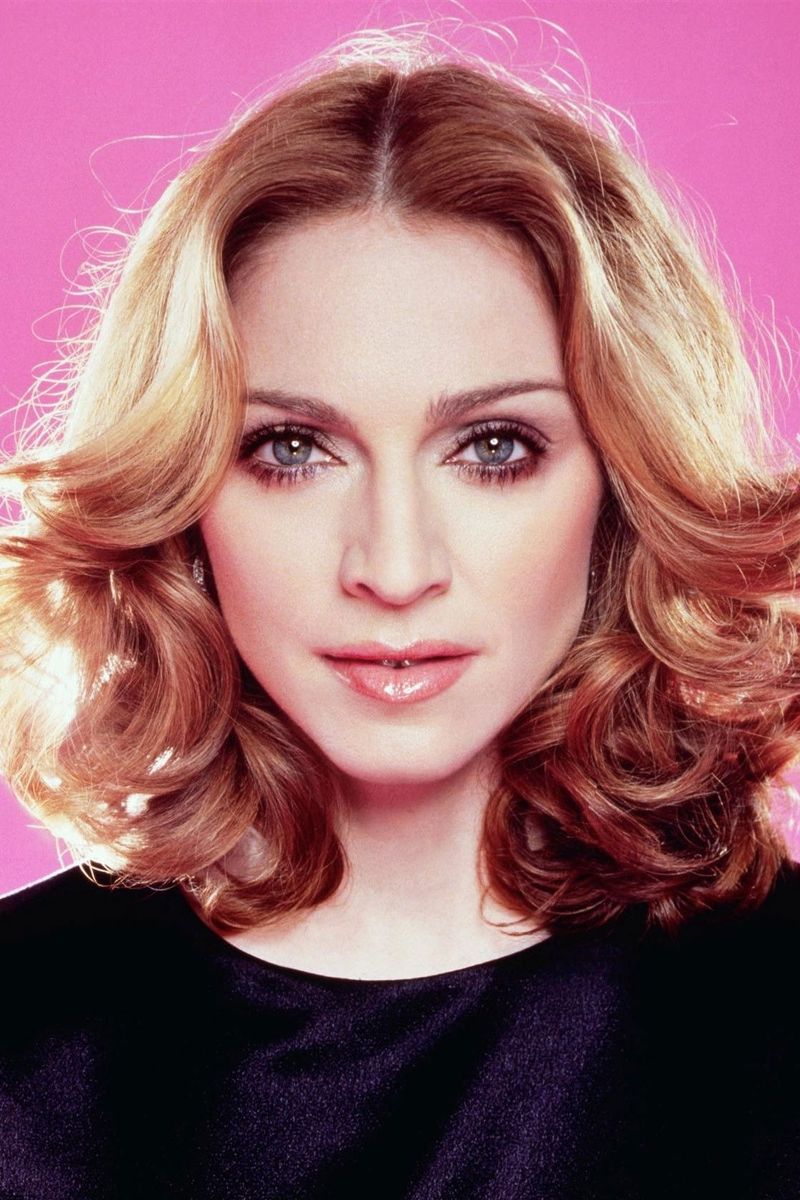
Madonna arrived in the 1980s and immediately started breaking rules — and she never really stopped.
She pushed boundaries around gender, religion, and sexuality at a time when those topics were rarely discussed openly in pop music.
Her music videos and performances sparked controversy, debate, and conversation in equal measure.
What made her lasting impact so powerful wasn’t just the shock factor — it was her ability to constantly reinvent herself.
From disco queen to actress to political provocateur, she refused to be boxed in.
Madonna reshaped what female pop artists were allowed to be and do, opening doors for generations of women who followed in her fearless footsteps.
7. Freddie Mercury
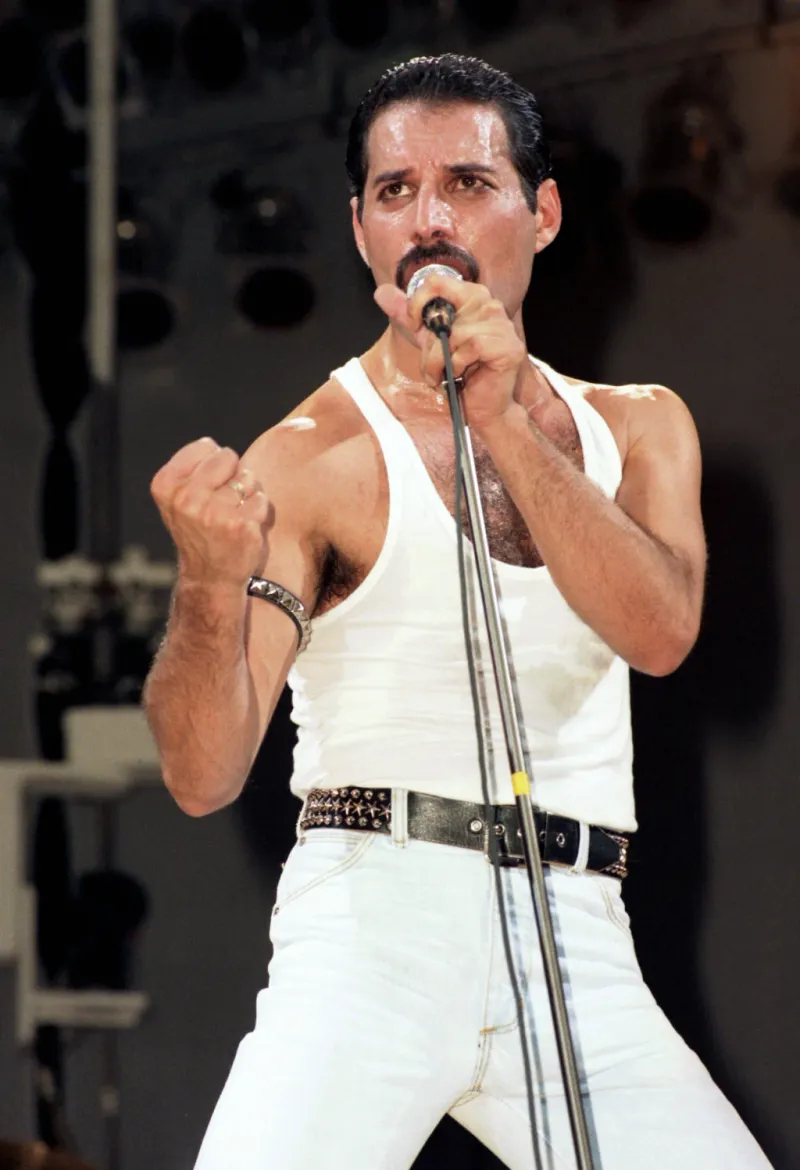
There are front men, and then there is Freddie Mercury.
His performance at Live Aid in 1985 is still regularly described as the greatest live rock performance in history — a 20-minute set where he seemed to control 72,000 people with just his voice and his presence.
That kind of charisma doesn’t come along often.
Mercury’s theatrical style blended opera, rock, and pure showmanship in ways no one had tried before.
He was openly different in an era when that carried real personal risk, and his boldness made him a lasting symbol of individuality and LGBTQ+ representation.
Queen’s music has never left the cultural conversation — and neither has he.
8. Stevie Wonder
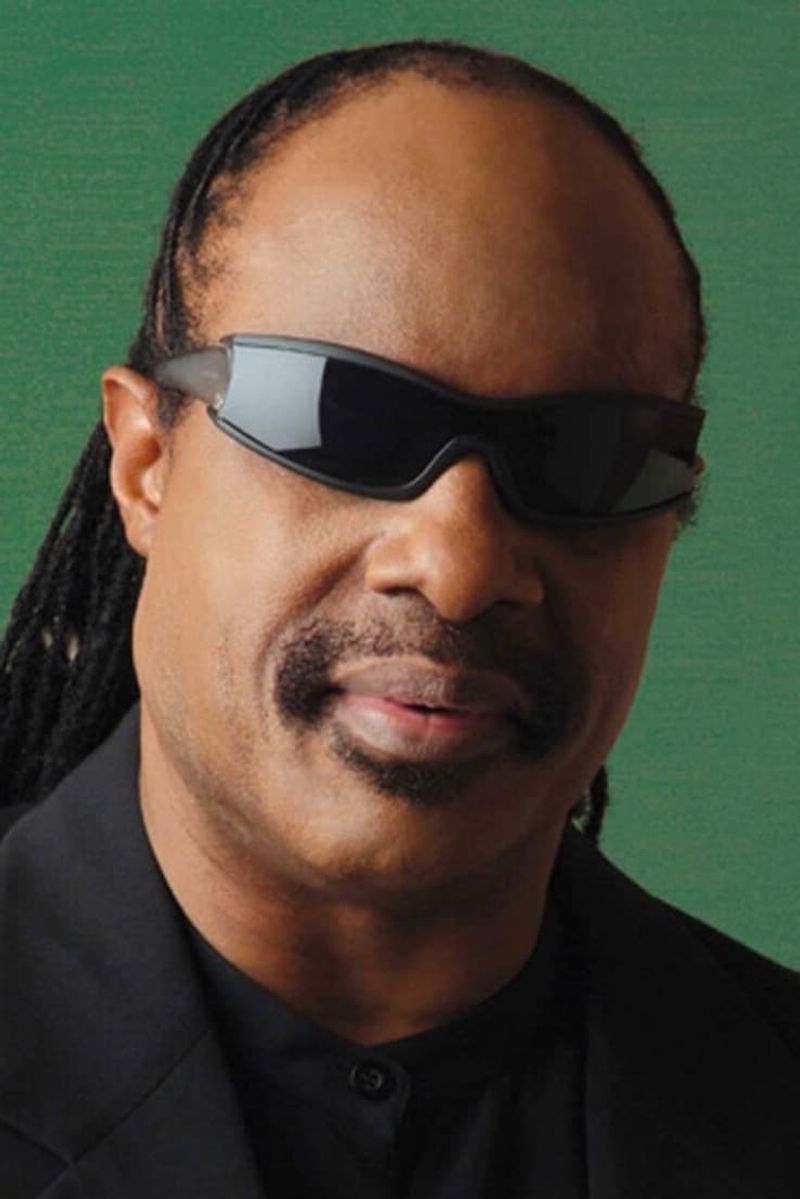
Stevie Wonder lost his sight as an infant, but his vision for what music could accomplish was sharper than almost anyone in the industry.
By his mid-twenties, he had already produced some of the most celebrated albums in music history — “Songs in the Key of Life” and “Innervisions” among them.
Critics ran out of superlatives.
What set Wonder apart from many of his peers was his commitment to using that fame for real-world impact.
He campaigned tirelessly for Martin Luther King Jr. Day to become a U.S. federal holiday, a goal that was finally achieved in 1983.
His activism proved that an artist’s platform could genuinely reshape national policy.
9. Prince
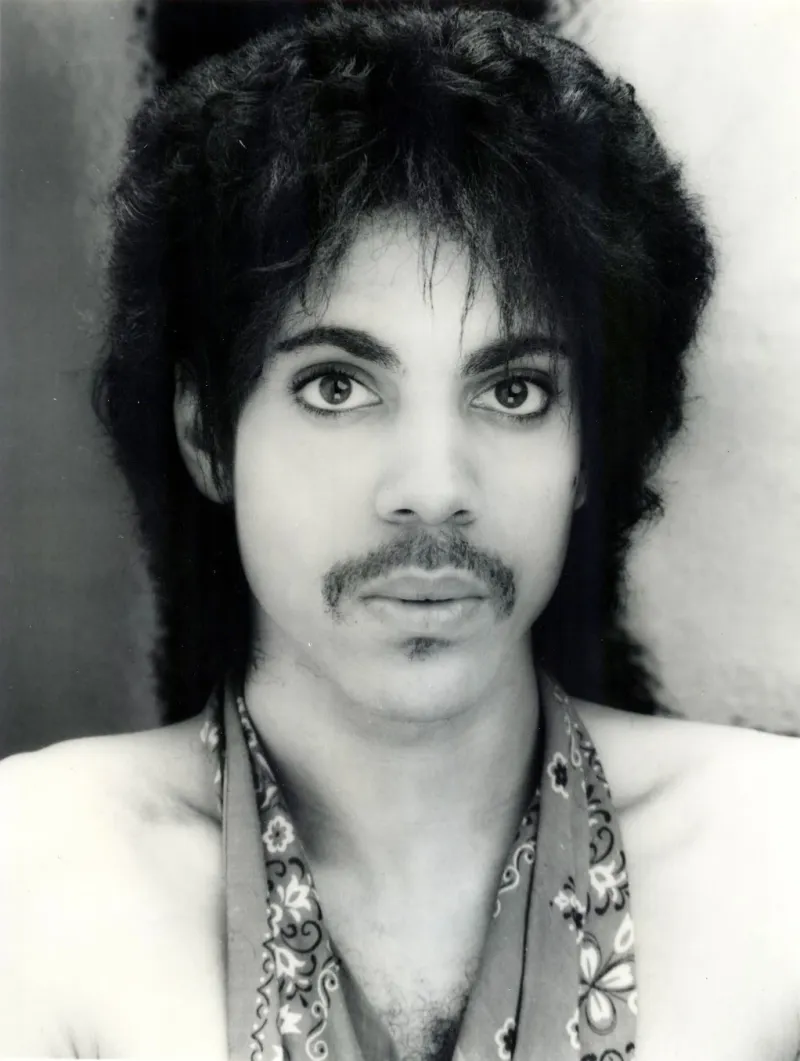
Prince could play guitar like Hendrix, write pop hooks like nobody’s business, and put on a live show that left audiences speechless.
But his most lasting cultural contribution might not be a song at all — it might be a symbol.
In the 1990s, he changed his name to an unpronounceable symbol to protest his record label’s control over his music.
That bold, strange move sparked a global conversation about who actually owns an artist’s work.
Prince’s battle with Warner Bros. helped future musicians understand the importance of controlling their own masters.
His legacy lives in both the music and in the rights movements that followed artists who finally said enough is enough.
10. Beyoncé
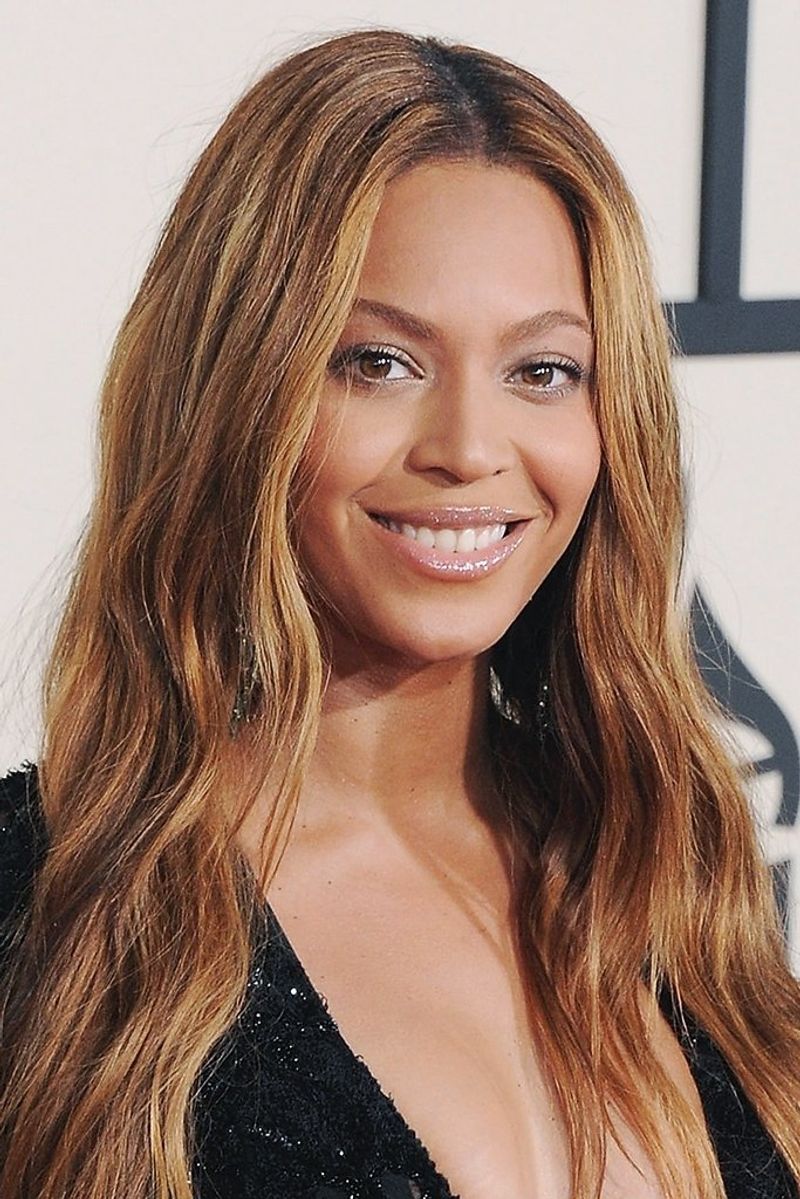
Few artists alive today carry as much cultural weight as Beyoncé.
Her 2016 visual album “Lemonade” wasn’t just a collection of songs — it was a meditation on Black womanhood, infidelity, generational trauma, and resilience, delivered with stunning visuals and fearless honesty.
It sparked conversations that reached far outside the music world.
Her Super Bowl halftime show in 2016 featured imagery tied to the Black Panthers and Black Lives Matter, making it one of the most politically charged performances in sports entertainment history.
Beyoncé consistently uses her massive platform to address race, feminism, and identity.
She doesn’t just reflect culture — she actively helps write it.
Comments
Loading…