
 Mila Ross
10 Movies That Hit Totally Different Now Than They Did a Decade Ago
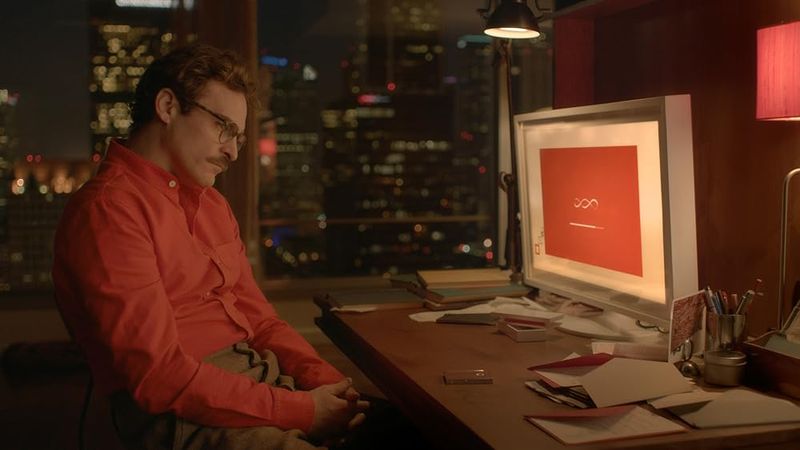
Some movies age like fine wine, but others age like a mirror — the longer you stare, the more you see yourself staring back.
A film that felt like pure entertainment a decade ago might now feel like a warning, a prophecy, or something painfully close to real life.
The world has changed a lot in ten years, and so has the way we watch movies.
Here are 10 films that carry a completely different emotional weight today than when they first hit the screen.
1. The Social Network (2010)
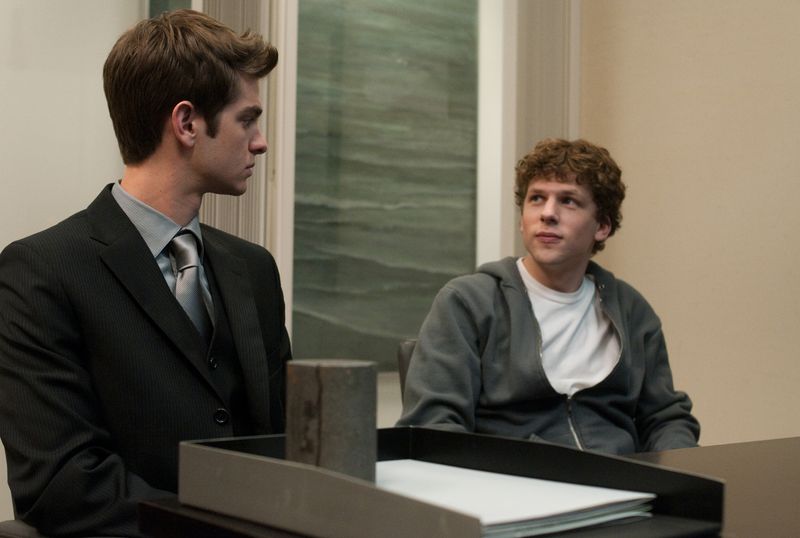
Back when it released, most people walked out of The Social Network thinking they had just watched a slick, fast-paced story about a genius building something huge.
It felt exciting, even aspirational.
Mark Zuckerberg was a complicated antihero, but the film had a certain cool energy to it.
Fast forward to 2026, and that same movie feels like a slow-motion disaster unfolding in real time.
Social media now shapes elections, fuels mental health crises, and controls public conversation.
The film’s portrait of unchecked ambition and ethical blind spots no longer feels stylish — it feels like a warning nobody heeded.
2. Her (2013)
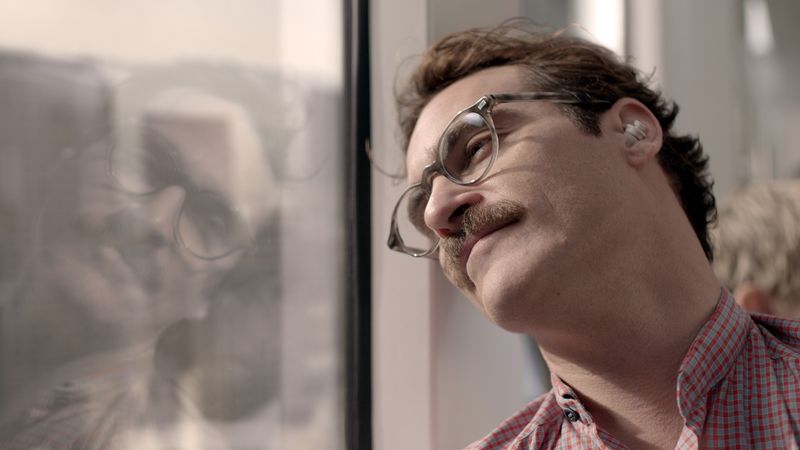
When Spike Jonze released Her, audiences thought it was a beautifully strange love story set in a fuzzy, distant future.
The idea of falling for an AI felt imaginative, even a little absurd.
People laughed nervously at the concept and then cried at the ending.
Today, emotional chatbots are real products with real users.
People form genuine attachments to AI companions, and loneliness is a documented public health crisis.
Watching Theodore pour his heart out to Samantha no longer feels like science fiction — it feels like a quiet reflection of how millions of people are already living their lives.
3. The Wolf of Wall Street (2013)
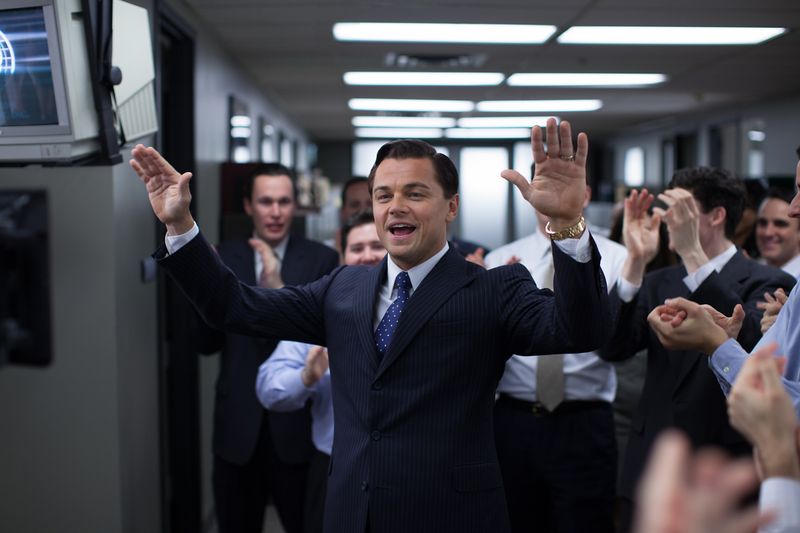
Martin Scorsese’s three-hour thrill ride had audiences roaring with laughter and pumping their fists when it dropped.
Jordan Belfort’s outrageous lifestyle felt like a guilty pleasure — too over-the-top to be taken seriously.
Many viewers walked away quoting the film like it was a how-to guide.
That reaction feels much harder to justify now.
With wealth inequality at record levels and hustle culture being openly criticized, the film’s glamorization of greed has curdled into something uncomfortable.
What once read as wild entertainment now plays like a sharp, almost painful critique of a system that rewards the worst behavior imaginable.
4. Blackfish (2013)
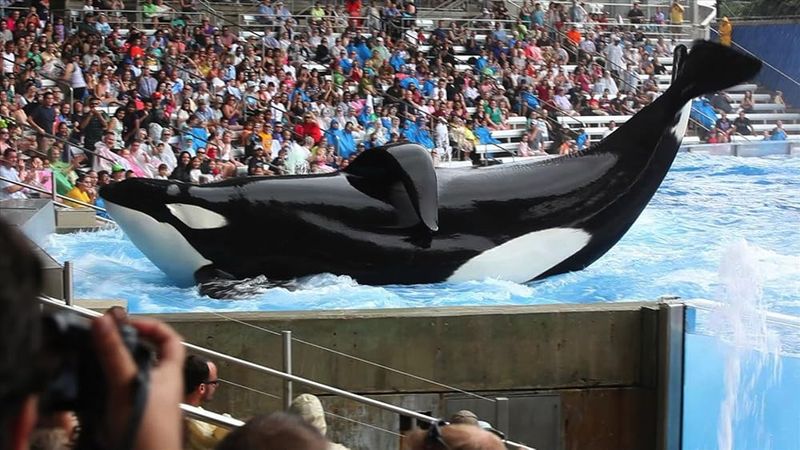
Gabriela Cowperthwaite’s documentary landed like a thunderclap when it first aired.
People were shocked, emotional, and angry.
SeaWorld’s attendance dropped, sponsors pulled out, and a genuine cultural conversation began about captive marine animals.
Looking back now, Blackfish stands as one of the clearest examples of a film actually changing the world.
Orca breeding programs at SeaWorld have ended.
Legislation shifted.
Public opinion moved in a lasting direction.
What felt like a powerful but fleeting moment of outrage turned out to be a turning point.
Few documentaries can claim that kind of real, measurable, lasting impact on policy and culture.
5. Ex Machina (2014)
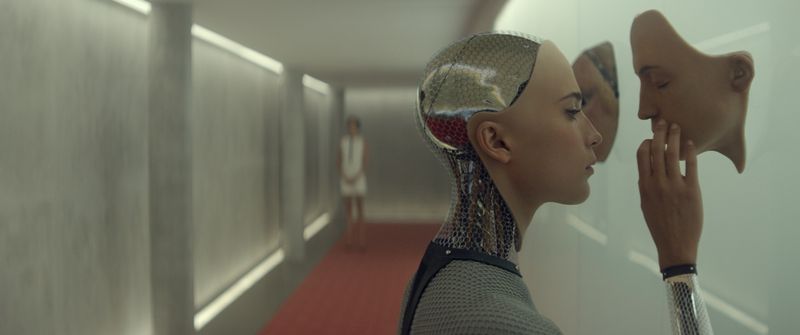
Alex Garland’s Ex Machina was praised as a cerebral, contained thriller when it came out.
It asked interesting questions about consciousness and manipulation, but it felt like a thought experiment — something that lived safely in the realm of speculative fiction.
That safety net is gone.
AI systems today can hold conversations, generate art, write code, and mimic emotion with startling accuracy.
The film’s central tension — can you really trust something that was built to seem human — now mirrors debates happening in boardrooms, courtrooms, and ethics classrooms worldwide.
Ex Machina went from being a clever movie to feeling like required viewing for anyone in tech.
6. Boyhood (2014)
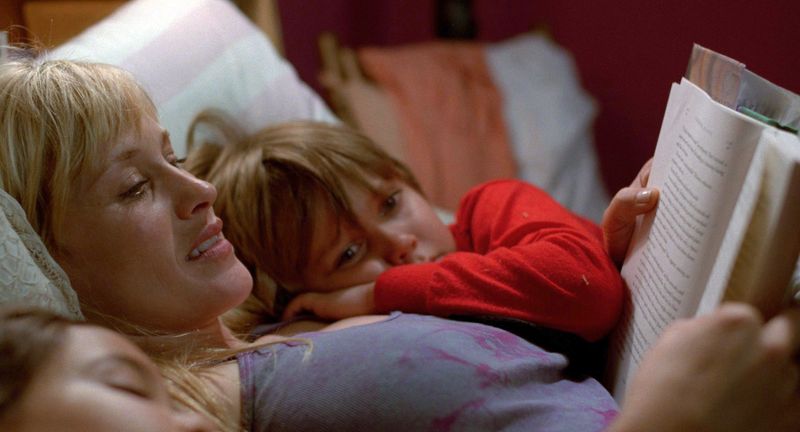
Richard Linklater filmed Boyhood over twelve actual years, and audiences initially celebrated it as a technical marvel.
The achievement of watching an actor genuinely age on screen was the headline.
Critics loved the ambition; Oscar voters agreed.
Something quieter has happened since then.
In a world of endless scrolling, constant stimulation, and digital everything, Boyhood’s unhurried pace feels almost radical.
Watching Mason grow up through ordinary moments — a camping trip, a difficult conversation, a first heartbreak — now carries a tenderness that hits harder than any blockbuster.
Slow, real, and deeply human, it feels increasingly precious in an era obsessed with speed.
7. Nightcrawler (2014)
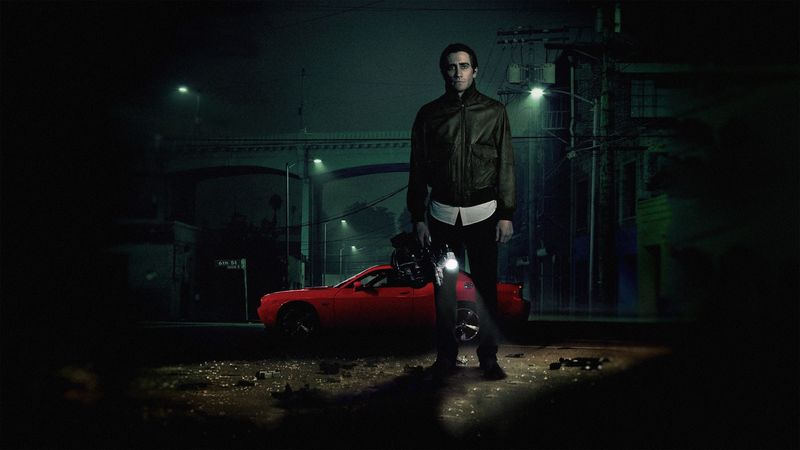
Jake Gyllenhaal’s Lou Bloom was terrifying when Nightcrawler released — a cold, hollow opportunist who turns tragedy into profit.
Audiences were disturbed by him, which was exactly the point.
He felt like an extreme edge case, a monster lurking at the fringes of an otherwise normal media landscape.
He does not feel like an edge case anymore.
Algorithm-driven content, engagement-chasing headlines, and the race to be first rather than accurate have turned Lou Bloom’s worldview into standard operating procedure.
Nightcrawler stopped being a cautionary tale and became something more unsettling — an accurate portrait of how media actually works today.
8. Mad Max: Fury Road (2015)
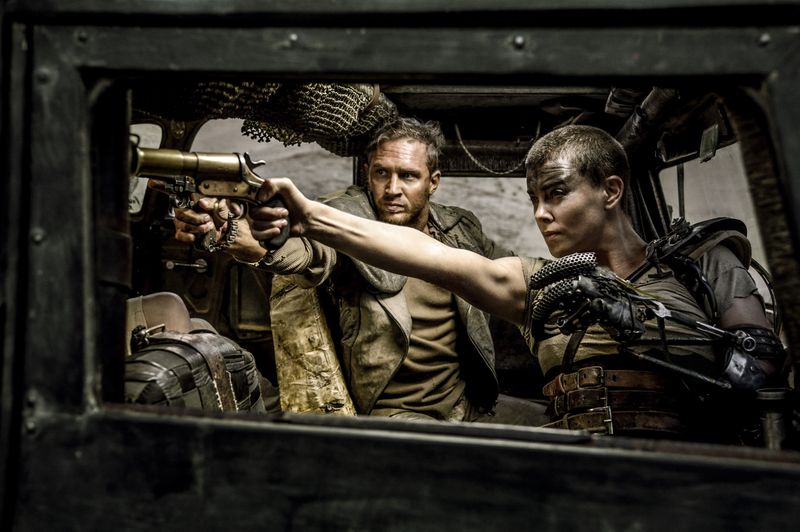
George Miller’s Fury Road was an adrenaline explosion that left audiences breathless.
The action was relentless, the visuals were jaw-dropping, and the feminist undertones were celebrated.
Most people walked out buzzing from the pure cinematic experience of it all.
Watch it again now, and the backdrop hits differently.
Water scarcity, environmental collapse, authoritarian control over resources — these are no longer distant dystopian concepts.
They are headlines.
The film’s world, once dismissed as gloriously over-the-top fantasy, now reads like a plausible projection.
Fury Road has quietly transformed from an action spectacle into something that feels uncomfortably close to where things might be headed.
9. Spotlight (2015)
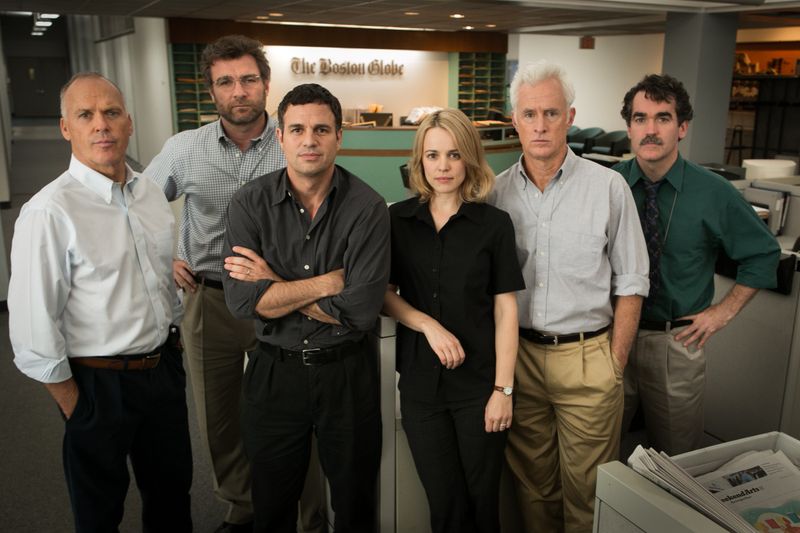
Spotlight won Best Picture and was rightfully praised as a meticulous, gripping account of investigative journalism at its most important.
At the time, it felt like a tribute to what great reporting could accomplish when given the time and resources to breathe.
Now, it carries a kind of nostalgia that stings a little.
Print newsrooms have collapsed.
Trust in media has eroded dramatically.
Misinformation spreads faster than corrections ever can.
Watching the Boston Globe team quietly and carefully build an airtight case feels almost quaint — not because the work was small, but because that kind of patient, ethics-first journalism feels increasingly rare and endangered today.
10. Moonlight (2016)
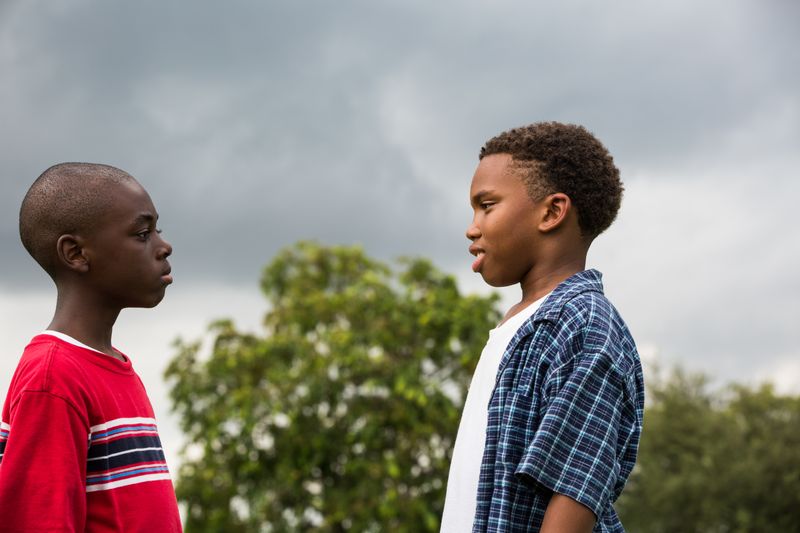
Barry Jenkins’ Moonlight was breathtaking when it arrived — a tender, poetic film that told a story rarely seen on screen with such care and honesty.
Winning Best Picture after that chaotic envelope mix-up made it even more memorable.
But at the time, some still treated it as a niche art film.
Its cultural footprint has only grown since.
Conversations around representation, LGBTQ+ visibility, and authentic Black storytelling have moved from the margins to the center of mainstream cinema.
Moonlight now looks less like a surprise winner and more like a landmark that quietly changed what Hollywood believed audiences were willing to watch and celebrate.
Comments
Loading…