
 Jade Reed
10 Movie Soundtracks That Stole the Spotlight
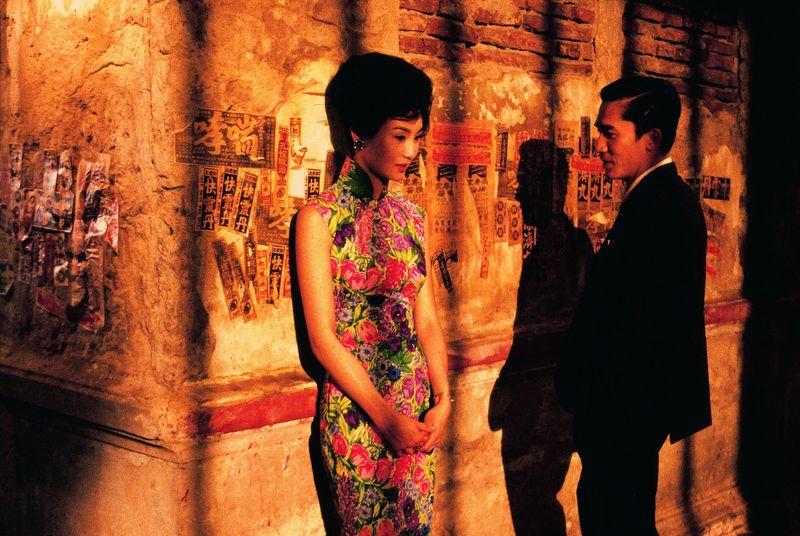
Some movies stay with us not just because of their storylines or performances, but because of the music that made every scene unforgettable. A great soundtrack can transform a quiet, intimate moment into something deeply moving or turn an action sequence into a pulse-pounding experience.
From the haunting echoes of ancient battlefields to the smooth rhythms of jazzy city streets, these ten film scores and soundtracks did far more than simply play in the background. They became the emotional core, the heartbeat of their movies, shaping the way we remember and feel every scene long after the credits roll.
1. Gladiator (2000)
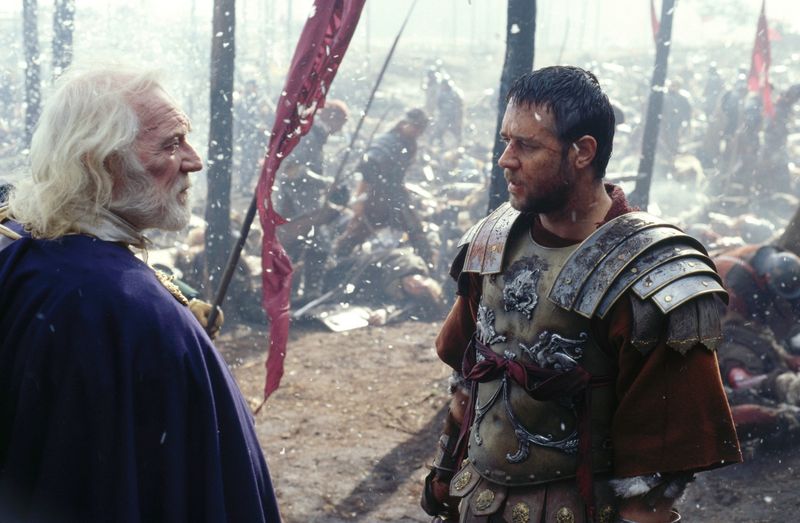
Few scores hit as hard as Hans Zimmer and Lisa Gerrard’s work on Gladiator.
The haunting vocals mixed with thunderous percussion created something that felt both ancient and deeply personal.
It wasn’t just background music — it was the soul of the film.
Tracks like “Now We Are Free” lingered long after the credits rolled.
Gerrard’s wordless singing gave the story an emotional weight that no dialogue could match.
Audiences felt the weight of loss and honor without a single spoken word guiding them.
The soundtrack won a Golden Globe and remains one of cinema’s most powerful musical achievements.
2. Harry Potter and the Goblet of Fire (2005)
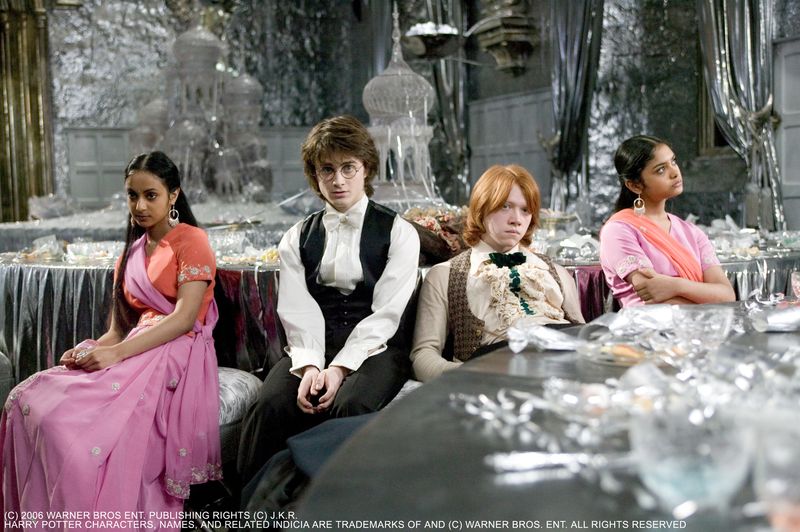
Patrick Doyle stepped in for this chapter of the Harry Potter series and brought something unexpectedly dark and thrilling to Hogwarts.
The music matched the tournament’s danger perfectly, blending orchestral drama with eerie tension.
Fans noticed the shift immediately.
“This Is the Night” introduced a waltz that felt both magical and slightly ominous — fitting for a ball where young wizards were also facing deadly challenges.
Doyle understood that the story had grown up, and his score reflected that maturity beautifully.
Many consider this the most underrated soundtrack in the entire Harry Potter franchise.
3. Baby Driver (2017)
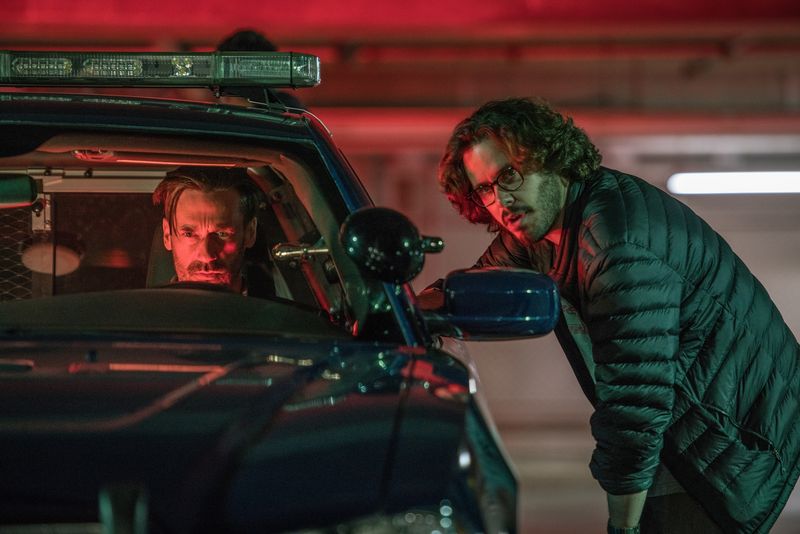
Baby Driver is basically a feature-length music video wrapped in a heist film.
Director Edgar Wright synchronized every car chase, gunshot, and footstep to a handpicked playlist, creating something cinema had rarely seen before.
The result was absolutely electric.
From Jon Spencer Blues Explosion to Simon and Garfunkel, the eclectic song choices told you everything about the main character without him saying much at all.
Music wasn’t decoration here — it was storytelling.
Each track felt chosen with surgical precision.
The film earned an Academy Award nomination for Best Film Editing, largely because of how seamlessly music drove every cut.
4. Atonement (2007)
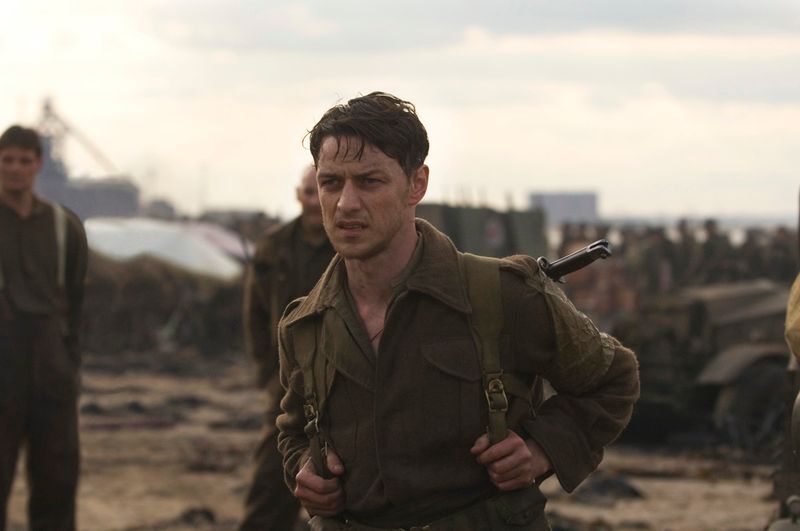
The score for Atonement, composed by Dario Marianelli, is a masterclass in innovation.
By integrating typewriter sounds into the orchestral music, he turned an ordinary prop into a central part of the film’s emotional storytelling.
The rhythmic clacking of keys became a percussion instrument, echoing the obsessive and damaging power of the written word in the story.
That choice gave the score a personality unlike anything else.
You could feel the guilt and longing in every note.
Marianelli won the Academy Award for Best Original Score, and honestly, it was well deserved.
5. The Hobbit: An Unexpected Journey (2012)
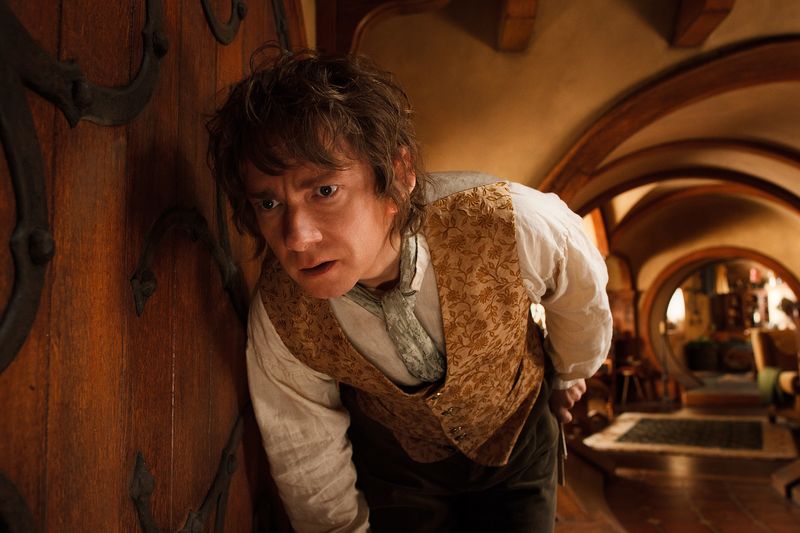
Howard Shore returned to Middle-earth with The Hobbit, and this time the music carried a warmer, more adventurous spirit.
“Misty Mountains Cold,” sung by the dwarves in Bilbo’s home, is one of the most spine-tingling moments in fantasy film music.
It stops you cold.
Shore crafted new themes while weaving in familiar echoes from The Lord of the Rings, rewarding longtime fans with musical callbacks that felt deeply satisfying.
The Shire theme alone could make anyone feel homesick for a place they’ve never been.
The score reminded audiences why epic fantasy storytelling and sweeping orchestral music are a perfect match.
6. The Godfather (1972)
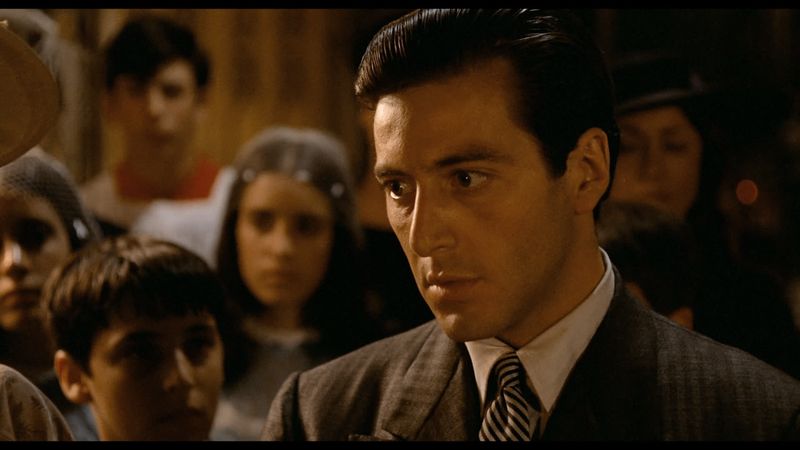
The moment the trumpet starts in Nino Rota’s The Godfather theme, you know something unforgettable is happening.
That sorrowful, elegant melody drapes over the story like silk — beautiful, haunting, and quietly menacing.
It lingers in your mind long after the credits roll.
Rota managed to capture the duality of the Corleone family: their warmth and their ruthlessness, their tradition and their violence.
The music never judged the characters; it simply understood them.
That emotional neutrality made it all the more chilling.
Rota’s score was initially disqualified from the Oscars but later won for The Godfather Part II.
7. Requiem for a Dream (2000)
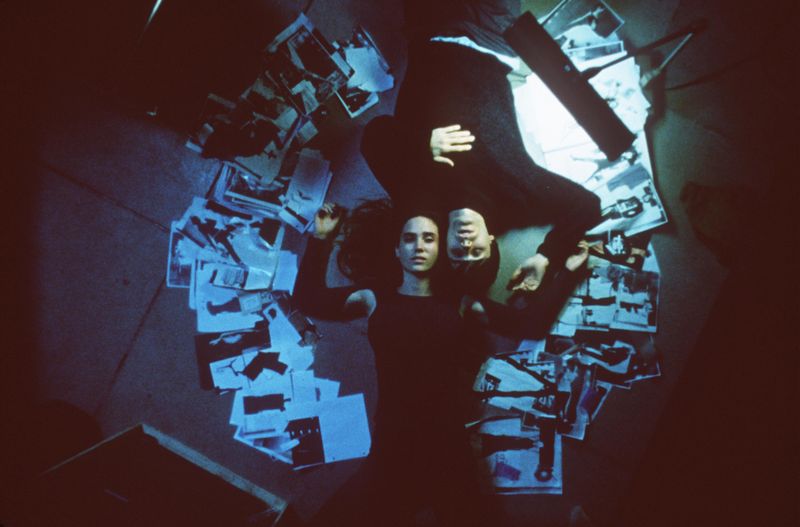
Clint Mansell composed one of the most emotionally devastating scores ever put to film.
“Lux Aeterna,” the central theme, builds with such relentless intensity that it feels physically uncomfortable — which is exactly the point.
It mirrors the film’s spiraling despair note by note.
The piece has since been used in countless trailers and sporting events, which is almost ironic given how dark its original context was.
Yet its power remains undeniable every single time.
Strings pile on strings until the tension becomes almost unbearable.
Mansell collaborated with the Kronos Quartet, giving the score a raw, chamber-music urgency that electronic production alone could never achieve.
8. In the Mood for Love (2000)
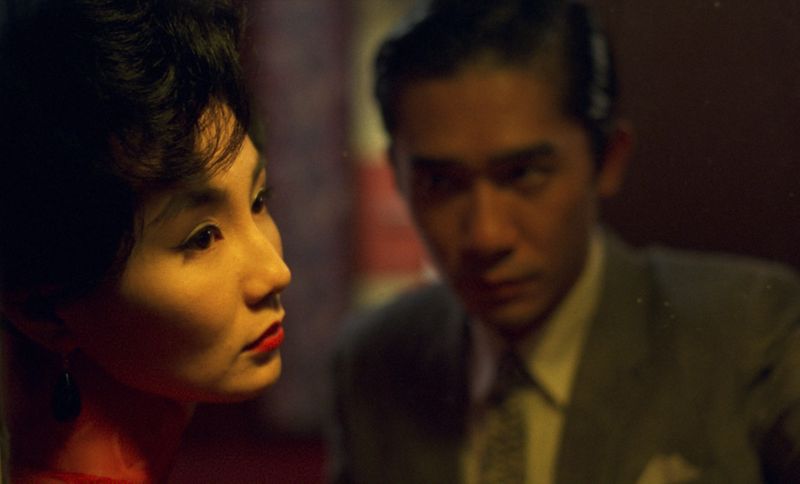
Wong Kar-wai’s masterpiece moves to the rhythm of longing, and the music chosen for it is absolutely inseparable from that feeling.
Shigeru Umebayashi’s “Yumeji’s Theme” — a slow, swirling waltz for strings — returns again and again like an ache that won’t go away.
The repetition is intentional.
Every time the melody returns, it deepens the sense of two people circling each other but never quite connecting.
It’s heartbreak expressed entirely through music.
No words could do what those strings accomplish.
The film’s use of pre-existing music rather than a traditional commissioned score made it even more emotionally layered and surprising.
9. The Double Life of Veronique (1991)
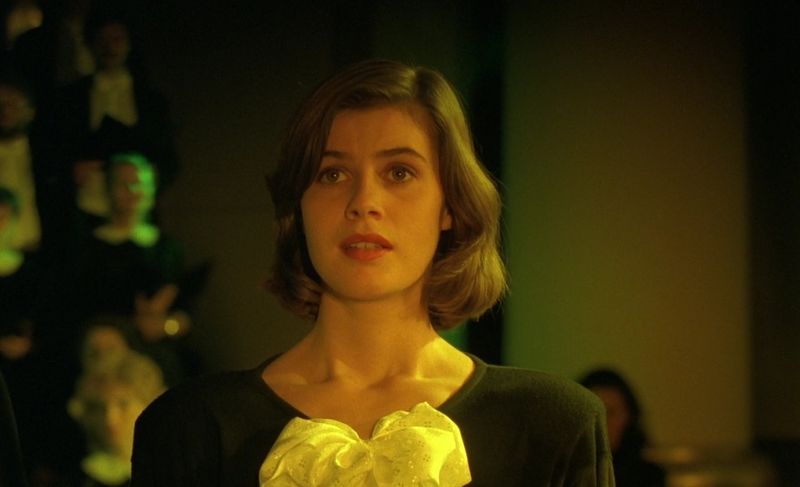
Zbigniew Preisner wrote one of cinema’s most hauntingly beautiful scores for this Polish-French gem.
The fictional composer “Van den Budenmayer” — a name Preisner invented — supposedly wrote the film’s central choral piece, blurring art and reality in a way that matched the film perfectly.
The music breathes with mystery and spiritual longing, as if it knows something the characters don’t.
It feels ancient and intimate at the same time.
Irene Jacob’s performance and Preisner’s score became completely intertwined in the audience’s memory.
Preisner’s work here influenced a generation of film composers who wanted music to carry metaphysical meaning beyond narrative function.
10. A Clockwork Orange (1971)
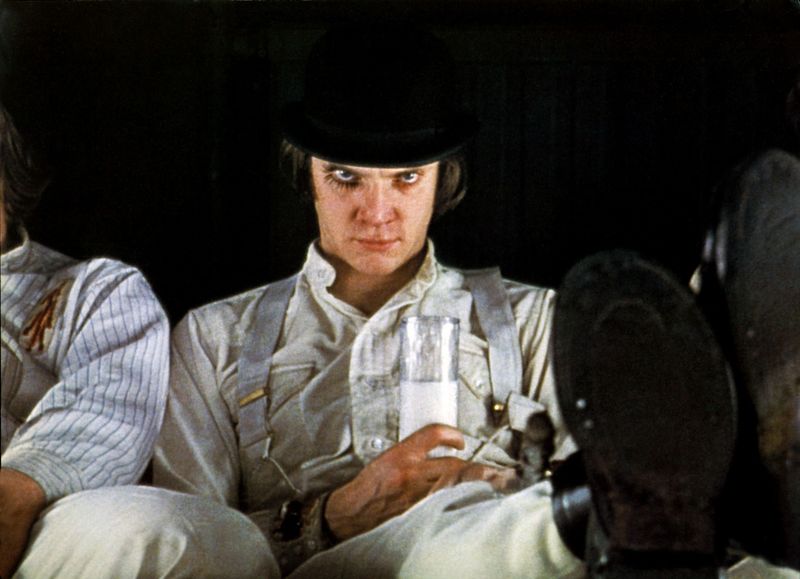
Stanley Kubrick had an uncanny ability to weaponize music, and nowhere is that clearer than in A Clockwork Orange.
Wendy Carlos’s synthesizer arrangements of Beethoven and Purcell turned classical music into something unsettling and strange.
Familiar melodies suddenly felt dangerous.
“Singin’ in the Rain” became permanently tainted after Kubrick used it during the film’s most disturbing sequence.
That’s the power of musical context — the right placement can completely transform how a song feels forever.
It’s a masterclass in manipulation through sound.
The soundtrack challenged what “movie music” could even mean, proving that curation and reimagination can be just as creative as original composition.
Comments
Loading…