
 Hailey Watson
10 Movie Plot Twists That Still Hold Up

Some plot twists are basically party tricks that fall apart the second you already know what’s coming, but the best ones age like they were built for rewatches.
Years later, they still hit because they’re not just surprising—they’re structurally sound.
The clues are there, the character choices make sense, and the reveal changes the entire emotional temperature of the story without feeling like the movie cheated.
That’s why certain twist-heavy classics remain so satisfying even after they’ve been spoiled by pop culture, parodies, and endless “ending explained” threads.
Whether the turn is heartbreaking, mind-bending, or quietly chilling, these movies prove that a great twist doesn’t rely on secrecy.
It relies on craft, payoff, and the rare ability to make you rethink everything you just saw.
1. The Sixth Sense (1999)
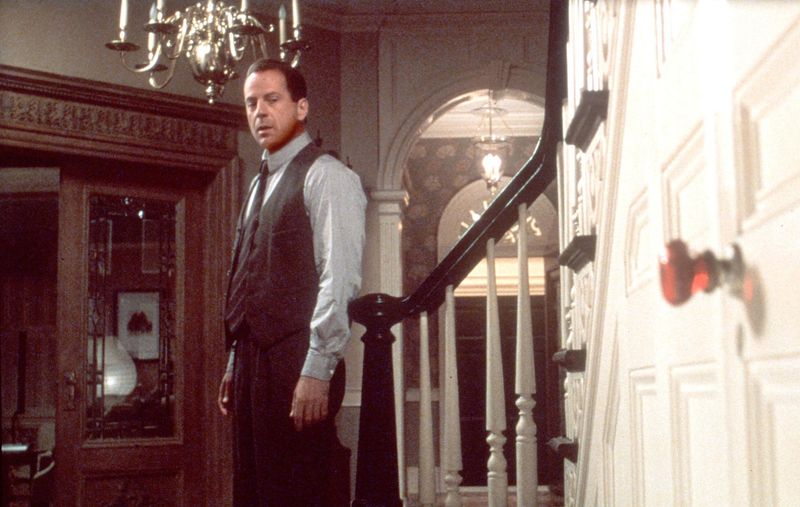
Few endings have such a clean retroactive effect on a movie’s entire rhythm, because the reveal doesn’t simply add a surprise, it rewires the story you thought you were watching.
On a first viewing, the film plays like an intimate supernatural drama about grief, fear, and the fragile trust between a child and an adult who wants to help.
Once you know the truth, the same scenes feel loaded with a different kind of sadness, and the direction suddenly looks incredibly precise.
The best part is how fair it is, since the clues were never hidden so much as gently placed where you weren’t looking.
Rewatching becomes its own reward because every pause, glance, and silence starts making perfect sense.
2. Fight Club (1999)
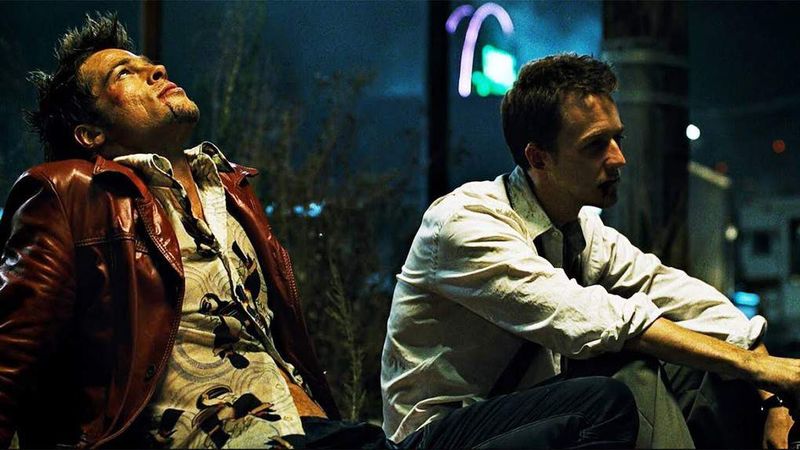
What makes this twist endure is the way it clarifies the movie’s weird, seductive logic without turning the story into a cheap gotcha.
The film builds a pressure-cooker portrait of modern dissatisfaction, with a narrator who sounds intelligent but also increasingly unmoored, and the shift lands exactly when your trust in him starts to crack.
When the truth surfaces, earlier moments snap into focus, but the movie also becomes more tragic than clever, because the revelation exposes how badly the protagonist needed escape.
The twist holds up because it’s rooted in theme rather than novelty, and because it asks you to reconsider identity, masculinity, and control in a way that still feels relevant.
Even now, it leaves you unsettled for the right reasons.
3. The Usual Suspects (1995)
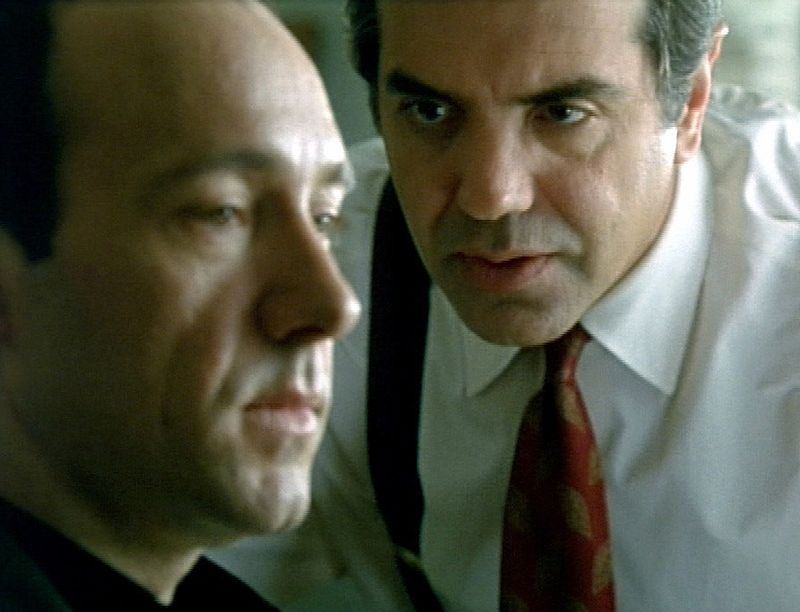
Some twists work because they’re loud, but this one works because it’s quiet, confident, and almost playful in how it dismantles everything you accepted as truth.
The movie’s story is delivered through testimony, which means you’re already relying on a narrator with motives, blind spots, and a reason to shape perception, even if you don’t fully realize it.
As the pieces line up, the final reveal feels less like a random shock and more like an inevitable consequence of believing the most convenient version of events.
It holds up because the film plants just enough texture to make the ending feel earned, and because the reveal isn’t only about who did what.
It’s about how easily a story can control you.
4. Se7en (1995)
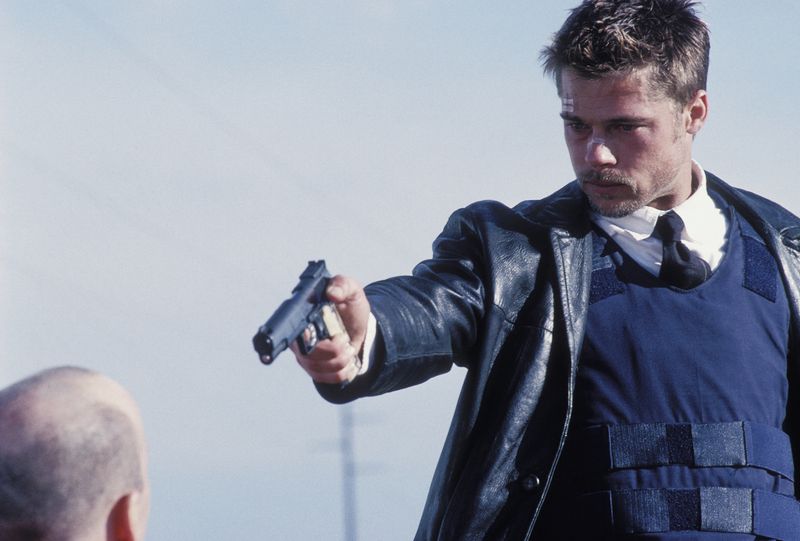
A truly lasting twist doesn’t just surprise you, it rearranges your emotional state, and this ending does that with brutal certainty.
The movie’s grim detective story builds a sense of dread that feels almost physical, with each discovery tightening the net around its characters and the viewer alike.
When the final turn arrives, it’s horrifying not because it’s flashy, but because it’s so perfectly aligned with the villain’s warped logic and the film’s themes about despair and inevitability.
The moment sticks because it’s constructed like a tragedy, where you can see the shape of the fall even if you want to believe it can be avoided.
Even after multiple rewatches, the tension still spikes, which is the mark of a twist that truly works.
5. Psycho (1960)
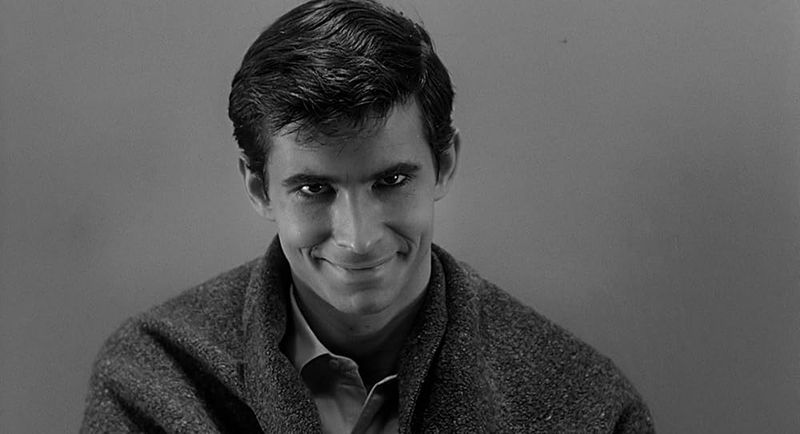
Long before audiences expected movies to play fair, this film proved that the rules could be shattered without warning and still feel completely controlled.
The story begins with one apparent direction, letting you settle into a certain assumption about who matters most and what kind of thriller you’re watching, and then it yanks the rug out so sharply that it resets your expectations for the rest of the runtime.
The twist holds up because it isn’t just a stunt, since it’s supported by atmosphere, pacing, and a chilling understanding of human psychology.
What’s especially impressive is how the movie uses tension like a tightening spiral, keeping you uneasy even when nothing is happening.
Decades later, it remains a blueprint for suspense, and the reveal still feels audacious.
6. Chinatown (1974)
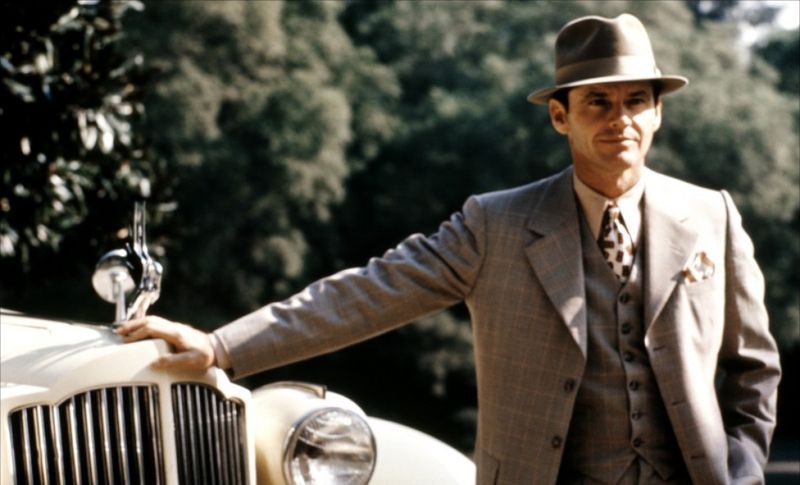
Not every twist is designed to make you gasp, because some are meant to make you sit there in stunned discomfort, and this one delivers that kind of lasting impact.
The film presents itself as a mystery you can solve if you’re observant enough, but the deeper it goes, the more it reveals a world where power and corruption don’t play by the rules of justice.
When the truth finally surfaces, it feels sickeningly plausible, which is exactly why it sticks with you.
The ending doesn’t offer the relief that most mysteries promise, and that refusal is part of its brilliance.
It holds up because it’s emotionally honest about how systems protect the worst people, and because the final turn feels like the only ending the story could have.
7. Oldboy (2003)
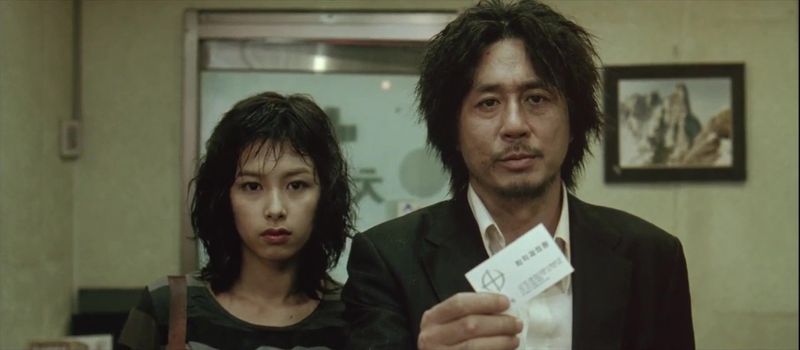
The staying power here comes from how the twist transforms what seemed like a brutal revenge tale into something far more disturbing and psychologically precise.
For much of the movie, the story feels like it’s building toward catharsis, with rage, momentum, and mystery pushing you forward even when the violence becomes hard to watch.
When the revelation hits, it doesn’t just change the plot, it poisons the emotional foundation of everything you’ve been rooting for, and the film’s earlier choices suddenly take on a cruel new meaning.
The twist holds up because it’s not arbitrary, since the narrative has been steering you toward it with careful control, even as it distracts you with action and tension.
It’s the kind of ending you remember vividly, whether you want to or not.
8. The Others (2001)

This twist endures because the movie earns it through mood and structure, not through frantic shocks or complicated mythology.
The story unfolds in a fog of dread, with isolation and strict rules creating a sense that something is wrong even when you can’t pinpoint what, and that uncertainty becomes the film’s engine.
When the truth is revealed, the earlier scenes don’t feel misleading, they feel newly illuminated, as if the house itself has been telling you the answer in whispers.
The twist holds up particularly well because it’s emotional, not just clever, and it reframes fear into grief and denial in a way that lands hard.
It also rewards careful viewers, since the clues are woven into everyday details rather than screamed at you.
A great haunting story becomes even better when the reveal deepens it.
9. Planet of the Apes (1968)

Even if you’ve seen the ending referenced a thousand times, the twist still works because it’s built on a strong, steady progression rather than one random image.
The film spends its time challenging assumptions about civilization, intelligence, and arrogance, letting you believe the protagonist is trapped in an alien world where everything familiar has been erased.
When the reveal arrives, it’s shocking not only because of what it shows, but because it suddenly makes the movie’s social commentary sharper and more personal.
The twist holds up because it’s simple, symbolic, and devastating in a way that doesn’t depend on secrecy.
It turns the entire journey into a warning about humanity, and that message hasn’t exactly stopped being relevant.
Few endings manage to feel that iconic and still genuinely chilling.
10. Arrival (2016)
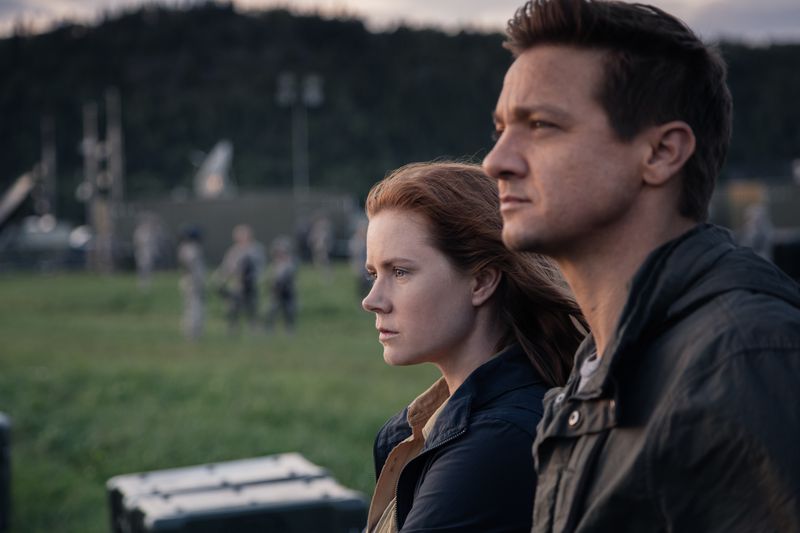
What makes this twist so effective is that it feels like an emotional revelation disguised as a sci-fi idea, which is why it still hits even when you know the mechanics.
The movie invites you into a tense first-contact scenario, but it quietly centers on language, perception, and the way meaning changes depending on how you experience time.
As the story progresses, scenes that initially read as memories begin to function differently, and the shift alters not just the plot but the entire feeling of the film.
The twist holds up because it’s gentle yet profound, and because it raises complicated questions about choice, love, and inevitability without turning preachy.
By the end, the story doesn’t feel “solved” so much as fully understood, and that’s a rare kind of payoff.
Comments
Loading…