
 Harper Hall
10 Movie Deaths That Made the Plot Stronger
Some movie moments hit harder than others, and character deaths often leave the biggest mark.
When a beloved or crucial character dies on screen, it can completely change everything that happens next.
These aren’t just sad scenes—they’re turning points that make stories unforgettable and give films their emotional power.
1. Marion Crane in Psycho (1960)
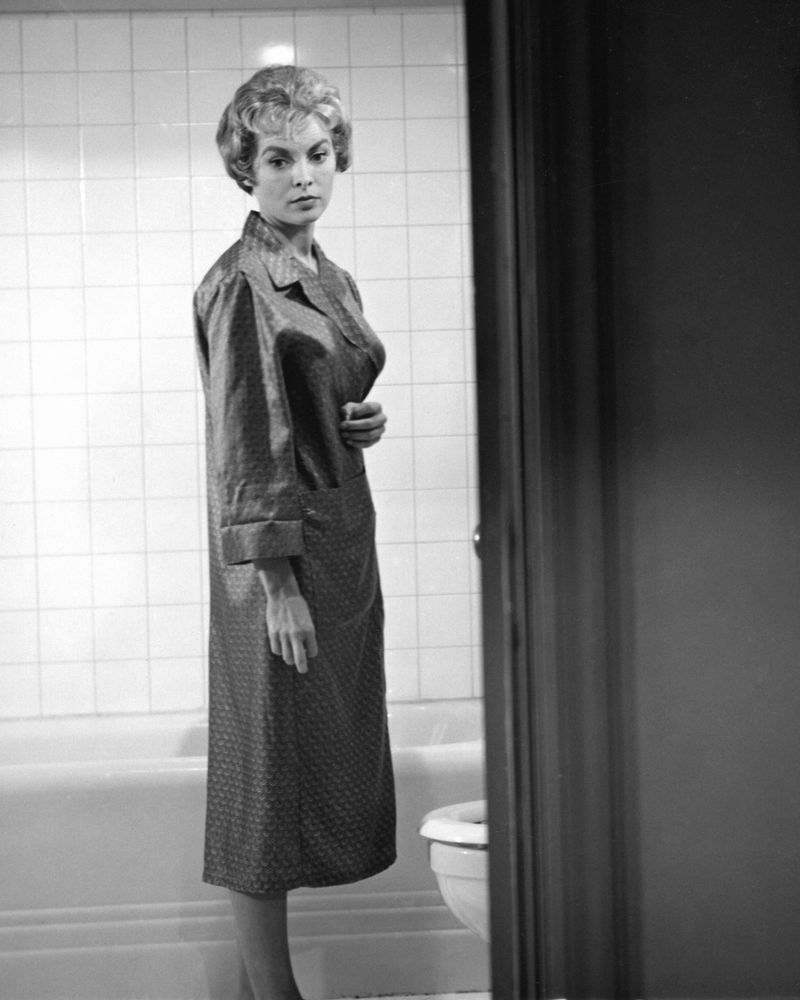
Nobody expected the main character to die halfway through the movie.
Alfred Hitchcock broke every rule when he killed Marion Crane in that shocking shower scene, leaving audiences stunned and confused about where the story could possibly go next.
This wasn’t just a scary moment—it completely changed how movies could tell stories.
Before Psycho, leading actors were safe until the credits rolled, but Hitchcock proved that anyone could meet their end at any time.
Marion’s death shifted the entire focus to Norman Bates and the mystery of his creepy motel.
What started as a crime thriller became a psychological horror masterpiece that still influences filmmakers today.
2. Mufasa in The Lion King (1994)
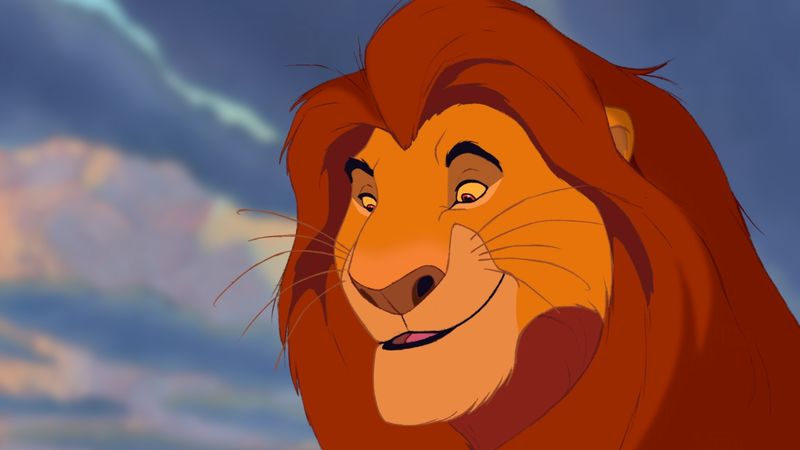
Watching Mufasa fall during that wildebeest stampede remains one of the most heartbreaking moments in animation history.
Kids everywhere sobbed in theaters, and many adults still can’t watch that scene without tearing up decades later.
His death wasn’t just sad for the sake of being sad.
It forced young Simba to run away, setting up his entire journey from scared cub to rightful king.
Without losing his father, Simba would never have learned about responsibility, courage, and what it truly means to grow up.
That single tragic moment gave the whole movie its emotional weight and made Simba’s eventual return so satisfying and powerful.
3. Jack Dawson in Titanic (1997)
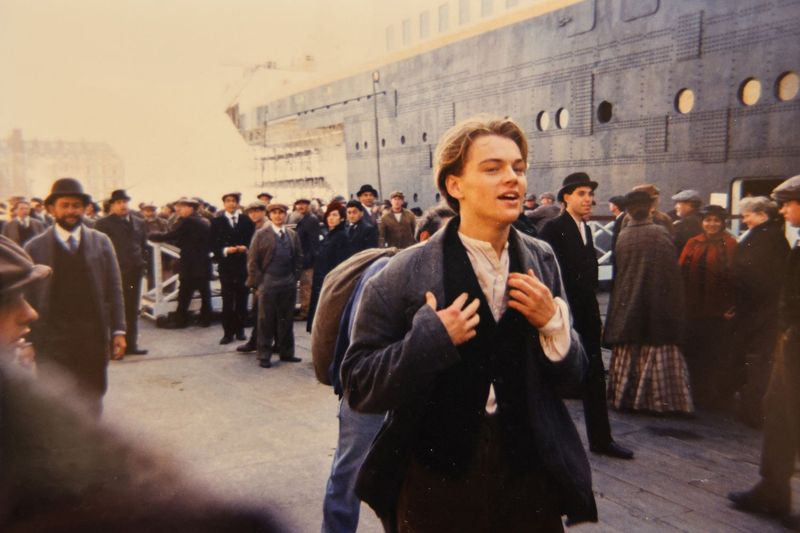
Could Jack have fit on that door?
Fans still debate it, but his sacrifice in the freezing Atlantic waters gave Titanic its lasting emotional punch that keeps people watching over and over.
Jack’s death proved that true love sometimes means letting go.
Rose survived because he chose to save her, giving up his own chance at life in those final desperate moments.
The tragedy elevated their brief romance from a simple love story into something legendary.
His promise that she’d die an old woman in her warm bed came true, and his death gave Rose the strength to live boldly for both of them.
4. Tracy Mills in Se7en (1995)
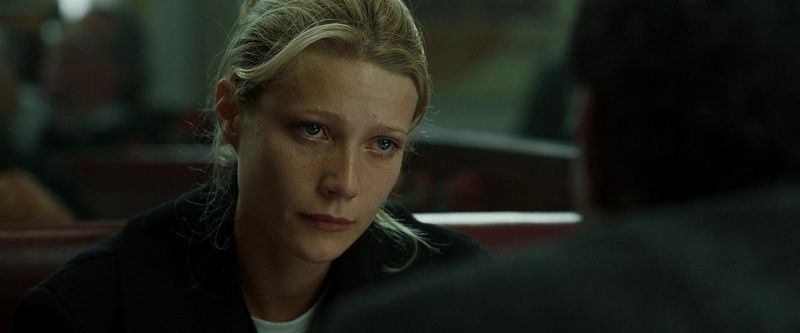
The box.
Everyone remembers the box and the horrifying moment Detective Mills realizes what’s inside it during that desert confrontation with the killer.
Tracy’s unseen death completed the killer’s twisted plan of seven deadly sins, forcing Mills to embody wrath in the film’s devastating finale.
Her murder wasn’t shown on screen, but the impact hit harder because of what we didn’t see.
This death transformed the entire movie from a detective thriller into a dark meditation on evil and human nature.
Mills’ world shattered completely, and audiences left theaters feeling genuinely disturbed by how darkness can win, making Se7en unforgettable.
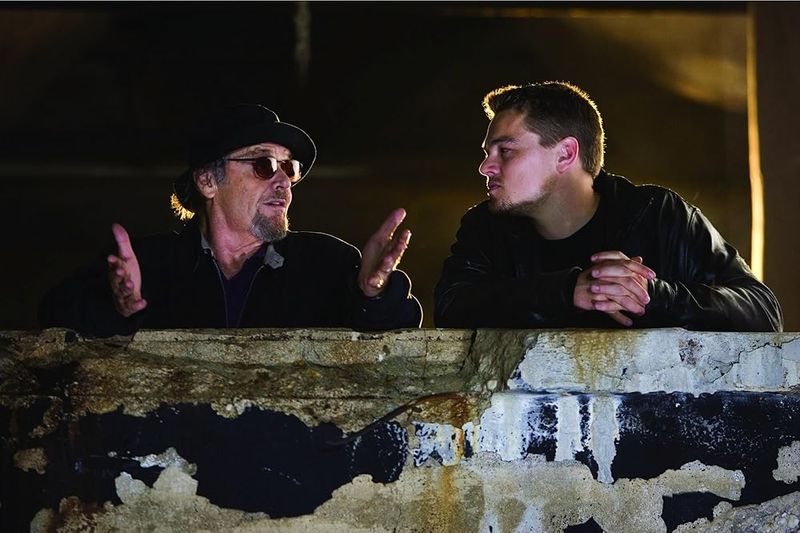
5. Billy Costigan in The Departed (2006)
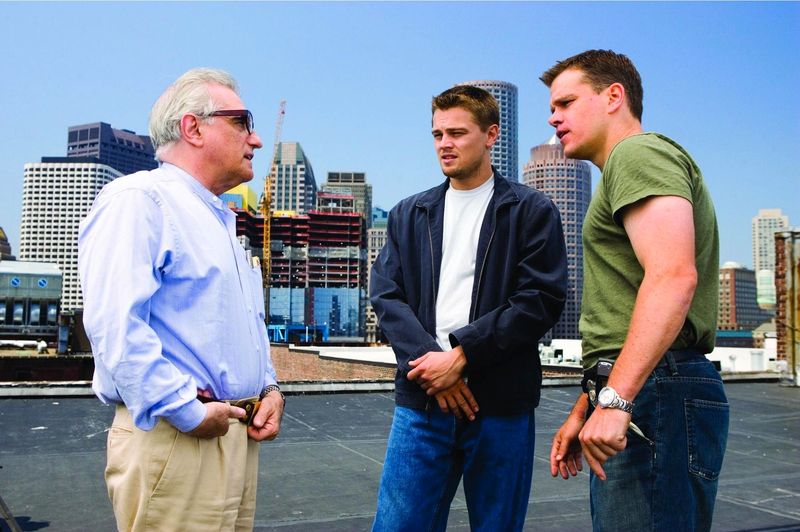
Right when you think Billy finally made it out alive, he gets shot in the head in an elevator.
No warning, no dramatic speech—just sudden, brutal reality.
Scorsese showed that being the hero doesn’t guarantee survival, especially in the dangerous world of undercover operations and mob violence.
Billy did everything right, exposed the corruption, and still lost everything in a split second.
His shocking death reinforced the film’s message that the line between cops and criminals gets blurry, and good people often pay the ultimate price.
That unexpected ending stuck with viewers long after leaving the theater.
6. Obi-Wan Kenobi in Star Wars (1977)
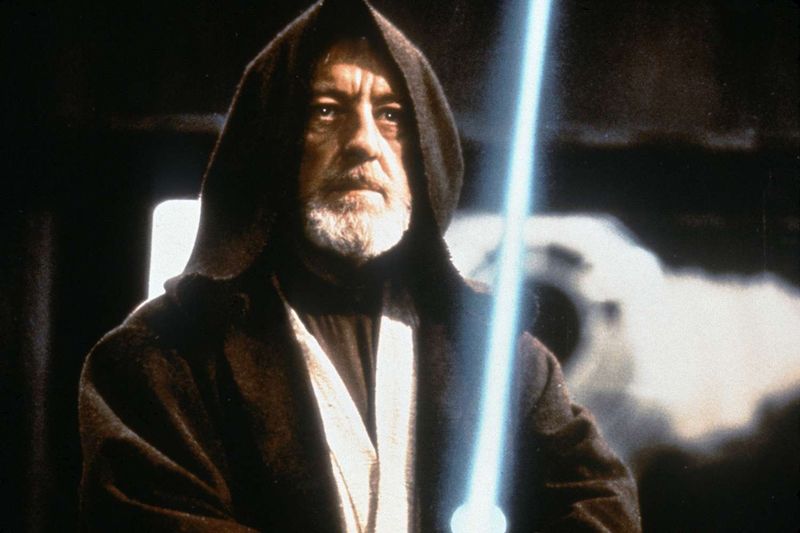
When Obi-Wan raised his lightsaber and let Darth Vader strike him down, he became something far more powerful than Vader could imagine.
His sacrifice wasn’t an ending—it was a transformation.
Luke needed to lose his mentor to truly become a hero on his own.
Obi-Wan’s death gave Luke the motivation to trust the Force and make that impossible shot that destroyed the Death Star.
By dying, Obi-Wan could guide Luke as a Force ghost throughout the entire trilogy.
His death started one of cinema’s greatest hero journeys and proved that sometimes falling is the only way to rise.
7. Marvin in Pulp Fiction (1994)
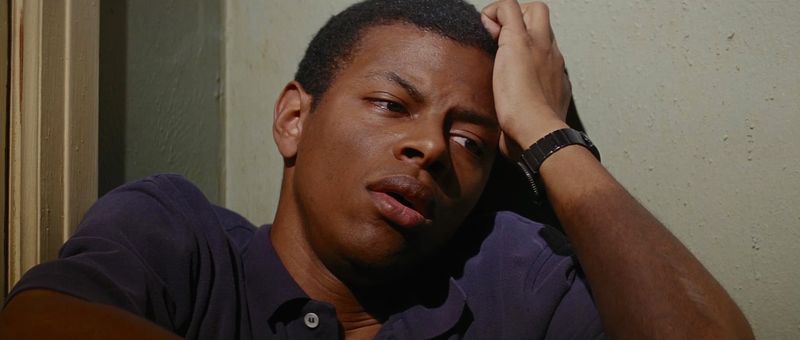
Vincent Vega accidentally shoots Marvin in the face while the car hits a bump, and suddenly the cool hitmen have a huge, bloody problem to solve immediately.
What makes this death brilliant is how random and stupid it is.
There’s no grand meaning or purpose—just a terrible accident that changes everything for the characters.
Tarantino used this shocking moment to shift the story’s tone from slick crime thriller to dark comedy about cleanup and consequences.
The Wolf gets called in, and we see these tough guys panic like regular people facing an impossible mess, making them surprisingly human.
8. Ned Stark in Game of Thrones (2011)
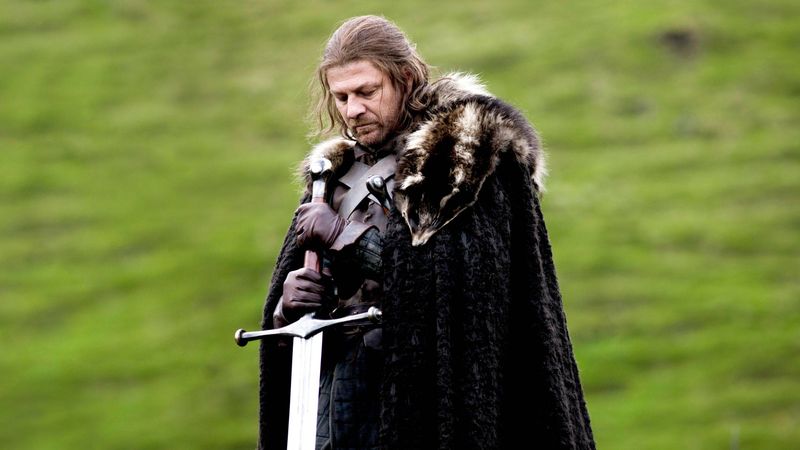
Sure, this is technically a TV show, but Ned Stark’s beheading shocked the world so much it deserves recognition.
Everyone assumed the noble hero would somehow escape at the last second.
George R.R.
Martin proved that honor doesn’t protect you in Westeros, and main characters can die in the first season.
That execution told viewers that absolutely nobody was safe anymore, changing how we watch television forever.
Ned’s death started the entire war and every terrible thing that followed.
His children scattered, his wife sought revenge, and the Seven Kingdoms fell into chaos—all because one honorable man lost his head.
9. Spock in Star Trek II: The Wrath of Khan (1982)
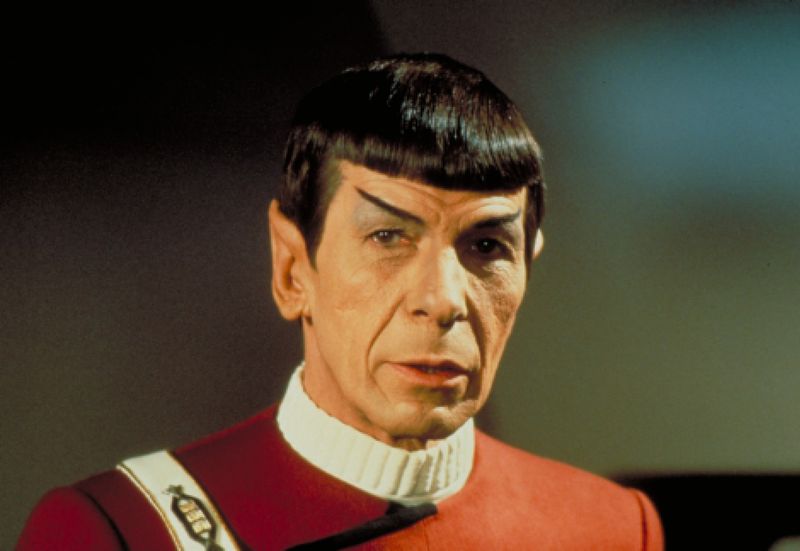
Spock’s radiation chamber sacrifice gave Star Trek its most emotional moment ever.
His final words to Kirk—”I have been, and always shall be, your friend”—still make fans cry forty years later.
The needs of the many outweighed the needs of the few, and Spock proved his humanity by choosing to die saving his crew.
His logical decision carried the deepest emotional weight possible.
This death elevated the entire franchise from space adventure to profound exploration of friendship and sacrifice.
Even though he came back later, that moment of loss gave the series its heart and showed science fiction could make audiences feel deeply.
10. Ellie in Up (2009)
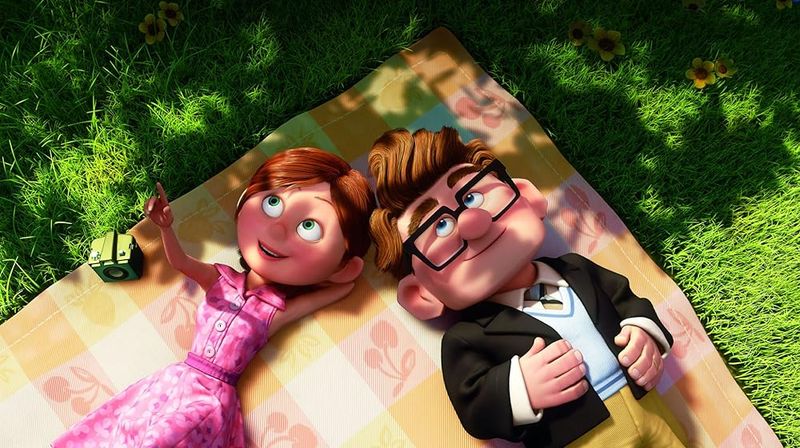
Pixar destroyed everyone with just ten minutes of wordless storytelling.
Ellie’s death from old age happened in the opening sequence, yet it powered the entire movie’s emotional journey that followed.
Carl spent the whole film learning to let go of his grief and embrace new adventures, carrying Ellie’s memory without being trapped by it.
Her death wasn’t just backstory—it was the reason for everything Carl did.
Without losing Ellie, Carl would never have flown his house to Paradise Falls or found new purpose with Russell.
Her passing taught audiences that life continues after loss, and honoring loved ones means living fully, not just remembering sadly.
Comments
Loading…