
 Chloe Peterson
10 Horror Movies That Terrify Without a Single Jump Scare
True horror doesn’t need to make you jump out of your seat to leave you sleepless.
Some films crawl under your skin with quiet dread, psychological twists, and atmospheres so heavy you can barely breathe.
These movies prove that the scariest moments often happen in silence, when your mind does all the terrifying work.
Get ready to discover films that haunt you long after the credits roll.
1. Rosemary’s Baby (1968)
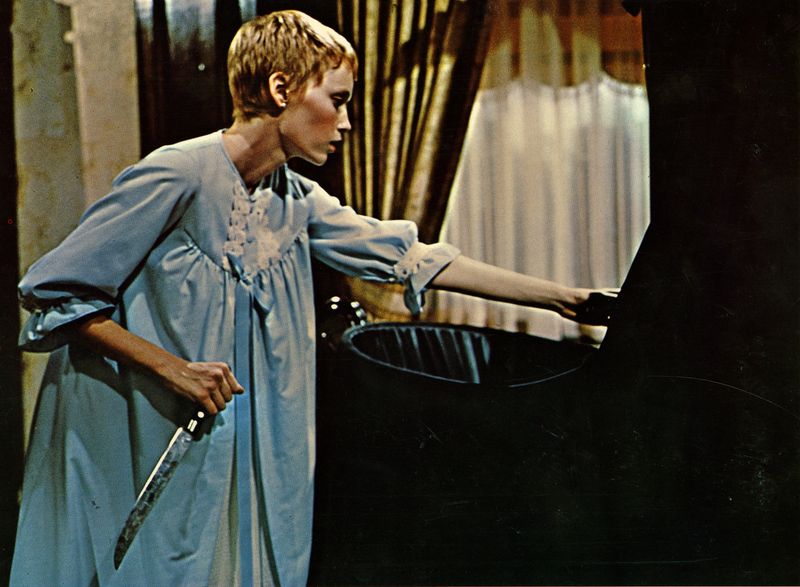
A young woman’s pregnancy becomes a nightmare as she slowly realizes her neighbors and husband are hiding something sinister.
Roman Polanski crafts a slow-burn descent into paranoia where every smile feels fake and every conversation sounds rehearsed.
The horror isn’t loud or violent—it’s the creeping realization that no one around you can be trusted.
Everyday spaces like apartments and dinner parties transform into traps of manipulation and gaslighting.
Rosemary’s isolation grows with each passing day, and you feel her helplessness as she questions her own sanity.
The film’s brilliance lies in how it makes the mundane feel malevolent, turning ordinary life into a claustrophobic prison where escape seems impossible.
2. The Wailing (2016)
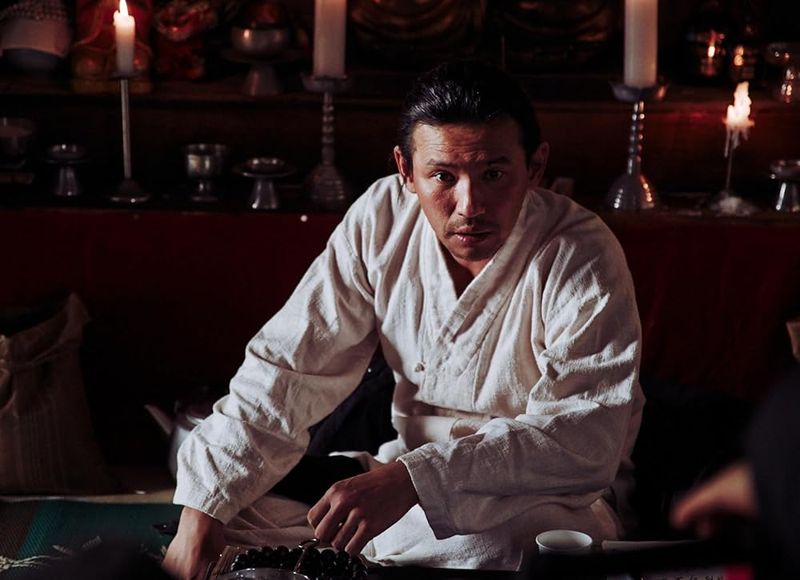
A mysterious illness spreads through a small Korean village, causing violent outbursts and death, while a bumbling police officer desperately tries to protect his daughter.
Na Hong-jin’s folk horror masterpiece builds terror through mystery, cultural dread, and spiritual paranoia rather than quick scares.
The film moves slowly, layering clues and red herrings until you’re as confused and frightened as the characters.
Is the threat a disease, a demon, or something else entirely?
The movie weaves shamanism, Christianity, and superstition into a deeply unsettling narrative where every answer raises more disturbing questions.
At over two hours, it earns every minute of your anxiety, culminating in an ending that will haunt you for days as you replay every scene searching for truth.
3. The Silence of the Lambs (1991)
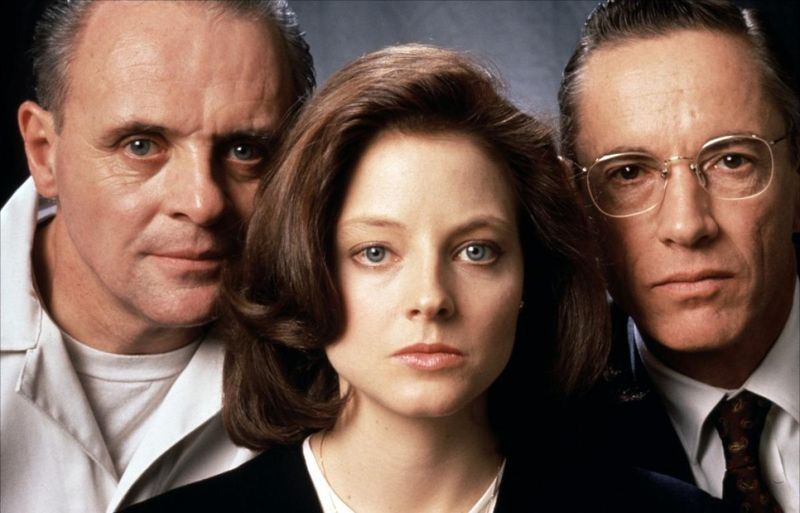
FBI trainee Clarice Starling must interview imprisoned cannibal Dr. Hannibal Lecter to catch another serial killer in this chilling psychological thriller.
Jonathan Demme creates fear through unsettling performances and tense dialogue rather than gore or sudden frights.
Anthony Hopkins delivers one of cinema’s most terrifying villains—a man whose intelligence and charm make him even more monstrous.
The horror comes from human depravity, not supernatural forces.
Every conversation between Clarice and Lecter feels like a dangerous game where one wrong word could be deadly.
The film explores how evil hides behind civility and how predators study their prey with cold precision, leaving you disturbed by what humans are truly capable of.
4. The Exorcist (1973)
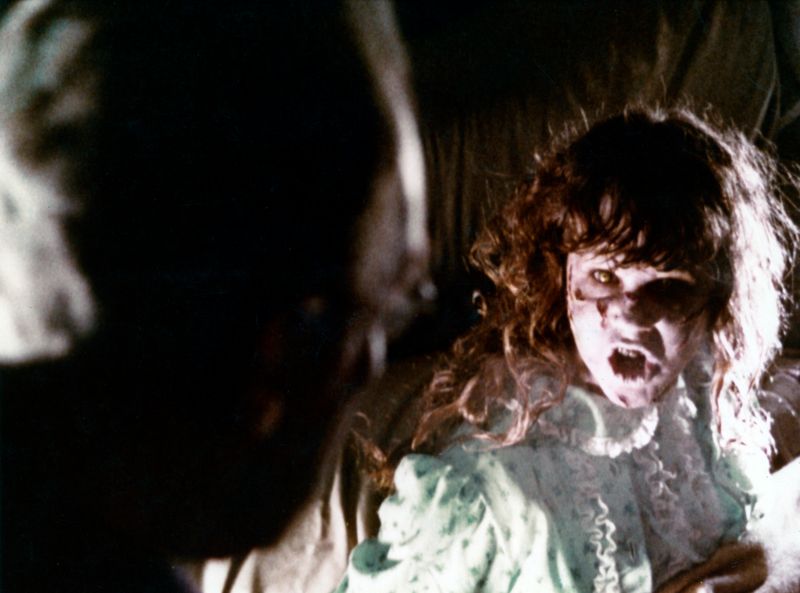
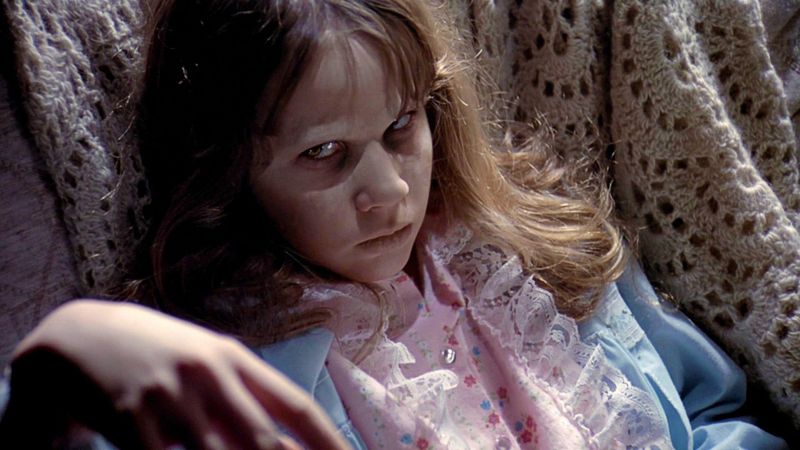
Faith collides with unspeakable evil when a young girl becomes possessed by a demonic force in this landmark supernatural horror.
Director William Friedkin builds tension slowly, letting each disturbing scene sink deep into your bones.
The film doesn’t rely on sudden shocks but instead uses graphic imagery, religious conflict, and psychological breakdown to create relentless dread.
What makes this movie so terrifying is how it treats possession as both a spiritual crisis and a medical mystery.
Every attempt to save the girl feels hopeless, and the escalating horror never gives you a moment to relax.
Decades later, it remains one of the most disturbing films ever made, proving that true fear comes from watching something sacred be violated beyond repair.
5. The Blair Witch Project (1999)
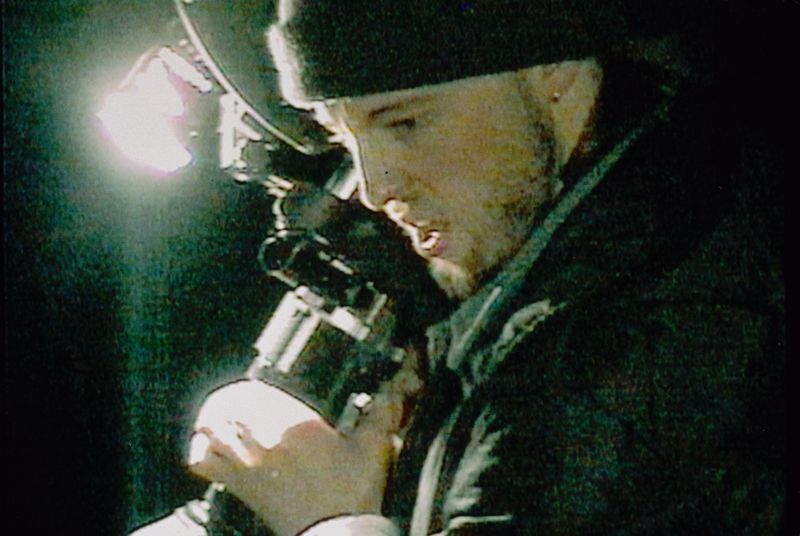
Three film students vanish in the Maryland woods while documenting a local legend, leaving behind only their disturbing footage.
This found-footage pioneer terrifies through what it never shows, using ambiguity and isolation to fuel your imagination.
The shaky camera work and raw performances make everything feel painfully real, as if you’re watching actual people disappear into darkness.
Directors Daniel Myrick and Eduardo Sanchez understand that the unknown is far scarier than any monster reveal.
Strange sounds in the night, mysterious stick figures, and the group’s growing panic create unbearable tension.
The film’s genius lies in its restraint—by keeping the witch invisible, your mind fills in the blanks with something far more terrifying than any special effect could achieve.
6. Perfect Blue (1997)
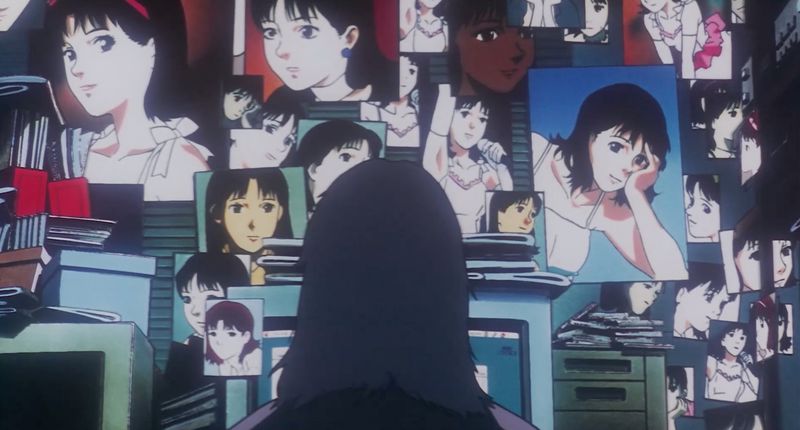
Pop idol Mima quits her singing group to become an actress, but her reality begins to fracture as a stalker obsesses over her.
Satoshi Kon’s psychological anime masterpiece blurs the line between what’s real and what’s imagined, creating sustained unease without cheap scares.
The animation style intensifies the horror, making every shift in perception feel disorienting and dangerous.
As Mima’s identity splinters, you question everything alongside her—which memories are real, who she can trust, and whether she’s losing her mind.
The film explores fame’s dark side, the loss of self, and how obsession destroys both victim and perpetrator.
It’s a deeply disturbing experience that lingers in your thoughts, challenging your sense of reality long after watching.
7. The Innocents (1961)
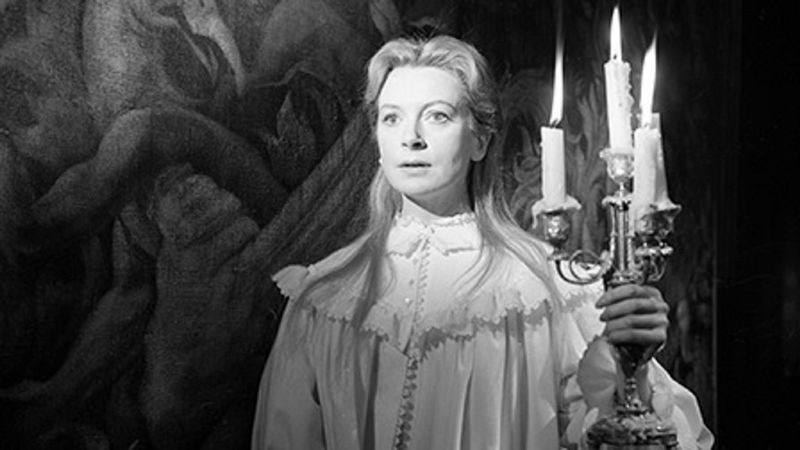
Miss Giddens arrives at a remote estate to care for two orphaned children, but strange occurrences make her suspect supernatural forces are at work.
Jack Clayton’s gothic horror relies on suggestion rather than revelation, using shadows, whispers, and moral tension to build creeping uncertainty.
The black-and-white cinematography creates an atmosphere so thick with dread that every quiet moment feels threatening.
Are the ghosts real, or is the governess losing her sanity?
The film never gives you easy answers, forcing you to question what you’re seeing.
Its power comes from ambiguity and the uncomfortable possibility that innocence itself might be corrupted.
Decades before modern horror, this film understood that what you don’t fully understand is what truly haunts you.
8. Cure (1997)
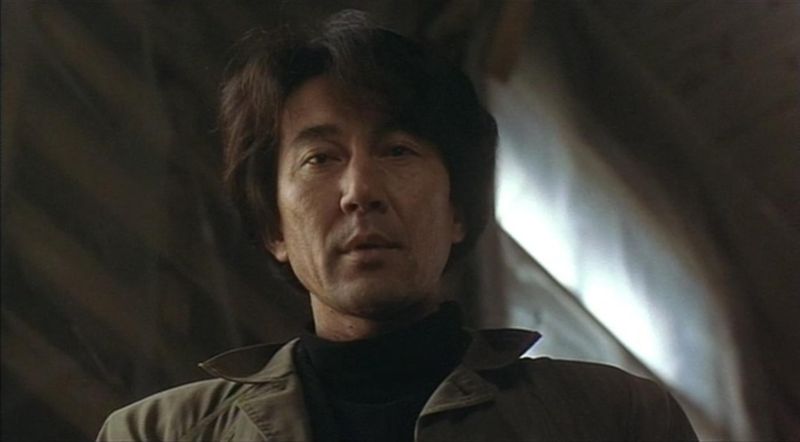
Detective Takabe investigates a series of murders where victims are killed by people close to them who have no memory of their crimes.
Kiyoshi Kurosawa’s minimalist psychological horror quietly unravels your mind with its cold, methodical approach to terror.
The film doesn’t explain everything, leaving vast spaces of silence and ambiguity that fill you with existential dread.
A mysterious drifter seems connected to the killings, but his methods are more disturbing than any weapon—he simply asks questions that unlock something dark in people’s minds.
The horror is philosophical, exploring how fragile identity and morality really are.
Long after watching, you’ll feel the lingering unease of realizing how easily the human psyche can be manipulated and destroyed by the right words spoken at the right moment.
9. Sea Fever (2020)
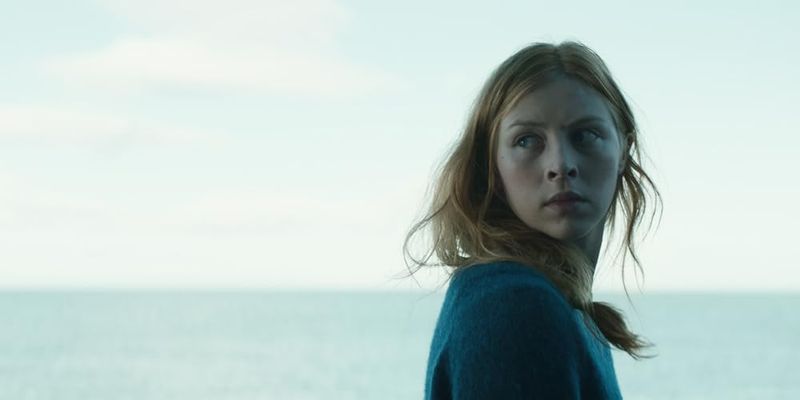
Marine biology student Siobhan joins a fishing crew and discovers a strange parasitic creature attached to their boat, forcing them into quarantine at sea.
Neasa Hardiman’s maritime horror relies on claustrophobic tension, isolation, and creeping biological threat rather than jump scares.
The confined setting of the fishing vessel intensifies every decision as the crew realizes they might be infected with something unknown and deadly.
What starts as a scientific mystery becomes a survival nightmare where trust breaks down and paranoia spreads faster than the organism itself.
The film taps into primal fears of contamination, being trapped far from help, and the ocean’s vast indifference to human life.
Its measured pace and realistic approach make the horror feel disturbingly plausible, like a nightmare that could actually happen in our world’s unexplored waters.
10. The Haunting (1963)
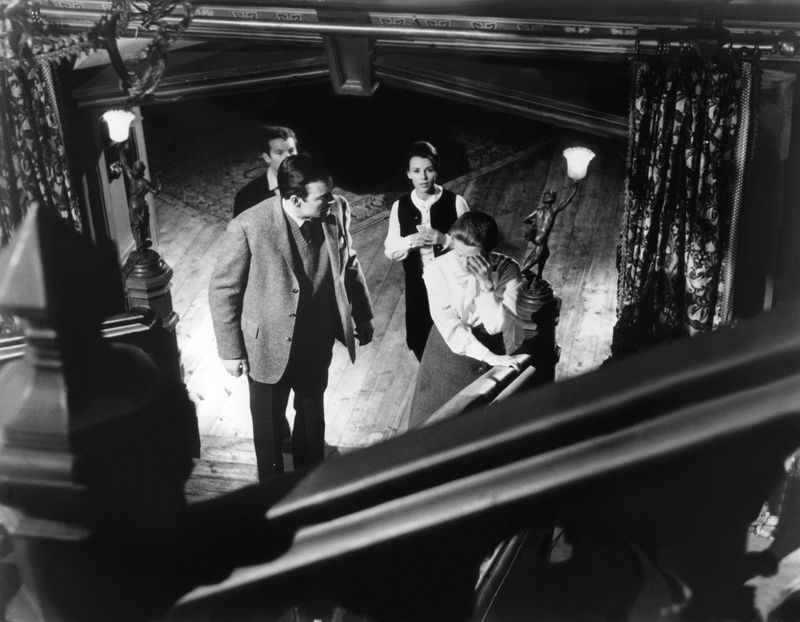
Dr. Markway invites strangers to spend time in the notorious Hill House to investigate paranormal activity, but the house seems to have plans of its own.
Robert Wise directs a masterclass in mood-driven horror, using sound design and psychological pressure to make the building feel alive and malicious.
Creaking doors, pounding walls, and whispered voices create terror without showing a single ghost.
Eleanor, a fragile woman seeking belonging, becomes the house’s primary target as it preys on her loneliness and vulnerability.
The film proves you don’t need special effects when you have brilliant cinematography and atmosphere.
Hill House itself becomes the villain—an entity that isolates, manipulates, and ultimately consumes those who enter, demonstrating that architecture can be as terrifying as any monster.
Comments
Loading…