
 Jade Reed
10 Gritty ’70s Films That Changed Hollywood Forever
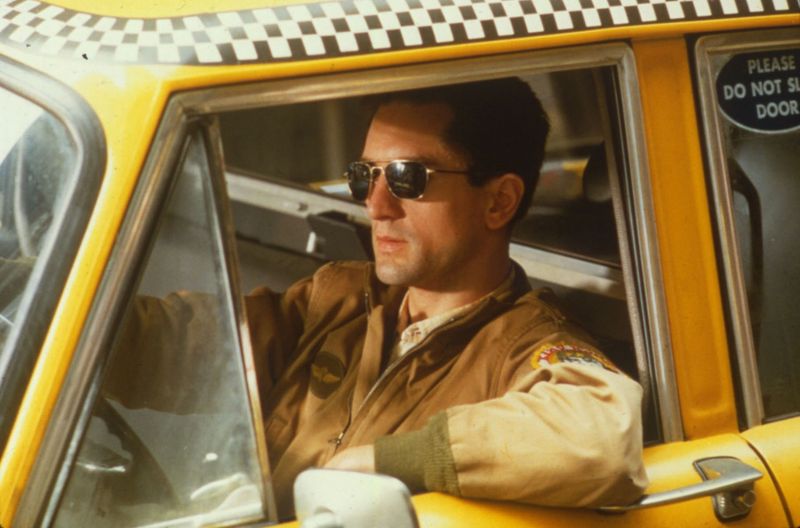
The 1970s marked a turning point for American cinema.
Filmmakers started telling darker, more realistic stories that challenged what audiences expected from movies.
From crime dramas to psychological thrillers, these films pushed boundaries and created new ways of making movies that still influence filmmakers today.
1. One Flew Over the Cuckoo’s Nest (1975)
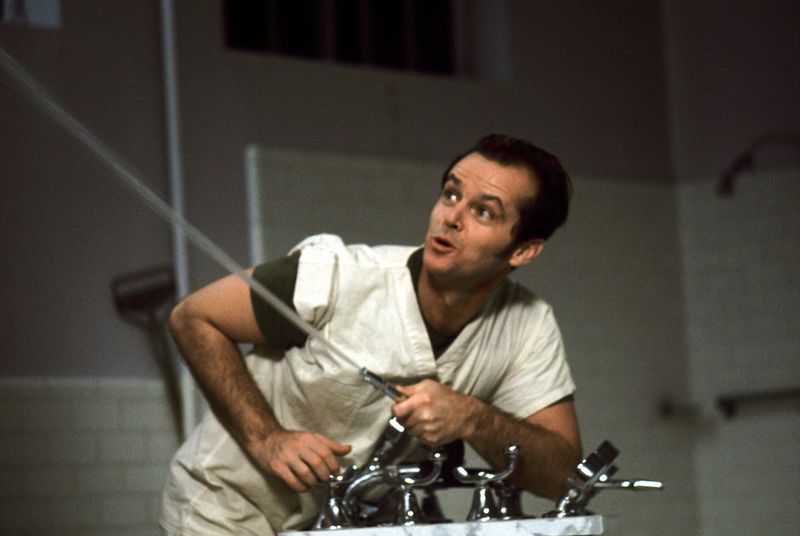
Randle McMurphy’s rebellion against Nurse Ratched became a cultural phenomenon.
Jack Nicholson delivered an Oscar-winning performance as a free spirit crushed by institutional control.
Director Milos Forman shot inside an actual mental hospital, adding authenticity that made the story even more powerful.
The film asked difficult questions about freedom, conformity, and who gets to decide what’s normal.
Its massive commercial success surprised Hollywood executives who thought intimate character dramas couldn’t compete with blockbusters.
This film demonstrated that audiences craved meaningful stories about real human struggles, proving that smaller-scale productions challenging authority could become cultural touchstones and financial triumphs simultaneously.
2. The French Connection (1971)
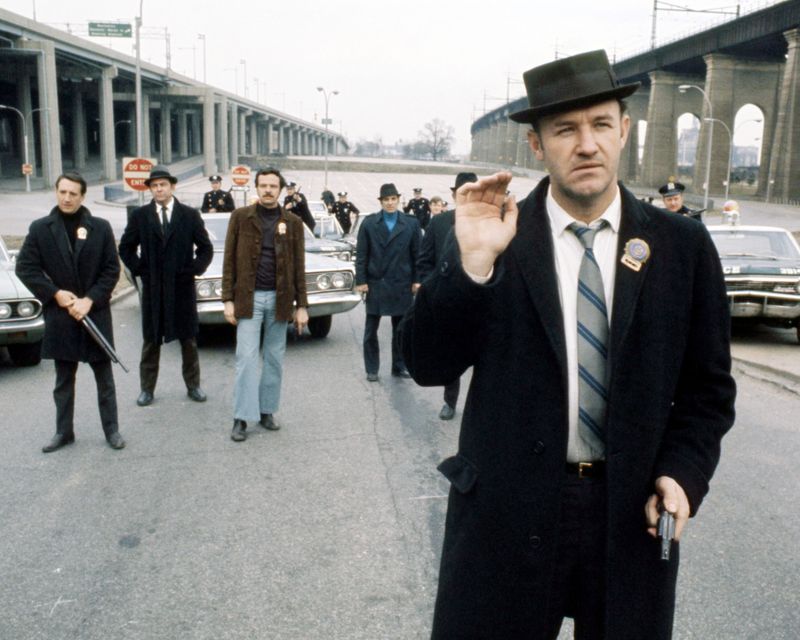
What made this film revolutionary was how it looked and felt—director William Friedkin used handheld cameras that made viewers feel like they were right there on the streets.
Gene Hackman’s Detective Popeye Doyle wasn’t your typical movie cop.
He was rough, obsessive, and willing to bend rules to catch drug smugglers.
The famous car chase under the elevated train tracks set a new standard for action sequences.
Hollywood noticed that audiences loved this documentary-style approach to storytelling.
Police weren’t portrayed as perfect heroes anymore; they were complicated people doing difficult jobs in messy situations, forever changing how action thrillers were filmed.
3. The Godfather (1972)
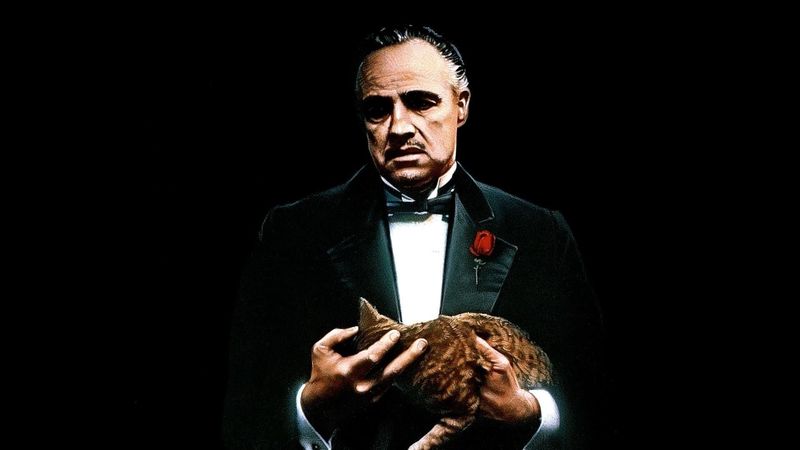
Francis Ford Coppola transformed organized crime stories into high art.
The Corleone family saga proved that violent, morally gray narratives could win Oscars and break box office records simultaneously.
Before this masterpiece, gangster films were often dismissed as cheap entertainment.
Coppola brought Shakespearean depth to the mafia world, exploring family loyalty, power, and corruption with stunning cinematography and unforgettable performances.
Studios learned an important lesson: audiences were hungry for sophisticated stories about complicated people, even criminals.
This film opened the floodgates for prestige crime cinema, showing that serious artistic ambition and commercial success could walk hand in hand through Hollywood’s golden doors.
4. Mean Streets (1973)
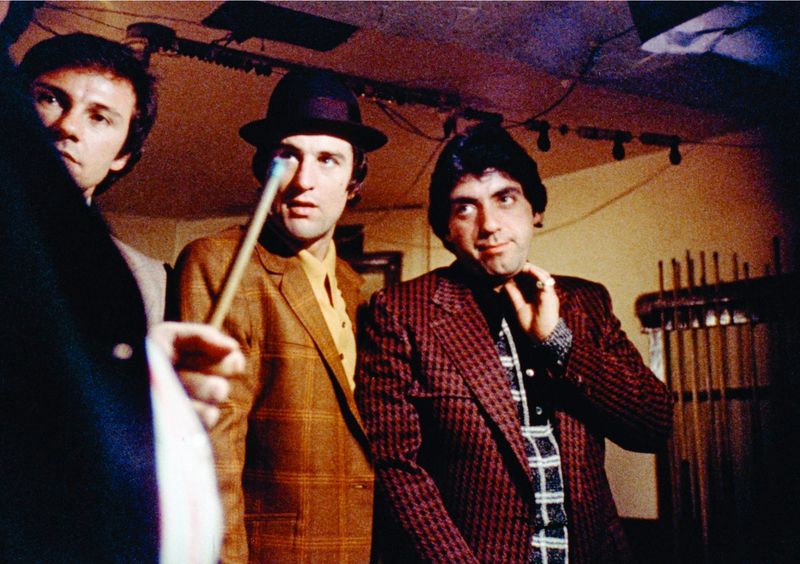
Scorsese returned to his Italian-American roots in Little Italy, creating something deeply personal and authentic.
Charlie and Johnny Boy weren’t glamorous gangsters—they were small-time hustlers trying to survive in their neighborhood.
The director encouraged actors to improvise, making dialogue feel spontaneous and real.
Handheld cameras moved through bars and streets like another character in the story.
This approach was revolutionary because it prioritized psychological truth over Hollywood polish.
Studios had always controlled how stories were told, but Scorsese proved that autobiographical, street-level filmmaking could resonate powerfully with audiences, paving the way for personal crime dramas that felt lived-in rather than manufactured.
5. Chinatown (1974)
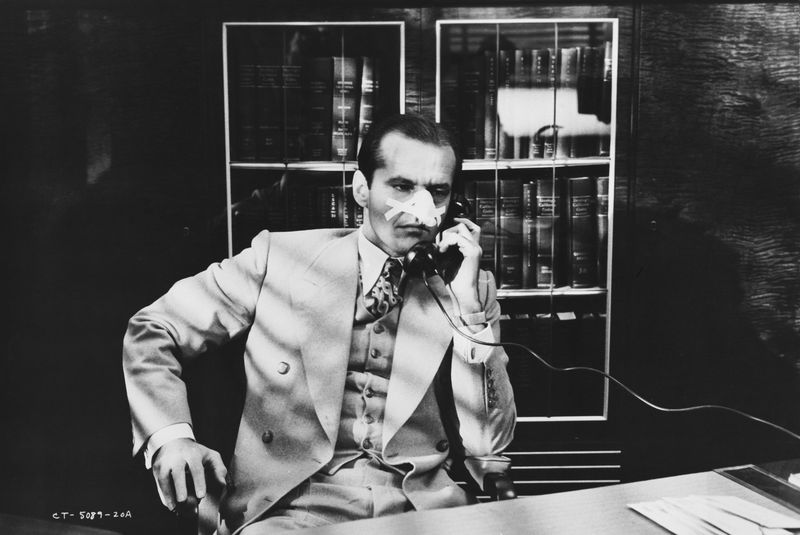
This film’s ending refused to offer comfort or justice—evil won, and good people suffered.
Roman Polanski brought film noir into modern consciousness with a mystery so dark and twisted that it shocked audiences.
Jack Nicholson’s private eye Jake Gittes uncovered corruption that went deeper than anyone imagined.
This cynical worldview was bold for mainstream Hollywood.
Chinatown proved that audiences were mature enough to handle bleak, unresolved narratives without neat happy endings.
Studios realized that complexity and moral ambiguity could attract sophisticated viewers, permanently changing expectations about how stories should conclude and what heroes could realistically achieve against powerful, corrupt systems.
6. Taxi Driver (1976)
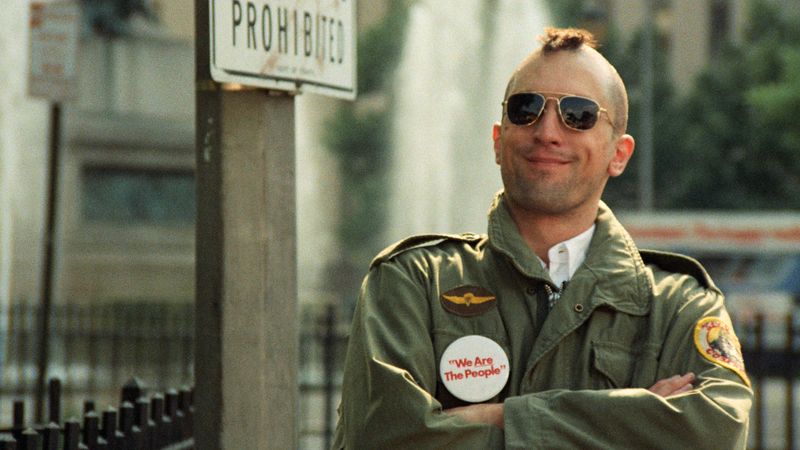
Travis Bickle became one of cinema’s most unforgettable characters when Robert De Niro brought this disturbed Vietnam veteran to life.
Director Martin Scorsese painted New York City as a nightmarish landscape where loneliness and violence collide.
The film didn’t shy away from showing mental illness and urban decay in raw, uncomfortable ways.
Its influence reached far beyond the 1970s, inspiring countless filmmakers to create complex antiheroes.
Before this movie, heroes were mostly good guys who saved the day.
Travis changed everything by showing audiences that protagonists could be deeply flawed and even dangerous, opening doors for morally complicated characters in crime dramas for decades to come.
7. Shaft (1971)
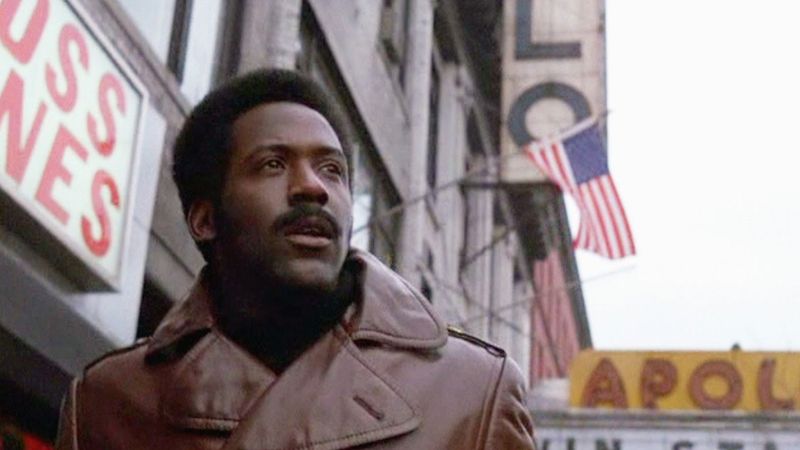
John Shaft walked onto screens as a game-changer.
Richard Roundtree played a Black private detective who was smart, tough, and unapologetically cool.
Hollywood had rarely centered Black heroes in mainstream action films before this breakthrough.
Shaft wasn’t a sidekick or a stereotype—he was the star, and audiences of all backgrounds showed up to watch.
The film’s success forced studios to reconsider their assumptions about representation and who could carry a major motion picture.
It launched the blaxploitation era and proved that diverse storytelling could attract huge audiences, permanently reshaping Hollywood’s approach to casting, urban narratives, and recognizing the commercial power of underrepresented communities.
8. Dog Day Afternoon (1975)
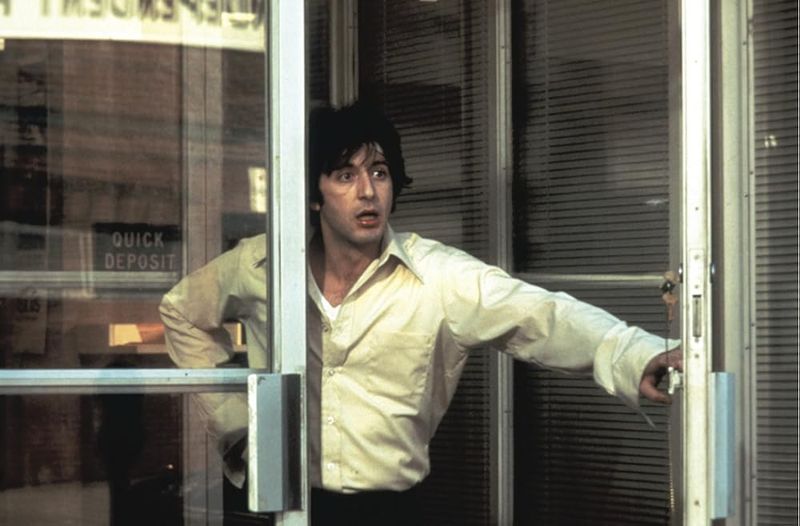
Based on a true story, this film turned a botched bank robbery into something much deeper.
Al Pacino’s Sonny desperately needed money for his partner’s gender reassignment surgery—a plot point that was groundbreaking for its time.
Director Sidney Lumet captured the circus atmosphere as media and crowds gathered outside the bank.
The film balanced tension with dark humor and genuine humanity.
What made it revolutionary was how it blended spectacle with social commentary about sexuality, economic desperation, and media sensationalism.
Future filmmakers learned they could tackle serious political issues within entertaining genre frameworks, proving that true-crime stories could explore vulnerable human experiences beyond simple good-versus-evil narratives.
9. Assault on Precinct 13 (1976)
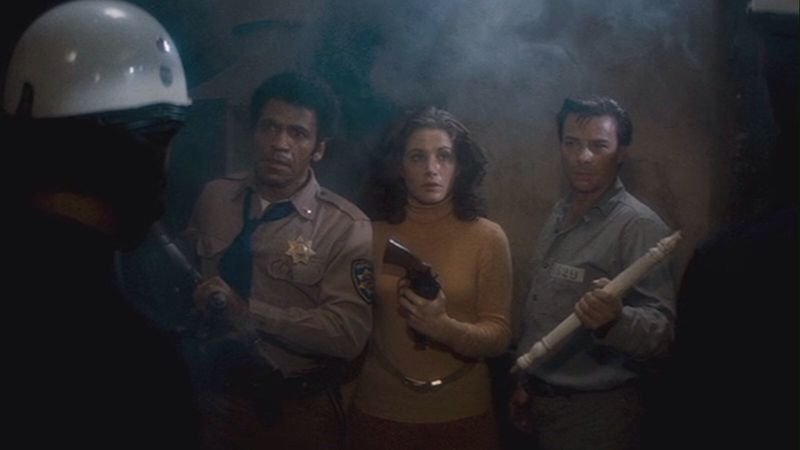
John Carpenter made this intense thriller on a shoestring budget, proving you didn’t need millions to create compelling cinema.
A nearly abandoned police station becomes a fortress under siege by a relentless street gang.
Carpenter composed the electronic music himself and used unknown actors, keeping costs incredibly low.
The stripped-down approach actually enhanced the tension.
Hollywood took notice when this low-budget film achieved cult status and mainstream recognition.
It demonstrated that independent filmmakers with vision and determination could compete with major studios, inspiring generations of genre filmmakers to pursue their creative visions regardless of financial limitations and forever changing the landscape of independent cinema.
10. Apocalypse Now (1979)
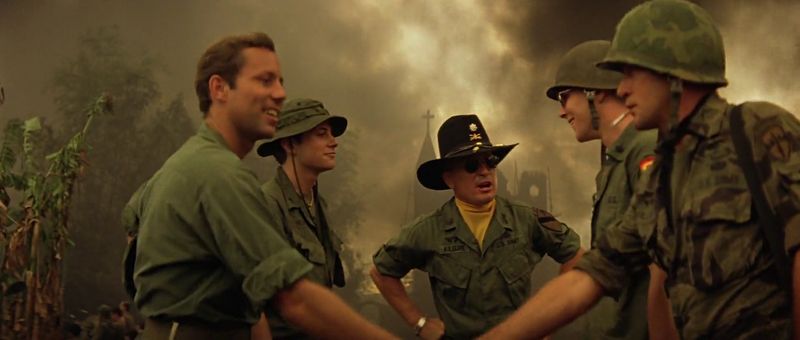
Francis Ford Coppola nearly lost his mind making this epic journey into darkness.
Captain Willard’s mission to assassinate a rogue colonel became a hallucinatory exploration of war’s psychological toll.
The production was legendary—typhoons destroyed sets, lead actor Martin Sheen suffered a heart attack, and Marlon Brando showed up overweight and unprepared.
Somehow, chaos created brilliance.
This film pushed every boundary: scale, budget, psychological depth, and directorial ambition.
It proved that war movies could be art films, that auteurs could create massive spectacles with personal visions intact, permanently altering how Hollywood approached ambitious filmmaking and demonstrating that audiences would embrace challenging, experimental narratives within blockbuster frameworks.
Comments
Loading…