
 Chloe Peterson
10 Forgotten Female Voices Who Defined Early Country Music
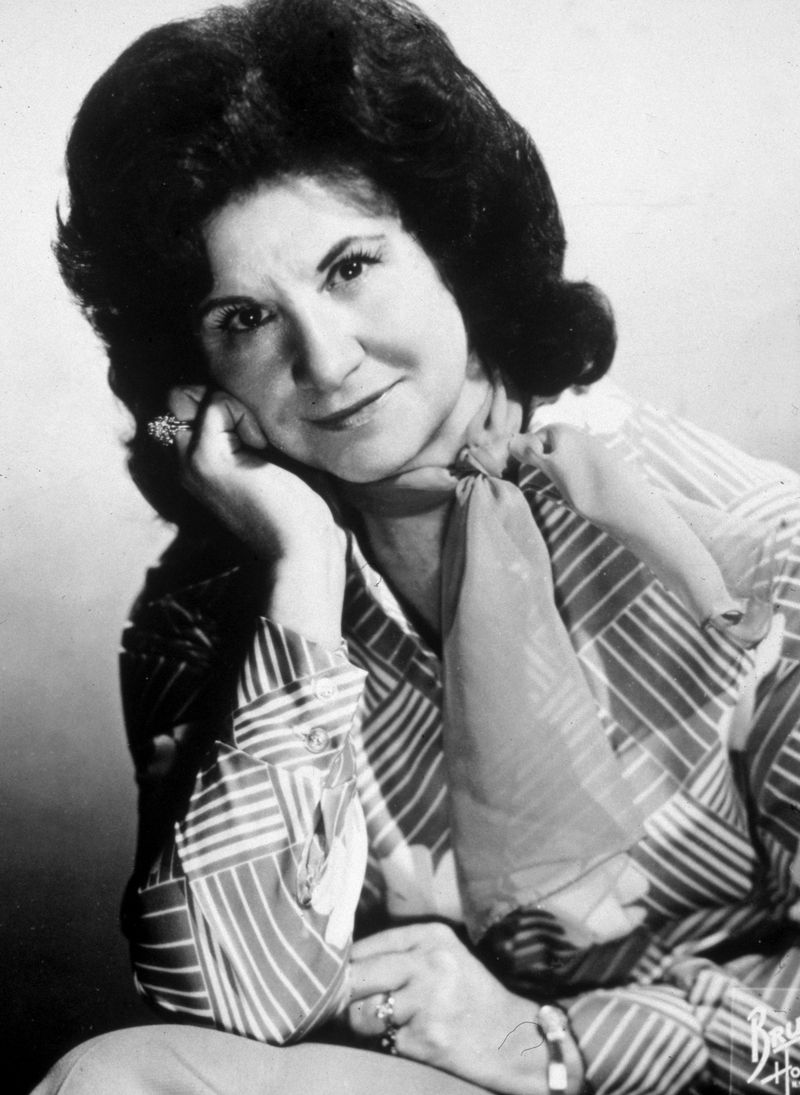
Long before country music filled arenas and topped charts, a group of remarkable women helped shape its very soul.
These pioneering artists sang about real life, love, loss, and faith at a time when the music world was largely run by men.
Their voices carried stories that connected deeply with everyday people across America.
Many of their names have faded from the spotlight, but their influence never truly disappeared.
1. Sara and Maybelle Carter
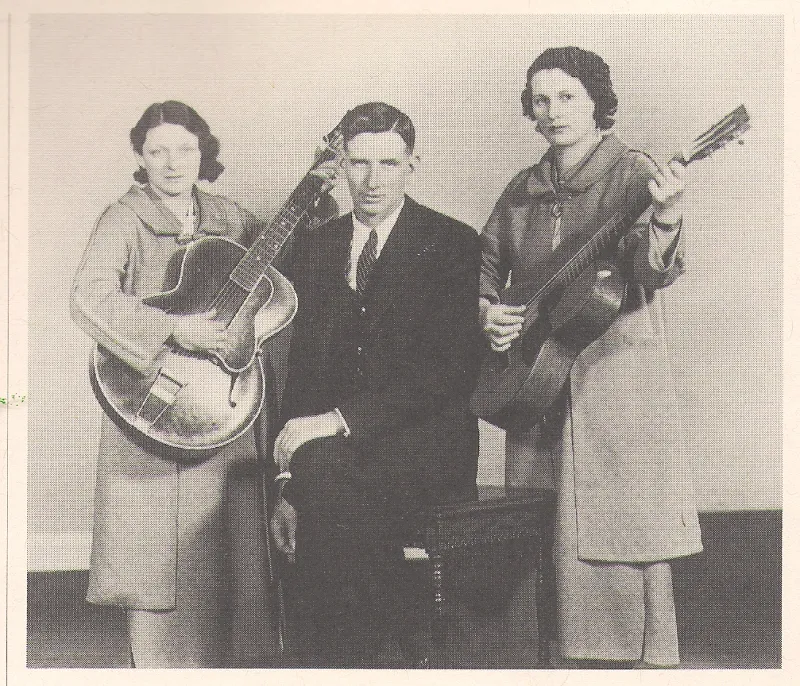
There is something achingly honest about Sara Carter’s voice that few singers have ever matched, carrying real hardship in every note.
Her raw, unpolished tone and autoharp playing gave the Carter Family a haunting depth, bringing songs like “Wildwood Flower” vividly to life.
She wasn’t performing emotion but living it through storytelling that still feels strikingly real today.
Alongside her, Maybelle Carter reshaped music itself with her revolutionary “Carter Scratch” guitar technique, blending melody and rhythm seamlessly.
Her warm vocals grounded the group’s harmonies with steady grace.
Together, they became the foundation of country music’s enduring sound.
2. Patsy Montana
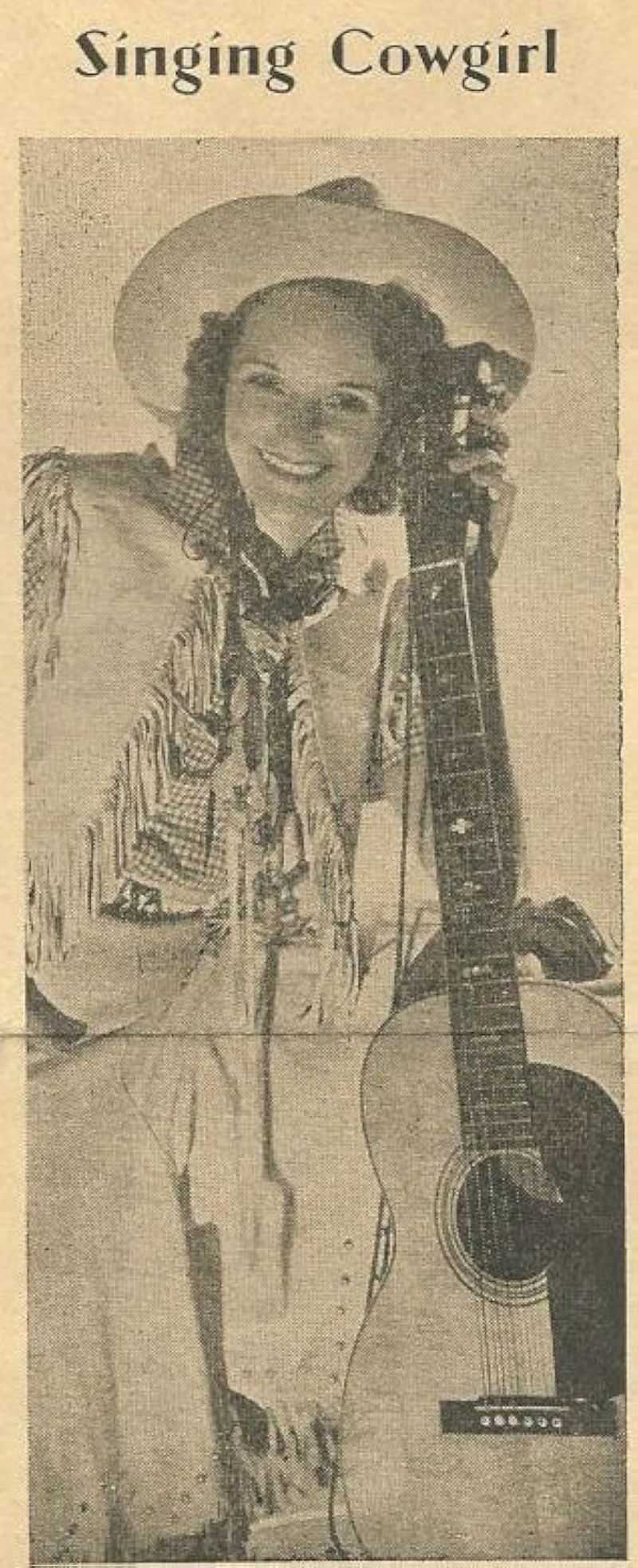
Before Dolly Parton or Reba McEntire, there was Patsy Montana riding the range with a yodel and a dream.
In 1935, her recording of “I Want to Be a Cowboy’s Sweetheart” became the first country song by a female artist to sell one million copies.
That milestone cracked open a door that had been firmly shut to women in the genre.
Her cowgirl persona was bold, playful, and completely her own.
Patsy performed with a contagious energy that made audiences feel like they were part of the adventure.
She proved that women could headline and sell records just as powerfully as any man.
3. Kitty Wells
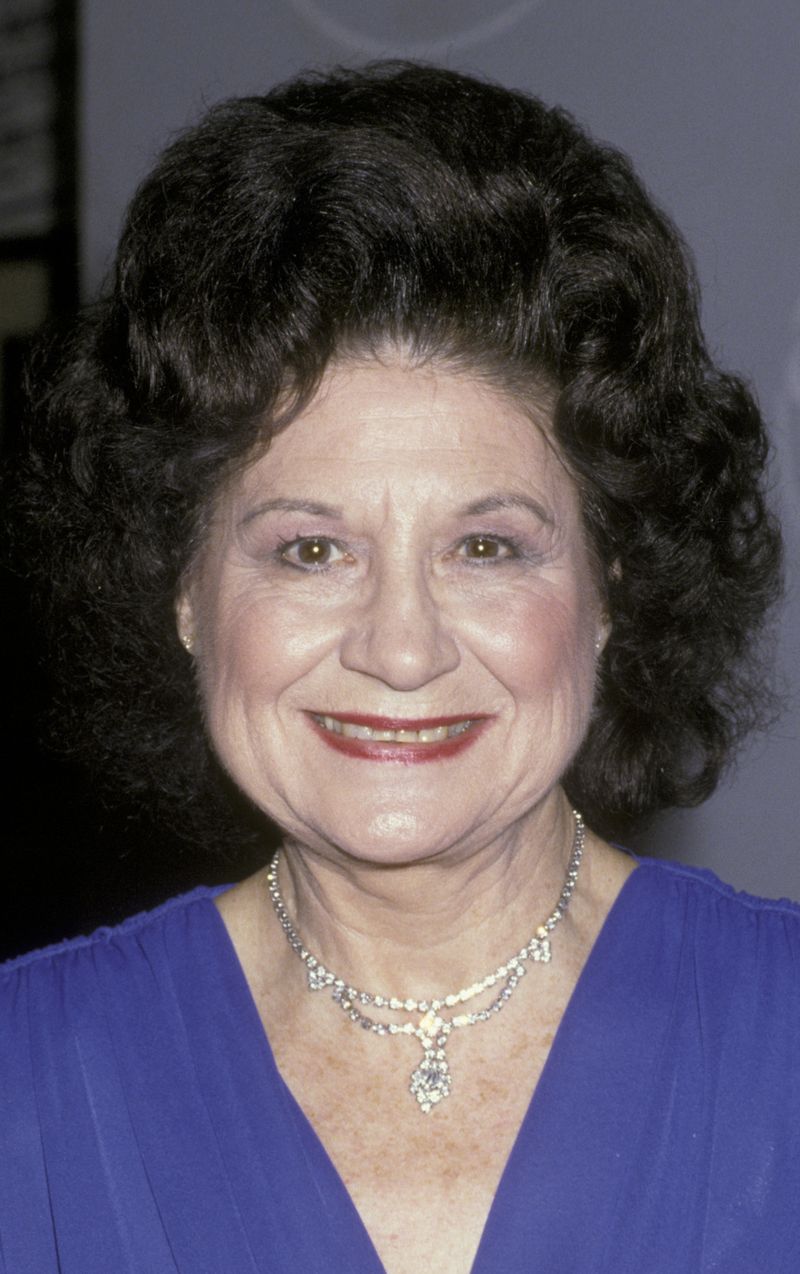
When Kitty Wells recorded “It Wasn’t God Who Made Honky Tonk Angels” in 1952, country music had never heard a woman speak so plainly about double standards.
The song was a direct response to a popular male hit, and radio stations actually tried to ban it.
Listeners loved it anyway, pushing it straight to number one.
She earned the title “Queen of Country Music” not through flashy showmanship but through quiet, unwavering strength.
Her traditional sound and dignified stage presence gave women a respected place in a genre that often sidelined them.
Kitty Wells opened a floodgate that could never be closed again.
4. Rose Maddox
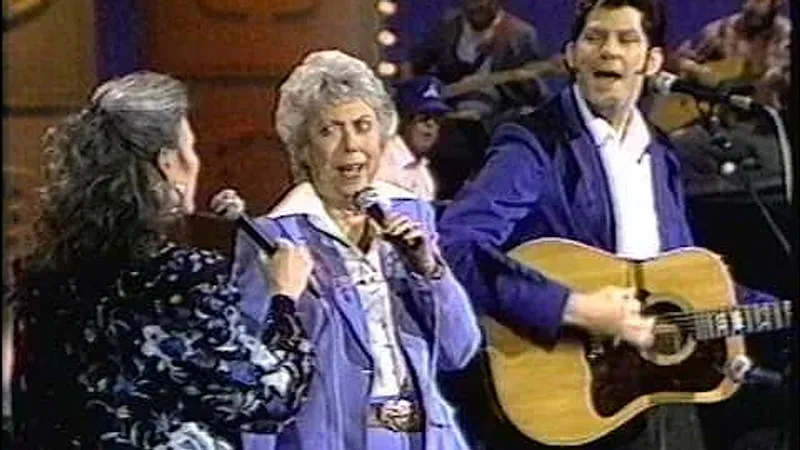
Rose Maddox did not tiptoe onto the country stage.
She stomped onto it.
Growing up in a migrant farming family during the Great Depression, Rose channeled every ounce of that tough upbringing into a voice that was loud, joyful, and completely fearless.
By the late 1940s, she and her brothers were one of the hottest acts on the West Coast.
Her style blended honky-tonk grit with early rockabilly swagger before that genre even had a name.
Rose brought a rebellious spark to country music at a time when women were expected to be polished and proper.
She was neither, and audiences absolutely loved her for it.
5. Molly O’Day
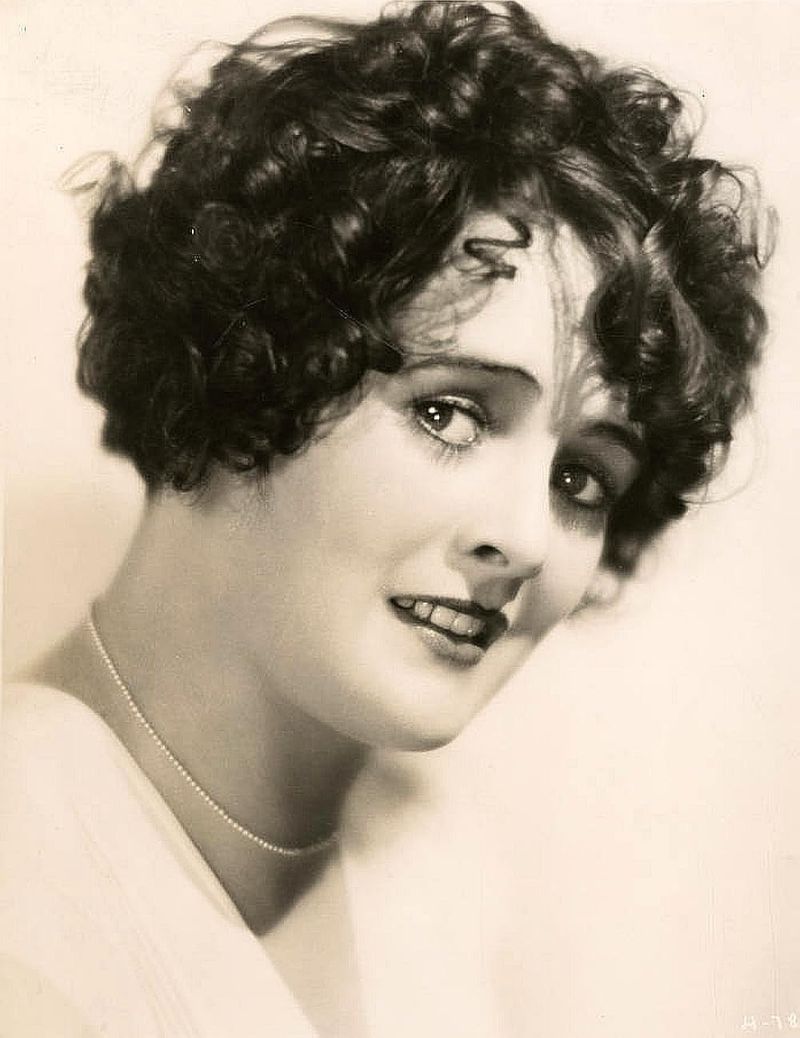
Some voices carry more than music.
They carry the weight of the human soul.
Molly O’Day had exactly that kind of voice, a rich, gospel-drenched sound that stopped people mid-step when it came through the radio.
Hank Williams himself reportedly said she was the greatest country singer he had ever heard.
Her songs wrestled honestly with faith, loss, and the struggle to keep going when life felt impossible.
Molly eventually left the music industry to become a minister, which tells you everything about how deeply her beliefs ran.
Her recordings remain some of the most emotionally powerful artifacts from early country music’s golden age.
6. Skeeter Davis
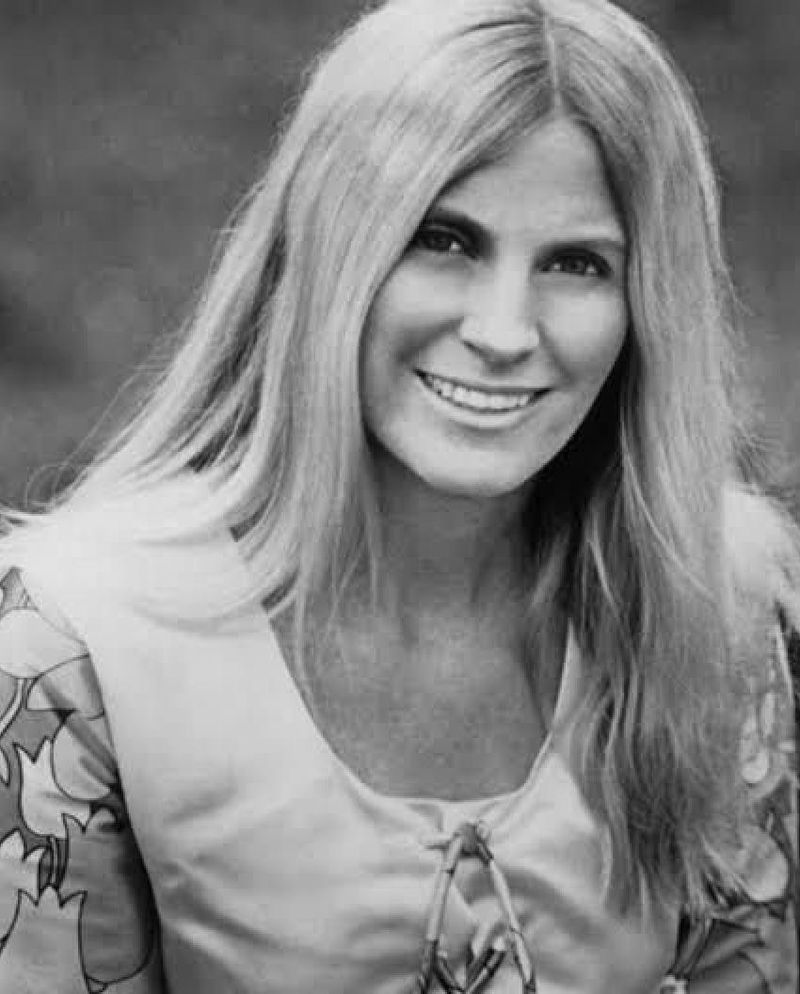
“The End of the World” hit radio in 1962 and made millions of people pull over their cars just to listen.
Skeeter Davis had a voice so smooth and tender it felt like a warm hand on your shoulder during the hardest moments.
The song crossed from country charts into pop territory, introducing her to audiences far beyond Nashville.
She had a rare ability to make a sad song feel comforting rather than crushing.
Skeeter blended the twang of traditional country with a softer, pop-leaning warmth that felt ahead of its time.
Her career helped prove that country music could speak to everyone, not just rural communities.
7. Jean Shepard
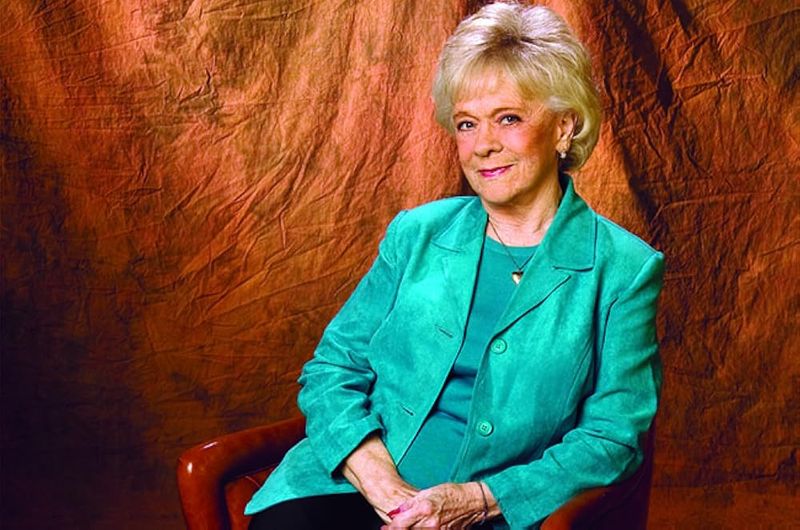
At just nineteen years old, Jean Shepard walked into a recording studio and cut a song about a cheating husband with the kind of confidence most artists spend decades trying to find.
“A Dear John Letter” shot to number one in 1953, making her one of the youngest female artists to top the country charts.
Jean never softened her edges to please anyone.
She was sharp, witty, and fiercely independent at a time when those qualities were not always welcomed from women in Nashville.
Her long career as a Grand Ole Opry member helped shift the industry’s view of what a female country artist could say and be.
8. Wanda Jackson
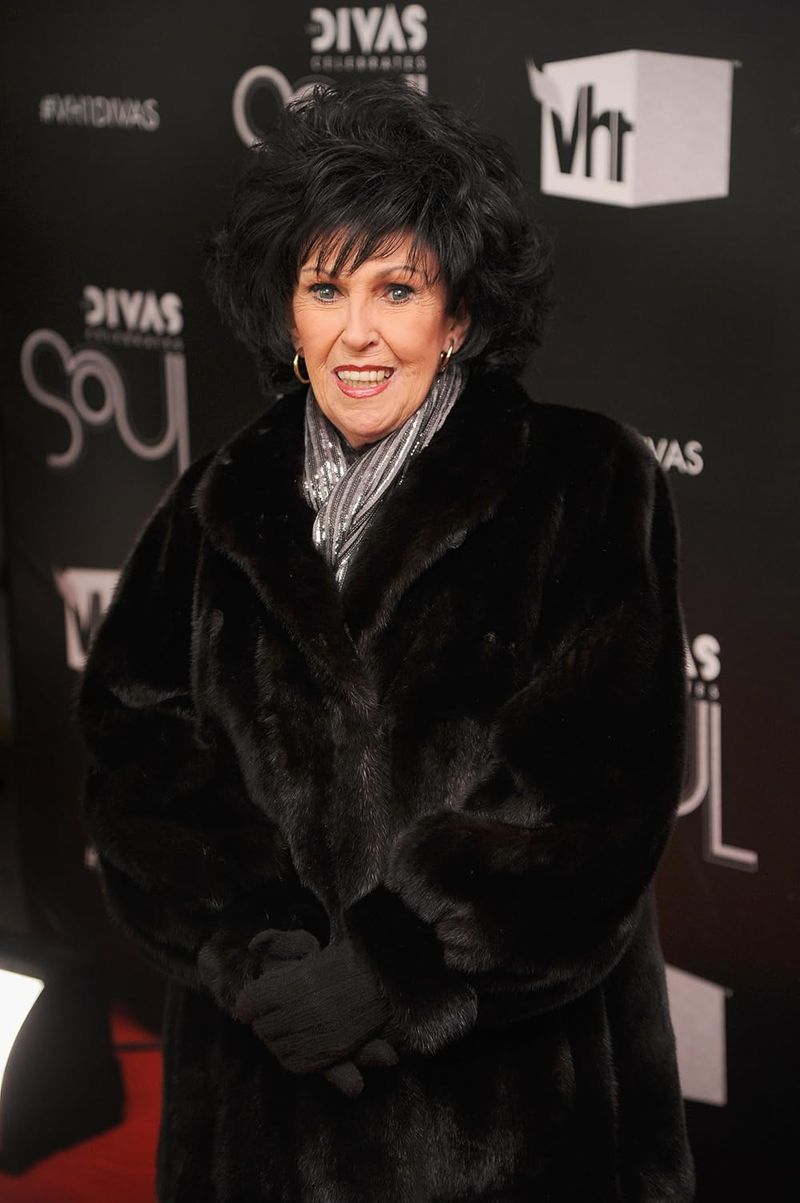
Nobody sounds quite like Wanda Jackson.
Her voice could swing from a sweet country croon to a full-throated rockabilly growl within the same verse, and she made it all look effortless.
Nicknamed the “Queen of Rockabilly,” she toured with Elvis Presley as a teenager and held her own on every stage they shared.
Wanda brought an attitude and raw energy to country music that shook things up in the best possible way.
She wore fringe, she snarled into the microphone, and she dared audiences to keep up.
Her influence on both country and rock history is enormous, even if her name does not always get the credit it deserves.
9. Janis Martin
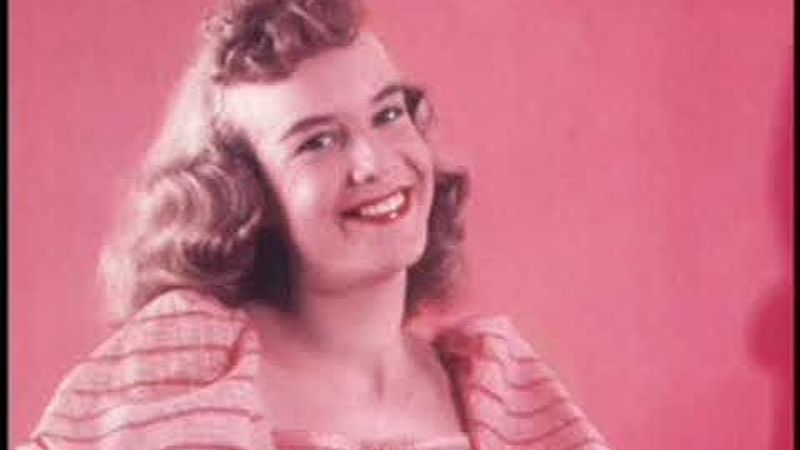
Imagine being sixteen years old and already signed to RCA Victor, recording alongside some of the biggest names in early rock and country.
That was Janis Martin’s reality in 1956.
The press immediately dubbed her the “Female Elvis,” and while that label barely scratched the surface of her talent, it captured just how electric she was to watch.
Her recordings crackled with youthful energy and a playful swagger that connected with young audiences hungry for something new.
Janis helped bridge the gap between traditional country roots and the wild new world of rock and roll.
Sadly, her career was cut short early, leaving behind a small but thrilling catalog worth rediscovering.
10. Goldie Hill
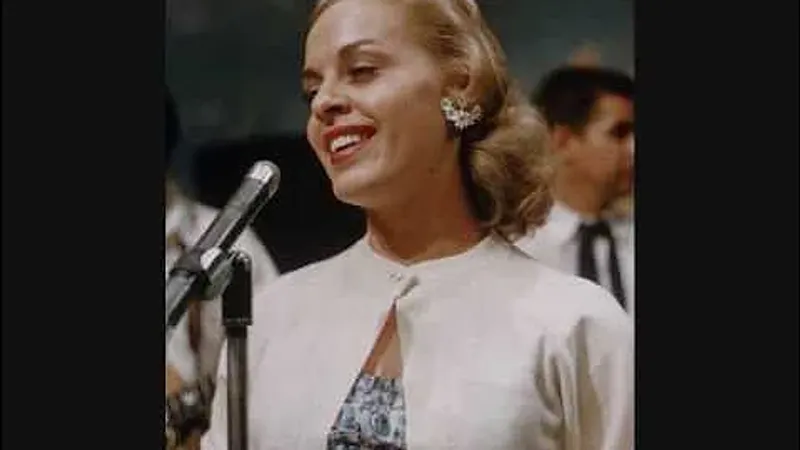
Before Patsy Cline became a household name, Goldie Hill was already proving that a woman could own the country charts.
Her 1952 hit “I Let the Stars Get in My Eyes” shot straight to number one, making her one of the very first female solo artists to reach the top spot in the genre.
That was no small thing in an era when record labels rarely took chances on women.
Her voice carried a smooth, polished warmth that felt both classic and fresh at the same time.
Hill helped bridge old-school honky-tonk with the cleaner Nashville sound that was just beginning to take shape.
She quietly opened doors that entire generations of female artists would later walk through.
Comments
Loading…