
 Mary Murphy
10 Famous Movies You Would Never Guess Were Based on True Events (With the Real Stories Explained)

Some movies feel too perfectly plotted to be anything but fiction, which is exactly why it’s so fun to learn where the ideas really came from.
Sometimes “based on a true story” means a faithful retelling of real people and documented events, and other times it means the filmmakers borrowed a single headline, a memoir, or even a strange historical footnote and built an entirely new story around it.
Either way, the real-life roots tend to make the viewing experience hit harder, because you start noticing the little details that feel oddly specific, or the moments that seem too unbelievable to be invented.
If you love movie trivia, surprising history, or stories that blur the line between fact and imagination, these films will give you a new reason to rewatch, and maybe even to Google what really happened afterward.
1. Fargo (1996)

Few films have launched as many arguments as this one, because the opening insists you’re about to see a true story, and then proceeds to feel both grounded and surreal at the same time.
That “true story” framing is widely understood as a storytelling choice rather than a literal claim, since the plot isn’t a one-to-one recreation of a single case.
Instead, the Coen brothers drew on the atmosphere of real Midwestern crime, along with bits and pieces of crimes that had circulated in the news and local lore, and they wrapped that realism in their own darkly funny, very specific style.
The result is a movie that feels authentic in texture—snowy roads, small-town manners, casual cruelty—even when the exact events are fictionalized.
Once you know that, the film becomes less of a mystery to “solve” and more of a masterclass in how reality inspires tone.
2. The Sound of Music (1965)
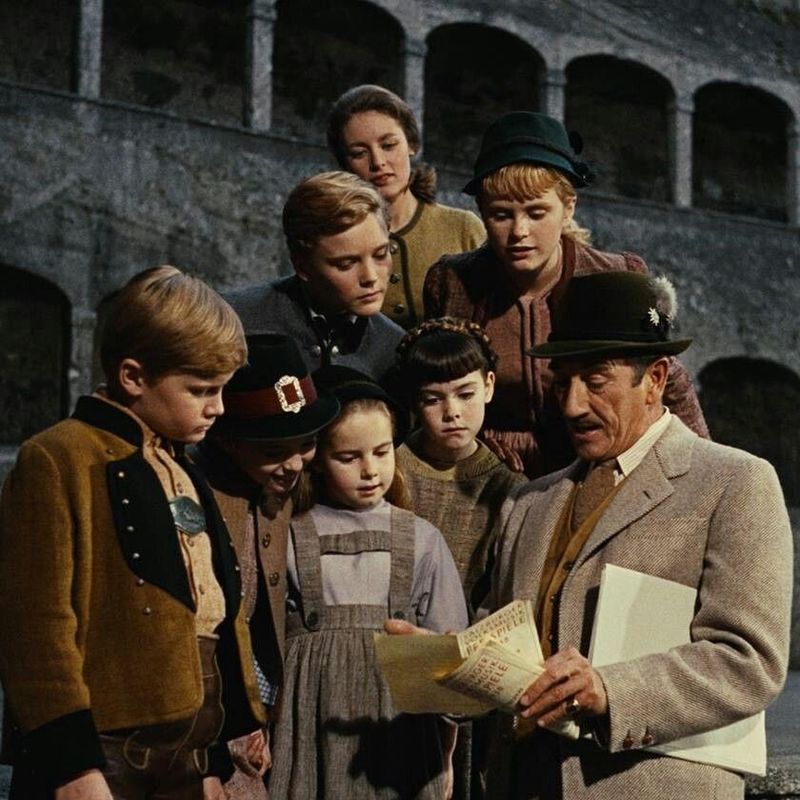
Before the sing-alongs and the perfectly timed mountain views, there was a real woman whose life took an unexpected turn when she became a governess to a widower’s children in Austria.
The story is inspired by Maria von Trapp’s memoir, which means the emotional foundation—family bonds forming slowly, music acting as a kind of glue, and the pressure of living in a country being swallowed by Nazi power—comes from lived experience, not pure Hollywood invention.
The film softens and streamlines certain details for a sweeping feel, yet the central truth remains: the von Trapps were a real family, and their decision to leave Austria was tied to the political danger of the time.
Knowing that adds weight to the “escape” element, because it’s not simply a dramatic third act; it’s a reminder that history has deadlines.
3. The Texas Chain Saw Massacre (1974)

Horror doesn’t need an exact blueprint to feel terrifying, and this classic proves it by taking a real-world unease and turning it into something nightmarish.
The movie is often connected to Ed Gein, a murderer and grave robber whose crimes shocked the country and influenced several famous horror creations across film history.
That said, the film isn’t a literal retelling of Gein’s life, and the chainsaw-wielding killer isn’t a documentary version of any single person.
What it borrows is the unsettling idea that ordinary places can hide unimaginable behavior, and that a community can look perfectly normal until it suddenly isn’t.
That “it could happen anywhere” vibe is what makes the story linger, because the movie feels like a warped echo of something society has seen before.
Once you know the inspiration, the scariest part isn’t the weapon; it’s the sense that the monsters aren’t always fictional.
4. The Girl Next Door (2007)

Some films are difficult to recommend, even when they’re well-made, because the subject matter is so upsetting that it changes your mood long after the credits roll.
This one is inspired by the real Sylvia Likens case, which involved the torture and death of a teenage girl in the 1960s, and the knowledge that it happened in real life is exactly what makes the story so haunting.
The movie is not meant to be “entertainment” in the usual sense, and it doesn’t offer easy catharsis, because the point is to confront how cruelty can be normalized when people look away.
It’s also a reminder that true-crime headlines often involve entire communities, not just one villain, since neglect and silence can become part of the machinery.
If you include it, it helps to frame it carefully, because readers may appreciate a content warning, and they’ll definitely want context.
5. The Terminal (2004)
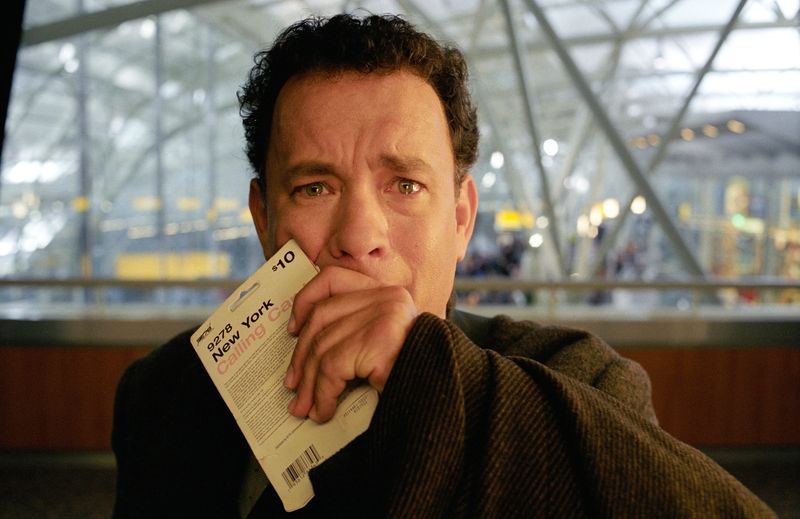
A premise this strange sounds like something a screenwriter would dream up after a long flight, yet it was inspired by the real experiences of Mehran Karimi Nasseri, who lived in an airport for years due to complicated documentation and legal limbo.
The movie turns that idea into a warm, character-driven story, building humor and tenderness out of a situation that is, at its core, stressful and lonely.
While the film takes creative liberties and shifts details for a more upbeat tone, the central concept—being stuck between countries, unable to legally move forward, and forced to build a life in a place designed for passing through—comes from reality.
Knowing the inspiration makes the small moments feel bigger, because the routines, friendships, and improvised comforts aren’t just quirky storytelling; they’re survival strategies.
It also quietly highlights how bureaucracy can become its own kind of cage, even without bars.
6. Fire in the Sky (1993)
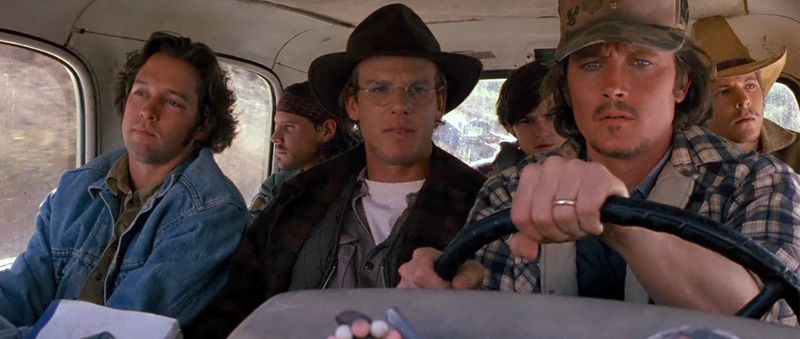
Alien-abduction stories sit in a unique category, because they’re “true” in the sense that someone claims it happened, even when the broader world can’t verify it.
This film is based on Travis Walton’s account of being taken by a UFO after disappearing for several days in 1975, a story that triggered huge media attention, intense skepticism, and years of debate.
The movie leans into the terror of that experience, offering scenes that feel designed to lodge in your brain, whether you view them as literal truth or as cinematic dramatization.
That push-and-pull is exactly why the film fits this list so well, because it’s less about proving anything and more about how one alleged event can ripple through relationships and public perception.
When you watch it knowing the backstory, the tension shifts, since the real “mystery” isn’t the spaceship; it’s what people choose to believe when fear and uncertainty collide.
7. Hidalgo (2004)

Epic desert races and underdog victories have a mythic quality, and this movie thrives in that space, because its inspiration comes from the legendary rider Frank Hopkins and stories surrounding long-distance endurance competitions.
The film presents Hopkins as entering a grueling race across the Arabian desert with his mustang, and it sells the experience as a clash of cultures, egos, and raw stamina.
What makes it especially interesting is that the real-world details are debated, and historians have questioned parts of the story, which actually gives you a juicy angle for readers: Hollywood didn’t just borrow “truth,” it borrowed a legend.
That doesn’t make the movie pointless, because legends often reveal what people want to believe about courage and grit, especially in eras hungry for hero narratives.
If you frame it as “inspired by” rather than “strictly based on,” it becomes a great example of how real life can turn into folklore, and folklore can turn into cinema.
8. The Birdcage (1996)
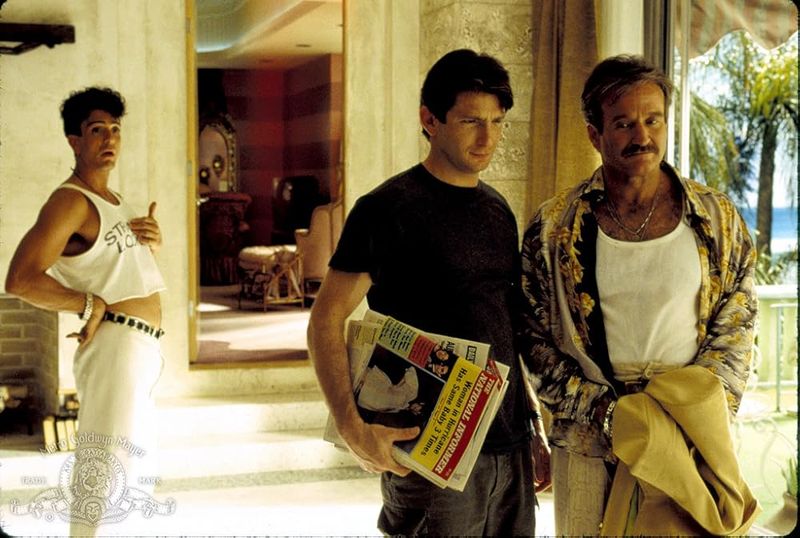
Comedies rarely advertise themselves as true-story adjacent, which is why it surprises many people to learn that this one has roots in real-world social dynamics, and it comes from a creative lineage that began with a French play.
The film is a remake of La Cage aux Folles, and while it isn’t tied to one specific news event, it draws its power from very real pressures: the urge to appear “respectable,” the panic of meeting conservative in-laws, and the exhausting performance people put on when they think acceptance depends on it.
The humor works because the discomfort is recognizable, even when the situations are exaggerated for laughs, and that’s the truth it’s inspired by—everyday reality, sharpened into farce.
Watching it through that lens makes the story feel smarter, because beneath the chaos is a pointed commentary about hypocrisy and image management.
In other words, it’s “true” in the way that social truths often are, since you don’t need a police report to recognize the problem.
9. Pain & Gain (2013)
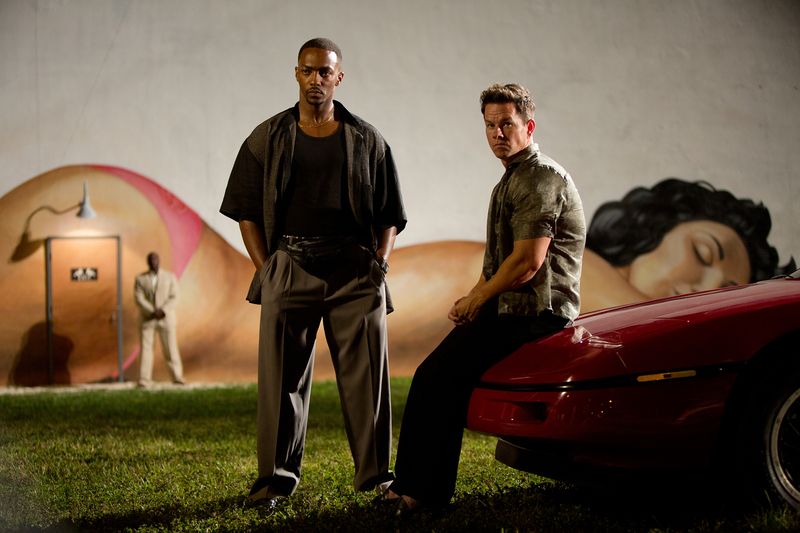
The most unsettling thing about this film is how ridiculous it feels, because the crimes it’s inspired by were genuinely absurd, and yet they still caused real harm.
The story pulls from the infamous “Sun Gym gang” case in Miami, where a group of bodybuilders attempted kidnapping, extortion, and murder while imagining themselves as self-made masterminds.
The movie leans into the delusion and dark comedy, which can be a lot to process, but it also captures a very real cultural obsession: the idea that success is owed to you if you want it badly enough.
That’s what makes the true-event angle so effective, because these weren’t criminal geniuses, they were people drunk on ambition, shortcuts, and shallow motivation slogans.
If you include this in your list, it helps to emphasize that the film is dramatized and stylized, but the core cautionary tale is real—when entitlement meets desperation, the results can spiral quickly, and the “get rich” fantasy turns into a nightmare.
10. The Revenant (2015)
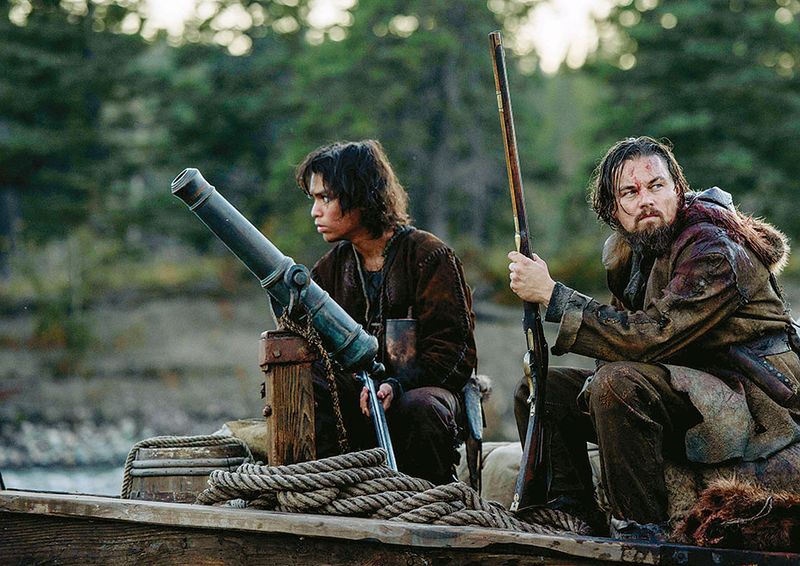
A survival story this brutal feels like it must have been invented to win awards, but the film is inspired by the real frontiersman Hugh Glass, whose ordeal became one of the most famous legends of early American history.
Glass was reportedly mauled by a bear and left behind, and he still managed to crawl and trek for miles in harsh conditions, driven by the stubborn refusal to die and the desire to confront those who abandoned him.
The movie takes that historical skeleton and adds dramatic flourishes, because cinema needs emotional shape, yet the foundational idea—human endurance pushed beyond reason—comes from accounts that have circulated for generations.
Knowing the inspiration changes the way you watch the quieter moments, because the cold, hunger, and exhaustion aren’t just atmosphere; they’re the central antagonists.
It’s also a reminder that long before modern “extreme” hobbies and survival shows, people endured unimaginable conditions simply because that’s what life demanded, and the line between heroism and desperation was often thin.
Comments
Loading…