
 Jade Reed
10 Celebrities Who Ruled the ’70s—and Then Disappeared
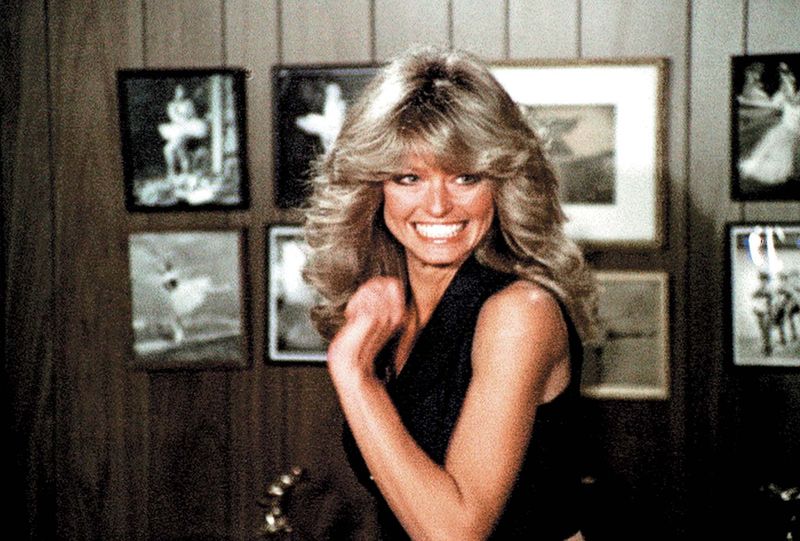
The 1970s was a decade bursting with unforgettable stars—musicians, actors, and daredevils who captured the world’s attention.
Some became household names overnight, their faces plastered on magazine covers and their voices dominating the airwaves.
But fame can be fleeting, and many of these icons quietly stepped away from the spotlight or watched their careers fade as the ’80s rolled in.
Here are 10 celebrities who defined the ’70s, then seemingly vanished from the public eye.
1. Bobby Sherman
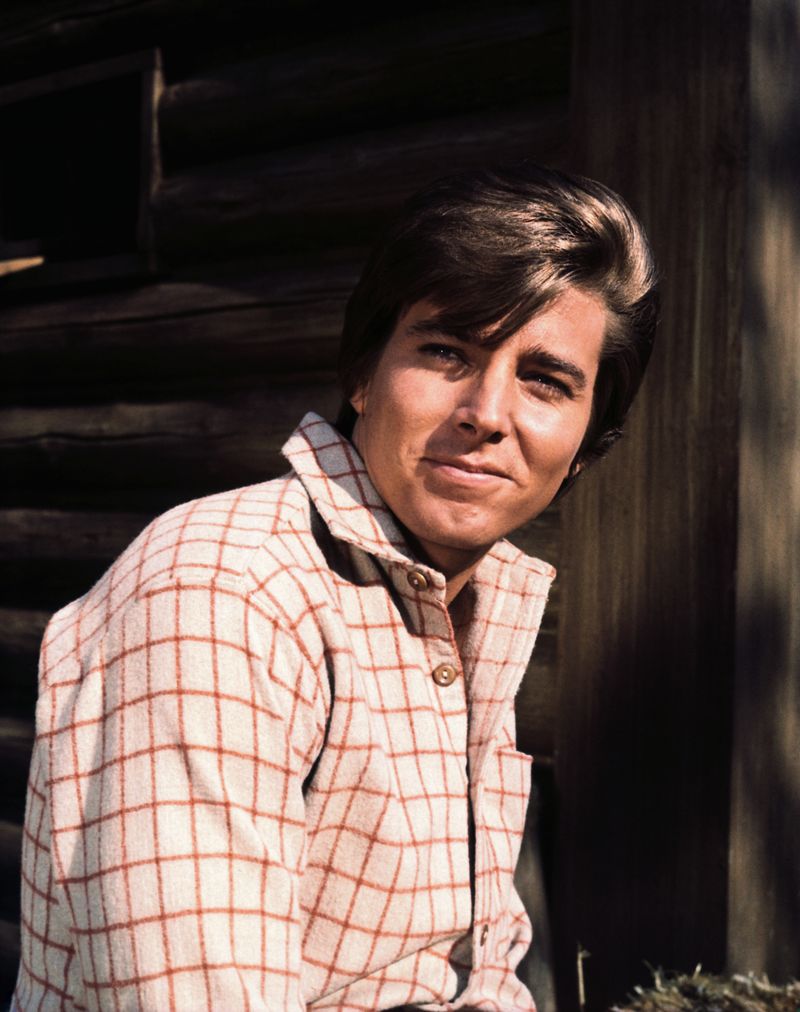
Bobby Sherman was everywhere in the early 1970s.
His boyish charm and catchy pop songs like “Little Woman” and “Julie, Do Ya Love Me” made teenage hearts flutter across America.
Concert halls filled with screaming fans whenever he performed, and his records climbed the Billboard charts with ease.
But at the height of his fame, Sherman made a surprising choice.
He walked away from the music industry to pursue a completely different path—emergency medical services.
He trained as an EMT and later became a reserve deputy sheriff, dedicating himself to helping people in crisis rather than chasing more hit records.
His decision shocked fans, but Sherman never looked back.
He found fulfillment in his new career, trading concert stages for ambulances and patrol cars.
2. Evel Knievel
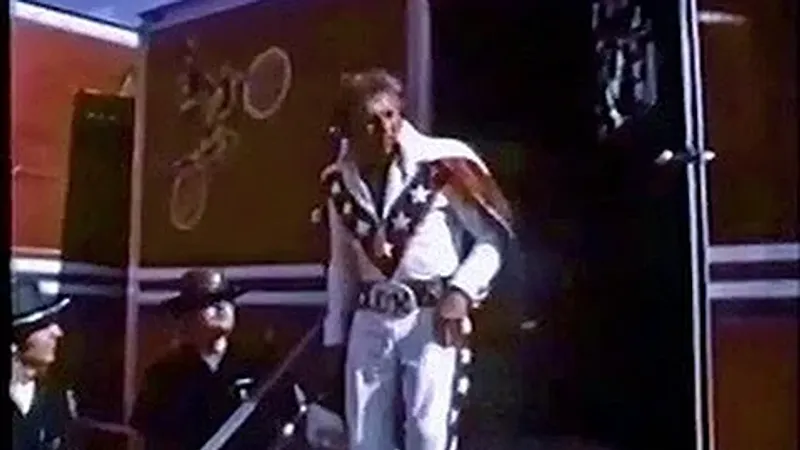
Evel Knievel turned motorcycle jumping into appointment television during the 1970s.
Millions tuned in to watch him attempt death-defying leaps over buses, fountains, and canyons.
His star-spangled jumpsuits and fearless attitude made him a genuine American icon, inspiring toys, movies, and countless imitators.
But gravity and bad luck eventually caught up with him.
Repeated crashes left him with broken bones and mounting injuries.
Legal troubles and changing entertainment tastes dimmed his star further.
By the early 1980s, the era of televised stunt spectacles had passed, taking Knievel’s mainstream fame with it.
He remained a legend in stunt circles, but never again commanded the massive audiences that once watched his every jump.
3. Farrah Fawcett
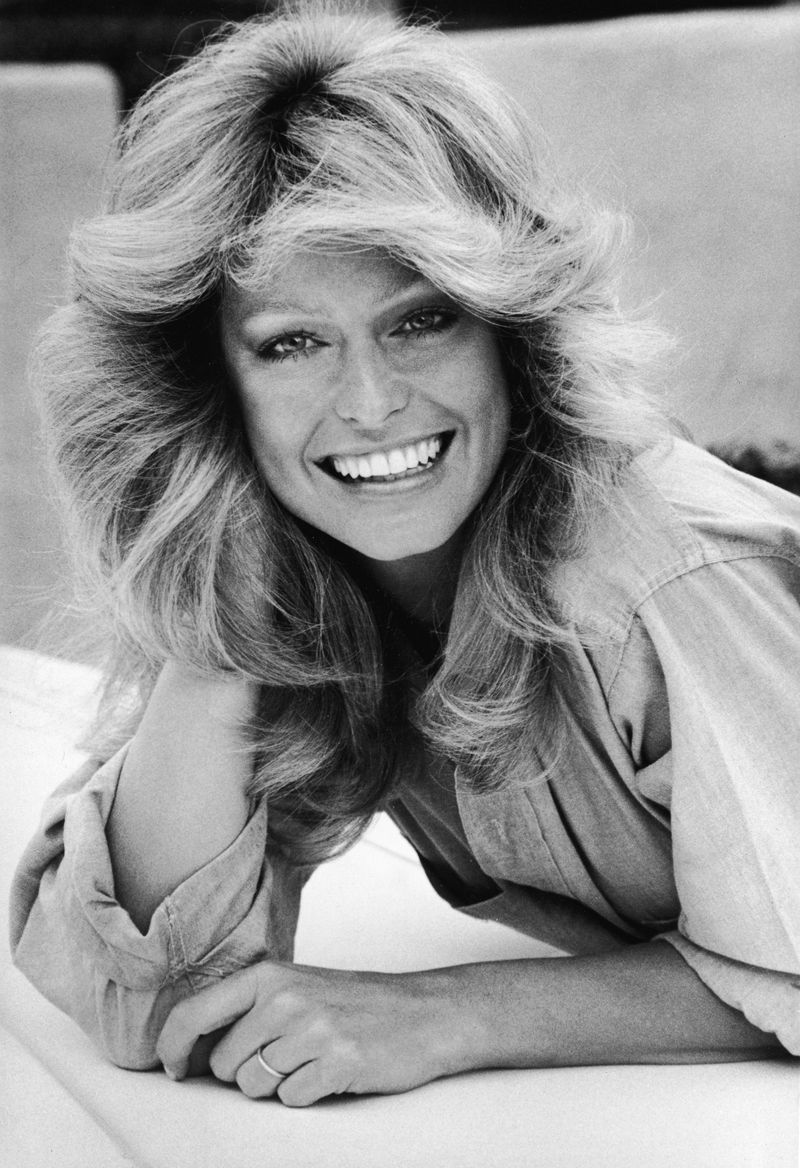
When Charlie’s Angels premiered in 1976, Farrah Fawcett became an instant phenomenon.
That famous red swimsuit poster sold millions of copies, and her feathered hairstyle became the most copied look of the decade.
Everyone wanted to be like Farrah or be with Farrah.
Her meteoric rise came with a catch—she left the show after just one season, hoping to build a serious film career.
While she continued acting in movies and stage productions, none captured the magic of those early Angel days.
The cultural tidal wave she rode in the late ’70s never returned with the same force.
Fawcett remained active in entertainment, but she never reclaimed that singular moment when she was the biggest star on the planet.
4. Mac Davis
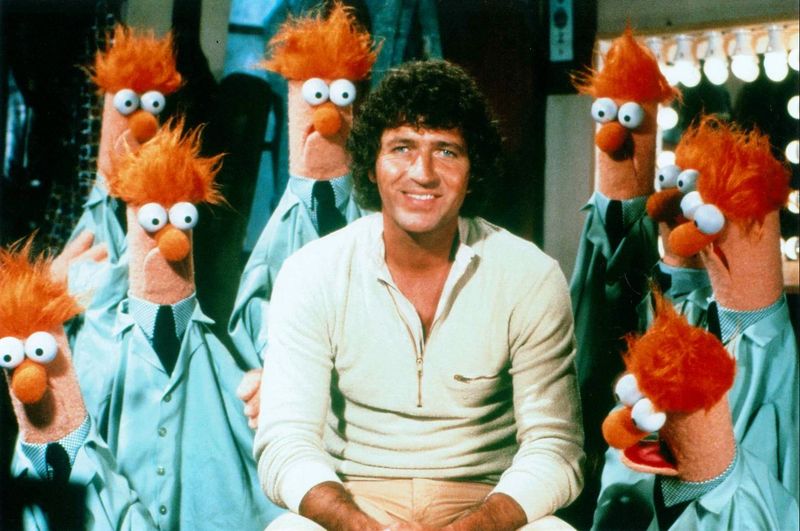
Mac Davis had it all in the 1970s—chart-topping songs, a popular variety show, and respect as a songwriter who penned hits for Elvis Presley.
Tracks like “Baby Don’t Get Hooked on Me” dominated both country and pop radio, proving his crossover appeal.
His TV show brought his easygoing personality into millions of living rooms weekly.
As the 1980s arrived, musical tastes shifted toward new wave and synth-pop.
Davis’s brand of smooth country-pop felt increasingly out of step with the times.
His television show ended, and his songs stopped climbing the charts.
He continued performing but never regained his ’70s prominence.
Davis became a nostalgia act, remembered fondly but rarely heard on contemporary radio.
5. Susan Anton
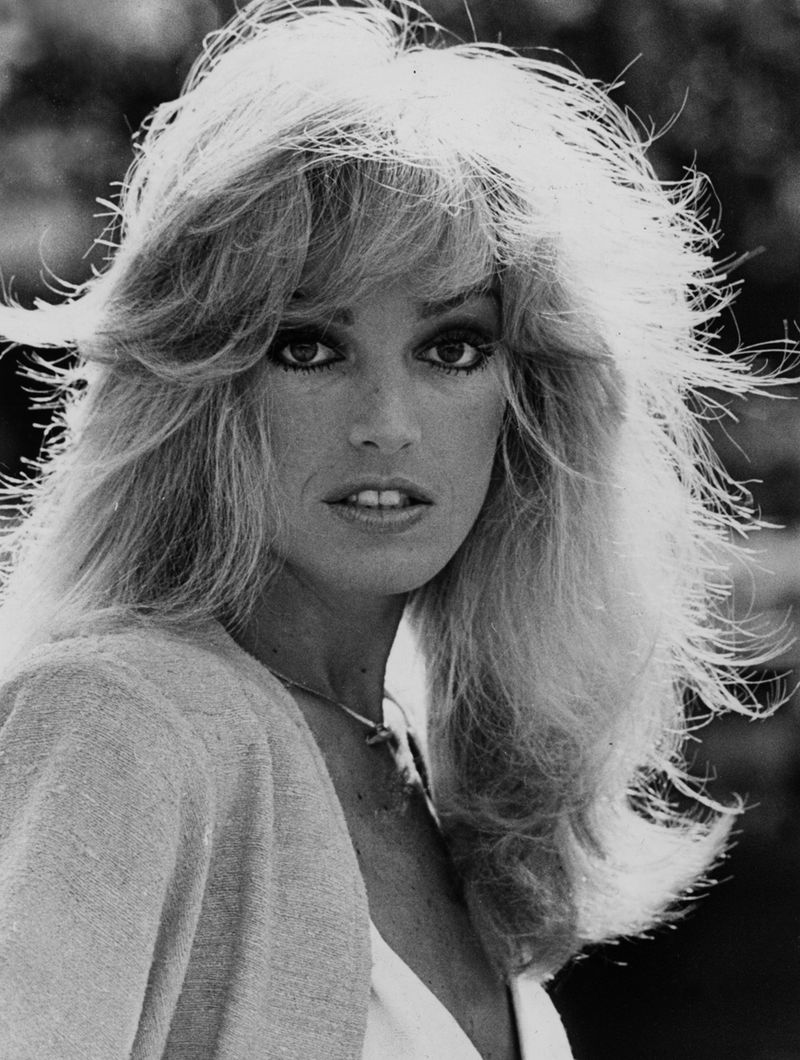
Standing six feet tall with model looks and a powerful singing voice, Susan Anton seemed destined for superstardom in the late 1970s.
Studios promoted her aggressively, casting her in films and television specials.
Her appearance in Goldengirl and various variety shows positioned her as Hollywood’s newest triple threat—actress, singer, and dancer.
Despite the hype and opportunities, Anton never broke through to A-list status.
Her films underperformed, and her music career failed to produce lasting hits.
By the mid-1980s, major studio interest had evaporated.
She continued working in smaller projects and on stage, but the predicted superstardom never materialized.
Anton became a cautionary tale about Hollywood’s unpredictable nature and overblown expectations.
6. Alison MacCallum

Alison MacCallum brought raw soul and rock power to Australian music in the early 1970s.
Her voice drew comparisons to international stars, and she gained significant attention both at home and abroad.
Songs like “Superman” showcased her vocal range and emotional depth, earning her a devoted following.
As the decade progressed, MacCallum’s recording career slowed.
The music industry’s changing landscape made it harder for her style to find commercial success.
She gradually stepped away from the spotlight, choosing to work outside mainstream music rather than chase fading fame.
MacCallum’s retreat left fans wondering what might have been if circumstances had aligned differently.
Her powerful voice became a memory rather than a constant presence on the airwaves.
7. Robert Blake
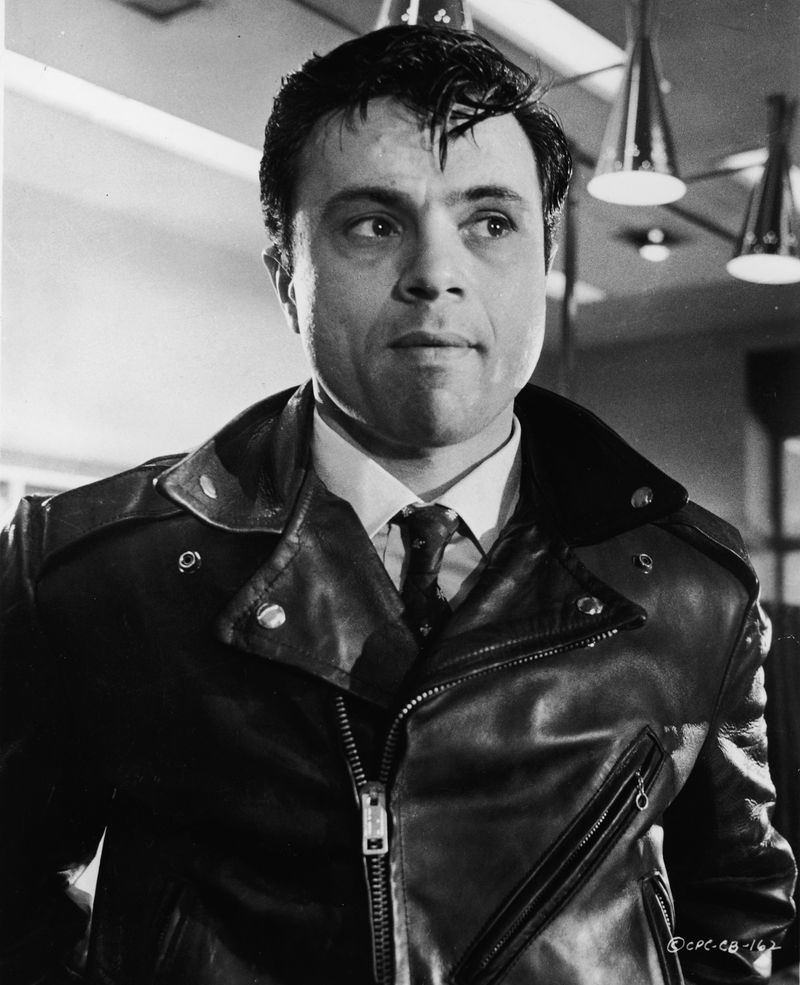
The catchphrase “Don’t do the crime if you can’t do the time” belonged to Tony Baretta, the street-smart undercover detective portrayed by Robert Blake on the hit 1970s TV series Baretta.
From 1975 to 1978, Baretta was must-see television, and Blake’s gritty performance earned him an Emmy Award.
His cockatoo sidekick and undercover antics made the show a cultural touchstone.
When the series ended, Blake struggled to find roles that matched Baretta’s success.
His film career never took off as expected, and television offers dried up.
By the 1980s, he had largely disappeared from screens, unable to recapture the lightning-in-a-bottle success of his detective days.
Blake’s post-Baretta years brought controversy rather than comeback roles.
8. Leif Garrett
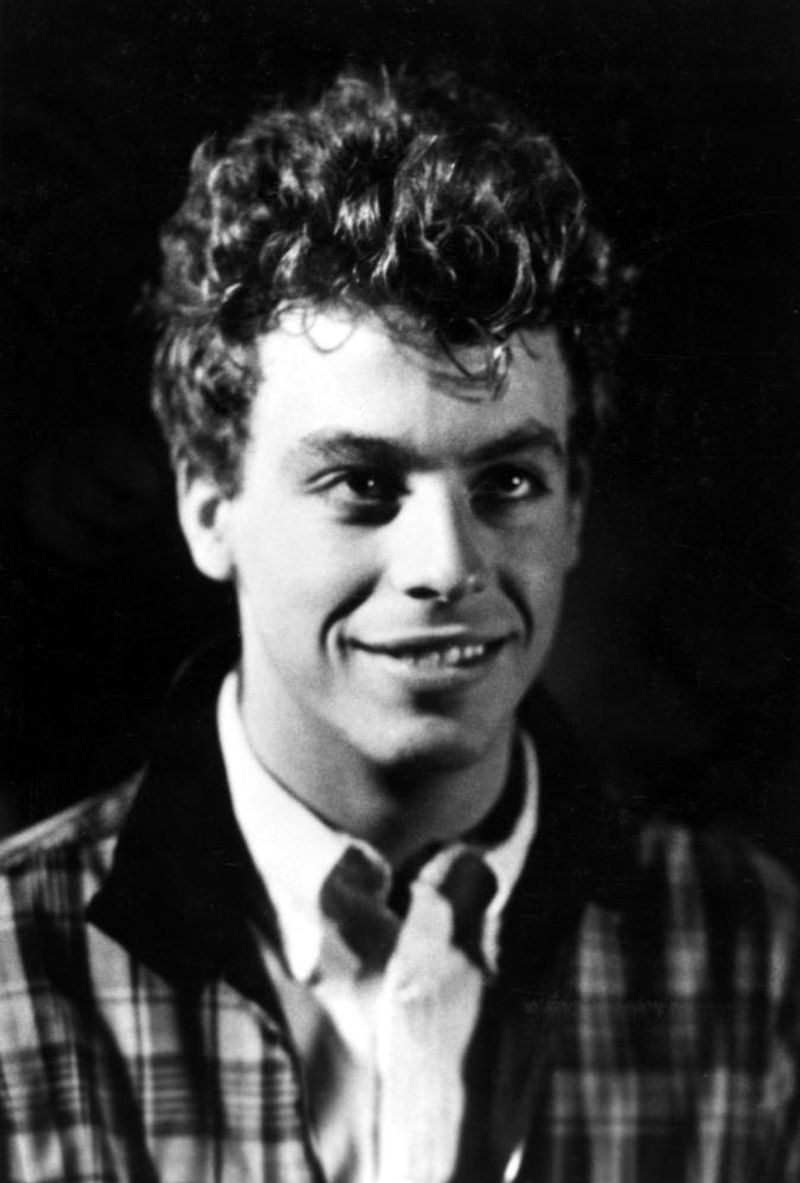
Leif Garrett’s blonde hair and pretty-boy looks made him a teen magazine fixture in the late 1970s.
Songs like “I Was Made for Dancin'” dominated teen-oriented radio, and his face adorned countless bedroom walls.
Concert venues packed with screaming adolescent fans wherever he appeared.
Fame arrived early for Garrett, and so did its darker side.
Personal struggles and substance abuse derailed his career almost as quickly as it had taken off.
By the early 1980s, his music career had collapsed, and comeback attempts never restored his former prominence.
Garrett’s story became a cautionary tale about child stardom’s dangers.
The golden boy of the late ’70s spent subsequent decades battling demons rather than topping charts.
9. Peter Ostrum
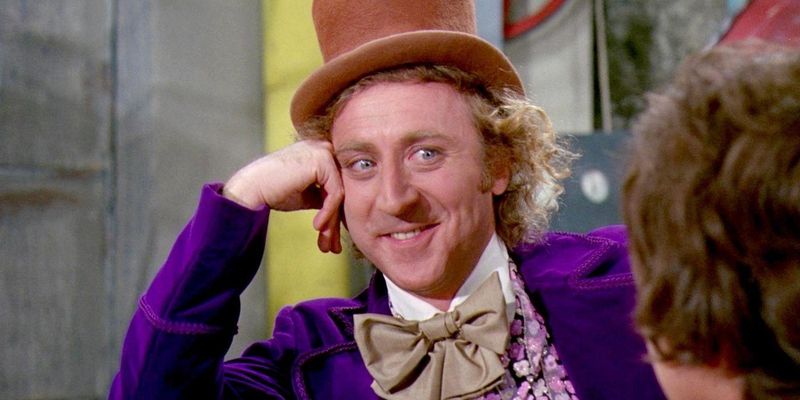
Landing the role of Charlie Bucket in Willy Wonka & the Chocolate Factory could have launched Peter Ostrum into a lifetime of Hollywood roles.
The 1971 film became a beloved classic, and Ostrum’s sweet, earnest performance charmed audiences worldwide.
Studios certainly wanted him for more projects.
But Ostrum had different dreams.
He found the filmmaking process interesting but not fulfilling enough to pursue as a career.
Instead, he focused on his education and eventually became a veterinarian, treating animals rather than performing for cameras.
Ostrum’s choice surprised many, but he never regretted it.
He built a successful practice and a happy family life, proving that fame isn’t everyone’s ultimate goal.
His one-and-done acting career remains a unique Hollywood story.
10. Jan-Michael Vincent
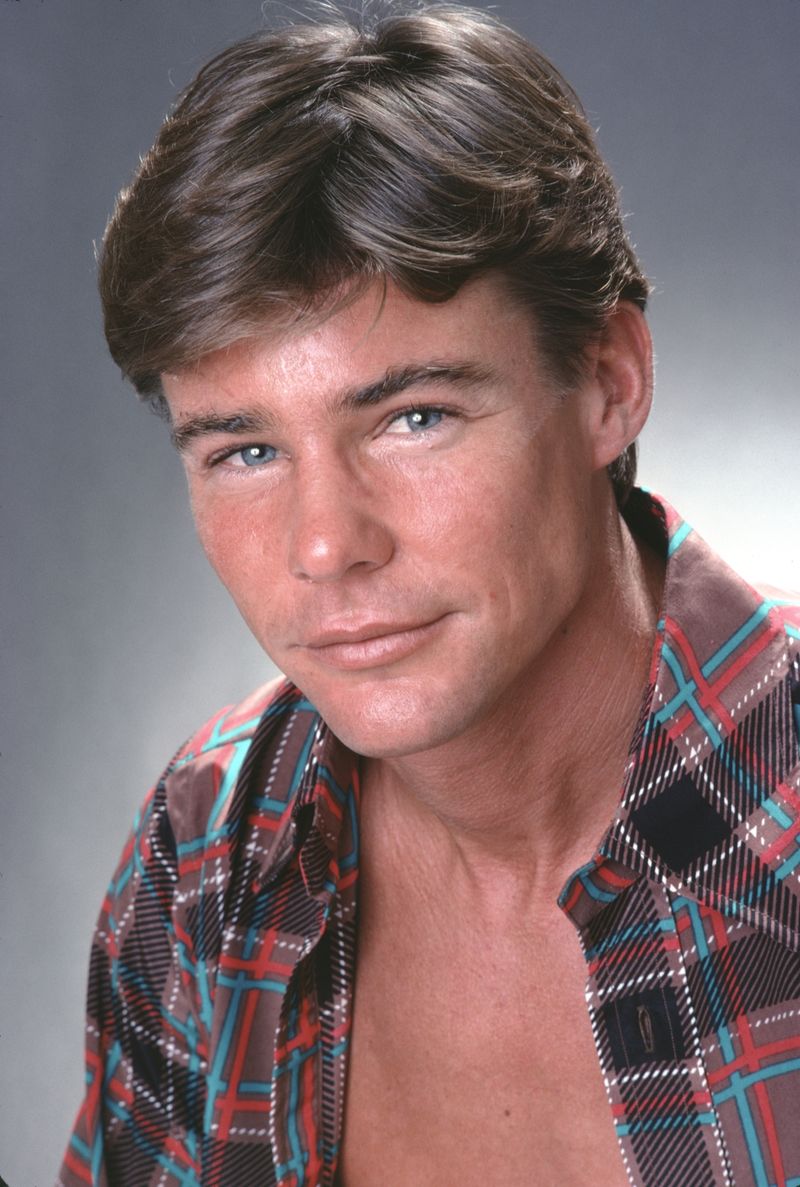
Jan-Michael Vincent was Hollywood’s go-to guy for action and drama roles throughout the 1970s.
His rugged good looks and natural charisma landed him leading roles in films like Big Wednesday and The Mechanic.
Studios considered him one of the most bankable stars of the decade, commanding impressive salaries.
Substance abuse and health problems derailed Vincent’s promising career in the 1980s.
His once-handsome features deteriorated, and his ability to work consistently vanished.
Major studios stopped offering him leading roles, and his time as a Hollywood A-lister ended abruptly.
Vincent’s fall from grace was steep and tragic.
The action hero who seemed unstoppable in the ’70s became a cautionary example of talent squandered.
Comments
Loading…