
 Chloe Peterson
10 Bizarre ’90s Puppet Shows That Still Feel Unsettling Today
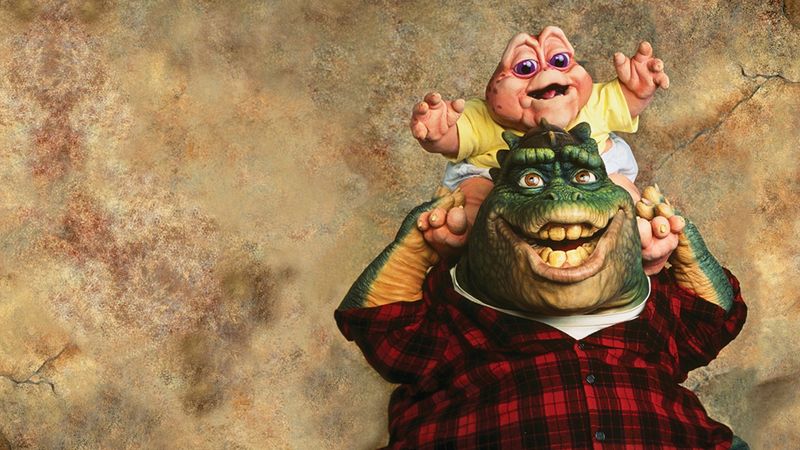
The 1990s delivered some truly wild children’s television, with puppet shows often leading the charge.
While many were warm and comforting, others carried an eerie quality that still lingers decades later.
Whether it was exaggerated character designs, unexpectedly dark themes, or the uncanny way puppets moved and spoke, these shows left a lasting impression on young viewers.
Here’s a look at 10 ’90s puppet shows that still feel oddly unsettling today.
1. The Wubbulous World of Dr. Seuss (1996–1998)
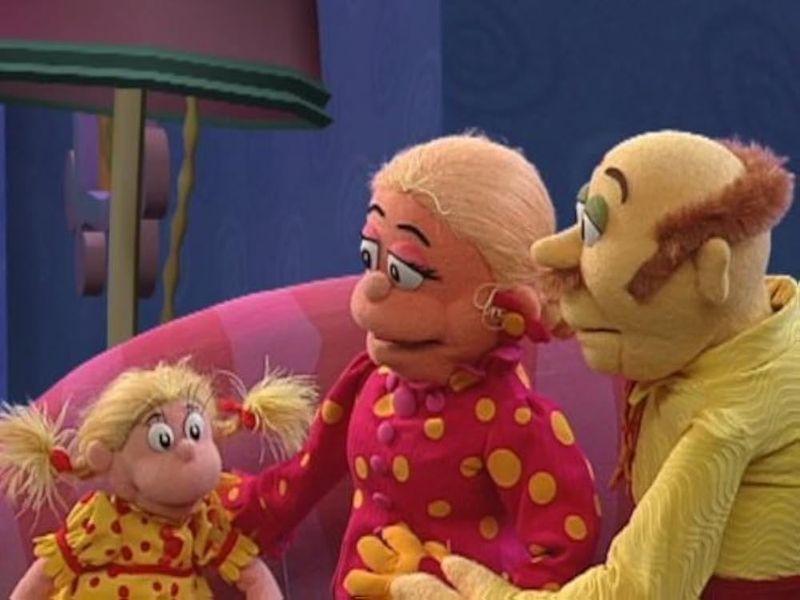
Imagine Dr. Seuss’s already-strange universe cranked up several notches, then brought to life through Jim Henson’s puppetry — that’s exactly what this show delivered.
The result was a hyper-colorful, surreal experience that felt more like a fever dream than a cozy storytime.
Characters like the Cat in the Hat had exaggerated proportions that were charming on the page but oddly unsettling in three-dimensional puppet form.
The dreamlike sets and bizarre logic of each episode added to the disorienting atmosphere.
Kids who grew up watching it often can’t quite explain why it made them uneasy, but revisiting it as adults makes the feeling crystal clear.
2. Eureeka’s Castle (1989–1995)
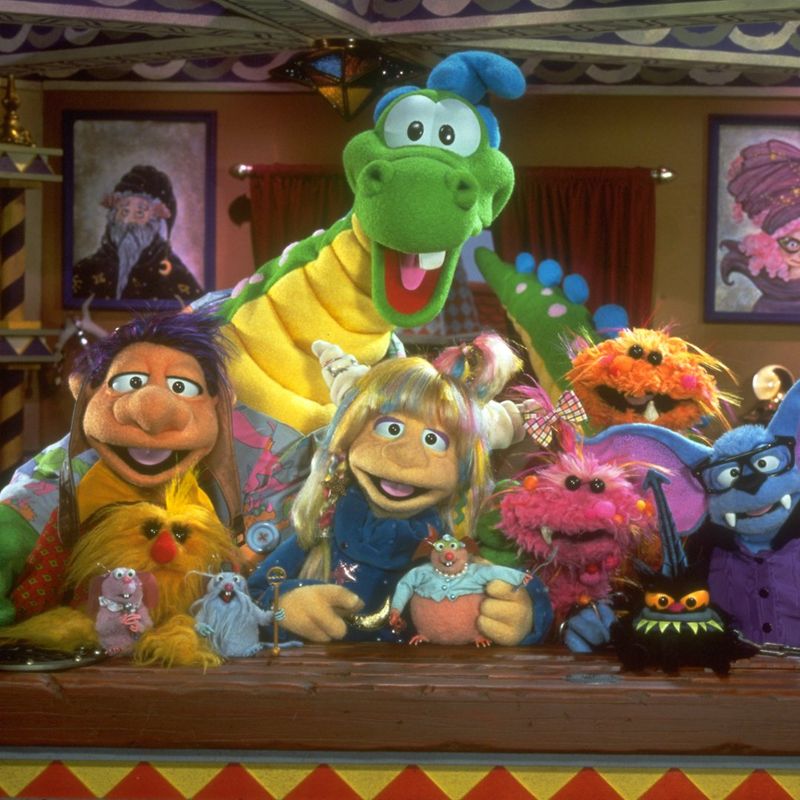
Hidden inside a giant music box lived Eureeka the sorceress and her quirky puppet friends — a concept that sounds charming until you actually sit down and watch it.
The theatrical, almost stage-play quality of the show gave it an unusual atmosphere that felt different from most children’s programming.
The combination of puppets and live-action elements created an uncanny visual dynamic, like watching a dream you can’t quite remember clearly.
Magellan the dragon and the twin bat brothers were beloved by fans, yet their exaggerated designs edged into unsettling territory.
There’s a reason this show lingers in memory long after the music box closes.
3. Allegra’s Window (1994–1996)
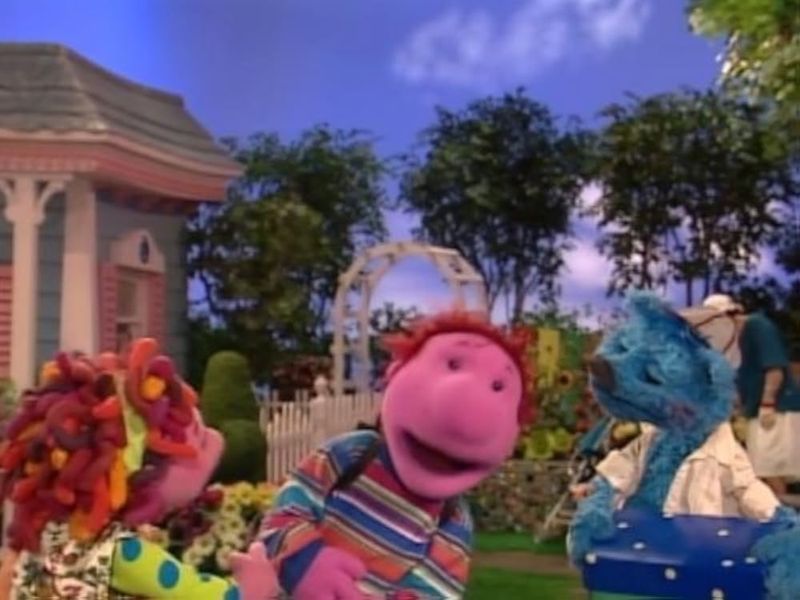
On the surface, Allegra’s Window seemed perfectly harmless — a soft, slow-paced puppet show designed to help young kids understand their emotions.
But spend a few minutes watching it as an adult, and something feels subtly off.
The character designs have a rounded, almost melted quality, and the dreamy pacing makes each episode feel like it’s unfolding underwater.
The show’s intention was sweet, but the execution landed in a strange emotional space that felt more hypnotic than comforting.
Fans who revisit it often describe a vague sense of unease they can’t quite pin down — proof that even well-meaning puppet shows can drift into oddly eerie territory.
4. Dinosaurs (1991–1994)
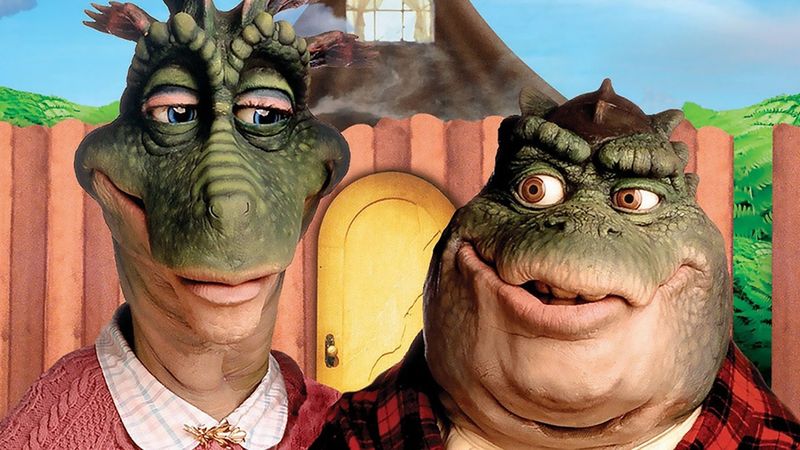
Few shows blurred the line between family fun and existential dread quite like Dinosaurs.
Powered by full-body animatronic puppets, the Sinclair family looked impressive on screen, but something about their oversized heads and mechanical movements felt deeply unsettling.
The humor was surprisingly dark for a kids’ show, tackling topics like corporate greed, environmental destruction, and even addiction.
Baby’s constant cry of “Not the mama!” became iconic, but the show’s finale — where the dinosaurs cause their own extinction — left young viewers genuinely disturbed.
It was bold, ambitious, and oddly haunting in a way few animated or puppet shows have ever matched.
5. Bear in the Big Blue House (1997–2006)
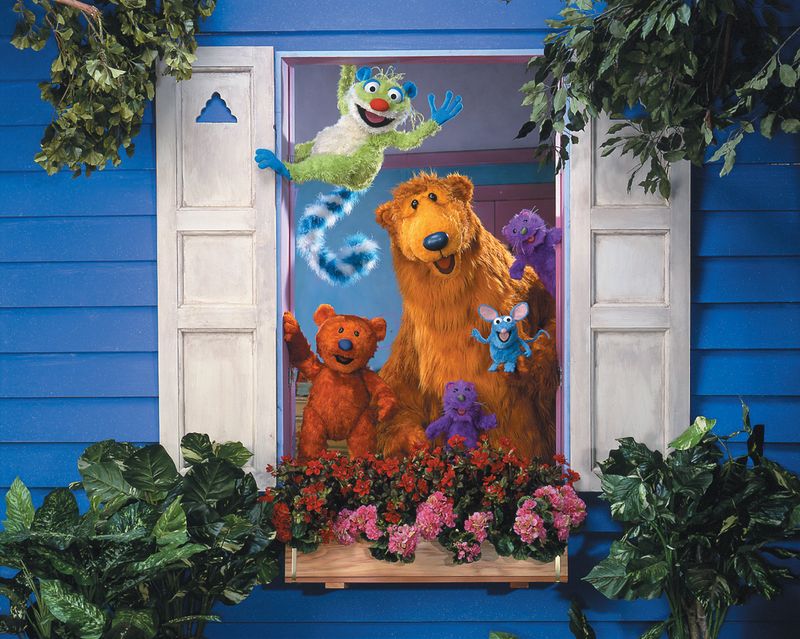
Bear in the Big Blue House was genuinely beloved, and for good reason — it was warm, kind, and thoughtfully made.
But revisit it as an adult and the sheer scale of Bear himself starts to feel oddly overwhelming.
He’s enormous.
His face fills the screen when he greets the audience directly, and that close-up intimacy can shift quickly from comforting to slightly unnerving.
The talking moon Luna, floating in the night sky for emotional check-ins, added another layer of surreal dreaminess to the show.
None of this was accidental — the creators wanted an immersive world — but the result has an uncanny quality that’s hard to unsee.
6. Big Bag (1996–1998)
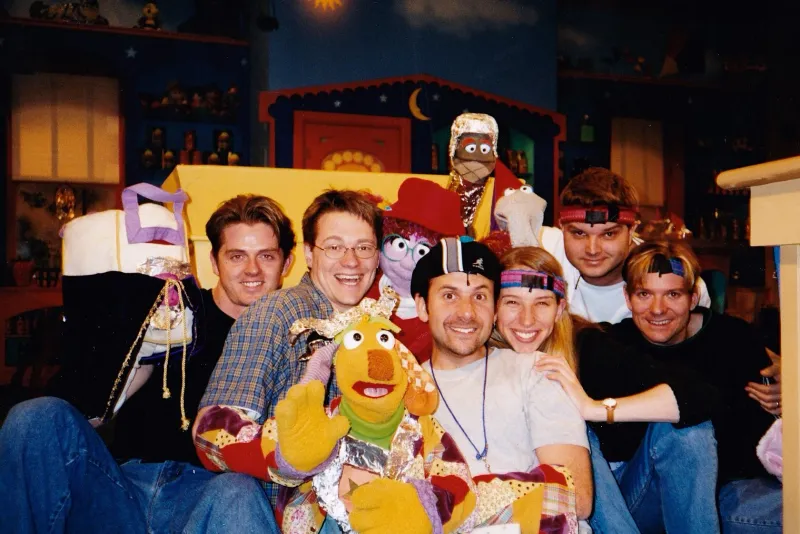
Big Bag was exactly as chaotic as its name suggests.
Airing on Cartoon Network, it crammed puppets, animation, and live-action segments together in rapid-fire succession, creating a viewing experience that felt more scattered than structured.
The show never quite settled into a single tone or style, jumping between formats in a way that left young viewers slightly disoriented.
Puppet characters shared screen time with classic cartoon clips and real people, and the transitions between these worlds felt jarring rather than seamless.
Looking back, Big Bag feels like a TV experiment that pushed the boundaries of children’s programming — not always in a comfortable direction.
7. The Sifl and Olly Show (1998–1999)
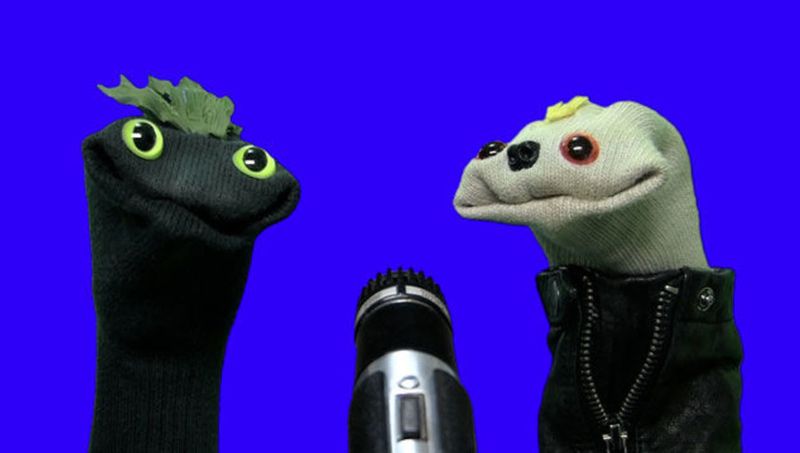
Not every puppet show on this list was made for children — The Sifl and Olly Show aired on MTV and was proudly, defiantly weird.
Two sock puppets with barely any facial features hosted absurd talk show segments, performed original songs, and delivered humor that felt genuinely unhinged.
The low-budget aesthetic was intentional, but it gave the show a raw, almost unsettling quality — like something that wasn’t quite supposed to exist.
Chester, the recurring human character rendered as a sock puppet, became a cult favorite for his bizarre skits.
Revisiting the show today, it holds up as one of the strangest, most original puppet projects of the entire decade.
8. Brats of the Lost Nebula (1998)
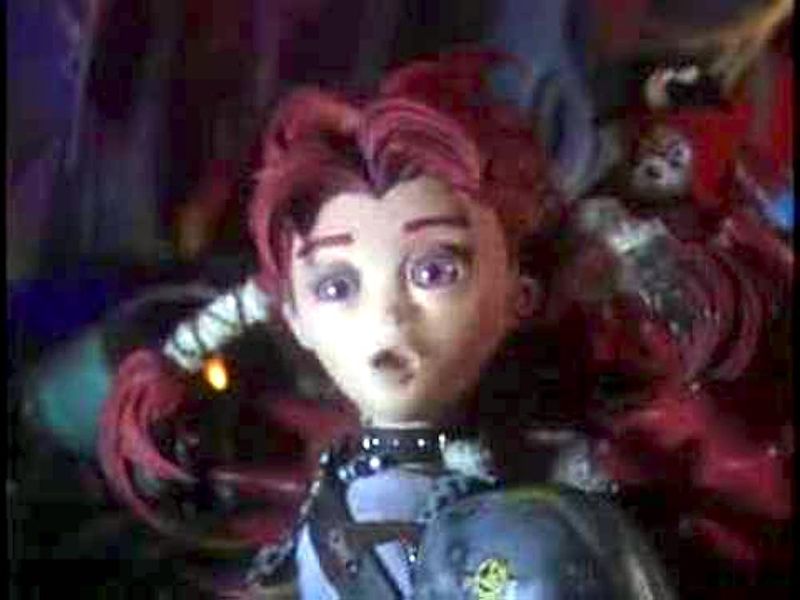
Most puppet shows gave kids talking animals or friendly monsters.
Brats of the Lost Nebula gave them orphaned children fighting for survival on a hostile alien planet after their parents were killed in a war.
That’s a heavy premise for any show, let alone one aimed at young audiences.
The Jim Henson Company brought their technical expertise to the alien puppet designs, which were genuinely impressive — and genuinely creepy.
The darker tone and war-heavy themes set this show apart from nearly everything else airing at the time.
It only lasted one season, but its intense atmosphere and bleak storylines left a strong impression on the small audience that actually watched it.
9. Groundling Marsh (1997–2000)
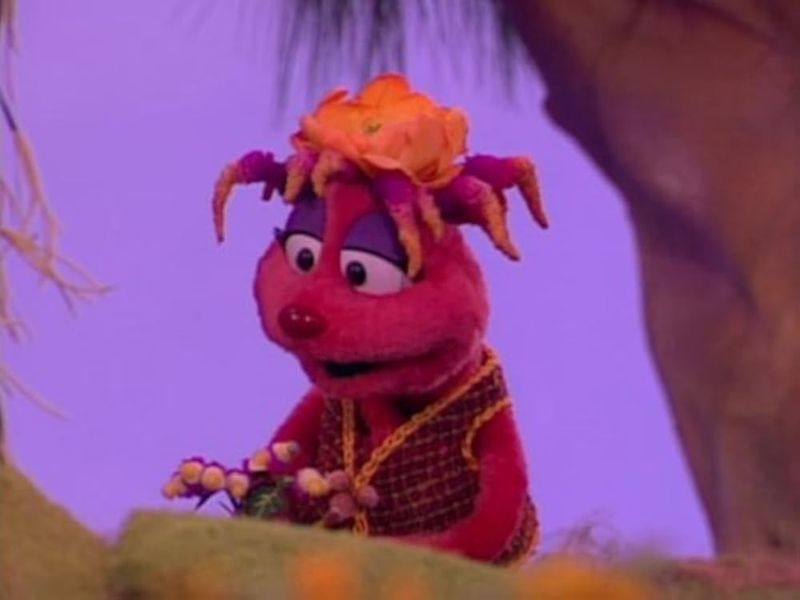
Somewhere deep in a foggy swamp, a group of fuzzy, wide-eyed creatures went about their days teaching kids about feelings and the environment.
Groundling Marsh was a Canadian puppet series that genuinely meant well, but its dim, murky setting made it feel like something out of a quiet nightmare.
The characters had oversized eyes and moved slowly through scenes draped in muted greens and browns.
That slow, atmospheric pacing gave the show an almost dreamlike quality.
For many viewers, the marsh itself felt less like a home and more like a place you desperately wanted to escape.
10. The Puzzle Place (1994–1998)
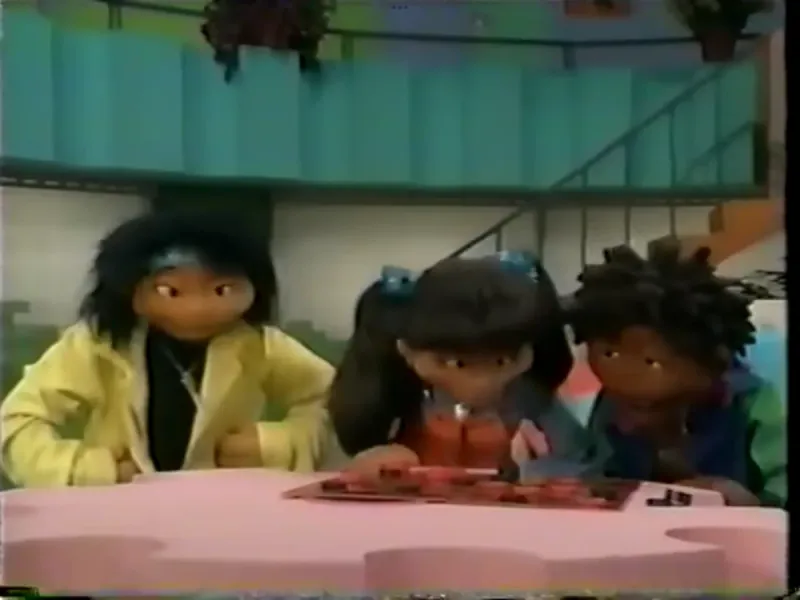
The Puzzle Place had all the right intentions — promoting diversity, teamwork, and problem-solving for young viewers.
But the unusual mix of human hosts and puppet characters created a visual dynamic that some kids found genuinely offbeat.
Watching real children interact casually with puppet characters in a shared space has always carried a slightly uncanny quality, and this show leaned into that without fully addressing it.
The puppet designs were colorful and expressive, yet their proportions felt slightly mismatched against their human co-stars.
It’s the kind of show that felt perfectly normal as a child but triggers a quiet, creeping sense of weirdness when viewed through adult eyes.
Comments
Loading…