
 Hailey Watson
10 Bands That Peaked on Their First Album (And Never Came Close Again)
Some bands spend years searching for “their sound,” but others stumble into it fully formed on album one.
The debut hits like a perfect snapshot: the lineup is hungry, the songs are fresh, and the production captures a moment before fame, pressure, and expectations start steering the wheel.
That doesn’t mean everything that follows is bad, of course.
Many of these artists released solid records, scored more hits, or evolved in interesting directions.
Still, when you look back, the first album remains the one people return to, quote, and recommend to friends who “don’t really listen to rock.”
If you’ve ever wondered why certain bands feel permanently tied to a single era, these are the classic examples of lightning in a bottle—caught early, and never quite caught again.
1. The Stone Roses — The Stone Roses (1989)
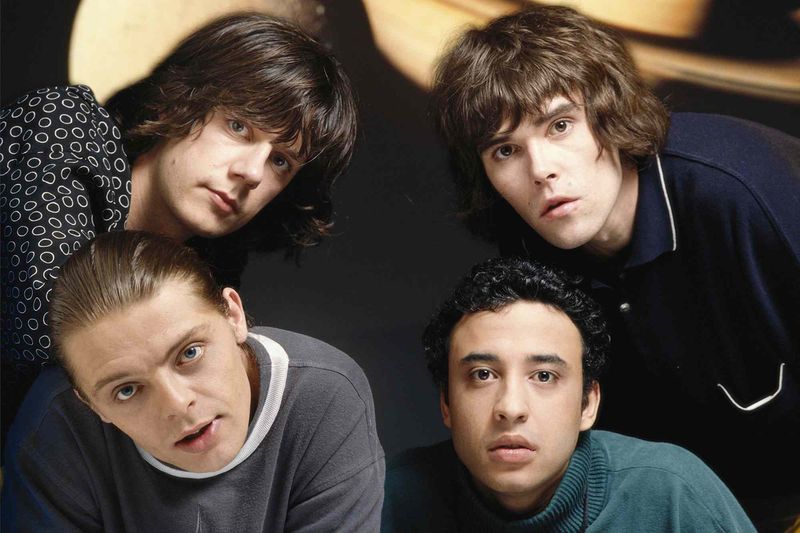
Few debuts feel as effortlessly mythic as this one, where jangly guitars, danceable grooves, and dreamy confidence lock together like they were always meant to.
The songs glide from swagger to sweetness without losing momentum, which is why the album has become a permanent reference point for British indie rock.
After that peak, the band’s story turned into a tangle of delays, legal troubles, shifting tastes, and sky-high expectations that would have crushed almost anyone.
Second Coming has its defenders, especially for its heavier, more guitar-forward moments, but it doesn’t carry the same unified mood or crisp sense of purpose.
The debut sounds like a band arriving fully realized, while later work feels like a band trying to survive its own legend.
2. Boston — Boston (1976)
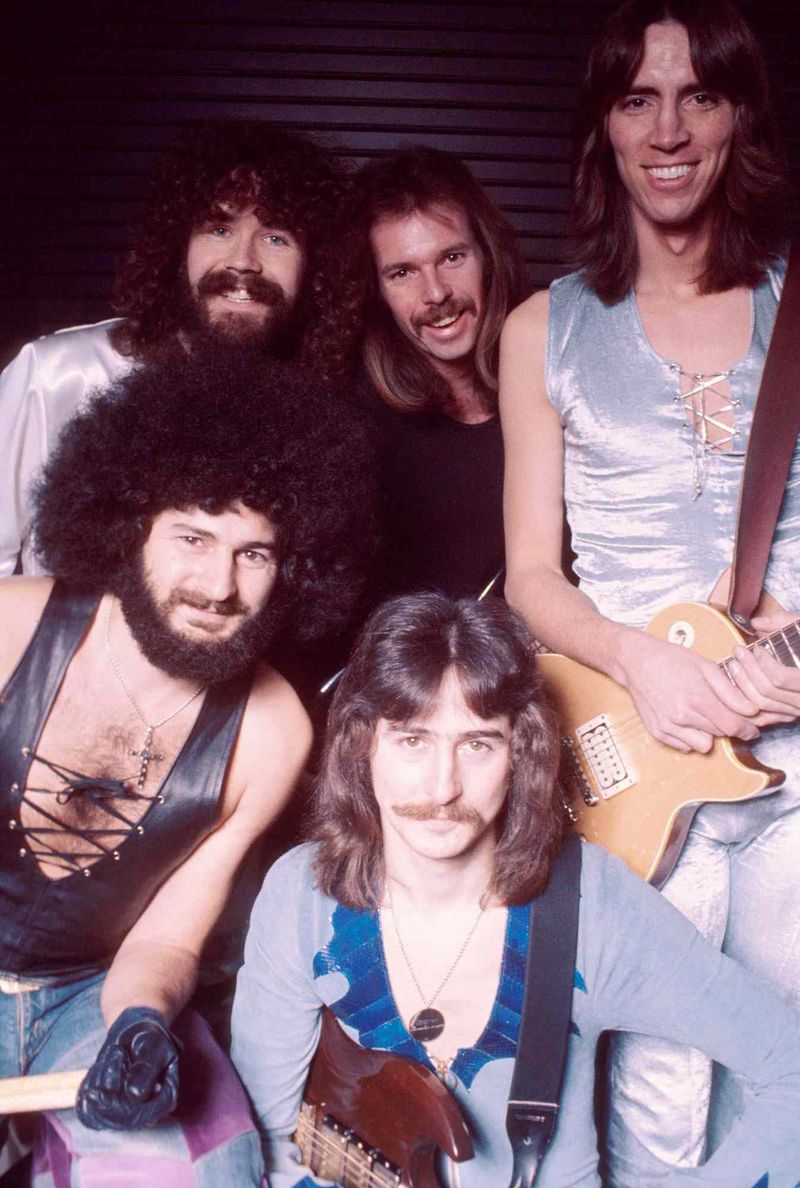
There’s a reason people still talk about this debut like it’s a greatest-hits package disguised as album number one.
The hooks are huge, the guitars are pristine, and the songs feel engineered for maximum replay value without losing their rock heart.
That level of polish became a blessing and a curse, because once you set the bar with that many iconic tracks, everything afterward invites unfair comparisons.
Boston’s later albums definitely have standout moments and radio staples, but they rarely match the debut’s concentrated run of “how is this tracklist real?” energy.
Part of the magic is how confident it sounds while still feeling new, like a band with something to prove and a very specific sonic dream.
Later releases often feel like echoes of that dream rather than another breakthrough.
3. Guns N’ Roses — Appetite for Destruction (1987)
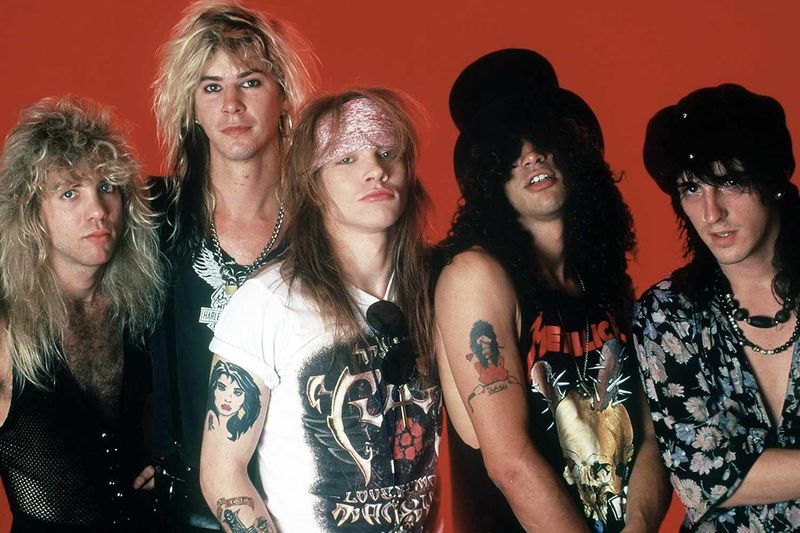
Rawness and precision don’t usually coexist, yet this record somehow manages to sound dangerous and tightly controlled at the same time.
The riffs bite, the vocals feel unpredictable, and the whole album carries the momentum of a band that hasn’t been sanded down by success.
Once fame hit, the scope got bigger, the timelines got messier, and the band’s chemistry became harder to bottle in one place.
Use Your Illusion I & II deliver huge songs and ambitious swings, but the sprawl can dilute the impact, and the mood shifts make it less of a front-to-back punch.
The debut is lean in the best way, with very few wasted moments and a clear identity.
It’s the sound of a band sprinting, while later work feels like a band wrestling with its own gravity.
4. The Sex Pistols — Never Mind the Bollocks, Here’s the Sex Pistols (1977)
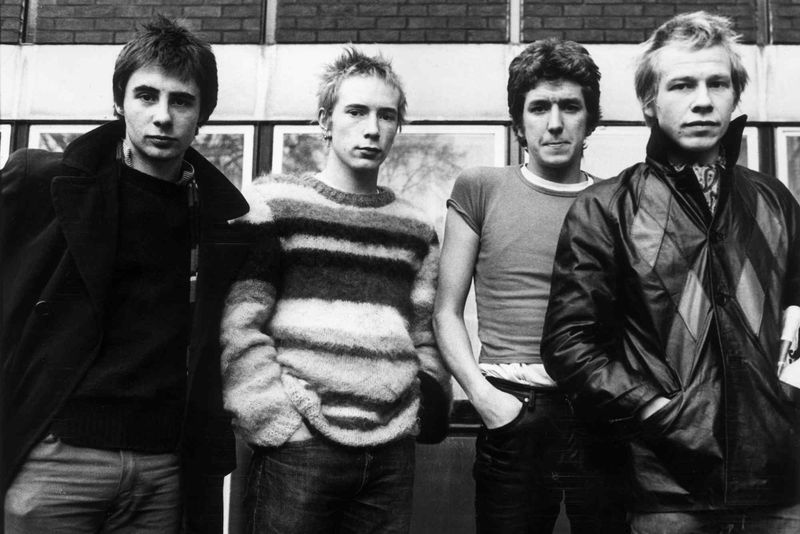
Sometimes “peaking with the debut” is less about a long catalog and more about a single, culture-shaking statement that refuses to be repeated.
This album lands like a brick through a window, full of sneer, speed, and a confrontational clarity that punk fans still measure against decades later.
Because the band’s lifespan was famously chaotic and short, there wasn’t much room for a musical “next chapter” that could compete with the original explosion.
That scarcity only amplifies how definitive the record feels, like the whole argument was made in one breath.
Later releases, compilations, and live documents exist, but they don’t carry the same feeling of a moment cracking open in real time.
When people say this band peaked early, they usually mean it peaked instantly—and then burned out on purpose.
5. The B-52’s — The B-52’s (1979)
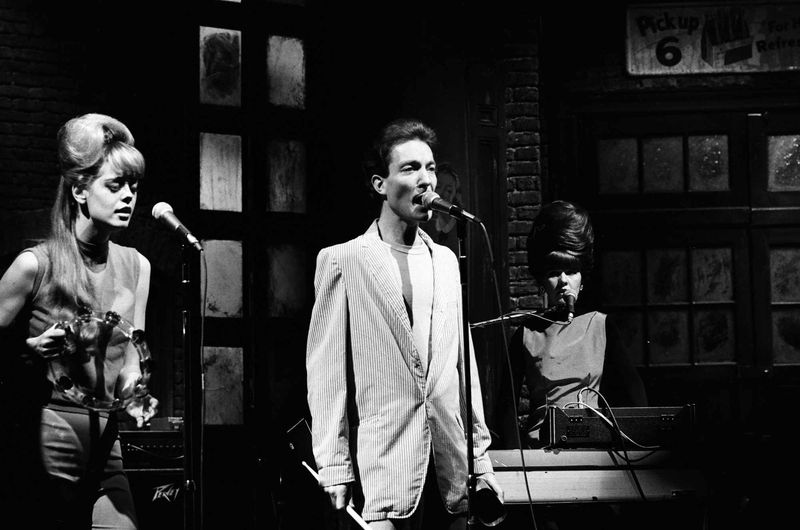
It’s hard to recreate the exact thrill of hearing a band sound this weird, this joyful, and this committed to its own universe right out of the gate.
The debut’s party-rock bounce, surreal lyrics, and off-kilter vocal interplay make it feel like a beach bash hosted by aliens, in the best way.
The group absolutely went on to have a long career with beloved tracks and smart reinventions, so this isn’t a “they fell off” story as much as a “the first one is uniquely perfect” story.
Later albums sometimes lean more polished or pop-forward, which can be fun, but the debut’s rough-edged spontaneity is part of the charm.
You can practically hear the band discovering its own inside jokes as it goes.
That sense of invention is what makes the first album so hard to top, even when the songs remain strong.
6. Franz Ferdinand — Franz Ferdinand (2004)
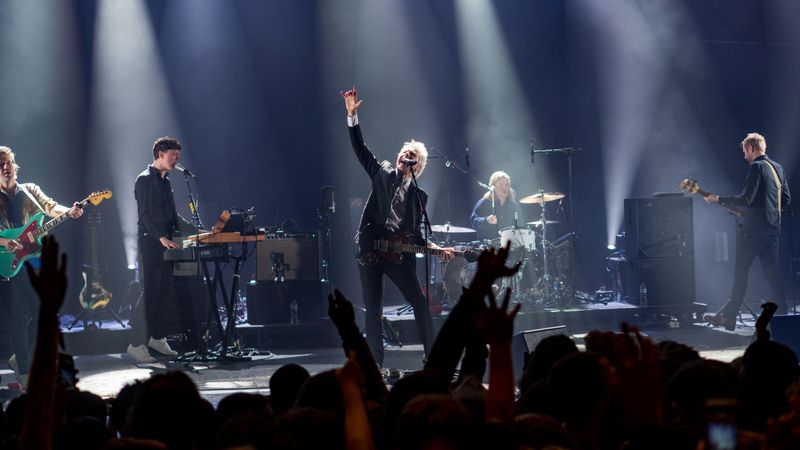
The debut captures a specific kind of indie-rock electricity: tight grooves, sharp guitars, and choruses that sound like they were designed to make crowded rooms move in unison.
It’s stylish without being precious, and it balances attitude with clarity in a way that made the band feel instantly identifiable.
After such a clean first statement, later albums faced the classic problem of a signature sound becoming a trap.
When the band tried to repeat the formula, the surprise factor naturally faded, and when it tried to stretch, the results could feel less immediate.
None of that makes the follow-ups bad, but the debut has a freshness that’s hard to manufacture twice.
It also helps that the tracklist is relentlessly efficient, with very little downtime between memorable moments.
If you want to understand their cultural peak in one sitting, album one is the straightest line.
7. Third Eye Blind — Third Eye Blind (1997)
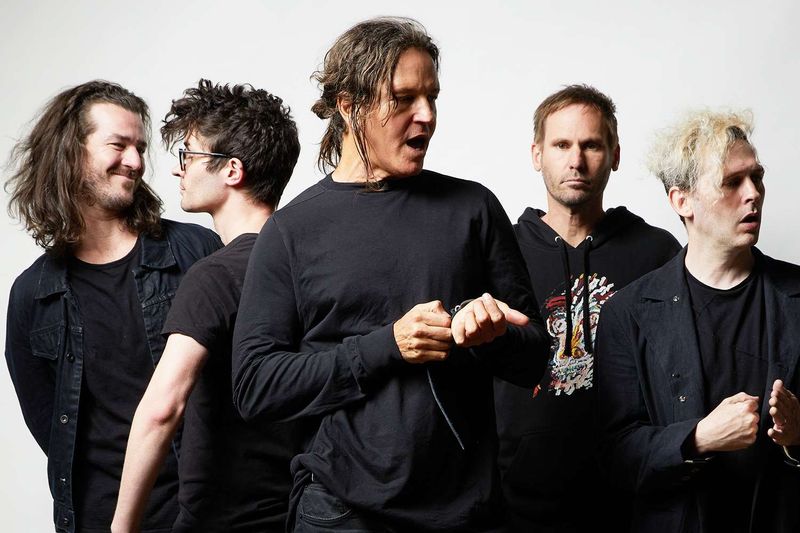
A debut this stacked almost dares you to compare everything else to it, because the album mixes radio hits, emotional depth, and surprisingly durable songwriting in one long run.
It’s the kind of record where even the non-singles feel like they could have been singles, which isn’t something you can say often without exaggerating.
After that, the band released plenty of worthwhile music, but the combination of mainstream timing and tracklist strength never aligned quite the same way again.
Part of the debut’s power comes from how it sounds both glossy and bruised, with lyrics that are darker than you expect from songs that catchy.
Later projects sometimes lean more experimental or more restrained, which can appeal to longtime fans, but the “perfect storm” feeling is strongest on the first album.
If you grew up with these songs, you probably don’t just remember them—you remember where you were when you heard them.
8. The Strokes — Is This It (2001)
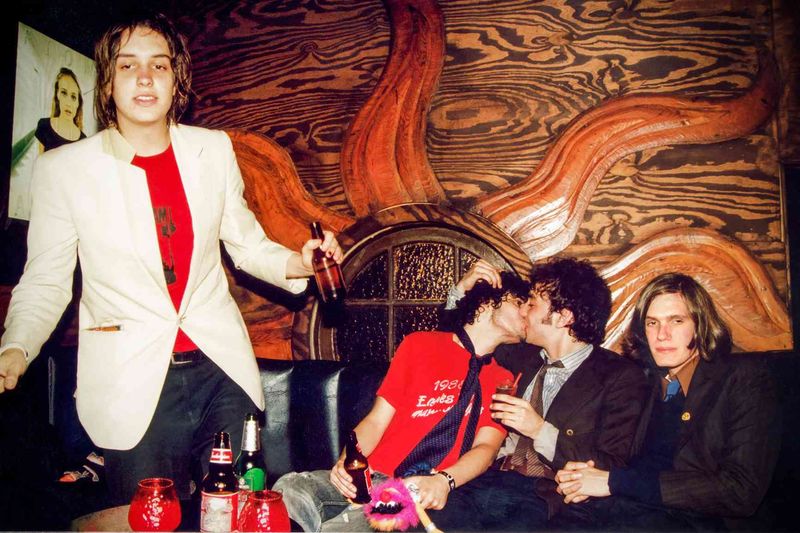
There’s a particular kind of cool that feels effortless only once, and this album practically defined it for an era.
The guitars are clean but gritty, the rhythms feel tight without sounding stiff, and the songs have that rare quality of seeming simple while still sounding instantly iconic.
Later albums take risks, shift textures, and explore different moods, which many fans respect, but the debut remains the clearest distillation of what people fell in love with first.
You can hear the downtown mythology in the spaces between notes, and the minimalism makes every hook land harder.
When you’re the band that helps reset a genre’s mood, the first record becomes the measuring stick forever.
That’s why even strong follow-ups often get described as “good” while the debut gets described as “necessary.” It isn’t just nostalgia; it’s how perfectly the album captures a moment that can’t be repeated.
9. The xx — xx (2009)
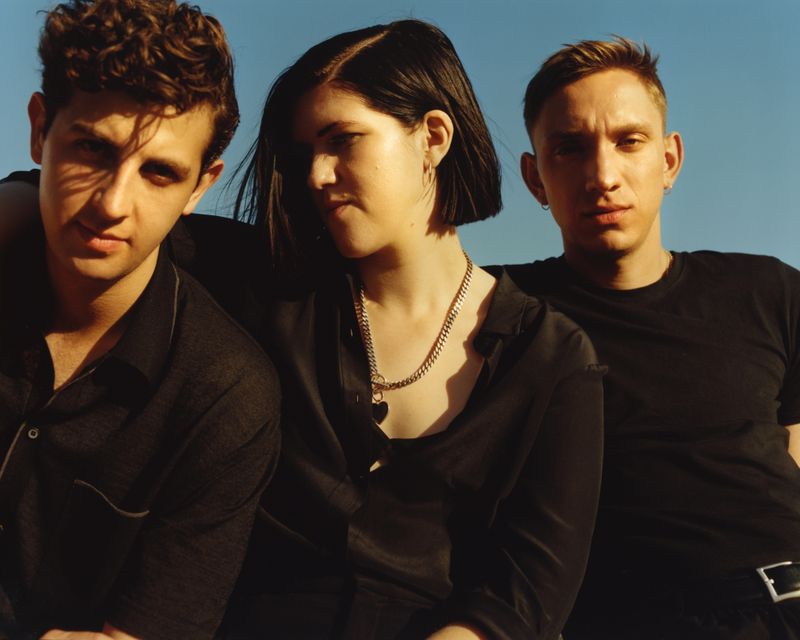
Minimalism is a risky debut strategy because you don’t have loud spectacle to hide behind, yet this album makes quiet feel powerful.
The songs move with hushed confidence, pairing spare guitar lines and soft beats with a mood that feels intimate without turning sentimental.
It became a go-to record for late-night drives, post-breakup spirals, and anyone who wanted music that sounded like it was leaving room for your own thoughts.
After a debut that distinctive, evolution is tricky: stay too similar and it feels like a retread, shift too far and you lose the magic people came for.
Later albums explore brighter colors and more overt rhythms, which can be genuinely good, but the debut’s emotional focus remains unmatched.
It feels less like a collection of tracks and more like a carefully designed atmosphere that you can step into.
When people say the band peaked early, they usually mean the vibe was never this perfectly balanced again.
10. The Cars — The Cars (1978)
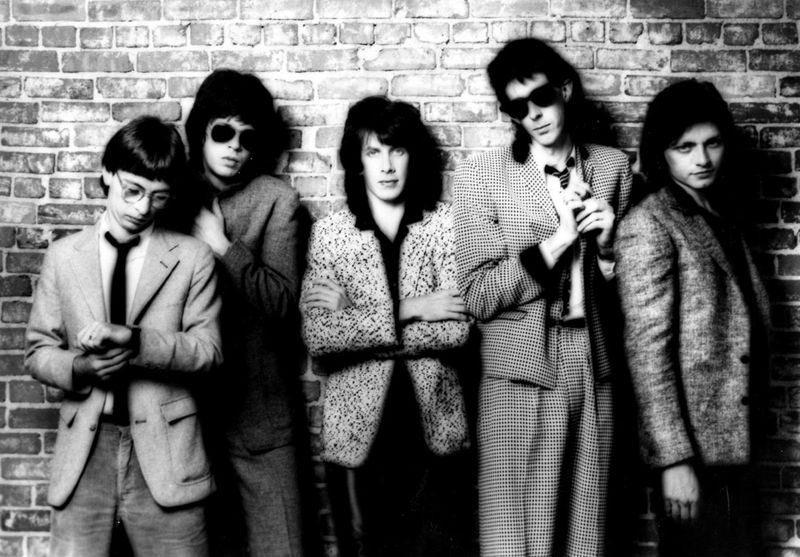
Some debut albums don’t just introduce a band; they introduce a whole new kind of radio-ready rock, and this is one of those rare cases.
The record blends new-wave sleekness with classic rock muscle, delivering hooks that sound both futuristic and instantly familiar.
The band went on to score more hits and build a strong catalog, so the “peaked” argument here comes down to how unstoppable the first album feels from start to finish.
Later releases can be a little more uneven, with moments of brilliance separated by tracks that don’t hit quite as hard.
The debut, by contrast, has a cohesion that makes it feel like a fully realized statement rather than a collection of singles.
It’s also remarkably confident for album one, as if the band already understood its own blueprint and simply executed it without hesitation.
When you want a clean snapshot of their best balance of edge, polish, and catchiness, the debut is the one.
Comments
Loading…