
 Mila Ross
10 Bands Everyone Pretends to Love (But Few People Actually Listen To)

We all know the type of band that gets brought up like a personality trait.
They’re the artists people cite to sound cultured, edgy, deep, or just slightly more interesting than they feel.
In conversation, loving them is treated like proof you have “real” taste instead of whatever your streaming app keeps autoplaying.
But if you peek at most people’s actual listening history, these groups show up more as references than as regular plays.
That doesn’t mean the music is bad, and it definitely doesn’t mean you’re fake if you’ve tried and bounced off it.
It just means there’s a difference between admiring something and living with it in your earbuds.
Here are ten bands that get tons of public praise, even though far fewer people truly listen on the regular.
1. The Velvet Underground

Few bands carry as much “cool history” weight as this one, which is exactly why people name-drop them so confidently.
They’re routinely treated like the secret blueprint for everything alternative, which makes them feel mandatory to respect.
Most casual listeners, though, stick to the softer, more approachable songs and quietly avoid the harsher catalog.
There’s nothing wrong with that, because some tracks feel more like an art exhibit than a casual listen.
The band’s influence is undeniable, but influence doesn’t always translate into repeat plays on a Tuesday afternoon.
A lot of fans love the mythology more than the music, especially when the lyrics get bleak or the arrangements get abrasive.
If you genuinely enjoy them, you’re in a special club, because many people only visit for credibility.
2. Joy Division

There’s a certain kind of moody prestige attached to this group that makes people feel sophisticated for claiming them.
The imagery, the fashion, and the tragic backstory combine into a brand that’s bigger than any single playlist.
Outside of one massive anthem, many listeners rarely spend time with the rest of the catalog.
The sound is stark, repetitive, and emotionally heavy, which can be powerful but not exactly easy background music.
People love what the band represents, especially if they want to signal depth without saying much.
It’s also the kind of music you “mean” to listen to more, until you remember it can drain your mood fast.
So the love becomes more symbolic, and the actual listening happens only when someone wants to feel intensely artistic.
3. Sonic Youth

This band gets treated like an alternative rite of passage, even by people who don’t actually enjoy noisy guitars.
They’re praised for innovation and attitude, which makes them a safe answer when someone asks about “real” indie music.
In practice, the songs can feel challenging, especially when the guitars twist into chaos instead of neat hooks.
That’s thrilling for committed fans, but for everyone else it’s a vibe they respect from a distance.
A lot of listeners try an album, admire the bravery, and then slide back to more immediately satisfying music.
The name carries cultural capital, so claiming them can feel like a shortcut to credibility.
If your favorite track list is basically just the accessible singles, you’re not alone, even if you pretend otherwise.
4. My Bloody Valentine

Shoegaze has a dreamy reputation, but this group’s most famous album is not the gentle background music people expect.
The sound is thick and hazy, like being wrapped in a beautiful blanket that also makes you slightly dizzy.
Many people talk about them like they’re essential listening, then realize it takes effort to “hear” what’s happening.
That effort can be rewarding, yet it’s not what most of us reach for when we want instant dopamine.
There’s also a social benefit to saying you love them, because it signals tasteful, artsy seriousness.
Plenty of listeners play a few tracks, respect the legend, and then stop before the obsession ever begins.
True fans do exist, but the ratio of praise to daily listening is much larger than people admit.
5. King Crimson
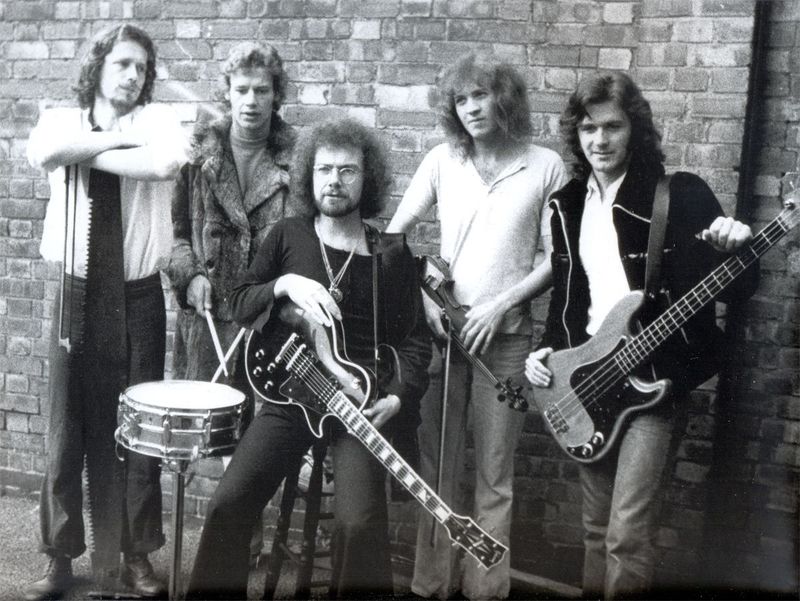
Prog rock devotion is real, but this band is also a classic “I’m advanced” answer for music conversations.
Their reputation suggests virtuosity and intelligence, which makes people feel impressive for mentioning them at all.
The reality is that many songs are long, unpredictable, and structured more like experiments than pop records.
That can be thrilling, yet it can also feel like homework if you’re just trying to unwind.
Even people who admire the musicianship sometimes struggle to connect emotionally to all the technical flexing.
So they keep the band in their identity, while their actual listening leans toward simpler, catchier choices.
It’s not that the music isn’t great, but it’s not always the kind of great you casually replay.
6. The Fall

If someone wants to sound like a serious music person, mentioning this band is an easy way to prove devotion.
They’re critically revered, endlessly prolific, and often described as essential, which creates pressure to “get” them.
But the sound can be prickly and repetitive, with a frontman style that feels confrontational rather than welcoming.
That confrontational energy is the point, yet it isn’t what most people want in their day-to-day playlists.
Many fans respect the idea of raw authenticity more than they enjoy sitting through album after album.
It’s also hard to know where to start, which means lots of people never truly start at all.
So the love becomes a statement, and the actual listening stays limited to a few “approved” tracks.
7. Can

Krautrock is one of those genres that makes people sound cool just by saying the word out loud.
This band gets credited with shaping modern music, which makes them feel like a requirement for anyone claiming deep taste.
Their tracks often unfold slowly, building hypnotic grooves that can feel mesmerizing or endlessly repetitive.
That repetition is intentional, but it’s also why casual listeners rarely come back once the novelty wears off.
People love to cite them as an influence, especially if they want to seem experimental and ahead of the curve.
In real life, most listeners choose something with clearer structure when they’re driving, cleaning, or trying to focus.
So the admiration remains high, while the actual plays stay low, except among true groove-obsessed devotees.
8. Fugazi

This band’s legend is almost moral, because their ethics and DIY approach make them feel “better” than typical rock stars.
They’re the kind of group people respect as humans, which makes it easy to claim them even without constant listening.
The music, however, is intense, urgent, and sometimes abrasive in a way that demands your full attention.
For fans of post-hardcore, that intensity is the reward, but for everyone else it can feel exhausting.
Many people keep Fugazi in their identity as a sign of values, not just taste.
They’ll praise the principles, reference the history, and then put on something easier when it’s time to relax.
It’s admiration with a capital A, but the listening often happens more in theory than in practice.
9. Slint

This group has a cult reputation that makes people feel plugged into a secret, smarter corner of indie music.
They’re praised as foundational, especially for post-rock and spoken, story-like vocals that feel strangely intimate.
But the songs can be tense, quiet, and emotionally unsettling, which isn’t exactly an “anytime” soundtrack.
A lot of people love the concept of them more than the experience of sitting with the discomfort.
The band also gets recommended with a kind of reverence that implies you’re missing out if you don’t love it.
So listeners nod, say they’re incredible, and then rarely choose them when they actually want to enjoy themselves.
True believers play the albums repeatedly, but plenty of “fans” only revisit when they want to feel impressively serious.
10. Swans

There’s a certain bravado involved in claiming you listen to a band that’s famous for being punishingly intense.
Their reputation suggests you’re fearless, artistic, and emotionally tough, which is an appealing identity to wear.
The music can be long, loud, and relentlessly heavy, often feeling more like an endurance test than entertainment.
That endurance can be cathartic, but it’s also why most people don’t casually throw it on during dinner.
Many listeners respect Swans the way they respect a challenging novel they swear they’ll finish someday.
They’ll talk about how powerful it is, maybe sample a track, and then return to something more comfortable.
Real fans absolutely exist, but the amount of public devotion is much larger than the amount of private listening.
Comments
Loading…